
American Pit Bull Terrier Guide Traits Behavior Care
Learn key pitbull breed facts, temperament traits, training tips, and health concerns to decide if this loyal and energetic dog is the right fit for your home.

Author: Kostakis Konstantinou;
Source: alwaysonsalepetsupplies.com
Explore a world of dogs with clear, informative guides designed for owners, enthusiasts, and anyone curious about dogs. Learn how different breeds behave, understand the signals dogs use to communicate, and discover practical ways to support their daily care and wellbeing. Articles combine trusted canine knowledge, widely accepted research, and real-life experience from living with dogs, making complex topics easy to understand.
From choosing the right breed and interpreting behavior to building routines and enhancing everyday life with your dog, the content is designed to be practical, reliable, and enjoyable to read. Regular updates ensure accuracy, so readers can trust the information while learning, exploring, and strengthening the bond with their canine companions.

Every dog breed ages differently. Small dogs outlive giants, mixed breeds beat purebreds, and your daily choices matter more than genetics. Here’s what science reveals about canine lifespan — and how to add years to your dog’s life
Read articleLearn key pitbull breed facts, temperament traits, training tips, and health concerns to decide if this loyal and energetic dog is the right fit for your home.
Discover 25+ fluffy dog breeds — from tiny Pomeranians to giant Great Pyrenees. Get honest grooming costs, shedding realities, and health facts to find your perfect long-haired companion before falling for that irresistible fluff
Learn effective dog constipation treatment options, from pumpkin remedies and hydration tricks to knowing exactly when to see a vet. Discover safe home solutions, proper fiber dosages, quick relief methods, warning signs that demand urgent professional care, and proven tips for lasting comfort
From 200-pound Mastiffs to record-breaking Great Danes, the world’s largest dog breeds redefine companionship entirely. Explore 15 giants ranked by size and weight, plus honest breakdowns of costs, care requirements, and how to choose the right breed for your home and lifestyle.
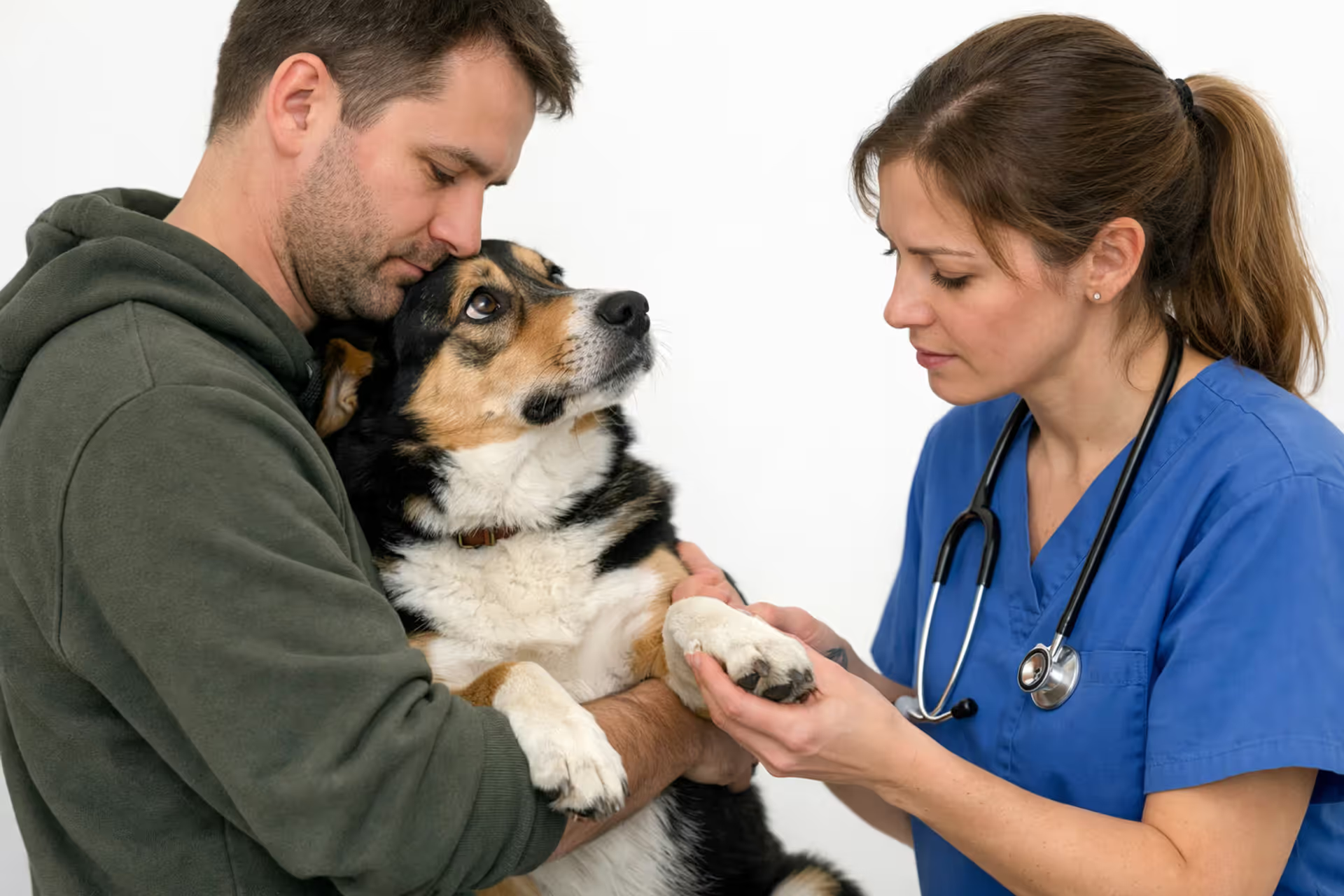
Discover safe pain relief options for dogs, which human medications are dangerous, and when vet care is essential. Includes prescription treatments, natural solutions, and pricing details.

Discover 15 low energy dog breeds perfectly suited for apartments, seniors, and relaxed lifestyles. This in-depth guide compares exercise needs, grooming demands, and temperaments by size category. Learn what truly makes a breed low energy, avoid the most common selection mistakes, and get practical tips to keep your calm companion healthy, mentally engaged, and happy

Everything dog owners need to know about gabapentin: how it works, when vets prescribe it, correct dosing by weight, possible side effects, safety concerns for senior and pregnant dogs, drug interactions to avoid, and practical tips for giving it to your pet effectively and safely every day

Complete German Shepherd guide: temperament, training tips, health concerns, and whether this loyal breed fits your family. Expert advice for current and future owners.

Discover why your dog keeps licking lips—from nausea and dental pain to anxiety and stress triggers. Learn to spot the warning signs, understand what your dog is really telling you, and find out exactly when to call the vet and how to help them feel better.

Is your dog destroying furniture, howling, or hiding in corners? These aren’t behavior problems — they’re anxiety signals. Learn to recognize the warning signs, understand what triggers fear in dogs, and discover proven treatment options that actually work.

Explore how many puppies dogs actually deliver by breed size, from toy breeds averaging 1-3 pups to giant breeds reaching 8-12 and beyond. Discover which biological and environmental factors control litter size, including maternal age, genetics, nutrition, and optimal breeding timing for best results
Read more
Professional handbook on canine pregnancy explaining symptoms, gestation period, weekly development phases, nursing needs, expected puppy counts, and potential health risks. A must-read resource for every dog owner preparing for their pet’s motherhood journey and wanting the best outcome for puppies.
Read more
Discover which dog breeds consistently live the longest, why small breeds almost always outlive their larger counterparts, and what science says about the size-lifespan connection. Learn how to maximize your dog’s years through smart nutrition, weight control, and preventive veterinary care
Read more
Why is your dog pooping in the house? Discover the real reasons — from hidden medical conditions to behavioral triggers — and get proven, vet-approved solutions to stop indoor accidents for good, whether you have a puppy or a senior dog
Read moreDiscover which dog breeds consistently live the longest, why small breeds almost always outlive their larger counterparts, and what science says about the size-lifespan connection. Learn how to maximize your dog’s years through smart nutrition, weight control, and preventive veterinary care

Your dog feels off — quieter, warmer, withdrawn. But is it really a fever? Learn to read the signs your pet can’t speak, discover safe ways to help at home, understand what’s driving the heat, and know exactly when to rush to the vet. Real answers for worried pet owners

Complete guide to puppy vaccination schedule: everything you need to know about core and non-core vaccines, exact shot timeline from 6 weeks to 16 months, detailed breakdown of costs at traditional and budget clinics, what reactions are normal after each appointment, and how to keep your puppy protected through every critical stage of early development.

Discover why dogs eat poop, what health risks coprophagia carries, and 7 proven methods to stop this behavior fast. Vet-backed solutions that actually work — for puppies and adult dogs alike. Your clean, stress-free walks start right here
Your lifestyle shouldn't revolve around your dog's exercise demands. Some people love trail running at dawn—others prefer sleeping in and taking life slow. Neither approach is wrong, but pairing a couch-loving owner with a hyperactive Border Collie? That's a recipe for misery on both ends.
Calm dog breeds exist for people who want genuine companionship without the constant activity demands. We're talking about dogs who'd rather nap on your lap than drag you around the neighborhood for hours. These breeds work beautifully for city apartments, older adults, anyone with physical limitations, or folks who just aren't interested in becoming amateur marathon trainers.
The right match means a peaceful home. The wrong one? Chewed baseboards, anxiety, and a pudgy, miserable dog.
Here's what "low energy" actually means: your dog won't lose their mind if they skip the dog park. They won't destroy your living room because you worked late. They're happy with reasonable activity, not obsessed with it.
Don't confuse this with sick or depressed dogs. Healthy low-energy breeds are alert, engaged, and responsive—they just tire faster and recover slower.
Body structure tells you a lot. Short-nosed breeds like Bulldogs literally can't breathe well enough for sustained exercise. Those adorable flat faces restrict airflow, making every breath harder work. Similarly, Basset Hounds have legs so short that what feels like a quick stroll to you is an endurance test for the...
The content on this website is provided for general informational and educational purposes only. It is intended to offer guidance on dog breeds, behavior, health, care, and lifestyle, and should not be considered a substitute for professional veterinary advice, diagnosis, or treatment.
All information published on this site is based on general knowledge, widely accepted research, and practical experience, but individual dogs may differ in behavior, health conditions, and needs. Results and outcomes may vary depending on the dog, environment, and circumstances.
The website is not responsible for any errors or omissions, or for actions taken based on the information provided. For specific concerns regarding your dog’s health or behavior, always consult a qualified veterinarian or professional dog specialist.