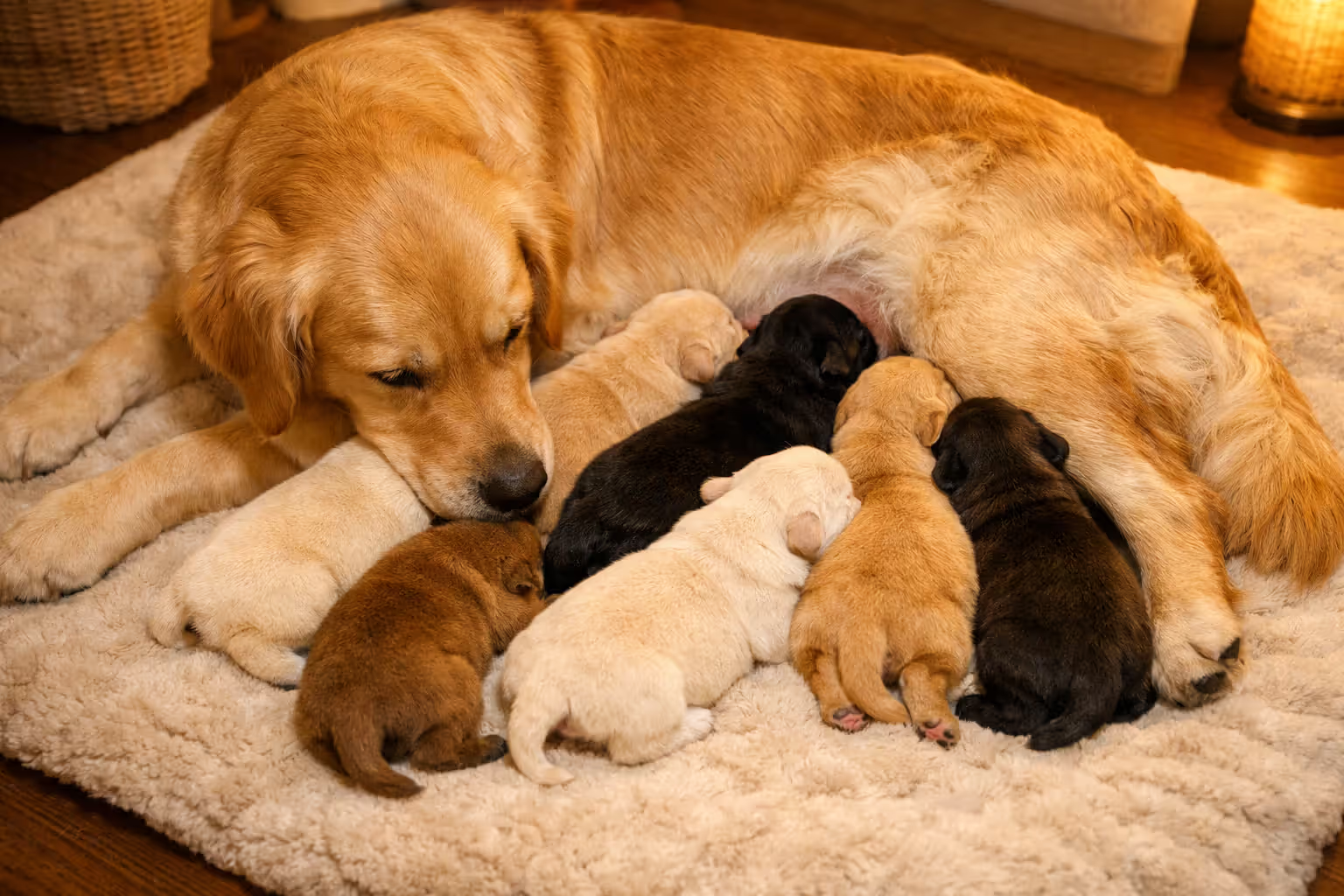
Your dog's pregnant. Maybe you planned this—selected the perfect stud, tracked her heat cycle, timed everything precisely. Or maybe surprise doesn't even begin to cover it. Either way, here you are, about two months from a houseful of puppies.
Here's what nobody mentions enough: even experienced breeders get nervous before whelping day. That's normal. What helps? Actually knowing what's coming and when to expect it.
Recognizing the Early and Late Signs Your Dog Is Pregnant
The first month? Your dog basically looks and acts completely normal. Pregnancy stays hidden way longer than most people expect.
Early Signs (Weeks 1-3)
Week one and two look identical to any other week. The fertilized eggs float through her reproductive system, eventually attaching to the uterine wall around day twelve or thirteen. She won't show this, though she might sleep more than usual. That hyperactive Australian Shepherd who normally demands three walks daily? She's suddenly content with one short stroll before flopping onto her bed for a three-hour nap.
Morning sickness happens, but not to every dog. Studies suggest roughly thirty to thirty-five percent of pregnant females experience nausea. Week three through early week four brings occasional vomiting or skipped meals if she's affected. Good news: this doesn't linger for months like human morning sickness. Most dogs feel normal again within seven to ten days.
Watch her behavior shift before her body changes. Some dogs become Velcro pets—your independent Shiba Inu who barely acknowledged your existence suddenly won't let you out of her sight. Others go the opposite direction. That golden retriever who normally sleeps in your bed might start choosing the basement instead, seeking solitude she's never wanted before.
The greatness of a nation and its moral progress can be judged by the way its animals are treated.
— Mahatma Gandhi
Mid-to-Late Signs (Weeks 4-6+)
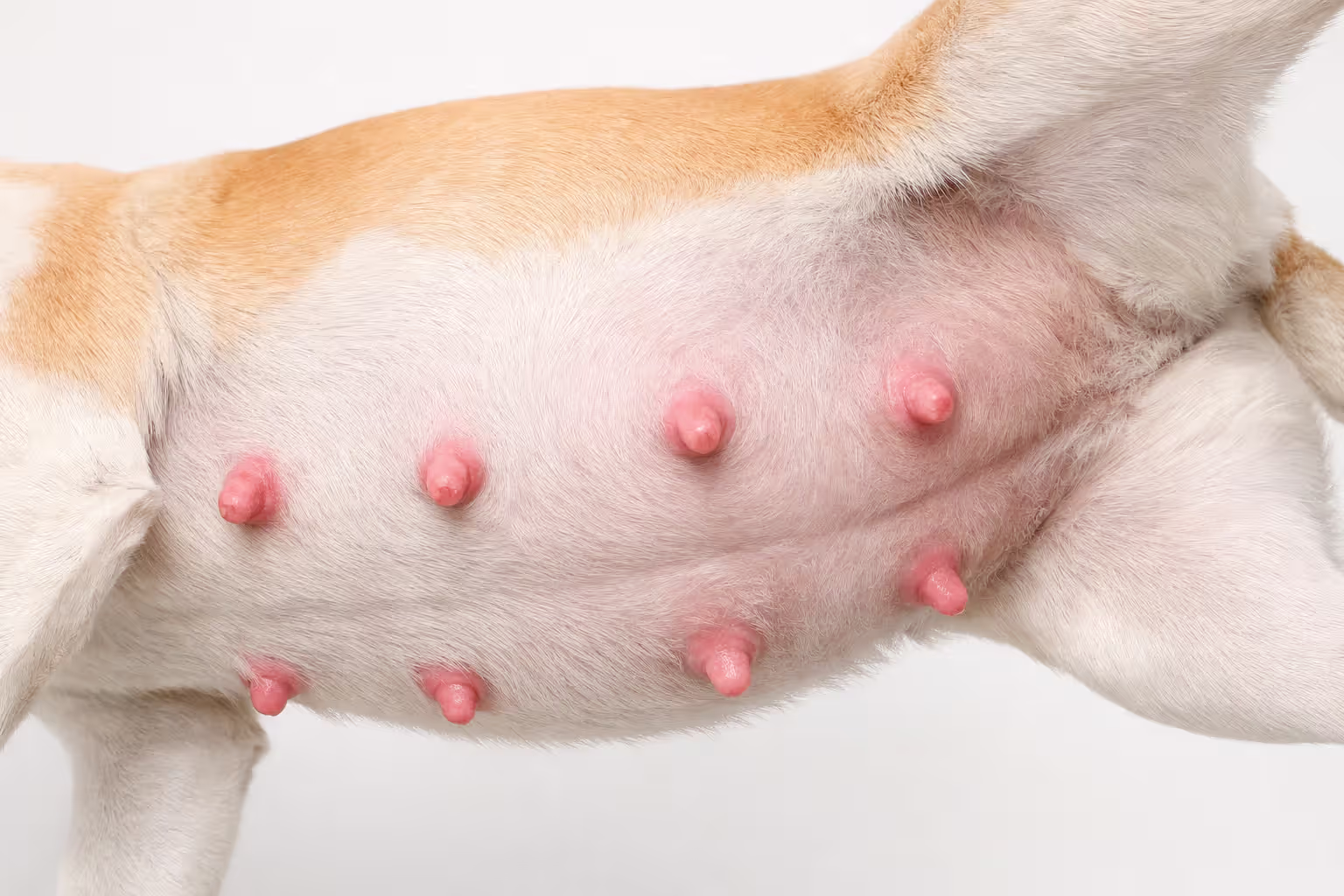
Week four delivers visible confirmation. Her nipples get larger and pinker—breeders call this "pinking up," and it's unmistakable once you notice it. Those barely-visible nipples suddenly become prominent and rosy. Even first-time owners can spot this change.
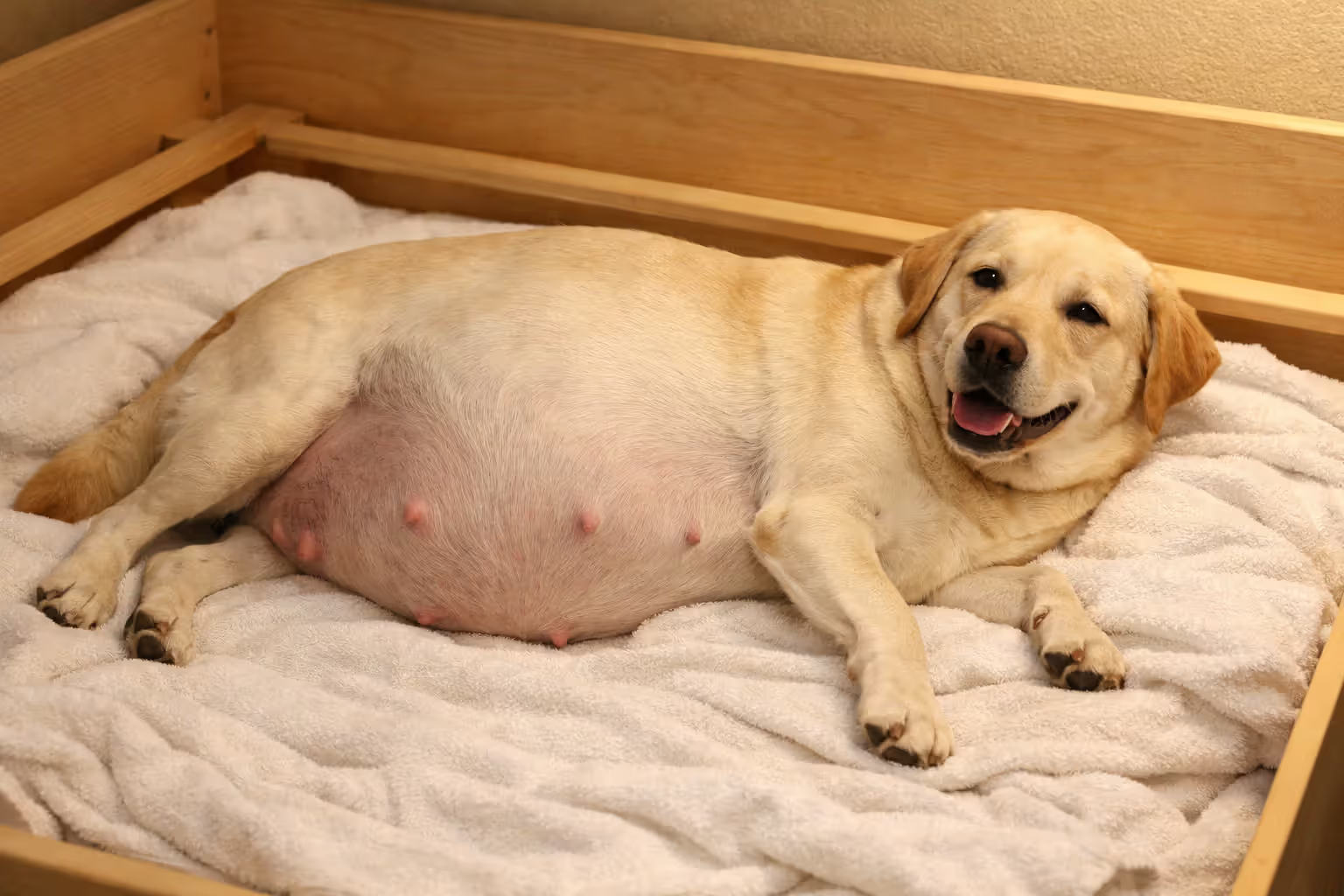
Her waistline disappears during week five. How obvious this looks depends entirely on her build. A pregnant Dachshund carrying four puppies shows dramatically. A pregnant Mastiff carrying the same number? You might barely notice until week six or later. Body type matters more than breed category.
Week six triggers serious appetite increases. She'll eat twenty-five to fifty percent more food—some dogs act like they haven't eaten in days, finishing their bowl in thirty seconds and immediately begging for seconds. Clear vaginal discharge can appear now. This is fine. Green, yellow, or black discharge accompanied by foul odor? That's an emergency.
Author: Lucas Fairmont;
Source: alwaysonsalepetsupplies.com
The last two weeks leave zero doubt. Place your palm gently against her belly when she's lying still, and you'll feel puppies moving—little bumps and rolls beneath your hand. Week eight starts the nesting phase. She'll dig at blankets, scratch at carpet, investigate every closet and corner, determined to find the perfect birthing spot. My friend's Lab tried nesting inside her kid's toy box. Another client's Poodle chose the back of the linen closet.
How Long Are Dogs Pregnant? Understanding the Canine Gestation Period
Sixty-three days from conception. Not from breeding—from actual fertilization. That's nine weeks. Just over two months. This timeline stays consistent whether you're talking about Chihuahuas or Great Danes.
Why does everyone quote different numbers then? Because most people calculate from the mating date, but conception might not happen that day. Sperm survives inside the female reproductive tract up to seven days, waiting for eggs to release. Fertilization could occur on day one, day five, or day seven after breeding. So a pregnancy that seems to last sixty-eight days actually lasted the standard sixty-three—you just counted from too early.
Normal delivery falls between day fifty-eight and day sixty-eight. Puppies arriving before day fifty-seven usually can't survive—their lungs haven't matured enough for breathing. Going past day sixty-eight signals problems: stuck puppies, uterine complications, infections.
Dog size doesn't affect gestation length, despite what gets repeated constantly at dog parks. Litter size doesn't either. What can shift timing slightly: mother's age and health. Older females sometimes deliver a day or two early. Extreme stress or poor nutrition might add or subtract a day. But we're talking minor variations, not dramatic differences.
Author: Lucas Fairmont;
Source: alwaysonsalepetsupplies.com
What Happens During Each Trimester
Vets and breeders typically skip trimester talk in favor of week-by-week tracking, but dividing nine weeks into three parts creates useful mental markers.
First trimester (weeks one to three): Pure cellular activity. Fertilization happens, cells multiply exponentially, embryos migrate to the uterus and implant. Nothing visible from outside yet.
Second trimester (weeks four to six): Embryos become recognizable as puppies. Every major organ begins developing, skeletons start hardening, growth accelerates fast. Ultrasound during this period confirms live puppies and gives a rough count—though exact numbers remain difficult until later X-rays.
Third trimester (weeks seven to nine): Massive growth phase. Puppies pack on most of their birth weight now. Fur grows in, lungs practice breathing movements, all systems finish maturing for birth.
Dog Pregnancy Stages Week by Week: What to Expect
Tracking pregnancy week by week helps you know what's normal and spot problems early.
Week Number
Puppy Development Inside
What Mom Looks Like
Your Action Items
1
Sperm meets egg; rapid cell division starts
Zero visible changes; normal energy
Keep her regular schedule; don't add new medications
Split meals into smaller portions; gentle walks only
7
Fur developing; puppies 9cm; movement begins
Major weight gain; possible colostrum leaking
Set up whelping box; begin temperature checks
8
Puppies fully formed; skeleton shows on X-ray
Restless; extreme nesting behavior
Get X-ray for puppy count; gather birthing supplies
9
Final weight gain; puppies move into position
Temperature drops 12-24 hours before labor
Watch constantly; stay available for delivery
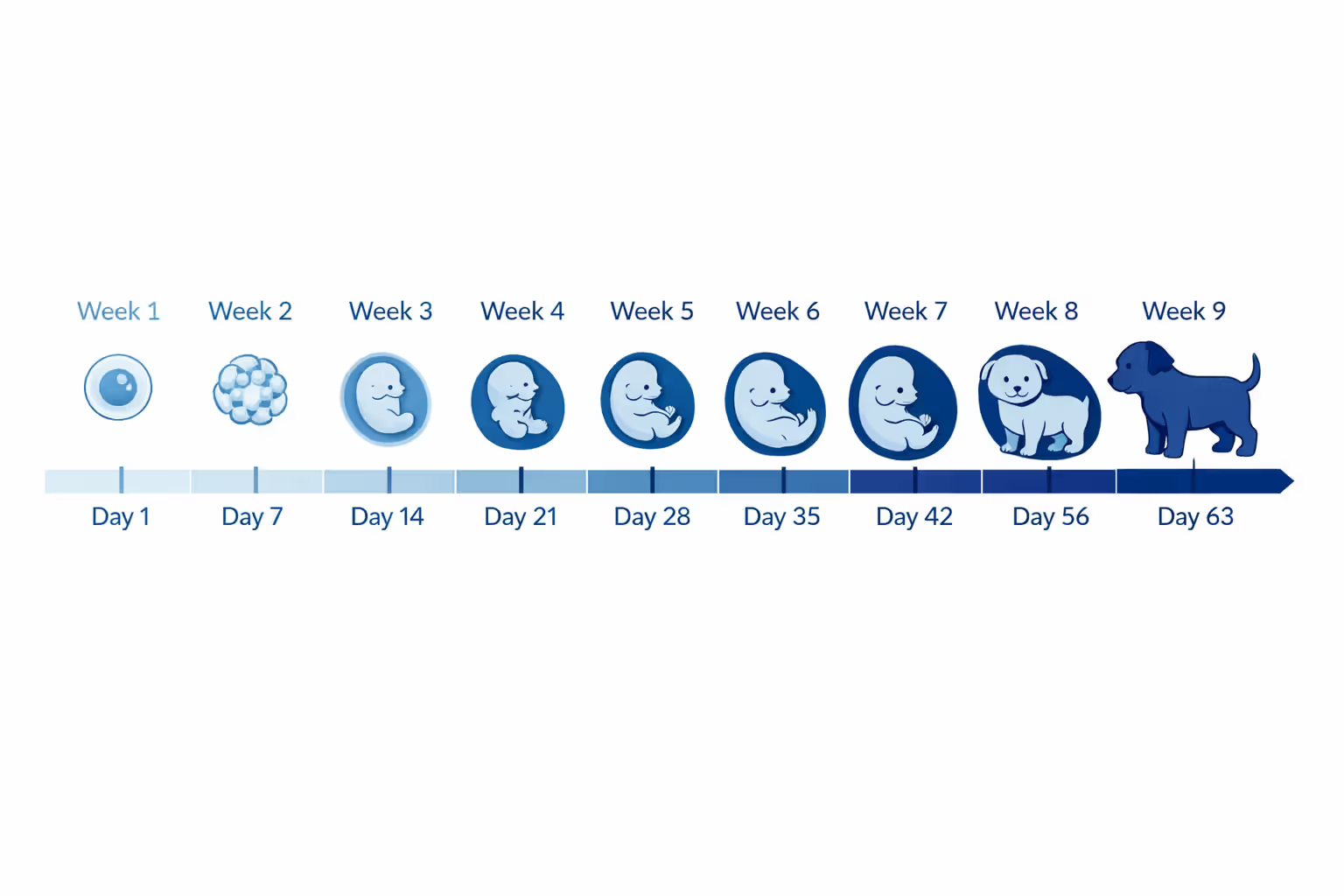
Weeks 1-2: After successful mating, fertilized eggs (zygotes) split into increasingly complex cell clusters while traveling through the fallopian tubes toward the uterus. Around day twelve to fourteen, they implant in the uterine wall. Your dog acts totally normal. Continue her usual food, exercise, and daily routine without changes.
Week 3: Each embryo measures roughly one millimeter—about the size of a poppy seed. The placenta starts forming to deliver nutrients from mother to developing puppies. Some dogs seem tired or slightly nauseous this week. Visit your vet if you suspect pregnancy, though confirming it this early remains challenging.
Week 4: Critical development week. Eyes, ears, and basic facial structures begin forming. Embryos now measure approximately 1.5 centimeters—about the size of a kidney bean. Your vet might detect these developing puppies through abdominal palpation around day twenty-eight. They'll feel like firm little marbles. This detection window closes fast though. Within another week, they've grown too large and spread too far apart for reliable palpation.
Week 5: Tiny toes develop, whisker buds appear, miniature claws start forming. The skeleton transitions from soft cartilage toward actual bone. Her belly rounds noticeably, and she acts constantly hungry. Switch to puppy food or performance formula now—the extra protein, fat, and calories support rapid fetal growth. Ultrasound works perfectly this week for confirming live puppies and detecting heartbeats, though precise counting stays difficult.
Week 6: Puppies stretch to roughly six centimeters—about two and a half inches. Their reproductive organs differentiate, though you can't determine sex from outside examination. Skin pigmentation develops—spots and markings form under developing fur. She needs substantially more food now—increase daily intake by thirty-five to fifty percent above her pre-pregnancy amount. She'll need outside bathroom breaks more frequently as her expanding uterus presses her bladder. If eating makes her uncomfortable, split daily food into three or four smaller servings.
Week 7: Fine fur coats the puppies, who've reached approximately nine centimeters each. They're moving inside, though you might not feel this if she's carrying only two or three puppies, or if she's a thick-coated, large-bodied breed. Her mammary glands may leak colostrum—that thick, yellowish pre-milk loaded with antibodies. Introduce the whelping box during week seven, giving her plenty of time to accept it before delivery.
Week 8: Puppies complete development—every organ functional, complete skeleton formed. Perfect timing for X-rays, which provide an accurate puppy count. Knowing exactly how many to expect becomes critical during labor—you'll know definitively when she's finished delivering. She's obviously uncomfortable now, constantly repositioning, obsessively arranging her bedding, seeking quiet areas away from household activity. Her massive belly makes grooming herself nearly impossible.
Week 9: Puppies gain final ounces and shift into delivery positions. Her baseline temperature (normally 101-102.5°F in dogs) drops to 98-99°F roughly twelve to twenty-four hours before labor begins. Start checking her rectal temperature twice daily beginning day fifty-eight. When that temperature drops, expect puppies within twenty-four hours.
Author: Lucas Fairmont;
Source: alwaysonsalepetsupplies.com
Essential Care Requirements for Your Pregnant Dog
Proper pregnancy care directly translates to healthier puppies and easier delivery.
Nutrition and Feeding Adjustments
First four weeks: don't change anything. Overfeeding early pregnancy just adds unnecessary weight without helping the microscopic embryos, who need minimal nutritional resources at this stage.
Starting around week five, transition her to puppy food or performance formula. These deliver concentrated protein, fat, and calcium—exactly what rapidly growing puppies demand from mom. Mix gradually increasing amounts with current food over seven to ten days to prevent upset stomachs. Sudden diet changes cause diarrhea and vomiting.
By week six, increase total daily portions by thirty-five to fifty percent. By week eight, she might consume fifty percent more than pre-pregnancy amounts. Divide this increased amount into three or four daily meals instead of her previous two. Growing puppies compress her stomach, making large meals uncomfortable and hard to digest.
Keep her water bowl filled constantly—she'll drink dramatically more than usual, sometimes double her normal intake. Check and refill it several times daily, especially during hot weather.
Skip supplements unless your vet prescribes them for specific deficiencies. Extra calcium during pregnancy actually creates serious problems, disrupting natural calcium regulation mechanisms needed during labor and nursing. Quality puppy food provides complete nutrition without additions.
Proper preparation and knowledge are the best tools any breeder can have in their hands.
— Dr. Marty Greer
Exercise and Activity Guidelines
Moderate daily exercise stays important throughout pregnancy. Regular walking maintains muscle tone and prevents excessive weight gain. During the first six weeks, keep her normal activity unless she seems exhausted.
After week six, dial back intensity. Several shorter walks throughout the day beat single long hikes or extended play. Eliminate jumping—no frisbee catching, leaping off furniture, or bounding downstairs. Prevent rough play with other dogs and avoid anything risking abdominal trauma. Swimming often works well as low-impact cardio, though never leave her unattended near water.
Final week, let her decide. Some dogs stay active until contractions start; others want nothing except rest. Don't force exercise, but encourage gentle movement to maintain circulation and muscle tone.
Veterinary Checkups and Health Monitoring
Book a prenatal exam around week three or four. Your vet will confirm pregnancy, discuss diet changes, address health concerns, and verify vaccinations are current. Certain vaccines aren't safe during pregnancy, so she should receive necessary shots before breeding.
Ultrasound performed between weeks four and six confirms living, viable puppies and lets you hear their heartbeats—genuinely exciting moment. X-rays taken during week eight provide accurate puppy count, which becomes essential during delivery for knowing when all puppies have safely arrived.
Follow your vet's recommended deworming schedule. Certain intestinal parasites transfer from mother to puppies either before birth or through nursing.
Watch for warning signs throughout pregnancy: bloody vaginal discharge, persistent vomiting lasting over a day, extreme lethargy or weakness, refusing food for more than twenty-four hours, or fever above 103°F. Every single one demands immediate veterinary attention—same-day appointments minimum, emergency clinic if problems arise after hours.
Preparing a Whelping Area
Set up the whelping box by week seven at the latest. This enclosed, safe space provides security for mom while containing newborn puppies who can't walk yet. Size it appropriately—she should lie fully stretched with room left over. Typically four feet by four feet works for medium breeds. Large dogs need bigger boxes, small dogs need smaller.
Position it somewhere quiet with minimal traffic, in an area where she already feels relaxed. Maintain room temperature between seventy-five and eighty degrees for the first week post-birth since newborns can't regulate body temperature.
Line the bottom with washable blankets or towels. Never use materials with loose loops or holes where tiny puppies could tangle or get trapped. Stock plenty of extras for quick changes during and after delivery—you'll use more than expected.
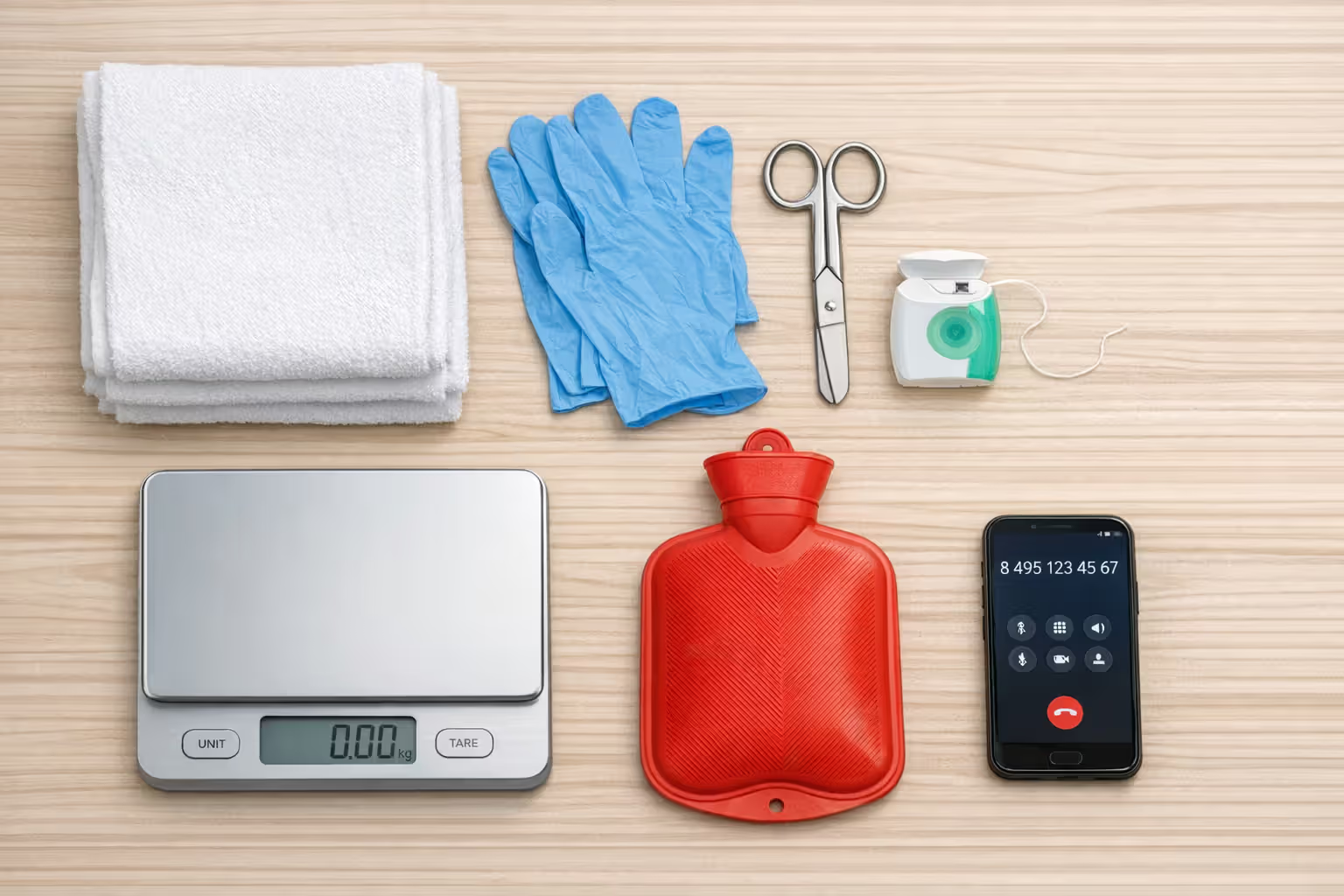
Gather supplies well before her due date: clean towels (minimum twelve), latex or nitrile gloves, unwaxed dental floss for tying umbilical cords if necessary, blunt-tip scissors, heating pad or heat lamp, small digital scale for weighing puppies, and your vet's emergency number saved in your phone.
Author: Lucas Fairmont;
Source: alwaysonsalepetsupplies.com
How Many Puppies Can a Dog Have? Litter Size Factors
Litter sizes vary tremendously based on multiple interacting factors. Average across all breeds lands around six puppies, but normal, healthy litters range anywhere from one puppy to over a dozen.
Breed Size Correlation
Generally, larger breeds produce bigger litters than smaller breeds. A Great Dane might deliver eight to ten puppies, while a Yorkshire Terrier typically has two to four. This pattern includes plenty of exceptions—some large breed pregnancies produce only one or two puppies, while small dogs occasionally surprise everyone with six or seven.
Breed Size Category
Typical Number
Common Range
Important Notes
Toy breeds (under 10 lbs)
3
1-4
Single puppies happen frequently; C-sections more common
Small breeds (10-25 lbs)
4
2-6
Puppies proportionally larger compared to mother's size
Medium breeds (25-50 lbs)
6
4-8
Most consistent, predictable litter sizes
Large breeds (50-80 lbs)
8
6-10
Significant variation depending on specific breed
Giant breeds (over 80 lbs)
8
5-12
Can produce very large litters but also singles and twins
Age and Experience
First pregnancies typically yield smaller litters than subsequent ones. A female's second or third pregnancy often produces the largest litter she'll ever have. After reaching age five or six, litter sizes generally decrease.
Very young females (under two years) and older ones (over seven years) trend toward smaller litters and face higher complication rates. Responsible breeders focus breeding during reproductive prime—typically ages two through five for most breeds.
Other Contributing Factors
The male's genetics play a role. If the father comes from lines known for large litters, expect higher puppy counts.
Breeding timing significantly impacts litter size. Mating during peak fertility—usually eleven to thirteen days into her heat cycle—increases chances of larger litters.
Overall health and body condition directly affect fertility and litter size. Well-nourished, healthy females at ideal weight consistently produce larger litters than overweight, underweight, or unhealthy dogs.
Author: Lucas Fairmont;
Source: alwaysonsalepetsupplies.com
Common Complications and When to Call Your Vet
Most canine pregnancies progress without serious problems, but understanding potential complications helps you respond quickly when something goes wrong.
Miscarriage and Fetal Resorption
Early pregnancy loss happens more often than owners realize, particularly during the first three weeks after conception. The body might resorb embryos completely, leaving zero trace of pregnancy. Later-stage miscarriages produce bloody discharge and visible expelled tissue. Potential causes: bacterial infections, hormonal imbalances, physical injuries, or genetic abnormalities in developing embryos.
Contact your vet immediately upon observing any bloody discharge during pregnancy.
Eclampsia (Milk Fever)
While more common after delivery, eclampsia can strike during late pregnancy. This life-threatening emergency involves rapidly dropping blood calcium levels. Warning signs include agitation, excessive panting, muscle rigidity, trembling, and potentially seizures.
Eclampsia requires immediate emergency treatment with intravenous calcium. This condition perfectly illustrates why calcium supplements during pregnancy get discouraged—they interfere with the body's natural calcium management systems.
In the world of veterinary medicine, there is no such thing as overreacting when it comes to a pregnant animal — it is always better to call and be reassured than to wait and face an emergency.
— Dr. Sophia Yin
Dystocia (Difficult Birth)
Labor complications require veterinary intervention. Emergency warning signs: - Over two hours of strong, regular contractions without producing a puppy - More than four hours passing between delivered puppies - Puppy visibly stuck in birth canal for over ten minutes - Green or black discharge appearing before first puppy arrives - Heavy bleeding at any point - Signs of severe pain or extreme distress
Small breeds and brachycephalic breeds with disproportionately large heads (Bulldogs, French Bulldogs, Boston Terriers) face significantly elevated dystocia risks.
Pyometra
This potentially fatal uterine infection can develop following false pregnancy or when pregnancy complications arise. Warning signs: severe lethargy, fever, excessive water drinking, vaginal discharge (often containing pus), and abdominal pain. Pyometra represents a true medical emergency requiring immediate treatment—frequently involving surgical removal of the infected uterus.
Premature Labor
Labor beginning before day fifty-eight counts as premature. Puppies born before day fifty-seven rarely survive because their lungs and vital organs remain underdeveloped. If you notice labor signs appearing early, contact your vet immediately—don't wait and see. Sometimes medications can stop contractions, buying puppies crucial additional development days.
When to Call Your Vet
Never hesitate if you observe: - Bloody discharge or foul-smelling vaginal secretions at any point - Vomiting continuing more than twenty-four hours - Severe lethargy, weakness, or inability to stand - Complete food refusal lasting over twenty-four hours - Fever (rectal temperature exceeding 103°F) - Difficult, labored breathing or excessive panting - Collapse or seizures - Signs of severe distress during active labor
Save both your regular vet's number and the nearest 24-hour emergency clinic's contact information in your phone well before her due date. Frantically searching during crisis wastes precious time.
Frequently Asked Questions About Dog Pregnancy
Can you do a pregnancy test on a dog at home?
No reliable home pregnancy tests exist for dogs currently. Human pregnancy tests won't work—they detect a completely different hormone (hCG) that dogs don't produce during pregnancy. Your vet can perform blood tests measuring relaxin hormone levels starting around days twenty-five to thirty of pregnancy, or conduct ultrasound examination from week four onward. Skilled vets sometimes detect pregnancy through abdominal palpation around days twenty-eight to thirty-two, but this requires experienced hands. Ultrasound or X-rays remain the most accurate confirmation methods available.
When should I start feeding my pregnant dog puppy food?
Begin switching her diet around weeks four or five. Make this dietary transition gradually over seven to ten days by mixing progressively larger amounts of puppy food with her regular diet. Abrupt food changes cause digestive upset—diarrhea, vomiting, reduced appetite. Puppy food provides elevated calorie density, increased protein, and enhanced nutrients necessary to support fetal development and later milk production. Continue this diet throughout the entire nursing period until puppies finish weaning, typically occurring around eight weeks after birth.
What's the typical expense for managing a dog's pregnancy?
Budget approximately $500-$1,500 for uncomplicated, normal pregnancy. This covers prenatal vet visits, ultrasound, X-rays, premium puppy food, and whelping supplies. Costs escalate dramatically if complications develop. Emergency cesarean sections typically run $1,500-$3,000 or substantially more depending on location and whether it's performed during regular hours or overnight. Set aside emergency funds beyond basic pregnancy costs—approximately twenty percent of canine pregnancies involve complications requiring medical intervention. Don't forget post-birth expenses: puppy vaccinations starting at six weeks, multiple deworming treatments, and food costs once puppies begin eating solid food around four weeks.
Can a dog be pregnant and not show signs?
Yes, absolutely—particularly throughout the first month. Some females—especially those carrying small litters, or larger breeds with deep chests and thick coats—show minimal visible changes until late pregnancy. Behavioral changes can be extremely subtle or completely absent in certain individuals. This explains why veterinary confirmation through ultrasound or hormone blood testing matters if you suspect pregnancy despite seeing no obvious physical indicators. By weeks six or seven though, most pregnant dogs display unmistakable physical changes even if carrying just one or two puppies.
What should I do if my dog goes into labor early?
Contact your vet immediately if labor begins before day fifty-eight. Puppies born prior to day fifty-seven face very poor survival chances due to critically underdeveloped lungs and immature organ systems. Your vet may administer medications attempting to halt contractions, giving puppies additional vital development time inside the uterus. If labor cannot be stopped, prepare for intensive care of premature puppies—requiring supplemental heating, assisted feeding every two hours, and constant monitoring. Keep her calm, comfortable, and warm while arranging emergency veterinary care as quickly as possible.
How soon after giving birth can a dog get pregnant again?
Dogs can technically conceive during their first heat cycle after delivering puppies—typically occurring four to eight months post-delivery. However, breeding consecutive heat cycles without breaks gets strongly discouraged by responsible breeders and vets. Back-to-back pregnancies severely deplete the mother's body, draining critical nutrient reserves and dramatically increasing health risks for both mother and future offspring. Ethical, responsible breeding practices recommend waiting at least one full heat cycle—usually twelve to eighteen months—between litters, allowing complete body recovery time. Many experienced breeders wait even longer, particularly following large litters, difficult deliveries, or cesarean sections.
Preparing for the Journey Ahead
Caring for a pregnant dog requires attention to detail, thorough preparation, and willingness to adjust plans as circumstances change. Each pregnancy unfolds uniquely, even for the same female across multiple litters. Trust your instincts and your knowledge of your dog's normal behavior patterns—you know her better than anyone, including your vet. When something feels wrong or different, making that phone call remains always the right decision, even if it turns out to be nothing serious.
The nine-week pregnancy timeline moves surprisingly fast once you're in it. Understanding developmental changes happening each week, maintaining appropriate nutrition and consistent veterinary care, and properly preparing your home for new arrivals gives your dog and her puppies the strongest possible foundation for success. The real work begins after delivery when you're caring for newborns, but watching healthy puppies thrive makes every effort worthwhile.
Whether you're a dedicated breeder working to improve your chosen breed or an owner navigating an unplanned pregnancy, the goal remains identical: producing a healthy mother and healthy puppies. Armed with solid knowledge and thorough preparation, you're well-equipped to achieve exactly that outcome.
Learn to recognize the key signs a dog is in heat, understand all 4 stages of the canine heat cycle, manage sudden behavior changes, and provide proper care during estrus. This guide covers discharge, swelling, cycle timing, fertility windows, safety tips, and answers common owner questions
Learn why your dog farts so much, what causes smelly dog gas, when it signals health problems, and proven ways to reduce flatulence through diet changes. From food triggers and speed-eating habits to gut conditions, discover exactly what makes your pup gassy and simple steps to fix it for good
Wondering why your dog wakes up with crusty or colored eye discharge? This guide breaks down every type of dog eye booger by color and texture, explains seven common causes from allergies to dry eye, walks you through safe at-home cleaning steps, and highlights the red flags that signal an urgent vet visit
Learn effective dog constipation treatment options, from pumpkin remedies and hydration tricks to knowing exactly when to see a vet. Discover safe home solutions, proper fiber dosages, quick relief methods, warning signs that demand urgent professional care, and proven tips for lasting comfort
The content on this website is provided for general informational and educational purposes only. It is intended to offer guidance on dog breeds, behavior, health, care, and lifestyle, and should not be considered a substitute for professional veterinary advice, diagnosis, or treatment.
All information published on this site is based on general knowledge, widely accepted research, and practical experience, but individual dogs may differ in behavior, health conditions, and needs. Results and outcomes may vary depending on the dog, environment, and circumstances.
The website is not responsible for any errors or omissions, or for actions taken based on the information provided. For specific concerns regarding your dog’s health or behavior, always consult a qualified veterinarian or professional dog specialist.