Three weeks ago, my neighbor texted me at 6 AM: "Why is my deck covered in blood? Is Bella okay?" Her eight-month-old retriever had started bleeding overnight, and the poor dog was frantically licking herself while her vulva had puffed up to twice its normal size. Bella's first heat had arrived without warning—which is exactly how it happens for most dog owners.
Maybe you're reading this because you just spotted discharge on your floor. Or your intact female suddenly won't stop whining at night. Perhaps you're trying to figure out whether to spay before or after that first cycle happens. I get it—the canine reproductive system doesn't come with a user manual, and your vet probably gave you a two-minute overview that left you with more questions than answers.
This guide breaks down every stage, symptom, and behavior shift you'll encounter. By the end, you'll know exactly what's normal, what requires a vet visit, and how to keep your sanity (and carpets) intact through multiple cycles.
Recognizing the Signs Your Dog Is in Heat
Physical symptoms show up first. Behavioral weirdness follows a few days later.
Vulvar swelling happens fast—you might not notice anything Monday, then wake up Tuesday to obvious puffiness. The external tissue around your dog's genitals enlarges and changes color from pale pink to deep reddish-purple. Small breeds like Chihuahuas might show minimal swelling you'd miss unless you're specifically checking. My friend's Great Dane? Her vulva tripled in size within 48 hours, impossible to overlook.
Get in the habit of doing a weekly visual check. Run your hand along your dog's hindquarters during regular grooming. Catching swelling on day one or two gives you time to grab supplies before heavy bleeding starts.
Discharge begins light, maybe just a few drops that look pinkish. Within a week, you're dealing with what genuinely resembles a bloody nose on every surface she touches. Volume varies wildly between individual dogs. I've seen Pomeranians leave barely-visible spots and Labradors that required constant cleanup. Both are typical.
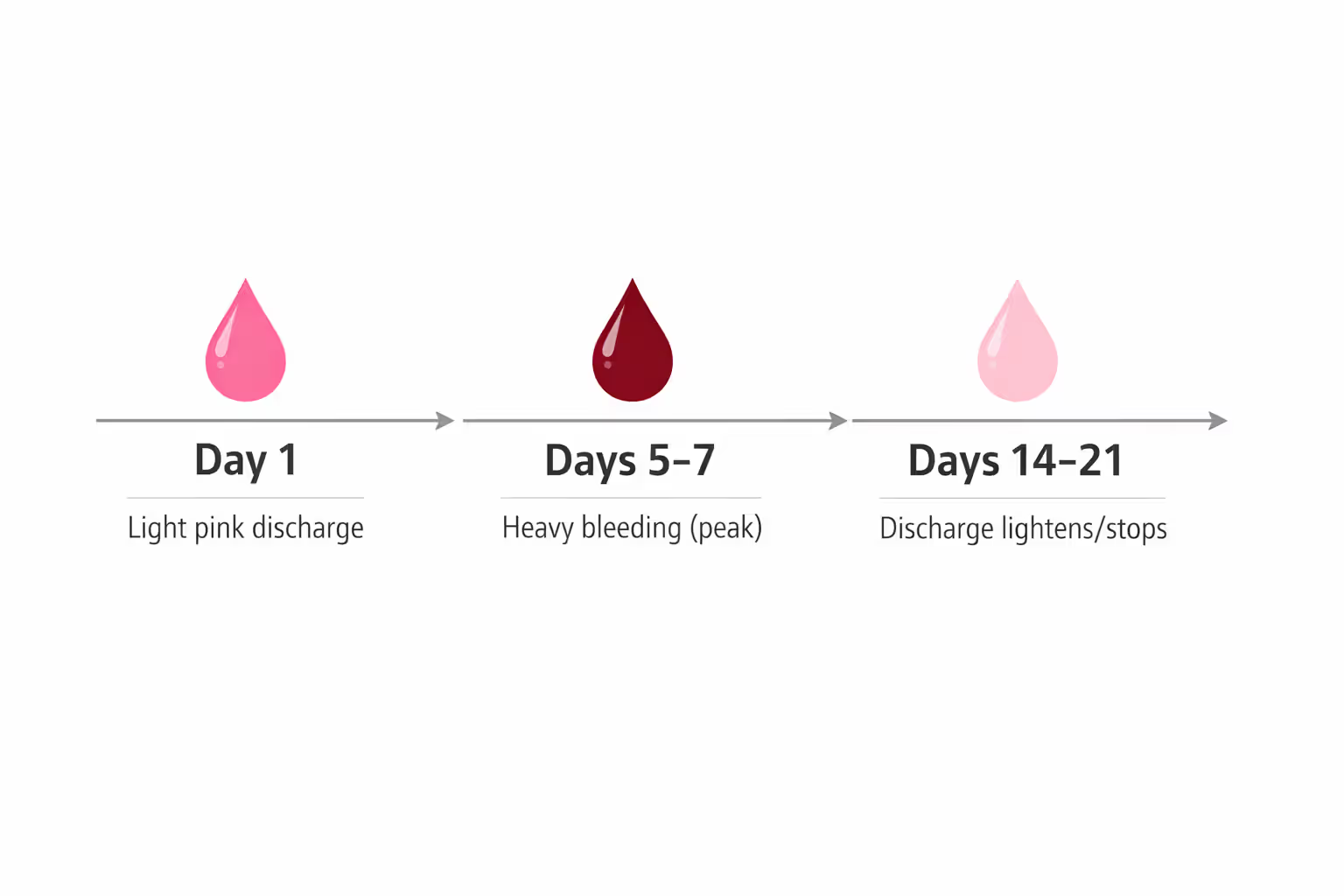
Light bleeding kicks off the cycle, peaks around days 5-7, then gradually lightens again. The whole bleeding phase runs anywhere from 7 days to a full three weeks. Some dogs are fastidious self-cleaners who lick themselves constantly, making it harder to spot the discharge until you see dried blood on their fur or your furniture.
Frequent urination isn't about hydration—it's communication. Your dog is leaving scent markers that essentially broadcast "fertile female here" to every male dog within range. That perfectly housetrained dog who hasn't had an accident in two years? She might suddenly squat and pee on your bedroom rug or the living room couch. Hormones override training. She's not being spiteful or forgetting her manners. Her biology is compelling her to mark territory.
Restlessness manifests differently depending on your dog's personality. Some pace for hours, panting and whining despite comfortable temperatures. Others become Velcro dogs who panic if you leave the room for 30 seconds. A few go the opposite route—hiding under beds, avoiding contact, even snapping if you reach for them. There's no universal "heat personality." Your normally energetic dog might become lethargic. Your couch potato might suddenly act manic.
Tail positioning reveals fertility status more accurately than any other sign. During early proestrus, scratch near the base of her tail and watch her tuck it tight against her body. She might growl or move away. Fast forward 7-10 days into the cycle, try that same scratch, and she'll flag her tail hard to one side, holding it there. That sideways tail means peak fertility—the biological "ready to mate" signal she can't control.
The greatness of a nation and its moral progress can be judged by the way its animals are treated
— Mahatma Gandhi
Early versus late symptoms: Male dogs will circle your property and lose their minds trying to reach your girl even during proestrus, but she'll reject their advances aggressively—growling, snapping, sitting down to block access. Once true estrus begins, the dynamic flips. She becomes the pursuer, actively seeking males and standing perfectly still when they approach.
The Four Stages of the Dog Heat Cycle Explained
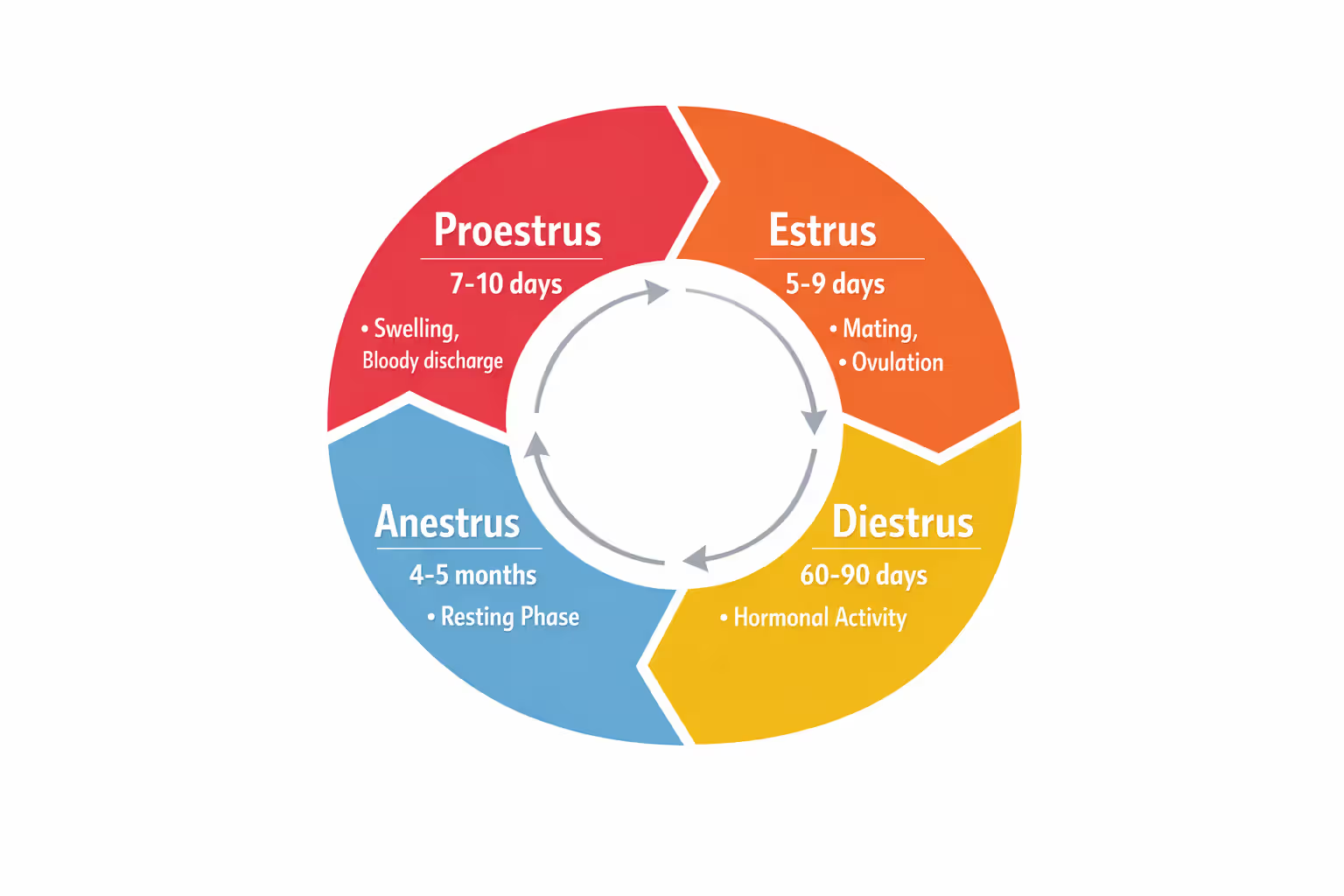
The complete reproductive cycle breaks into four distinct phases. Each runs on different hormone cocktails and prepares the body for specific functions.
Proestrus (Pre-heat Phase)
This opening stage typically lasts 7-10 days, though individual dogs range from 5 to 14 days. Estrogen surges, triggering all the external changes you can observe.
Vulvar swelling starts immediately as blood flow increases to the area. Bloody discharge begins—light initially, progressively heavier as the phase continues. Pheromones in her urine and vaginal secretions create an irresistible attraction for male dogs, but she's not ovulating yet. Any mounting attempts get shut down fast, sometimes with real aggression.
Behavioral changes during proestrus can be intense. Many dogs seem uncomfortable and anxious, unable to settle. Food refusal is common—dogs who normally inhale their meals might skip eating for days. Some females start mounting other household pets (this happens with females too, not just males). The behavior stems purely from hormone fluctuations, not sexual interest.
Estrus (Fertile Period)
The true "heat" when conception becomes possible runs 5-9 days typically. Ovulation occurs roughly 2-3 days after estrus starts, but timing varies enough between dogs that you can't pinpoint it without veterinary hormone testing.
Discharge color shifts from bright red to lighter pink, then often to a straw-colored or tan fluid. That color change usually signals peak fertility, though not every dog follows this exact pattern. Some stay red throughout, others skip pink entirely.
Tail flagging becomes constant. Your dog will actively hunt for males, attempt escape through any gap in fencing, and stand frozen when male dogs are near. Vocalization patterns change—some dogs make almost singing or moaning sounds. Energy spikes despite the physical stress her body is experiencing.
Canine ovulation isn't instantaneous. Multiple eggs release over a 24-48 hour window, and those eggs remain viable for 2-3 additional days. This extended fertility window means a single breeding encounter can result in pregnancy even if timing seems off.
Diestrus (Post-heat Phase)
Diestrus begins the second your dog refuses male attention again. She'll return to tucking her tail, growling at interested males, potentially attacking them if they persist. This phase runs 60-90 days.
Author: Matthew Ridgeway;
Source: alwaysonsalepetsupplies.com
Progesterone levels climb whether or not actual pregnancy occurred. Her body can't initially tell the difference, so the uterine lining thickens and prepares for embryos that might not exist.
Visible heat symptoms vanish within 1-2 weeks. Swelling reduces, bleeding stops, behavior returns to baseline. Internally, hormonal changes continue for months.
False pregnancy affects certain dogs during diestrus. They'll obsessively build nests, guard stuffed toys like puppies, and may even produce milk. This results from normal hormone patterns, not a medical problem. Most false pregnancies resolve without intervention, though extreme cases may warrant a vet consultation.
Anestrus (Resting Phase)
The break between cycles averages 4-5 months. Reproductive hormones go dormant. Nothing is happening with her reproductive organs.
This rest period allows the uterus to return to normal size and gives her body a break from hormonal chaos. Behaviorally, she's completely herself again—no symptoms, no behavioral changes, no drama.
Anestrus length determines overall cycle frequency. Shorter rest periods mean more frequent heats. Extended breaks mean fewer annual cycles.
Author: Matthew Ridgeway;
Source: alwaysonsalepetsupplies.com
Heat Cycle Timeline: Frequency and Duration
The average intact female cycles every 6-8 months—approximately twice yearly. This differs from cats (who cycle continuously during breeding season) and some other mammals who might only cycle annually.
Breed size dramatically influences timing. Toy and small breeds—Yorkies, Pomeranians, anything under 25 pounds—typically experience their first heat around 6-9 months. These smaller dogs often cycle every 5-6 months. Medium-sized dogs in the 25-50 pound range (Cocker Spaniels, Border Collies) usually start at 8-12 months and cycle every 6-7 months. Large and giant breeds hit sexual maturity later. Great Danes and Mastiffs commonly don't cycle until 18-24 months old, and many giant breeds only heat once per year.
Breed Size
Typical First Heat Age
Average Cycle Frequency
Notes
Toy/Small (under 25 lbs)
6-9 months
Every 5-6 months
May have 2-3 cycles yearly
Medium (25-50 lbs)
8-12 months
Every 6-7 months
Most predictable pattern
Large (50-90 lbs)
10-14 months
Every 6-8 months
First cycle may be irregular
Giant (90+ lbs)
12-24 months
Every 8-12 months
Some cycle only once yearly
One complete cycle—from first blood drop through fertility's end—takes 2-4 weeks total. The bleeding portion alone runs 7-14 days for most dogs, though some continue spotting for three full weeks. The actual fertile window inside that timeframe is much narrower: only 5-9 days when pregnancy can physically occur.
When first heat arrives matters tremendously for spay decisions. Many veterinarians recommend spaying before the first cycle to maximize protection against mammary cancer. However, recent research on large breeds suggests waiting until skeletal maturity might reduce orthopedic problems later in life. Your vet should evaluate your specific dog's breed, size, and health factors when recommending timing.
Cycles become predictable after the first 2-3 heats. Young dogs often have irregular first cycles—potentially too long, too short, or with unusual discharge. By the third or fourth cycle, most dogs establish a consistent rhythm that continues for years.
Here's what surprises many owners: dogs don't experience menopause. A 10-year-old dog can still conceive, though complication risks increase dramatically with age. Fertility declines and cycles might space out more as she ages, but cycling never completely stops.
An animal’s eyes have the power to speak a great language
— Martin Buber
What to Expect: Female Dog Behavior During Heat
Hormonal fluctuations drive behavioral changes that can genuinely shock unprepared owners. These aren't training failures—they're biology overriding learned behavior patterns.
Escape attempts become your primary safety concern. A dog who's never tested the fence might suddenly scale a six-foot barrier like it's nothing. Or excavate a tunnel under the gate in 20 minutes flat. Or bolt through the front door the instant someone cracks it open. The biological drive to mate can overwhelm years of obedience training.
Don't leave an intact female outside alone during heat, even inside a fenced yard. Intact males can detect her pheromones from astounding distances—estimates range from 2-5 miles depending on wind conditions and terrain. Distance matters less than this reality: male dogs will do genuinely insane things to reach her. They'll clear fences, tear through window screens, and ignore oncoming traffic.
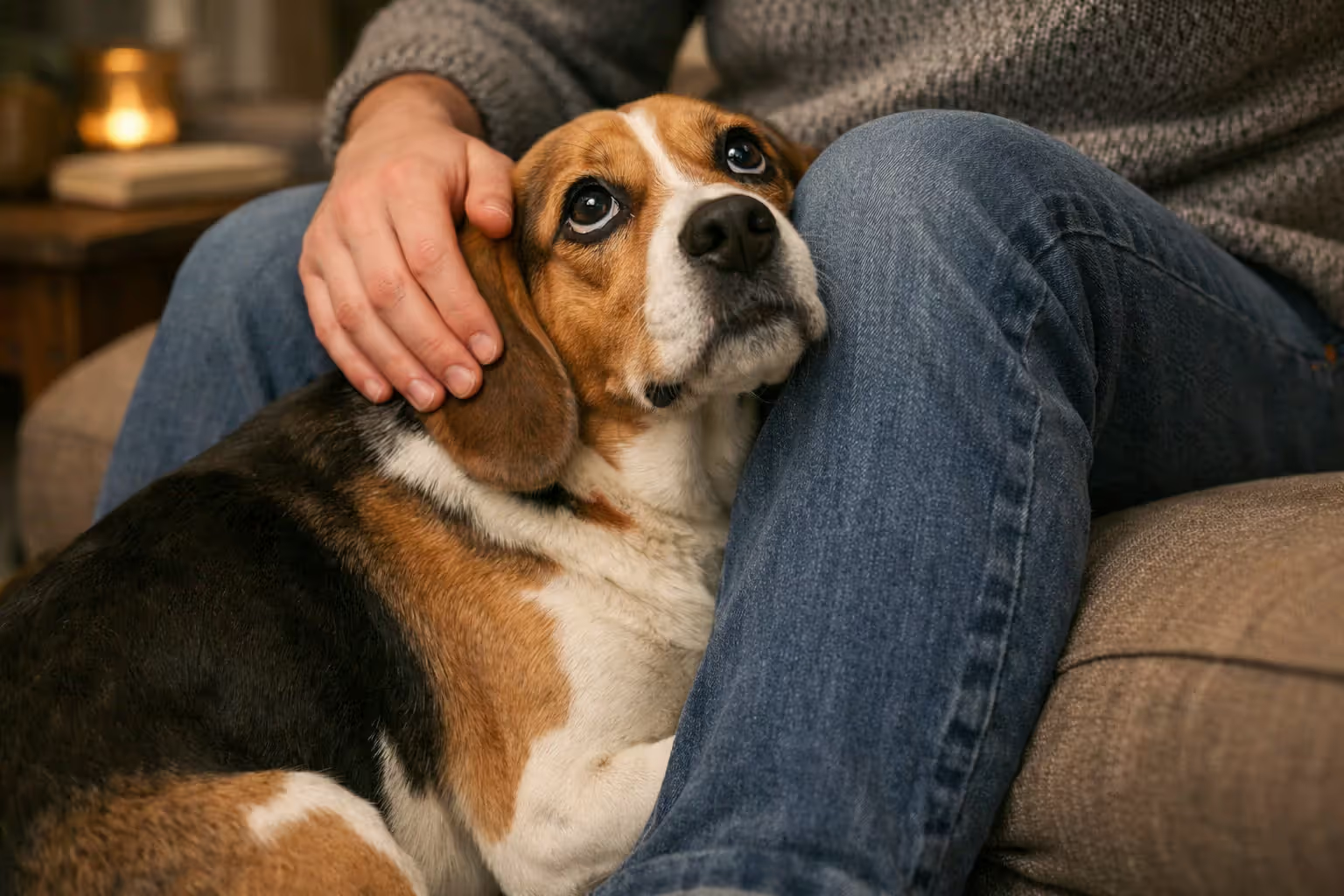
Clinginess intensifies dramatically for many dogs. Your independent girl who typically entertains herself might transform into a shadow who follows you everywhere, whines when you're out of sight, and constantly paws for attention. Hormonal fluctuations create genuine discomfort and anxiety she doesn't understand. Extra cuddles and reassurance help, though the neediness won't fully disappear until her cycle completes.
Author: Matthew Ridgeway;
Source: alwaysonsalepetsupplies.com
Female-to-female aggression sometimes erupts unexpectedly. Two girls who've played together peacefully for years might suddenly engage in serious fights. One dog might begin resource-guarding food or toys with new intensity. This competitive behavior typically peaks during estrus and settles during diestrus. If fighting escalates beyond corrections and snarling into real combat, separate them entirely.
Appetite becomes completely unpredictable—but not consistently across all dogs. Some refuse food during proestrus and estrus, turning away from meals they'd normally devour. Others maintain normal eating or actually increase food intake. Mild appetite changes aren't concerning. If your dog completely refuses food for three consecutive days, contact your vet immediately. Pyometra (uterine infection) can develop after heat cycles and causes severe appetite loss among other dangerous symptoms.
Mounting behavior surprises owners who assume only males hump. Females in heat will mount other household pets, furniture pieces, and people's legs. This stems from hormonal surges and has zero connection to sexual preference or dominance hierarchies. Redirect calmly without punishment—the behavior will stop once hormones stabilize.
Vocalization patterns shift in certain dogs. Whining, howling, and crying—particularly at night—can increase dramatically. Some dogs make completely different sounds when they sense male dogs nearby. These vocalizations serve to attract potential mates, and your dog can't control them any more than she can control the physical swelling.
Mood swings mirror the hormonal rollercoaster ride her body is experiencing. Monday she's anxious and won't settle anywhere. Wednesday she's lethargic and ignores her favorite toys. Friday she's friendly and initiates play. Sunday she's irritable and snaps at the cat who gets too close. Patience is essential—none of this represents deliberate misbehavior or spite.
Practical Care Tips for Managing a Dog in Heat
Managing heat cycles requires advance planning, but nothing about this process is complicated.
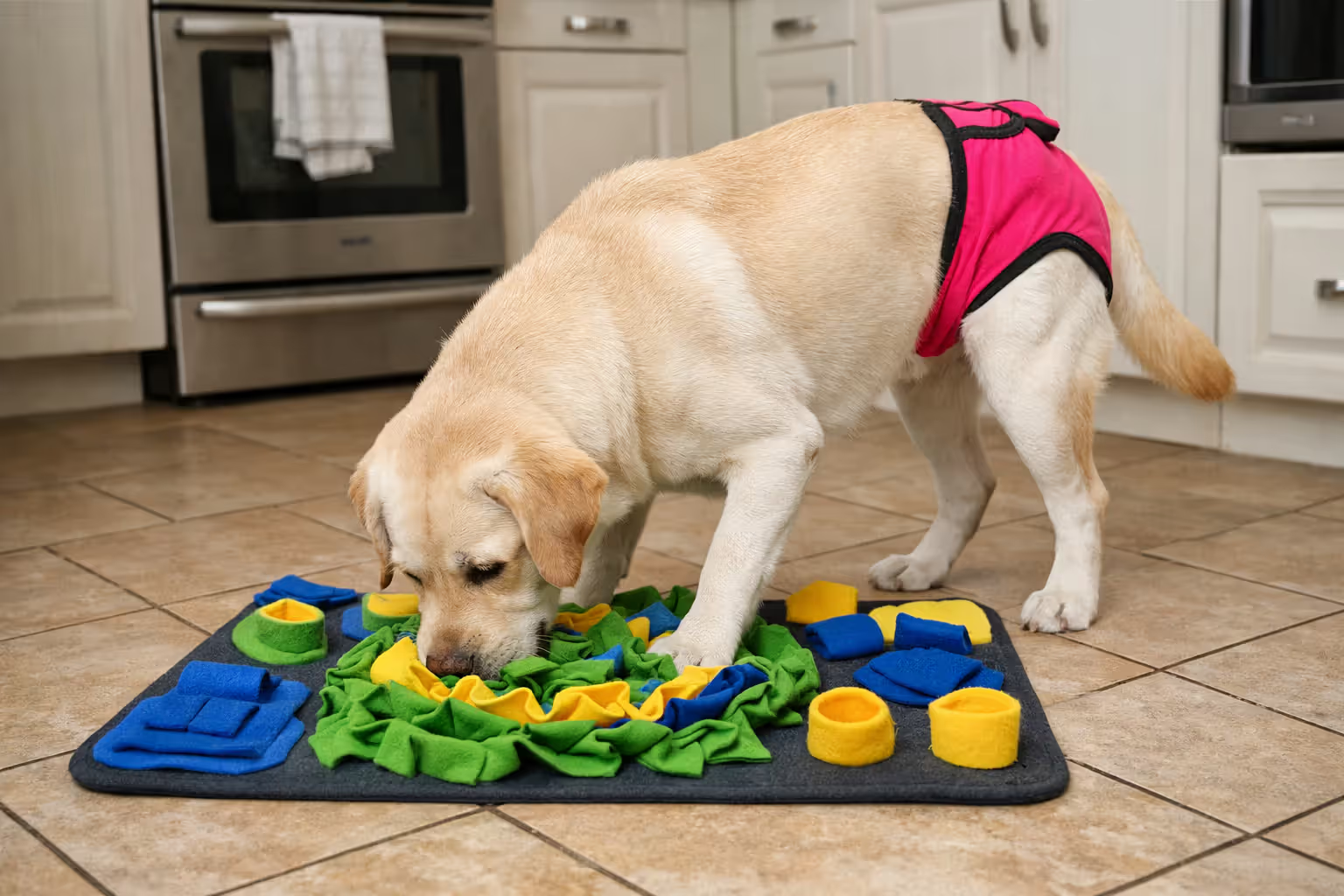
Doggy diapers protect your furniture and floors. Disposable versions work fine for short-term use or days with heavy bleeding. Washable cloth options with absorbent pad inserts become more economical if your dog will cycle regularly before spaying. Introduce the diaper well before her cycle starts—let her wear it for brief periods so she adjusts to the sensation. Some dogs tolerate diapers immediately without issue. Others need a full week of gradual desensitization before they'll leave it alone.
Check and change diapers every 3-4 hours at minimum. Discharge sitting against skin for extended periods causes irritation and potential infections. Some dogs transform into escape artists who can remove diapers within minutes of putting them on. If yours is a Houdini, try overalls-style wraps that are significantly harder to wiggle out of.
Exercise routines need modification to maintain fitness while preventing disasters. Walk at 6 AM or 9 PM when fewer dogs are out exercising. Choose routes away from popular dog areas—that trail where you always encounter other dogs needs to be avoided entirely. Keep her on a short leash attached to a secure harness (not a collar she might slip during a sudden escape attempt).
Indoor exercise becomes essential. If you have a treadmill, teach your dog to use it safely. Play fetch in a long hallway. Set up scent detection games that tire her brain when physical off-leash activity isn't safe.
Author: Matthew Ridgeway;
Source: alwaysonsalepetsupplies.com
Separating intact males isn't optional if you have them in your household. Even neutered males might show interest in a female in heat, though they can't impregnate her. Board your male dogs elsewhere for the complete 3-4 week cycle, or create entirely separate living spaces with solid doors and locks. Baby gates won't work—determined dogs knock them over easily. Dogs can breed in literally seconds, and once they're tied together (physically locked during mating), you can't separate them without causing serious injury.
Home environment adjustments minimize stress and mess. Restrict your dog to rooms with tile or vinyl flooring when she's not wearing protection. Stock up on cheap towels or washable blankets you won't mind ruining. Some dogs crave a quiet retreat space away from household activity when they feel uncomfortable—set up a cozy crate or bedroom corner where she can hide.
Avoid dog parks entirely, along with doggy daycare, group training classes, and any public dog spaces. Even during early proestrus when she's not yet fertile, her presence will cause chaos. Male dogs will fixate obsessively. Female dogs might become aggressive. Most facilities ban dogs in heat anyway for good reason. Wait until all physical symptoms have disappeared for 1-2 weeks before resuming these activities.
Hygiene maintenance prevents infections and reduces her discomfort. Gently wipe the vulvar area with fragrance-free baby wipes or a damp washcloth 2-3 times daily. Monitor for excessive swelling, foul-smelling discharge (it should smell like blood, not rotten or fishy), or obvious pain—these indicate infection requiring immediate veterinary attention. Bathe as needed but avoid harsh soaps near her genitals. Some dogs lick themselves constantly during heat—normal grooming unless it becomes obsessive enough to cause raw, irritated skin.
Scent management helps reduce male dog interest during necessary outdoor time. You can't eliminate the pheromones completely, but regularly cleaning areas where she urinates helps somewhat. Some owners apply menthol products (Vicks VapoRub) to the tail base to mask scent. Results vary dramatically—worth trying if you're desperate and dealing with neighborhood males camping out at your fence.
Mental enrichment prevents boredom during the weeks when physical exercise and socialization are restricted. Puzzle feeders, frozen Kong toys stuffed with peanut butter or yogurt, sniff mats, and training sessions for new tricks keep her brain engaged. Bored dogs in heat become destructive or develop heightened anxiety.
Until one has loved an animal, a part of one’s soul remains unawakened
— Anatole France
Common Questions About Dogs in Heat (FAQ)
Can you spay a dog while she's in heat?
Veterinarians can perform spay surgery during heat, but most strongly prefer waiting. Blood flow to reproductive organs increases dramatically during heat cycles, which raises surgical complication risks. The procedure takes longer, blood loss is typically greater, and post-operative recovery can be rougher for the dog. Experienced surgeons handle heat spays safely when necessary—emergency situations or shelter dogs who can't safely wait. But scheduling surgery during anestrus (the resting phase between cycles) is always medically preferable. Most vets recommend waiting 2-3 months after all bleeding stops before scheduling spay surgery.
Do dogs experience pain during their cycle?
Most dogs handle heat cycles without significant pain. Some discomfort occurs—vulvar swelling can feel strange and uncomfortable, and mild cramping is possible though less common than in humans. Watch for excessive licking of the genital area, reluctance to sit in normal positions, or general restlessness beyond typical heat behavior. If your dog cries out in pain, refuses to move normally, or becomes aggressive when you touch her abdomen, call your vet immediately. Severe pain indicates potential complications like ovarian cysts or uterine infection, not a normal healthy cycle.
Can a dog get pregnant during her first heat?
Absolutely yes—fertility doesn't care about age or maturity once cycling begins. But breeding during first heat is a terrible idea for multiple serious reasons. Young dogs haven't reached physical or mental maturity, and pregnancy places enormous stress on a still-developing body. Complications occur more frequently in dogs bred before maturity—difficult labor requiring intervention, emergency C-sections, poor mothering instincts, and health problems for both mother and puppies. Responsible breeders wait until at least the second or third heat cycle and complete all health screenings before ever breeding.
How do I prevent unwanted pregnancy?
Total separation from intact males is the only reliable prevention method during heat. "Total" means different buildings or boarding one dog elsewhere—not just separate rooms in your house with closed doors. Dogs have successfully bred through fences, cracked doors, and barriers owners believed were secure. Supervision alone fails because mating happens in seconds and dogs lock together (tie) almost immediately. Doggy diapers don't prevent pregnancy—males can remove them or simply work around them. Spaying before first heat provides permanent pregnancy prevention plus significant health benefits. If you're planning to breed eventually, meticulous separation during every single heat cycle until you're ready is absolutely essential.
Is it normal for my dog to skip a heat cycle?
Sometimes yes, sometimes no—context determines whether it's concerning. Young dogs establishing their hormonal patterns might show irregular timing during the first year. If your dog's second cycle arrives at 8 months instead of 6 months after the first, that's probably normal variation. But if a dog with previously regular cycles suddenly skips one entirely, or if a young dog doesn't experience a first heat by 18-24 months (depending on breed size), veterinary evaluation is warranted. Thyroid problems, ovarian cysts, and other hormonal disorders can disrupt cycles. Significant weight loss, severe stress, or serious illness can delay heat too. Track cycles on a calendar so you'll recognize true irregularities versus normal individual variation.
Should I breed my dog during her first heat?
Absolutely not—unless you enjoy veterinary emergencies, dead puppies, and potential maternal death. That sounds harsh, but early breeding creates genuinely serious problems. Physical immaturity dramatically increases risks of difficult labor and emergency C-sections. Young dogs often lack the psychological maturity to mother puppies appropriately—some will reject or accidentally kill their litters. You won't have completed the health screenings responsible breeders require: hip and elbow certifications, genetic testing panels, cardiac evaluations, eye clearances. These tests can't be performed until 18-24 months old minimum, and some require dogs to be older. Early breeding doesn't improve health, temperament, or any other characteristic. Responsible breeding means waiting until the dog reaches full maturity (usually 2+ years minimum), passes all health testing, and demonstrates a temperament worth reproducing. If you're not committed to becoming a serious, ethical breeder who does things right, spay before first heat instead.
Understanding the canine reproductive cycle transforms potential chaos into a manageable aspect of dog ownership. When you recognize physical symptoms and behavioral shifts, you'll respond appropriately instead of panicking or misinterpreting what's happening.
Those four stages—proestrus, estrus, diestrus, anestrus—each bring distinct characteristics serving specific biological purposes. The bleeding and behavior changes might feel inconvenient, but they represent normal functions in a healthy reproductive system. Most dogs cycle without complications, particularly when owners provide appropriate care and vigilant supervision.
For dogs you don't plan to breed, spaying eliminates heat cycles entirely while providing major health benefits including reduced cancer risks. For dogs intended for responsible breeding programs, understanding cycle timing and fertility windows becomes crucial for successful breeding outcomes. Both paths require informed decisions based on your individual dog's needs, breed characteristics, and your long-term goals as an owner.
The management strategies covered here—protective garments, exercise modifications, safety protocols, environmental adjustments—make living with an intact female completely practical. Preparation is everything: stock necessary supplies before the first heat arrives, establish clear safety rules for all household members, and maintain vigilance throughout each cycle. With proper planning and realistic expectations, heat cycles become routine events rather than emergencies that catch you unprepared.
Learn why your dog farts so much, what causes smelly dog gas, when it signals health problems, and proven ways to reduce flatulence through diet changes. From food triggers and speed-eating habits to gut conditions, discover exactly what makes your pup gassy and simple steps to fix it for good
Wondering why your dog wakes up with crusty or colored eye discharge? This guide breaks down every type of dog eye booger by color and texture, explains seven common causes from allergies to dry eye, walks you through safe at-home cleaning steps, and highlights the red flags that signal an urgent vet visit
Learn effective dog constipation treatment options, from pumpkin remedies and hydration tricks to knowing exactly when to see a vet. Discover safe home solutions, proper fiber dosages, quick relief methods, warning signs that demand urgent professional care, and proven tips for lasting comfort
What makes your dog throw up yellow bile? Discover the common reasons behind yellow vomit, recognize when it requires urgent veterinary attention, and explore effective home remedies to ease your pet's discomfort and restore their health.
The content on this website is provided for general informational and educational purposes only. It is intended to offer guidance on dog breeds, behavior, health, care, and lifestyle, and should not be considered a substitute for professional veterinary advice, diagnosis, or treatment.
All information published on this site is based on general knowledge, widely accepted research, and practical experience, but individual dogs may differ in behavior, health conditions, and needs. Results and outcomes may vary depending on the dog, environment, and circumstances.
The website is not responsible for any errors or omissions, or for actions taken based on the information provided. For specific concerns regarding your dog’s health or behavior, always consult a qualified veterinarian or professional dog specialist.