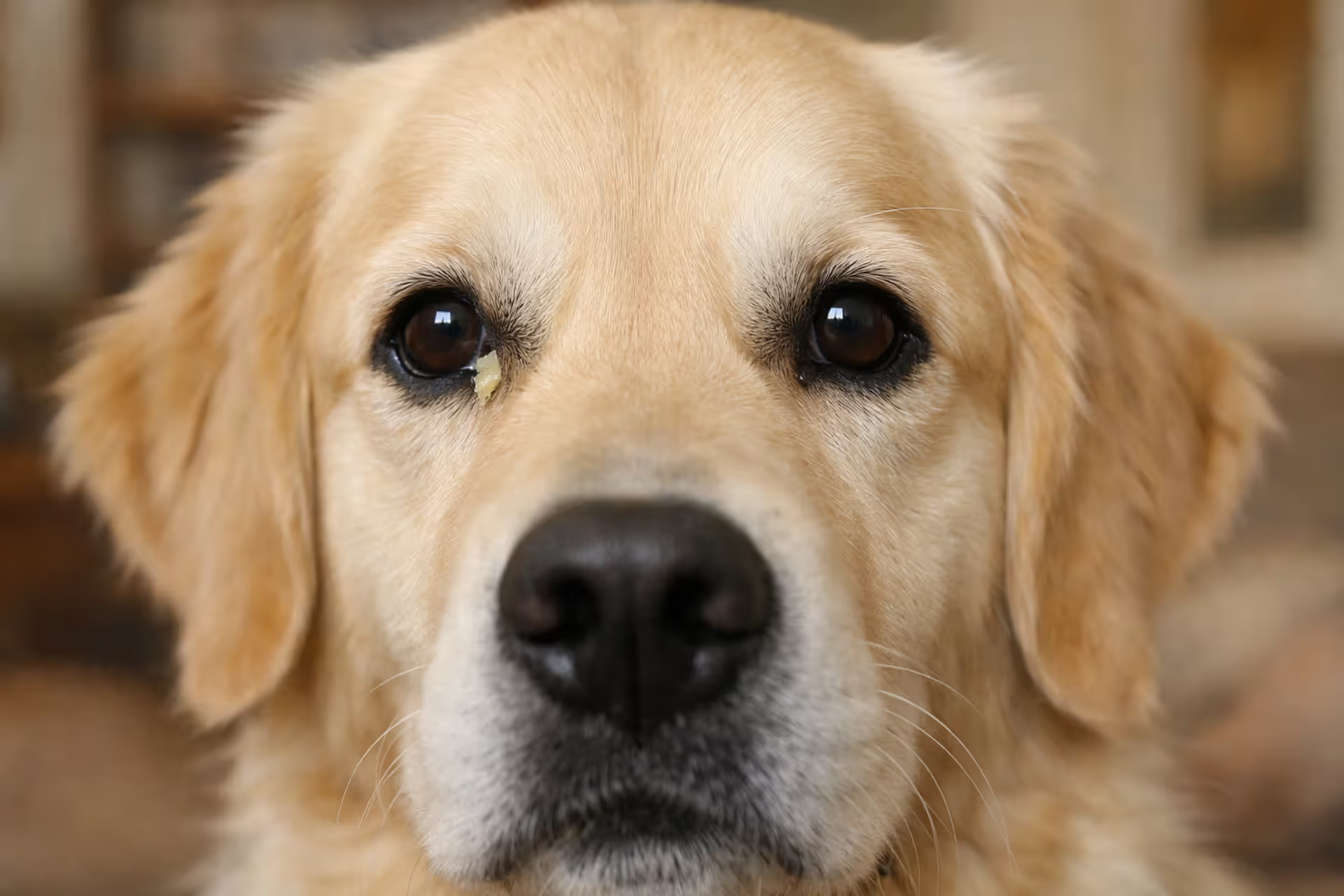
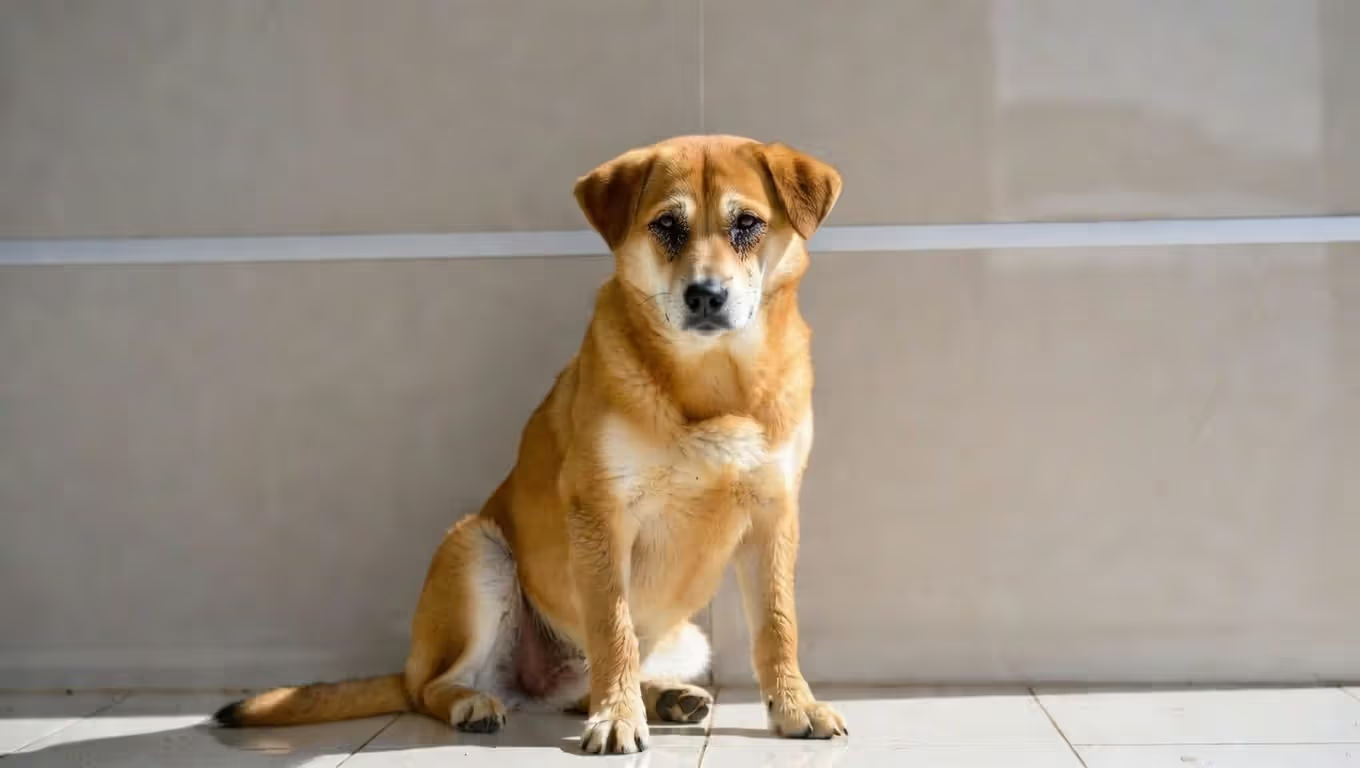
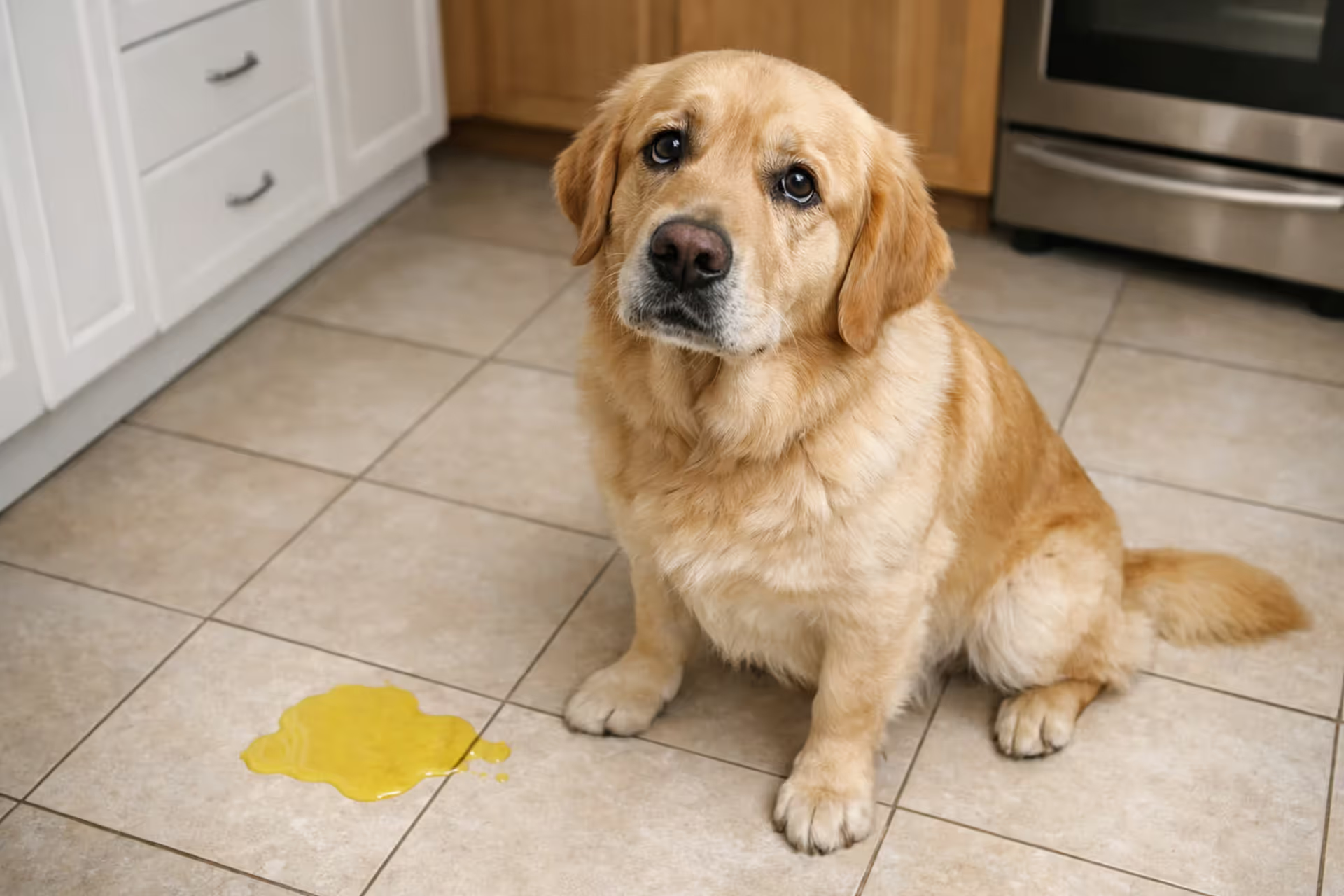
You notice a crusty buildup in the corner of your dog's eye during your morning walk. Yesterday it was clear and watery. Today it's yellowish-green. Should you worry, or is this just part of normal eye function?
Dog eyes produce discharge for dozens of reasons—some completely harmless, others signaling conditions that could threaten vision if left untreated. The color, consistency, and accompanying symptoms tell you whether you're dealing with a minor annoyance or a veterinary emergency.
Why Dogs Get Eye Discharge (And When It's Actually Normal)
Every dog produces tears constantly. The lacrimal glands above each eye secrete a three-layer film that lubricates the cornea, delivers oxygen and nutrients, and washes away debris. This tear film drains through two tiny openings called puncta, located in the inner corner of each eyelid, then travels down the nasolacrimal duct into the nasal cavity.
When this system works perfectly, you'll see minimal discharge—perhaps a small amount of clear or slightly whitish material in the morning after your dog's eyes have been closed for hours. This dried tear residue is the canine equivalent of "sleep" in human eyes.
Is eye discharge normal in dogs? Yes, to a degree. A small amount of clear or light-colored discharge that doesn't cause redness, squinting, or behavior changes falls within normal parameters. Many dogs wake up with dried tearstains or small crusty deposits that wipe away easily.
Problems arise when discharge becomes excessive, changes color dramatically, or accompanies other symptoms. The eye's response to irritation—whether from allergies, infections, or injury—is to produce more tears and inflammatory cells, creating the thick, colored discharge that signals something's wrong.
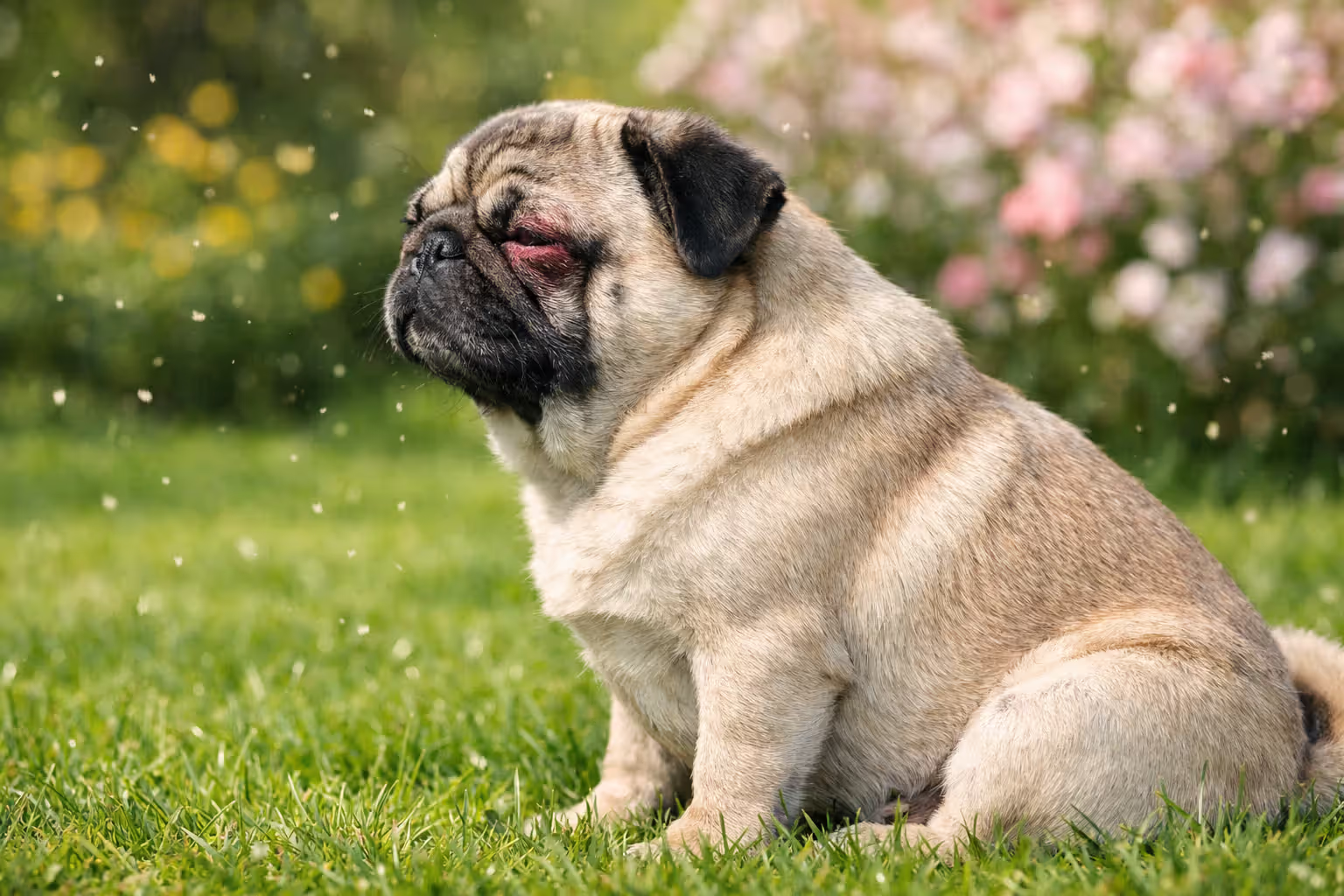
Certain breeds produce more visible discharge even when healthy. Brachycephalic dogs (pugs, bulldogs, Shih Tzus) have shallow eye sockets and prominent eyes that don't close completely during sleep, leading to increased tear evaporation and compensatory discharge. Breeds with hair growing near their eyes (poodles, bichons) experience more mechanical irritation, triggering defensive tear production.
Decoding Your Dog's Eye Discharge by Color and Texture
The appearance of eye discharge provides immediate clues about its cause. Here's what different types typically indicate:
Discharge Type
Appearance
Common Causes
Urgency Level
Clear/watery
Thin, transparent, no odor
Mild irritation, wind exposure, allergies, early dry eye
Monitor—vet if persists >2 days
White/gray
Mucoid, stringy or clumpy
Dry eye, early conjunctivitis, blocked tear duct
Monitor—vet if worsens or lasts >3 days
Yellow
Thick, creamy, may have odor
Bacterial infection, advanced dry eye
Vet visit within 24-48 hours
Green
Thick, colored discharge, often odorous
Active bacterial infection, conjunctivitis
Vet visit within 24 hours
Brown/crusty
Dried, hard deposits at eye corners
Normal dried tears, porphyrin staining, chronic low-grade irritation
Normal unless excessive or accompanied by redness
Thick mucoid
Ropy, sticky, gray or yellowish
Severe dry eye, immune-mediated conditions
Vet visit within 24-48 hours
Bloody
Red-tinged or frank blood
Trauma, corneal ulcer, foreign body, severe dry eye
Immediate vet visit
Green eye discharge in dogs almost always indicates bacterial involvement. When white blood cells rush to fight infection, they release enzymes that create the characteristic green color. This doesn't necessarily mean the bacteria caused the problem initially—they often move in after another condition (dry eye, injury, allergies) compromised the eye's defenses.
Clear, watery discharge that appears suddenly might seem innocent but can signal the early stages of several conditions. Dogs with allergies often start with watery eyes that progress to thicker discharge as inflammation increases. Early dry eye paradoxically causes excessive watering as the eye tries to compensate for poor tear quality.
The texture matters as much as color. Stringy, mucoid discharge suggests mucin overproduction, common in dry eye. Crusty buildup that forms overnight but wipes away easily usually reflects normal tear evaporation. Discharge that returns within an hour of cleaning, especially if thick or colored, indicates active disease.
7 Common Causes of Dog Eye Discharge
Author: Lucas Fairmont;
Source: alwaysonsalepetsupplies.com
Allergies
Environmental allergens—pollen, dust mites, mold—trigger histamine release that dilates blood vessels in the conjunctiva. The result: red, itchy eyes producing clear to white discharge. Unlike infections, allergic discharge affects both eyes symmetrically and coincides with other symptoms like paw licking, ear scratching, or skin irritation.
Seasonal patterns provide clues. Spring discharge that resolves in summer points to tree pollen. Year-round symptoms suggest indoor allergens or food sensitivities. Dogs with allergies often rub their faces on carpet or furniture, introducing bacteria that can convert simple allergic discharge into secondary infections.
Conjunctivitis
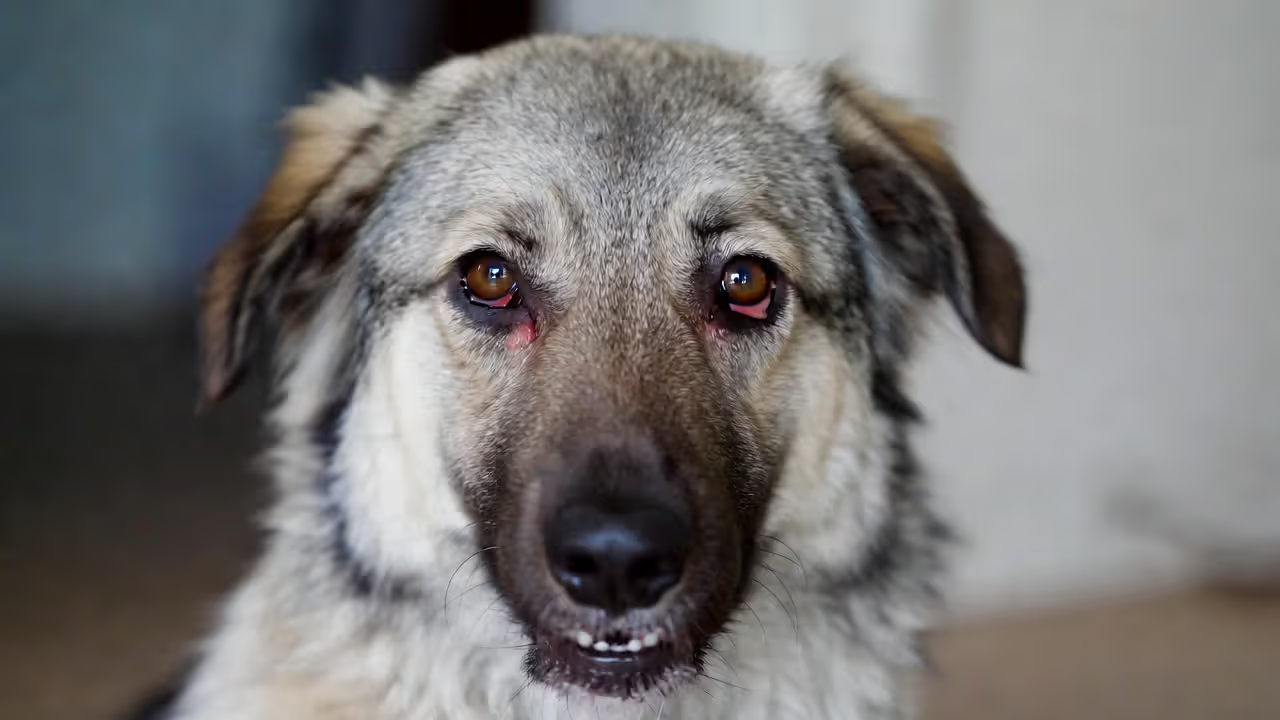
This inflammation of the conjunctiva (the pink tissue lining the eyelids and covering the white of the eye) ranks among the most common dog eye discharge causes. Bacterial conjunctivitis produces yellow or green discharge, often with swollen, red conjunctiva. Viral conjunctivitis starts with clear discharge that may thicken if bacteria join the party.
Dogs catch viral conjunctivitis from other dogs—kennel cough complex often includes eye symptoms. Bacterial conjunctivitis sometimes develops spontaneously but more often follows another problem that damaged the eye's protective barriers.
The eyes indicate the antiquity of the soul.
— Ralph Waldo Emerson
Dry Eye (Keratoconjunctivitis Sicca)
When tear production drops below normal levels, the eye compensates by producing thick mucus that can't adequately lubricate the cornea. Dogs with dry eye develop characteristic thick, ropy discharge—often yellow or green—that accumulates rapidly even after cleaning.
Early dry eye causes excessive watery discharge as the eye tries to compensate. As the condition progresses, discharge becomes thicker and more colored. Left untreated, dry eye leads to painful corneal ulceration and vision loss.
Certain breeds face higher risk: Cocker Spaniels, Bulldogs, West Highland White Terriers, and Lhasa Apsos. Some medications (sulfa drugs) can temporarily reduce tear production. Immune-mediated disease accounts for many cases—the body attacks its own tear glands.
Corneal Ulcers or Injuries
Scratches on the cornea (the clear front surface of the eye) cause immediate pain and reflex tearing. Dogs with corneal injuries squint, avoid light, and produce clear to slightly cloudy discharge. If bacteria infect the ulcer, discharge turns yellow or green.
Corneal ulcers happen when dogs run through brush, play roughly with other dogs, or scratch their own eyes. Cats cause corneal injuries in dogs more often than you'd expect—even friendly cats playing with dog housemates. Some ulcers develop spontaneously in breeds with prominent eyes or abnormal eyelashes.
Blocked Tear Ducts
When the nasolacrimal duct becomes obstructed, tears overflow onto the face instead of draining normally. You'll see constant wetness below the inner corner of the eye and brown staining on light-colored fur. The discharge itself remains clear unless secondary infection develops.
Congenital blockages occur in some puppies—their ducts never fully opened. Acquired blockages result from inflammation, scarring, or foreign material. Cocker Spaniels and Poodles experience blocked tear ducts more frequently than other breeds.
Breed-Specific Anatomical Issues
Author: Lucas Fairmont;
Source: alwaysonsalepetsupplies.com
Brachycephalic breeds struggle with multiple eye problems related to their facial structure. Shallow orbits mean eyes protrude, exposing more surface area to irritation and injury. Eyelids may not close completely, causing chronic irritation and discharge.
Dogs with excessive facial folds (Shar Peis, some Bulldogs) can develop entropion—eyelids rolling inward so lashes constantly scratch the cornea. This creates persistent irritation and discharge. Breeds with long facial hair need regular grooming to prevent hair from poking into eyes and triggering discharge.
Infections (Bacterial, Viral, Fungal)
Bacterial infections rarely start spontaneously—they typically exploit existing problems. Staphylococcus and Streptococcus species commonly cause secondary infections. These dog eye infection symptoms include thick yellow or green discharge, redness, swelling, and sometimes crusting that glues the eyelids together overnight.
Viral infections spread through direct contact or airborne droplets. Canine distemper (now rare due to vaccination) causes eye discharge along with respiratory and neurological symptoms. Canine herpesvirus affects puppies more severely than adults.
Fungal eye infections remain uncommon but occur in dogs with compromised immune systems or after prolonged antibiotic use. Fungal discharge often appears thick and may have a distinctive odor.
How to Safely Clean Dog Eye Boogers at Home
Proper cleaning removes irritating discharge and helps you monitor changes, but aggressive or improper techniques can worsen problems or introduce infection.
Author: Lucas Fairmont;
Source: alwaysonsalepetsupplies.com
What you'll need: - Sterile saline solution (contact lens saline works) or veterinary eye wash - Soft, clean gauze pads or cotton balls (never use cotton swabs near eyes) - Warm water if saline isn't available - Good lighting - A calm environment and possibly a helper for anxious dogs
Step-by-step process:
Wash your hands thoroughly. Dirty hands transfer bacteria to already-compromised eyes.
Soak a gauze pad with saline or warm water. Squeeze out excess—you want damp, not dripping.
Hold the pad against the discharge for 10-15 seconds to soften crusty material. Don't scrub or rub.
Gently wipe away from the eye toward the nose, using one stroke per gauze pad. Discard and use a fresh pad for each wipe.
For stubborn crusty buildup, hold a warm (not hot) compress against the area for 30 seconds before wiping.
Clean the other eye with fresh supplies, even if it looks clear. Cross-contamination spreads infections.
Reward your dog immediately after cleaning to create positive associations.
What to avoid: - Never use hydrogen peroxide, alcohol, or human eye makeup remover near dog eyes - Don't reuse gauze pads—this spreads bacteria - Avoid touching the eyeball itself with any material - Don't use dry tissues or paper towels that can leave irritating fibers - Skip the boric acid solutions sometimes recommended online—they can damage tissue if mixed incorrectly
Cleaning frequency: For normal morning discharge, once daily suffices. Dogs with chronic conditions like dry eye may need cleaning 2-3 times daily. When discharge returns within an hour of cleaning or increases in volume or color intensity, skip home care and see your vet.
An ounce of prevention is worth a pound of cure
— Benjamin Franklin
Breeds with facial folds need daily face cleaning that includes the area around eyes. Use separate supplies for eye discharge and facial fold cleaning to avoid introducing skin bacteria into eyes.
Red Flags: When Dog Eye Discharge Requires a Vet Visit
Some situations demand immediate professional evaluation:
See your vet within hours if your dog shows: - Squinting or keeping the eye closed - Pawing at the eye repeatedly - Cloudiness in the normally clear cornea - Blood in or around the eye - Sudden vision changes (bumping into objects, hesitating to move) - Eye bulging or appearing larger than normal - Extreme light sensitivity - The eye looking deflated or sunken
Schedule an appointment within 24-48 hours for: - Green or yellow discharge - Discharge that increases despite home cleaning - Redness that worsens or doesn't improve in 24 hours - Swelling of the eyelids or surrounding tissue - Discharge in a puppy (their immune systems handle infections less effectively) - One eye affected significantly more than the other
Contact your vet for advice about: - Clear discharge lasting more than 2-3 days - Chronic discharge that suddenly changes color or consistency - Discharge accompanied by sneezing, coughing, or lethargy - Brown staining that appears suddenly (gradual staining in light-colored dogs is often cosmetic)
During a veterinary eye exam, expect several diagnostic steps. Your vet will measure tear production with a Schirmer tear test—a small paper strip placed in the lower eyelid for one minute. Normal dogs produce 15-25mm of wetness; below 10mm indicates dry eye.
Fluorescein staining reveals corneal ulcers invisible to the naked eye. Your vet places an orange dye in the eye, then rinses it. Damaged areas retain the dye and glow bright green under blue light.
Some cases require intraocular pressure measurement (tonometry) to rule out glaucoma, or culture of the discharge to identify specific bacteria and determine which antibiotics will work.
When to see a vet for dog eye discharge isn't always obvious, but erring on the side of caution protects vision. Eye conditions deteriorate rapidly—a minor infection Monday can become a sight-threatening ulcer by Friday without treatment.
Preventing Excessive Eye Discharge in Dogs
Author: Lucas Fairmont;
Source: alwaysonsalepetsupplies.com
While you can't prevent all eye problems, several strategies reduce discharge frequency and severity.
Grooming practices: Keep hair trimmed around eyes, especially in breeds like Shih Tzus, Maltese, and Poodles. Hair poking into eyes causes constant irritation and discharge. Use blunt-tipped scissors or visit a professional groomer monthly.
Clean facial folds daily in breeds prone to them. Moisture and bacteria trapped in folds migrate to nearby eyes. Wipe folds with pet-safe wipes, then dry thoroughly.
Bathe dogs with a gentle, tear-free shampoo and rinse carefully. Shampoo residue running into eyes during baths triggers irritation that persists for days.
Environmental modifications: Run HEPA filters in homes with dogs prone to allergic eye discharge. Change filters regularly—dirty filters recirculate allergens.
Keep dogs away from cigarette smoke, which irritates eyes and respiratory passages. Even thirdhand smoke (residue on furniture and clothing) affects sensitive dogs.
During high pollen days, wipe your dog's face and paws when they come inside. Pollen clinging to fur transfers to eyes when dogs rub their faces.
Avoid walking near fields being mowed or areas with obvious dust clouds. Particulate matter causes mechanical irritation even in dogs without allergies.
Diet and supplements: Omega-3 fatty acids support the tear film's lipid layer, reducing evaporation. Fish oil supplements (dosed appropriately for your dog's weight) may help dogs with mild dry eye or chronic irritation.
Adequate hydration supports tear production. Dogs eating primarily dry kibble need constant access to fresh water. Some dogs benefit from wet food or kibble with water added.
Antioxidants like lutein and zeaxanthin support overall eye health, though they won't cure existing discharge problems. Quality commercial dog foods include these nutrients; supplementation should follow veterinary guidance.
Breed-specific considerations: Brachycephalic breeds benefit from keeping their weight optimal—obesity worsens breathing problems that contribute to eye irritation. Use artificial tears recommended by your vet to supplement natural tear production in breeds with prominent eyes.
Dogs with excessive eyelid exposure during sleep (some Bulldogs, Cocker Spaniels) may need nighttime lubrication with veterinary eye ointment.
Regular wellness checks: Annual vet visits should include basic eye examination. Catching dry eye, early cataracts, or anatomical problems before they cause symptoms prevents secondary discharge issues.
For breeds at high risk for eye problems, consider annual visits with a veterinary ophthalmologist. Specialists detect subtle changes general practitioners might miss.
The greatness of a nation and its moral progress can be judged by the way its animals are treated
— Mahatma Gandhi
Frequently Asked Questions About Dog Eye Discharge
Is it normal for dogs to have eye boogers every morning?
Yes, small amounts of dried discharge in the inner eye corners each morning are normal. During sleep, tears evaporate more quickly while production continues, leaving behind concentrated residue. This should be minimal (about the size of a grain of rice), light in color (clear, white, or light tan), and easy to wipe away. If your dog wakes with eyes crusted shut, thick colored discharge, or amounts that seem excessive compared to previous mornings, something beyond normal tear function is occurring.
Can I use human eye drops on my dog's eye discharge?
No, never use human eye drops without veterinary approval. Many contain ingredients toxic to dogs or inappropriate for their specific condition. Visine and similar redness-relief drops contain vasoconstrictors that can worsen some eye problems. Preserved artificial tears can damage the cornea with repeated use. Even "natural tears" formulated for humans have different pH and osmolarity than products designed for dogs. Sterile saline for wound irrigation or contact lens rinsing is safe for cleaning around the eye, but anything going directly into the eye should be veterinary-approved.
Why does my dog have green eye discharge in only one eye?
Unilateral (one-sided) green discharge almost always indicates a problem localized to that eye rather than a systemic condition. Common causes include foreign bodies (grass seeds, dirt, small plant material), corneal ulcers, or localized infections. Something physically damaged or irritated that specific eye, allowing bacteria to proliferate. Dogs with blocked tear ducts on one side sometimes develop one-sided infections since tears can't drain properly to flush out bacteria. Any green discharge warrants veterinary examination, but one-sided discharge especially suggests a condition requiring specific treatment rather than simple observation.
How can I tell if my dog's eye discharge is from allergies or an infection?
Several clues help distinguish between these common causes. Allergic discharge typically affects both eyes equally, appears clear to white, and accompanies other allergy symptoms (itchy skin, paw licking, sneezing). It often follows seasonal patterns or exposure to specific triggers. Infectious discharge tends to be yellow or green, may affect one eye more than the other, and comes with more pronounced redness and discomfort. Dogs with infections often squint or paw at their eyes more than those with allergies. However, these conditions overlap—allergies create inflammation that invites secondary infections. When in doubt, veterinary examination with appropriate testing (tear production measurement, fluorescein staining) provides definitive answers.
Do certain dog breeds get more eye boogers than others?
Absolutely. Brachycephalic breeds (Pugs, French Bulldogs, Boston Terriers, Shih Tzus) produce more visible discharge due to prominent eyes, shallow eye sockets, and sometimes incomplete eyelid closure. Cocker Spaniels and Poodles experience higher rates of dry eye, leading to characteristic thick discharge. Breeds with long facial hair (Maltese, Havanese, Old English Sheepdogs) get more mechanical irritation from hair contacting their eyes. Dogs with loose facial skin and prominent lower eyelids (Basset Hounds, Bloodhounds, some Spaniels) may have eyelids that sag outward, reducing normal tear drainage and causing overflow. White or light-colored dogs show tear staining more obviously than dark dogs, though they don't necessarily produce more discharge.
Can dog eye infections spread to humans or other pets?
Some canine eye infections can spread to other dogs, but transmission to humans is rare. Viral conjunctivitis spreads readily between dogs through direct contact or contaminated surfaces—shared water bowls, toys, or bedding. If one dog develops infectious conjunctivitis, separate them from other pets and wash hands thoroughly after handling them or their belongings. Bacterial infections are less contagious but can spread if you touch an infected dog's eye discharge then handle another pet without washing hands. Zoonotic transmission (dog to human) is uncommon with typical eye infections, but immunocompromised people should take extra precautions. Some parasites and fungi that rarely cause dog eye infections can theoretically affect humans, but these situations are exceptionally uncommon. Practice basic hygiene—hand washing after cleaning discharge, avoiding face-to-face contact with infected dogs—and risk remains minimal.
Dog eye boogers range from completely benign to symptoms of serious conditions threatening vision. The discharge itself rarely causes harm—it's the underlying problem that matters. Color, consistency, accompanying symptoms, and your dog's behavior tell you whether you're dealing with normal tear residue or something requiring intervention.
Most eye discharge responds well to treatment when caught early. Bacterial infections clear with appropriate antibiotics. Dry eye improves with tear-stimulating medications and artificial tears. Even some corneal ulcers heal completely with proper care. The key is recognizing when home monitoring should transition to professional evaluation.
Trust your instincts. You know your dog's normal appearance and behavior better than anyone. When something seems off—more discharge than usual, different colors, behavioral changes—seeking veterinary advice protects against the small percentage of cases that deteriorate rapidly. Eyes are precious and remarkably fragile. A day's delay can mean the difference between simple treatment and complex intervention, between full vision and permanent impairment.
Regular cleaning, attention to breed-specific needs, and prompt response to changes keep most dogs comfortable and seeing clearly throughout their lives.
Learn to recognize the key signs a dog is in heat, understand all 4 stages of the canine heat cycle, manage sudden behavior changes, and provide proper care during estrus. This guide covers discharge, swelling, cycle timing, fertility windows, safety tips, and answers common owner questions
Learn why your dog farts so much, what causes smelly dog gas, when it signals health problems, and proven ways to reduce flatulence through diet changes. From food triggers and speed-eating habits to gut conditions, discover exactly what makes your pup gassy and simple steps to fix it for good
Learn effective dog constipation treatment options, from pumpkin remedies and hydration tricks to knowing exactly when to see a vet. Discover safe home solutions, proper fiber dosages, quick relief methods, warning signs that demand urgent professional care, and proven tips for lasting comfort
What makes your dog throw up yellow bile? Discover the common reasons behind yellow vomit, recognize when it requires urgent veterinary attention, and explore effective home remedies to ease your pet's discomfort and restore their health.
The content on this website is provided for general informational and educational purposes only. It is intended to offer guidance on dog breeds, behavior, health, care, and lifestyle, and should not be considered a substitute for professional veterinary advice, diagnosis, or treatment.
All information published on this site is based on general knowledge, widely accepted research, and practical experience, but individual dogs may differ in behavior, health conditions, and needs. Results and outcomes may vary depending on the dog, environment, and circumstances.
The website is not responsible for any errors or omissions, or for actions taken based on the information provided. For specific concerns regarding your dog’s health or behavior, always consult a qualified veterinarian or professional dog specialist.