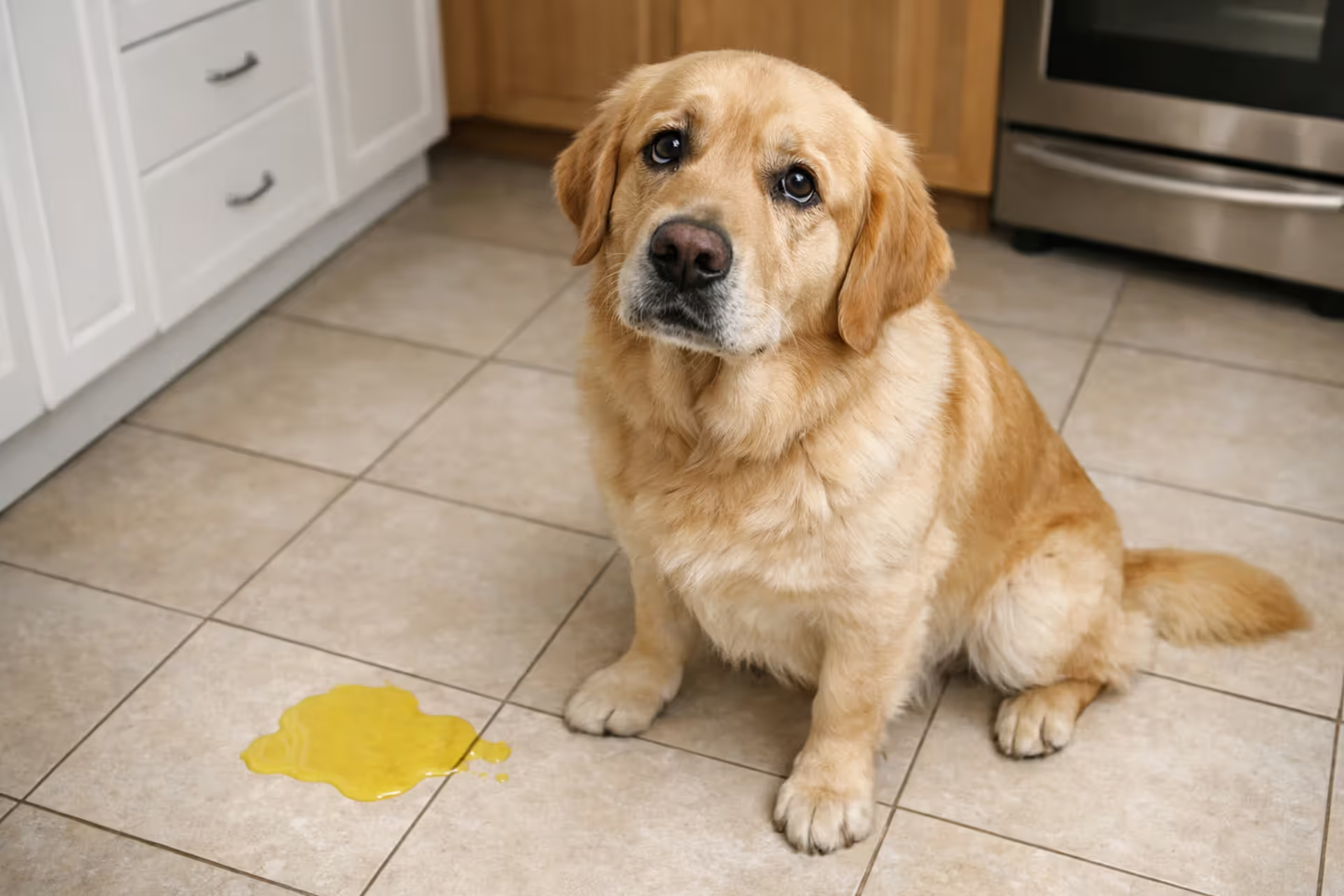
You walk into the kitchen and find a puddle of yellow liquid on the floor. Your dog looks at you sheepishly. Sound familiar? That yellow substance isn't mysterious—it's bile from your dog's digestive system trying to tell you something.
Here's the thing: most yellow vomit situations aren't emergencies. They're usually tied to an empty stomach or something your dog ate (or shouldn't have eaten). But sometimes? That yellow puddle signals a problem that needs a vet's attention right away. Let's break down exactly what you're looking at and what you need to do about it.
What the Yellow Substance Actually Is
That yellow liquid is bile—a digestive juice your dog's liver makes constantly. The gallbladder stores it, then releases it into the small intestine whenever your dog eats something. Bile's main job? Breaking down fats so your dog's body can actually use them.
The yellow-green color comes from bilirubin, which forms when old red blood cells get recycled. The shade can vary wildly—pale lemon yellow, mustard, even greenish—depending on how concentrated it is and when your dog last ate.
Between meals, bile hangs out in the gallbladder and upper digestive tract. Normally, it stays where it belongs. When it backs up into the stomach (doctors call this duodenal reflux), it irritates the stomach lining. Eventually, your dog's body says "nope" and expels it.
Bile vs. Foam vs. Mucus: Identifying What Your Dog Vomited
Bile looks like clear to bright yellow liquid with a somewhat slippery texture. You might see a bit of white foam floating on top, but the liquid itself dominates.
Yellow foam happens when bile mixes with air and stomach acid as your dog heaves. The stomach contracts hard, creating bubbles. This typically shows up when there's nothing solid to throw up—just digestive fluids.
Mucus has a thicker, gel-like consistency. Usually white or clear with stringy bits. Your dog's stomach produces mucus to protect itself from acid. When mixed with bile, it creates a frothy yellow mess. Extra mucus often means the stomach lining is irritated.
Bile belongs in the small intestine. When it flows backward into the stomach instead, trouble starts. The irritation builds until vomiting becomes the body's way out.
The greatness of a nation and its moral progress can be judged by the way its animals are treated.
— Mahatma Gandhi
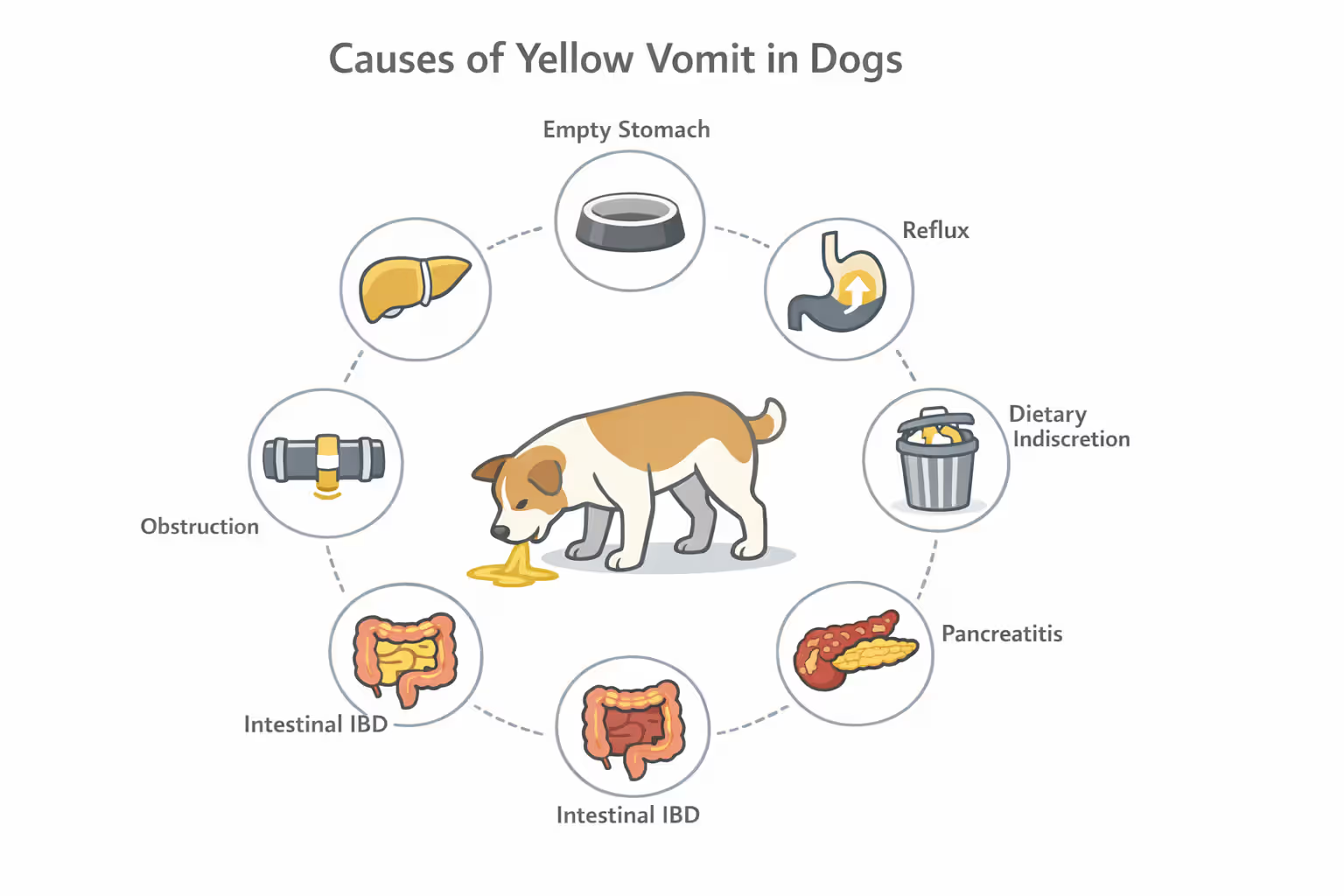
7 Common Reasons Dogs Vomit Yellow Bile
Figuring out why your dog's vomiting yellow helps you know what to do next. Here's what I see most often:
Bilious Vomiting Syndrome (Empty Stomach) This wins the prize for most common cause. When your dog goes too long between meals, bile builds up with nowhere to go. It irritates the stomach lining until vomiting occurs. Usually happens early morning or late evening after 10+ hours without food. It's not actually a disease—more like a sensitive stomach that doesn't handle empty time well.
Acid Reflux Yep, dogs get heartburn too. Stomach contents (including bile when present) flow backward into the esophagus. You'll notice your dog licking their lips constantly, gulping at air, or acting uncomfortable after meals.
Dietary Indiscretion Polite veterinary term for "my dog ate something stupid." Spoiled food from the trash, grass by the fistful, random objects they found outside—you name it. The digestive system revolts and expels the offending material. Once the stomach's empty, subsequent vomiting brings up only bile.
Pancreatitis The pancreas gets inflamed and angry. Dogs with pancreatitis feel nauseated and vomit frequently, often yellow bile. Watch for other signs: hunched back, obvious belly pain when touched, won't eat, and extreme tiredness. Pancreatitis ranges from mild (treatable at home with meds) to severe (hospitalization required).
Intestinal Blockage Something's stuck—a toy, a corn cob, a sock, tumor growth, severe constipation. Bile backs up because it can't flow forward normally. Blockages are true emergencies. Your dog will vomit repeatedly, can't keep water down, shows belly swelling, and acts distressed.
Liver or Gallbladder Problems Since these organs produce and store bile, disease here disrupts normal bile flow. You'll usually see additional clues: yellowing of the eyes or gums (jaundice), excessive thirst, personality changes, weight loss despite eating normally.
Inflammatory Bowel Disease (IBD) Chronic inflammation along the digestive tract messes up normal digestion. IBD causes ongoing problems, not just one-off incidents: vomiting every few days, diarrhea that comes and goes, weight loss even though appetite seems fine, general stomach sensitivity to most foods.
Author: Lucas Fairmont;
Source: alwaysonsalepetsupplies.com
Why Morning Vomiting Happens More Often
Ask any dog owner about yellow vomit, and they'll probably mention mornings. My inbox fills with "every morning before breakfast" messages. There's a clear reason.
Overnight, your dog's stomach sits empty for 10-14 hours. The liver doesn't stop making bile. Stomach acid keeps getting secreted. Without food to process, these fluids accumulate and irritate the stomach lining. By dawn, irritation hits a breaking point. Vomit happens.
Your feeding routine matters hugely here. Feed once daily in the morning? Your dog fasts about 23 hours between meals. Even twice-daily feeding with dinner at 5 PM means 14 hours until 7 AM breakfast. That's plenty of time for bile to cause problems.
The Empty Stomach Connection
Your dog's stomach lining produces protective mucus to shield itself from acid. Bile breaks down that barrier. When bile refluxes into an empty stomach, it damages the mucus layer and hits stomach tissue directly. The irritation triggers vomiting as a protective response.
Individual dogs vary wildly in sensitivity. German Shepherds, Labrador Retrievers, and small breeds with fast metabolisms get morning bile vomit more often. Age factors in too—middle-aged and senior dogs develop this pattern more than young adults.
The cycle feeds itself. Vomiting bile causes more stomach irritation, which kills appetite. Skip breakfast or eat less, and the empty stomach continues. Queue up another bile accumulation episode.
Observation is the most enduring of the pleasures of life and the most important skill a pet owner can develop.
— Dr. James Herriot
Home Care: What to Do Right After Your Dog Vomits Yellow
You find yellow vomit. Now what? Your response depends on your dog's overall condition and what else is happening.
Check your dog's current state first. Are they acting totally normal—alert, tail wagging, interested in the world? Or looking miserable—hiding, whimpering, refusing to move? One yellow puddle from an otherwise happy, active dog rarely means emergency.
Pull food bowls for 2-4 hours. Give that stomach a break. Jumping straight to feeding usually results in round two of vomiting. I know you want to help, but patience works better.
Keep water accessible. Dehydration poses bigger immediate risk than missing one meal. If your dog drinks and immediately throws up water, switch to ice chips—small amounts go down easier. Only remove water if your dog vomits it repeatedly within an hour.
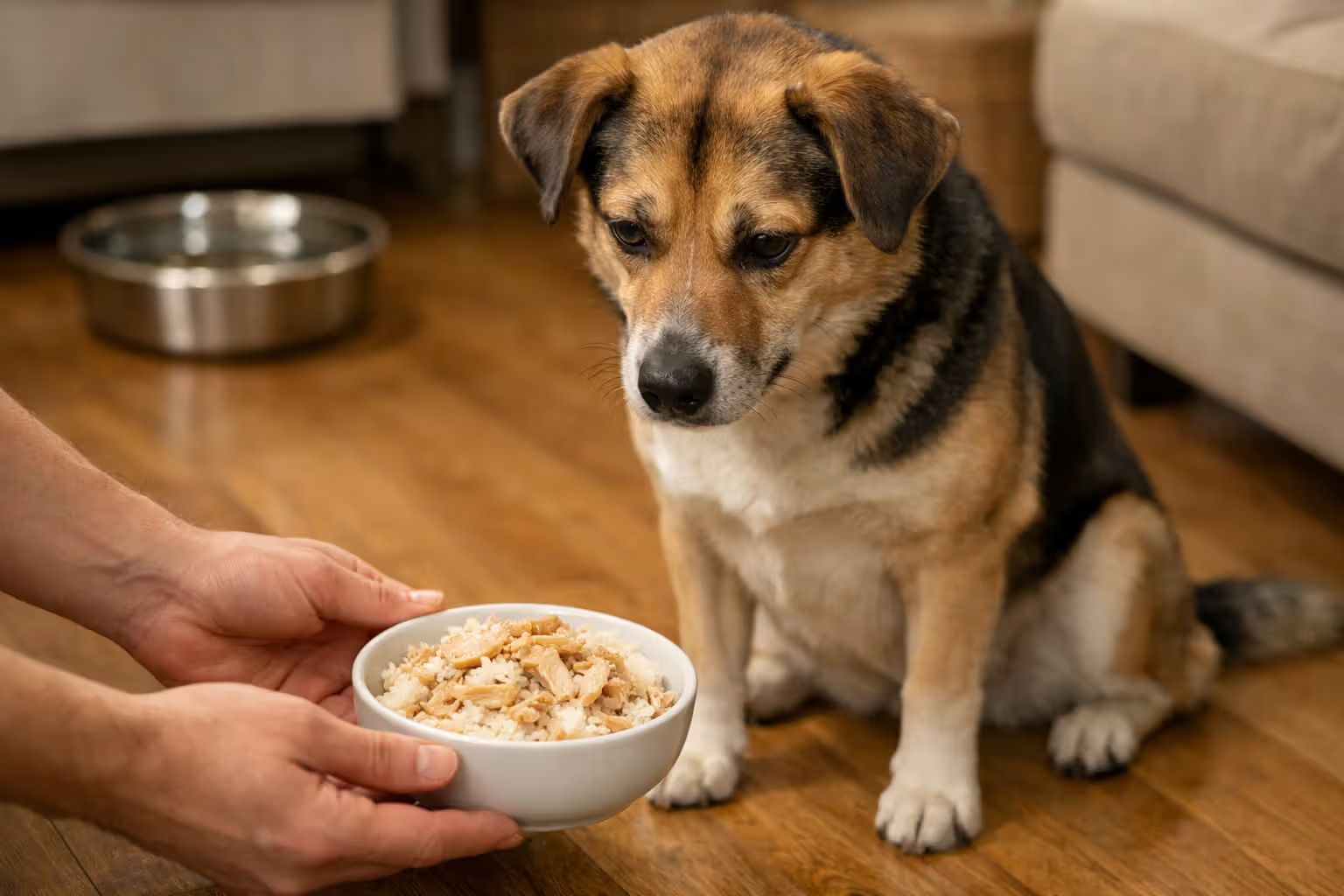
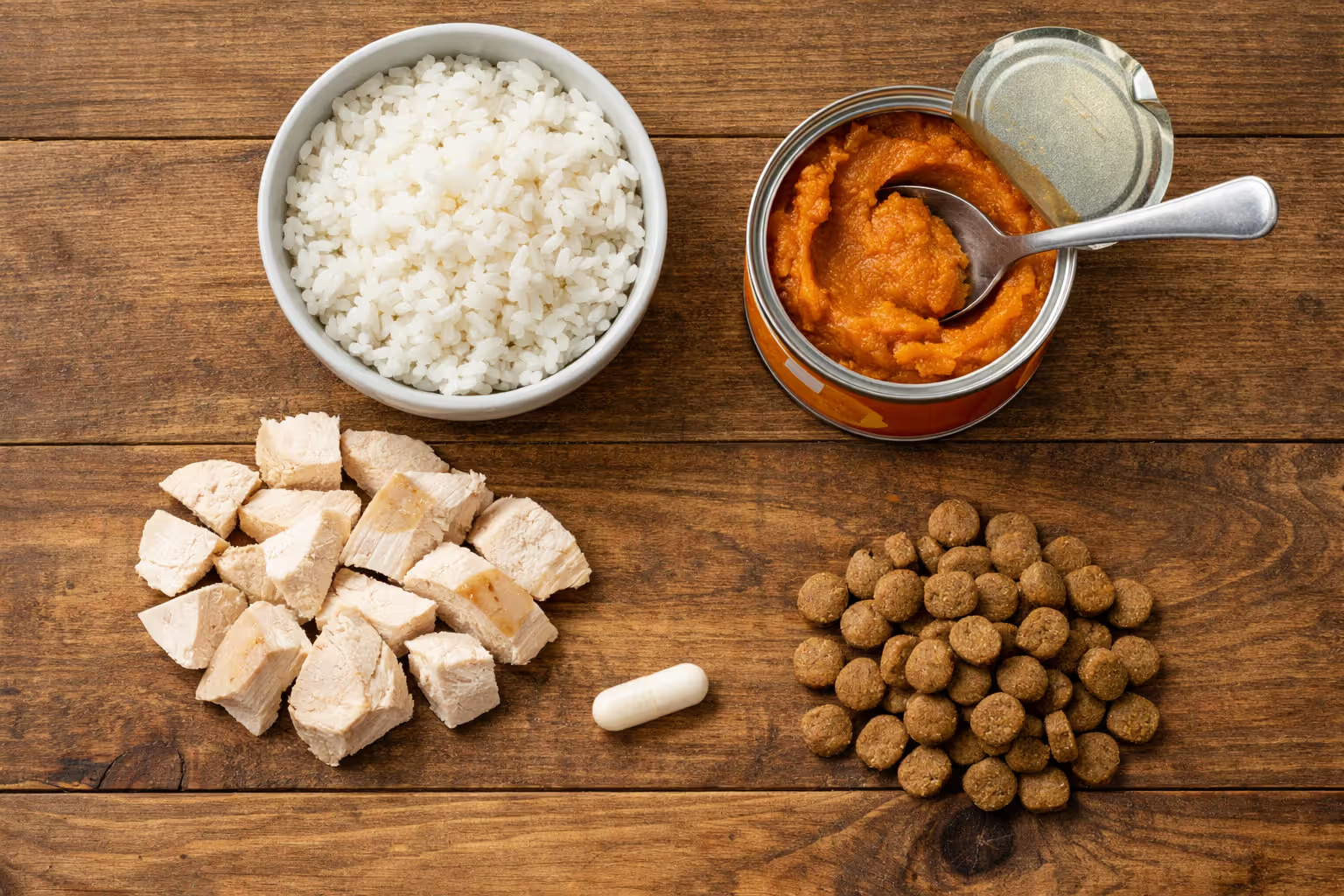
Start with tiny portions of bland food after the rest period. We're talking 1-2 tablespoons for small dogs, ¼ cup for medium, ½ cup for large breeds. Plain boiled chicken with white rice works. So does plain ground turkey or plain canned pumpkin (the pure stuff, not pie filling). If this stays down 2-3 hours, offer another small portion.
Watch for repeat performances. Note timing, appearance, what your dog was doing. Vomits again within 8 hours or shows other weird symptoms? Call your vet.
Gradually get back to normal food. Bland diet stays down? Great. Feed it for 24 hours in small portions every 3-4 hours. Then transition back to regular food over 2-3 days, mixing increasing amounts of normal kibble with the bland mix.
Author: Lucas Fairmont;
Source: alwaysonsalepetsupplies.com
For dogs prone to morning bile vomit, prevention beats treatment every time. Give a small bedtime snack—literally just a few pieces of kibble or one plain biscuit right before you go to bed. This keeps the stomach from sitting completely empty overnight. Works like magic for many dogs.
Red Flags: When Yellow Vomit Requires Emergency Care
Occasional yellow vomit usually resolves at home. But certain situations demand immediate veterinary care. Missing these signs can be dangerous.
How often matters tremendously. One episode? Usually fine. Multiple episodes within a few hours? Something's seriously wrong—not simple bile buildup. Three or more times in 24 hours means call your vet, even if your dog seems okay between episodes.
Any blood is a big deal. Bright red blood, dark brown stuff (looks like coffee grounds), or pink-tinged vomit all indicate bleeding somewhere in the digestive tract. Same-day vet visit minimum. Often an emergency.
Other symptoms make everything worse. Yellow vomit plus diarrhea, especially bloody diarrhea, suggests severe gastroenteritis or worse. Lethargy, weakness, collapse, unresponsiveness—these are always emergencies regardless of what color anything is.
Watch how your dog acts between vomiting episodes. Throws up but then plays normally, wags tail, wants to engage? Lower risk. Throws up then hides, cries, shows hunched posture, or won't move? Higher risk.
Age and size create different risk levels. Puppies and small dogs dehydrate fast. They have less reserve. A situation that's "wait and see" for a healthy adult Lab becomes urgent for a Chihuahua puppy or a senior dog with other health issues.
Symptom/Situation
Okay to Watch at Home
Call Vet Today
Get Emergency Help
Vomited once, acting completely normal
✓
Vomited 2-3 times in a day, seems fine otherwise
✓
✓
Vomiting multiple times within just a few hours
✓
✓
Any amount of blood visible in vomit
✓
Vomiting accompanied by severe tiredness or collapse
✓
Vomiting plus diarrhea but still drinking
✓
✓
Vomiting plus diarrhea and refusing water
✓
Puppy under 6 months old, multiple vomit episodes
✓
✓
Senior dog with existing medical conditions
✓
Swollen belly, obvious pain, or distended abdomen
✓
You know they ate something toxic or a foreign object
✓
Certain breeds face unique risks. Bulldogs, Pugs, French Bulldogs—flat-faced breeds have anatomy that makes regurgitation and aspiration more likely. Great Danes, German Shepherds, Standard Poodles—deep-chested dogs risk bloat, where vomiting (especially unproductive retching with nothing coming up) can signal life-threatening stomach torsion.
Author: Lucas Fairmont;
Source: alwaysonsalepetsupplies.com
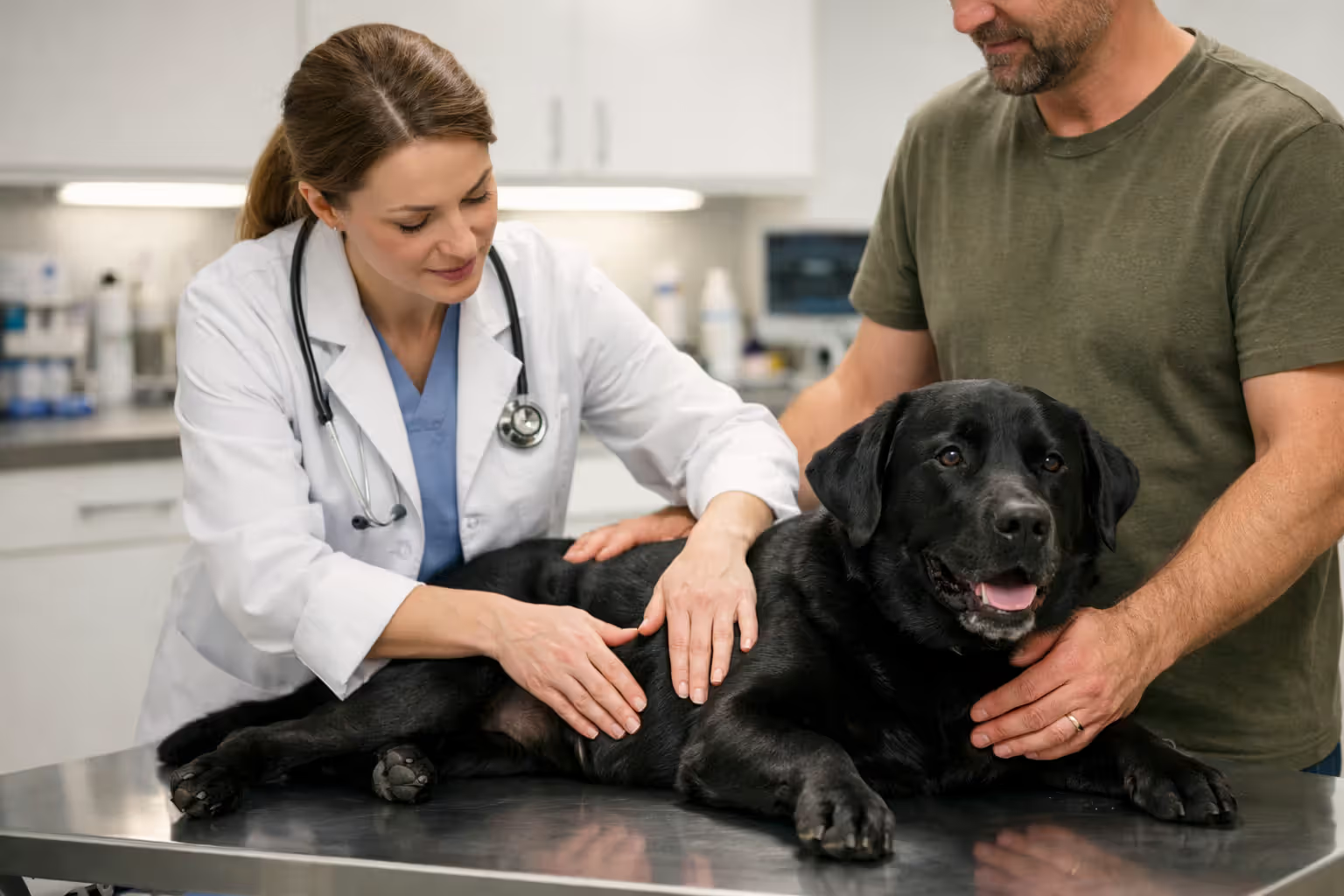
When you're unsure, just call your vet's office. Describe what's happening. Let the vet team help you decide if your dog needs to come in. They'd rather answer a precautionary call than have you wait too long with something serious.
Prevention Strategies and Long-Term Solutions
Dogs with recurring yellow bile vomiting need prevention strategies, not just repeated treatments. Address why it keeps happening—usually an empty stomach—rather than cleaning up puddles forever.
Adjusting Feeding Schedules
The absolute best fix for bilious vomiting syndrome is changing when and how often you feed. Split your dog's total daily food into three or four smaller meals instead of one or two big ones.
Example: Your dog currently eats 2 cups daily—1 cup morning, 1 cup evening. Try this instead: ½ cup at 7 AM, ½ cup at noon, ½ cup at 5 PM, ½ cup at 9 PM. Now food hits the stomach every 4-5 hours during waking hours. The stomach never sits completely empty.
That last feeding before bed makes a huge difference. Even if dinner happens at 6 PM, a snack at 10 PM shortens overnight fasting from 13-14 hours down to just 8-9 hours until breakfast.
Some dogs need a middle-of-the-night feeding when morning vomiting persists despite evening snacks. Set your alarm for 3-4 AM and offer a few kibble pieces or one small biscuit. Inconvenient? Yes. But it often stops morning vomiting completely within just days.
Prevention is so much better than healing because it saves the labor of being sick.
— Thomas Adams
Diet Modifications That Help
What you feed matters, not just when. Some dogs handle specific proteins or formulations better than others. If schedule adjustments don't solve yellow bile vomiting, look at these dietary factors:
Protein source and digestibility: Chicken, turkey, or fish digest more easily than beef or lamb for sensitive stomachs. Limited-ingredient diets make identifying problem ingredients simpler.
Fat percentage: Most dogs do well with moderate fat (12-15%), but sensitive stomachs or pancreatitis history requires lower-fat options around 8-10%. Interesting note: very lean diets can actually empty the stomach faster, potentially making bile vomiting worse.
Fiber additions: Soluble fiber slows how quickly the stomach empties and provides bulk that helps prevent bile reflux. Plain canned pumpkin works great—add 1-2 tablespoons per meal for a 40-pound dog, adjust up or down based on size. Prescription digestive diets have optimized fiber blends.
Food texture: Wet food or kibble moistened with water helps some dogs. The extra moisture increases stomach volume without adding calories, potentially reducing bile irritation.
Supplements that actually help:
Probiotics support digestive health overall and may reduce vomiting frequency in chronically sensitive dogs.
Slippery elm bark powder coats and soothes the digestive tract lining. Add roughly ¼ teaspoon for every 10 pounds your dog weighs, mixed into food.
Digestive enzymes help break down food more efficiently, reducing upset in some dogs.
Author: Lucas Fairmont;
Source: alwaysonsalepetsupplies.com
Mistakes that backfire: Don't suddenly switch foods when your dog vomits yellow bile. Abrupt diet changes make digestive upset worse, not better. Want to try new food? Transition gradually over 7-10 days minimum. Also, resist adding extra treats or table scraps to "make up for" vomiting episodes. This usually causes more digestive irritation, not less.
Work with your vet to rule out medical causes before assuming diet tweaks alone will fix chronic vomiting. IBD, food allergies, chronic gastritis—these might need prescription diets or medications alongside schedule changes.
Frequently Asked Questions About Dogs Throwing Up Yellow
Is it normal for dogs to throw up yellow bile occasionally?
Once every few weeks or months can happen, especially after unusually long fasts or minor dietary mishaps. But just because it's common doesn't make it ideal. Even occasional episodes mean stomach irritation that you can usually prevent with feeding adjustments. If your dog vomits yellow bile more than once monthly, or if there's a pattern (like every Sunday morning), address the root cause instead of accepting it as "just how my dog is."
How long should I wait before feeding my dog after yellow vomit?
Give it 2-4 hours after a single episode. This settling time reduces the chance your dog immediately vomits again. Start with tiny amounts of bland food—literally a few tablespoons. Stays down for 2-3 hours? Offer another small portion. Vomits again after eating? Extend fasting to 4-6 hours and contact your vet if vomiting continues. Keep water available unless your dog throws up immediately after drinking, then switch to ice chips.
Can I give my dog anything over-the-counter for yellow vomiting?
Don't give human medications without asking your vet first. Yes, some medications like famotidine (Pepcid) sometimes get used in dogs, but dosing differs significantly from human doses. Certain conditions make these medications dangerous. Ibuprofen and aspirin? Toxic to dogs. Even seemingly harmless options can mask serious condition symptoms, delaying proper diagnosis and treatment. Try feeding schedule adjustments and bland diet approaches first. If vomiting persists, vet-prescribed medications appropriate for your specific dog work far better than guessing with OTC human products.
Why does my dog only throw up yellow liquid in the morning?
Morning-only vomiting almost always connects to overnight fasting. The stomach sits empty 10-14 hours between evening dinner and morning breakfast. Bile and stomach acid accumulate with nothing to digest, irritating the lining until vomiting provides relief. This pattern—bilious vomiting syndrome—resolves in most dogs by feeding a small snack right before bedtime and potentially splitting meals into three daily portions. The bedtime snack shortens overnight fasting, preventing the bile buildup that triggers morning episodes.
Does yellow vomit mean my dog has a serious illness?
Not automatically. Most cases result from empty stomach bile accumulation—uncomfortable but not dangerous long-term. However, persistent yellow vomiting despite feeding changes, or yellow vomit alongside other symptoms (lethargy, diarrhea, appetite loss, personality changes), can indicate pancreatitis, liver disease, IBD, or intestinal blockages. Context and pattern matter more than one episode. Single yellow puddle from an otherwise happy, active dog? Rarely serious. Daily or weekly yellow vomiting? Needs veterinary evaluation to identify what's actually happening.
How can I tell if it's just bile or something more serious?
Look at the complete picture, not just the puddle. Yellow bile alone suggests empty stomach irritation. Red flags include: blood in vomit (any shade of red or coffee-ground brown), vomiting multiple times within hours, can't keep water down, belly pain or swelling, extreme tiredness, fever, or accompanying diarrhea. Consider recent events too—did your dog get into trash, eat something unusual, or swallow a foreign object? Dogs acting completely normal between episodes face lower risk than those showing ongoing distress. When uncertain, photograph the vomit and call your vet to describe the situation—they'll help determine urgency level.
Yellow bile vomit usually means an empty stomach rather than serious illness, but you need to know the difference. That yellow substance is bile backing up from the small intestine into the stomach, causing irritation. For most dogs, simple feeding schedule changes eliminate recurring episodes: add that bedtime snack, split daily food into smaller frequent meals, and keep fasting periods under 8-10 hours.
Watch for patterns and warning signs. Morning-only vomiting that improves with schedule changes is completely different from frequent vomiting with lethargy, blood, or multiple concerning symptoms. The table and guidelines above give clear decision points, but trust your gut—you know your dog better than anyone.
Focus on prevention instead of cleanup duty. Rather than repeatedly dealing with yellow puddles hoping it eventually stops, implement feeding strategies addressing the root cause. Most dogs with bilious vomiting syndrome improve dramatically within days of schedule adjustments. For those who don't improve, veterinary evaluation identifies other causes requiring specific treatment. Your dog doesn't have to keep experiencing the discomfort of bile vomiting when straightforward solutions usually work.
Learn to recognize the key signs a dog is in heat, understand all 4 stages of the canine heat cycle, manage sudden behavior changes, and provide proper care during estrus. This guide covers discharge, swelling, cycle timing, fertility windows, safety tips, and answers common owner questions
Learn why your dog farts so much, what causes smelly dog gas, when it signals health problems, and proven ways to reduce flatulence through diet changes. From food triggers and speed-eating habits to gut conditions, discover exactly what makes your pup gassy and simple steps to fix it for good
Wondering why your dog wakes up with crusty or colored eye discharge? This guide breaks down every type of dog eye booger by color and texture, explains seven common causes from allergies to dry eye, walks you through safe at-home cleaning steps, and highlights the red flags that signal an urgent vet visit
Learn effective dog constipation treatment options, from pumpkin remedies and hydration tricks to knowing exactly when to see a vet. Discover safe home solutions, proper fiber dosages, quick relief methods, warning signs that demand urgent professional care, and proven tips for lasting comfort
The content on this website is provided for general informational and educational purposes only. It is intended to offer guidance on dog breeds, behavior, health, care, and lifestyle, and should not be considered a substitute for professional veterinary advice, diagnosis, or treatment.
All information published on this site is based on general knowledge, widely accepted research, and practical experience, but individual dogs may differ in behavior, health conditions, and needs. Results and outcomes may vary depending on the dog, environment, and circumstances.
The website is not responsible for any errors or omissions, or for actions taken based on the information provided. For specific concerns regarding your dog’s health or behavior, always consult a qualified veterinarian or professional dog specialist.