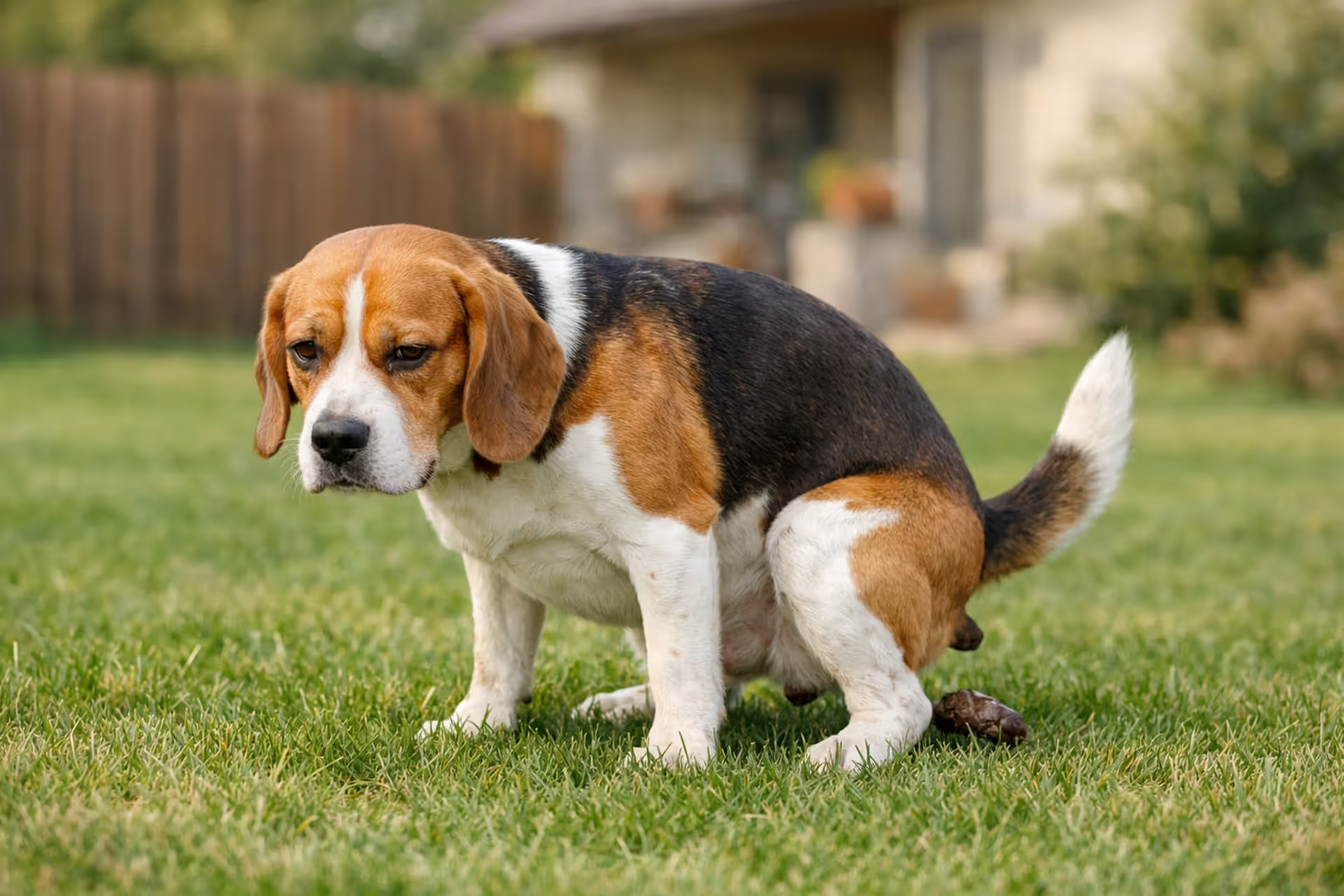
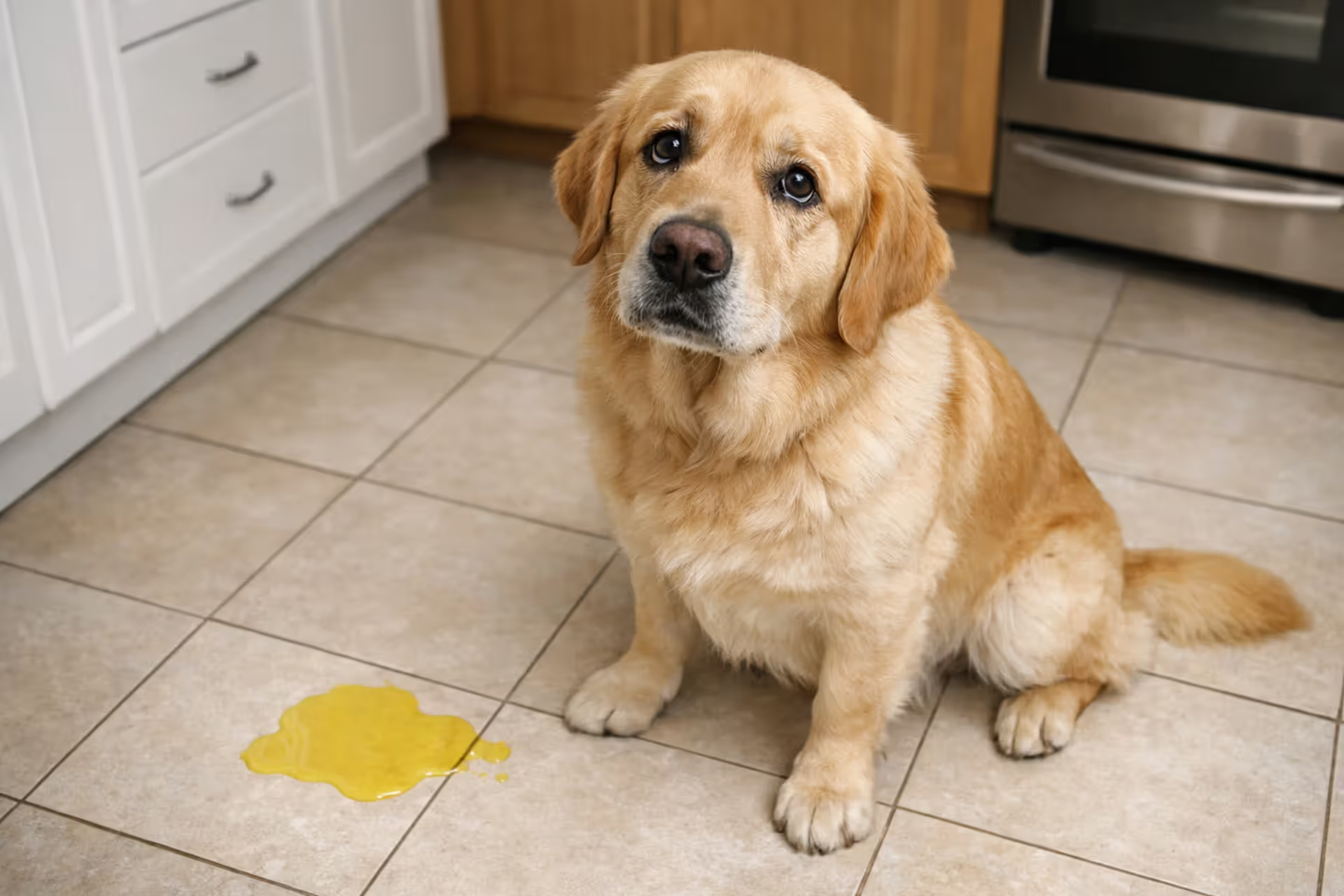
Look, if you share your life with a dog, you've been there. You're watching TV, totally relaxed, when suddenly—what IS that smell? Your dog hasn't moved an inch. Maybe even looks at you like you're the guilty party. A little gas here and there? That's just life with dogs. But when your living room regularly smells like a swamp, or your pup's clearing out entire rooms multiple times a day, something's off.
Here's the thing: your dog's digestive system works similarly to yours. They swallow air when eating. Gut bacteria ferment food and create gases. Certain ingredients break down into smelly compounds. The main difference is dogs have zero shame about it and definitely won't leave the room. When the farting goes from occasional to constant, or from mildly unpleasant to eye-wateringly bad, you're dealing with either a diet problem, a habit that needs fixing, or sometimes a health issue worth checking out.
What Causes Excessive Gas in Dogs?
Several things happening in your dog's gut work together to create gas. Figure out which factors apply to your dog, and you'll know what to fix.
What your dog eats matters most. Ingredients packed with complex carbs—think beans, soy products, starchy veggies—turn into gas factories during digestion. Here's what happens: gut bacteria in the colon attack these carbs, breaking them down and releasing hydrogen, methane, and sulfur-based gases. Those sulfur compounds? That's your rotten-egg smell right there.
Air swallowing creates more gas than most people realize. Dogs who vacuum up their food in thirty seconds flat gulp massive amounts of air with every bite. Some comes back up as burps. The rest? Takes the scenic route through the intestines and comes out the other end. Bulldogs, Pugs, Boston Terriers, and other flat-faced breeds swallow extra air just from how they're built—their breathing alone sends air into their stomachs.
Author: Emily Crosswell;
Source: alwaysonsalepetsupplies.com
Food sensitivities mean your dog's gut can't handle certain ingredients. This isn't the same as allergies (which involve the immune system going haywire). Sensitivities just mean the digestive system lacks the right enzymes or tools to properly break something down. Take lactose intolerance—adult dogs barely produce lactase enzyme anymore, which makes dairy products prime gas triggers.
Bacterial balance in the gut affects everything. When bad bacteria outnumber the good guys, more food ferments instead of getting digested properly, cranking out extra gas. Antibiotics, stress, illness, or crappy food quality all throw this balance off.
Breed matters, sometimes more than you'd expect. Large breeds with barrel chests—German Shepherds, Great Danes, Standard Poodles—not only get gassier but also face real bloat risks. Tiny breeds often have touchy digestive systems. And those flat-faced breeds? They're mechanically gulping air with every breath and bite.
Common Foods That Trigger Gas in Dogs
Some ingredients cause problems for tons of dogs. Soy ranks near the top of the troublemaker list. Cheap dog foods use soy as filler protein, but dogs struggle to digest it completely. What doesn't get digested sits in the colon fermenting like crazy.
The greatness of a nation and its moral progress can be judged by the way its animals are treated
— Mahatma Gandhi
Most adult dogs can't handle dairy at all. That training cheese you're using? Seems harmless in small bits, but add up all those pieces throughout the day and you've got a gas bomb. Milk, ice cream, regular yogurt—skip them unless you enjoy the consequences.
Beans and other legumes show up constantly in grain-free foods now. Chickpeas, lentils, peas—they provide protein and fiber, sure, but they also contain sugars dogs literally cannot digest. Bacteria feast on these sugars instead, producing gas as waste.
Veggies like broccoli, cauliflower, Brussels sprouts pack compounds that dogs' systems can't fully break down. A floret or two might be fine. A generous serving practically guarantees a smelly evening.
Fatty foods move through the gut slowly, giving bacteria more time to ferment everything. Greasy table scraps, fatty meats, foods loaded with animal fat—they don't just cause gas. They risk pancreatitis too.
Questionable protein sources make the digestive system work overtime. Mystery "meat meals," generic by-products, or protein from who-knows-where often contain compounds that encourage bacterial overgrowth and serious gas.
How Eating Too Fast Leads to Flatulence
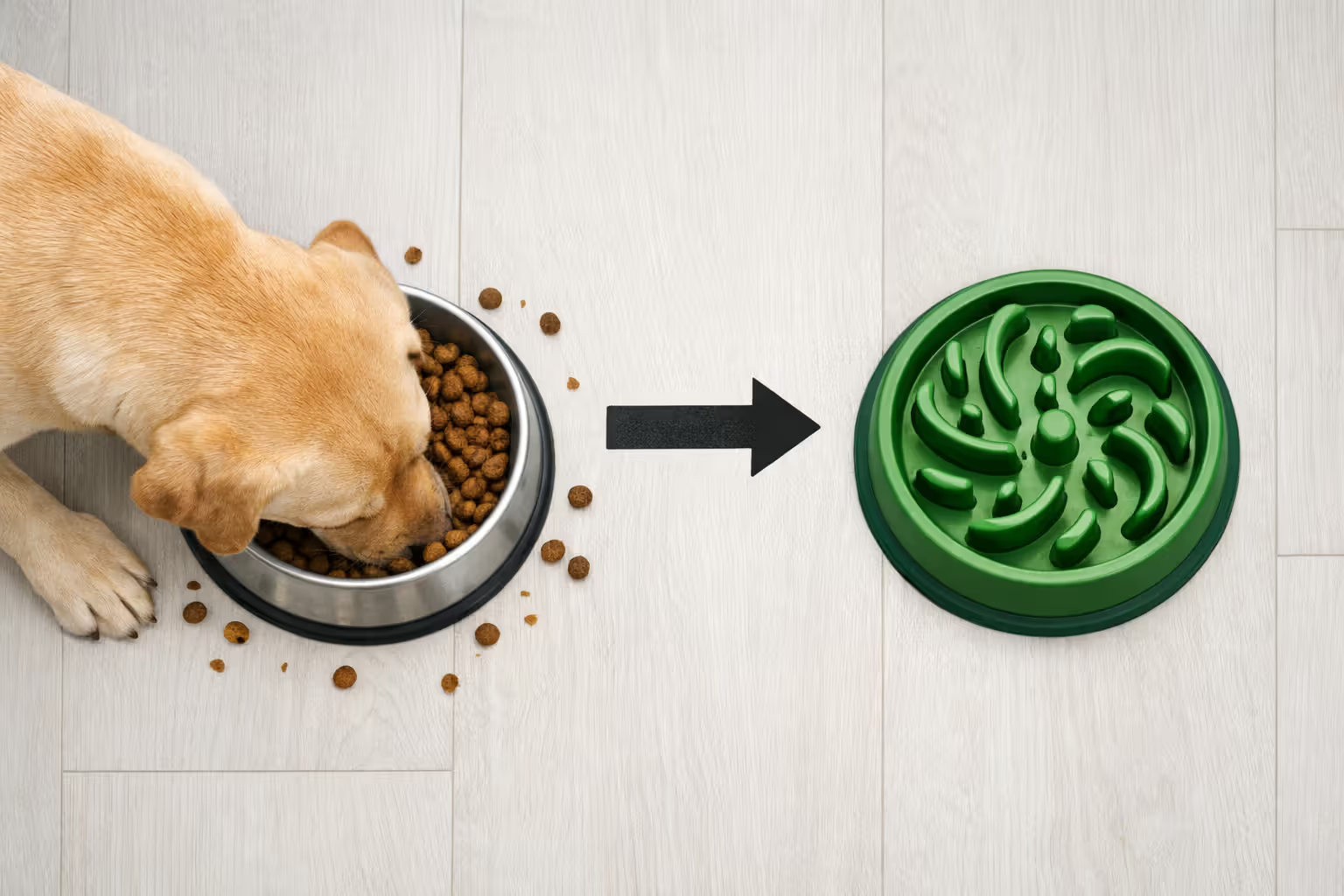
Speed-eating doesn't just risk choking—it's a gas generator. Dogs finishing meals in under a minute gulp air with literally every bite. Picture a Shop-Vac sucking up kibble. That's what's happening, and every bit of that air ends up somewhere.
Multiple dogs in one house often triggers this. They worry about protecting their bowl from others. Even solo dogs might've learned this pattern at shelters, competing with littermates as puppies, or just being food-obsessed.
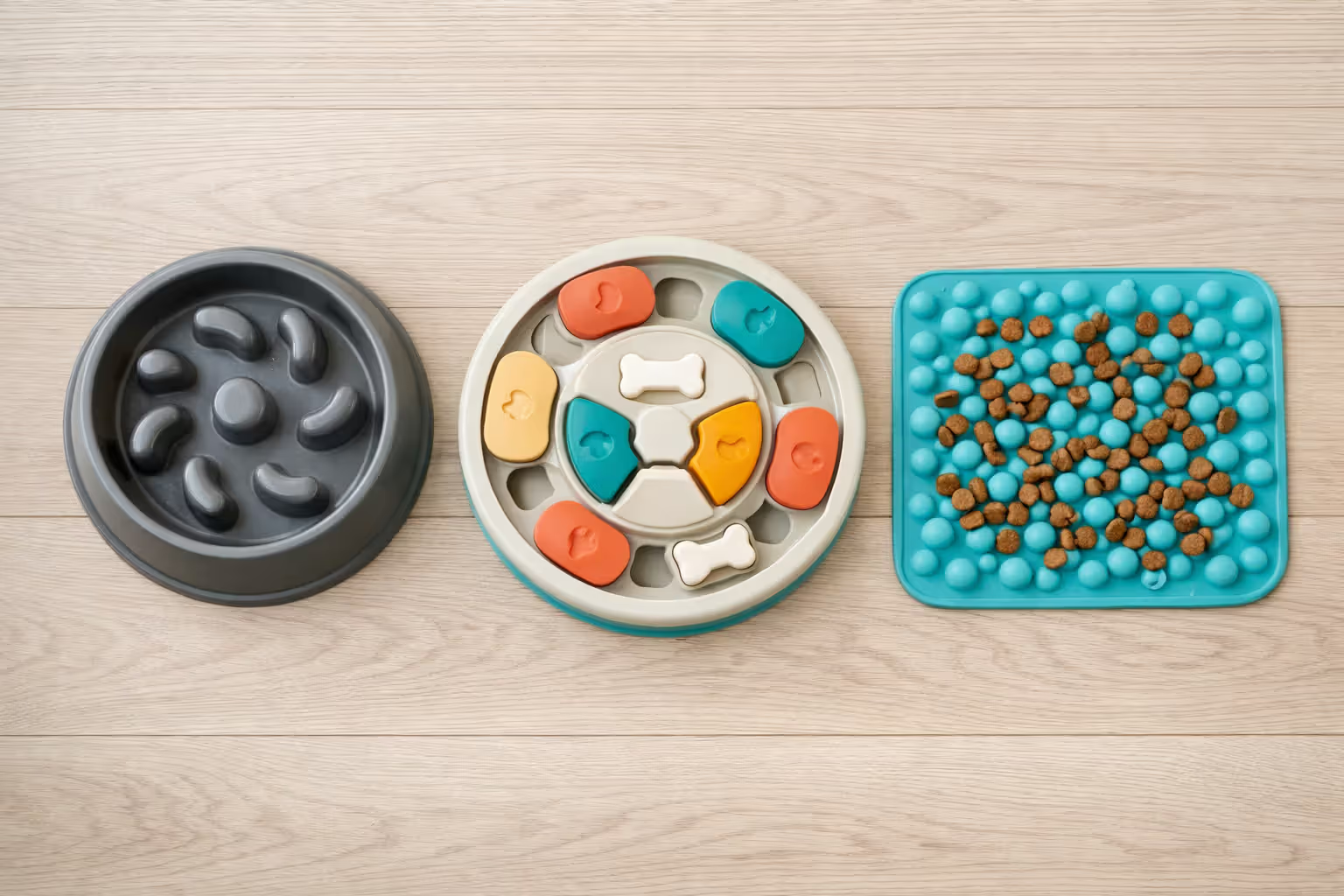
The fix? Slow down mealtime. Puzzle feeders work great. So do slow-feed bowls with built-in obstacles. Or just scatter kibble across a clean floor or large baking sheet—forces them to eat piece by piece. Some people split meals smaller. A dog who'd inhale two cups in twenty seconds might take a leisurely five minutes eating four half-cup servings spread throughout the day.
Author: Emily Crosswell;
Source: alwaysonsalepetsupplies.com
Why Does My Dog Fart So Much? 6 Underlying Reasons
When gas becomes a multiple-times-daily situation, specific problems are usually behind it.
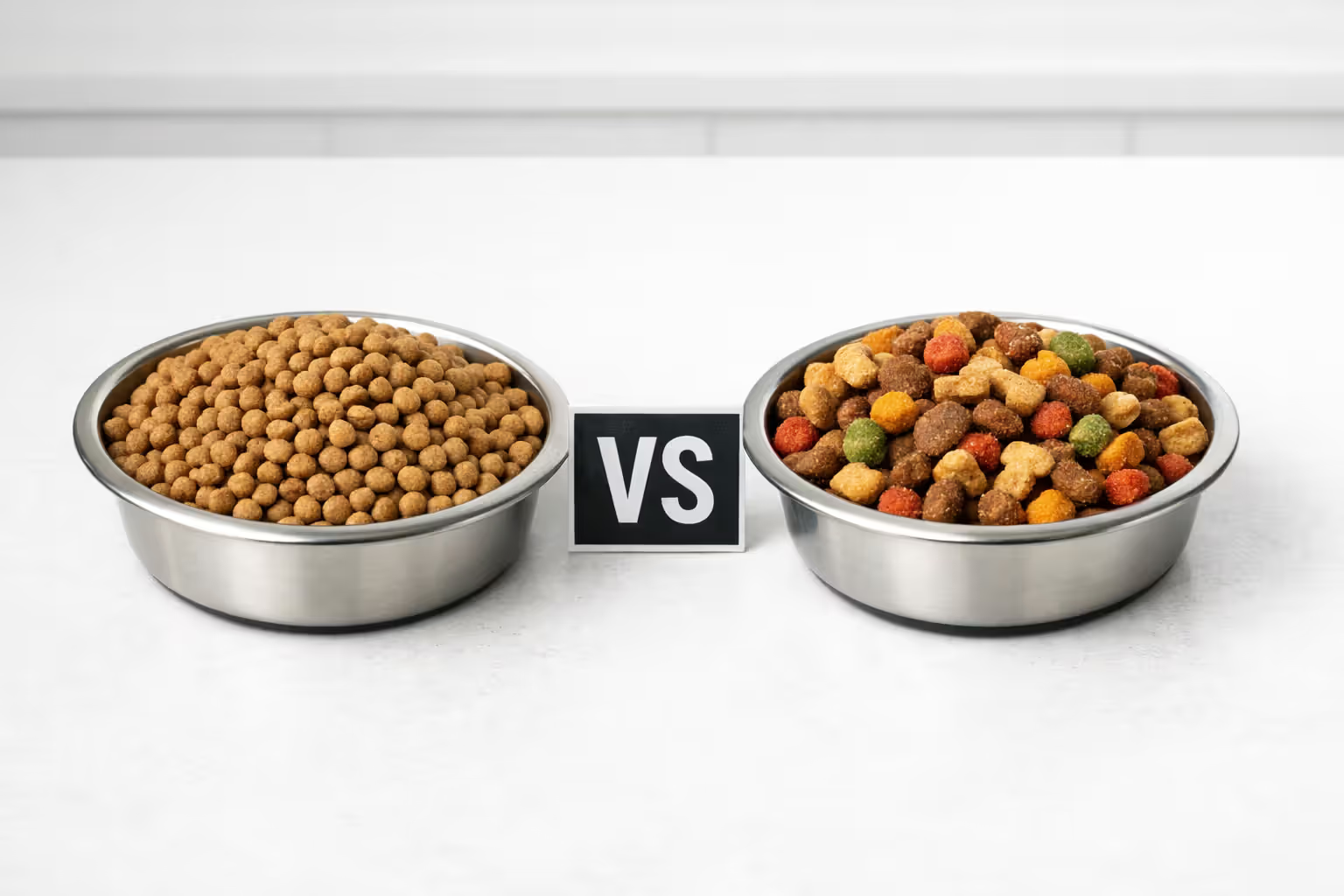
Cheap ingredients in budget foods create waste and fermentation. Foods heavy on corn, wheat, and soy fillers provide calories without much digestible nutrition. The body grabs what it can, but tons passes through undigested, feeding gas-producing bacteria the whole way. Switch to quality food and you'll notice less gas AND smaller, firmer poops—proof that more nutrition's getting absorbed instead of fermented.
Food allergies and sensitivities develop over years, even to proteins your dog's eaten forever. The usual suspects? Beef, chicken, dairy, wheat. Symptoms aren't just gas—you'll often see itchy skin, gunky ears, loose stool. Lots of owners treat these as separate problems instead of connecting them all to diet.
Lactose intolerance deserves extra attention because dairy hides everywhere. Training treats. That bite of your cheese sandwich. The yogurt you shared. Seems innocent in small amounts, but give your dog several dairy hits throughout the day and you've got a gas problem. Some dogs tolerate tiny amounts. Others react to traces.
High-fiber diets help certain digestive problems but make gas worse in some dogs. Fiber feeds beneficial bacteria, which sounds great until you remember bacteria produce gas when they eat. The trick is finding the right amount and type for YOUR dog. Soluble fiber from pumpkin or sweet potato usually causes less gas than rough insoluble fiber from wheat bran.
Various gut conditions from mild to serious show up as excessive gas. IBD, EPI, SIBO, and other disorders mess with normal digestion. Gas might be one symptom among many, though it's often the most obvious one initially.
Abrupt diet switches shock the system. Your dog's gut microbiome needs time adjusting to new ingredients—minimum a week, preferably ten days. Switch foods suddenly (dumping out the old and pouring in the new) and you're nearly guaranteed temporary digestive chaos including gas and loose stool. Even switching flavors within the same brand can trigger issues in sensitive dogs.
When Dog Gas Signals a Health Problem
Random toots? Normal. Persistent gas plus other symptoms? Time to see the vet.
Red flags that push gas from annoying to concerning:
Blood in stool or black, tarry poop (signals GI bleeding)
Throwing up, especially repeatedly or with blood
Weight loss without trying
Visible belly pain—hunched up, won't move, whimpers when touched
Diarrhea lasting beyond a couple days
Acting totally different—hiding, sluggish, snapping when approached
Swollen, hard, or bloated-looking stomach
Medical conditions that can show up with major gas:
IBD causes ongoing inflammation inside the intestines, blocking nutrient absorption and causing gas, diarrhea, vomiting, weight loss. Diagnosing it requires intestinal biopsies. Treatment usually means prescription diets and immune-suppressing meds.
Pancreatitis—inflamed pancreas—disrupts enzyme production needed for digestion. You'll see gas alongside severe belly pain, vomiting, refusing food, and lethargy. Acute pancreatitis needs emergency vet care, not tomorrow.
Intestinal parasites—giardia, roundworms, hookworms—interfere with normal digestion and nutrient uptake. Gas comes with diarrhea, weight loss, and pot-belly appearance (especially puppies). Fecal tests catch parasites. Treatment uses specific dewormers.
EPI happens when the pancreas fails to produce enough digestive enzymes. Food slides through barely digested, causing enormous greasy poops, excessive gas, weight loss despite eating like a horse, and poop-eating. German Shepherds get hit with this genetically more often. Treatment requires lifelong enzyme powder sprinkled on every meal.
SIBO means bacteria multiply out of control in the small intestine. These bacteria jump on food too early, fermenting it and creating gas, diarrhea, poor nutrient absorption. Diagnosing needs specialized testing. Treatment combines specific antibiotics and diet changes.
Observation is the most enduring of the pleasures of life — and the most important skill a pet owner can develop
— James Herriot
Telling food allergies from intolerances gets tricky without elimination diets or testing. True allergies activate the immune system and cause stuff beyond digestion—skin problems, ear infections, breathing issues. Intolerances mostly mess with the gut.
Proven Ways to Reduce Gas in Dogs
Fixing excessive farting requires systematic changes, not gimmicks.
Slow-feed bowls and puzzle feeders cut down on air-gulping in fast eaters. These gadgets force dogs to navigate around obstacles, naturally slowing them down. Options range from basic bowls with raised ridges to complex puzzles requiring actual problem-solving. For extreme speed demons, hand-feeding works or scattering kibble on the floor. Goal? Stretch a meal from seconds to several minutes minimum.
Elimination diets identify triggers systematically. Start with limited-ingredient food containing a novel protein—something your dog's never eaten. Venison, duck, rabbit, kangaroo. Plus one carb source like sweet potato or pumpkin. Feed ONLY this for 8-12 weeks. No treats, table scraps, or flavored medications. If gas improves, gradually add ingredients back one at a time, waiting two weeks between additions. When gas returns, boom—you've found a trigger.
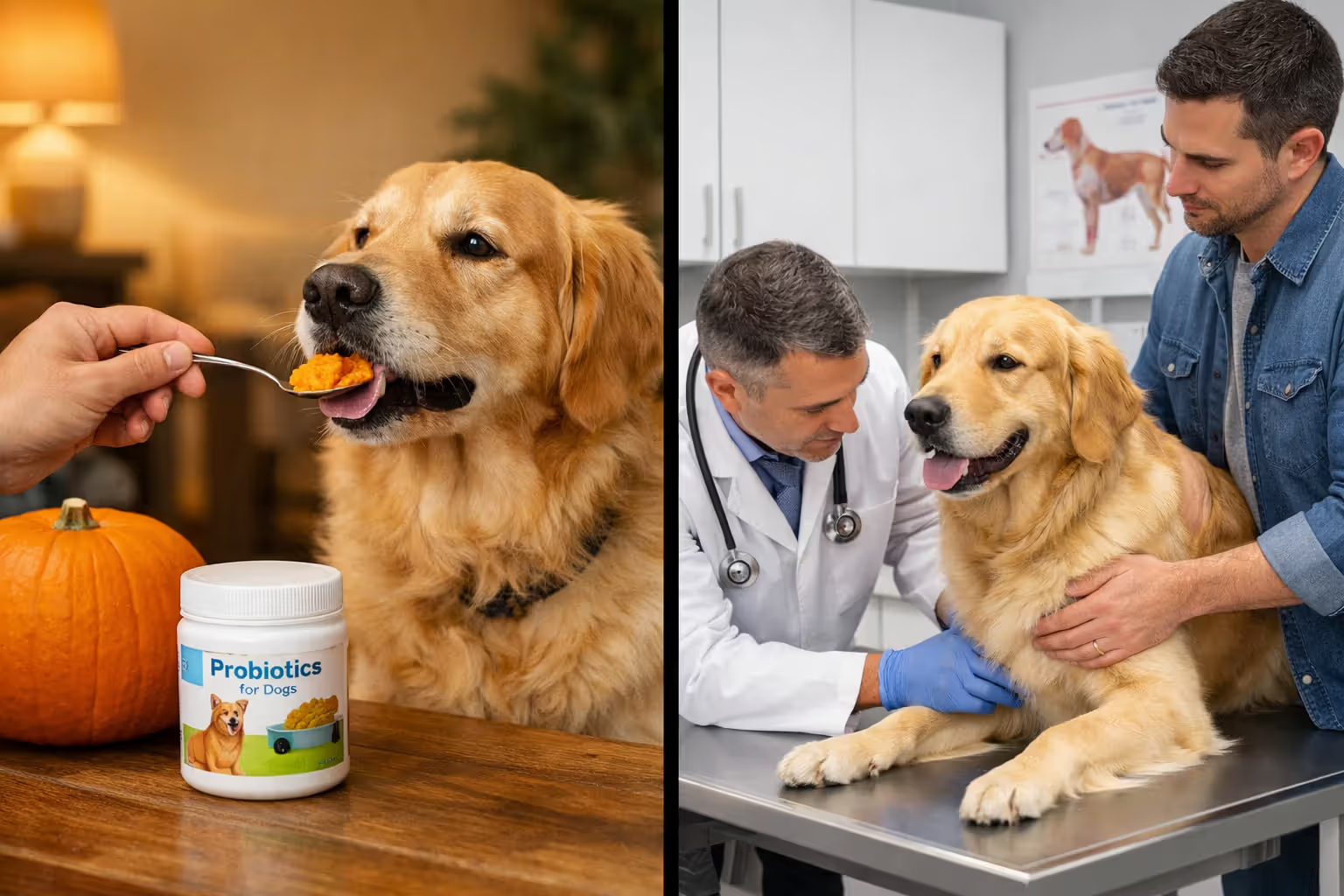
Probiotics and digestive enzymes support gut health. Probiotics add beneficial bacteria, helping restore microbiome balance. Look for multiple bacterial strains and high CFU counts (colony-forming units). Digestive enzymes break down food more thoroughly, leaving less to ferment. These help especially for dogs with EPI or older dogs whose enzyme production has declined.
Exercise timing impacts digestion. Skip vigorous activity right after meals—wait at least an hour. Exercise too soon after eating can trigger bloat in susceptible breeds and generally disrupts digestion. Gentle walks? Fine. Save running and rough play for later.
Portion control and meal frequency both matter. Smaller, more frequent meals—three or four times daily instead of once or twice—reduce digestive burden at any moment. This also minimizes hunger-driven gulping. Measure portions accurately. Many owners massively overestimate appropriate amounts, leading to overeating and digestive stress.
Cutting out table scraps eliminates a huge variable. Human food contains fats, spices, and stuff dogs' guts weren't designed for. That tiny bite of your dinner seems harmless, but these additions accumulate and disrupt digestive balance. Want to share? Stick to dog-safe veggies like plain cooked green beans or carrots, minimal amounts.
Upgrading food quality often creates the most dramatic improvement. Better foods use highly digestible proteins, fewer fillers, and superior ingredient sourcing. Yes, they cost more upfront, but many owners find they feed less (because the food's nutrient-dense) and save on vet bills. Look for named meat proteins as first ingredient, minimal grain fillers, no artificial junk.
Author: Emily Crosswell;
Source: alwaysonsalepetsupplies.com
Best Dog Foods for Gas-Prone Dogs
Certain food characteristics benefit chronically gassy dogs.
Limited-ingredient formulas minimize potential triggers. These contain one protein source, one or two carbs, and essential vitamins/minerals—nothing extra. They're perfect for elimination diets and dogs with multiple sensitivities.
Highly digestible proteins include turkey, fish, chicken, lamb (though some dogs react specifically to chicken or lamb). These proteins break down more completely than beef or pork, leaving less for bacteria to ferment.
Low-residue diets produce less waste because more nutrition gets absorbed. Prescription digestive diets from vet lines often fit here. They're formulated with super-digestible ingredients and balanced fiber supporting gut health without promoting excessive gas.
Grain-inclusive options work great for many dogs despite the grain-free craze. Rice, oatmeal, barley are easily digestible carbs causing less fermentation than legumes. Unless your dog has confirmed grain allergy (pretty uncommon), grains aren't the enemy.
Probiotic-enhanced foods include beneficial bacteria strains surviving manufacturing and storage. While adding separate probiotics works too, foods with built-in support offer convenience.
Ingredients That Cause Gas
Better Alternatives
Why Switching Helps
Soy products and soy meal
Real chicken, turkey, fish, or lamb
Animal proteins digest better in dogs; creates less fermentation
Digests easier; causes less intestinal fermentation
Beans, peas, lentils, chickpeas
Sweet potato, pumpkin, rice
Contains fewer gas-producing sugars
Fatty meats and table scraps
Lean proteins like chicken breast or whitefish
Digests faster; less fermentation time
Broccoli, cauliflower, Brussels sprouts
Cooked carrots or green beans (small amounts)
Lower fermentable fiber; gentler digestion
Home Remedies vs. Veterinary Treatment for Smelly Dog Farts
Knowing when to DIY versus seeking professional help prevents both wasted money and dangerous delays.
Author: Emily Crosswell;
Source: alwaysonsalepetsupplies.com
Try home remedies when gas is the only symptom, your dog acts otherwise normal, and the problem developed gradually. Diet adjustments, slow-feed bowls, probiotics, ingredient elimination—all worth trying at home first. Give changes real time—minimum two weeks, preferably four—before judging whether they worked.
Over-the-counter stuff includes dog-specific probiotics, digestive enzyme supplements, and products with simethicone (breaks up gas bubbles). Activated charcoal treats might reduce odor but don't fix underlying causes. Plain pumpkin (NOT pie filling) provides soluble fiber supporting digestive health in modest amounts.
Call the vet when gas comes with other symptoms—vomiting, diarrhea, weight loss, behavior changes, obvious pain. Sudden onset of severe flatulence (normal to extreme within days) needs checking. Super foul-smelling gas that's dramatically worse than usual, especially with rotten or putrid odor, might indicate bacterial overgrowth or infection.
Diagnostic tests might include checking poop for parasites, bloodwork assessing organ function and screening for EPI, abdominal X-rays or ultrasound visualizing the digestive tract, potentially endoscopy with biopsies for suspected IBD or intestinal diseases. Food allergy testing exists but reliability is questionable—elimination diets remain gold standard.
Prescription diets designed for digestive issues often outperform over-the-counter options. These undergo feeding trials and quality control generic brands skip. Hill's i/d, Royal Canin Gastrointestinal, Purina EN get recommended frequently by vets.
Medications might include antibiotics for bacterial overgrowth, anti-inflammatory drugs for IBD, enzyme supplements for EPI, or anti-nausea meds if vomiting accompanies gas. Never give human medications without vet approval—many are toxic to dogs.
The dog is a gentleman; I hope to go to his heaven, not man’s
— Mark Twain
Frequently Asked Questions About Dog Flatulence
Are certain dog breeds more prone to farting?
Absolutely. Breed characteristics definitely influence gas production. Flat-faced breeds like Bulldogs, Pugs, Boston Terriers, and Shih Tzus constantly swallow excess air because of their facial structure and how they breathe. Large breeds with deep, barrel-shaped chests—Great Danes, German Shepherds, Standard Poodles—get gassier AND face higher bloat risks. Tiny breeds like Yorkies and Chihuahuas often have sensitive systems reacting to foods other dogs tolerate fine. That said, individual dogs vary way more than breed. Plenty of Bulldogs barely toot while certain Labs could weaponize their gas.
Can stress or anxiety cause gas in dogs?
Completely. The gut-brain connection is real in dogs just like humans. Stress messes with gut movement patterns, shifts microbiome composition, and triggers digestive upset including gas, diarrhea, or constipation. Common stressors? Moving, new people or pets in the house, boarding kennels, vet visits, routine changes. Some dogs get digestive issues during thunderstorms or fireworks. Managing underlying anxiety through training, environment changes, or even anti-anxiety meds often clears up digestive symptoms too.
How long does it take for diet changes to reduce dog gas?
Most dogs improve within 7-14 days after dietary changes, though complete resolution might take 4-6 weeks. The gut microbiome needs time adjusting to new ingredients and rebalancing. If switching foods, transition gradually across 7-10 days, mixing increasing new food with decreasing old food. For elimination diets targeting suspected allergies or sensitivities, commit to minimum 8-12 weeks before deciding whether it helped. Patience matters—bailing after a few days provides zero useful information.
Is it normal for puppies to fart more than adult dogs?
Puppies often gas more for several reasons. Their digestive systems are still developing and maturing. They eat more frequently (three to four meals daily) and often wolf food down from competition with littermates or pure excitement. Puppies mouth everything, sometimes eating inappropriate stuff causing upset. Intestinal parasites hit puppies harder than adults, contributing to gas. Most puppies improve as they mature, their guts develop, and eating habits settle down. But excessive gas with diarrhea, vomiting, or poor growth needs vet attention regardless of age.
Do probiotics really help with dog flatulence?
Probiotics can definitely help, but quality and consistency matter big time. Beneficial bacterial strains restore microbiome balance, improving digestion and reducing fermentation. Look for dog-specific products with multiple bacterial strains (various Lactobacillus and Bifidobacterium species) and high CFU counts—billions, not millions. Refrigerated probiotics generally maintain potency better than shelf-stable versions. Results take time—expect 2-4 weeks of consistent daily use before judging effectiveness. Probiotics work best alongside proper diet and addressing other contributing factors, not as standalone magic bullets.
Should I be worried if my dog's farts suddenly smell worse?
Sudden smell changes deserve attention. Particularly nasty-smelling gas often indicates increased protein fermentation in the colon, happening when protein isn't getting digested properly earlier in the small intestine. This can signal EPI, SIBO, or intestinal inflammation. If smell change comes with other symptoms—diarrhea, vomiting, appetite shifts, lethargy—schedule a vet visit promptly. If your dog otherwise seems totally fine, review recent diet changes, new treats, or table scraps possibly explaining it. If terrible odor persists beyond several days without obvious cause, get it checked.
Moving Forward With Your Gassy Dog
Excessive flatulence rarely means something seriously wrong, but it does signal that something in your dog's diet, eating style, or digestive system needs adjusting. Most cases clear up with straightforward changes—better food quality, slower eating speed, removing trigger ingredients, or adding probiotics.
Start simple. If your dog inhales food in seconds, grab a slow-feed bowl today. If you've been generous with table scraps, cut them completely for two weeks and watch what happens. If your dog eats bargain food loaded with corn and soy, upgrade to quality food with real meat proteins and minimal fillers.
Give each change real time. Digestive systems don't reset overnight. Two to four weeks provides reasonable trial periods for most changes. Keep notes on what you try and what you observe—this information proves invaluable whether you ultimately solve things at home or end up needing your vet.
Remember gas accompanied by other symptoms—weight loss, vomiting, diarrhea, behavior changes, visible pain—requires professional evaluation. Your vet can run appropriate tests, rule out serious conditions, and provide targeted treatment when needed.
Your dog can't tell you their stomach hurts or certain foods don't work for them. Excessive flatulence is their digestive system's way of communicating something needs changing. Pay attention to this signal and take systematic steps addressing it. You'll improve not just your home's air quality but your dog's overall digestive health and comfort too
Learn to recognize the key signs a dog is in heat, understand all 4 stages of the canine heat cycle, manage sudden behavior changes, and provide proper care during estrus. This guide covers discharge, swelling, cycle timing, fertility windows, safety tips, and answers common owner questions
Wondering why your dog wakes up with crusty or colored eye discharge? This guide breaks down every type of dog eye booger by color and texture, explains seven common causes from allergies to dry eye, walks you through safe at-home cleaning steps, and highlights the red flags that signal an urgent vet visit
Learn effective dog constipation treatment options, from pumpkin remedies and hydration tricks to knowing exactly when to see a vet. Discover safe home solutions, proper fiber dosages, quick relief methods, warning signs that demand urgent professional care, and proven tips for lasting comfort
What makes your dog throw up yellow bile? Discover the common reasons behind yellow vomit, recognize when it requires urgent veterinary attention, and explore effective home remedies to ease your pet's discomfort and restore their health.
The content on this website is provided for general informational and educational purposes only. It is intended to offer guidance on dog breeds, behavior, health, care, and lifestyle, and should not be considered a substitute for professional veterinary advice, diagnosis, or treatment.
All information published on this site is based on general knowledge, widely accepted research, and practical experience, but individual dogs may differ in behavior, health conditions, and needs. Results and outcomes may vary depending on the dog, environment, and circumstances.
The website is not responsible for any errors or omissions, or for actions taken based on the information provided. For specific concerns regarding your dog’s health or behavior, always consult a qualified veterinarian or professional dog specialist.