You're getting ready for work when you notice your Labrador won't stop licking his hip. By the time you come home eight hours later, there's a raw, wet wound the size of a golf ball where healthy skin used to be. Welcome to the world of hot spots—one of those dog health problems that seemingly materializes out of thin air.
These angry-looking skin lesions have ended countless summer weekends, forcing trips to emergency vets. They spread fast. Seriously fast. That tiny irritated patch you spotted this morning? It can balloon into something truly nasty before dinner. What makes them so concerning isn't just their rapid appearance—it's how frantically dogs obsess over them, creating a self-perpetuating cycle of damage that won't quit without intervention.
The good news: most hot spots are preventable. Even better news: you can often handle early-stage ones at home if you know what you're doing. Let's break down everything you need to recognize these lesions quickly, treat them effectively, and stop them from becoming repeat visitors.
What Are Hot Spots on Dogs and How to Identify Them
Veterinarians call them acute moist dermatitis. Your dog's experience? Painful, itchy patches where skin breaks down and infection moves in fast.
Here's what separates hot spots from other skin problems: timing. We're talking hours, not days or weeks. That's why they catch owners off-guard. Other skin conditions give you warning signs. Ringworm takes days to become obvious. Yeast infections build gradually. Hot spots? They're the surprise party nobody wanted. One minute your dog has normal skin with maybe a minor itch. Six hours later—raw, oozing tissue that looks downright alarming.
Author: Matthew Ridgeway;
Source: alwaysonsalepetsupplies.com
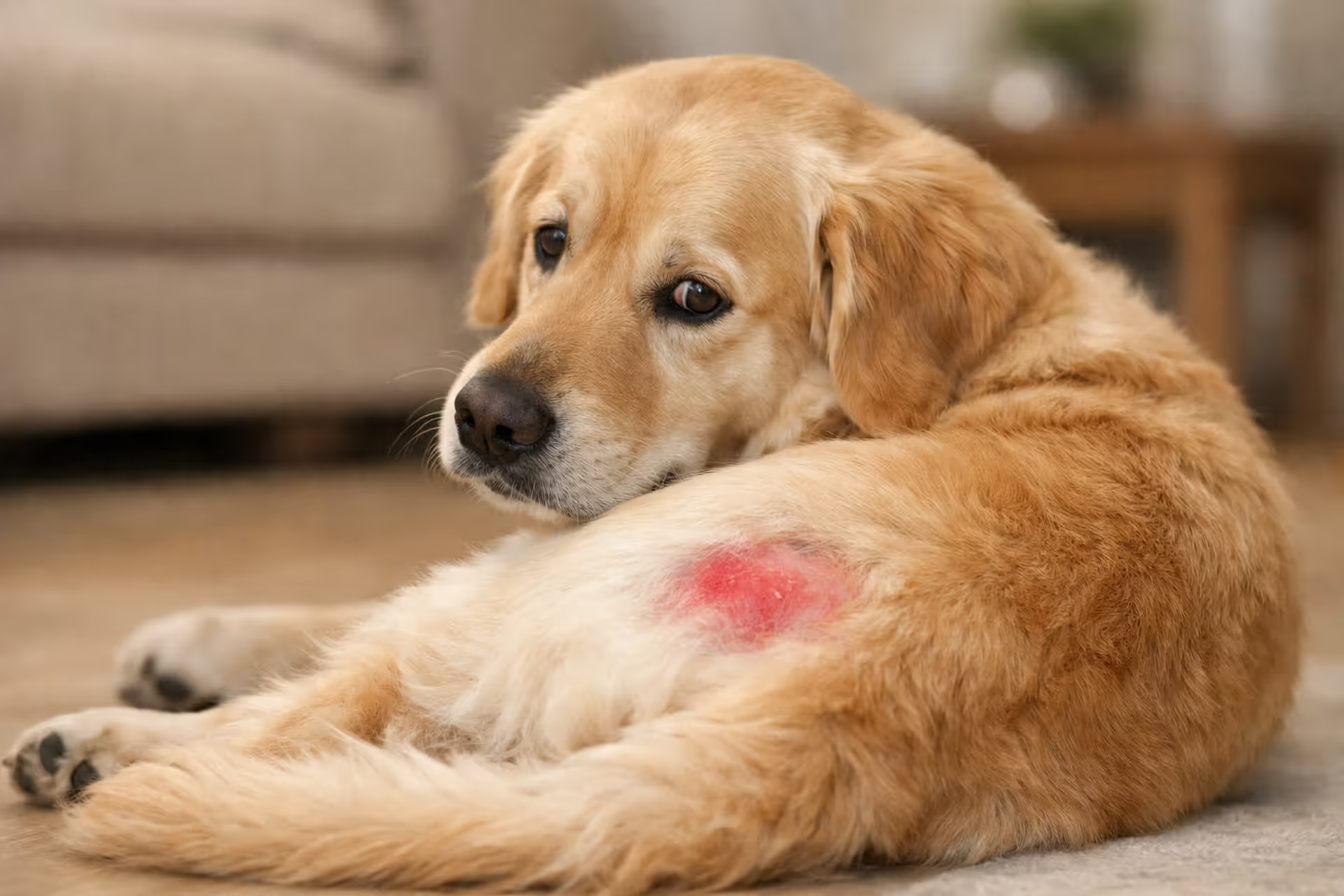
The lesions show up as red, hairless circles or irregular blotches. Fresh ones are moist and weeping. The fur around the edges gets matted and crusty from all the discharge. Touch one (carefully) and you'll notice warmth radiating from the spot—that's inflammation in full swing. There's usually an odor too, somewhat sweet and unpleasant, thanks to bacterial overgrowth happening on the damaged surface.
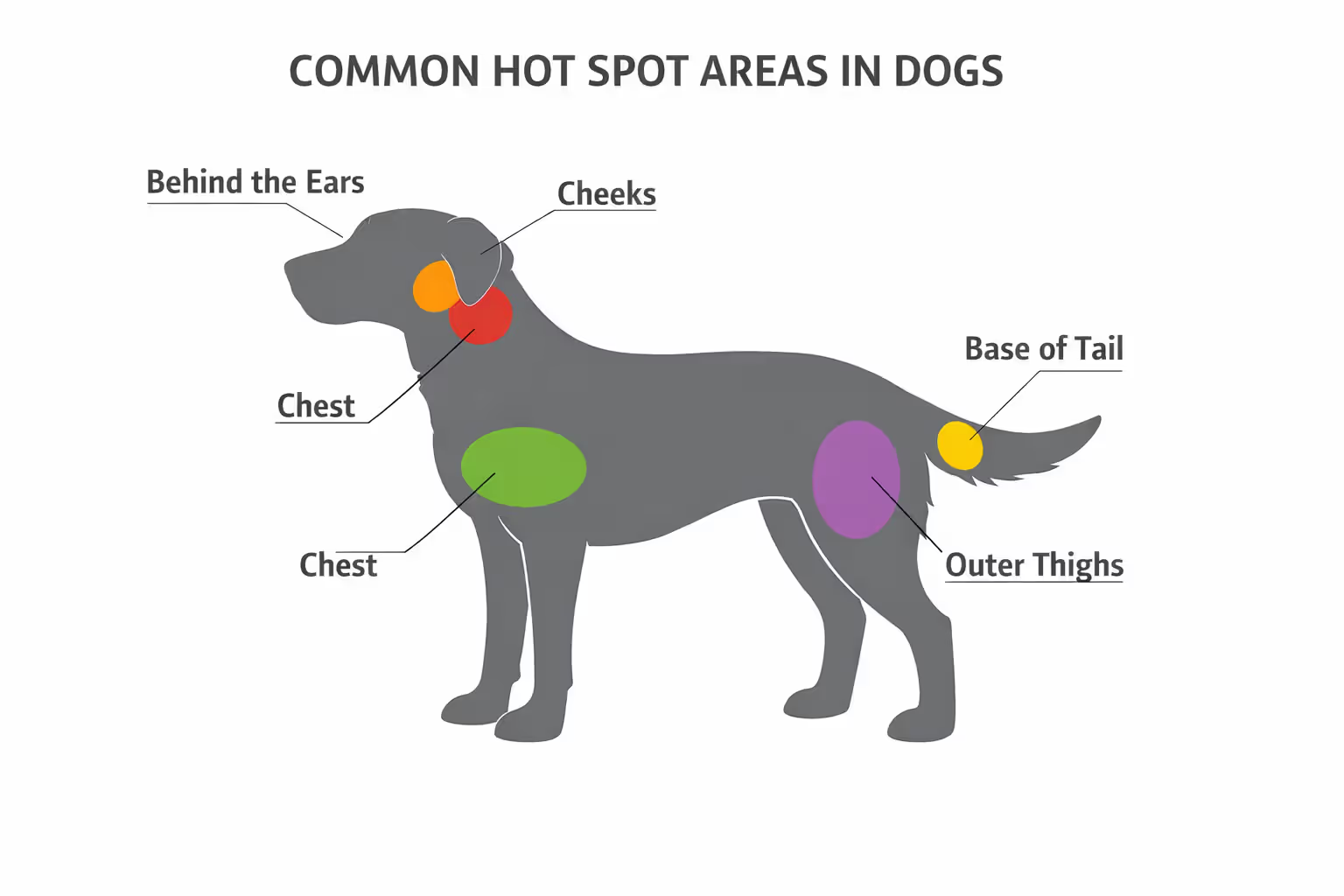
Your dog's head, hips, and chest are prime real estate for these things. Specifically: - The area right behind the ears (especially after swimming) - Cheeks and lower face - Where the tail meets the body - Outer thigh areas - Chest between the front legs
The greatness of a nation and its moral progress can be judged by the way its animals are treated.
— Mahatma Gandhi
Watch your dog's behavior, too. They'll fixate on these spots obsessively. Constant licking, chewing, scratching. It becomes their whole world until you intervene.
Condition
What It Looks Like
Where You'll Find It
How Fast It Develops
Can Others Catch It?
Hot Spots
Wet, raw circular wounds with missing fur
Cheeks, hips, tail base
A few hours to 2 days max
No
Ringworm
Crusty circular patches, broken hairs
Face, ears, feet
Several days to multiple weeks
Yes (pets AND people)
Flea Allergy Dermatitis
Lots of small bumps, scabs everywhere
Lower back area, belly, tail base
Days to weeks of gradual worsening
No
Yeast Infections
Greasy, darkened skin with that distinctive musty smell
Inside ears, between toes, skin folds
Weeks of slow progression
No
What Causes Hot Spots on Dogs
Nothing triggers a hot spot out of pure randomness. Something always starts the itch-scratch-itch nightmare cycle. Figuring out what that "something" is determines whether you're dealing with a one-time problem or a chronic battle.
Allergies win first place for underlying causes. Maybe your dog reacts to chicken in his food. Maybe it's ragweed pollen. Maybe a single flea bite sends his immune system into overdrive (flea allergy dermatitis). These dogs walk around with low-grade itchiness constantly. Then something tips them over the edge—pollen counts spike, they encounter a trigger ingredient, whatever—and they scratch hard enough to break skin. Once that protective barrier is gone, bacteria see an opportunity and move right in.
Then there's moisture. Water dogs, I'm looking at you. Labs who live to swim. Golden Retrievers who'd spend all day in the lake if you let them. Dogs with thick undercoats that stay damp for hours after getting wet. When fur holds moisture against skin, bacteria multiply like crazy. Add warmth from your dog's body temperature, subtract airflow, and you've created a perfect bacterial incubator. This is why hot spots explode in summer but practically disappear come winter.
Some dogs create hot spots out of sheer boredom or anxiety. Dogs are smart. When they don't have enough to occupy their minds, they make their own entertainment. Sometimes that entertainment is obsessively licking one paw until it's raw. Anxious dogs do this too—it's self-soothing behavior, like people who bite their nails. The initial licking might target a genuine minor irritation (a bug bite, a tiny scratch), but the behavior continues long past the point where the original problem is relevant.
Genetics play a part. Certain breeds show up in veterinary clinics with hot spots way more often: - Golden Retrievers and Labs (those water-loving double coats) - German Shepherds (thick fur plus tendency toward allergies) - Rottweilers (moisture gets trapped in skin folds) - Saint Bernards (heavy coats combine with drool for maximum moisture)
Check your calendar. Spring and summer are hot spot season. Warmer temperatures, more outdoor time, higher pollen counts, increased swimming—everything converges. Dogs who never see hot spots from November through March might battle multiple episodes between May and September.
Are Hot Spots Painful for Dogs? Understanding Symptoms
Short answer: yes, they hurt. Think about scraped knees from your childhood—that burning, stinging sensation on exposed raw skin. Now imagine licking that scraped knee repeatedly with a bacteria-covered tongue while also scratching it with dirty fingernails. That's what your dog experiences.
Pain intensity depends on depth and location. A brand-new surface-level hot spot might just itch intensely with mild discomfort. A three-day-old deep lesion with serious infection? That genuinely hurts. Dogs with facial hot spots often become head-shy—they pull away when you reach toward them, something that feels out of character. Hip and tail-base lesions can make even gentle dogs growl when you touch those areas.
Your dog's behavior tells the story: - They can't leave the spot alone—constantly licking, biting, scratching, rubbing against furniture - Whimpering or yelping when the area gets touched - Restless pacing instead of settling down comfortably - Personality changes—irritability, snapping, avoiding interaction - Sleeping problems because they can't get comfortable - Going off their food (typically only in severe cases)
Here's the maddening part: licking feels good temporarily. It provides a moment of relief from the itch. But that relief comes at a steep cost. Every lick deposits bacteria from your dog's mouth onto the wound. Every lick adds moisture to an area that desperately needs to stay dry. Every lick damages tissue that's trying to heal. The temporary relief makes the overall problem worse, which intensifies the itch, which triggers more licking. Without your intervention, this cycle just continues.
Veterinary medicine is one of the most challenging professions because our patients cannot tell us what is wrong — we must listen with our eyes and hands.
— Dr. James Herriot
Secondary bacterial infection makes everything worse. The damaged, moist environment becomes a bacterial paradise—usually Staphylococcus species that normally live harmlessly on your dog's skin. When they colonize the wound and multiply, they release toxins that ramp up inflammation and pain. If the infection goes deep, you're looking at cellulitis (infection spreading into surrounding tissue) or even systemic illness that needs serious antibiotic therapy.
How to Treat a Hot Spot on a Dog at Home
Home treatment has its place, but know its limits. You can tackle small, fresh hot spots—we're talking quarter-sized or smaller, discovered within 24 hours, only affecting the top skin layer. Anything bigger, older, or deeper means it's time to call your vet.
Step 1: Remove the fur around it
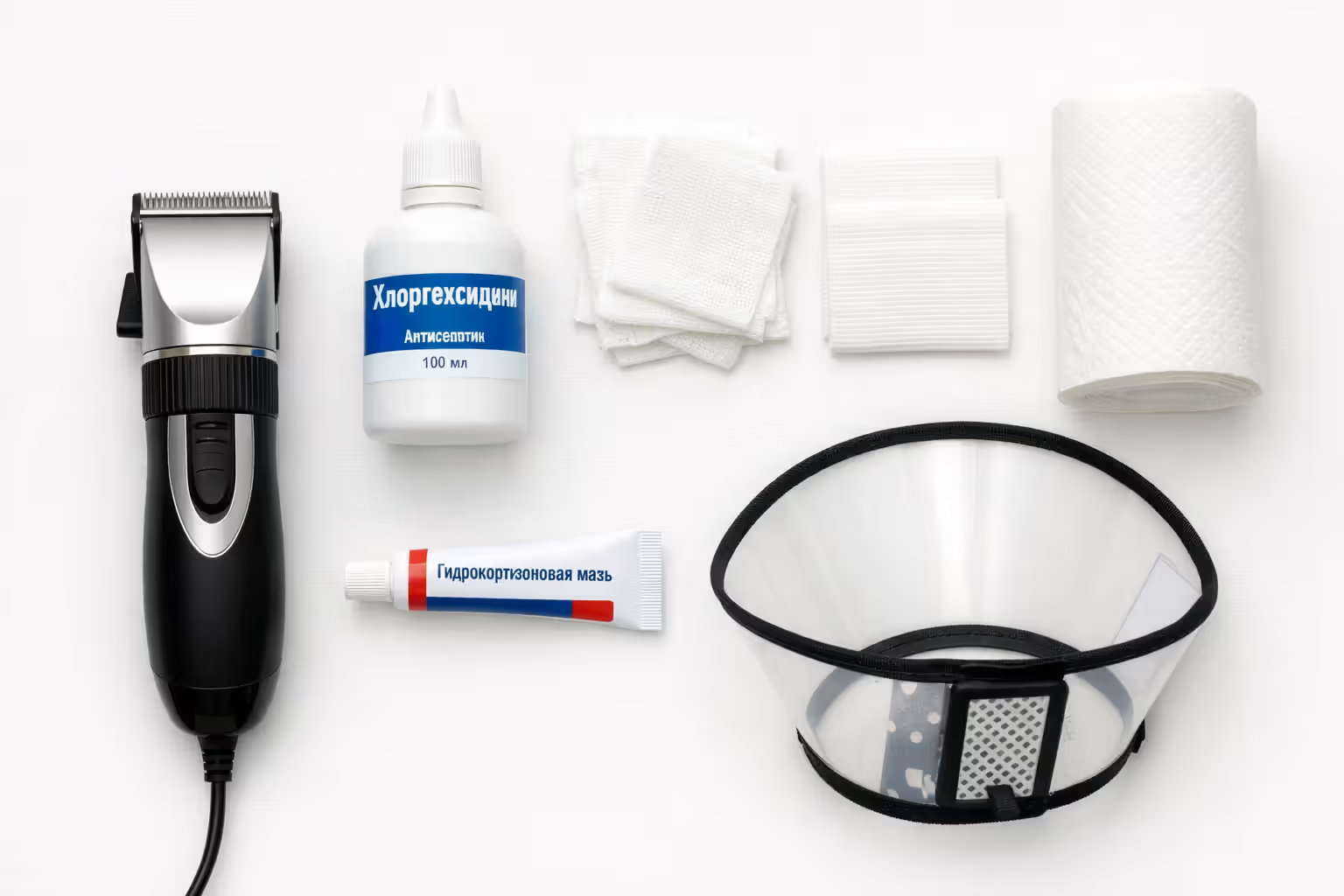
Grab electric clippers or scissors and clip away hair around the entire hot spot. Go at least an inch beyond what you can see. I know, it seems harsh, especially when your dog's already uncomfortable. But matted fur soaked in discharge creates a moisture trap that feeds bacteria and prevents healing. Work carefully so you don't nick inflamed skin. If your dog won't tolerate this because the pain is too intense, skip home treatment and head straight to the vet.
Step 2: Clean it properly
Mix up lukewarm water with a mild antiseptic (chlorhexidine works great, or get diluted povidone-iodine). Soak a clean cloth or gauze pad, then gently dab the hot spot. Don't scrub—that causes more damage. Remove any crusty bits, discharge, or debris you see. Keep going until everything looks clean. Skip the hydrogen peroxide. I know it fizzes impressively, but it kills healthy tissue alongside bacteria and actually slows healing.
Step 3: Get it completely dry
Use clean gauze or paper towels to pat everything thoroughly dry. Moisture is the enemy. Some people use hair dryers on cool settings, held far away, but most dogs hate this. Doesn't matter how you dry it as long as you achieve complete dryness.
Author: Matthew Ridgeway;
Source: alwaysonsalepetsupplies.com
Step 4: Apply something helpful
Now that it's clean and dry, put a thin layer of appropriate topical treatment on there. Veterinary-approved products with hydrocortisone tame inflammation and itching. Antimicrobial formulas fight bacteria. Avoid anything thick or petroleum-based—those trap moisture.
Step 5: Stop your dog from accessing it
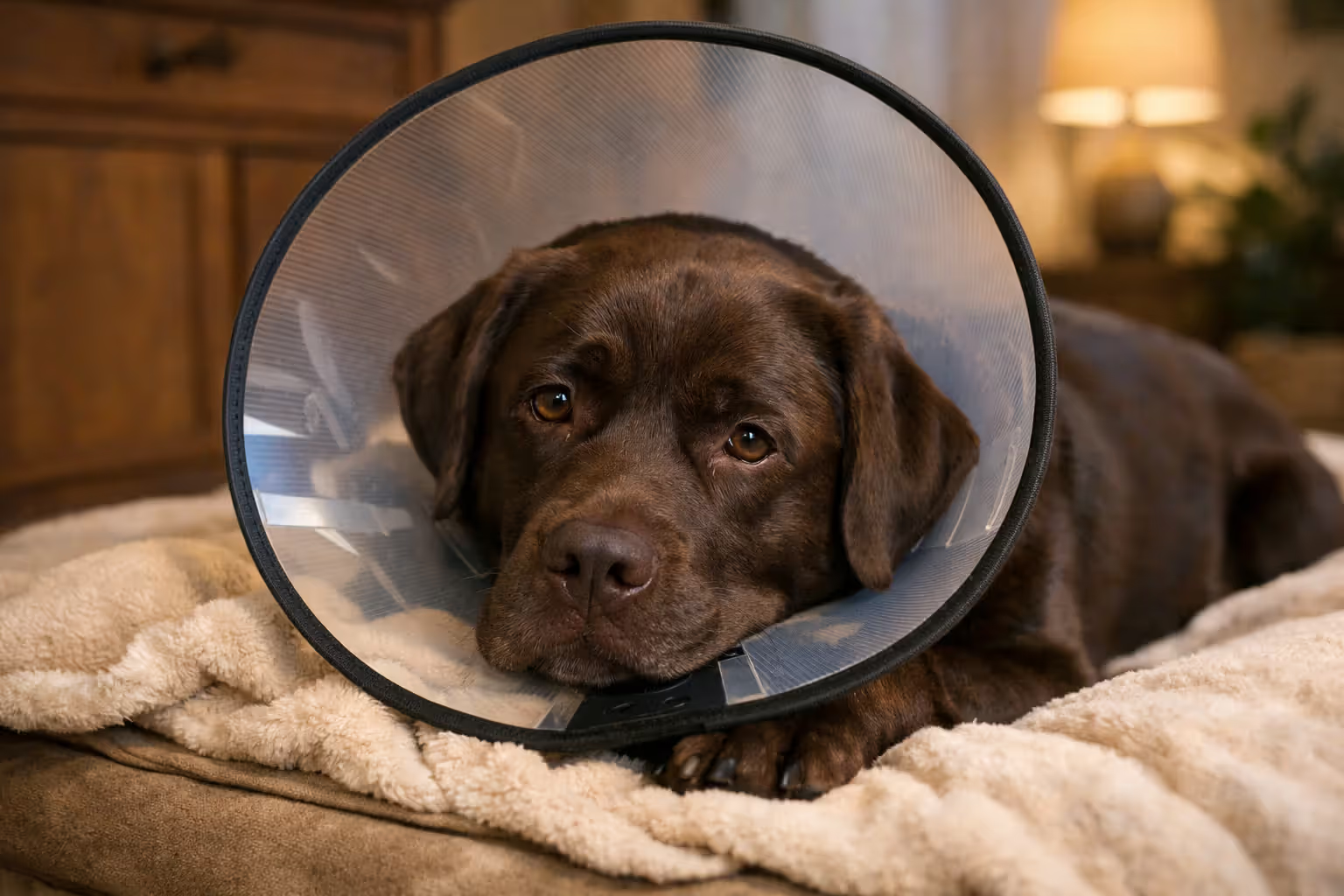
All your careful treatment fails if your dog keeps licking. The classic cone collar (Elizabethan collar) works best. Sure, dogs hate them. But they're effective. Inflatable collars or recovery suits sometimes work, though determined dogs find ways around them. Whatever protective method you choose stays on until complete healing happens—expect 5-10 days for minor cases.
Home Remedy
Does It Work?
Is It Safe?
How To Use It
What Vets Say
Diluted Chlorhexidine
Works well
Very safe
Clean the area 2-3 times daily, let it air dry completely
Most vets recommend this first
Hydrocortisone Spray (1%)
Pretty effective
Safe for short-term use
Spray a thin layer twice daily
Good for minor cases with vet approval
Coconut Oil
Maybe helps a little
Safe to use
Apply thin layer once or twice daily
Mixed opinions; might trap too much moisture
Pure Aloe Vera
Might help somewhat
Safe if it's pure with no additives
Thin layer 2-3 times per day
Won't hurt but limited effectiveness
Diluted Tea Tree Oil
Doesn't work well
Potentially dangerous
Never use it straight; 0.1-1% dilution only
Most vets say skip it—toxicity risk too high
Colloidal Silver
Questionable benefit
Safety unclear
Spray or dab twice daily
Not enough evidence to recommend
Apple Cider Vinegar
Basically useless
Painful on broken skin
Don't put this on raw wounds
Vets say no
Check progress daily. You should see improvement within 48 hours—less redness, less discharge, less obsessive attention from your dog. If the lesion gets bigger, starts smelling foul, or your dog becomes lethargic or feverish, stop home treatment immediately and get to a vet.
Professional Dog Hot Spot Treatment Options
Some situations need professional help from the start. Large hot spots (bigger than a silver dollar)? Vet. Lesions that have been there for several days? Vet. Hot spots on the face near eyes or ears? Definitely vet. Multiple hot spots at once? Vet. Dog showing fever, lethargy, or appetite loss? Emergency vet.
Veterinarians have a systematic approach. They'll assess how deep the lesion goes and how far it extends, usually clipping a larger area than you'd dare attempt at home. Deep or painful ones might need sedation for proper examination and cleaning. They'll also investigate underlying causes—checking for fleas, skin parasites, or allergy signs that triggered the whole mess.
Standard treatment involves:
Topical prescriptions: Heavy-duty antiseptic solutions and antibiotic preparations that penetrate deeper than drugstore products. Some vets use drying agents that form protective barriers while pulling moisture from the wound.
Oral antibiotics: Nearly all hot spots involve bacterial infection needing systemic treatment. Cephalexin and amoxicillin-clavulanate are typical choices, prescribed for 7-14 days based on severity. You've got to finish the entire course even after the hot spot looks healed—this isn't optional.
Anti-inflammatory drugs: Corticosteroids reduce inflammation and break that itch-scratch cycle. Short courses (3-7 days) of prednisone or dexamethasone provide relief while other medications tackle the infection. Some vets prefer newer anti-itch options like Apoquel or Cytopoint, especially for allergy-driven hot spots.
Pain medication: Dogs with painful lesions might get pain meds, particularly if the hot spot is large or deep. This helps your dog feel better and reduces stress-related behaviors that could worsen things.
Cost-wise, expect $100-250 for a straightforward hot spot visit covering examination, medications, and that cone collar. Complicated cases needing sedation, extensive clipping, bacterial cultures, or multiple medications can hit $400-500 or more.
Most hot spots heal in 7-10 days with proper treatment. Vets typically schedule follow-ups for severe cases to confirm healing and address underlying issues. Your job: give all medications exactly as prescribed, keep that collar on, maintain a dry environment.
Why Your Dog's Hot Spot Won't Heal (and What to Do)
Sometimes hot spots just won't quit. Weeks pass despite following all the veterinary instructions, and the damn thing persists. When healing stalls out, something else is going on.
Continued trauma is usually the culprit. Dogs who ditch their protective collar when you're not watching? They're licking. Dogs who figure out how to scratch around the cone? They're creating fresh damage. Even five minutes of licking undoes hours of healing progress. I understand the temptation to remove the collar "just for a break" because your dog seems miserable. But that compassionate gesture sabotages everything. The collar stays on 24/7 until you see complete healing. No exceptions.
Undiagnosed underlying problems complicate recovery. Food allergies, environmental allergies, hypothyroidism, Cushing's disease—these create chronic inflammation that fights against healing efforts. Sometimes the hot spot you can see is just the visible tip of a systemic problem lurking beneath. Dogs having three or more hot spot episodes yearly need comprehensive diagnostics: allergy testing, bloodwork, possibly skin biopsies.
Antibiotic resistance happens when bacterial strains shrug off first-line medications. Hot spots that initially improve but then plateau or regress might harbor resistant bacteria. Your vet can run culture and sensitivity testing to identify exactly which bacteria you're fighting and which antibiotics actually work against them. This adds 3-5 days and extra cost but provides targeted treatment instead of guessing.
Treatment mistakes people make:
Stopping antibiotics when the hot spot looks healed (infection's still deep in tissue)
Slathering on too much topical medication (creates moisture instead of healing)
Using human products that aren't dog-appropriate (toxic or irritating)
Bathing the dog before healing is complete (introduces moisture at the worst possible time)
Author: Matthew Ridgeway;
Source: alwaysonsalepetsupplies.com
Environmental factors matter more than people realize. Dogs in humid climates heal slower than those in dry regions. Swimming or rain exposure during treatment reintroduces the moisture that feeds bacterial growth. Some dogs need temporary lifestyle changes—no swimming, staying indoors when it rains, avoiding sprinkler zones—until everything heals completely.
When standard treatment fails after 2-3 weeks, veterinary dermatologists enter the picture. These specialists offer advanced diagnostics, newer medications general practitioners can't access, and comprehensive management plans for dogs with complex skin issues. Referrals cost more upfront but might save money long-term by actually solving persistent problems.
Preventing Hot Spots From Coming Back
Once your dog gets one hot spot, the odds of future episodes climb. Prevention strategies target underlying triggers while maintaining healthy skin.
Regular grooming and coat care form your foundation. Brush frequently to remove dead undercoat and prevent matting—especially critical for double-coated breeds. During spring and fall shedding seasons, daily brushing removes loose fur that would otherwise trap moisture against skin. Professional grooming every 6-8 weeks keeps coat length manageable for hot-spot-prone dogs.
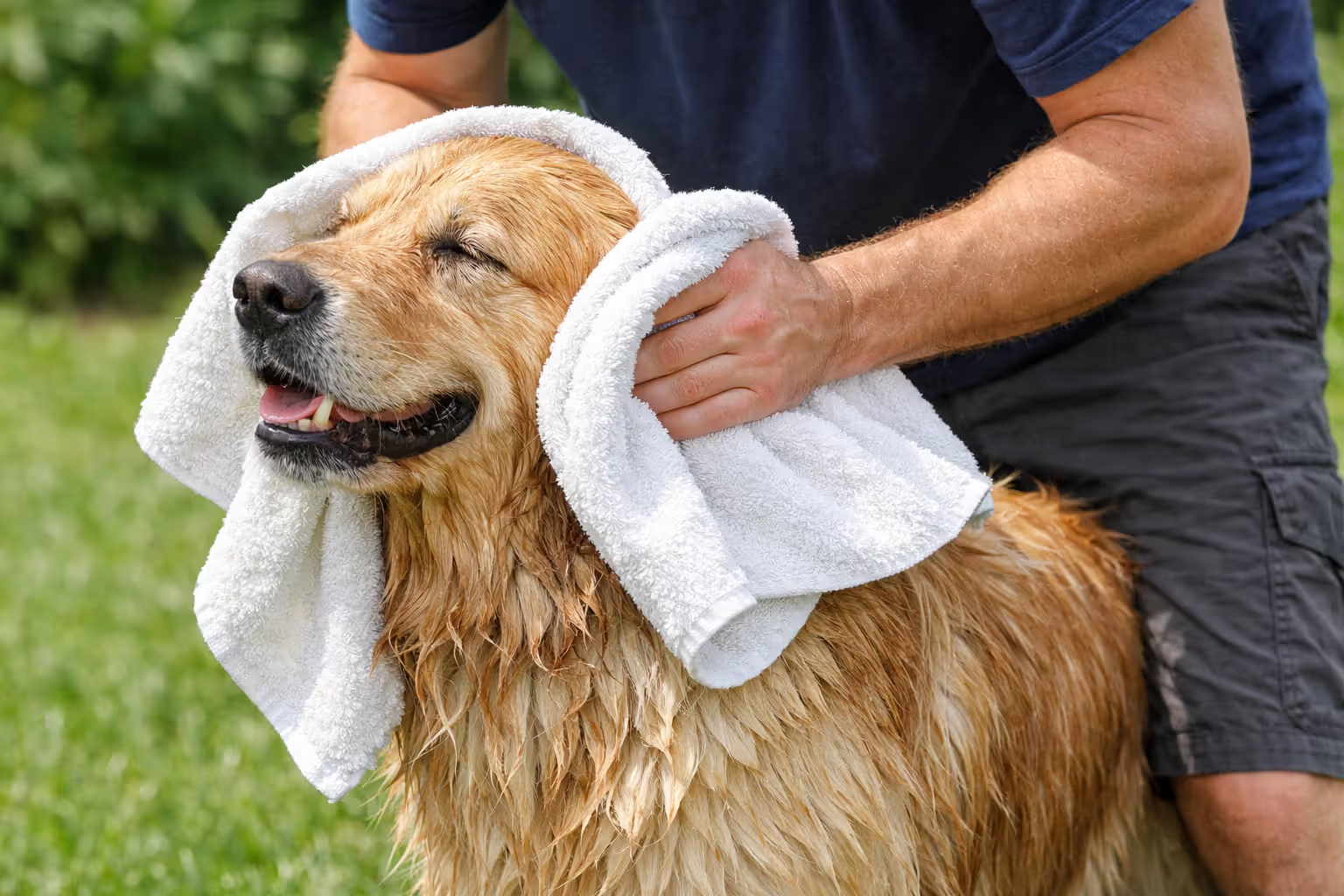
After any swimming or bathing, dry thoroughly. Use absorbent towels to remove excess water, then allow complete air drying before your dog lies down. Some owners invest in forced-air dryers designed for dogs, though these require patient training. Pay extra attention to areas behind ears, under collars, and in skin folds—these are moisture traps.
Author: Matthew Ridgeway;
Source: alwaysonsalepetsupplies.com
Allergy management reduces the chronic itching that jump-starts hot spots. Dogs with confirmed food allergies need strict diet control—zero table scraps, treats with trigger ingredients, or unauthorized food sources. Environmental allergies might require: - Regular baths with hypoallergenic shampoo to wash allergens from the coat - Wiping down paws and belly after outdoor excursions - Running air filtration systems indoors - Following allergy medication or immunotherapy plans from your vet
Don't slack on flea prevention. Even dogs without flea allergies can develop hot spots from flea bites. Year-round prevention using vet-recommended products eliminates this trigger entirely. In areas where fleas are everywhere, treat your yard and vacuum frequently for environmental flea control.
An ounce of prevention is worth a pound of cure.
— Benjamin Franklin
Behavioral enrichment tackles anxiety and boredom-driven licking. Dogs require: - Adequate daily exercise matched to their age and breed - Mental challenges through training sessions, puzzle toys, or scent work - Consistent daily routines that minimize anxiety - Appropriate outlets for natural chewing and licking behaviors (safe chew items, lick mats with frozen treats)
Dogs creating hot spots from separation anxiety benefit from behavior modification programs, sometimes paired with anti-anxiety medications your vet prescribes.
Use seasonal prevention tactics for dogs who get hot spots predictably. If your dog battles them every summer, start preventive measures in late spring: - Increase grooming frequency and thin the coat - Begin allergy medications before symptoms appear - Limit water activities or ensure meticulous drying afterward - Watch hot-spot-prone areas more closely for early warning signs
Early intervention changes everything. Check your dog's skin regularly, especially areas where hot spots typically develop. Catching one in the first few hours—while it's still small and superficial—allows simpler treatment and faster resolution.
Frequently Asked Questions About Hot Spots on Dogs
Can hot spots spread to other dogs or humans?
The hot spot itself won't spread. The bacterial infection causing it comes from bacteria already living on your dog's skin—they've just multiplied in damaged tissue. Your other dogs or family members can't "catch" a hot spot through contact. However, if something contagious triggered the hot spot (certain parasites, for example), that underlying cause might spread. You can safely handle your dog during treatment. Washing your hands afterward is just good hygiene practice, not a critical safety measure.
How long does it take for a hot spot to heal?
Small, shallow hot spots caught early typically heal in 5-7 days with appropriate treatment. Moderate ones usually resolve within 10-14 days. Large, deep, or severely infected hot spots might need 3-4 weeks for complete healing. The visible surface often looks healed before deeper tissue actually finishes repairing, which is why completing the full treatment course prevents recurrence.
Should I use hydrogen peroxide on my dog's hot spot?
Don't do it. Yes, hydrogen peroxide bubbles satisfyingly and seems like it's doing something important. But it damages healthy tissue and actually slows the healing process. It kills bacteria while simultaneously destroying the cells your dog's body needs for tissue repair. Better options include diluted chlorhexidine or povidone-iodine—these clean effectively without causing collateral damage. If you've already used hydrogen peroxide once or twice, don't panic. Just switch to something better going forward.
Can I prevent hot spots if my dog swims frequently?
Absolutely, with diligent post-swim routines. Rinse your dog with fresh water after every swim (particularly important after saltwater or chlorinated pools). Towel dry thoroughly, paying special attention to ears, armpits, and moisture-prone areas. Make sure your dog is completely dry before lying on bedding. Some owners keep their water-loving dogs clipped shorter during swimming season. If hot spots keep happening despite these precautions, discuss reducing swimming frequency with your vet.
Do certain dog foods help prevent hot spots?
Food helps when allergies trigger the hot spots. Dogs with food sensitivities often improve dramatically on limited-ingredient diets, novel protein sources, or hydrolyzed protein formulas. But here's the catch: food changes only help when food allergies cause the problem. If environmental factors or behavioral issues drive your dog's hot spots, switching food won't accomplish anything. Work with your vet to figure out whether food allergies play a role before investing in expensive specialty diets.
What's the difference between a hot spot and a staph infection?
Hot spots ARE a type of staph infection—specifically, acute moist dermatitis caused by Staphylococcus bacteria. "Hot spot" describes the appearance and rapid development of the lesion. Other staph infections (folliculitis, furunculosis) develop more slowly, look visually different, and need different treatment strategies. Every hot spot involves bacterial infection, but not every staph infection qualifies as a hot spot. Your vet can distinguish between various skin infection types and recommend appropriate treatment for each.
Hot spots rank among the most common yet most preventable canine skin problems. Success depends on quick recognition and appropriate response. Small hot spots discovered early often respond to straightforward home care. Delayed treatment transforms minor irritations into painful, expensive problems needing aggressive intervention.
Know your dog's individual risk factors—breed, coat type, allergies, behavioral patterns. This knowledge lets you implement targeted prevention strategies. Regular grooming, thorough drying after water exposure, effective flea prevention, and underlying allergy management dramatically reduce hot spot frequency in susceptible dogs.
When hot spots develop despite your best efforts, don't adopt a "wait and see" approach. These lesions worsen rapidly. Early treatment—whether at home for minor cases or professional care for larger lesions—produces faster healing and better outcomes. Most importantly, if your dog experiences recurrent hot spots, partner with your veterinarian to identify and address root causes rather than just repeatedly treating symptoms as they appear.
Learn to recognize the key signs a dog is in heat, understand all 4 stages of the canine heat cycle, manage sudden behavior changes, and provide proper care during estrus. This guide covers discharge, swelling, cycle timing, fertility windows, safety tips, and answers common owner questions
Learn why your dog farts so much, what causes smelly dog gas, when it signals health problems, and proven ways to reduce flatulence through diet changes. From food triggers and speed-eating habits to gut conditions, discover exactly what makes your pup gassy and simple steps to fix it for good
Wondering why your dog wakes up with crusty or colored eye discharge? This guide breaks down every type of dog eye booger by color and texture, explains seven common causes from allergies to dry eye, walks you through safe at-home cleaning steps, and highlights the red flags that signal an urgent vet visit
Learn effective dog constipation treatment options, from pumpkin remedies and hydration tricks to knowing exactly when to see a vet. Discover safe home solutions, proper fiber dosages, quick relief methods, warning signs that demand urgent professional care, and proven tips for lasting comfort
The content on this website is provided for general informational and educational purposes only. It is intended to offer guidance on dog breeds, behavior, health, care, and lifestyle, and should not be considered a substitute for professional veterinary advice, diagnosis, or treatment.
All information published on this site is based on general knowledge, widely accepted research, and practical experience, but individual dogs may differ in behavior, health conditions, and needs. Results and outcomes may vary depending on the dog, environment, and circumstances.
The website is not responsible for any errors or omissions, or for actions taken based on the information provided. For specific concerns regarding your dog’s health or behavior, always consult a qualified veterinarian or professional dog specialist.