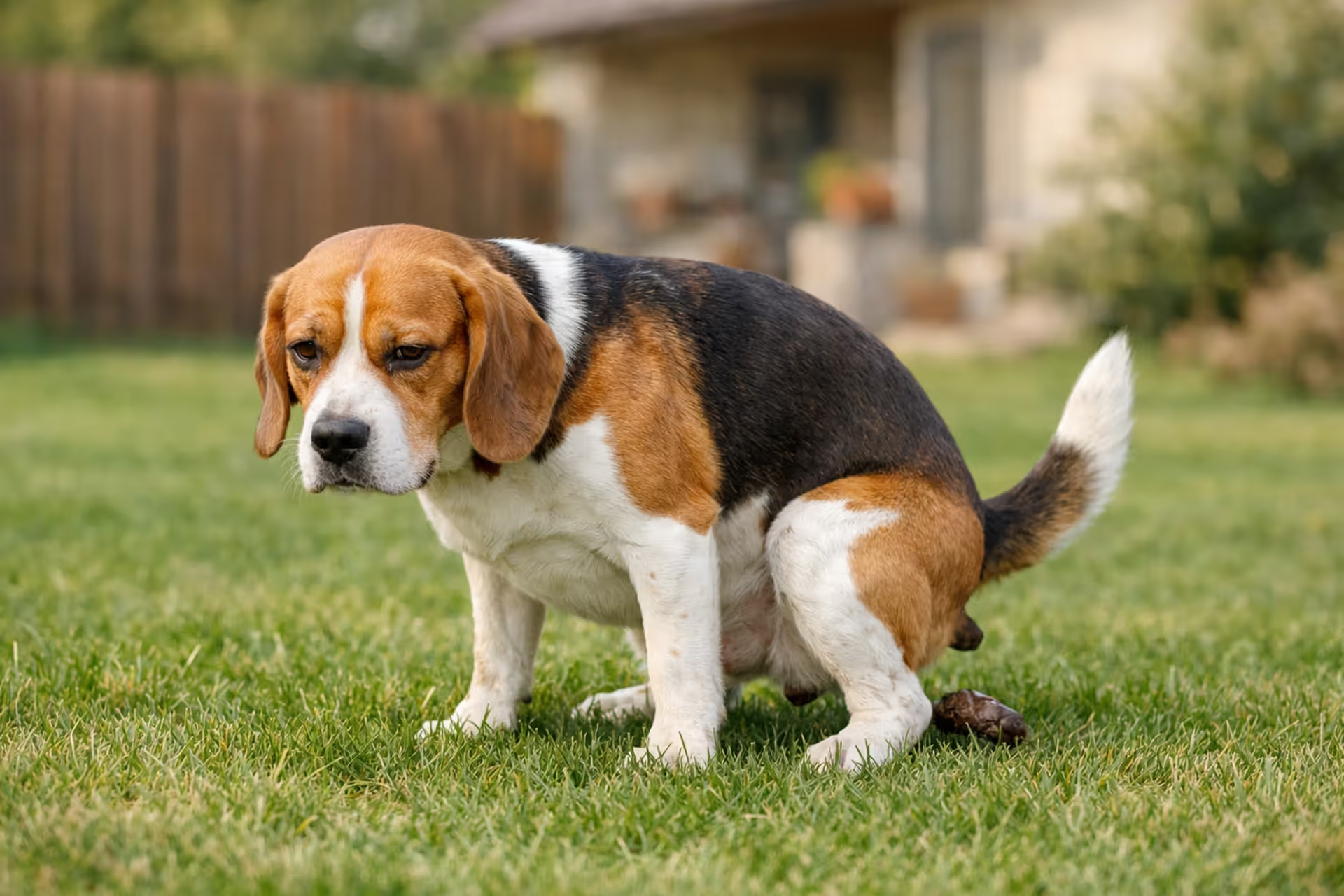
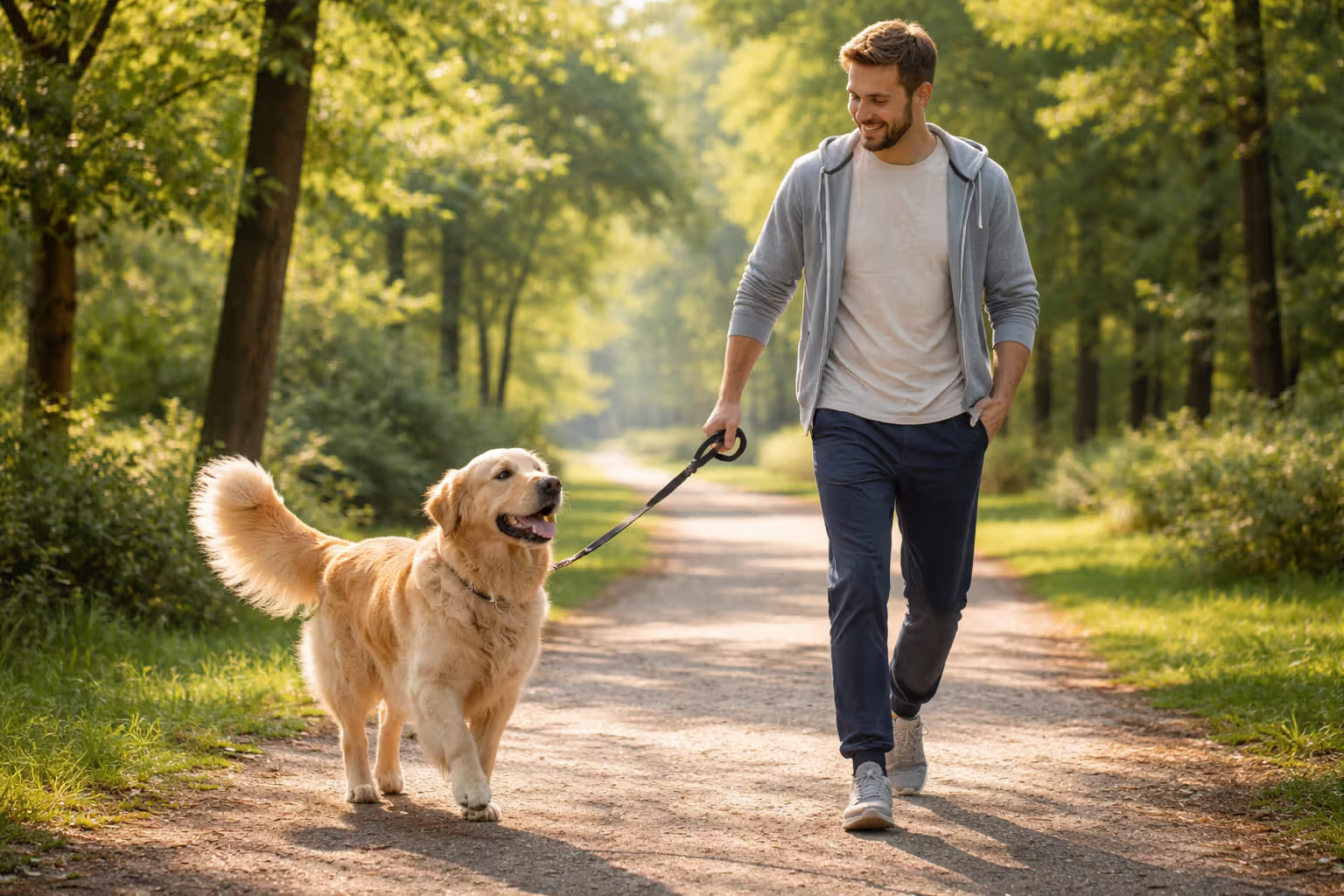
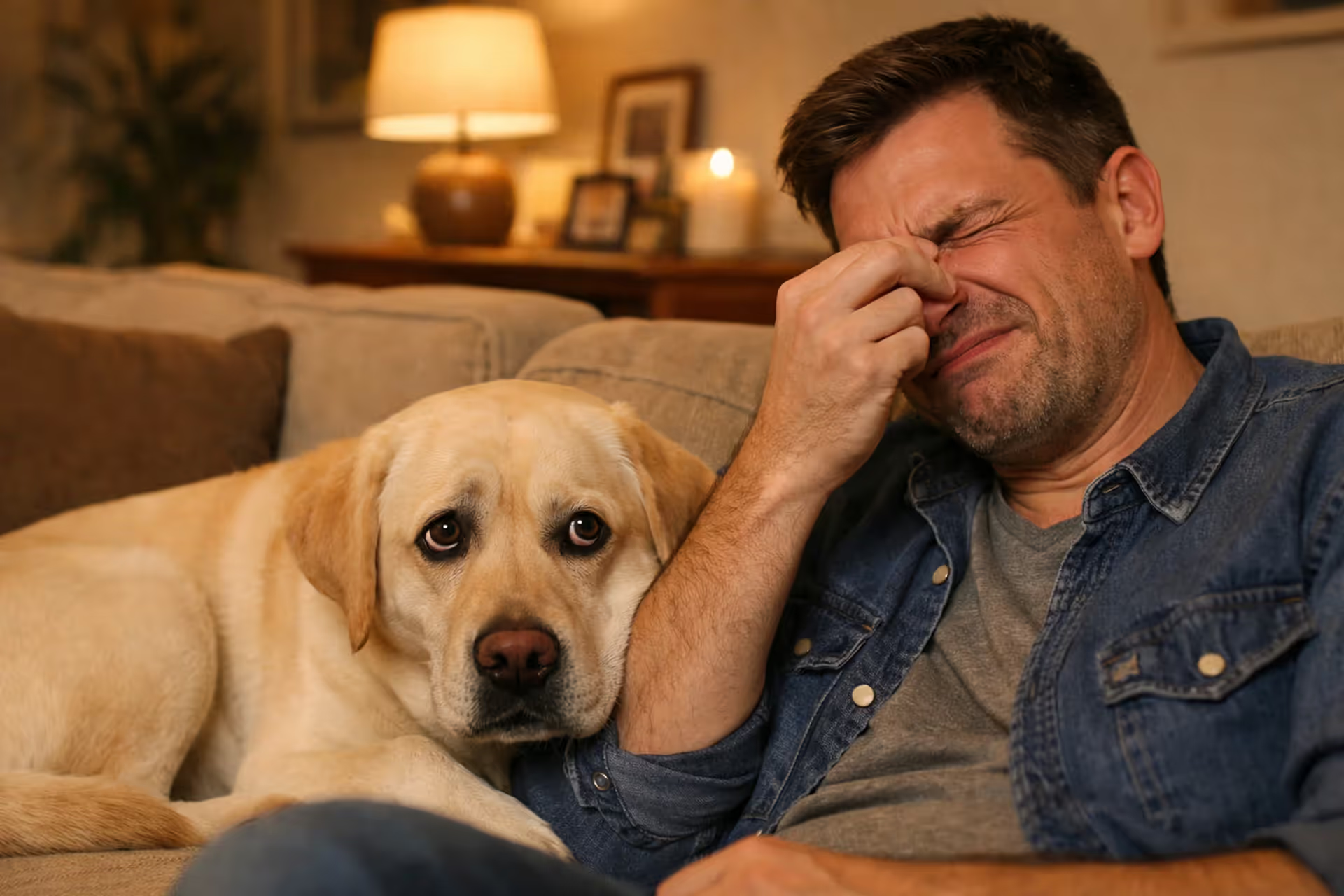
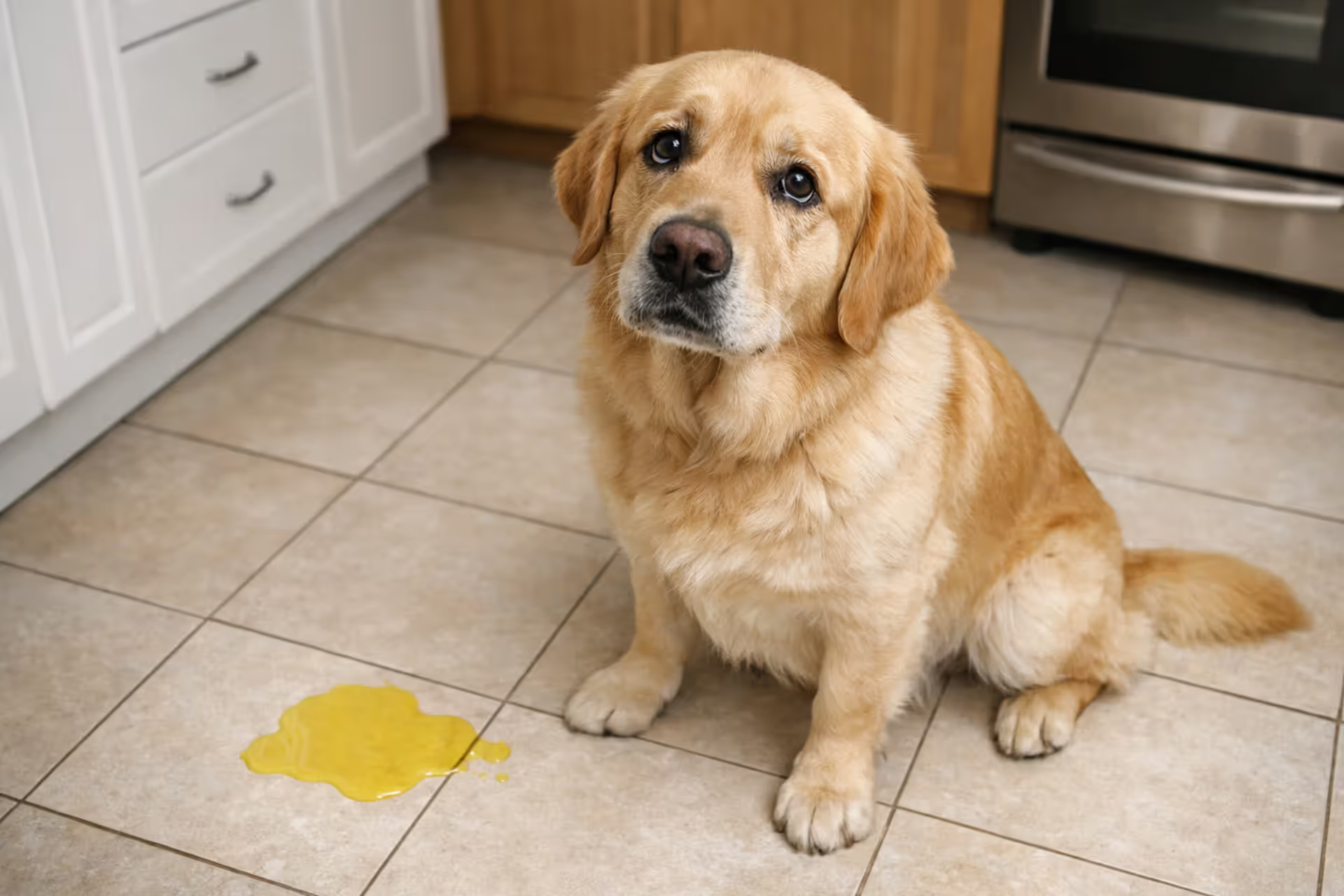
Your dog's been squatting in the backyard for three minutes straight with zero results. Or maybe you've realized it's been two full days since you saw any poop during walks. Either way, you're watching your pet struggle with constipation—a problem that sends thousands of dog owners searching for answers every single day. Most dogs bounce back quickly once you understand what's happening and how to respond. Let's walk through exactly what works (and what doesn't) when your dog needs help in the bathroom department.
How to Recognize If Your Dog Is Constipated
Catching this problem early saves your dog discomfort and saves you stress. The tricky part? Dogs can't exactly tell you what's wrong, so you're playing detective.
Physical Symptoms to Watch For
Count the days since your dog's last bowel movement. A healthy dog typically poops once or twice daily, though three times happens too. Hit the 48-hour mark with nothing? You're dealing with constipation.
When stool finally does appear, look at what you're seeing. Hard, dry pellets that resemble rabbit droppings replace the normal log shapes. Think of the difference between Play-Doh fresh from the container versus Play-Doh left out overnight—that's the texture change happening here.
The straining is impossible to miss. Your dog assumes the position and holds it. And holds it. Maybe for two or three minutes. Sometimes they manage tiny amounts of liquid with mucus mixed in. Here's what throws people off: that liquid looks like diarrhea, so owners think they're dealing with the opposite problem. Actually, the colon is so packed with hard stool that only liquid squeezes past the blockage.
Press gently on your dog's belly. Does it feel like a firm basketball instead of the normal slight give? That firmness tells you stool has accumulated inside. Some dogs throw up when constipation gets severe enough—the backed-up system eventually triggers nausea that works backward.
Behavioral Changes That Signal a Problem
Your food-obsessed Lab suddenly sniffs his dinner and walks away. Constipation creates a sensation of uncomfortable fullness that kills appetite fast.
Energy levels tank. The dog who normally parkours off your furniture to greet you barely lifts her head from the couch. Abdominal pain intensifies with movement, so affected dogs avoid jumping, running, and stairs.
Personality shifts happen too. Friendly dogs get snappish when you touch their hindquarters or stomach. Some hide under beds or in closets—unusual spots they'd normally ignore. Watch for excessive anal licking or repeated glances toward their rear end. Dogs know something feels off back there, even if they can't articulate the problem.
The greatness of a nation and its moral progress can be judged by the way its animals are treated
— Mahatma Gandhi
What Causes Constipation in Dogs
Figuring out why this happened helps you fix it and stop repeats.
Dietary Factors
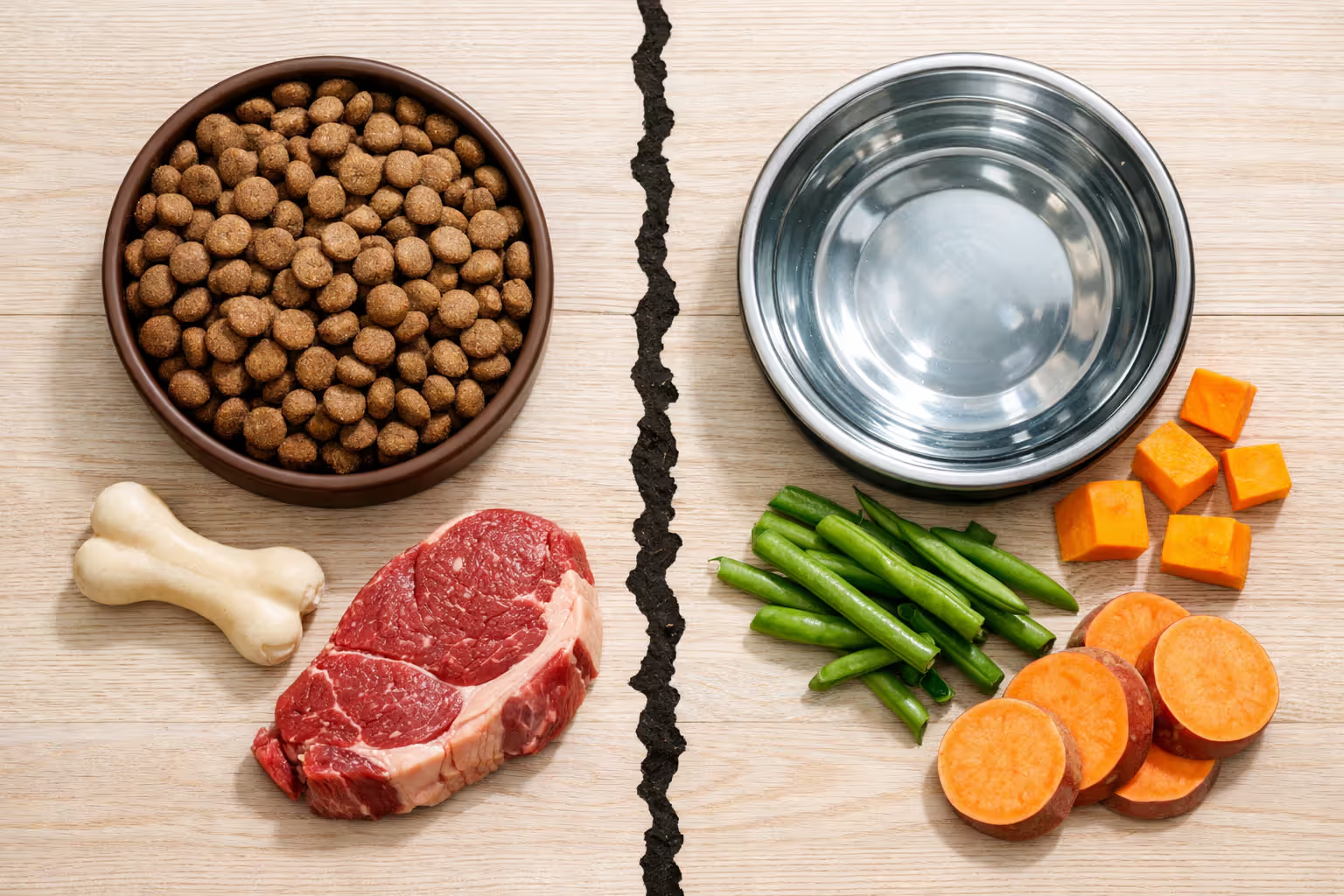
All-meat diets without plant material create problems. Dogs need some fiber to form proper stool consistency. Zero fiber means hard, difficult poops. But here's the twist—too much fiber from overeager owners creates the opposite disaster. Excessive fiber causes impacted, immovable stool that sits like concrete in the colon.
Dehydration concentrates everything. When water intake drops (common in winter when dogs are less active or in seniors whose thirst drive fades), stool dries out. Feeding only dry kibble without adequate water makes this worse. Kibble contains roughly 10% moisture. That's not much.
Those leftover ribeye bones you shared after dinner? Big mistake. Cooked bones or large amounts of raw recreational bones produce chalky, rock-hard stool that won't budge. Owners discover this connection about 36 hours after playing "generous human."
Foreign material that dogs shouldn't eat causes serious blockages. The grass-eating obsession some dogs develop, shredded toys, or that pizza box they destroyed while you were at work—all create intestinal traffic jams. Long-haired breeds swallow massive amounts of fur during shedding season, which mats together inside the digestive tract.
Author: Hannah Bloomfield;
Source: alwaysonsalepetsupplies.com
Medical Conditions and Medications
Unneutered male dogs face prostate enlargement as they age. That swollen prostate physically presses against the colon, narrowing the pathway stool needs to travel. Older intact males develop this frequently.
Arthritis or hip dysplasia makes squatting hurt. When the position itself causes pain, dogs delay pooping as long as possible. Eventually, delayed stool becomes impacted stool. The dog learns: squatting equals pain, so they avoid squatting. Vicious cycle.
Neurological issues affecting the spine or bowel-controlling nerves disrupt the normal intestinal muscle contractions that move waste along. Herniated discs and degenerative myelopathy both interfere with this process.
Hypothyroidism—underactive thyroid—slows everything metabolically, including digestion. Stool sits in the colon longer, more water gets absorbed from it, and you end up with dried-out, difficult feces.
Medication side effects strike often. Opioid pain relievers after surgery, antihistamines for allergies, diuretics for heart conditions, and certain antacids all slow bowel function. If constipation started right after beginning a new prescription, connect those dots and call your vet about alternatives.
Lifestyle and Environmental Triggers
Dogs are creatures of habit. Moving houses, staying at a boarding facility, or having your daily schedule flip upside down stresses them. That stress translates directly into digestive slowdowns.
Exercise keeps intestines moving properly. When a normally active dog becomes sedentary—bad weather keeps you inside for a week, you're sick and can't walk them, or they're recovering from an injury—constipation often appears within three to four days.
Bathroom location matters more than you'd think. Fastidious dogs refuse to poop in dirty yards or unfamiliar places during travel. This voluntary holding leads straight to constipation. Some dogs need privacy, specific surfaces, or particular routines before they'll go. Mess with those preferences, and they'll simply hold it.
Safe Home Remedies for a Constipated Dog
Most mild cases clear up with straightforward home interventions. Speed matters—start these remedies at the first signs rather than waiting.
Pumpkin: Dosage and Preparation
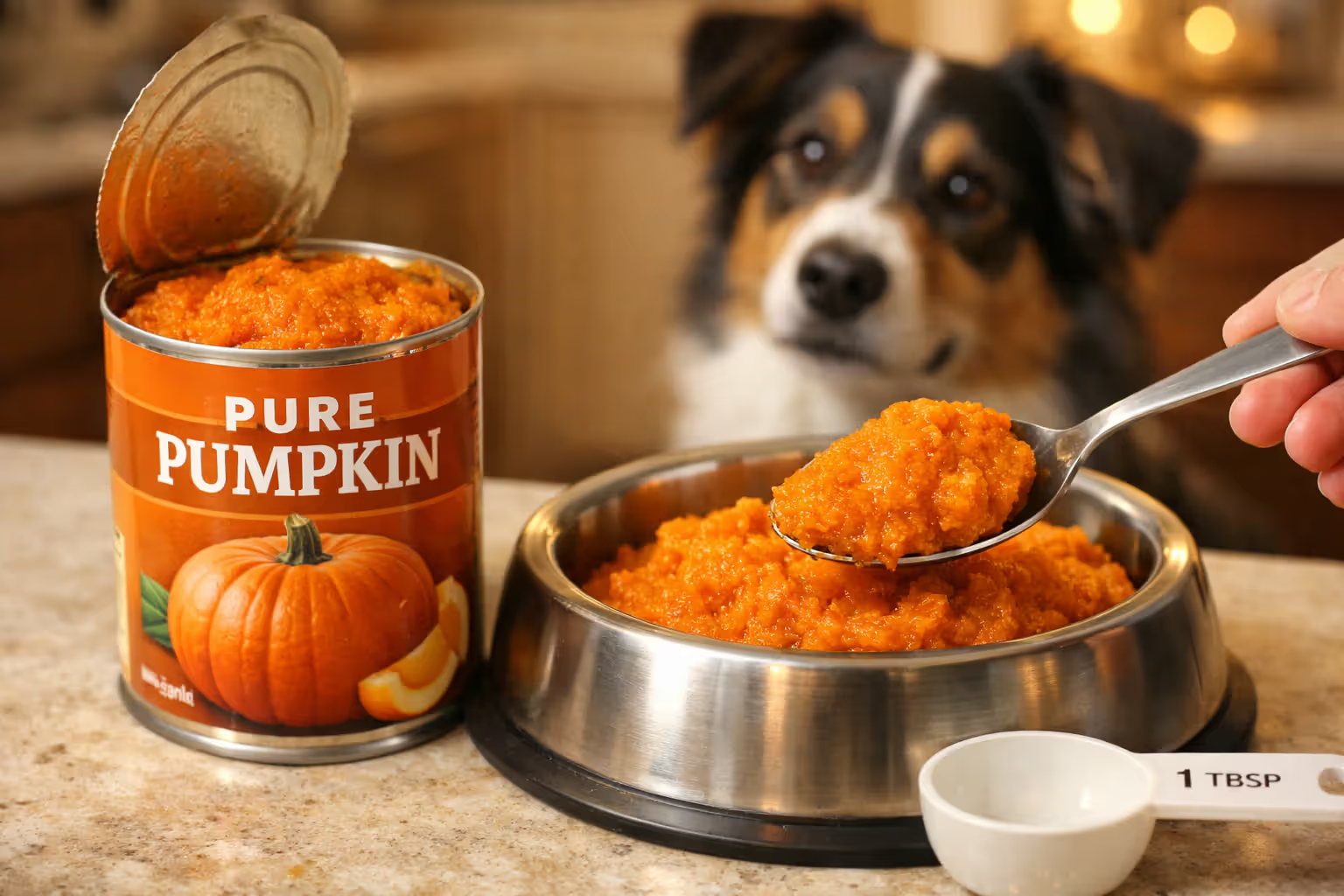
Plain canned pumpkin dominates the home remedy rankings for good reason. It delivers both soluble fiber (which absorbs water and bulks up stool) and insoluble fiber (which promotes intestinal movement through mechanical stimulation).
Dosing depends on size. Under 15 pounds gets one teaspoon mixed into food. Between 15-35 pounds takes one tablespoon. Dogs from 35-85 pounds handle 2-4 tablespoons. Giant breeds over 85 pounds can receive up to 5 tablespoons.
Mix it thoroughly into wet food. Add a splash of low-sodium broth if your dog turns up their nose at plain pumpkin, though most dogs actually like the natural sweetness.
Timeline: expect movement within 6-12 hours for mild constipation. Nothing after 24 hours means you need to escalate treatment.
Important distinction—grab the plain pumpkin, not the pie filling version loaded with sugar and spices that'll cause stomach upset on top of your existing problem. Fresh pumpkin you've cooked and mashed works identically to canned. Skip raw pumpkin, which dogs digest poorly.
Author: Hannah Bloomfield;
Source: alwaysonsalepetsupplies.com
Hydration Strategies That Work
Softer stool needs more water. Simple concept, multiple execution strategies.
Low-sodium chicken or beef broth added to water bowls creates irresistible drinking opportunities. Most dogs slurp this up enthusiastically.
Freeze broth into ice cubes for treats. Switch from dry kibble to canned food temporarily—canned delivers 70-80% moisture versus kibble's measly 10%.
Scatter multiple water bowls throughout your house so your dog encounters them constantly. Some dogs prefer running water, making pet fountains worth trying.
Pour water directly over food, creating soup. Let kibble soak 10-15 minutes before serving to maximize absorption.
Exercise and Movement Techniques
Physical activity jump-starts intestinal contractions. Walk your dog briskly for 15-20 minutes. The combination of movement plus encountering new smells in the neighborhood often triggers the urge to go.
Senior dogs or those with mobility limitations benefit from multiple short walks—5-10 minutes repeated three or four times throughout the day—rather than one long session. Even slow movement helps.
Try gentle belly massage to stimulate bowel activity. Position your dog standing or lying sideways. Use your flat palms to make slow circles on the abdomen, moving clockwise (matching the direction intestines naturally flow). Apply light pressure for 5-10 minutes. Stop immediately if your dog shows pain signals.
The world would be a nicer place if everyone had the ability to love as unconditionally as a dog
— M.K. Clinton
Fiber-Rich Foods to Try
Beyond pumpkin, several foods provide beneficial fiber. Plain canned green beans (low-sodium, no added ingredients) offer bulk without calories—helpful for overweight dogs. Mix 1-3 tablespoons into meals based on your dog's size.
Cooked sweet potato functions similarly to pumpkin. Use identical dosing guidelines.
Wheat bran (1/2 to 2 teaspoons depending on size) adds insoluble fiber when mixed into food. Start small—too much creates uncomfortable gas and bloating.
Psyllium husk powder, the same fiber supplement humans use for irregularity, helps dogs equally well. Give 1/2 teaspoon per 20 pounds of body weight mixed thoroughly into wet food. Always provide extra water with psyllium since it absorbs significant moisture as it works.
Remedy
How It Works
Dosage/Method
Time to Results
Safety Notes
Plain canned pumpkin
Both soluble and insoluble fiber combine to bulk up stool while encouraging intestinal movement
1 tsp per 15 lbs body weight mixed into meals
6-12 hours typically
Only plain pumpkin works—pie filling contains additives that cause stomach upset; excessive amounts trigger diarrhea
Increased water intake
Adds moisture throughout the digestive system, softening hard stool
Mix broth into water, switch to wet food, offer broth ice cubes
12-24 hours usually
Watch that increased drinking doesn't cause accidents; ensure bathroom access
Olive oil
Creates lubrication along intestinal walls while softening impacted stool
1/2 tsp per 10 lbs body weight, maximum once daily
4-8 hours in most cases
Overuse causes diarrhea; high calorie content affects weight
Physical activity
Stimulates natural intestinal muscle contractions that move waste
15-20 minute walks, repeated 2-3 times daily
Immediate to 4 hours
Modify intensity for elderly or mobility-limited dogs
Wet canned food
Contains 70-80% moisture compared to kibble's 10% moisture
Replace dry food temporarily with quality canned
12-24 hours typically
Select quality brands; transition back gradually to prevent upset
Plain green beans
Provides fiber bulk without excess calories
1-3 tbsp based on dog size, mixed into meals
8-12 hours generally
Only plain, low-sodium versions; too much causes gas
How to Help a Constipated Dog Poop Quickly (When Time Matters)
Your dog hasn't pooped in three days and is clearly miserable. You need results faster than the standard timeline.
Layer multiple remedies together for synergistic effect: serve pumpkin with breakfast, get outside immediately for a 20-minute walk, and push water intake. This combination approach accelerates results beyond what any single method achieves alone.
Small amounts of olive oil or coconut oil create internal lubrication. Give 1/2 teaspoon per 10 pounds of body weight mixed into food—maximum one tablespoon for large dogs. Results typically appear within 4-8 hours. Don't repeat this more than once daily. Excessive oil causes diarrhea and blocks nutrient absorption.
Canned fish packed in water (not oil)—tuna or sardines work—often triggers bowel movements. The moisture content, natural oils, and strong smell encourage both eating and drinking while providing gentle digestive stimulation. Offer a small portion: one to three tablespoons based on size.
Some owners get results from small amounts of milk or yogurt. The lactose causes mild digestive upset in most dogs (who lack enzymes to process it), which can stimulate a bowel movement. Use this only as a last resort before calling the vet. The lactose intolerance that makes it potentially effective also causes cramping. Give 1-2 tablespoons and expect results within 2-4 hours if it's going to work.
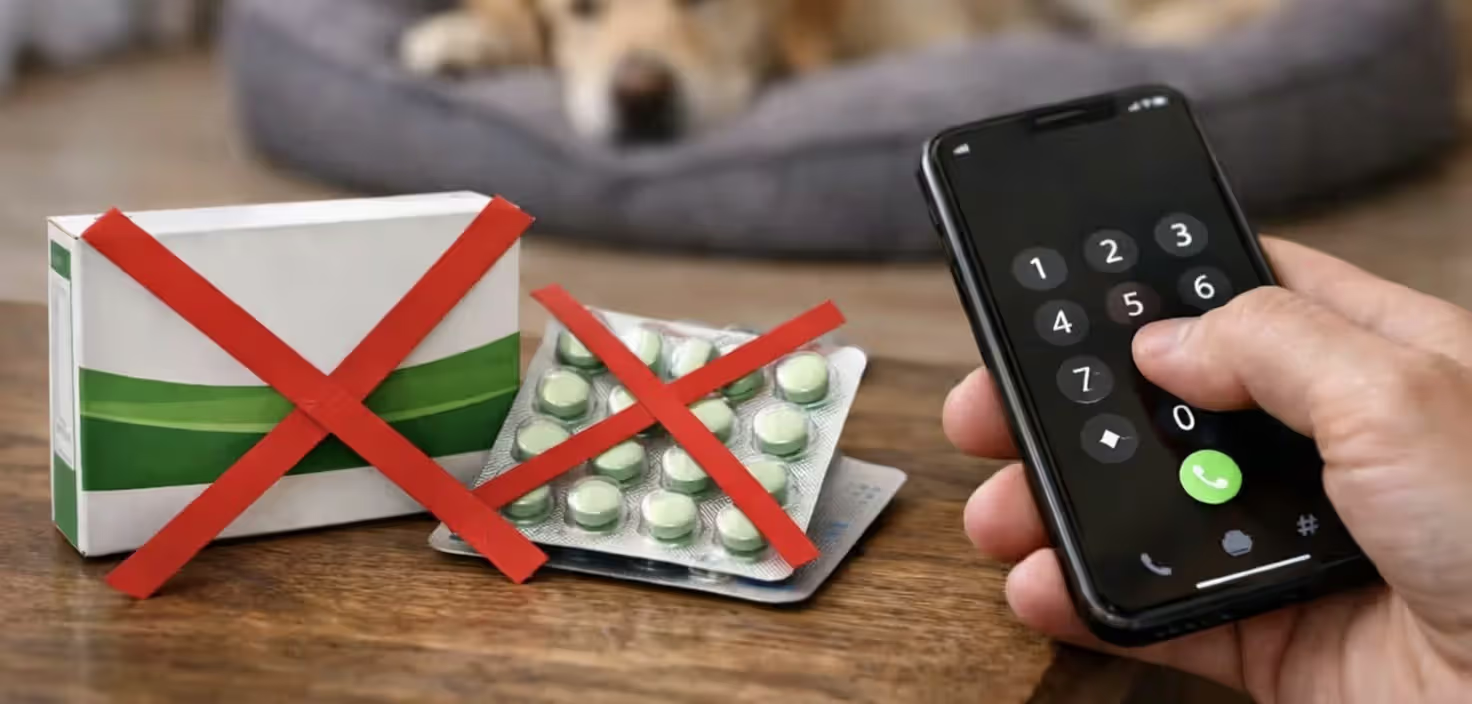
Critical warning: never give human laxatives, enemas, or stool softeners without explicit veterinary approval. These products are formulated for human body weight and metabolism. Dogs can experience serious complications including severe diarrhea, dangerous dehydration, and electrolyte imbalances that require emergency treatment.
Author: Hannah Bloomfield;
Source: alwaysonsalepetsupplies.com
Set realistic expectations here. Constipation that developed over several days won't resolve in 30 minutes. Most home remedies require 4-24 hours to produce results. No improvement within 24 hours of starting treatment, or worsening symptoms, mean it's time for professional help.
When Home Remedies Aren't Enough: Vet Visit Warning Signs
Certain symptoms scream "get to the vet now" regardless of whether home treatments are underway.
Four or more days without defecation despite home treatment attempts signals severe impaction or possible obstruction. Don't wait longer.
Vomiting combined with constipation suggests a blockage. When nothing moves through the digestive system in either direction—no food down, no waste out—you've got an emergency requiring immediate intervention.
Visibly distended or painful abdomen needs urgent attention. If your dog cries when you gently touch their belly, holds their body rigidly tense, or shows obvious swelling, get in the car.
Straining that produces blood—bright red or dark tarry—indicates intestinal injury or serious inflammation. This requires same-day evaluation at minimum.
Lethargy severe enough that your dog won't stand, refuses water, or doesn't respond normally to you suggests systemic illness. Severe constipation causes toxin buildup when waste products can't exit the body.
Your veterinarian performs a physical exam including abdominal palpation and rectal examination to assess severity and impaction location. X-rays or ultrasound may be necessary to identify foreign objects or determine how much stool has accumulated and where.
Treatment options include manual extraction under sedation for severe impaction, professionally administered enemas (very different from drugstore products), intravenous fluids for dehydration, and prescription medications that stimulate intestinal motility. Rare cases involving foreign object obstruction require surgery.
Costs vary widely by location and treatment complexity. A basic exam with manual extraction runs $150-$300 in most areas. If imaging, sedation, and extensive treatment are needed, expect $500-$1,500. Emergency after-hours care includes surcharges. Pet insurance typically covers medically necessary constipation treatment, though you'll pay upfront and file for reimbursement afterward.
If you think dogs can’t count, try putting three dog biscuits in your pocket and then giving him only two
— Phil Pastoret
Preventing Future Constipation Episodes
Once you've solved the immediate crisis, focus on prevention so you don't replay this scenario.
Adjust diet to include appropriate fiber levels. When feeding kibble, select formulas containing moderate fiber content (3-5% listed in the guaranteed analysis). Add small amounts of canned pumpkin or green beans to meals several times weekly as maintenance rather than waiting for problems.
Ensure constant fresh water access. Clean and refill bowls twice daily minimum. During hot weather or after exercise sessions, actively encourage drinking by offering broth-enhanced water.
Author: Hannah Bloomfield;
Source: alwaysonsalepetsupplies.com
Establish consistent exercise routines. Daily walks provide both physical activity and opportunities to defecate in preferred locations. Dogs often develop predictable bathroom schedules when walked at consistent times.
Monitor bathroom habits actively rather than passively. Know what's normal for your individual dog—how often they go, what healthy stool looks like for them, typical times they prefer to go. This baseline awareness helps you spot problems early when they're easiest to address.
Keep bathroom areas clean. Scoop the yard daily if your dog eliminates at home. During travel, allow extra time and patience for finding an acceptable spot.
Groom long-haired dogs regularly to minimize hair ingestion during self-grooming. Daily brushing during heavy shedding season dramatically reduces the fur volume entering the digestive system.
Manage underlying health conditions proactively. If your dog has arthritis, ensure proper pain management so squatting remains comfortable. If hypothyroidism gets diagnosed, maintain consistent thyroid medication. Consider neutering male dogs before prostate enlargement develops.
Maintain routine and minimize stress when possible. When changes are unavoidable��boarding, moving, new family members, schedule shifts—watch closely for constipation signs and intervene early with preventive pumpkin or extra walks.
FAQ: Common Questions About Dog Constipation
How long can a dog go without pooping before it's dangerous?
Most healthy dogs poop every 24-48 hours. If your dog reaches the three-day mark, start home treatment immediately. After four days without bowel movement, get veterinary evaluation regardless of whether your dog seems uncomfortable. By days five or six, you're risking serious complications like intestinal rupture or systemic toxicity from waste product buildup. Senior dogs, puppies, and those with pre-existing health conditions shouldn't wait this long—contact your vet after 48-72 hours for these higher-risk groups.
Can I give my dog human laxatives or stool softeners?
Absolutely not—never give human laxatives, stool softeners, or enemas to your dog without explicit veterinary instruction specific to your dog. Products like MiraLAX, Dulcolax, or mineral oil enemas are formulated for human body weight and human metabolism. Dogs experience severe side effects including dangerous diarrhea that leads to dehydration, electrolyte imbalances that affect heart function, intestinal cramping, and in some cases, direct toxicity. Even products marketed as "gentle" for humans can harm dogs. If home remedies aren't producing results, call your vet rather than experimenting with your medicine cabinet.
Is canned pumpkin better than fresh pumpkin for constipation?
Both canned and fresh cooked pumpkin work equally well—they contain the same beneficial fiber that addresses constipation. Canned pumpkin offers convenience and consistent texture, making measuring and mixing easier. Fresh pumpkin requires cooking (baking or steaming) and pureeing, but contains no additives whatsoever. The critical distinction: use pure pumpkin, not pumpkin pie filling. That pie filling contains added sugars, spices like cinnamon and nutmeg, and other ingredients that upset your dog's stomach on top of the constipation you're trying to fix. Also avoid raw pumpkin, which dogs digest poorly.
Will milk help my constipated dog poop?
Milk might trigger a bowel movement because most adult dogs are lactose intolerant—their bodies don't produce enough lactase enzyme to break down milk sugar. The resulting mild digestive upset can stimulate defecation. However, this isn't a recommended first approach. The same lactose intolerance that makes it potentially effective also causes cramping, gas, and discomfort for your dog. If you try this, use only 1-2 tablespoons and consider it a last resort before seeking veterinary care. Plain water, pumpkin, and exercise are safer, more comfortable options that don't work by causing digestive upset.
How much does a vet visit cost for dog constipation?
A basic veterinary exam for constipation typically runs $75-$150 for the office visit fee. If your dog needs manual extraction of impacted stool, add $100-$200 to that total. Diagnostic imaging (X-rays or ultrasound) costs $150-$400 depending on your geographic location and whether you're at a general practice or specialty hospital. Sedation for uncomfortable procedures runs $50-$150. If your dog requires enemas, IV fluids, or overnight hospitalization, the total bill can reach $500-$1,500. Emergency after-hours visits include surcharges of $100-$200 on top of treatment costs. Pet insurance usually covers medically necessary constipation treatment, though you'll pay the full amount upfront and file for reimbursement according to your policy terms.
Can stress cause constipation in dogs?
Absolutely—stress significantly impacts digestive function in dogs. Anxiety activates the "fight or flight" response, which diverts blood flow and energy away from digestion toward muscles and vital organs. Common stressors that trigger constipation include moving to a new home, boarding or kenneling stays, addition of new pets or family members (especially babies), loud noises like thunderstorms or fireworks, and changes in routine or primary caregiver. Some dogs also voluntarily hold bowel movements when stressed because they don't feel safe enough to assume the vulnerable squatting position in unfamiliar environments. If you know your dog faces an upcoming stressful event, start preventive measures like extra exercise and pumpkin supplementation a few days beforehand.
You don't need veterinary expertise to handle most dog constipation cases. Watching for early warning signs—decreased defecation frequency, straining, behavioral changes—lets you intervene quickly with proven home remedies before the problem escalates. Pumpkin, increased water intake, and exercise resolve the majority of mild cases within one day.
Success comes from knowing your individual dog's normal patterns and responding promptly when something changes. Stock plain canned pumpkin in your pantry year-round, maintain consistent exercise routines, and ensure adequate hydration especially during temperature extremes. These straightforward habits prevent most constipation episodes before they develop.
When home treatment doesn't produce results within 24 hours, or when warning signs like vomiting or bloody stool appear, professional care becomes necessary. Don't hesitate. Veterinary intervention for severe cases prevents complications and resolves the problem efficiently. Your dog relies on you to recognize when a problem exceeds what you can safely handle at home.
Armed with this practical knowledge, you're prepared to handle this common canine health issue effectively while keeping your dog comfortable and healthy throughout the process.
Learn to recognize the key signs a dog is in heat, understand all 4 stages of the canine heat cycle, manage sudden behavior changes, and provide proper care during estrus. This guide covers discharge, swelling, cycle timing, fertility windows, safety tips, and answers common owner questions
Learn why your dog farts so much, what causes smelly dog gas, when it signals health problems, and proven ways to reduce flatulence through diet changes. From food triggers and speed-eating habits to gut conditions, discover exactly what makes your pup gassy and simple steps to fix it for good
Wondering why your dog wakes up with crusty or colored eye discharge? This guide breaks down every type of dog eye booger by color and texture, explains seven common causes from allergies to dry eye, walks you through safe at-home cleaning steps, and highlights the red flags that signal an urgent vet visit
What makes your dog throw up yellow bile? Discover the common reasons behind yellow vomit, recognize when it requires urgent veterinary attention, and explore effective home remedies to ease your pet's discomfort and restore their health.
The content on this website is provided for general informational and educational purposes only. It is intended to offer guidance on dog breeds, behavior, health, care, and lifestyle, and should not be considered a substitute for professional veterinary advice, diagnosis, or treatment.
All information published on this site is based on general knowledge, widely accepted research, and practical experience, but individual dogs may differ in behavior, health conditions, and needs. Results and outcomes may vary depending on the dog, environment, and circumstances.
The website is not responsible for any errors or omissions, or for actions taken based on the information provided. For specific concerns regarding your dog’s health or behavior, always consult a qualified veterinarian or professional dog specialist.