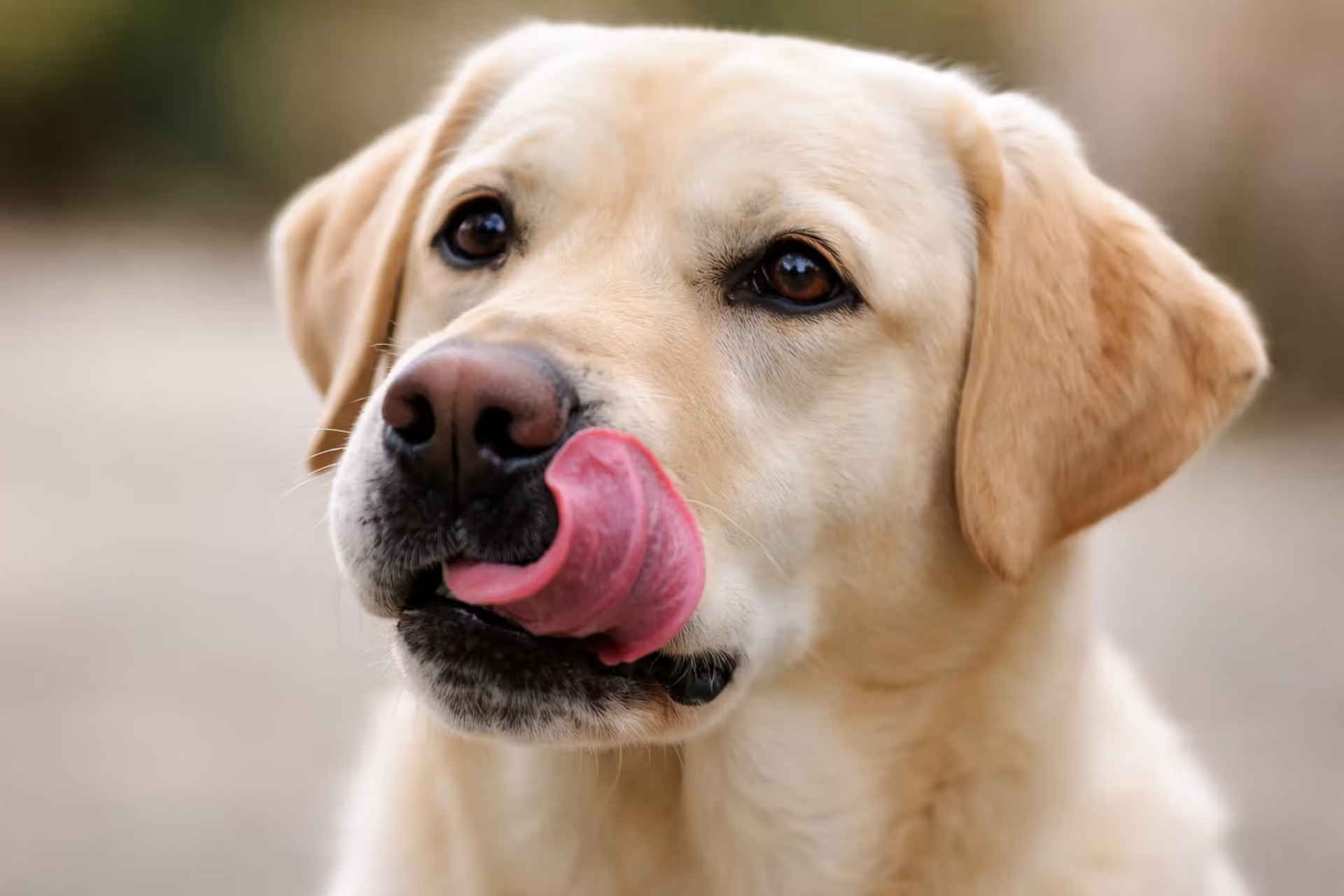
Last Tuesday, my neighbor texted me a video of her Labrador. In the 30-second clip, the dog's tongue flicked out across his lips 14 times. "Is this normal?" she asked. I watched it again. The dog wasn't near food or water. He just sat there, licking and licking.
Here's the thing about lip licking—it's one of those behaviors that looks innocent until suddenly it doesn't. Dogs lick their lips for everything from "I smell bacon" to "my stomach is killing me." The real trick? Figuring out which category you're dealing with before a minor issue turns into a veterinary emergency or a chronic anxiety problem.
I'm breaking down what separates everyday licking from the kind that should make you grab your car keys. We'll cover the medical stuff, the anxiety stuff, and the specific warning signs that mean you need professional help today, not next week.
What Normal vs. Excessive Lip Licking Looks Like in Dogs
Your dog probably licks their lips a handful of times every hour. After they drain their water bowl. When they're watching you cook dinner. Right after they wake up and do that full-body shake. This is maintenance—nothing more interesting than clearing away saliva or getting comfortable.
Things get concerning when the behavior detaches from any logical reason.
How Often Is Too Often?
Here's a practical test: Watch your dog for 15 minutes while they're just hanging out—not eating, not anticipating food, not doing anything exciting. Count every lip lick. Three or four? That's baseline. Ten or more? Something's probably bothering them.
Author: Matthew Ridgeway;
Source: alwaysonsalepetsupplies.com
I've seen dogs lick their lips twice and have it be a major red flag (right before vomiting). I've also seen dogs lick constantly for 20 minutes during a thunderstorm and be completely fine an hour later. Frequency matters, but so does everything happening around that behavior.
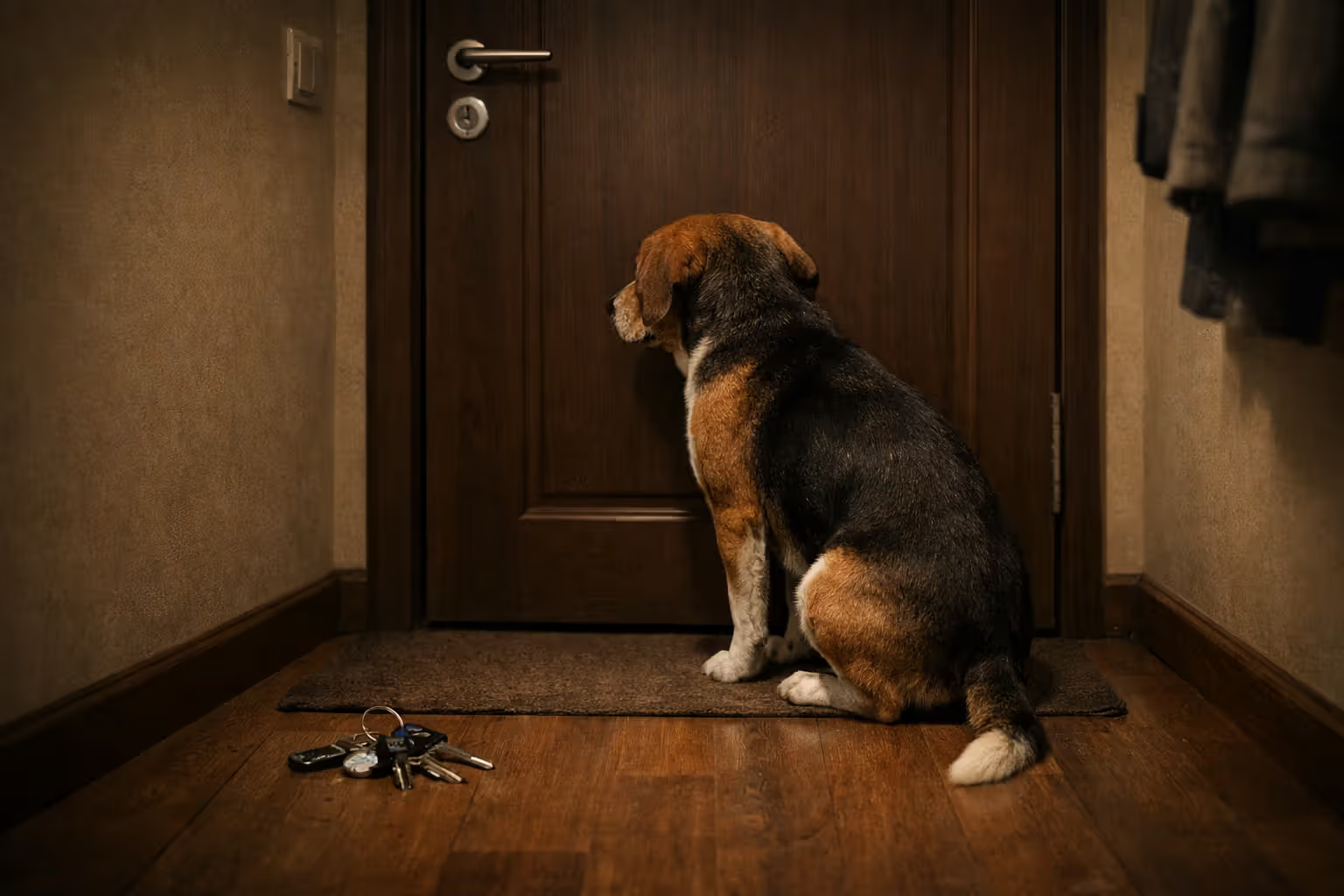
Look for triggers. One Beagle I knew licked his lips exactly seven times every single time his owner picked up her purse. Like clockwork. That's different from a dog who licks 40 times in ten minutes while lying on their bed for no apparent reason. The first dog has anxiety about being left alone. The second might have nausea or dental pain.
Behavioral Patterns That Signal a Problem
Your dog's body tells the rest of the story. Normal lip licking? The dog looks relaxed. Their ears are in a natural position. They might lick once or twice, then go back to sniffing around or chewing their toy.
Problematic licking comes packaged differently. The dog freezes mid-activity. Their eyes get that glassy, unfocused look—or worse, they show the whites of their eyes while staring at nothing. Ears pin back. Tail tucks. Sometimes they'll lick-lick-lick while barely moving anything else.
Watch what happens after. Does your dog shake it off and move on? Or do they stay locked in that uncomfortable pattern, unable to settle?
A client once filmed her German Shepherd for an hour. The dog licked her lips 73 times. But what really stood out was the timing—every episode of licking happened within five minutes of a car driving past the house. We were dealing with noise sensitivity, not a medical problem.
Dogs do not lie with their bodies. Every movement is a word in a conversation that most people never learn to hear
— Turid Rugaas
Medical Reasons Your Dog Won't Stop Licking Their Lips
Physical discomfort tops the list for why dogs develop this behavior out of nowhere. Something hurts, something itches, or something feels fundamentally wrong in their mouth or stomach.
Nausea and Digestive Issues
Stomach trouble creates extra saliva. It's your dog's body preparing for the possibility of vomiting. The lip licking manages all that extra fluid while they try not to throw up.
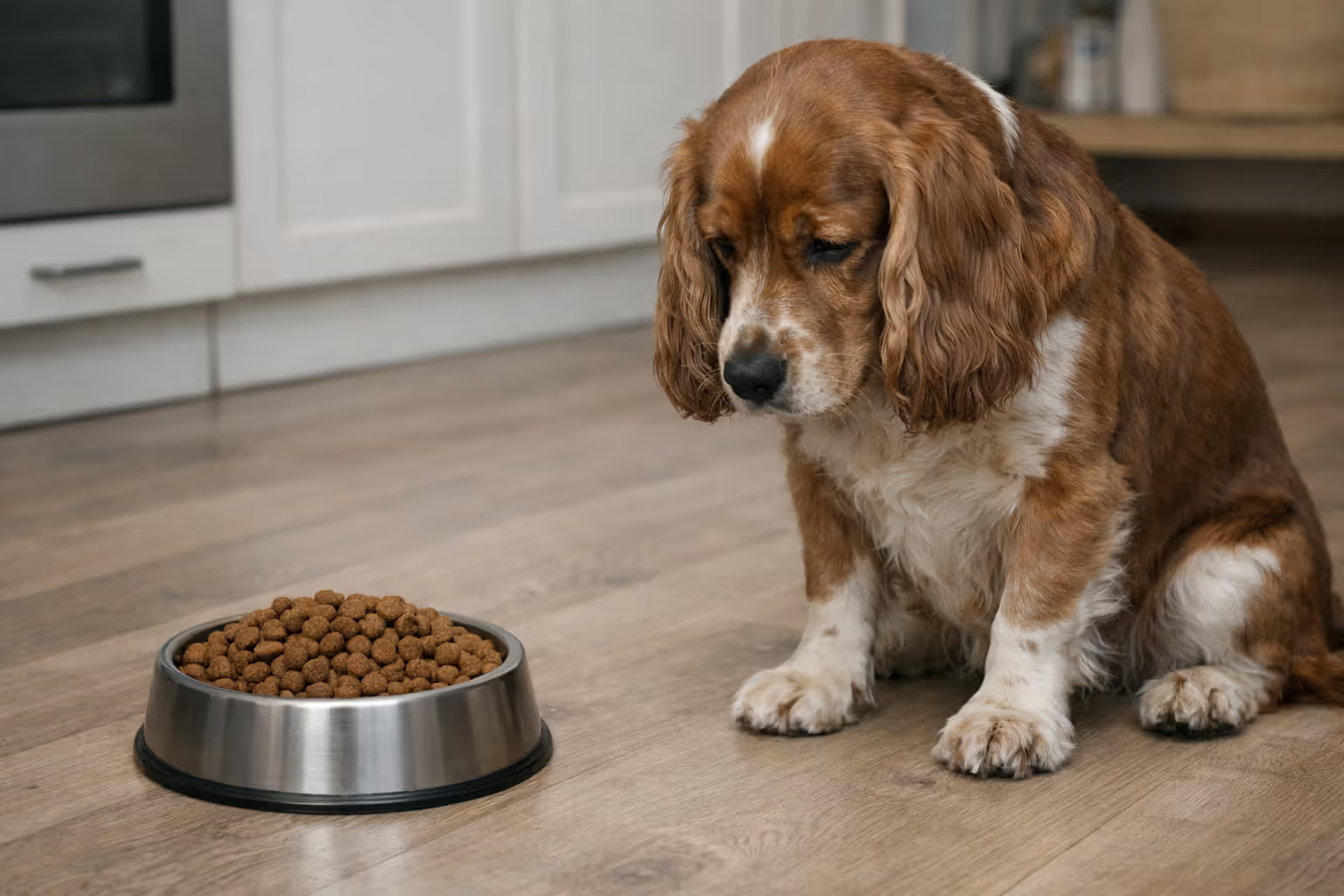
You'll spot dog licking lips nausea patterns most clearly in the morning before breakfast or late at night after their stomach's been empty for hours. Acid builds up. Burns. Makes them feel queasy. They respond by licking compulsively.
But nausea doesn't always end in vomiting. I've treated dozens of dogs with inflammatory bowel disease who just felt mildly sick all the time. Their owners reported constant lip licking but rarely saw actual vomit. The discomfort alone was enough to trigger the behavior.
Pancreatitis, acid reflux, eating something questionable from the garbage—all of these create waves of queasiness. Sometimes it passes in a few hours. Sometimes it sticks around for days, getting worse until you finally bring them in.
One Spaniel started licking her lips every morning at 6 AM. Just for ten minutes, then she'd eat breakfast and seem fine. Turned out she had reflux. We split her meals into three smaller servings and gave her a late-night snack. Problem solved in four days.
Author: Matthew Ridgeway;
Source: alwaysonsalepetsupplies.com
Dental Pain and Oral Disease
Most dogs over three years old have some degree of dental disease. Their gums hurt. Their teeth ache. Maybe there's an abscess brewing under a molar, or maybe the tartar buildup has gotten so bad that eating dry food feels like chewing on broken glass.
Check their breath next time they yawn in your face. Actual dental disease smells worse than regular dog breath—it's a rotting, metallic smell that makes you pull back. You might spot brown or yellow buildup on their teeth, especially the back ones. Red gums. Sometimes bleeding when they chew on harder toys.
Older dogs crack teeth on things they shouldn't chew (I'm looking at you, rock-carrying retrievers). The break creates a sharp edge that cuts the inside of their cheek every time they close their mouth. They lick constantly trying to soothe the irritation.
A Terrier mix came in licking his lips so much that the fur around his mouth stayed wet. His owner couldn't figure it out—he was eating fine, seemed happy otherwise. We sedated him for a dental exam and found a piece of stick wedged vertically between his upper molars. He'd been dealing with that for who knows how long.
Foreign Objects or Mouth Injuries
Dogs get things stuck in weird places. Bone splinters between teeth. Foxtails embedded in their gums. Their own hair wrapped around a molar (long-haired breeds do this more than you'd think). They'll work their tongue around the problem constantly, licking their lips between attempts to dislodge whatever's bothering them.
Electrical cord injuries happen more than people realize, especially with puppies. They don't always leave obvious burns, but the tissue damage hurts. Chemical burns from licking toxic substances or plants cause similar problems—intense pain without much visible evidence.
I pulled a sewing needle out of a Poodle's soft palate once. The owner had noticed lip licking for two days but couldn't see anything wrong. The needle was buried deep enough that it took me ten minutes with a good light and magnification to spot it.
Allergies and Skin Conditions Around the Mouth
Environmental allergies make dogs itchy everywhere, including their face and lips. Spring pollen season hits, and suddenly your dog can't stop licking. Fall comes around, and they're at it again.
Contact allergies are sneakier. Plastic food bowls cause reactions in some dogs—their muzzle gets irritated where it touches the bowl at every meal. Certain laundry detergents, fertilizers on grass, even the dye in some dog beds can trigger localized reactions around the mouth.
Food allergies build slowly. Your dog eats the same food for months with no problem, then gradually develops chronic low-grade inflammation. The lip licking becomes so habitual you barely notice it anymore. But it's there, every day, because they're chronically uncomfortable.
Medical Causes of Lip Licking: Symptoms Comparison Table
Immediate vet care, possibly overnight hospitalization
Anxiety and Stress Triggers Behind Constant Lip Licking
Dogs broadcast their emotional state through body language most people completely miss. Lip licking sits near the top of their "I'm uncomfortable" vocabulary—it shows up long before growling or snapping.
Common Stressors That Cause This Behavior
Thunderstorms wreck some dogs. They'll start licking their lips 45 minutes before you hear the first rumble, reacting to air pressure changes humans can't detect. Fireworks, construction noise, the garbage truck on Tuesday mornings—any loud or unpredictable sound can trigger dog licking lips anxiety.
Vet clinics and grooming salons are obvious stress zones. But watch for subtler social anxiety too. Your dog might lick their lips repeatedly when your toddler nephew visits and won't stop grabbing their tail. Or when that overly friendly dog at the park gets in their face. They're saying "back off please" in the politest way they know.
Life changes destabilize anxious dogs fast. You start a new job with different hours—lip licking increases. A family member moves out—more licking. You rearrange the furniture in the living room—believe it or not, some dogs find that stressful enough to trigger the behavior.
Separation anxiety manifests as lip licking that starts the moment you pick up your keys. Some dogs lick so much while alone that they create raw patches on their muzzle. Cameras reveal them standing in one spot, licking for 20-minute stretches, unable to settle.
Author: Matthew Ridgeway;
Source: alwaysonsalepetsupplies.com
Training methods matter more than most people realize. Dogs who've been yelled at or corrected harshly often develop nervous habits. They lick their lips constantly because they're always waiting for the next unpredictable punishment. The behavior becomes their default response to any uncertainty.
How to Distinguish Anxiety-Related Licking from Other Causes
Timing gives you the answer. Anxiety licking connects directly to specific triggers. Dog licks during the scary thing, stops shortly after it passes. Medical licking continues regardless of what's happening around them.
Package deal symptoms help too. Anxious dogs pant when they're not hot. They yawn repeatedly (not because they're tired—it's a stress signal). They pace, tremble, seek hiding spots, or glue themselves to your side. Their whole demeanor screams discomfort.
A dog licking from nausea or dental pain might seem otherwise normal. They're confused by the sensation but not emotionally distressed. Different vibe entirely.
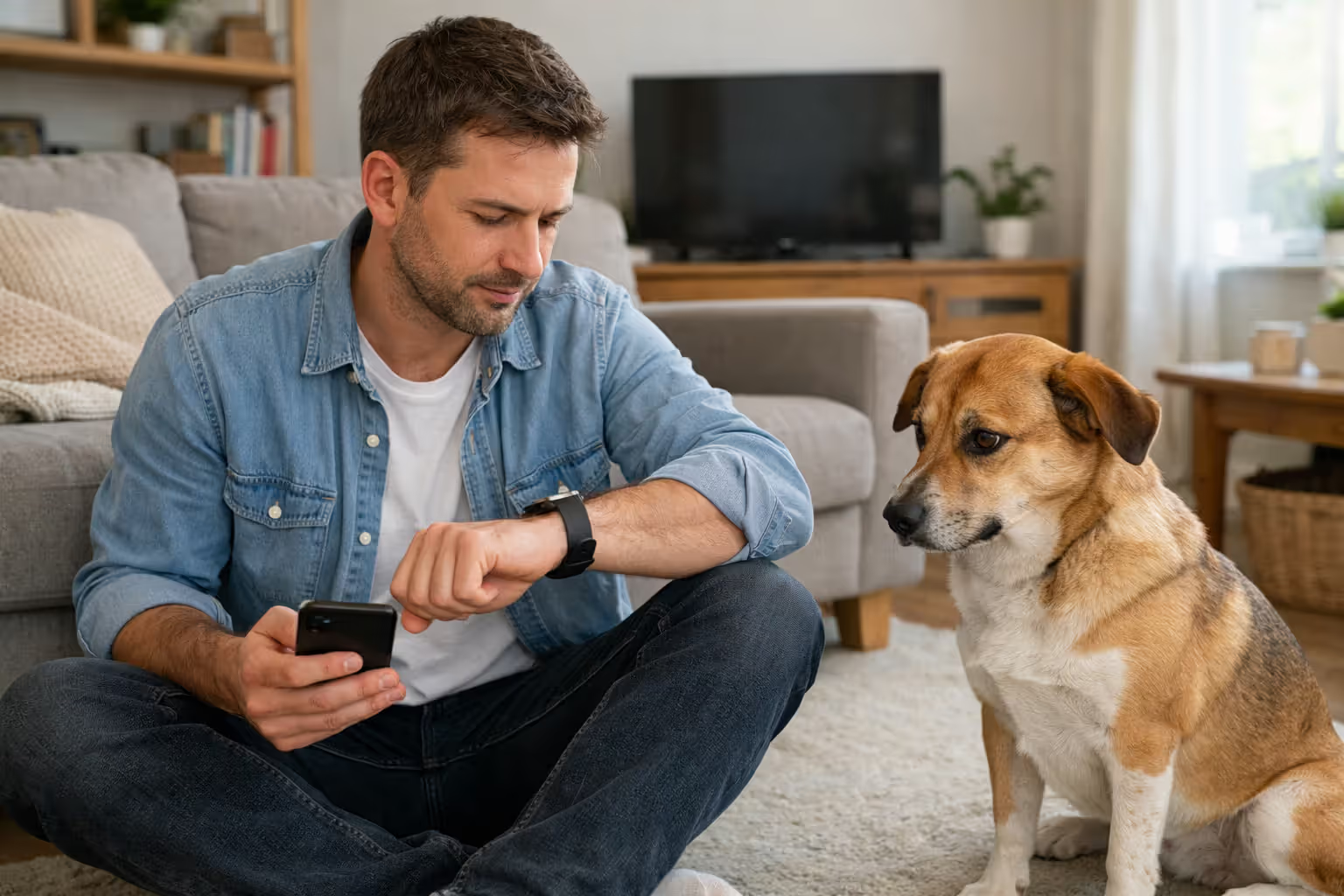
Try this test: remove the suspected stressor. Your dog licks constantly during your dinner parties but never when it's just family? That's anxiety about strangers. Licks just as much alone in a quiet house? Look toward medical causes.
Distraction works differently too. An anxious dog might stop licking when you pull out their favorite toy or start a training game. Medical licking can't be easily interrupted—the physical discomfort overrides everything else. The dog might pause for ten seconds while you're offering a treat, then go right back to licking.
When Lip Licking Means Your Dog Needs a Vet
Some situations need same-day attention. Others let you monitor for a bit. Getting this decision right prevents both unnecessary ER bills and dangerous delays in treatment.
Red Flag Symptoms to Watch For
Get to a vet today if lip licking shows up with vomiting, diarrhea, or complete refusal of food and water. This combination suggests serious digestive problems, toxin exposure, or systemic illness that's worsening fast.
Drooling that's excessive—enough to soak your dog's chest fur or leave puddles on the floor—combined with frantic lip licking needs immediate evaluation. This often indicates severe nausea or significant oral pain.
Behavioral changes matter. Your typically social dog suddenly hides under the bed while licking compulsively? That's pain-hiding behavior. Aggression when you try to look in their mouth? Significant discomfort they're trying to protect.
Watch for progression over hours or days. Lip licking that starts mild Monday morning but by Wednesday has your dog unable to sleep or eat normally requires veterinary assessment. Don't wait for your regular vet's next available appointment two weeks out if your dog seems genuinely distressed right now.
Emergency symptoms—difficulty breathing, gums that look white or blue, collapse, seizure activity, known toxin ingestion—require immediate emergency clinic visits regardless of what time it is. The lip licking becomes secondary to life-threatening problems.
What Your Veterinarian Will Check
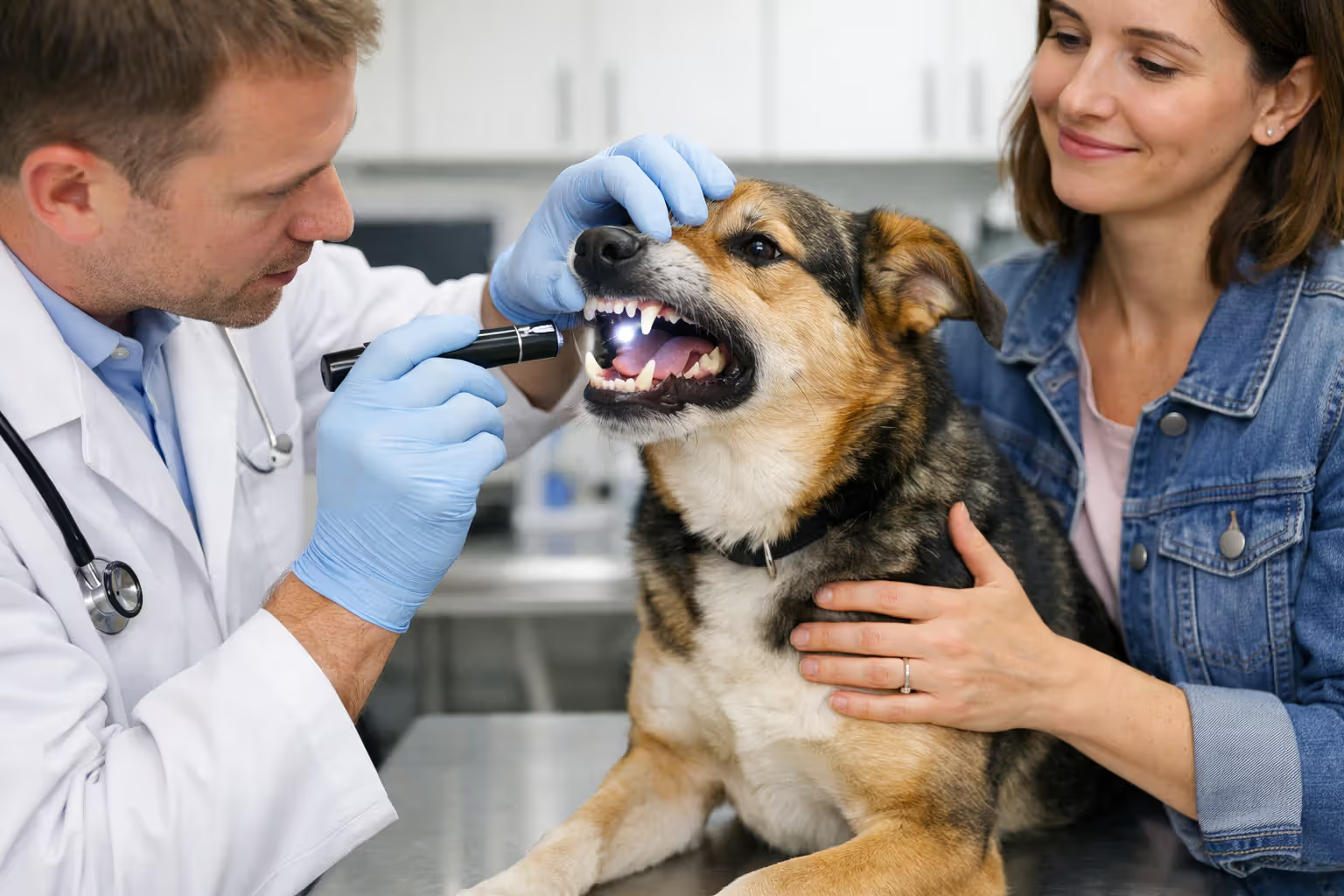
Expect a detailed oral examination. Your vet will look under the tongue (dogs hate this part), check between every tooth, examine gum color and texture, and feel for masses or foreign material. If your dog won't tolerate this because it hurts too much, sedation becomes necessary.
Blood work reveals internal problems invisible from the outside. Liver enzymes shooting up, kidney values looking abnormal, white blood cell counts elevated—each pattern points toward specific diseases. Your vet might recommend X-rays or ultrasound to look at the digestive tract, search for foreign objects, or evaluate organ function.
Questions will be detailed. When exactly did this start? Does it happen more at certain times of day? What brand of food do you feed, and have you changed it recently? Visitors to your home lately? New cleaning products? Anything different about routine or environment? Bring notes if you can—that weird detail you almost didn't mention might be diagnostically crucial.
Behavioral assessment separates anxiety from medical causes. Describing specific stress triggers, your dog's daily schedule, and how they respond in various situations helps enormously. Recording video at home makes a huge difference since dogs often behave completely differently at the clinic than they do in familiar environments.
How to Stop Excessive Lip Licking: Solutions by Cause
Treatment only works when it matches the actual problem. Trying six different things simultaneously means you'll never know what helped.
At-Home Remedies for Mild Cases
Suspected mild nausea? Try smaller meals spread throughout the day instead of two big servings. Empty stomachs produce more acid, so offering a plain biscuit right before bedtime and another first thing in the morning often helps. Ginger has natural anti-nausea properties—ask your vet about appropriate amounts for your dog's weight (it matters more than you'd think).
Dental hygiene improvements help almost every dog over three years old. Daily tooth brushing makes the biggest difference, though I'll be honest—most people don't manage daily. Even three times a week helps. Dental chews actually designed to reduce plaque (look for the VOHC seal) provide backup. Water additives that fight bacteria give you a third line of defense.
Switch from plastic to stainless steel or ceramic food bowls if you're suspecting contact allergies. Plastic harbors bacteria even with regular washing, and some dogs react to the material itself.
Environmental modifications reduce anxiety triggers before they become problems. Create an actual safe space—a specific room or crate area with your dog's bed, favorite toys, and white noise to block scary sounds. Make it available always, not just during storms. Let your dog choose to use it.
Keep routines as predictable as you can manage. Same walk times, same feeding schedule, same bedtime. Anxious dogs thrive on predictability. Chaos makes them worse.
Calming supplements containing L-theanine, chamomile, or CBD (where legal and vet-approved) take the edge off for some anxious dogs. Start these several days before anticipated stress events—they work preventively better than as emergency interventions. My neighbor gives her Lab CBD two days before scheduled vet visits and sees noticeable improvement.
Training Techniques for Anxiety-Driven Licking
Desensitization and counterconditioning reshape emotional responses to triggers, but they require patience. Car rides cause anxiety licking? Start by rewarding calm behavior while standing near the parked car. Progress to sitting inside with the engine off. Then a 30-second drive around the block. Move at your dog's pace—rushing this process backfires spectacularly.
Teach an incompatible behavior to interrupt the anxiety cycle. Train your dog to hold a specific toy in their mouth when they'd normally start licking, or perform a trick sequence that requires focus. This gives them a different coping mechanism and breaks the spiral before it builds momentum.
Practice structured relaxation protocols. Dr. Karen Overall's Relaxation Protocol (easily found online) teaches dogs to remain calm during gradually increasing distractions. The training builds confidence and emotional resilience that generalizes to other stressful situations.
Here's a critical mistake: don't accidentally reward the behavior. Comforting an anxious dog with soothing words and petting can unintentionally reinforce the licking. They learn "when I lick, good things happen." Instead, reward the calm moments between licking episodes. Stay neutral during the actual behavior.
Anxiety in dogs doesn’t resolve on its own. Without deliberate intervention, fear responses become more entrenched with every exposure — not less
— Patricia McConnell
Medical Treatments Your Vet May Recommend
Anti-nausea medications like maropitant (brand name Cerenia) work fast for digestive issues. One dose often provides 24 hours of relief. Antacids or gastroprotectants manage acid reflux. Treatment length depends entirely on the underlying cause—some dogs need three days of support, others need daily medication forever.
Dental disease requires professional cleaning under general anesthesia. There's no way around this—the cleaning you can do at home doesn't reach below the gum line where real problems hide. Some teeth will need extraction. Post-procedure, expect antibiotics if there was infection, plus pain medication for several days. Most dogs act like completely different animals once painful teeth are gone, though full recovery takes about a week.
Anxiety medications range from situational (trazodone given an hour before known triggers) to daily medications like fluoxetine for generalized anxiety disorder. Medication alone rarely fixes everything—it works best combined with behavior modification training. Think of the meds as lowering anxiety enough that your dog can actually learn new coping skills.
Allergy treatment might include prescription antihistamines, short courses of steroids for severe reactions, or long-term immunotherapy. Food trials using hydrolyzed protein diets (proteins broken down too small to trigger reactions) or novel protein sources help identify dietary triggers. This process takes 8-12 weeks minimum for accurate results. No cheating with treats during the trial or you're back to square one.
Tracking Your Dog's Lip Licking: When to Worry (Decision Guide)
Knowing when to act versus when to keep monitoring separates catching problems early from letting them snowball into bigger issues.
Lip Licking Assessment: When to Act
How Often and How Long
What Else Is Happening
What's Probably Going On
What You Should Do
Few times hourly, makes sense in context
Nothing concerning—dog acts normal and happy
Regular everyday behavior
Keep an eye on it but don't worry
Constantly during specific triggers (storms, strangers, vet visits)
Panting, hiding behavior, shaking, won't settle
Stress or anxiety response
Start calming strategies; talk to a trainer or behaviorist
Ongoing for multiple days with no pattern
Nothing dramatic initially but something feels wrong
Early stage of medical problem
Book a vet appointment within the next few days
Non-stop plus drooling heavily
Trouble eating, pawing at face, breath smells terrible
Keep a basic log for three days before your vet appointment. Write down what time each licking episode starts, how long it lasts, what your dog was doing right beforehand, and anything else unusual you notice. Patterns emerge on paper that your brain misses in real time.
Record videos whenever possible. Dogs frequently act completely different at the vet clinic than at home—the stress of the visit masks their normal behavior. Video evidence shows your veterinarian exactly what concerns you and often provides diagnostic clues they'd otherwise miss.
Author: Matthew Ridgeway;
Source: alwaysonsalepetsupplies.com
Frequently Asked Questions About Dog Lip Licking
Can dehydration cause a dog to lick their lips constantly?
Dehydration causes dry, sticky gums—you'll notice that before excessive licking. A dehydrated dog seeks water obsessively rather than licking their lips. True constant licking points toward nausea, pain, or anxiety instead of simple thirst. Test hydration by gently pulling up the skin on your dog's neck or back—it should snap back into place immediately. Slow return means serious dehydration requiring vet attention today.
Is lip licking always a sign something is wrong with my dog?
Not even close. Every dog licks their lips multiple times daily for completely normal reasons—grooming, managing saliva, responding to food smells. Problems arise when frequency spikes dramatically, the behavior continues without clear reasons, or other symptoms tag along. A single lip lick after gulping water means nothing. Fifty licks in ten minutes while resting means something.
Do certain dog breeds lick their lips more than others?
Breeds with loose facial skin—Bloodhounds, Basset Hounds, Bulldogs, Mastiffs—lick more frequently managing drool. It's mechanical necessity. Flat-faced breeds sometimes lick excessively because breathing difficulties or severe dental crowding creates constant discomfort. Anxious breeds like German Shepherds and Border Collies show more stress-related licking. But honestly, any breed can develop excessive licking regardless of genetics.
Can food allergies make my dog lick their lips excessively?
Absolutely. Food allergies create chronic inflammation throughout the digestive system and frequently cause facial itching too. Dogs lick their lips both from nausea triggered by inflammatory responses and because their muzzle genuinely itches. The most common culprits are beef, dairy products, chicken, wheat, and soy—though dogs can develop allergies to literally any protein. Diagnosis requires strict elimination diets lasting several weeks, feeding only one novel protein source and one carbohydrate. No cheating with training treats or table scraps.
How long should I wait before taking my dog to the vet for lip licking?
Lip licking plus vomiting, diarrhea, lethargy, or visible distress? Go today. Don't wait. For lip licking alone without other red flags, monitor for 24-48 hours. Document how often it happens and whether patterns emerge. Still going strong after two days? Schedule an appointment. Getting worse instead of better? Move that timeline up. You know what your dog normally acts like better than anyone else—trust that instinct when something feels off.
Will my dog outgrow anxiety-related lip licking?
Not without help. Anxiety behaviors typically intensify over time as fear responses become more deeply ingrained. The good news? With proper behavior modification, environmental management, and sometimes medication support, most dogs improve dramatically. Young dogs experiencing temporary stress—like adjusting to a new home after adoption—might naturally improve within a few months as they settle in. But chronic anxiety requires active treatment, not wishful thinking.
Your dog's lip licking communicates something specific—medical discomfort, emotional distress, or sometimes just "I smell something delicious." The skill lies in reading the full message instead of dismissing persistent behavior as meaningless habit.
Most cases resolve quickly once you identify the root cause. Switching food bowl materials fixes contact allergies. Addressing dental disease eliminates pain-driven licking. Helping anxious dogs feel secure reduces stress responses. The critical part? Actually investigating instead of assuming it'll stop on its own.
When you're unsure, call your vet. What looks minor might signal something significant brewing beneath the surface. Early intervention prevents small issues from becoming expensive emergencies. Your willingness to notice these subtle changes and take them seriously is exactly what keeps your dog comfortable and healthy for years to come.
Wondering why your dog humps people, other dogs, or random objects? You’re not alone. Discover the real triggers behind mounting behavior, find out when it’s completely normal, and learn 5 proven training methods that actually work to stop it for good
Discover why dogs eat poop, what health risks coprophagia carries, and 7 proven methods to stop this behavior fast. Vet-backed solutions that actually work — for puppies and adult dogs alike. Your clean, stress-free walks start right here
Discover why dogs eat grass, what it means for their health, and when to take action. Learn the science behind this common behavior, its link to vomiting, and how to keep your dog safe while grazing. Find out which signs are normal, which are red flags, and what vets recommend
Discover why dogs eat dirt — from boredom and nutritional gaps to pica and hidden illness. Understand the real health risks, spot the warning signs early, and apply 7 vet-approved methods to stop this behavior for good
The content on this website is provided for general informational and educational purposes only. It is intended to offer guidance on dog breeds, behavior, health, care, and lifestyle, and should not be considered a substitute for professional veterinary advice, diagnosis, or treatment.
All information published on this site is based on general knowledge, widely accepted research, and practical experience, but individual dogs may differ in behavior, health conditions, and needs. Results and outcomes may vary depending on the dog, environment, and circumstances.
The website is not responsible for any errors or omissions, or for actions taken based on the information provided. For specific concerns regarding your dog’s health or behavior, always consult a qualified veterinarian or professional dog specialist.