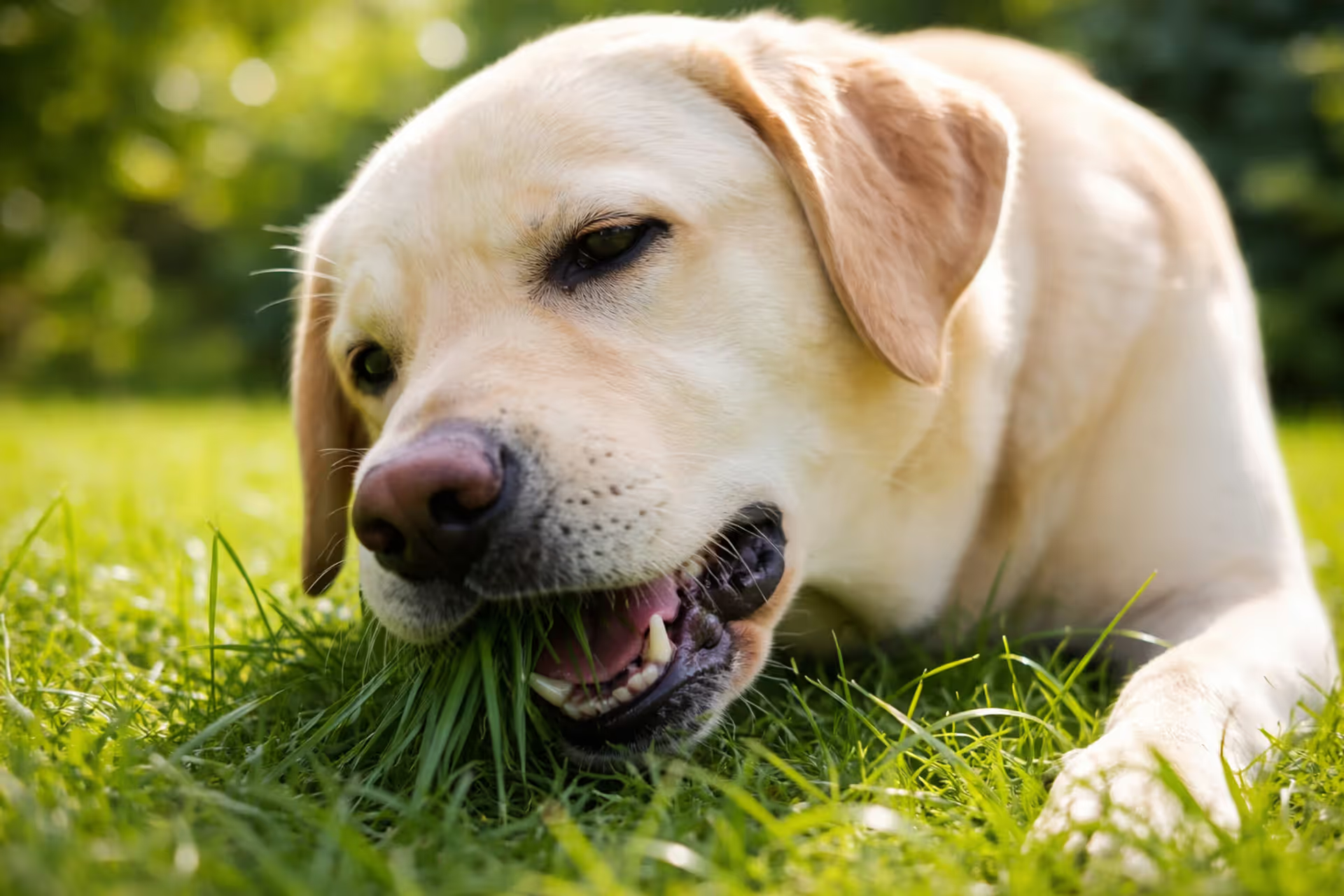
Picture this: you're watching your Labrador through the kitchen window, and she's doing that thing again—systematically chomping down tufts of lawn grass like she's harvesting a personal salad garden. Should you be worried? Probably not, but let's dig into what's actually happening here.
Here's something that might surprise you: research shows roughly 79% of dogs munch on plants occasionally, and grass tops the menu. Your dog isn't weird or broken—this behavior is ridiculously common. What changes from dog to dog is the "why" behind it. Some pups take a nibble here and there during their evening constitutional. Others treat the backyard like an all-you-can-eat buffet every single day.
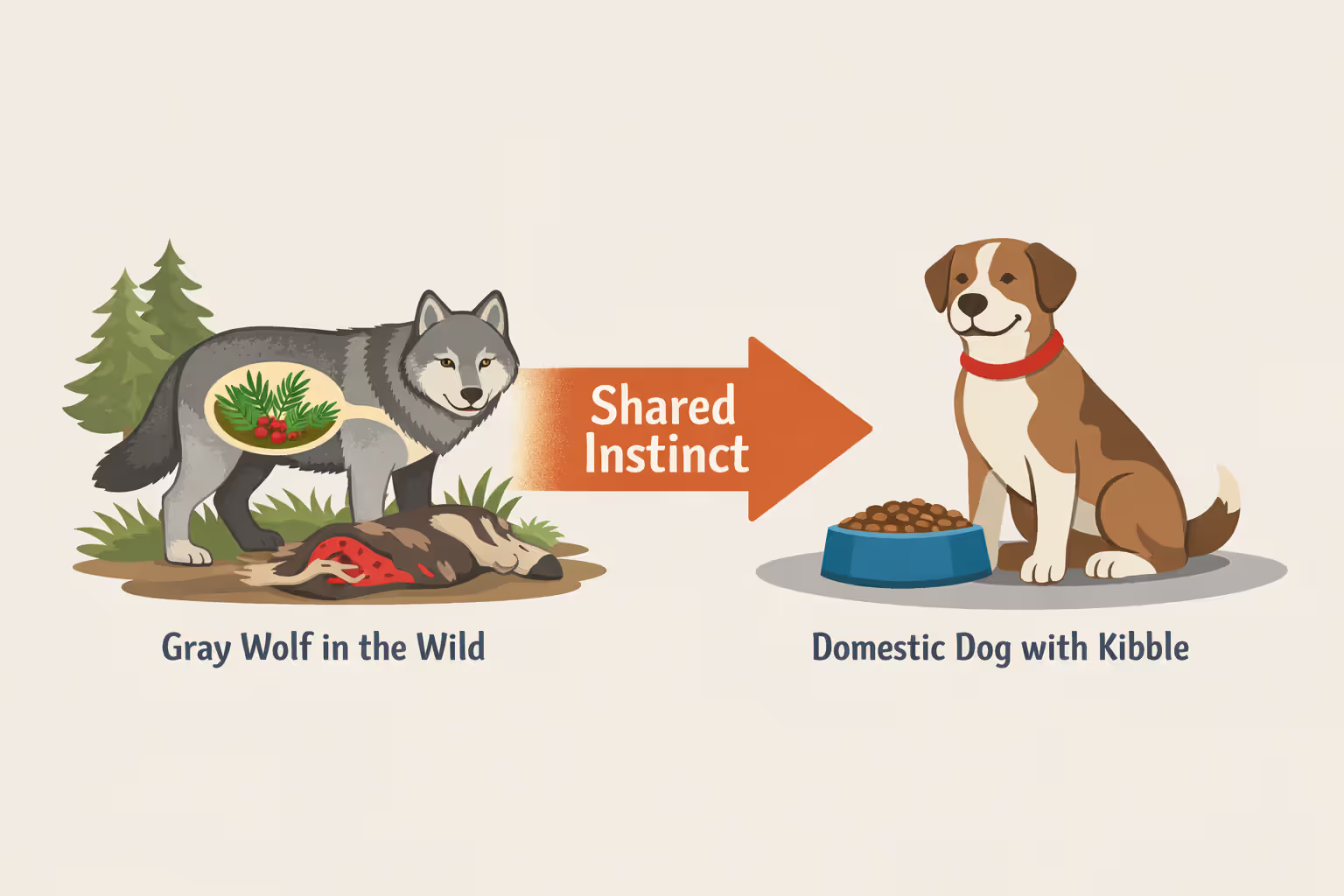
And it's not some new quirk that domestic dogs picked up from living with humans. When scientists analyze what wolves eat in the wild (yes, they examine wolf stomach contents—not the most glamorous job), they consistently find plant matter mixed in with the meat. Foxes do it too. Your modern dog's ancestors grazed on vegetation regularly, so Buddy munching grass has deep evolutionary roots, even if his dinner now comes from a bag instead of a successful hunt.
The Real Reasons Your Dog Eats Grass
There's no single explanation that covers every grass-eating dog. Your beagle's motivation might be completely different from your neighbor's German Shepherd. Figuring out the "why" means paying attention to timing—does it happen before meals, after exercise, when bored?—and how your specific dog approaches the behavior.
Nutritional Gaps and Dietary Instincts
Author: Emily Crosswell;
Source: alwaysonsalepetsupplies.com
Dogs evolved as omnivores, not pure carnivores like cats. Their digestive tract handles both animal protein and plant material—they've got the enzymes and gut length to process both food categories. Sometimes when something's missing from their regular diet (fiber is a big one), they'll hunt for it themselves through grass.
Now, before you panic about your dog food choice, hold up. A 2008 study in Applied Animal Behaviour Science found dogs eating homemade diets grazed more often than those on commercial kibble—but even dogs on expensive premium foods still ate grass. So it's not always about poor nutrition. Sometimes individual dogs just process or utilize certain nutrients differently. Maybe your dog's gut bacteria needs more roughage than the next dog, even on identical diets.
Pay attention to whether your dog is picky about which grass she eats. Does she seek out the tender new shoots in spring and ignore the tough brown stuff? That selective behavior suggests she's after something specific, not just randomly eating whatever's underfoot.
The dog has got more fun out of man than man has got out of the dog, for the clearly demonstrable reason that man is the more laughable of the two animals
— H.L. Mencken
Boredom and Behavioral Triggers
Let's be honest—many dogs spend hours in the yard with basically nothing to do. No puzzle toys, no interesting smells, no companions. Grass is right there, it's chewy, it's got texture. For an under-stimulated dog, it becomes something to occupy time.
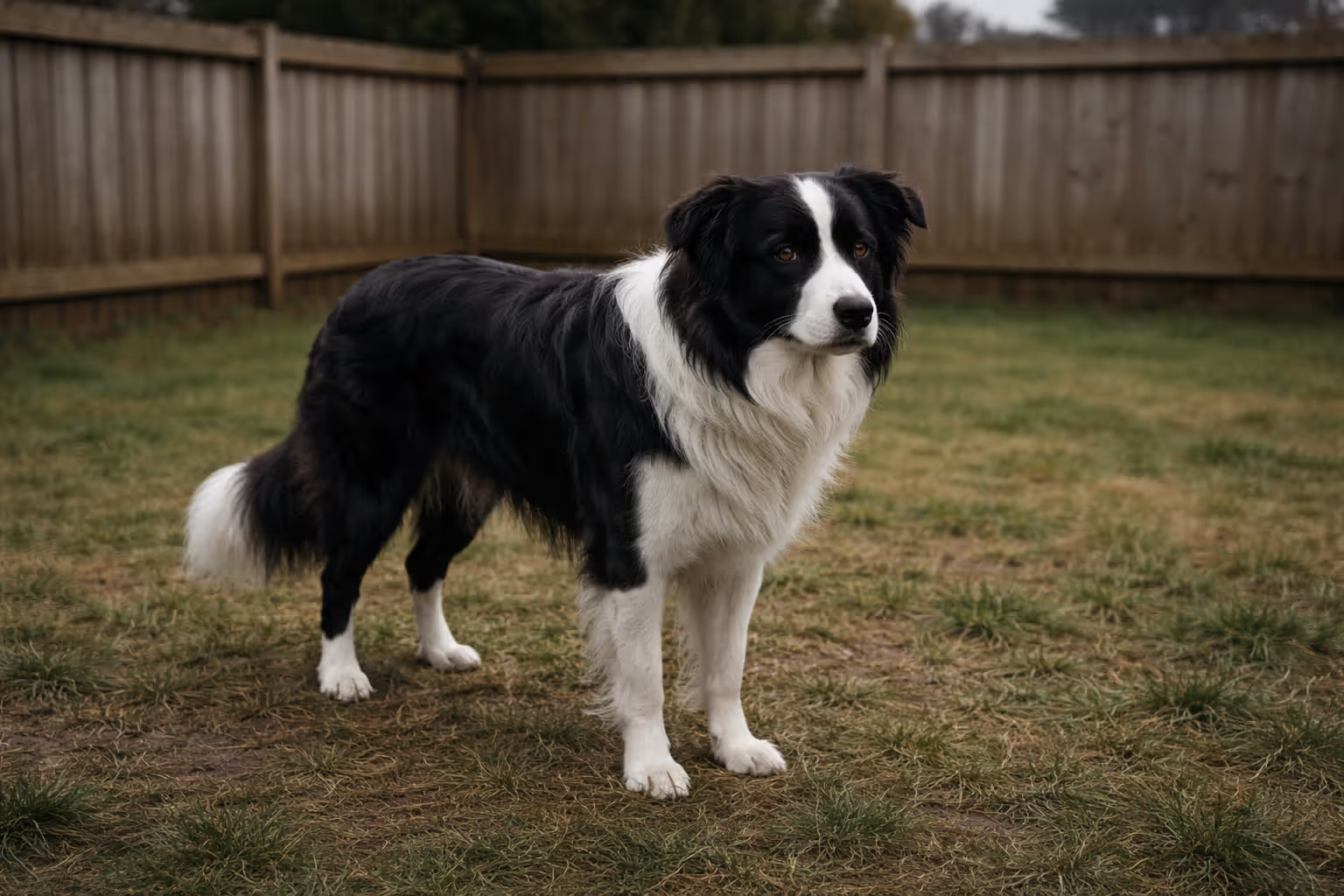
This hits working breeds especially hard. Take a Border Collie bred to herd sheep for eight hours daily. Now give that dog a 15-minute potty break and wonder why she develops weird habits. Grazing fills the void where meaningful activity should be. She's not trying to be difficult—her brain literally needs more input than she's getting.
There's also the attention factor, and it's more powerful than most owners realize. Say your dog eats grass and you immediately rush over, call her name, maybe offer a treat to distract her. Congratulations, you've just taught her that grass-eating equals instant human interaction. Even negative attention (scolding, pulling her away) still qualifies as attention. Clever dogs figure this out fast.
Author: Emily Crosswell;
Source: alwaysonsalepetsupplies.com
Digestive Relief and Self-Medication Theory
Ask most people why dogs eat grass and they'll say "to throw up when their stomach hurts." This theory has serious staying power. But what does the research actually show?
A study tracking 1,500 separate grass-eating incidents found only 22% resulted in vomiting. Even more interesting: fewer than 10% of dogs showed any signs of feeling ill before eating the grass. So the majority of grass-eaters aren't sick beforehand and don't vomit afterward. That doesn't fit the self-medication narrative very well.
Here's where it gets nuanced, though. Grass definitely does things in the digestive tract. Those rough, fibrous blades don't break down easily. They move through the intestines kind of like a gentle broom, potentially helping with mild constipation or moving along something that's causing irritation. Think of it like how humans might eat fiber cereal when things aren't moving properly.
Some dogs absolutely do seem to learn the association. If eating grass once helped when they had an upset stomach, they might try it again next time they feel off. That becomes a learned response—self-medication based on past experience rather than pure instinct.
The greatest pleasure of a dog is that you may make a fool of yourself with him and not only will he not scold you, but he will make a fool of himself too
— Samuel Butler
The Connection Between Grass Eating and Vomiting in Dogs
The grass-vomit relationship goes both directions depending on the situation, and understanding which scenario you're dealing with matters.
When a dog rapidly gulps down grass without chewing—just swallowing blade after blade like she's racing against a timer—vomiting becomes way more likely. Those long, unchewed pieces tickle the throat and stomach lining, which triggers the gag reflex mechanically. In this scenario, the grass itself causes the vomiting. It's basically a physical irritant.
Flip the scenario: sometimes dogs clearly feel nauseated first, then seek out grass urgently. You'll notice other signals before the grass-eating starts—excessive lip licking, lots of drooling, pacing restlessly around the house, or trying to eat random objects (that's called pica, by the way). When you see this pattern, the nausea came first. The grass might make the vomiting happen faster, but throwing up was probably inevitable with or without the grass.
But here's what happens most of the time: absolutely nothing. Your dog casually grazes for a minute, chews it reasonably well, swallows, and then goes back to sniffing the fence line or chasing squirrels. No vomiting, no signs of discomfort, no drama. This represents the majority of grass-eating episodes and suggests the behavior serves other purposes—maybe taste preference, maybe texture enjoyment, maybe mild fiber supplementation.
When should you worry about the vomiting connection? If grass-eating always or nearly always leads to vomiting, something else is going on. Could be inflammatory bowel disease, chronic gastritis, pancreatitis, food allergies, or parasites. The grass isn't the problem—it's revealing an underlying gastrointestinal issue that needs veterinary diagnosis.
Is Grass Eating Actually Harmful to Your Dog?
Plain grass by itself? Not dangerous. It passes through mostly undigested, adds some fiber, and comes out the other end. The risks come from what's on or near the grass, not the grass itself.
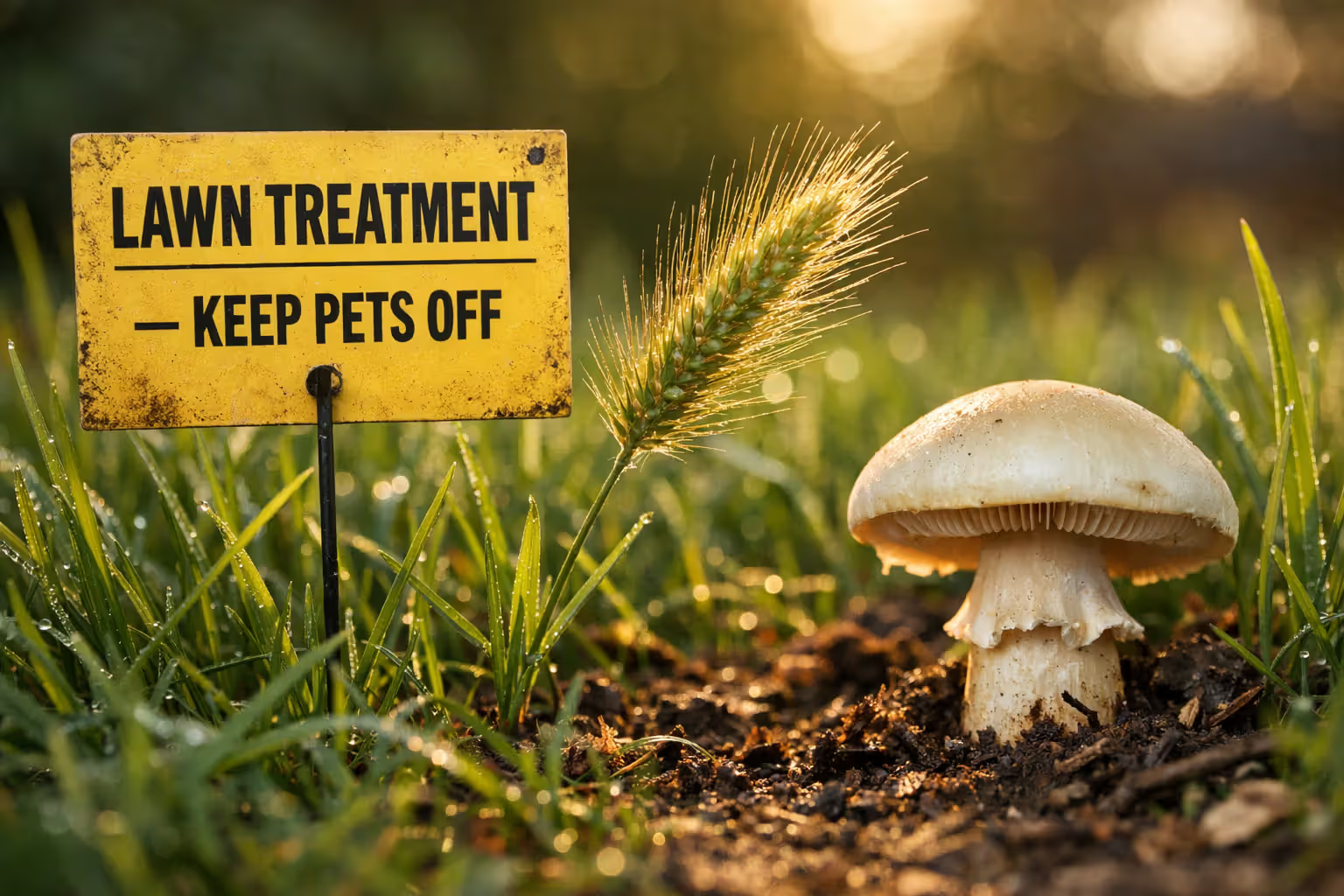
Lawn chemicals create the biggest hazard. Herbicides, pesticides, fertilizers—these products poison dogs when ingested. Even formulations marketed as "pet-friendly" or "pet-safe" can trigger gastrointestinal upset if your dog eats enough treated grass. Severe poisoning symptoms include tremors, seizures, excessive drooling, difficulty breathing, and potential organ damage, though reactions vary widely based on the specific chemical and how much was consumed.
Don't assume unfamiliar lawns are safe. Public parks, school fields, golf courses, neighbors' yards—unless you personally know their treatment schedule, consider them potentially contaminated. Some chemicals cause immediate reactions, but others have delayed effects that show up hours later, making the connection less obvious.
Toxic plants grow mixed in with grass all the time, and dogs don't come with built-in plant identification skills. Foxtails are particularly nasty in Western states—these barbed seeds embed into mouths, throats, noses, paw pads, even migrate through tissue and require surgical removal. Mushrooms pop up overnight and some species are deadly. Depending on your region, you might have toxic lilies, sago palms, or other hazardous plants in grass areas.
Author: Emily Crosswell;
Source: alwaysonsalepetsupplies.com
Parasite transmission happens through contaminated grass too. When wildlife or other dogs defecate in an area, parasite eggs survive on the grass. Dogs grazing in dog parks or heavily trafficked areas pick up roundworms, hookworms, and other parasites this way. Regular fecal testing (your vet can do this) and year-round parasite prevention medication help, but they don't eliminate risk entirely.
Intestinal blockages are rare but serious. If a dog gulps massive amounts of grass without chewing adequately, it can form a compacted mass that won't pass through properly. Small breeds face higher risk than large dogs—proportionally, it takes less material to cause a blockage. Warning signs include vomiting repeatedly, refusing food, acting lethargic, and not pooping. Blockages require emergency vet intervention, sometimes surgery.
Behavior
Normal Pattern
Warning Signs
Action Needed
Frequency
Few times per week; stable pattern over time
Sudden jump in frequency; eating grass many times daily; seems obsessed with finding it
Watch closely for two days; schedule vet visit if it keeps escalating
Vomiting afterward
Happens rarely (under 25% of grazing sessions); dog bounces back immediately
Vomits often after eating grass; you see bile, blood, or whole food chunks; seems tired or uncomfortable afterward
Get to a vet same day if you see blood; make an appointment within 24 hours for ongoing vomiting
Grass type selection
Seems to prefer younger, tender blades; chews before swallowing; takes her time
Eats any vegetation indiscriminately; swallows without chewing; frantically gulps it down
Block access immediately; check mouth for stuck objects or sores; vet should screen for pica and obsessive disorders
Other symptoms present
None—still has normal energy, appetite, and bathroom habits
Also experiencing diarrhea, weight dropping, eating less, personality changes, drinking way more water
Make a vet appointment within 24-48 hours; go sooner if multiple symptoms or they're severe
When Daily Grass Eating Signals a Problem
Daily grass consumption doesn't automatically mean trouble—plenty of dogs graze every single day without any negative consequences. They just like it. But when daily grass-eating comes packaged with other red flags, that's when you need to pay closer attention.
Compulsive grass-eating looks completely different from casual grazing. It's frantic and driven. The dog becomes distressed when you prevent access—whining, pacing, pulling desperately toward any patch of grass during walks. She might ignore commands she normally follows reliably. She'll choose grass over food or play, which is bizarre for most dogs. This level of fixation crosses the line from quirky habit into genuine behavioral problem.
Chronic stomach issues frequently show up as increased grass consumption. Dogs dealing with ongoing gastritis, acid reflux, inflammatory bowel disease, or food sensitivities often eat grass daily trying to find relief. But stomach problems rarely exist in isolation. Watch for gurgling noises from the abdomen, frequent burping, stool consistency changes (either direction—too soft or too hard), or declining interest in regular meals.
When a dog grazing grass everyday also starts losing weight, acting unusually tired, or guzzling water like she's been lost in the desert, get to the vet. That combination suggests something systemic—parasites, organ problems, metabolic disorders like diabetes or Cushing's disease. At that point, grass-eating is just one symptom in a bigger picture that needs professional diagnosis.
Sometimes dietary deficiencies drive persistent grazing even when the food seems perfectly adequate. Individual absorption problems make this complicated. A dog with exocrine pancreatic insufficiency (EPI) might eat premium dog food but still be functionally starving because she can't digest it properly. Food allergies or sensitivities can create similar issues. These dogs seek supplementation wherever they can find it, including grass.
Behavioral disorders occasionally manifest through plant consumption. Anxiety disorders, canine OCD, and cognitive dysfunction syndrome in elderly dogs can all include grass-eating as a component. These cases need comprehensive behavioral assessment, possibly medication, definitely environmental changes. You're not going to train or diet your way out of a true anxiety disorder.
Making the Call: When Does Grass-Eating Need Intervention?
Whether you should stop your dog from grazing depends entirely on context. Most dogs don't need intervention at all, but certain situations absolutely require action on your part.
Situations Where Intervention Is Necessary
Stop grass-eating when you can't verify lawn safety. Random parks, unfamiliar neighborhoods, anywhere that might've been recently sprayed with chemicals—just don't let it happen. Better safe than sorry isn't just a cliché here; poisoning risk is real and the consequences range from uncomfortable to fatal depending on the substance.
Intervene if vomiting happens frequently after grass consumption or your dog seems uncomfortable. Repeated vomiting causes dehydration and electrolyte imbalances quickly, especially in small dogs or puppies. Plus, ongoing GI upset needs diagnosis, not home management. You can't tell the difference between "ate too much grass" and "has inflammatory bowel disease" without professional help.
Block access when grass-eating turns compulsive or starts interfering with normal life. A dog who refuses to walk because she'd rather stand there eating grass, or who ignores her dinner to graze instead, has crossed into problem territory. That needs behavioral assessment and probably medical workup to rule out underlying causes.
Prevent grazing if your dog has a documented history of eating inappropriate objects (foreign body ingestion). Dogs with pica lack normal discrimination about what's safe to consume. For them, any plant-eating carries higher risk because they're more likely to also ingest toxic plants or gulp down amounts that cause blockages.
Safe Alternatives to Satisfy the Urge
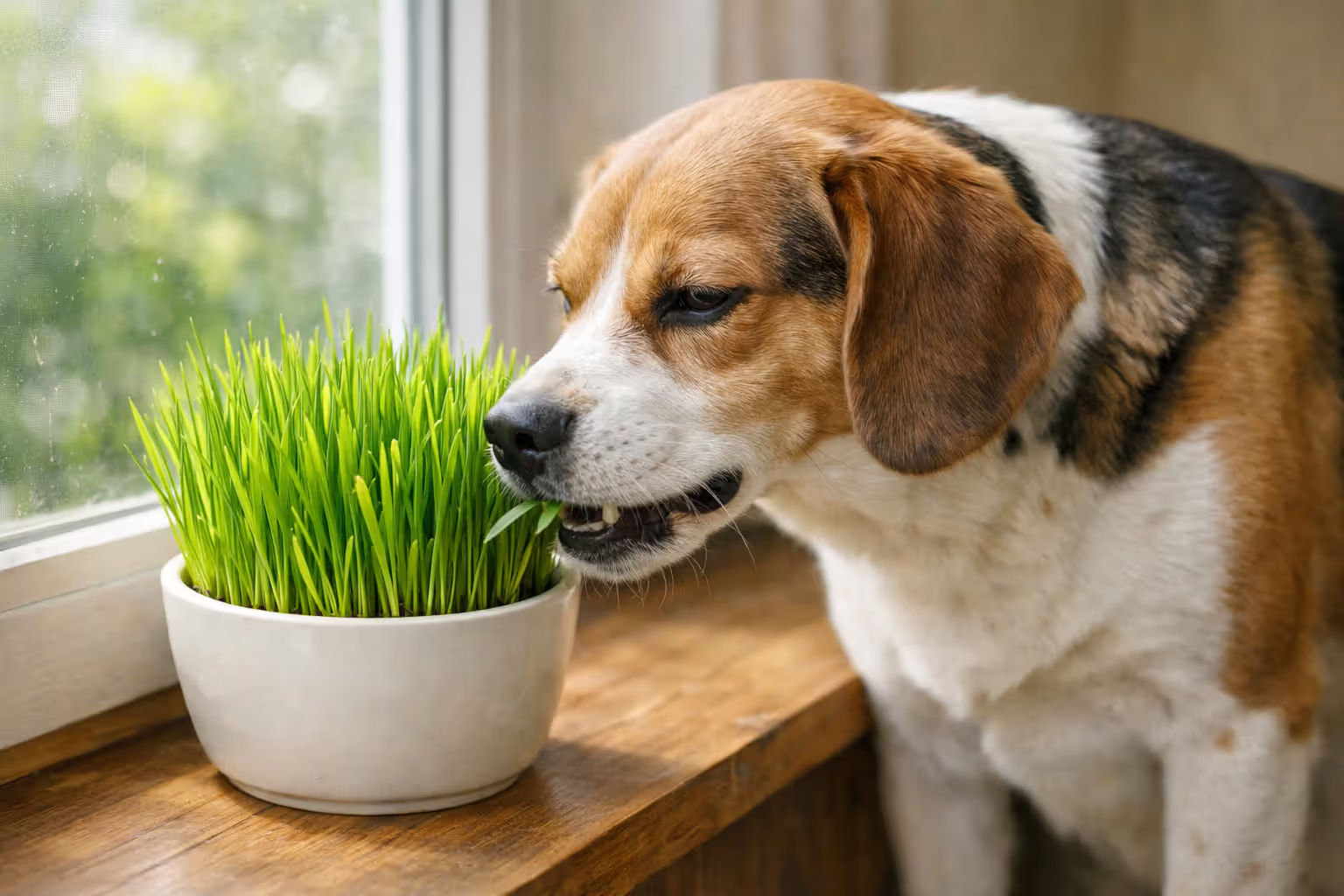
Instead of just saying "no" repeatedly, give your dog an acceptable outlet for the grazing urge. Growing chemical-free grass in a container on your patio or even indoors works surprisingly well. You control exactly what touches that grass—no pesticides, no wildlife feces, no mystery chemicals. Wheatgrass (sold at pet stores for cats) grows fast and dogs can safely munch it. Same with oat grass.
Boosting dietary fiber through dog-safe vegetables addresses the texture and roughage factor for some dogs. Small amounts of green beans, carrots, or plain canned pumpkin mixed into regular meals might reduce grass-seeking. Introduce any new food gradually—start with a teaspoon, then a tablespoon, working up slowly over a week to avoid diarrhea. And keep vegetables under 10% of total daily calories; dogs need primarily animal protein, not salad.
Durable chew toys satisfy the oral fixation component. Kong toys stuffed with food and then frozen give dogs extended chewing sessions that occupy them similarly to grazing. Dental chews, appropriately-sized bully sticks, or other safe chew products provide that same mouth activity without the potential hazards of outdoor grass.
Author: Emily Crosswell;
Source: alwaysonsalepetsupplies.com
Address boredom and under-stimulation directly, because that's often the real culprit. A dog who gets adequate physical exercise plus mental challenges is dramatically less likely to develop displacement behaviors like excessive grazing. Puzzle feeders at mealtime, regular training sessions (even just 10 minutes daily makes a difference), scent work games, and genuinely tiring exercise tackle the root cause instead of just managing symptoms.
How to Reduce Excessive Grass Eating: Practical Solutions
When grass consumption becomes problematic, systematic approaches beat simple prohibition every time. Dogs prevented from grass without addressing why they're doing it often substitute even worse behaviors—like eating rocks or destroying furniture.
Start by evaluating the diet with your vet's input. Does your current food actually match your dog's life stage, activity level, and any health conditions? Some dogs thrive on higher-fiber formulas. Others benefit from adding digestive enzymes. Running a food trial that eliminates common allergens (chicken, beef, wheat, corn, and soy are the big ones) sometimes reveals sensitivities that were driving the grass-seeking behavior all along.
Try increasing meal frequency if your dog seems to graze when hungry. Instead of one or two large meals, split the same total daily amount into three or four smaller portions. This keeps blood sugar more stable throughout the day and reduces stomach acid buildup that can make dogs feel queasy and seek grass for relief.
Implement exercise routines that genuinely tire your dog—and I mean really tire her, not just a quick lap around the block. Most dogs need at least 30-60 minutes of solid activity daily. Working breeds, sporting dogs, and terriers often need double that. But here's the key: physical exercise alone doesn't cut it. Mental exhaustion matters just as much. Training sessions, puzzle toys, new environments to explore, scent-tracking games—these activities engage the brain and create that satisfied tiredness that prevents boredom behaviors.
Build a rock-solid "leave it" command that works even with seriously tempting targets. This takes consistent practice over weeks, not a weekend crash course. Start indoors with low-value items (boring treats your dog doesn't care much about), then gradually progress to higher-value objects, then move outdoors, then practice with grass specifically. Eventually you'll have a tool that gives you control in the moment when needed.
Consider creating a designated "yes grass" zone in your yard that you maintain completely chemical-free. Teaching your dog she can graze in that specific area but nowhere else gives her an appropriate outlet while maintaining boundaries. Mark the zone clearly (maybe with decorative fencing or a defined garden bed) and practice the distinction. This approach works well for dogs who genuinely enjoy grass and show zero negative effects from eating it.
If anxiety appears to drive the behavior, address that underlying emotional state. Canine anxiety looks different across individuals—some dogs get hyperactive, others withdraw, some develop repetitive behaviors including grass-eating. Identifying specific triggers (separation, loud noises, unfamiliar people, etc.) lets you implement counter-conditioning protocols. Sometimes this requires working with a veterinary behaviorist, sometimes medication helps, always environmental management plays a role.
Track what's happening over time instead of expecting instant results. Behavioral change, especially breaking established habits, takes patience. Keep notes about frequency, circumstances, patterns you notice. After two weeks, assess: is grass-eating decreasing, staying the same, or getting worse? That information helps you and your vet determine whether your approach is working or if medical investigation is necessary.
Author: Emily Crosswell;
Source: alwaysonsalepetsupplies.com
Frequently Asked Questions About Dogs Eating Grass
Do all dogs eat grass or just sick ones?
Most dogs graze at some point whether they're healthy or not. Studies tracking thousands of dogs found that 68-79% consume grass, and the vast majority showed zero illness signs beforehand. So grass-eating appears to be normal dog behavior, not something only sick dogs do. That said, sudden new grass-eating or a dramatic spike in frequency can signal developing health problems and deserves a vet visit.
What type of grass is safest for dogs to eat?
The safest grass is the kind you personally maintain without chemicals and that wildlife doesn't use as a bathroom. Your own untreated lawn offers the most control. If you're planting grass specifically for your dog, wheatgrass, oat grass, and ryegrass are all safe choices. Avoid areas where you see rabbit droppings, deer tracks, or lots of other dog traffic—parasite risk goes up significantly. After any lawn treatment, keep dogs off for at least 72 hours, longer if the product label recommends it.
Can grass eating cause blockages in dogs?
Intestinal blockages from grass happen rarely, but they're possible, especially when dogs gulp huge amounts without chewing properly. The grass forms a compacted mass (veterinary term: phytobezoar) that won't move through the digestive tract normally. Small dogs face proportionally higher risk than large breeds. Watch for these blockage warning signs: vomiting repeatedly, no bowel movements for more than a day, obvious lethargy, and visible discomfort when you touch the belly. Blockages are emergencies requiring immediate veterinary care—they don't resolve on their own.
How much grass eating is too much?
Frequency alone doesn't define "excessive"—you have to look at the whole picture. A dog who briefly grazes once or twice daily without any negative effects probably doesn't have a problem. Red flags include: grass-eating becomes compulsive (obsessive searching, distress when prevented), happens constantly throughout the day, consistently causes vomiting, or comes with other symptoms like lethargy or appetite changes. If grazing consumes major chunks of your dog's day or stops her from engaging in normal activities, that warrants veterinary consultation.
Does grass provide any nutritional value to dogs?
Grass delivers minimal nutrition to dogs. Sure, it contains fiber, chlorophyll, and trace amounts of various nutrients, but here's the catch: dogs don't have the digestive enzymes necessary to efficiently break down cellulose (the main structural component of plant cell walls). Most grass goes through largely undigested and comes out looking pretty similar to how it went in. The main benefit comes from fiber's effect on gut motility—it helps things move along—rather than actual nutrient absorption. No dog can meet her nutritional needs through grass consumption; at best it's a minor dietary supplement, not a food source. Heavy reliance on grass for sustenance signals dietary deficiency that needs correction.
Should I grow special grass for my dog to eat?
Growing pesticide-free grass exclusively for your dog makes sense if she's a persistent grazer and you want guaranteed safety. Wheatgrass or oat grass grows quickly indoors in shallow containers and provides a controlled, chemical-free option year-round. This works particularly well for apartment dwellers without yards or for people whose lawns get professionally treated. That said, it's not mandatory for occasional grass-nibblers who already have access to safe outdoor spaces. Think of it as an enhancement for heavy grazers rather than a requirement for all dogs.
Understanding the reasons behind grass-eating removes most of the mystery and worry surrounding this behavior. For the majority of dogs, grazing is harmless—an evolutionary holdover, a fiber source, or simply an enjoyable pastime. Your job as the owner involves distinguishing between normal grazing and patterns that point toward underlying problems.
Focus on the bigger picture: context, frequency, and symptoms that accompany the grass-eating, not just the behavior in isolation. A dog who casually nibbles grass during afternoon walks, acts completely normal otherwise, and rarely vomits doesn't need intervention. But a dog obsessively hunting for grass to eat, vomiting frequently, or displaying other health changes needs professional veterinary assessment sooner rather than later.
When you decide intervention makes sense, tackle the root causes—boredom, nutritional gaps, anxiety—rather than just blocking yard access and hoping the behavior stops. That approach solves the actual problem long-term instead of forcing the behavior underground or redirecting it toward something potentially worse.
Grass-eating joins a long list of quirky canine behaviors that seem bizarre through a human lens but make complete sense considering dog evolution and instinct. The vast majority of grass-munching dogs are perfectly healthy—they're just doing dog things.
Wondering why your dog humps people, other dogs, or random objects? You’re not alone. Discover the real triggers behind mounting behavior, find out when it’s completely normal, and learn 5 proven training methods that actually work to stop it for good
Discover why dogs eat poop, what health risks coprophagia carries, and 7 proven methods to stop this behavior fast. Vet-backed solutions that actually work — for puppies and adult dogs alike. Your clean, stress-free walks start right here
Discover why dogs eat dirt — from boredom and nutritional gaps to pica and hidden illness. Understand the real health risks, spot the warning signs early, and apply 7 vet-approved methods to stop this behavior for good
Why is your dog pooping in the house? Discover the real reasons — from hidden medical conditions to behavioral triggers — and get proven, vet-approved solutions to stop indoor accidents for good, whether you have a puppy or a senior dog
The content on this website is provided for general informational and educational purposes only. It is intended to offer guidance on dog breeds, behavior, health, care, and lifestyle, and should not be considered a substitute for professional veterinary advice, diagnosis, or treatment.
All information published on this site is based on general knowledge, widely accepted research, and practical experience, but individual dogs may differ in behavior, health conditions, and needs. Results and outcomes may vary depending on the dog, environment, and circumstances.
The website is not responsible for any errors or omissions, or for actions taken based on the information provided. For specific concerns regarding your dog’s health or behavior, always consult a qualified veterinarian or professional dog specialist.