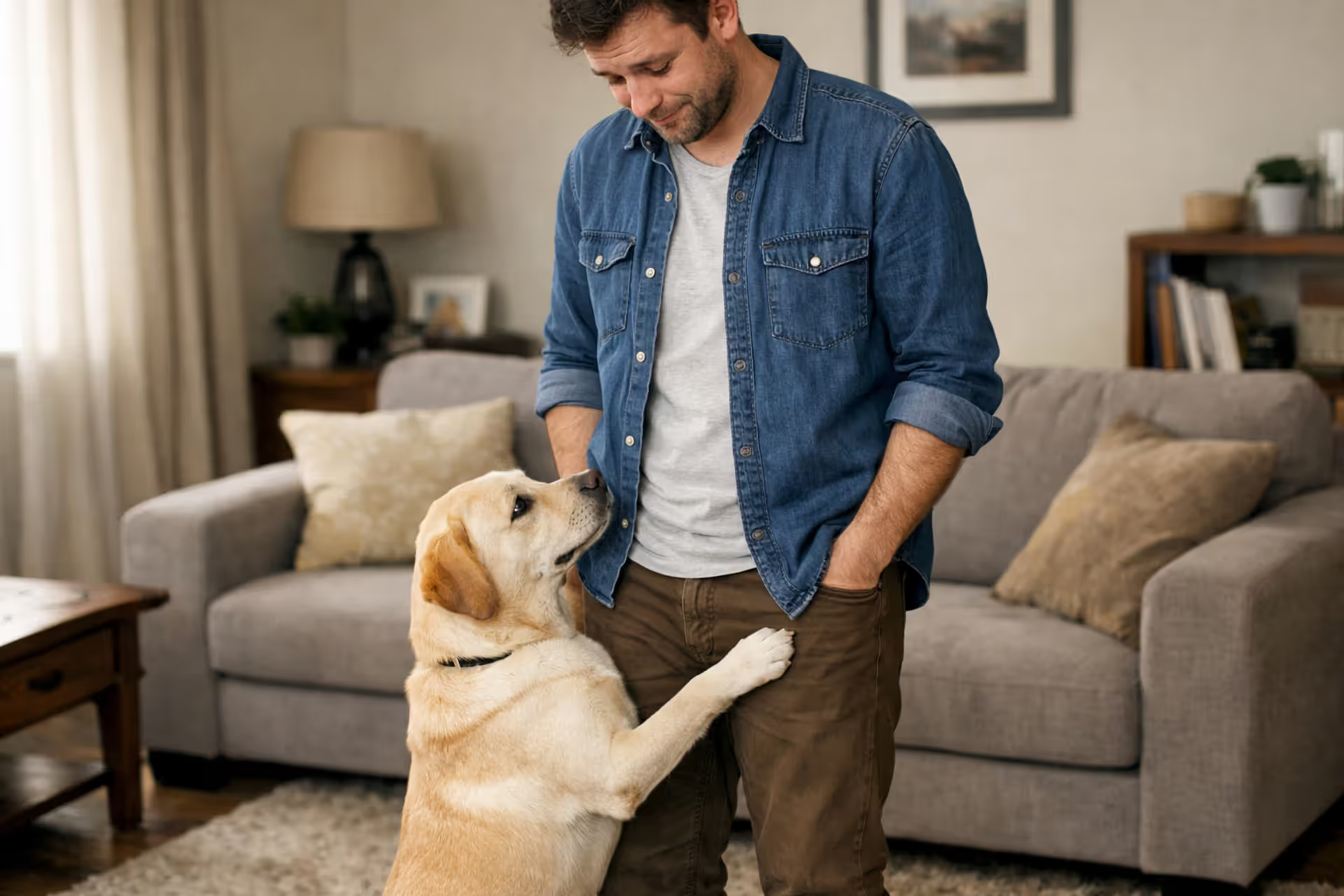
Picture this: You're hosting a family dinner when Buddy decides to enthusiastically wrap his paws around your mother-in-law's leg. Or maybe you're at the dog park watching in horror as your pup repeatedly mounts the Labradoodle who just wants to play fetch. We've all been there, frantically apologizing while our faces turn crimson.
These moments leave pet parents scrambling for explanations. What's going through your dog's mind? Should you be concerned? And most pressingly—how do you make it stop before the next embarrassing episode?
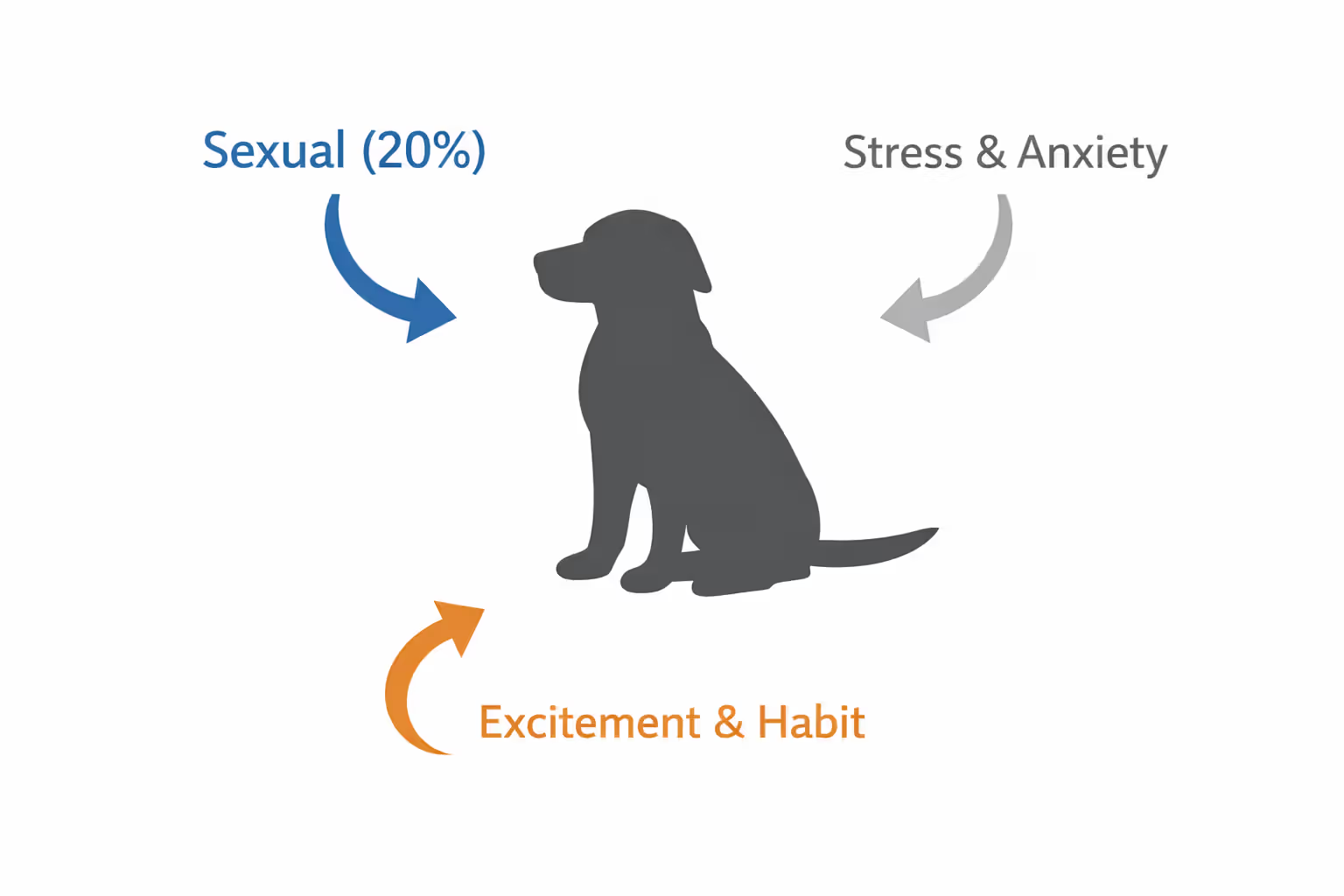
Here's what catches most people off guard: sexual urges account for maybe 20% of mounting incidents. The other 80%? That's where things get interesting. Your dog might be stressed, overexcited, bored, or simply never learned better manners. Figuring out which category your dog falls into makes all the difference in solving the problem.
The Science Behind Dog Mounting Behavior
Mounting traces back millions of years in canine evolution, serving purposes our ancestors couldn't have imagined when dogs were still wolves. Yes, reproduction matters—but that's just scratching the surface.
Your dog's brain releases feel-good endorphins during mounting. Think of it as nature's stress ball. When arousal levels spike (and I mean arousal in the general sense—excitement, fear, frustration), some dogs default to mounting because the rhythmic movement literally calms their nervous system. It's their version of stress-eating or nail-biting.
Testosterone influences mounting frequency, sure. Intact males between eight months and two years old show the highest rates. But walk into any dog park and you'll spot neutered males and female dogs—both spayed and intact—enthusiastically humping away. A 2018 study from the University of Bristol found that 65% of neutered males and 43% of spayed females still mounted regularly. Hormones tell part of the story, not the whole narrative.
Author: Emily Crosswell;
Source: alwaysonsalepetsupplies.com
The learning component is huge. Let's say your dog humps a pillow one afternoon and discovers it feels pleasant. Next time they're wound up or bored, guess what behavior they're repeating? Or imagine they mount your leg and you laugh nervously while pushing them away—congratulations, you just rewarded them with attention. Dogs don't care if attention is positive or negative; engagement is engagement.
Old-school trainers claimed mounting established "pack hierarchy" and dominance. That theory got thoroughly debunked around 2005 when researchers actually studied wolf behavior in natural settings rather than captive, artificially-formed packs. Turns out wolves (and dogs) have way more nuanced social structures. Your dog humping the neighbor's Corgi isn't plotting a coup—they're probably just awkward or overstimulated.
7 Common Triggers That Cause Dogs to Hump
Pinpointing what sets off your individual dog matters more than general explanations. Here's what actually happens in real homes and dog parks:
Vet visits, thunderstorms, unfamiliar locations, meeting new dogs
Create distance from the trigger; give them a quiet retreat; talk to your vet about anxiety management
Social Play
Bouncy movements, taking turns, mouth open and relaxed, brief episodes
Dog parks, puppy kindergarten, playdates with known friends
Let it happen for 3-5 seconds if both dogs are fine with it; step in when it gets repetitive
Sexual Drive
Intact status, age between 7-18 months, very selective about targets
Near females in heat, marking territory more, increased roaming interest
Have the spay/neuter conversation with your vet; supervise closely around intact dogs
Medical Discomfort
Started suddenly, licking genitals excessively, scooting, seems uncomfortable
Any situation, especially if this is brand new behavior
Get a vet checkup ASAP—could be urinary issues, allergies, infections, or pain
Reinforced Pattern
Happens on schedule, usually with the same person/object, hard to interrupt
Same spot each evening, specific toys, particular visitors
Never reward it; interrupt every single time; heavily reward what you want instead
Under-Exercised
Destructive chewing, excessive barking, pacing, other hyperactive signs
Late afternoon/evening, weekends after being alone weekdays
Add 20-30 minutes of exercise; try puzzle feeders; teach new tricks for mental work
Over-the-top excitement shows up constantly in my work with clients. Take Max, a Border Collie who mounted every single person entering his home. His owner thought Max was aggressive or "dominant." Reality? Max's arousal levels shot through the roof during greetings because he loved people so much his brain basically short-circuited. Teaching him to grab a toy during greetings gave his mouth something to do and his brain an alternative outlet.
Stress responses look different than you'd expect. Dogs don't mount because they feel confident—often it's the opposite. Charlie, a rescue Beagle, humped his owner's leg exclusively during thunderstorms. Not excitement, not dominance—pure anxiety. His body needed to do something with all that nervous energy.
The majority of behavior problems in dogs stem from anxiety, not dominance. When we treat anxiety with punishment, we make the dog worse, not better
— Dr. Karen Overall
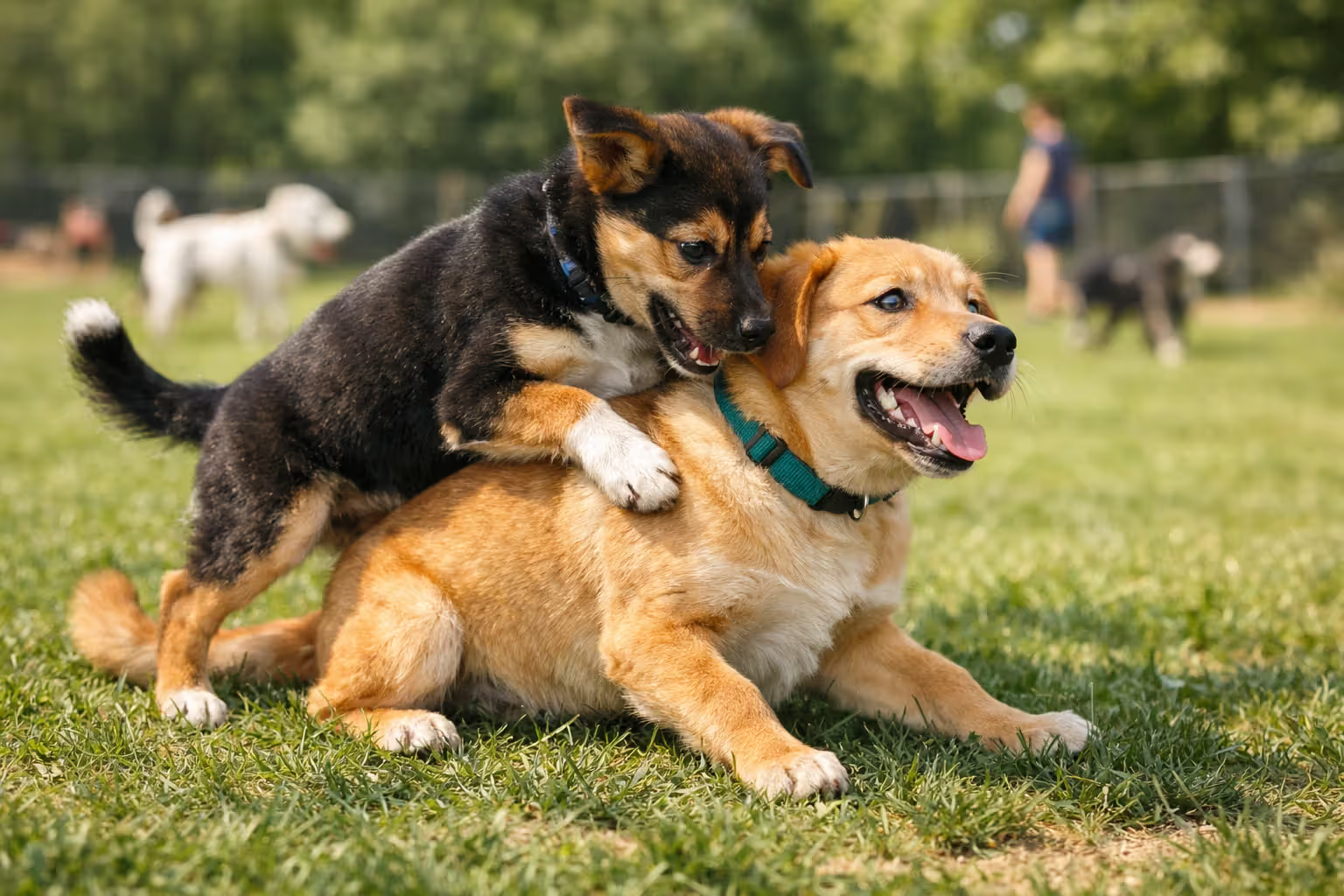
Play-related mounting fills dog parks everywhere. Puppies especially incorporate it into roughhousing. Watch any puppy playgroup for ten minutes and you'll see mounting mixed with chasing, wrestling, and play bows. Here's the key: notice whether both dogs seem okay with it. If the "victim" dog initiates another play round immediately after or mounts back, you're witnessing mutual play. If they freeze, try to hide, or snap warnings, that's your cue to intervene.
Can we officially retire the dominance explanation? Dogs aren't scheming to control your household. This outdated idea caused owners to respond with harsh corrections that made everything worse. A dog humping you during play isn't challenging your authority—they're probably just wired and don't know what else to do with their energy.
Sexual maturity becomes obvious between six and eighteen months. Intact males sometimes fixate on mounting, especially around females in heat. But neutering isn't the magic bullet many owners hope for (more on that coming up).
Medical culprits hide behind mounting more often than people realize. Skin allergies causing itchiness around the rear end, urinary tract infections creating constant irritation, or even orthopedic pain might trigger mounting. If Daisy never humped anything in her first five years then suddenly starts going to town on her bed, schedule a vet visit before booking a trainer.
Learned behaviors become stubborn fast. If humping successfully achieves a goal for your dog—whether that's burning off boredom, getting your attention, or simply because it feels good and nothing stops them—expect it to continue and possibly intensify. These cases need deliberate retraining.
What It Means When Your Dog Humps You, Other Dogs, or Objects
Context changes everything. The same mounting action means completely different things depending on who or what is involved.
Why Does My Dog Hump Me Specifically?
When your dog latches onto your leg, they're usually experiencing an emotional spike they haven't learned to handle appropriately. This peaks during homecomings (you've been gone five hours and they're vibrating with excitement), rough play sessions that escalate too far, or moments when they desperately want your attention and this is the tool that works.
Some dogs develop clear preferences for certain family members. Why? Those people react most dramatically. If Uncle Mike yells, pushes the dog away, or even laughs awkwardly, he's inadvertently providing a payoff. From your dog's perspective: "Success! I got Uncle Mike to interact with me!" Kids get targeted constantly because their squeaky voices and jerky movements amp dogs up.
Sometimes dogs mount their humans during stressful moments—yours or theirs. A client's Golden Retriever consistently humped her during arguments with her husband. The dog wasn't being inappropriate; she was trying to regulate her own stress caused by tension in the home.
Dog-on-Dog Mounting at the Park
Dog parks serve as mounting behavior laboratories. Adolescent dogs who haven't mastered social graces might mount others as a play invitation, an energy release, or because they're socially clueless about better interaction methods.
Here's what to watch: How does the receiving dog respond? If they whip around and engage in play, freeze briefly but seem relaxed, or mount right back, it's likely mutual goofing around. Red flags include escape attempts, stiff body posture, tucked tails, or warning snaps. Those require immediate intervention.
Serial park mounters exist—you know the ones. They target dog after dog, often lacking impulse control or sufficient outlets for their energy at home. Other dogs might tolerate it briefly, but patience runs out. I've seen friendly Goldens snap at persistent mounters after the fifth attempt. These situations can escalate to fights within seconds.
Humping Toys, Pillows, and Furniture
Object-focused mounting usually causes the least drama since no other beings are involved. Dogs who hump their beds, stuffed animals, or the couch cushion are typically self-soothing or discovered this activity is enjoyable.
Many dogs form attachments to particular objects—that one stuffed elephant becomes their designated target. Generally harmless unless it becomes obsessive (we're talking 30-minute sessions multiple times daily) or causes physical injury from friction.
Some trainers actually recommend the "designated humping toy" approach. If your dog predictably mounts during certain high-energy windows, offering an acceptable outlet beats trying to eliminate the behavior entirely. One client kept a specific pillow in the living room. When their Terrier got wound up, they'd direct him to the pillow rather than guests' legs. Problem solved.
Dogs are not miniature wolves. Trying to apply wolf pack dynamics to the family dog is frankly misleading and potentially dangerous
— Dr. Ian Dunbar
Is Humping Normal? When to Worry About Your Dog's Behavior
Short answer: Completely normal across all dogs, regardless of sex or reproductive status. Male, female, neutered, intact—they all mount.
Puppies as young as three or four weeks old mount their siblings during play. Zero sexual component exists at that age; it's pure exploration and development. Adolescent dogs going through puberty (six months to two years) often mount more as hormones surge and social skills develop.
Adult dogs may mount less than teenagers, but it remains in their behavioral toolkit for life. Even senior dogs occasionally mount, though sudden increases in older dogs warrant vet visits to rule out cognitive dysfunction or medical problems.
But certain warning signs indicate things have crossed from normal into problematic territory:
Duration and frequency tell you a lot. Brief mounting during weekly play sessions? Normal. Twenty-minute mounting marathons happening three times daily while your dog ignores food, favorite toys, and their own name? That's compulsive behavior requiring professional help.
Physical damage speaks for itself. Some dogs mount so intensely they develop raw spots, wounds, or (in males) penile injuries. Any visible physical harm means the behavior has become dangerous.
Aggression mixed with mounting needs immediate professional evaluation. Dogs who growl, snap, or bite when interrupted mid-mount, or who mount in aggressive rather than playful ways, might have serious behavioral issues beyond typical humping.
Social fallout develops when mounting becomes your dog's primary interaction style. Dogs who compulsively mount get banned from daycares, trigger fights at parks, or cause owners to avoid social situations entirely—that affects quality of life for everyone.
Brand new mounting in adult dogs who never showed this behavior before signals something changed. Could be medical, environmental, or emotional. Don't write it off as "just a phase"—investigate.
For puppies, mounting during play is expected and typically decreases as they mature and learn better manners. Puppy mounting only becomes concerning if it's constant, aggressive, or consistently upsets other puppies.
Author: Emily Crosswell;
Source: alwaysonsalepetsupplies.com
How to Stop Dog Humping: 5 Training Methods That Actually Work
Reducing or managing mounting demands consistency, patience, and understanding what drives your specific dog's behavior. Here's what actually works in real-world applications:
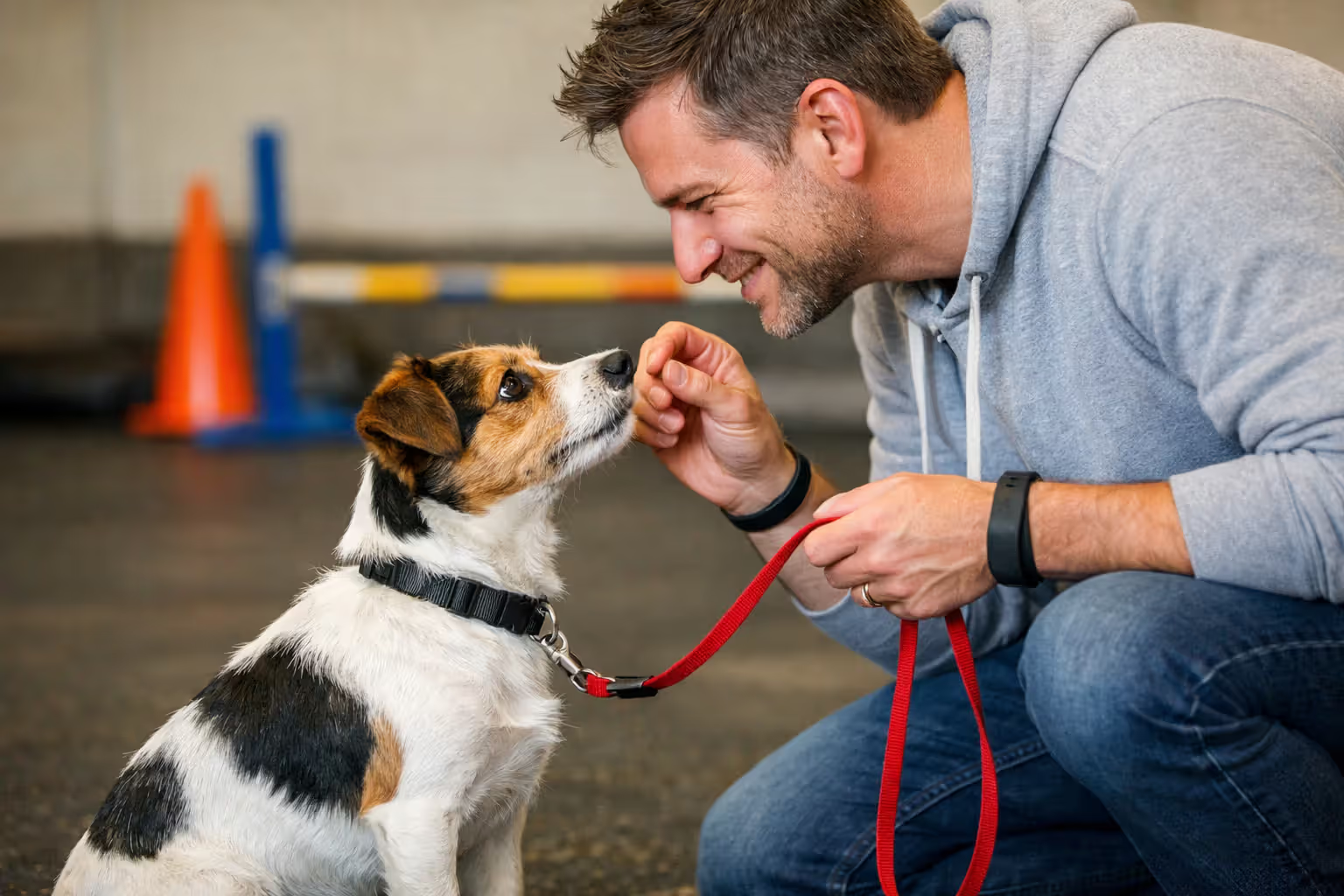
1. Catch and redirect at the first sign. The instant your dog positions themselves to mount, interrupt with a neutral noise (a quick "ah-ah" or single clap) and immediately give them something else to do. Ask for their best trick, toss a toy, or request a simple sit. Timing is everything—you need to catch the setup, not wait until they're fully engaged. When they comply with the alternative, reward generously with treats and praise. This pattern teaches that stopping mounting leads to good outcomes.
2. Modify the environment to prevent opportunities. If your dog mounts when specific things happen—guests arriving, certain play styles, particular dogs—change the setup. Have visitors completely ignore your dog for the first five minutes. Separate your dog from playmates before energy levels hit the red zone. Use barriers to block access to favorite mounting locations. Prevention beats correction every time.
3. Build rock-solid impulse control through "leave it" and recall training. Dogs with excellent impulse control and reliable recalls can be called away before they fully commit to mounting. Start training these commands in boring, distraction-free environments. Gradually increase difficulty. Your goal: your dog responds even when extremely wound up. This takes weeks or months but pays dividends.
4. Tire them out physically and mentally. I can't overstate this one. Mounting problems improve dramatically when dogs get adequate outlets for their energy. Add one extra 30-minute walk daily. Introduce puzzle toys. Practice training sessions for 10-15 minutes twice daily. Try nosework or scent games. Most breeds need 45-90 minutes of actual exercise (not just yard time) daily. Under-exercised dogs find their own outlets, and mounting is convenient.
5. Bring in a pro if you're stuck after 4-6 weeks. If you've consistently applied these methods for over a month without seeing progress, consult a certified professional dog trainer (CPDT-KA credential) or veterinary behaviorist (DACVB credential). They spot subtle triggers you're missing, rule out medical factors, and create customized plans. Sometimes anti-anxiety medications combined with behavior modification make the difference in severe cases.
The neutering question everyone asks: Will surgery fix it? Sometimes yes, often no. Research shows neutering decreases mounting in roughly 60% of male dogs—but that means 40% see no change. The best outcomes happen when dogs are neutered before reaching sexual maturity (around six to eight months) and when hormones primarily drive the behavior. If your dog mounts from excitement, anxiety, or learned habit, surgery alone won't solve it. You'll still need training. Behavior changes happen gradually over 4-8 weeks post-surgery as testosterone clears the system, not overnight. Have realistic expectations and discuss them thoroughly with your vet.
Punishment tells the dog what not to do. Training tells the dog what to do instead. Only one of those actually solves the problem
— Patricia McConnell
What not to do: Yelling, scruff shakes, alpha rolls, or other punishments backfire spectacularly. These methods spike anxiety (potentially worsening humping), damage your relationship with your dog, and teach nothing about appropriate alternatives. Laughing nervously or sometimes allowing the behavior while other times correcting it confuses your dog and slows progress.
Puppy Humping vs. Adult Dog Humping: Key Differences
Age and developmental stage dramatically influence how to interpret and respond to mounting.
Puppies start experimenting with mounting remarkably early—three to six weeks old, long before any sexual maturity exists. This early exploration is no different from learning to play bow, mouth gently during play, or practice predatory sequences like stalking and pouncing. It's just part of their behavioral development.
Between six and eighteen months, adolescent dogs navigate hormonal surges that can intensify mounting. Intact males particularly may show increased interest during this window. This developmental stage is also when patterns solidify through learning—if mounting successfully relieves stress or gets attention during adolescence, expect it to continue long-term.
Adult dogs who mount have usually established clear patterns. Their mounting gets triggered by specific contexts they've learned to associate with the behavior. Adult mounting also tends to be more ingrained, requiring deliberate intervention rather than spontaneously resolving.
Consider these contrasts:
How often it happens: Puppies might mount randomly during play without consistent patterns. Adults typically mount in response to predictable situations.
How intense it gets: Puppy mounting is usually brief and easily interrupted with distraction. Adult mounting may be more focused, persistent, and harder to redirect.
How other dogs react: Other puppies generally tolerate mounting better as part of rough play. Adult dogs often correct overly persistent puppies with warning growls or quick snaps—that's normal canine communication.
Whether intervention helps: Puppy humping frequently decreases naturally with maturity and proper socialization. Adult humping usually requires active training to change.
When do puppies stop naturally? Many puppies reduce mounting as they mature, especially if they get proper socialization and learn alternative play styles. However, plenty continue the behavior into adulthood, particularly if it gets reinforced. Don't bank on your puppy outgrowing humping automatically—teach better alternatives starting now.
If your puppy mounts nonstop, prevents other puppies from playing normally, or shows aggressive behavior during mounting, address it immediately rather than hoping maturity will fix it.
Author: Emily Crosswell;
Source: alwaysonsalepetsupplies.com
Frequently Asked Questions About Dog Humping
Do female dogs hump as much as male dogs?
Absolutely—female dogs hump regularly, though males do it slightly more often according to behavior surveys. Both intact and spayed females mount other dogs, people, and objects for identical non-sexual reasons males do: overstimulation, stress relief, play behavior, and learned patterns. The widespread belief that only males hump leaves many owners shocked when their female dog displays this behavior. Handle it exactly the same way regardless of your dog's sex.
Will neutering stop my dog from humping?
Neutering reduces mounting in about 60% of male dogs, but guarantees nothing. Surgery works best when performed before sexual maturity kicks in (around six to eight months) and when hormones primarily drive the behavior. If your dog mounts from excitement, anxiety, or because it's become a learned habit, neutering by itself won't fix it—you'll still need training and management. Behavior changes develop gradually over several weeks to months post-surgery as hormones decline, not immediately after the procedure.
Can humping be a sign of a medical problem?
Yes, particularly when the behavior appears suddenly in dogs who never previously mounted. Urinary tract infections, skin allergies irritating the genital region, prostate problems in intact males, and various pain conditions all trigger mounting. Dogs experiencing genital discomfort might lick excessively, scoot, and mount in response to irritation. If your dog shows additional signs like straining to urinate, frequent squatting, excessive licking of the rear end, or seems uncomfortable, book a vet visit before assuming it's purely behavioral.
Why does my dog only hump certain people?
Dogs frequently target people who provide the strongest reactions. If one household member laughs, playfully pushes the dog away, or gives any attention (even scolding counts as attention), that person becomes the preferred target. Kids get singled out constantly because their high energy and unpredictable movements trigger excitement in dogs. Some dogs also mount people who seem nervous or anxious around them—the dog detects the person's stress and responds with their own stress behavior. Solution: everyone in the household must respond identically to humping attempts.
At what age do puppies start humping?
Puppies can begin mounting as early as three to six weeks old, way before any sexual maturity develops. This early behavior is exploratory and social in nature, not sexual at all. You might observe puppies in a litter mounting siblings during play sessions. Frequency often increases during adolescence (six to eighteen months) when hormones surge, then typically stabilizes in adulthood. Individual variation is huge—some puppies rarely if ever mount while others do it constantly.
Is it okay to let dogs hump during play?
Depends entirely on context and whether both dogs consent. If two dogs are mutually playing—taking turns, both showing loose and relaxed body language, neither attempting to escape—brief mounting as part of play is generally fine. However, watch closely for signs one dog feels uncomfortable: trying to move away, freezing in place, tucking the tail, showing whale eye (seeing the whites of their eyes). If mounting becomes one-sided, continues beyond a few seconds, or happens repeatedly, interrupt and redirect to different play. Some owners and dog facilities enforce zero-tolerance policies because mounting can escalate to fights, while others permit it briefly when both dogs clearly consent. Know your dog's play style and constantly monitor the other dog's comfort level.
Moving Forward With Your Dog's Mounting Behavior
Mounting is standard equipment in the canine behavioral toolkit, serving multiple purposes beyond just reproduction. Your dog isn't trying to mortify you, challenge your leadership, or behave inappropriately—they're responding to internal states and external triggers using one of the tools evolution gave them for handling arousal, stress, and excitement.
Success comes from combining two things: understanding why your specific dog mounts with consistent, positive training methods. Identify what sets them off, set up the environment to prevent failures, teach better alternatives, and make sure your dog gets sufficient physical and mental exercise. When problems persist, professional guidance bridges the gap between ongoing frustration and successful management.
Changing ingrained behaviors takes substantial time—we're talking weeks and months, not days. You won't eliminate humping overnight, especially if it's become deeply habitual. Set realistic milestones, celebrate incremental improvements, and maintain consistency even when progress feels slow.
Most critically, respond calmly rather than with embarrassment or frustration. Your dog has zero understanding of the social awkwardness around humping—they just know it accomplishes something for them. Your job involves teaching them better tools while managing situations that trigger the behavior. With this understanding and commitment to consistent training, you can reduce problematic mounting to manageable levels or redirect it toward appropriate outlets.
Discover why dogs eat poop, what health risks coprophagia carries, and 7 proven methods to stop this behavior fast. Vet-backed solutions that actually work — for puppies and adult dogs alike. Your clean, stress-free walks start right here
Discover why dogs eat grass, what it means for their health, and when to take action. Learn the science behind this common behavior, its link to vomiting, and how to keep your dog safe while grazing. Find out which signs are normal, which are red flags, and what vets recommend
Discover why dogs eat dirt — from boredom and nutritional gaps to pica and hidden illness. Understand the real health risks, spot the warning signs early, and apply 7 vet-approved methods to stop this behavior for good
Why is your dog pooping in the house? Discover the real reasons — from hidden medical conditions to behavioral triggers — and get proven, vet-approved solutions to stop indoor accidents for good, whether you have a puppy or a senior dog
The content on this website is provided for general informational and educational purposes only. It is intended to offer guidance on dog breeds, behavior, health, care, and lifestyle, and should not be considered a substitute for professional veterinary advice, diagnosis, or treatment.
All information published on this site is based on general knowledge, widely accepted research, and practical experience, but individual dogs may differ in behavior, health conditions, and needs. Results and outcomes may vary depending on the dog, environment, and circumstances.
The website is not responsible for any errors or omissions, or for actions taken based on the information provided. For specific concerns regarding your dog’s health or behavior, always consult a qualified veterinarian or professional dog specialist.