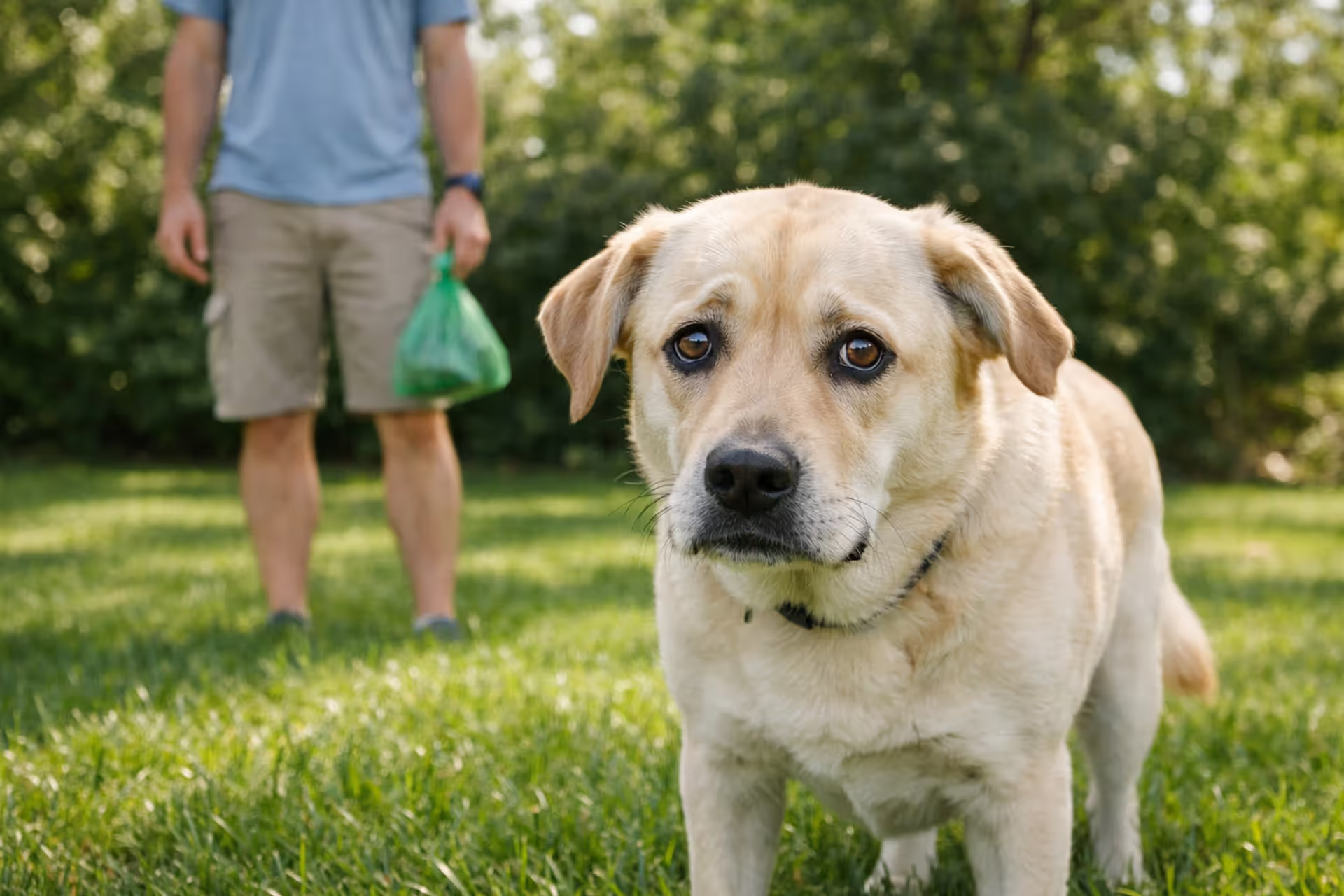
Walking into the backyard to find your dog munching on feces ranks among the most stomach-turning moments of pet ownership. Yet this behavior—gross as it seems—affects roughly one in four dogs at some point in their lives. Understanding what drives this habit and how to address it makes the difference between months of frustration and a quick resolution
What Is Coprophagia and How Common Is It in Dogs?
Coprophagia in dogs refers to the consumption of feces, whether their own, another dog's, or that of different species like cats, rabbits, or deer. The term comes from Greek roots: "copros" (feces) and "phagia" (eating).
A 2012 study presented at the American Veterinary Society of Animal Behavior conference found that 16% of dogs are "serious" stool eaters, consuming feces at least five times, while 24% have been observed eating poop at least once. The behavior shows up more frequently in multi-dog households—likely because there's simply more opportunity.
Dogs typically fall into three categories: those who eat their own stool (autocoprophagia), those who consume other dogs' waste (allocoprophagia), and those who target feces from different species. Cat poop proves particularly attractive to many dogs, probably due to the high protein content in feline diets. Rabbit droppings and deer pellets also rank high on the "appeal" list for reasons that remain somewhat mysterious to researchers.
The behavior appears equally across male and female dogs, though intact males show slightly lower rates. Age plays a role—puppies engage in coprophagia more frequently than adult dogs, and many outgrow it by their first birthday.
The dog has got more fun out of Man than Man has got out of the dog, for the clearly demonstrable reason that Man is the more laughable of the two animals
— James Thurber
8 Reasons Why Dogs Eat Poop
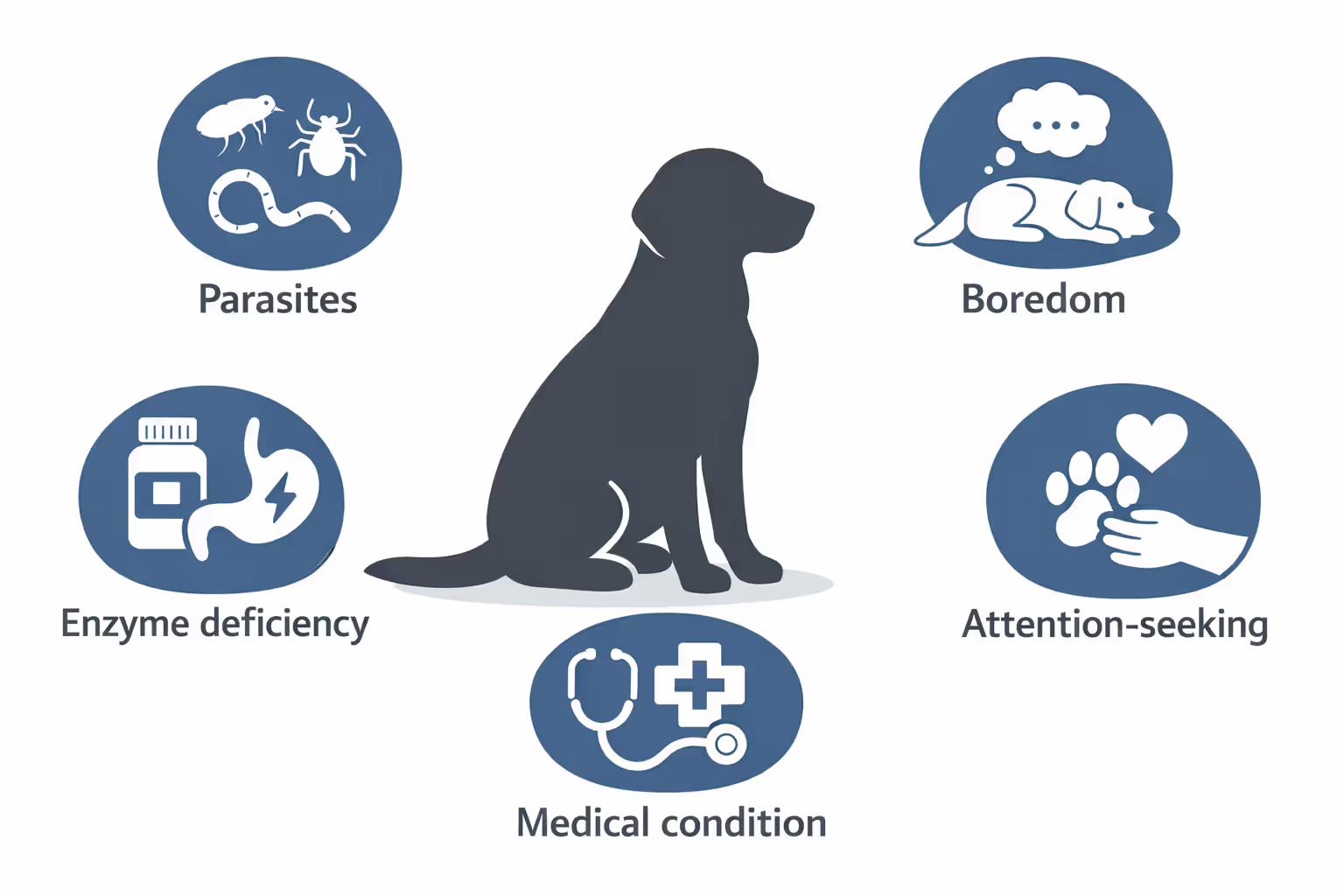
The causes behind this behavior span medical conditions, nutritional gaps, and learned behaviors. Identifying which category fits your dog determines the most effective intervention.
Nutritional and Medical Causes
Enzyme deficiencies top the list of physiological explanations. Modern commercial dog foods undergo high-heat processing that can destroy naturally occurring digestive enzymes. Some dogs compensate by seeking these enzymes in feces, which contains partially digested matter rich in these compounds.
Author: Hannah Bloomfield;
Source: alwaysonsalepetsupplies.com
Malabsorption syndromes prevent dogs from extracting nutrients properly. Conditions like exocrine pancreatic insufficiency (EPI) leave dogs perpetually hungry despite eating adequate amounts. They turn to stool as a secondary food source, attempting to reclaim nutrients their bodies failed to absorb the first time.
Intestinal parasites create similar nutritional deficits. Worms steal nutrients from your dog's digestive tract, triggering increased appetite and sometimes coprophagia as the dog tries to compensate for what parasites take.
Vitamin B deficiencies have been linked to poop-eating in several studies. Dogs fed low-quality diets lacking thiamine and other B vitamins sometimes develop the behavior, which resolves when their nutrition improves.
Conditions causing increased appetite—diabetes, Cushing's disease, thyroid disorders, and certain medications like steroids—can drive dogs to eat anything available, including feces. These dogs aren't specifically targeting stool; they're simply eating compulsively due to their medical condition.
Behavioral and Environmental Triggers
Maternal instinct drives mother dogs to eat their puppies' feces during the first few weeks of life. This keeps the den clean and removes scents that might attract predators in the wild. The behavior is completely normal and usually stops once puppies start eating solid food.
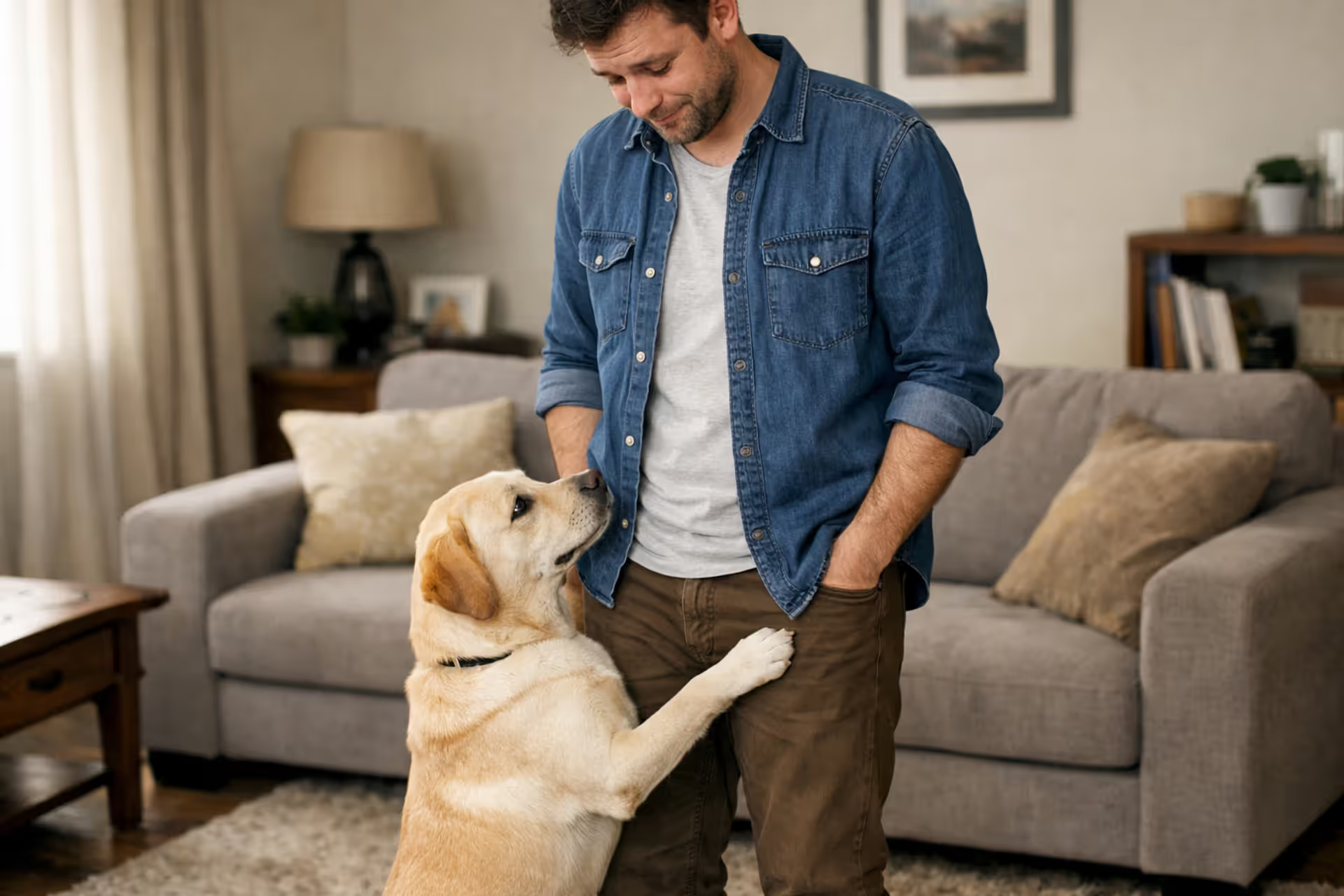
Attention-seeking develops when dogs learn that eating poop guarantees an immediate reaction from their owners. Even negative attention—yelling, chasing, pulling the dog away—reinforces the behavior. The dog thinks: "Every time I do this, my person comes running and interacts with me."
Boredom and stress contribute significantly in dogs left alone for long periods with insufficient mental stimulation. Coprophagia becomes a self-reinforcing activity that breaks up monotony. Dogs in kennels or shelters show higher rates, likely due to stress and limited environmental enrichment.
Scavenging instinct remains hardwired into canine genetics. Wild canids consume prey animals' digestive tracts and occasionally eat herbivore droppings to access plant materials and nutrients. Some dogs simply retain a stronger version of this ancestral drive.
Learned behavior from other dogs spreads coprophagia in multi-dog homes. Puppies imitate adult dogs, and the behavior becomes normalized within that social group.
Other anxiety signs (panting, pacing, destructiveness)
Address underlying anxiety, possible behavior modification with trainer
Maternal instinct (nursing mothers)
Only occurs with puppies under 3-4 weeks old
None needed—normal behavior that self-resolves
Author: Hannah Bloomfield;
Source: alwaysonsalepetsupplies.com
Is It Dangerous If My Dog Eats Poop?
The health risks vary dramatically depending on whose feces your dog consumes and how frequently the behavior occurs.
Eating their own stool carries the lowest risk. While disgusting, it rarely causes illness since the dog is re-exposing themselves to their own gut bacteria and any parasites they already harbor. The main concerns are reinforcing the habit and the social consequences (like your dog licking your face afterward).
Eating other dogs' feces introduces real health hazards. Parasites like roundworms, hookworms, whipworms, and giardia pass easily through fecal-oral transmission. Bacterial infections including salmonella, E. coli, and campylobacter can spread this way. Parvovirus and coronavirus survive in feces for months, making dog parks and areas where multiple dogs defecate particularly risky for coprophagic dogs.
Eating cat poop poses moderate risk. Toxoplasma gondii, a parasite that cycles through cats, can infect dogs. Intestinal parasites common in cats also transfer to dogs. The litter itself presents additional dangers—clumping litter can cause intestinal blockages if consumed in quantity.
Eating wildlife feces (deer, rabbit, goose, etc.) exposes dogs to different parasite species. Rabbit stool can carry coccidia and various worm eggs. Goose droppings may contain giardia and salmonella. Deer pellets occasionally harbor chronic wasting disease prions, though transmission to dogs hasn't been definitively proven.
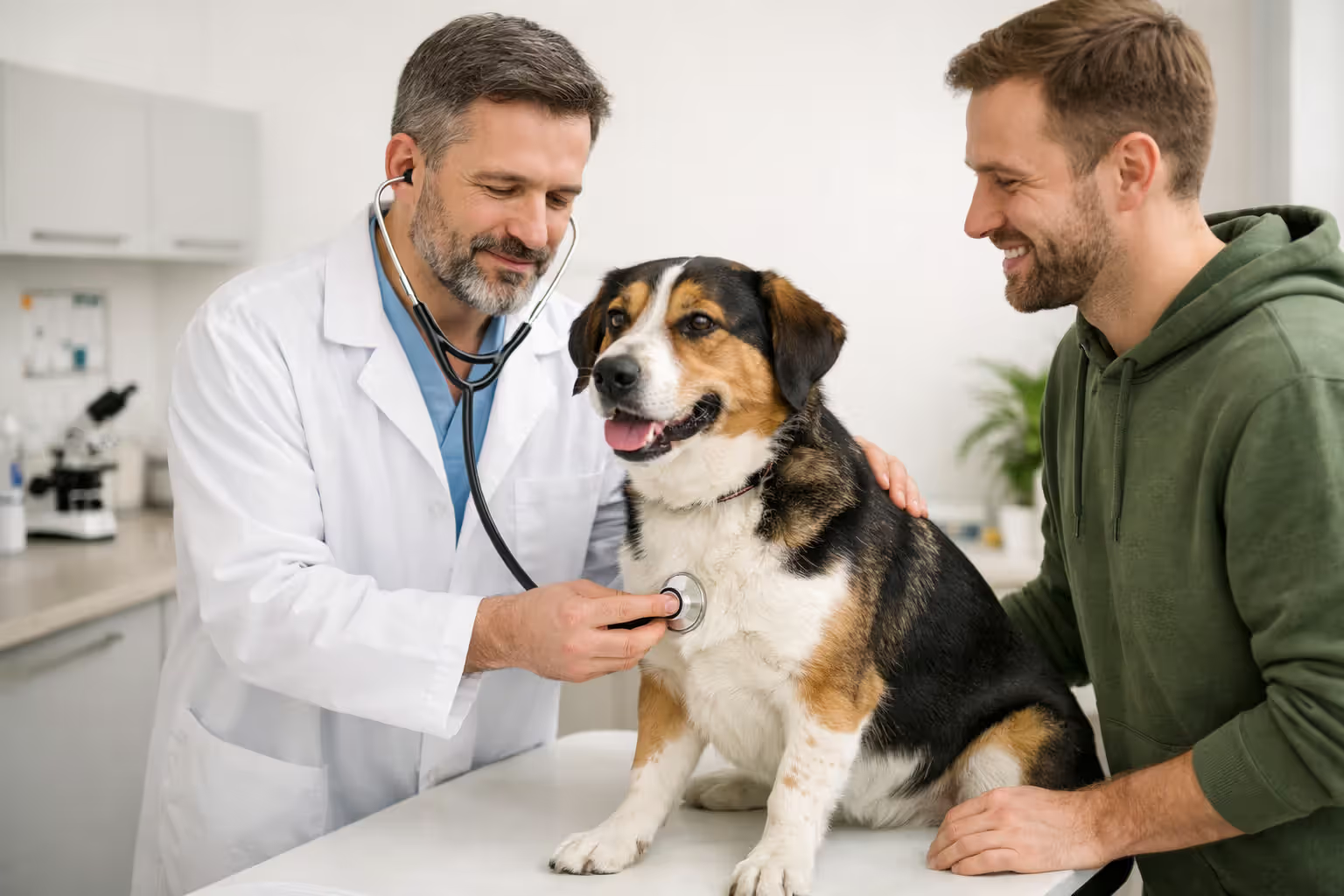
When to worry: Contact your veterinarian if your dog shows vomiting, diarrhea, lethargy, loss of appetite, or abdominal pain after eating feces. Schedule a routine exam if the behavior is new in an adult dog, since sudden onset can signal medical problems. Puppies engaging in coprophagia should receive fecal testing to rule out parasites, even without symptoms.
How to Stop Your Dog From Eating Poop: 7 Proven Methods
Effective intervention requires matching your approach to the underlying cause. Most cases need a combination of these strategies.
Author: Hannah Bloomfield;
Source: alwaysonsalepetsupplies.com
1. Immediate cleanup removes the opportunity. Pick up feces within seconds of your dog defecating. In multi-dog homes, supervise bathroom breaks and clean up immediately after each dog. This method works best for dogs who eat fresh stool and requires diligence but costs nothing.
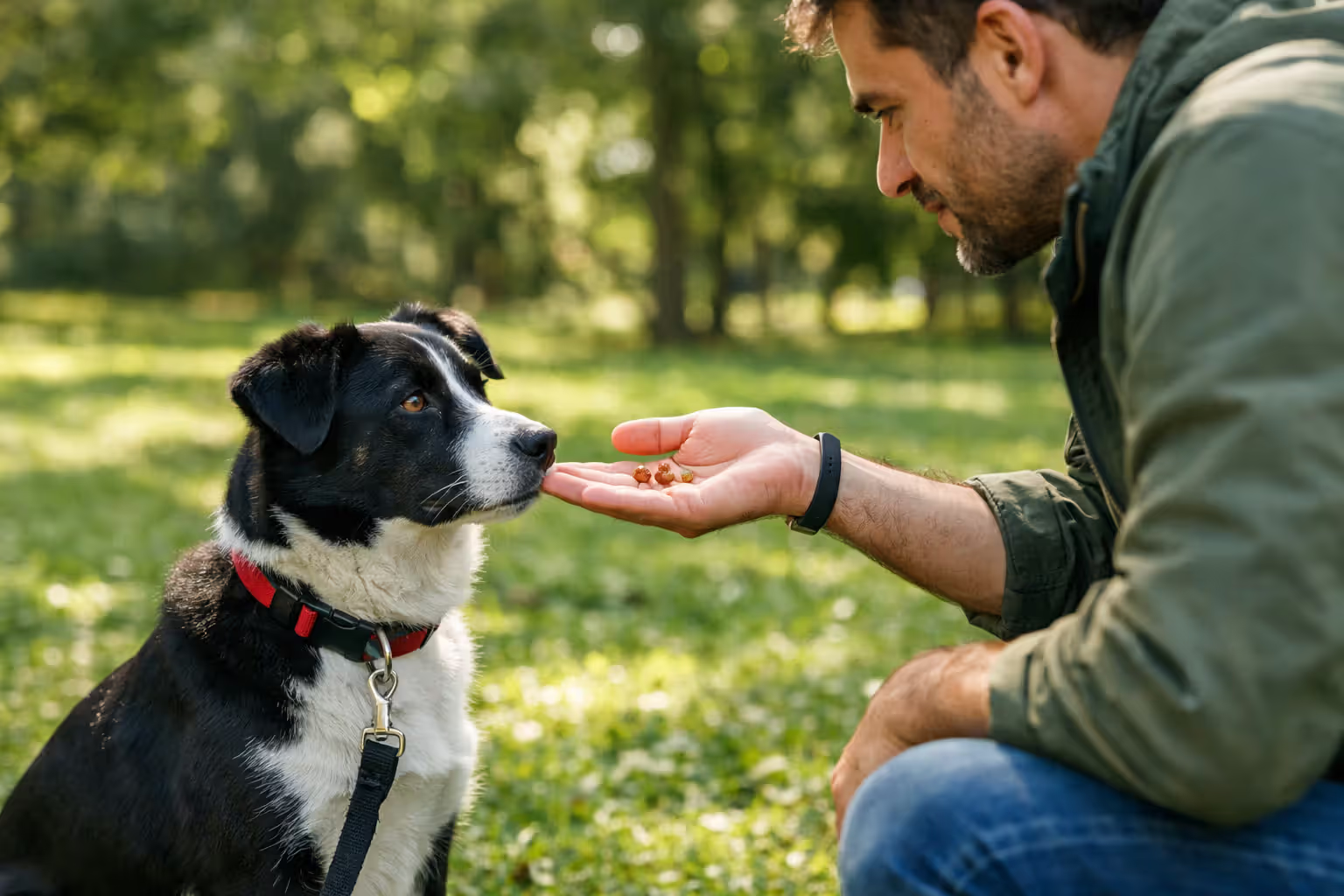
2. Training "leave it" and strong recall gives you verbal control. Practice "leave it" with increasingly tempting objects (treats, toys, then eventually stool) and reward heavily for compliance. A reliable recall lets you interrupt the behavior before it happens. These commands take weeks to proof but provide long-term solutions.
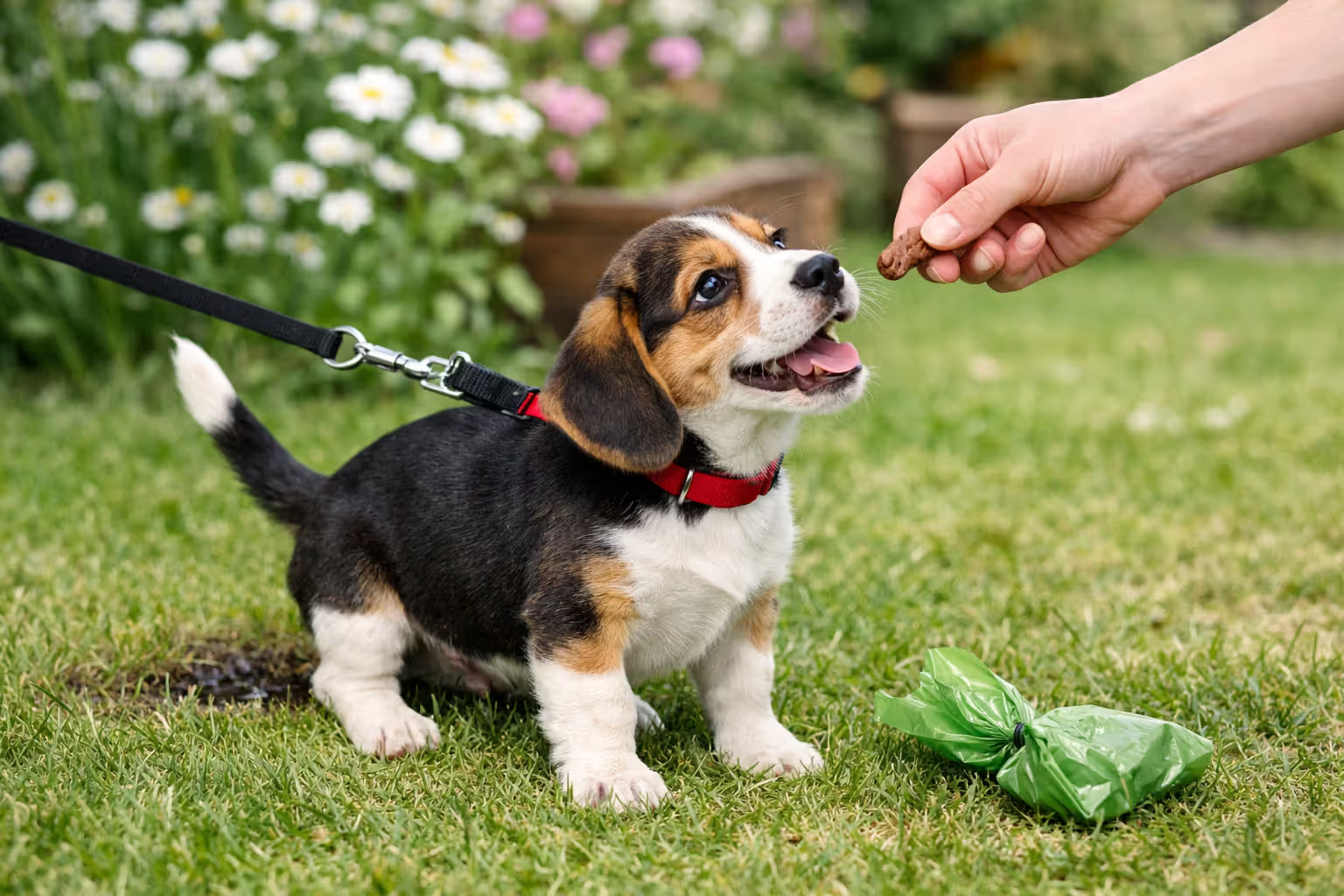
3. Keep your dog leashed during bathroom breaks until the behavior resolves. This prevents access and lets you redirect immediately. Some owners find success with a long-line (15-30 feet) that allows freedom while maintaining control.
4. Dietary upgrades and supplements address nutritional causes. Switch to a high-quality food with meat as the first ingredient and minimal fillers. Add digestive enzyme supplements containing papain (from papaya) or bromelain (from pineapple) to meals. Some dogs respond to switching from dry kibble to fresh or raw diets, which may provide more bioavailable nutrients and enzymes.
5. Increase mental and physical exercise for boredom-driven cases. A tired, mentally satisfied dog has less interest in inappropriate behaviors. Add daily training sessions, puzzle feeders, sniff walks, and interactive toys. The rule of thumb: most adult dogs need at least 60 minutes of physical activity plus 15-20 minutes of mental work daily.
6. Taste-aversion products make feces less palatable. These supplements (containing ingredients like chamomile, yucca, or MSG) pass through your dog's system and allegedly make their stool taste bad. Success rates vary—some owners swear by them, while others see no effect. They only work if your dog eats their own feces, not other animals'.
7. Address underlying anxiety with help from a certified dog trainer or veterinary behaviorist. Anxiety-driven coprophagia won't resolve until you treat the root cause. This might involve counter-conditioning, desensitization protocols, environmental changes, or in some cases, anti-anxiety medication.
What doesn't work: Punishment after the fact teaches your dog to hide the behavior or become afraid of you, not to stop eating poop. The old advice to "correct" the dog by rubbing their nose in it causes fear and damages your relationship without addressing the cause.
The greatest fear dogs know is the fear that you will not come back when you go out the door without them
— Stanley Coren
Home Remedies and Supplements That Actually Work
Pet owners have shared countless home remedies over the years. Some have merit; others persist despite lack of evidence.
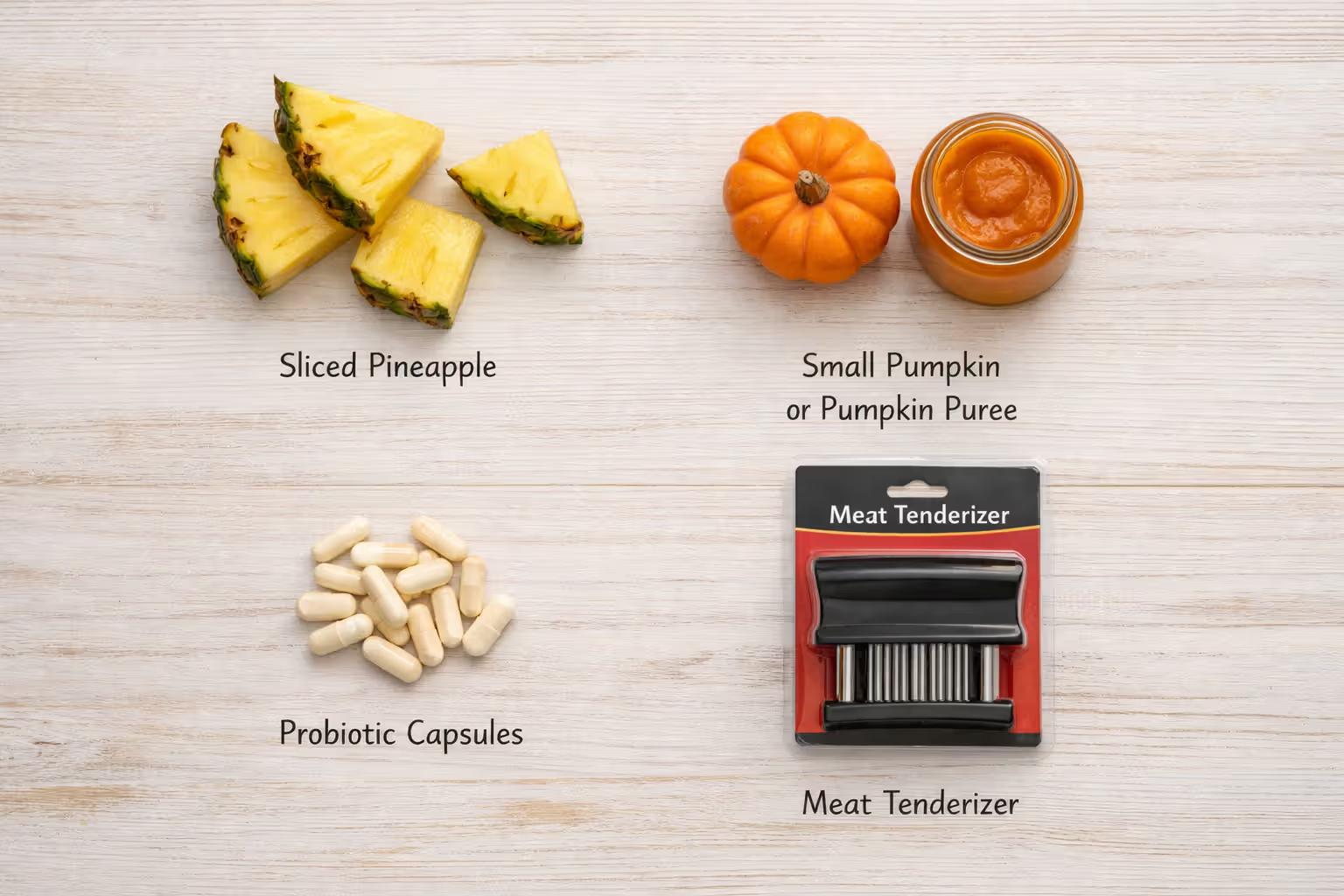
Pineapple contains bromelain, a digestive enzyme. The theory: feeding fresh pineapple (a few chunks daily for medium dogs) makes the resulting stool taste worse. Limited scientific backing exists, but the remedy is safe and some owners report success. Use fresh pineapple only—canned versions contain too much sugar and lack sufficient enzyme content.
Meat tenderizer (the unflavored powder kind) contains papain, another digestive enzyme. Sprinkle a small amount (about ½ teaspoon for a 50-pound dog) on food. Like pineapple, this supposedly alters stool taste. Choose brands without added seasonings, especially garlic or onion powder, which are toxic to dogs.
Pumpkin (plain canned, not pie filling) adds fiber and can improve digestion, potentially making stool less appealing. Add 1-4 tablespoons per meal depending on dog size. This works best when poor digestion contributes to the behavior.
Commercial coprophagia deterrents like For-Bid, Deter, and CoproBan contain various ingredients meant to make feces unpalatable. Reviews are mixed—products work for some dogs but not others. They require consistent use (typically 1-2 weeks before effects appear) and only prevent consumption of the treated dog's own stool.
Probiotic supplements support gut health and may improve nutrient absorption. While not specifically marketed for coprophagia, probiotics help dogs with digestive issues that might drive the behavior. Choose veterinary-grade products with multiple bacterial strains.
Apple cider vinegar gets recommended frequently but lacks scientific support. The proposed mechanism—altering stool pH to make it less appealing—hasn't been validated through research. Small amounts (1 teaspoon per 50 pounds of body weight mixed into food) won't harm most dogs, but don't expect dramatic results.
Author: Hannah Bloomfield;
Source: alwaysonsalepetsupplies.com
Reality check: Home remedies work best for mild cases with nutritional components. Dogs eating poop due to anxiety, attention-seeking, or medical conditions need targeted interventions, not dietary additions. Veterinary consultation beats trial-and-error with home remedies when the behavior persists beyond a few weeks.
Special Considerations for Puppies Eating Poop
Puppy eating poop occurs more frequently than in adult dogs for several developmental reasons.
Exploration phase: Puppies investigate the world through their mouths. Between 8-16 weeks, they taste everything—grass, dirt, rocks, and yes, feces. This normal exploratory behavior usually diminishes as they mature and learn what's food and what's not.
Learned from mother: Puppies observe their mother eating their waste during the first weeks of life. Some continue the behavior even after weaning, having learned it as "normal" dog behavior.
Incomplete housetraining: Puppies who are punished for accidents sometimes eat their feces to hide the evidence. This develops when owners react harshly to indoor elimination. The puppy learns: "Poop in the house = bad reaction. No poop visible = no bad reaction."
Nutritional needs: Growing puppies have higher nutritional demands than adults. Cheaper puppy foods may not provide adequate nutrients or digestible ingredients, prompting coprophagia as the puppy tries to extract more nutrition.
Timeline for outgrowing it: Most puppies who eat poop during their first few months naturally stop by 9-12 months of age as they mature. The behavior becomes more concerning if it persists beyond their first birthday or intensifies rather than diminishes.
Puppies are nature’s remedy for feeling unloved, plus numerous other ailments of life
— Richard Allan Palm
Prevention strategies for puppies: - Supervise bathroom breaks completely—never give unsupervised yard access during this phase - Clean up immediately, making it a game to race to the poop first - Redirect to a toy or treat the moment they finish eliminating - Avoid any punishment for accidents; use positive reinforcement for outdoor elimination only - Feed high-quality puppy food from reputable brands - Schedule a vet visit to rule out parasites, which are common in puppies
Socialization factor: Puppies in their critical socialization period (roughly 3-14 weeks) learn behaviors from other dogs. A puppy who sees adult dogs eating feces will likely try it themselves. Carefully manage which dogs your puppy interacts with during this formative window.
Author: Hannah Bloomfield;
Source: alwaysonsalepetsupplies.com
Frequently Asked Questions About Dogs Eating Poop
Can eating poop make my dog sick?
Yes, eating other animals' feces can transmit intestinal parasites (roundworms, hookworms, giardia, coccidia), bacterial infections (salmonella, E. coli), and viral diseases (parvovirus in unvaccinated dogs). Dogs eating their own stool face lower risk but can still experience digestive upset. Wildlife feces introduces different parasites your dog's system hasn't encountered. Schedule a fecal test if your dog regularly eats poop, even without visible symptoms, since many parasites cause no obvious signs initially.
Why does my dog only eat poop in the winter?
Frozen feces apparently appeals to some dogs—owners call them "poopsicles." Several theories exist: frozen stool may have a different texture that's more interesting, cold weather might preserve scents that attract dogs, or the freezing process could concentrate certain flavors. Some dogs simply find frozen items appealing (the same dogs often eat ice cubes enthusiastically). This seasonal pattern suggests behavioral rather than medical causes. The solution remains the same: immediate cleanup and training, though frozen ground makes scooping more challenging.
Do certain dog breeds eat poop more than others?
Research shows minimal breed differences in coprophagia rates. The 2012 study found that terriers and hounds showed slightly lower rates, while no breed demonstrated significantly higher rates. However, individual variation within breeds far exceeds any breed tendencies. Labrador Retrievers appear overrepresented in some surveys, but this likely reflects their popularity rather than breed predisposition. Focus on your individual dog's triggers rather than breed stereotypes when addressing the behavior.
Will my dog stop eating poop on his own?
Puppies often outgrow coprophagia without intervention by 9-12 months of age. Adult dogs who suddenly develop the behavior might stop if it's triggered by a temporary situation (stress from moving, brief illness, etc.). However, coprophagia that persists for months typically becomes self-reinforcing—the behavior itself becomes rewarding, making spontaneous resolution unlikely. Dogs who've eaten feces for years rarely stop without active intervention. The behavior is easier to prevent in puppies than to eliminate in adults, making early intervention worthwhile.
Should I punish my dog for eating poop?
No. Punishment proves ineffective and often worsens the problem. Dogs don't connect punishment after the fact with the behavior—they just learn that your presence near poop means bad things happen, making them sneakier or more anxious. Yelling or chasing actually reinforces attention-seeking coprophagia. Punishment during housetraining causes puppies to hide elimination and eat evidence. Instead, use management (immediate cleanup, supervision), positive reinforcement for incompatible behaviors (coming when called, "leave it"), and address underlying causes. If you catch your dog approaching feces, calmly interrupt and redirect without drama.
Does spaying or neutering reduce poop-eating behavior?
Evidence is mixed. The 2012 veterinary behavior study found that intact males showed slightly lower coprophagia rates than neutered males, suggesting neutering doesn't prevent the behavior and might slightly increase it. No significant difference appeared between spayed and intact females. These findings surprised researchers who expected intact animals to show more "undesirable" behaviors. Spay/neuter decisions should be based on health, population control, and other behavioral factors rather than coprophagia specifically. If your dog eats poop, don't expect spaying or neutering to resolve it—address the behavior directly through training and management.
Coprophagia ranks among the most frustrating dog behaviors for owners, but it's rarely dangerous and almost always manageable. Start by ruling out medical causes with a veterinary exam and fecal test. Identify whether your dog's behavior stems from nutritional gaps, boredom, anxiety, or learned habits, then apply targeted solutions. Most cases respond to consistent management—immediate cleanup, supervision, training, and dietary adjustments.
The behavior that resolves fastest involves puppies in their exploratory phase and dogs eating poop due to correctable nutritional deficiencies. Anxiety-driven and attention-seeking cases take longer, requiring patience and often professional guidance. Adult dogs with years-long habits present the biggest challenge but still improve with persistent effort.
Success requires consistency from everyone in your household. One person leaving poop in the yard or giving attention when the dog approaches feces undermines weeks of progress. Set realistic expectations—improvement often happens gradually rather than overnight. Most importantly, remember that while the behavior disgusts humans, your dog isn't being spiteful or "gross" by human standards. Approach the issue as a solvable training challenge rather than a moral failing, and you'll maintain the patience needed to see it through.
Wondering why your dog humps people, other dogs, or random objects? You’re not alone. Discover the real triggers behind mounting behavior, find out when it’s completely normal, and learn 5 proven training methods that actually work to stop it for good
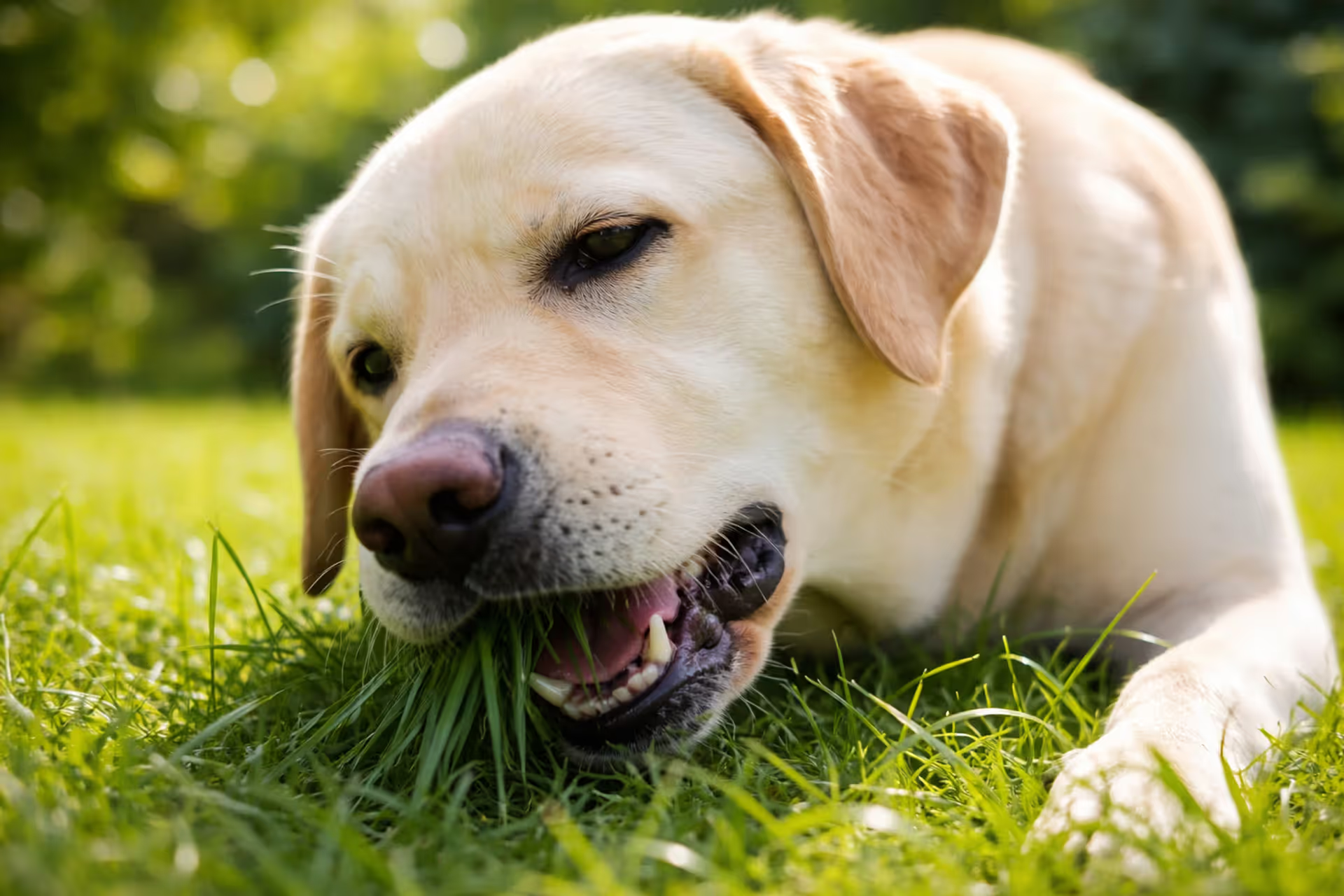
Discover why dogs eat grass, what it means for their health, and when to take action. Learn the science behind this common behavior, its link to vomiting, and how to keep your dog safe while grazing. Find out which signs are normal, which are red flags, and what vets recommend
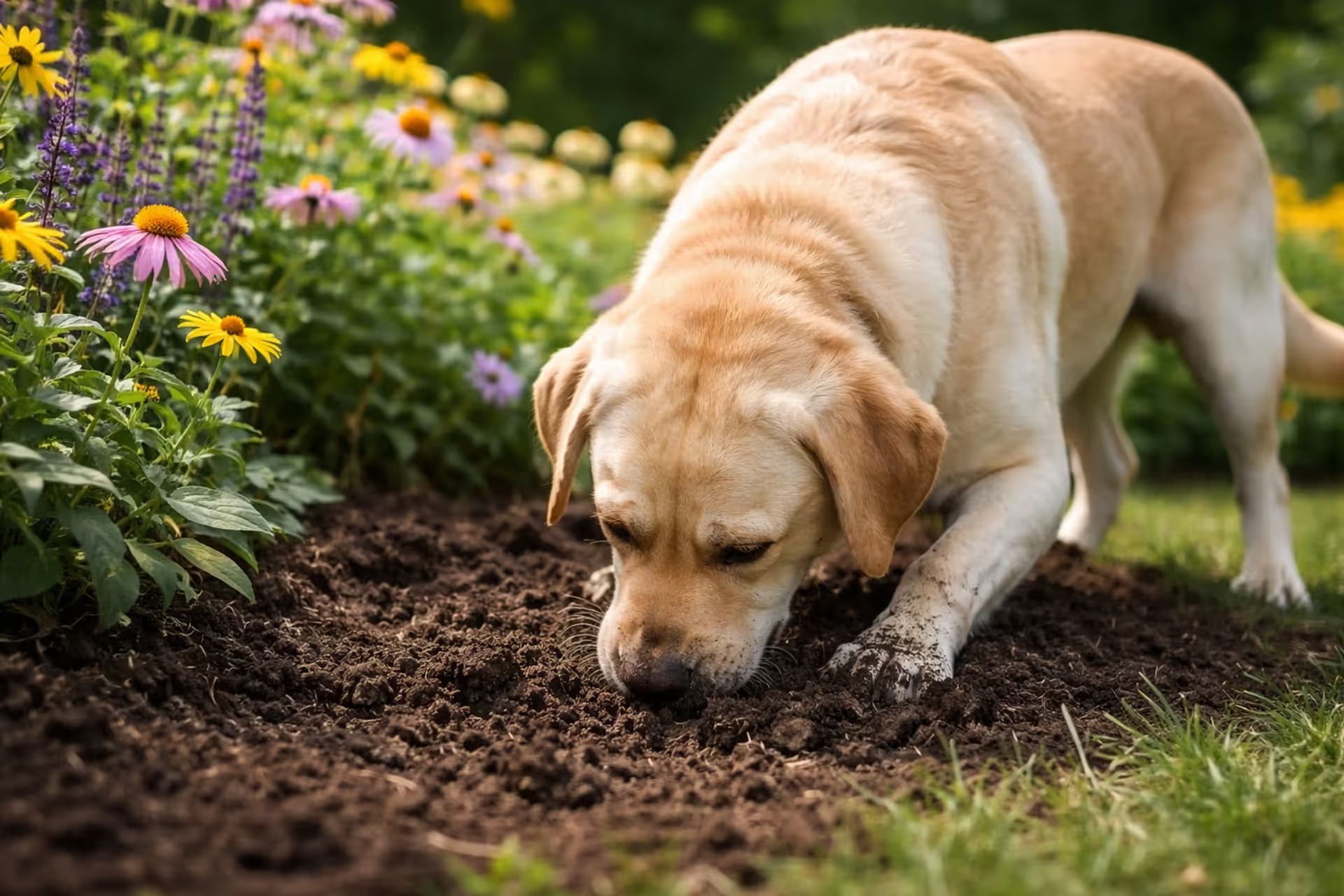
Discover why dogs eat dirt — from boredom and nutritional gaps to pica and hidden illness. Understand the real health risks, spot the warning signs early, and apply 7 vet-approved methods to stop this behavior for good
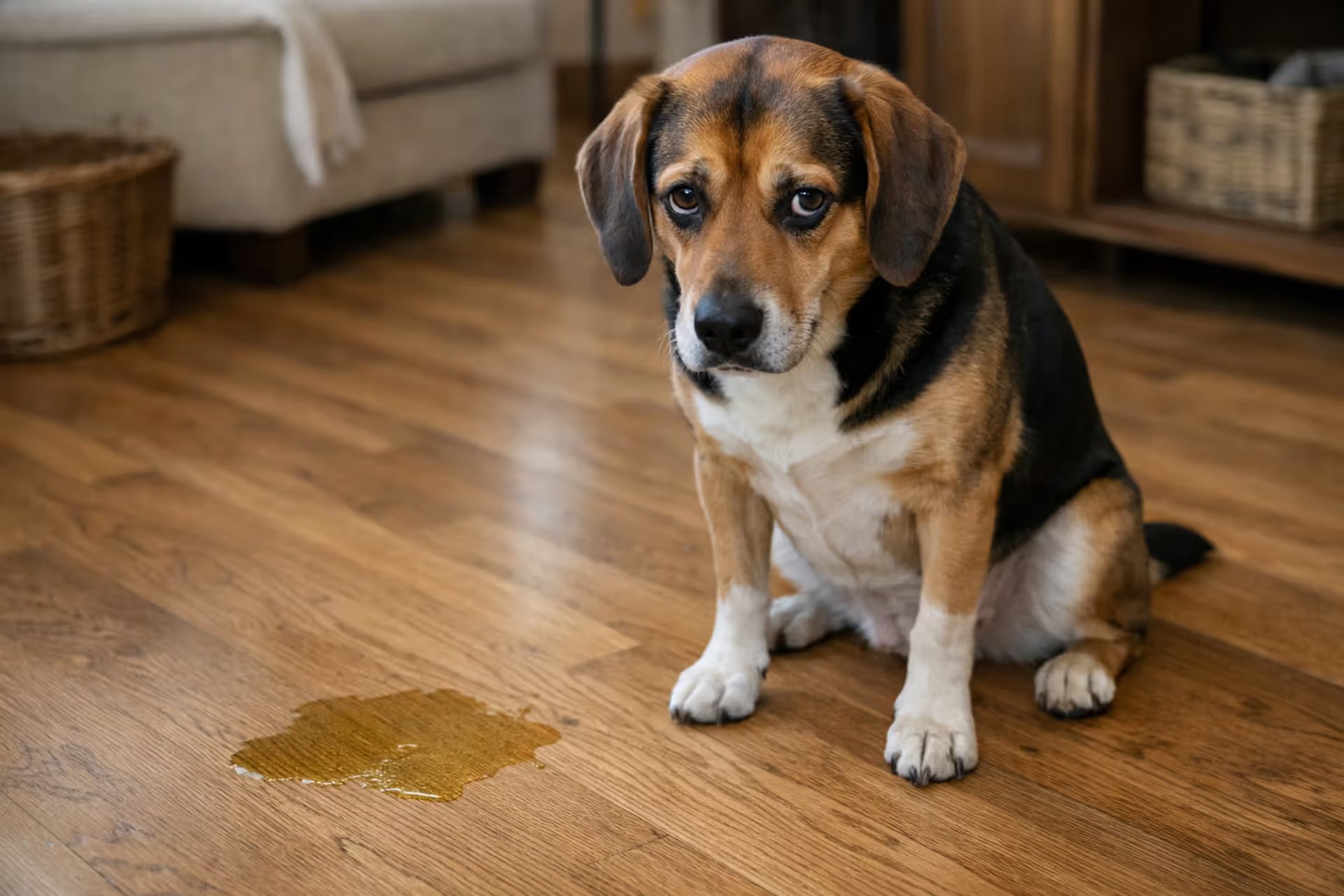
Why is your dog pooping in the house? Discover the real reasons — from hidden medical conditions to behavioral triggers — and get proven, vet-approved solutions to stop indoor accidents for good, whether you have a puppy or a senior dog
The content on this website is provided for general informational and educational purposes only. It is intended to offer guidance on dog breeds, behavior, health, care, and lifestyle, and should not be considered a substitute for professional veterinary advice, diagnosis, or treatment.
All information published on this site is based on general knowledge, widely accepted research, and practical experience, but individual dogs may differ in behavior, health conditions, and needs. Results and outcomes may vary depending on the dog, environment, and circumstances.
The website is not responsible for any errors or omissions, or for actions taken based on the information provided. For specific concerns regarding your dog’s health or behavior, always consult a qualified veterinarian or professional dog specialist.