When you bring home that wiggling ball of fur, you're making a silent promise. Your puppy can't schedule vet appointments, research diseases, or understand why they need shots. They're counting on you to get this right.
Here's the truth nobody likes hearing: preventable diseases still kill puppies every single week. Parvo doesn't care that you kept your yard clean. Distemper spreads through the air—your puppy can catch it without ever touching another dog. And rabies? Once symptoms start, there's no coming back. Not sometimes. Never.
I've watched owners cry over sick puppies, wishing they'd acted sooner. The virus doesn't wait for you to figure things out. It doesn't give second chances because you were busy or confused about the schedule.
What you're about to read covers everything: exact ages for each shot, what these vaccines actually prevent, real numbers on what you'll spend, and the red flags that mean "get to the emergency vet now."
Let's get your puppy protected.
Why Vaccinations Matter for Your Puppy's Health
Right now, your puppy has temporary immunity borrowed from their mother. It's like a security system with dying batteries—still working, but counting down to zero protection.
This borrowed shield starts failing somewhere between week 6 and week 16. Nobody knows exactly when for your specific puppy. Could be early. Could be later. That's the problem—there's a window where your puppy becomes vulnerable, and you can't see it happening.
Here's how vaccines fill that gap: they show your puppy's immune system pictures of the enemy before the real battle starts. Think of it like training firefighters with controlled burns instead of waiting for an actual house fire. When parvovirus shows up in your yard (and it might already be there), your puppy's body recognizes it immediately and shuts it down.
Author: Hannah Bloomfield;
Source: alwaysonsalepetsupplies.com
Consider the alternative. An unvaccinated puppy exposed to parvo has maybe a 10-30% survival chance, even with round-the-clock hospital care. That care? You're looking at $3,000 to $8,000. And the puppies who pull through sometimes develop heart problems that follow them for life.
When enough dogs in your area get vaccinated, something interesting happens. Diseases run out of victims. They can't jump from dog to dog easily. This herd immunity protects puppies too young for complete vaccination and older dogs whose immune systems don't work properly anymore.
Then there's the legal side. Every state requires rabies shots. Miss this one, and you're not just risking your dog's life—you're breaking the law. If your unvaccinated dog bites someone, even accidentally, you could be facing quarantine requirements, hefty fines, or worse.
Want to board your dog during vacation? Take them to daycare while you work? Sign up for training classes? Good luck without vaccine records. These businesses refuse unvaccinated dogs, and rightfully so.
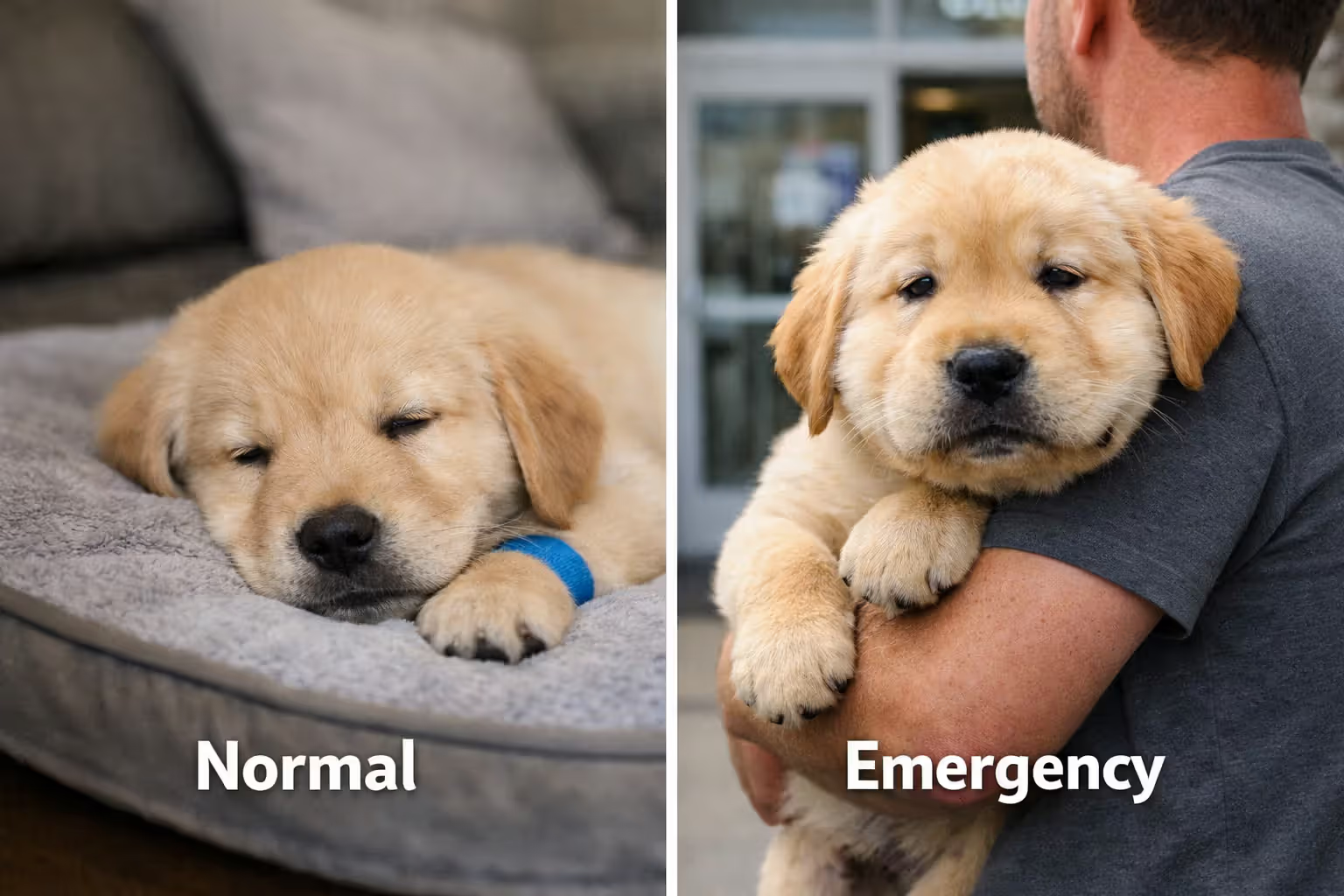
Split image showing normal post-vaccination puppy behavior versus signs of allergic reaction requiring emergency care
— Dr. Donald Henderson
Understanding the Difference Between Core and Non-Core Vaccines
Veterinary organizations sort vaccines into to buckets based on how widespread the disease is, how easily it spreads, and whether it can kill your dog.
Core Vaccines Every Puppy Must Have
These four protect against diseases so common and so dangerous that every single puppy needs them. No exceptions, no matter where you live or how you raise your dog.
Canine Distemper attacks from multiple angles—respiratory system, digestive tract, and brain all at once. Half the dogs who catch it die. The survivors? Many end up with permanent seizures or neurological damage that affects them forever.
Canine Parvovirus targets the intestinal lining and bone marrow, causing explosive bloody diarrhea and vomiting that rapidly dehydrates puppies. Even with aggressive hospital treatment costing thousands, many don't make it. The virus sticks around in the environment for months, waiting for the next unvaccinated puppy.
Canine Adenovirus-2 pulls double duty—it prevents both hepatitis (from adenovirus-1) and certain respiratory infections. The hepatitis form destroys liver and kidney tissue. Puppies can die suddenly before you realize anything's wrong.
Vaccination is the single most important thing we can do to protect the health of our animals. The diseases we vaccinate against are not historical curiosities — they are present, they are dangerous, and they are waiting
— Dr. Richard Ford
Rabies has a 100% fatality rate once symptoms appear. Not 99%. One hundred. It jumps to humans through infected saliva. That's why the government mandates this vaccine—it's a public health issue, not just about your dog.
These diseases don't require special circumstances. You can track parvovirus into your house on your shoes. Distemper floats through the air. Your fenced backyard doesn't protect against these threats.
Non-Core Vaccines Based on Lifestyle and Risk
Author: Hannah Bloomfield;
Source: alwaysonsalepetsupplies.com
These vaccines target diseases that concentrate in certain areas, affect specific lifestyles, or depend on particular environmental factors. Your vet weighs several considerations before recommending them.
Bordetella bronchiseptica causes kennel cough—think of it as the dog version of whooping cough. Spreads like wildfire anywhere dogs congregate. Essential if your puppy will attend daycare, stay in boarding kennels, get groomed professionally, join training classes, or visit dog parks regularly.
Leptospirosis comes from wildlife urine contaminating water and soil. City dogs walking where rats live face significant risk. Country dogs near ponds, streams, or wildlife areas need protection too. This bacterial disease wrecks kidneys and liver, and humans can catch it from infected dogs.
Lyme disease follows tick populations. Living in the Northeast, Upper Midwest, or parts of Northern California where deer ticks thrive? Planning hiking trips with your dog? This vaccine makes sense. Living in Arizona? Probably skip it.
Canine Influenza matters during outbreak situations or for dogs constantly around other dogs. Two different strains exist (H3N8 and H3N2), each requiring its own vaccine.
Rattlesnake vaccine reduces venom effects. Relevant if you're in Western states and actually take your dog where venomous snakes live.
Your 8-week-old puppy doesn't need every vaccine on this list. Be honest about your actual lifestyle. Apartment dog with minimal dog contact? Very different needs than a farm dog or one hitting the dog park three times weekly.
Complete Vaccination Timeline: 6 Weeks to 16 Months
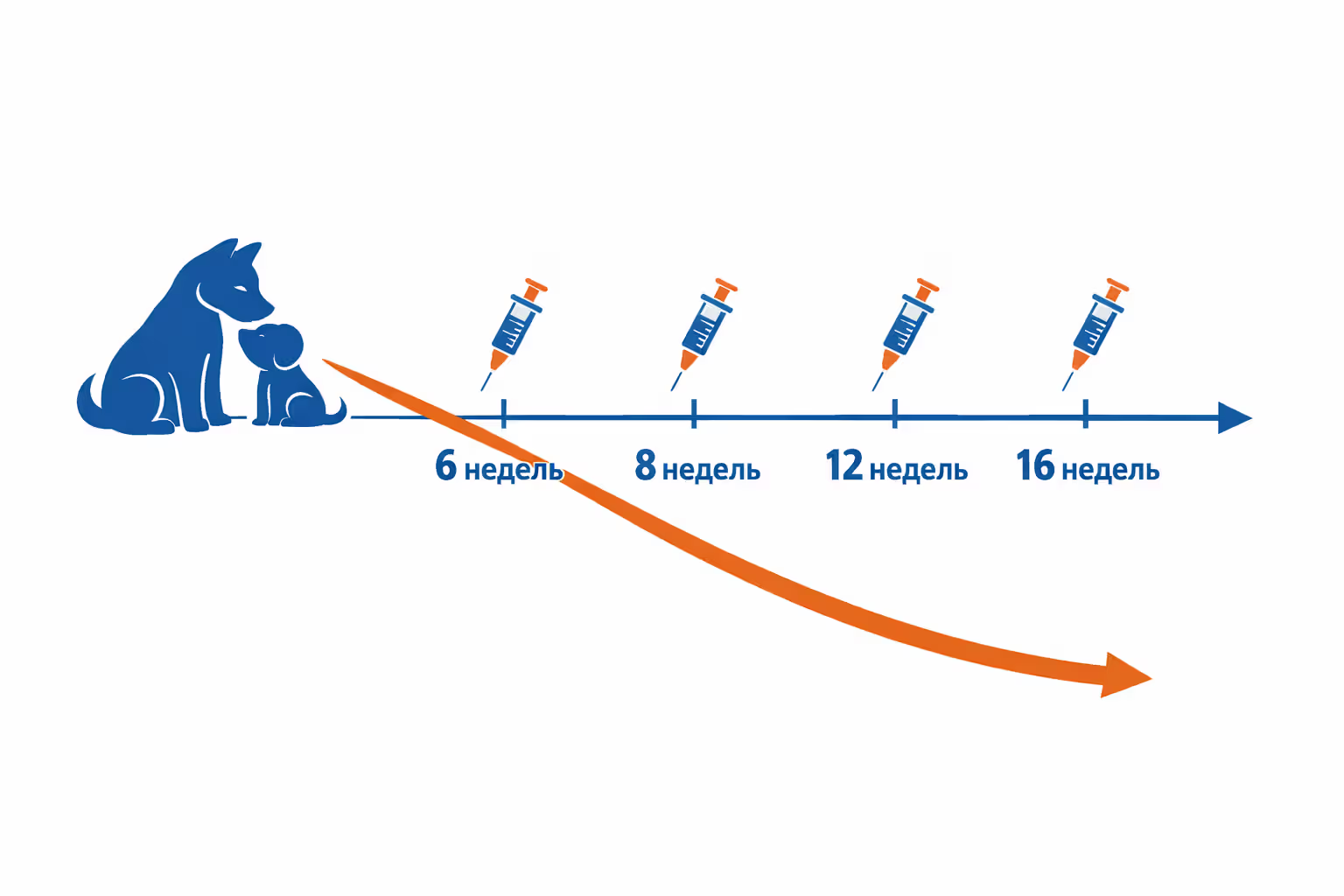
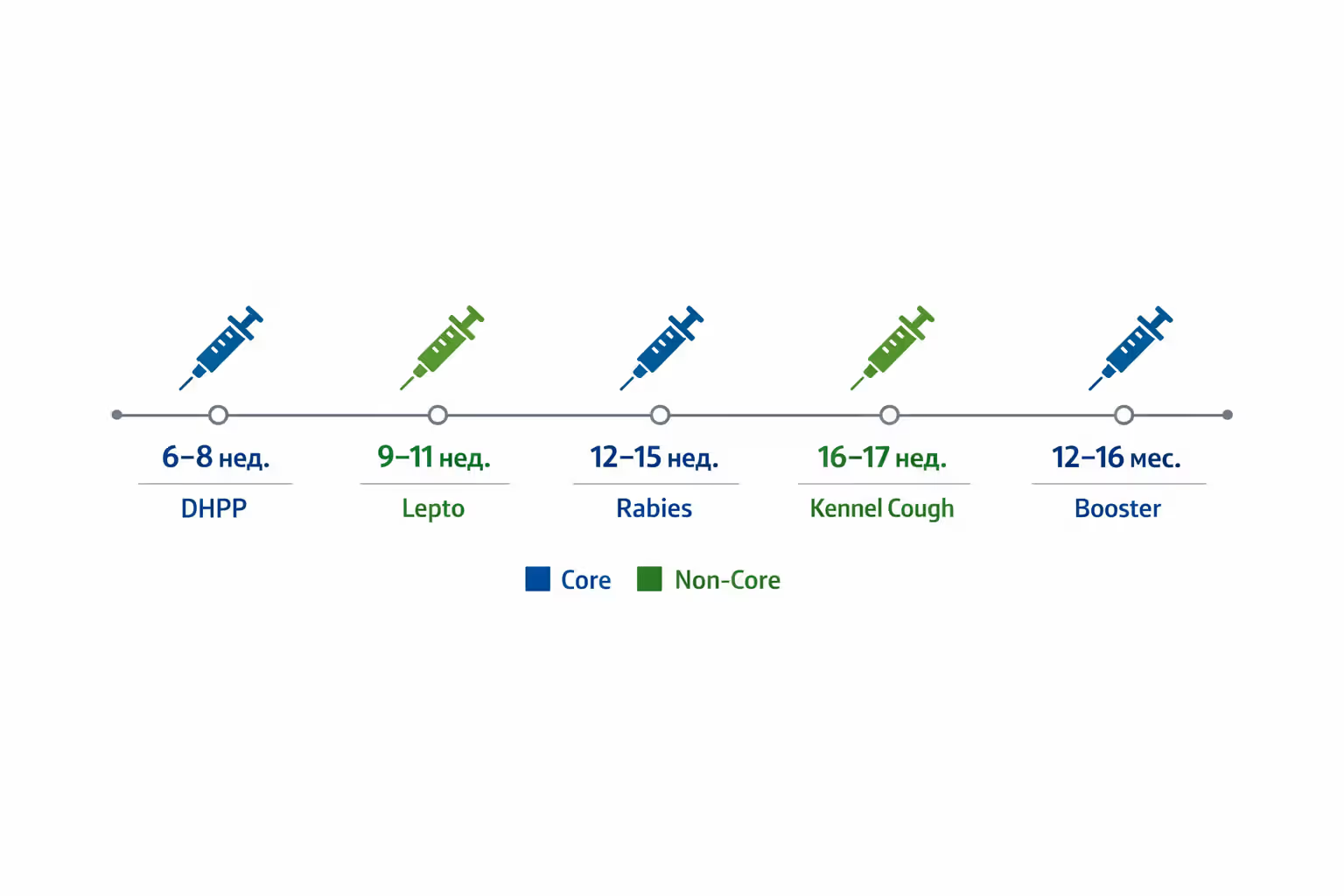
Puppies need multiple doses because one shot won't cut it. Their developing immune systems require repeated exposure to build lasting protection. Here's the standard roadmap:
Age/Weeks
Vaccine Name
Core/Non-Core
Booster Needed
6-8 weeks
First DHPP (Distemper, Hepatitis, Parvo, Parainfluenza)
Core
Yes—3 to 4 weeks later
9-11 weeks
Second DHPP, First Leptospirosis (if needed), First Bordetella (if needed)
Core + Non-Core
Yes—3 to 4 weeks later
12-15 weeks
Third DHPP, Second Leptospirosis (if needed), First Rabies
DHPP: every 3 years; Rabies: varies by state; Lepto: annually
Pay attention to these timing rules:
First rabies shot must wait until at least 12 weeks. Earlier than that, your puppy's immune system can't handle it properly, and the vaccine won't work. Most states require it between 12-16 weeks.
That final DHPP dose needs to happen at 16 weeks or after. Why? Maternal antibodies from mom's milk can block the vaccine from working. This last dose ensures protection kicks in after those maternal antibodies finally disappear.
Space shots minimum three weeks apart. Closer together overwhelms the immune response. Further apart is fine—you're just extending the vulnerable period.
Some vets start at 6 weeks, others at 8 weeks. Some give three DHPP doses, others give four. Both approaches work fine. The critical part is finishing the series—don't stop before that final dose.
Did your breeder or shelter already give some vaccines before you got your puppy? Get written proof showing exactly what they received and when. Your vet needs those dates to avoid over-vaccinating or leaving dangerous gaps.
Author: Hannah Bloomfield;
Source: alwaysonsalepetsupplies.com
Breaking Down Each Vaccine Your Puppy Will Receive
Let's talk specifics about what these shots actually do and what to watch for afterward.
DHPP/DAPP Combination Vaccine
This single injection protects against four different diseases. You'll see different abbreviations—DHPP, DAPP, DA2PP—but they're all essentially the same core vaccine combo.
The distemper component blocks a viral infection that simultaneously attacks respiratory, digestive, and nervous systems. Early signs look like a common cold—fever, coughing, runny nose. Then it escalates to vomiting, diarrhea, seizures, and paralysis. There's no cure, only supportive care while hoping your dog's immune system wins the fight.
Hepatitis (adenovirus) protection prevents liver infection that produces fever, belly pain, and bleeding disorders. Severe cases kill puppies suddenly, before you can even get them to a vet.
Parvovirus protection is arguably the most crucial part. Parvo spreads through infected feces and survives in soil and surfaces for months, sometimes years. Puppies who survive sometimes face chronic heart issues down the road.
Parainfluenza targets one cause of kennel cough. Less deadly than the other three, but it contributes to respiratory infections that spread fast when dogs gather in groups.
Side effects typically stay mild—slight fever, reduced appetite, or tenderness at the injection spot for a day or two. Serious reactions like facial swelling, breathing trouble, or collapse are rare but require immediate emergency care.
Rabies Vaccine Requirements by State
Zero wiggle room here. Rabies is universally fatal after symptoms develop, affects all mammals including humans, and causes progressive brain destruction.
Your puppy receives the initial rabies shot between 12-16 weeks, depending on state law. Some states mandate yearly boosters after that; others allow three-year intervals after the first one-year booster. Look up your specific state rules—"I didn't know" won't help if your dog bites someone and isn't current on rabies.
Rabies shots sometimes create a small lump at the injection site. A firm nodule might appear and stick around for weeks before vanishing. This differs from allergic reactions and usually needs no treatment unless it grows or hangs around past two months.
Many vets separate rabies from other vaccines to minimize side effects and identify which vaccine caused problems if reactions occur.
Bordetella, Leptospirosis, and Other Optional Shots
Bordetella comes in three forms: injectable, intranasal, or oral. The intranasal version works faster (protection in 48-72 hours instead of 2 weeks) but might cause temporary sneezing and nasal discharge. Most boarding facilities require this vaccine at least 7-10 days before check-in.
Leptospirosis requires two initial shots, then yearly boosters. This vaccine produces mild reactions (temporary tiredness, vomiting) slightly more often than others, especially in small breeds. Still, the disease is becoming more common nationwide, often making the protection worth the small reaction risk.
Lyme disease vaccine needs two initial doses, followed by yearly boosters timed before tick season arrives. It doesn't prevent infection—it reduces disease likelihood if an infected tick bites your dog. You still need tick prevention products even with vaccination.
Canine influenza requires two doses of each strain if your vet recommends both H3N8 and H3N2 protection. Immunity takes about four weeks to develop, so plan ahead if you're boarding your puppy during holidays.
Your vet might not suggest every non-core vaccine. A mostly indoor puppy with limited dog interaction doesn't need Bordetella. An Arizona dog probably doesn't need Lyme. Trust your vet's risk assessment, but speak up if recommendations don't make sense for your situation.
How Much You'll Pay for Puppy Vaccinations
Vaccine costs swing wildly depending on where you live, which provider you choose, and what else gets included in the appointment. Budget before you bring your puppy home.
Typical Vaccine Pricing
Vaccine Type
Traditional Vet
Budget Clinic
Shelter Program
DHPP (per dose)
$25-$45
$15-$25
$10-$20
Rabies
$20-$35
$10-$20
$5-$15
Bordetella
$20-$35
$15-$25
$10-$20
Leptospirosis (per dose)
$25-$40
$20-$30
$15-$25
Lyme (per dose)
$25-$40
$20-$30
Sometimes unavailable
Office visit
$50-$100
$0-$25
$0-$15
Plan on spending $300-$600 total for the complete puppy series through a regular vet clinic. This covers three to four DHPP doses, rabies, and any non-core selections like Bordetella or Leptospirosis.
Traditional vet practices charge more, but you're getting physical exams with each visit. Your vet listens to heart sounds, checks for hernias, tests for parasites, and tracks developmental milestones—catching problems early when they're easier and cheaper to fix. You're buying comprehensive healthcare, not just injections.
The goal of medicine is to keep the patient from ever needing emergency care. In veterinary practice, the vaccine schedule is our most powerful preventive tool — and it’s one that costs a fraction of what we spend treating what it prevents
— Dr. Marty Becker
Low-Cost Vaccination Clinics and Alternatives
Plenty of communities offer affordable vaccine options that dramatically cut costs while maintaining safety standards:
Tractor Supply and similar retailers host weekend vaccine clinics where licensed vets give shots for $10-$25 each. No appointment needed, though expect lines during peak times. These clinics skip physical examinations.
Animal shelters and humane societies often run public vaccine events monthly or quarterly, charging $5-$25 per vaccine. Some limit services to low-income households, while others welcome everyone.
Mobile vet clinics travel through neighborhoods offering vaccines at moderate rates ($15-$30 per shot). They provide more personalized service than retail clinics but less comprehensive care than full-service hospitals.
Veterinary schools with teaching hospitals sometimes offer reduced-cost services through student clinics supervised by licensed vets. Contact nearby universities with vet programs to ask about public services.
Puppy packages at private clinics bundle all puppy vaccines, deworming, and sometimes spay/neuter surgery into one discounted price ($200-$400). These save money when you're planning to use that clinic long-term.
The tradeoff with budget options? Limited medical oversight. If your puppy has health concerns needing monitoring, paying extra for regular vet exams during the vaccine series delivers better overall care. Healthy puppies can safely use low-cost clinics for routine shots.
Some vets offer payment plans or accept CareCredit (medical financing) when upfront costs create hardship. Ask about options—most vets prefer helping you vaccinate now versus treating preventable diseases later.
What to Expect During and After Vaccination Appointments
Smart preparation reduces stress for both you and your puppy.
Bring previous vaccine documentation if your breeder or shelter started the series. Your vet must know exactly what your puppy already received and when, preventing over-vaccination or dangerous gaps in protection.
Hold your puppy or keep them in a carrier while in the waiting room. Floors might harbor contamination from sick animals. Don't let your puppy greet unknown dogs—you don't know their health status.
Author: Hannah Bloomfield;
Source: alwaysonsalepetsupplies.com
The actual vaccine takes seconds. Most puppies barely react to the needle. Some vets offer treats during the injection, building positive associations.
After vaccination, expect your puppy to act somewhat quiet for 12-24 hours. Normal responses include:
Mild lethargy or less interest in playing
Skipping one meal or eating less than usual
Tenderness at the injection spot (your puppy might yelp if touched there)
Slight temperature increase
Small swelling or bump where the needle went in
These reactions show the immune system working properly. They shouldn't seriously interfere with daily activities.
Warning signs requiring immediate vet attention:
Facial swelling, especially around eyes or muzzle
Raised welts or hives on skin
Difficult breathing or excessive panting
More than two episodes of vomiting or diarrhea
Difficulty standing or collapse
Seizures
Severe reactions usually happen within minutes to a few hours after vaccination. Stick around for at least 30 minutes post-vaccine, and avoid scheduling shots right before the clinic closes in case problems develop.
Skip intense exercise for 24 hours after vaccination. Normal play is fine, but postpone dog park trips or rigorous training sessions. Your puppy's immune system is actively working and needs energy for building immunity.
Some vets suggest Benadryl before vaccination if your puppy had previous mild reactions. Never do this without veterinary guidance—proper dosage depends on weight, and masking reactions can delay critical treatment if serious problems emerge.
Frequently asked questions about puppy vaccinations
Can I take my puppy outside before all shots are complete?
Your puppy can experience controlled outdoor areas, but avoid high-risk locations until two weeks after the final vaccine. High-risk means anywhere unvaccinated dogs might have been—public parks, pet stores, busy sidewalks.Safe outdoor exposure includes your private yard (if no unvaccinated dogs access it), carrying your puppy in public, and supervised playtime with fully vaccinated adult dogs you personally know.Socialization between 8-16 weeks is critical for behavioral development. According to the American Veterinary Society of Animal Behavior, more dogs die from behavior issues than from parvo. Balance infection risk with socialization needs by choosing environments carefully—puppy classes requiring vaccine proof, homes of friends with healthy vaccinated dogs, or low-traffic outdoor spots.
What if my puppy misses a scheduled shot?
Missing by a few days or one week? Just reschedule as soon as possible and continue the series. The spacing between doses matters more than hitting exact calendar dates.When multiple weeks or months pass, your vet might suggest restarting the entire series. Immunity doesn't build correctly with excessively long gaps. Don't skip the appointment because you think you're "too late"—call your vet to figure out the best next step.Missing that final dose after 16 weeks creates particular problems. Some puppies don't achieve full immunity until that last injection. Stopping at three doses instead of four might leave your puppy vulnerable despite being mostly protected.
Do indoor dogs really need vaccines?
Indoor dogs absolutely need core vaccines. Parvovirus survives on your shoes, clothes, and anything else brought inside. Bats occasionally get into homes, creating rabies risk. When your dog eventually needs emergency care, boarding, or grooming, they'll encounter other animals.Rabies vaccination isn't optional—it's legally required regardless of lifestyle. You can't opt out by claiming your dog stays inside.You might reasonably skip non-core vaccines like Bordetella if your dog truly has zero contact with other dogs. But "indoor dog" often becomes "mostly indoor dog who occasionally visits friends with dogs" or "indoor dog who sees the vet twice yearly." Be honest about your real situation.
How long does vaccine protection last?
Core vaccines (DHPP) provide immunity for at least three years after finishing the initial series. Many dogs maintain protection much longer—some for their entire lives—but we either test antibody levels or revaccinate every three years to ensure continued protection.Rabies vaccines come labeled as one-year or three-year products. Often the actual formula is identical; the difference reflects how much testing manufacturers completed for licensing. After the initial vaccine and one-year booster, most states accept three-year rabies vaccines.Non-core vaccines generally need yearly boosters. Bordetella immunity fades after 6-12 months. Leptospirosis requires annual refreshing. Lyme protection lasts roughly one year.Your vet might suggest checking antibody titers (blood tests measuring immunity) rather than automatically revaccinating adult dogs every three years. Titers cost more than vaccines but prevent unnecessary injections when your dog maintains strong immunity.
Do puppies ever have vaccine reactions?
Yes, though serious reactions are uncommon. Mild reactions (brief tiredness, slight fever, reduced appetite) affect roughly 1 in 100 puppies. Moderate reactions (vomiting, facial swelling, hives) happen in about 1 in 1,000. Severe life-threatening reactions (anaphylaxis) occur in approximately 1 in 10,000 to 1 in 100,000 vaccinations.Small-breed dogs under 20 pounds experience reactions more frequently, possibly because they receive identical vaccine volumes as large breeds. Some vets split vaccines across multiple visits for tiny dogs, reducing this risk.Puppies reacting to one vaccine type can usually receive others safely. If your puppy reacted to Leptospirosis, for example, your vet might continue DHPP and rabies while eliminating Lepto going forward.Previous reactions don't automatically disqualify your puppy from vaccines—they mean your vet will take precautions like antihistamine premedication, spacing vaccines further apart, or monitoring your puppy longer after injection.
Do puppies need yearly shots forever?
After completing the puppy series and one-year booster, core vaccines (DHPP) are given every three years, not annually. Over-vaccination offers no additional benefit while increasing small reaction risks.Rabies boosters follow your state's legal requirements—either yearly or every three years after completing the initial series.Non-core vaccines often need yearly boosters to maintain protection. Bordetella, Leptospirosis, Lyme, and Canine Influenza typically require annual revaccination.Your yearly vet checkup remains important even during years without vaccines. Many health conditions are easier and cheaper to treat when caught early during routine exams.
Protecting your puppy through proper vaccination ranks among your most important jobs as a dog owner. The schedule might seem complicated, but it boils down to a series of appointments over several months that deliver years of disease protection.
Start vaccines at 6-8 weeks, continue every 3-4 weeks until at least 16 weeks, and complete the one-year boosters. Core vaccines guard against fatal diseases every puppy faces. Non-core vaccines depend on your specific situation and your vet's risk evaluation for your area and lifestyle.
Budget $300-$600 for the full series through private vet clinics, or explore low-cost options when money's tight. Don't skip vaccines over cost—treating preventable diseases costs far more than preventing them.
Watch for normal mild reactions the day after vaccination, but seek immediate care if your puppy shows signs of severe reaction. Most puppies sail through the vaccine series with zero complications.
The effort you invest now following the puppy vaccine schedule pays dividends throughout your dog's entire healthy life. Diseases that once killed thousands of dogs yearly are now rare because of widespread vaccination. Give your puppy that same protection.
Discover the key signs that your dog may be suffering, explore veterinarian-approved quality of life assessment tools, and get a clear, step-by-step breakdown of the euthanasia process — so you can make this heartbreaking decision with clarity, compassion, and confidence
Discover which dog breeds consistently live the longest, why small breeds almost always outlive their larger counterparts, and what science says about the size-lifespan connection. Learn how to maximize your dog’s years through smart nutrition, weight control, and preventive veterinary care
Every dog breed ages differently. Small dogs outlive giants, mixed breeds beat purebreds, and your daily choices matter more than genetics. Here’s what science reveals about canine lifespan — and how to add years to your dog’s life
Find out which temperatures put your dog at risk, how breed and body size change cold tolerance, what warning signs mean danger, and the exact steps to keep your pet safe and healthy throughout the winter season outdoors.
The content on this website is provided for general informational and educational purposes only. It is intended to offer guidance on dog breeds, behavior, health, care, and lifestyle, and should not be considered a substitute for professional veterinary advice, diagnosis, or treatment.
All information published on this site is based on general knowledge, widely accepted research, and practical experience, but individual dogs may differ in behavior, health conditions, and needs. Results and outcomes may vary depending on the dog, environment, and circumstances.
The website is not responsible for any errors or omissions, or for actions taken based on the information provided. For specific concerns regarding your dog’s health or behavior, always consult a qualified veterinarian or professional dog specialist.