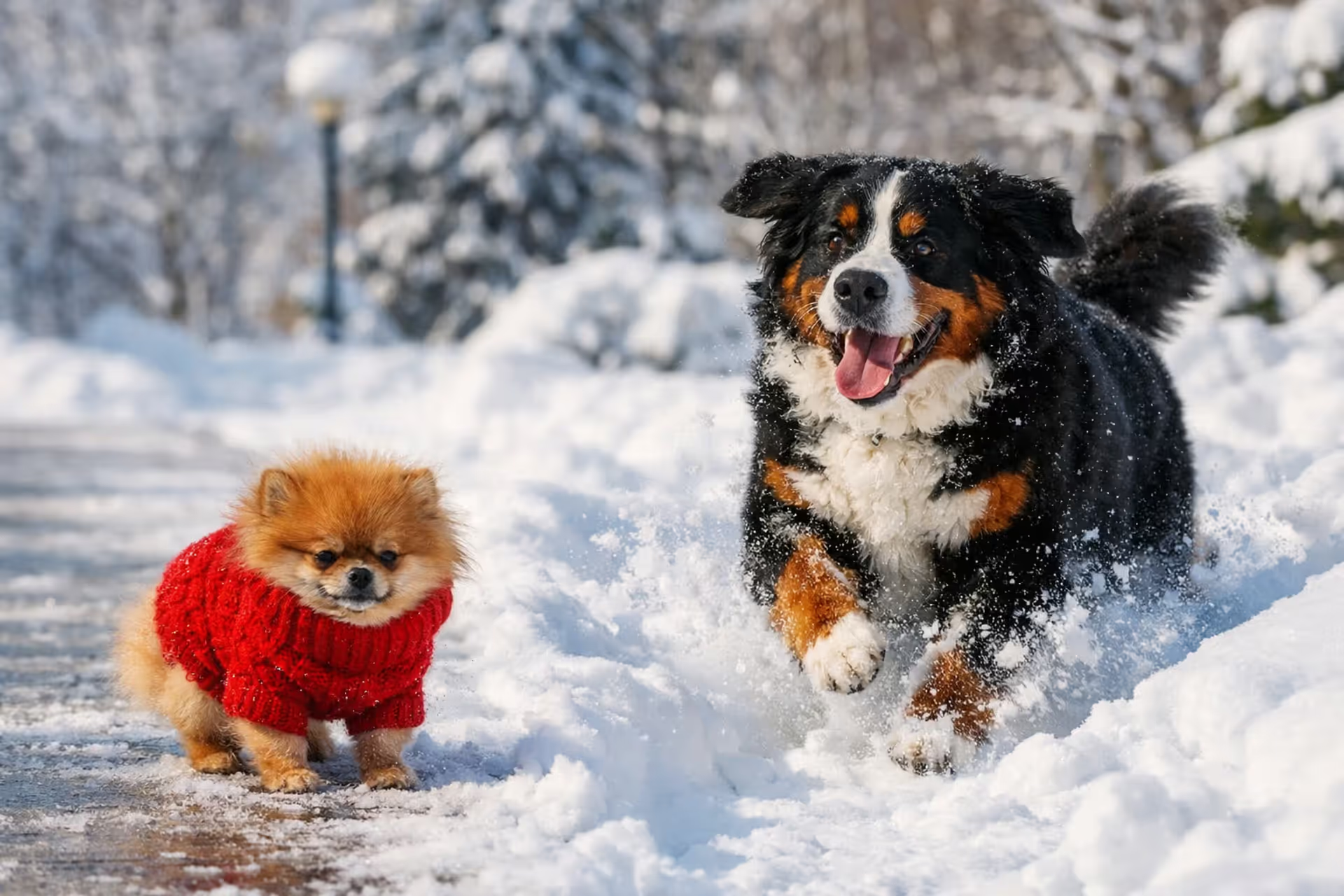
Last February, my neighbor's Pomeranian lasted maybe three minutes in 18°F weather before her paws started bleeding from ice crystals. Meanwhile, the Bernese Mountain Dog down the street was literally refusing to come inside after an hour of snow play. That's the confusing reality of dog cold tolerance—there's no universal number that works for every pet.
Your dog's winter safety depends on five major factors working together: their body size, what kind of coat they're wearing, how old they are, their overall health, and whether they've spent time adjusting to dropping temperatures. Arctic breeds like Malamutes can genuinely enjoy weather that would kill a hairless breed in under ten minutes. I'm going to walk you through the exact temperature ranges where risk starts, and show you how to calculate your specific dog's limits based on their physical characteristics.
Temperature Thresholds: When Cold Weather Becomes Dangerous for Dogs
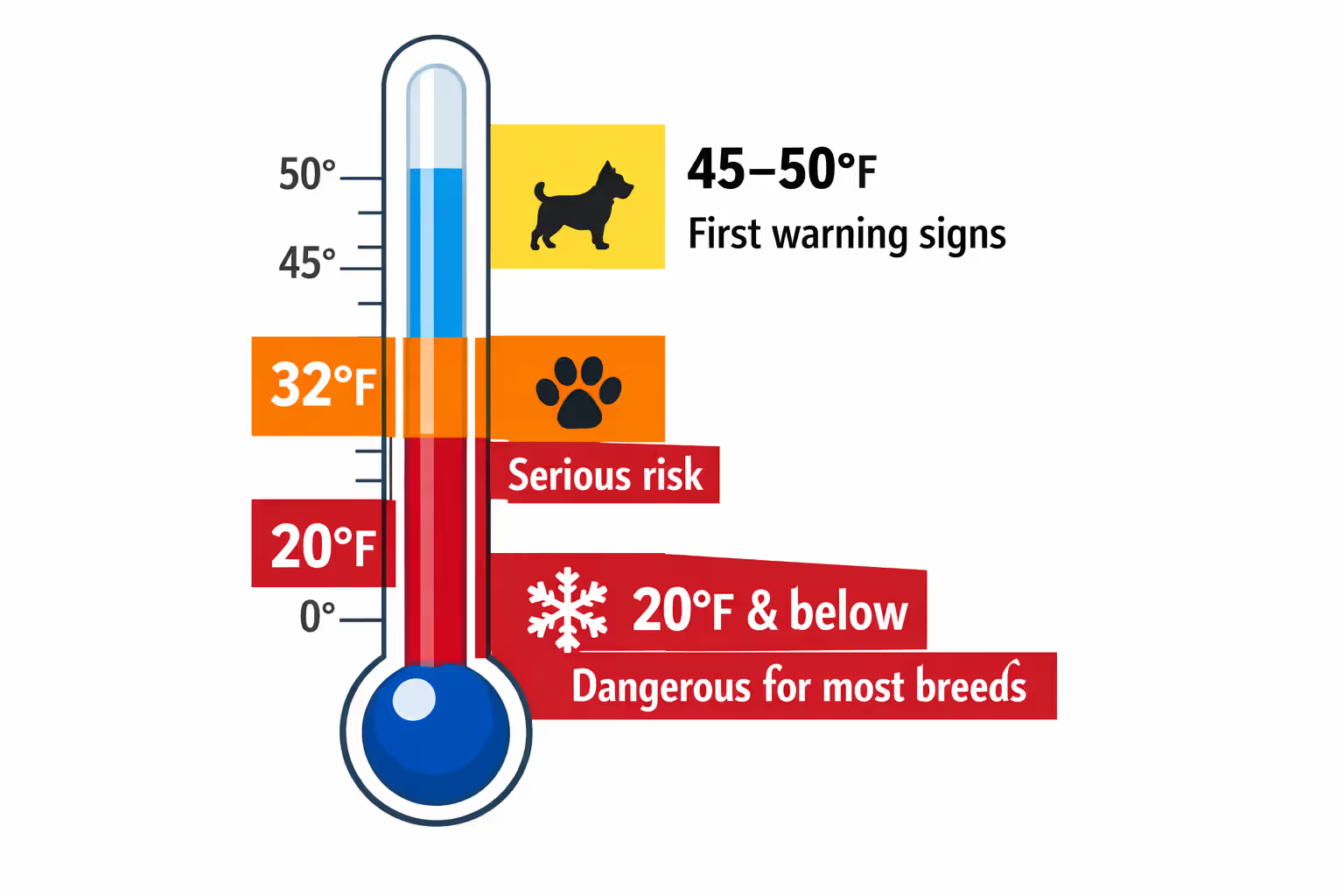
Veterinary medicine recognizes three distinct danger zones as mercury drops:
45°F to 50°F: First warning signs appear for at-risk dogs. Toy breeds, elderly dogs, puppies under six months, and thin-coated breeds like Greyhounds start showing discomfort here. You'll notice them seeking sunny patches or trying to cut walks short. Most medium and large dogs with typical double coats won't struggle yet, but watch their body language if you're out for more than 20 minutes. Whippets and similar sight hounds usually need their first layer of clothing around 48°F.
32°F (the freezing mark): Serious risk begins for vulnerable dogs. Once water freezes, so does everything touching the ground. Small dogs weighing under 15 pounds can develop dangerous conditions within 15-20 minutes of exposure. Ice forms directly on pavement and grass, causing contact burns on unprotected paw pads. Here's what people miss—wind chill matters enormously. A calm 20°F morning with sunshine is safer than 32°F with 20 mph winds, which creates an effective temperature around 15°F against exposed skin. Even cold-adapted breeds should stay under 30 minutes outside, and that assumes they're moving around, not standing still.
20°F and lower: Dangerous for almost every breed. Frostbite can begin damaging ear tips, tails, and paw pads within 10-15 minutes of exposure. Hypothermia risk jumps dramatically. Only specialized arctic breeds—Alaskan Malamutes, Samoyeds, Siberian Huskies—should spend more than bathroom-break time outdoors. Small dogs need to be back inside within five minutes maximum, and that's with protective boots and coats on.
Author: Matthew Ridgeway;
Source: alwaysonsalepetsupplies.com
Here's how to tell discomfort from actual danger: Discomfort means your dog feels cold but will recover quickly with no intervention once you're back inside. Danger means tissue damage has started, core temperature is dropping below the normal 101-102.5°F range, and your dog needs active warming and possibly vet care. For most breeds, that transition from uncomfortable to medically dangerous happens somewhere between 32°F and 20°F, usually within 20-45 minutes depending on conditions. Wet dogs hit that danger point much faster.
Wind chill and moisture turn moderate cold into severe cold instantly. A drizzly 35°F day is actually more dangerous than a dry, calm 25°F afternoon because water pulls heat away from your dog's body about 25 times faster than air does. Dry snow sitting on top of a thick coat can actually add insulation, but once it melts through to skin, your dog is in trouble.
Why Cold Tolerance Varies: Size, Breed, and Coat Type Matter
Put two different dogs in identical 25°F weather and you might see completely opposite reactions. One starts shaking within five minutes while the other is trying to convince you to throw snowballs for another half hour. This isn't random—it's basic biology combined with centuries of selective breeding.
Dogs are not cold-weather machines. Even the hardiest arctic breed has a breaking point, and it’s the owner’s job to know where that point is before the dog reaches it
— Dr. Jerry Klein
Small Dogs vs. Large Dogs: Size-Based Vulnerability
Basic physics makes winter brutal for small dogs. They've got significantly higher surface-area-to-body-mass ratios, which means they're losing heat much faster than big dogs. A five-pound Yorkie has roughly three times more skin surface per pound of body weight compared to a 70-pound Lab.
Small dogs also face a ground-proximity problem. Their chest and belly sit just inches from frozen pavement or snow, exposing core body areas to radiant cold constantly. Short legs mean even moderate snow depth reaches their vital organs. Toy breeds under 10 pounds really shouldn't be outside longer than 5-10 minutes once you're below freezing, even wearing sweaters.
Large dogs maintain warmth more efficiently and carry more muscle mass to generate heat through movement. A 90-pound German Shepherd can reasonably spend 30 minutes patrolling a yard at 20°F. A six-pound Maltese would be in medical distress within five minutes.
Age multiplies these size disadvantages. Puppies haven't developed full temperature regulation systems yet, and senior dogs often struggle with reduced circulation and thinning coats. A 12-year-old Chihuahua needs protection at temperatures where the same dog at age three was perfectly fine.
Hypothermia and frostbite are entirely preventable. The majority of cases I see come down to one thing: owners underestimating how fast cold damages tissue in small or short-coated dogs
— Dr. Tina Wismer
Breeds Built for Cold vs. Cold-Sensitive Breeds
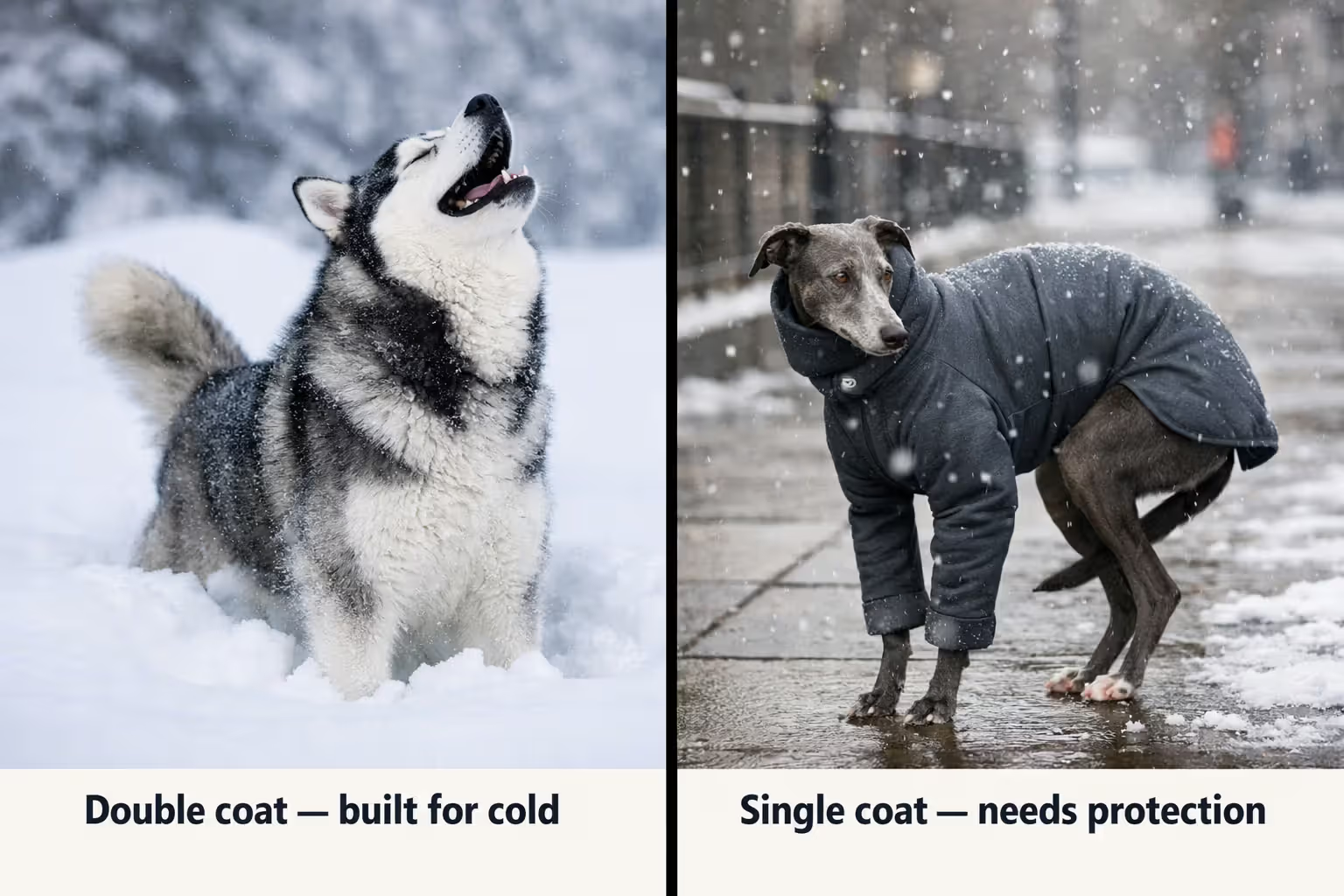
Your dog's breeding history predicts cold tolerance better than any other single factor. Breeds developed in arctic regions or high mountains come equipped with physical adaptations: incredibly dense double coats, compact ear shapes that resist frostbite, furry paws, and metabolisms calibrated to generate heat efficiently.
Cold-weather specialists include Siberian Huskies, Alaskan Malamutes, Saint Bernards, Bernese Mountain Dogs, Newfoundlands, Tibetan Mastiffs, and Samoyeds. These dogs genuinely prefer cold weather—many of them get uncomfortable in normal 70°F room temperatures. Their undercoat layer traps warm air directly against skin while outer guard hairs deflect moisture.
Cold-vulnerable breeds lack every one of those adaptations. Greyhounds, Whippets, Italian Greyhounds, Chihuahuas, Chinese Cresteds, and Xoloitzcuintlis come with thin coats and almost zero body fat. Brachycephalic breeds (Bulldogs, Pugs, Boston Terriers, French Bulldogs) already struggle with basic temperature regulation, making them vulnerable in both heat waves and cold snaps.
Author: Matthew Ridgeway;
Source: alwaysonsalepetsupplies.com
Single-coated breeds like Poodles, Maltese, and Yorkshire Terriers don't have that insulating undercoat layer. Yes, their hair grows continuously, but continuous growth doesn't equal cold protection. These breeds typically need jackets starting around 40°F.
Breed Name
Size Category
Coat Type
Safe Minimum Temperature
Cold Tolerance Rating
Siberian Husky
Large
Thick double coat
-20°F
High
Alaskan Malamute
Large
Thick double coat
-25°F
High
Saint Bernard
Giant
Dense double coat
-10°F
High
Bernese Mountain Dog
Large
Long double coat
-5°F
High
German Shepherd
Large
Medium double coat
20°F
High
Labrador Retriever
Large
Short double coat
25°F
High
Golden Retriever
Large
Long double coat
20°F
High
Australian Shepherd
Medium
Medium double coat
25°F
Medium-High
Beagle
Medium
Short single coat
35°F
Medium
Boxer
Large
Short single coat
40°F
Medium
Standard Poodle
Medium-Large
Curly single coat
40°F
Medium
French Bulldog
Small
Short single coat
45°F
Low-Medium
Boston Terrier
Small
Short single coat
45°F
Low-Medium
Dachshund
Small
Variable coat types
40°F
Medium
Chihuahua
Toy
Short single coat
50°F
Low
Yorkshire Terrier
Toy
Long silky single coat
45°F
Low
Greyhound
Large
Thin single coat
45°F
Low
Whippet
Medium
Thin single coat
45°F
Low
Italian Greyhound
Small
Thin single coat
50°F
Low
Pug
Small
Short single coat
45°F
Low-Medium
7 Warning Signs Your Dog Is Too Cold Outside
Your dog can't verbally tell you they're dangerously cold, but they're absolutely communicating through body signals. Missing these warnings can result in frostbite or hypothermia developing within minutes.
1. Shivering or trembling. Their body is contracting muscles rapidly to generate heat. Occasional light shivering might just mean they're chilly and managing it. Continuous, violent shivering means they're losing the internal heat battle. Small dogs sometimes shiver so intensely they can barely stand or walk straight.
2. Lifting paws or refusing to walk. When your dog keeps lifting individual paws, holds legs up, or plants their feet and won't move forward, their pads are painfully cold or ice is actively burning them. Chemical ice melts make this exponentially worse by causing chemical burns on top of temperature damage.
3. Whining, barking, or displaying obvious anxiety. Unusual vocalizations during cold exposure typically signal distress. Dogs might bark repeatedly at doors, physically pull toward home with all their strength, or whine while standing frozen in place—these are all attempts to tell you something's wrong.
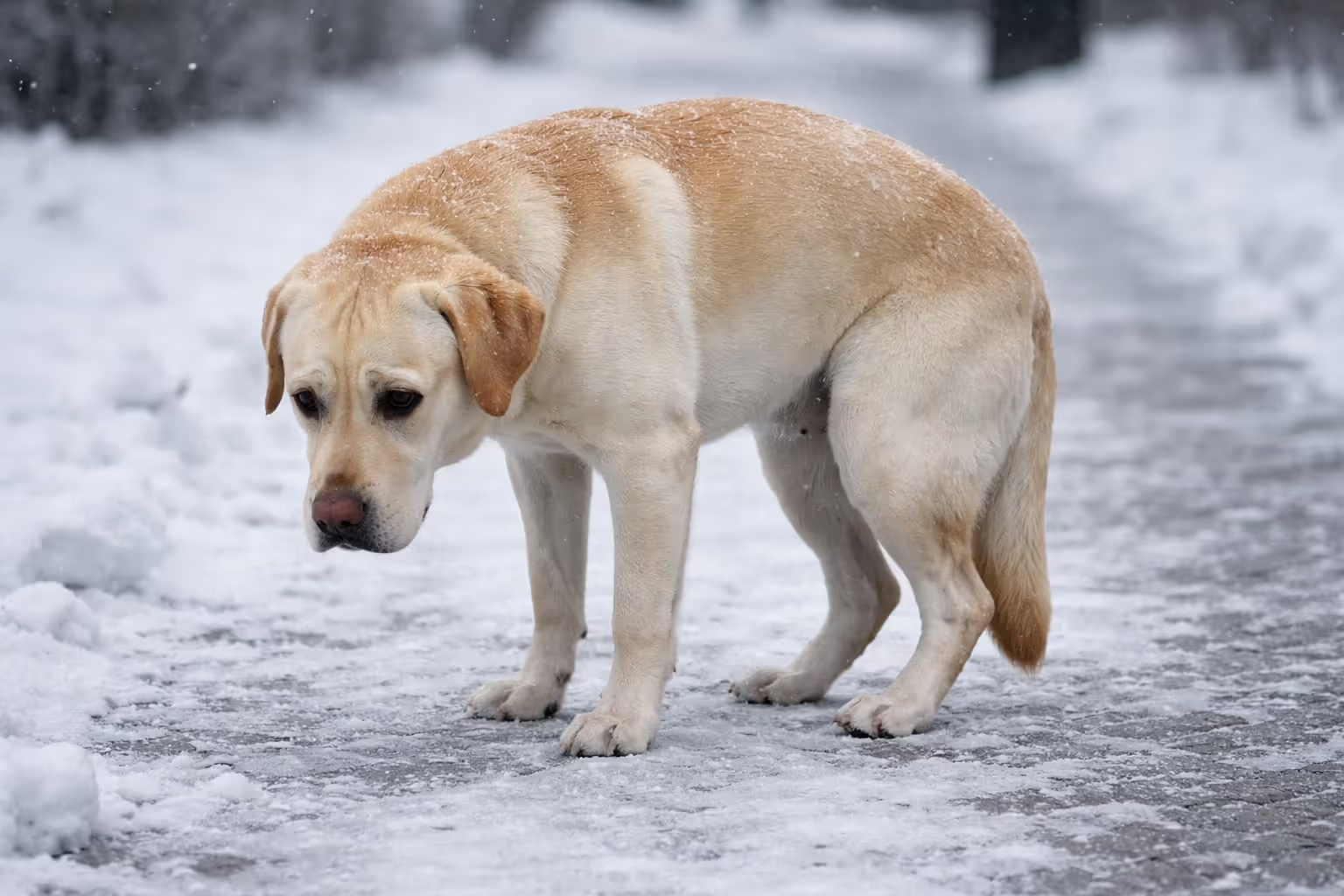
4. Hunched posture with tail tucked tight. Dogs instinctively curl inward to minimize how much surface area they're exposing to cold air. A tucked tail, arched back, and lowered head position means they're actively trying to conserve whatever heat remains. This position also shields vulnerable spots like their belly and genitals from wind.
Author: Matthew Ridgeway;
Source: alwaysonsalepetsupplies.com
Author: Matthew Ridgeway;
Source: alwaysonsalepetsupplies.com
5. Slowed movement or unusual lethargy. Cold directly affects muscle function and coordination. If your typically energetic dog is suddenly moving sluggishly, seems stiff in their gait, or actually lies down in snow, their core temperature might be dropping. Lethargy is one of the earliest hypothermia symptoms you'll observe.
6. Actively seeking warmth or shelter. Dogs attempting to burrow under bushes, pressing their bodies against warm buildings, or flat-out refusing to leave heated spots are telling you they're past their limit. Some dogs will literally try climbing inside their owner's jacket or persistently sit on their feet.
7. Pale or grayish gums. Lift your dog's lip and check gum color. Normal healthy gums appear pink. Pale, whitish, or gray-toned gums indicate compromised blood circulation—this is serious, meaning their body is pulling blood away from extremities to protect core organs.
If you're seeing multiple warning signs together—especially shivering combined with lethargy or dramatic behavior changes—get your dog inside immediately. Warm them gradually using blankets and room-temperature surroundings. Never apply direct heat sources like heating pads or hot water bottles, which can cause thermal shock. Offer room-temperature water to drink. Contact your veterinarian if symptoms continue after 20 minutes of indoor warming.
Can Dogs Sleep or Stay Outside in Winter? Safety Rules by Temperature
Here's my direct answer: most dogs shouldn't stay outside overnight once temperatures drop below 45°F, and keeping any dog outside below freezing is dangerous no matter what shelter you provide.
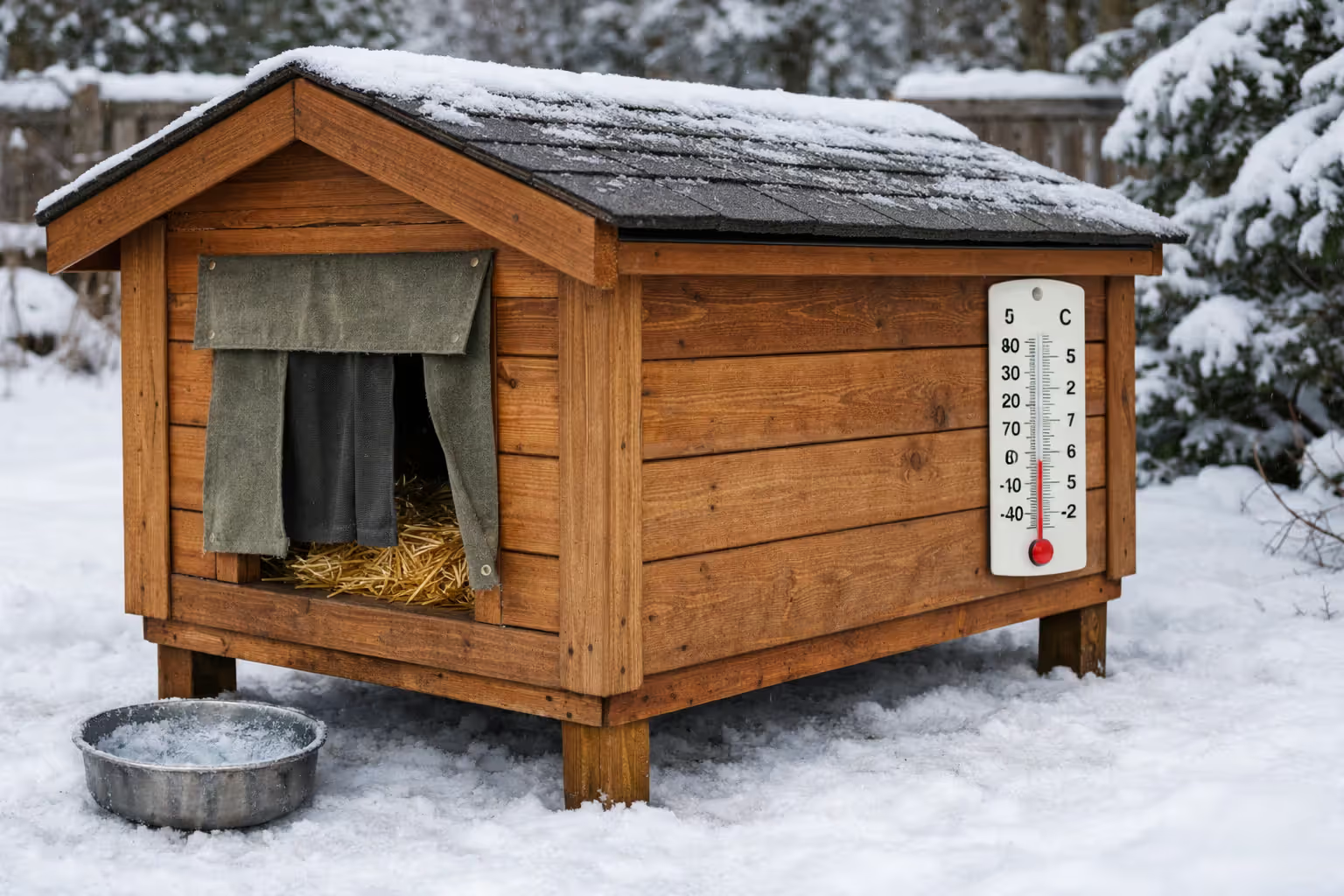
Too many owners assume a doghouse equals adequate protection. It doesn't—not even close. Standard doghouses without proper insulation, elevated flooring, and correctly sized entrances allow body heat to escape rapidly. Dogs lose heat to frozen ground through direct conduction. Wind penetrates construction gaps easily. Moisture from your dog's breathing creates humidity inside the shelter, which actually makes cold worse.
If circumstances absolutely require your dog to stay outside temporarily during cold weather, these shelter features are non-negotiable minimums:
Walls, floor, and roof must have real insulation with R-value appropriate for your local winter climate
Floor needs to be elevated 4-6 inches minimum off ground level to prevent ground cold from conducting upward
Entrance should be offset or equipped with a heavy flap that blocks wind
Interior size must fit your specific dog—large enough they can stand up and turn around comfortably, but small enough that their body heat can actually warm the space
Bedding must be dry and changed frequently (straw works substantially better than fabric blankets, which absorb and hold moisture)
Entire structure positioned so entrance doesn't face directly into prevailing winter winds
Even with all those features in place, outdoor dogs face serious risks once you're below 32°F. Water bowls freeze solid and require checking multiple times daily. Heavy snowfall can block entrances completely. Frostbite can develop on ear tips and tail ends during overnight hours. Senior dogs, puppies, and dogs with any health conditions should never, ever stay outside in freezing temperatures.
Author: Matthew Ridgeway;
Source: alwaysonsalepetsupplies.com
Author: Matthew Ridgeway;
Source: alwaysonsalepetsupplies.com
Multiple states and municipalities have actual laws regulating outdoor dog housing during extreme temperatures. Pennsylvania's law requires dogs to have shelter access when temperatures fall below 32°F or rise above 90°F. Michigan statutes mandate "adequate shelter" appropriate to breed characteristics, with violations constituting animal cruelty charges. Look up your local ordinances—you might be legally required to bring dogs inside during severe cold.
Breed still matters significantly here. A healthy adult Husky with properly designed shelter might safely stay outside at 15°F for several hours. That same temperature would be medically dangerous for a Greyhound within 30 minutes, shelter or no shelter. If you're uncertain about your specific situation, the safe choice is bringing your dog inside. No breed truly thrives in extreme cold without the option to warm up indoors periodically.
6 Proven Ways to Keep Your Dog Warm During Winter Walks and Outdoor Time
Smart preparation makes the difference between safe winter exercise and dangerous cold exposure.
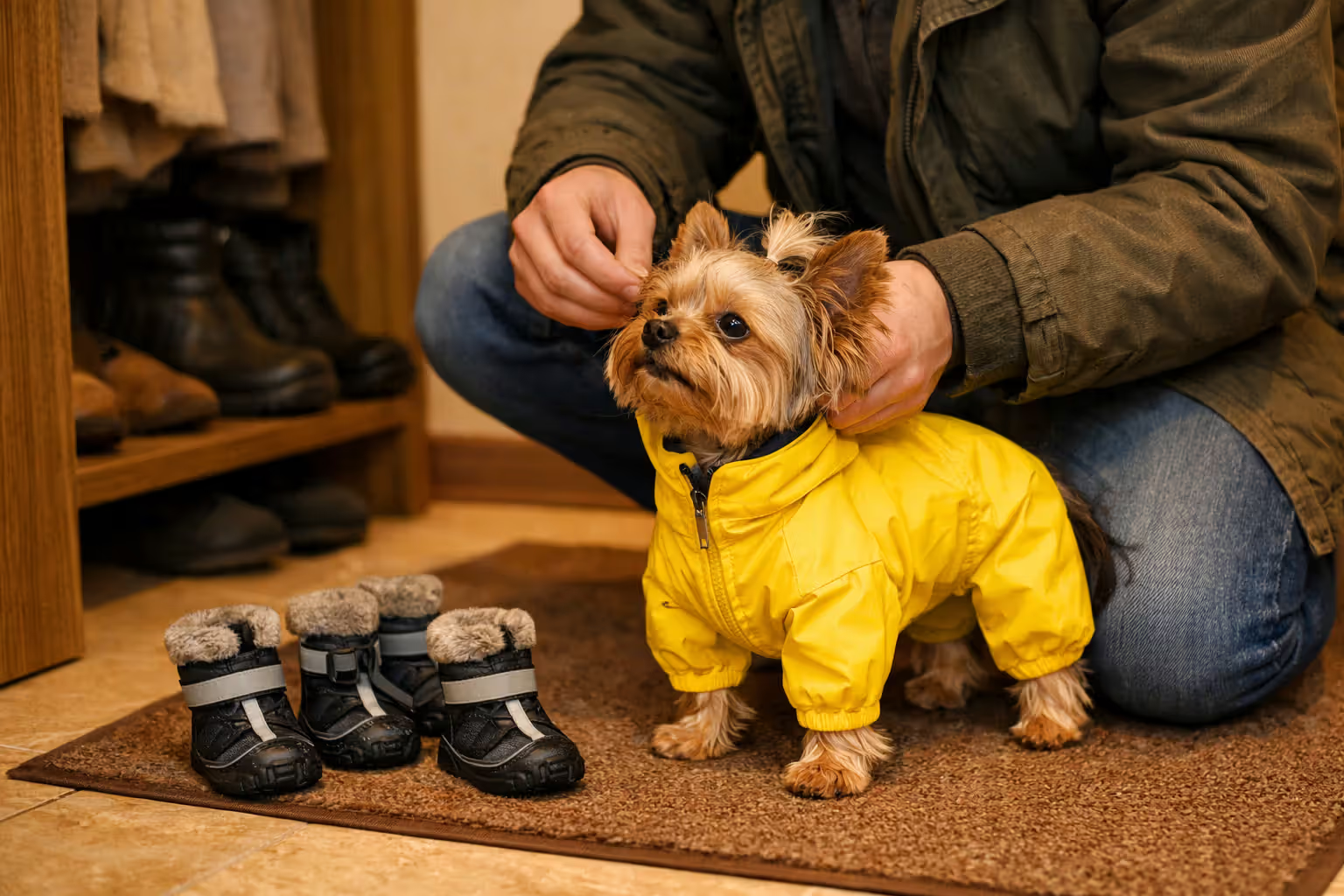
1. Invest in functional cold-weather gear. Dog coats aren't fashion accessories—they're genuine protection for thin-coated breeds and small dogs. Look for jackets covering from chest to tail base, with waterproof outer shells. Booties protect paws from ice, road salt, and chemical ice melt burns. Most dogs resist booties initially, but proper sizing and gradual indoor introduction usually succeeds within a few days. If your dog absolutely refuses booties, products like Musher's Secret wax or Paw Soother balm create protective barriers on pad surfaces.
2. Adjust walk duration based on actual temperature plus wind chill. Here's my working guideline: Above 45°F allows normal walk times for most breeds. Between 32-45°F, cut walk duration by one-third for small dogs and cold-sensitive breeds. Between 20-32°F, limit walks to 15-20 minutes maximum for medium dogs, 10 minutes for small breeds. Below 20°F, stick to bathroom breaks only (under five minutes) for all breeds except arctic specialists.
3. Pre-walk acclimation reduces temperature shock. Don't take your dog directly from a 70°F heated house into 15°F outdoor weather. Let them spend 5-10 minutes adjusting in a cooler transitional space like your garage or mudroom. This gives their metabolism and circulation time to begin adjusting. Put protective gear on while you're still inside so they're fully protected the instant they step outdoors.
Author: Matthew Ridgeway;
Source: alwaysonsalepetsupplies.com
4. Keep dogs actively moving during outdoor time. Stationary dogs lose heat rapidly. If you're standing around chatting with neighbors for ten minutes, your dog is getting dangerously cold while sitting still. Keep walks moving at a brisk pace. Save the sniffing and exploring sessions for warmer afternoon hours. Morning and evening winter walks should be quick and purposeful.
5. Post-walk care prevents delayed problems. Wipe all four paws immediately when you come inside to remove ice particles, road salt, and chemical ice melt residue. Check carefully between toe pads for ice balls, which commonly form on furry-footed breeds. Thoroughly dry your dog's coat, paying special attention to chest and belly areas. Dogs can actually develop hypothermia after coming inside if they're wet and exhausted from exercise. Offer room-temperature water—cold water lowers internal temperature further.
A wet dog in freezing temperatures is a medical emergency waiting to happen. Water conducts heat away from the body far more efficiently than cold air alone — moisture is the multiplier that turns a manageable situation into a dangerous one
— Dr. Debora Lichtenberg
6. Watch for invisible outdoor dangers. Antifreeze has a sweet smell and taste that attracts dogs, but tiny amounts cause fatal kidney failure. Road salt and chemical ice melts burn paw pads and cause serious digestive problems if dogs lick them off their feet later. Frozen ponds and lakes might appear solid on the surface but regularly can't support a dog's weight, especially around edges. Keep dogs leashed near any water and away from areas where vehicles might leak antifreeze.
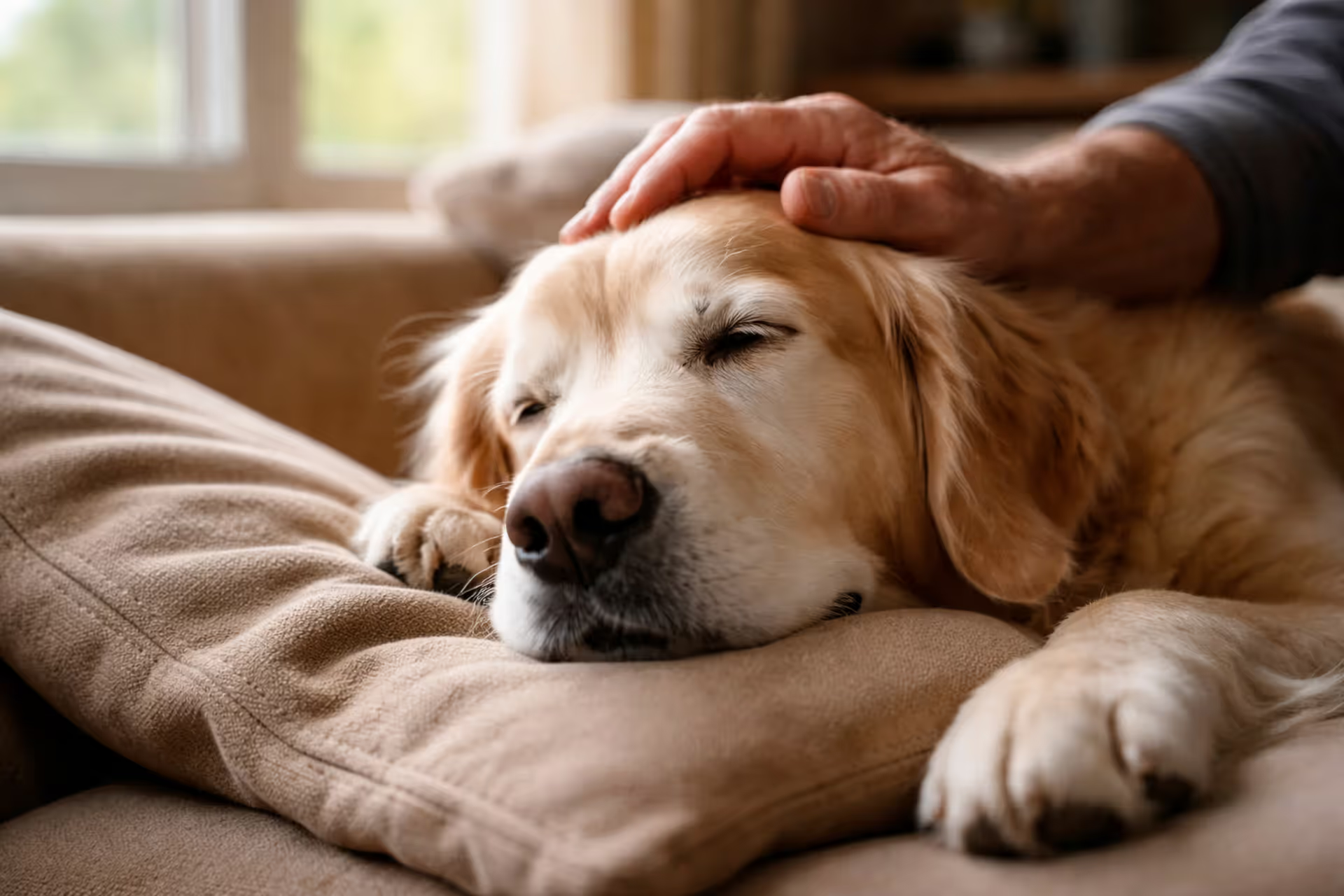
Senior dogs and those managing arthritis often need shorter, more frequent walks rather than one long outing. Cold weather intensifies joint pain, and older dogs have reduced circulation efficiency. Three separate 10-minute walks might be significantly safer than one 30-minute walk, even though total exposure time equals out, because it provides warming recovery breaks between sessions.
Frequently Asked Questions About Dogs and Cold Weather
At what temperature should dogs not go outside?
Once you're below 20°F, most breeds should only go outside for quick supervised bathroom breaks. Small dogs, seniors, puppies, and cold-sensitive breeds shouldn't be outside below 32°F for more than 10 minutes total. Arctic breeds can handle lower temperatures, but even specialized cold-weather dogs need limits once you reach 0°F or below. Wind chill equals temperature in terms of danger—15 mph winds make 20°F feel like 5°F against your dog's exposed skin and ears. Here's my rule: if the cold feels dangerous to you standing outside, it's dangerous for your dog too.
How long can dogs be outside in 30-degree weather?
At 30°F, cold-tolerant large breeds with thick double coats can typically manage 30-45 minutes outdoors if they're actively moving around. Medium dogs with average coats should come back inside after 15-20 minutes. Small dogs and cold-sensitive breeds need to be back indoors after 10 minutes maximum. These estimates assume dry conditions—add rain or snow and you need to cut safe exposure time in half. Always watch for individual warning signs like shivering or lifted paws, which mean your specific dog has hit their personal limit earlier than average.
Do dogs need coats in winter?
That depends entirely on breed characteristics, body size, and outdoor temperature. Dogs with thick double coats like Huskies, Malamutes, and German Shepherds rarely need jackets and might actually overheat wearing them. Small dogs, short-haired breeds, single-coated dogs, senior dogs, and puppies all benefit from coats once you're below 45°F. Simple rule: if you need a jacket standing outside, your Chihuahua, Greyhound, or Boxer probably needs one too. Good coats cover chest and back without restricting natural movement. Waterproof materials are essential for rain or wet snow conditions.
Can dogs get frostbite or hypothermia?
Yes, absolutely—both conditions are genuine winter dangers for dogs. Frostbite usually affects extremities first: ear tips, tail ends, paw pads, and scrotum in male dogs. Tissue literally freezes, cutting off blood circulation, and affected areas may appear pale, bright red, or eventually black. Severe frostbite cases can require surgical amputation. Hypothermia develops when core body temperature drops below 99°F (normal is 101-102.5°F). First warning signs are shivering, lethargy, and weakness progressing to later stages. Advanced hypothermia causes muscle stiffness, dramatically slowed heart rate, dilated pupils, and eventual unconsciousness. Both conditions require immediate emergency veterinary treatment. Prevention is everything—never let dogs stay outside long enough for these conditions to develop in the first place.
What's the coldest temperature a dog can tolerate overnight?
No dog should stay outside overnight once you're below 32°F without exceptional shelter design, and even then it's risky for most breeds. Arctic breeds with properly insulated, well-designed shelters might safely handle overnight temperatures down to 0-10°F, but they still need regular monitoring. Small dogs, elderly dogs, puppies, and cold-sensitive breeds cannot safely stay outside overnight below 45°F regardless of shelter quality. Many veterinarians recommend bringing all dogs inside once overnight lows drop below 40°F. The risk simply isn't worth taking—dogs can develop hypothermia while sleeping, when they're immobile and not generating heat through physical activity.
How do I know if my dog's breed is cold-tolerant?
Check two things: coat type and breeding history. Dogs with thick double coats developed in cold climates like northern regions or high mountains have high cold tolerance. This category includes Huskies, Malamutes, Saint Bernards, Newfoundlands, and Bernese Mountain Dogs. Medium tolerance breeds include most sporting and herding dogs with normal double coats: Labradors, Golden Retrievers, Border Collies, Australian Shepherds. Low tolerance breeds have thin coats, single-layer coats, or were originally developed in warm climates: Greyhounds, Chihuahuas, Bulldogs, Boxers, Pit Bulls. If you're uncertain about your specific dog, err on the cautious side and provide extra protection. Mixed breeds inherit traits from both parents, so evaluate your individual dog's actual coat thickness and body size rather than relying on breed names alone.
Winter doesn't eliminate outdoor enjoyment for your dog, but it requires awareness and active preparation. Temperature thresholds give you starting guidelines, but your individual dog's behavior tells the complete story. A Husky begging to stay outside at 15°F is probably fine for another 20 minutes of play. A Dachshund shivering at 40°F needs to come inside right now.
The most dangerous mistake owners make is assuming dogs will naturally seek warmth when they need it. Dogs left in yards might not have door access, or they might be so focused on guarding territory, playing, or chasing squirrels that they ignore their body's danger signals until it's too late for prevention. You must monitor exposure time and actively watch for distress signals.
Appropriate gear, adjusted daily routines, and attention to warning signs keep winter both safe and enjoyable. Your dog depends completely on you to make smart decisions about cold exposure—they can't tell you when frostbite is beginning or hypothermia is setting in. Whenever you're genuinely unsure whether conditions are too cold, bring them inside. No walk or outdoor time is worth risking permanent health damage to your dog.
Discover the key signs that your dog may be suffering, explore veterinarian-approved quality of life assessment tools, and get a clear, step-by-step breakdown of the euthanasia process — so you can make this heartbreaking decision with clarity, compassion, and confidence
Complete guide to puppy vaccination schedule: everything you need to know about core and non-core vaccines, exact shot timeline from 6 weeks to 16 months, detailed breakdown of costs at traditional and budget clinics, what reactions are normal after each appointment, and how to keep your puppy protected through every critical stage of early development.
Discover which dog breeds consistently live the longest, why small breeds almost always outlive their larger counterparts, and what science says about the size-lifespan connection. Learn how to maximize your dog’s years through smart nutrition, weight control, and preventive veterinary care
Every dog breed ages differently. Small dogs outlive giants, mixed breeds beat purebreds, and your daily choices matter more than genetics. Here’s what science reveals about canine lifespan — and how to add years to your dog’s life
The content on this website is provided for general informational and educational purposes only. It is intended to offer guidance on dog breeds, behavior, health, care, and lifestyle, and should not be considered a substitute for professional veterinary advice, diagnosis, or treatment.
All information published on this site is based on general knowledge, widely accepted research, and practical experience, but individual dogs may differ in behavior, health conditions, and needs. Results and outcomes may vary depending on the dog, environment, and circumstances.
The website is not responsible for any errors or omissions, or for actions taken based on the information provided. For specific concerns regarding your dog’s health or behavior, always consult a qualified veterinarian or professional dog specialist.