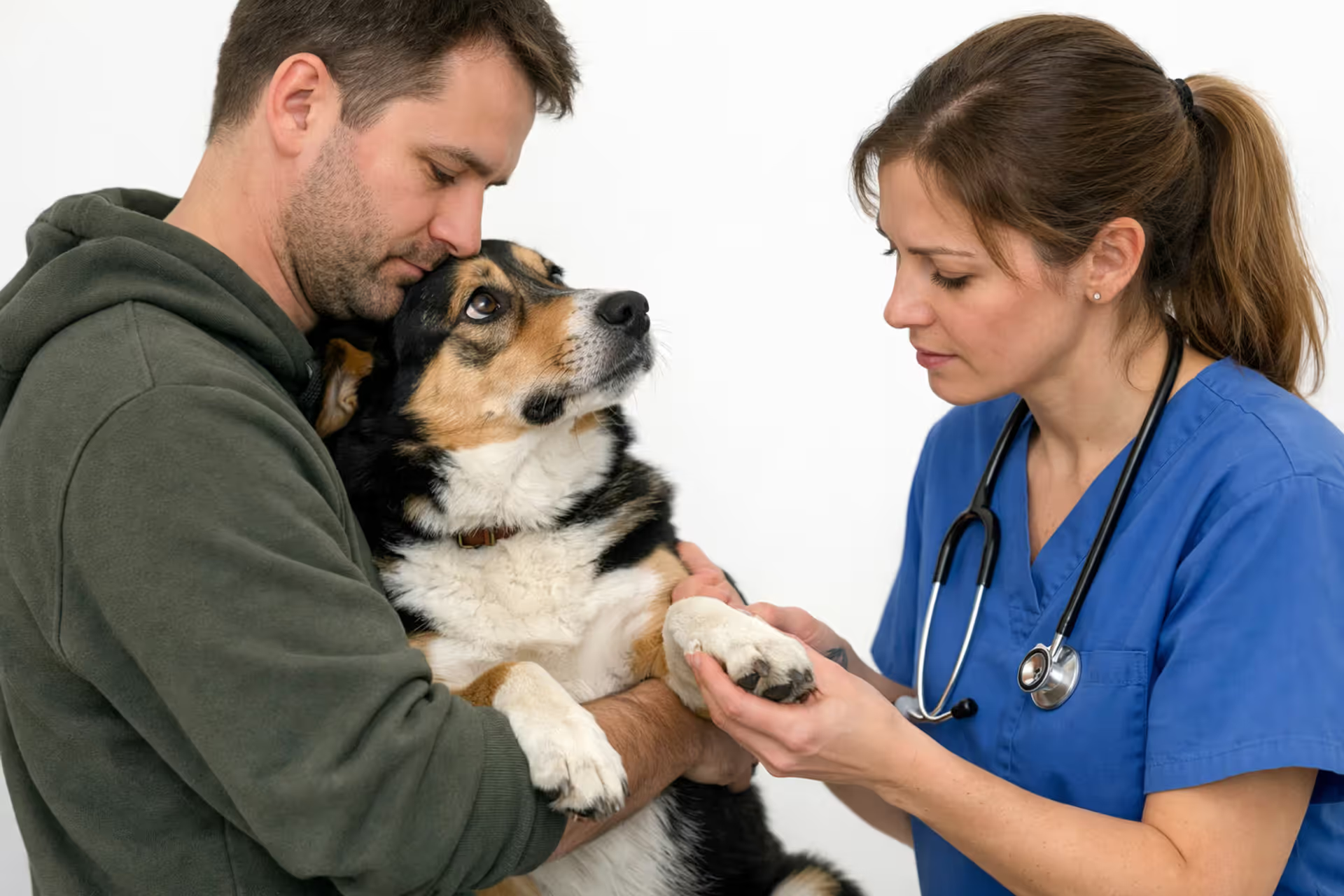
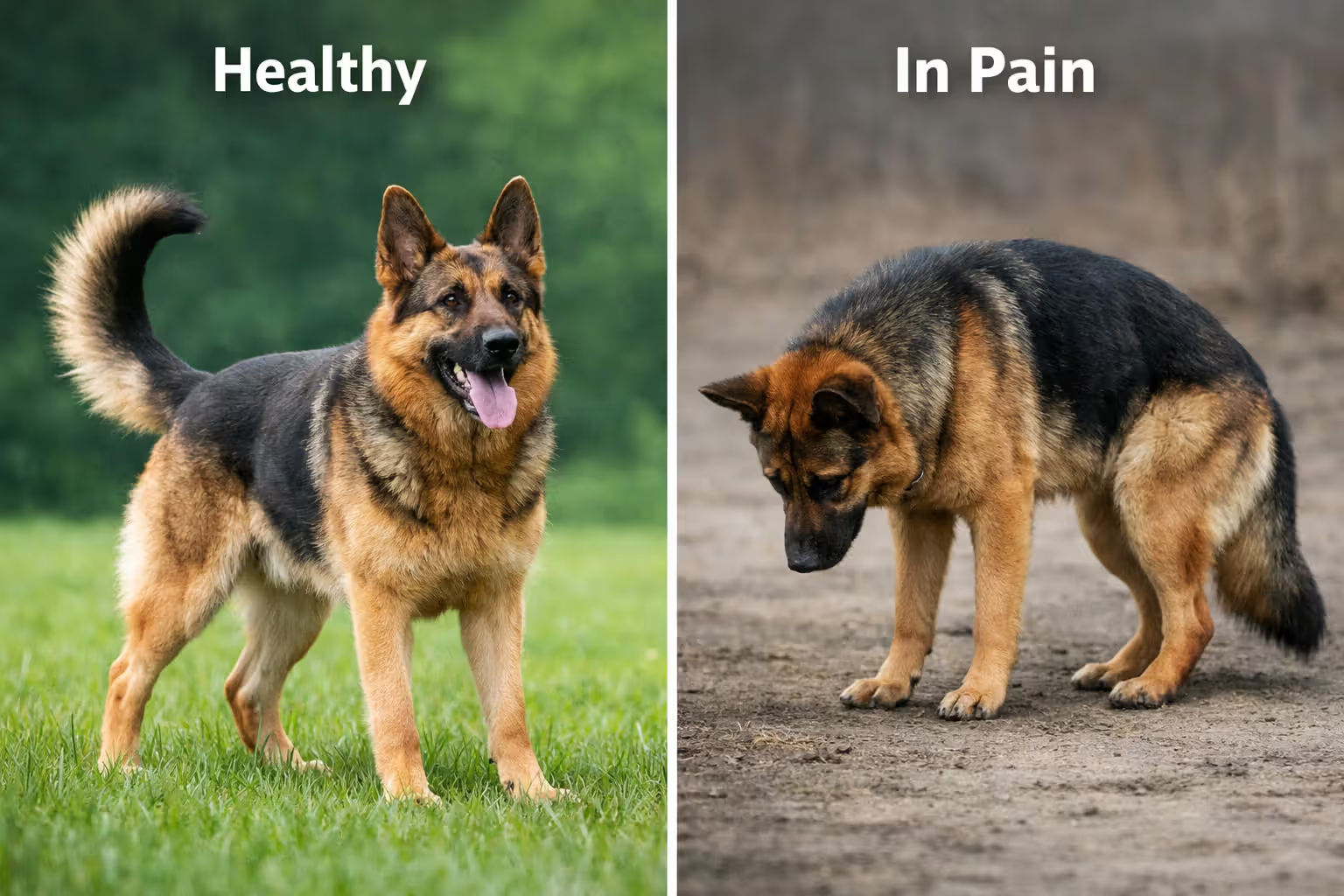
When your dog limps after a long walk or whimpers while climbing stairs, your first instinct might be to reach for your own medicine cabinet. That decision could be fatal. Dogs metabolize medications completely differently than humans, and what relieves your headache can destroy your dog's kidneys within hours.
The answer to what you can safely give your dog for pain depends on the type of pain, its severity, and your dog's overall health. Most human pain relievers are toxic to dogs, and even "safe" options require precise dosing and veterinary guidance. This guide breaks down what works, what kills, and when you need professional help immediately.
Why You Can't Just Use Human Pain Relievers on Dogs
Your dog's liver lacks specific enzymes that humans use to break down common pain medications. When you give a dog human medicine, the drug accumulates to toxic levels because their body can't process it fast enough. The result isn't just ineffective pain relief—it's organ failure.
The Ibuprofen Danger: Why This Common Med Is Toxic
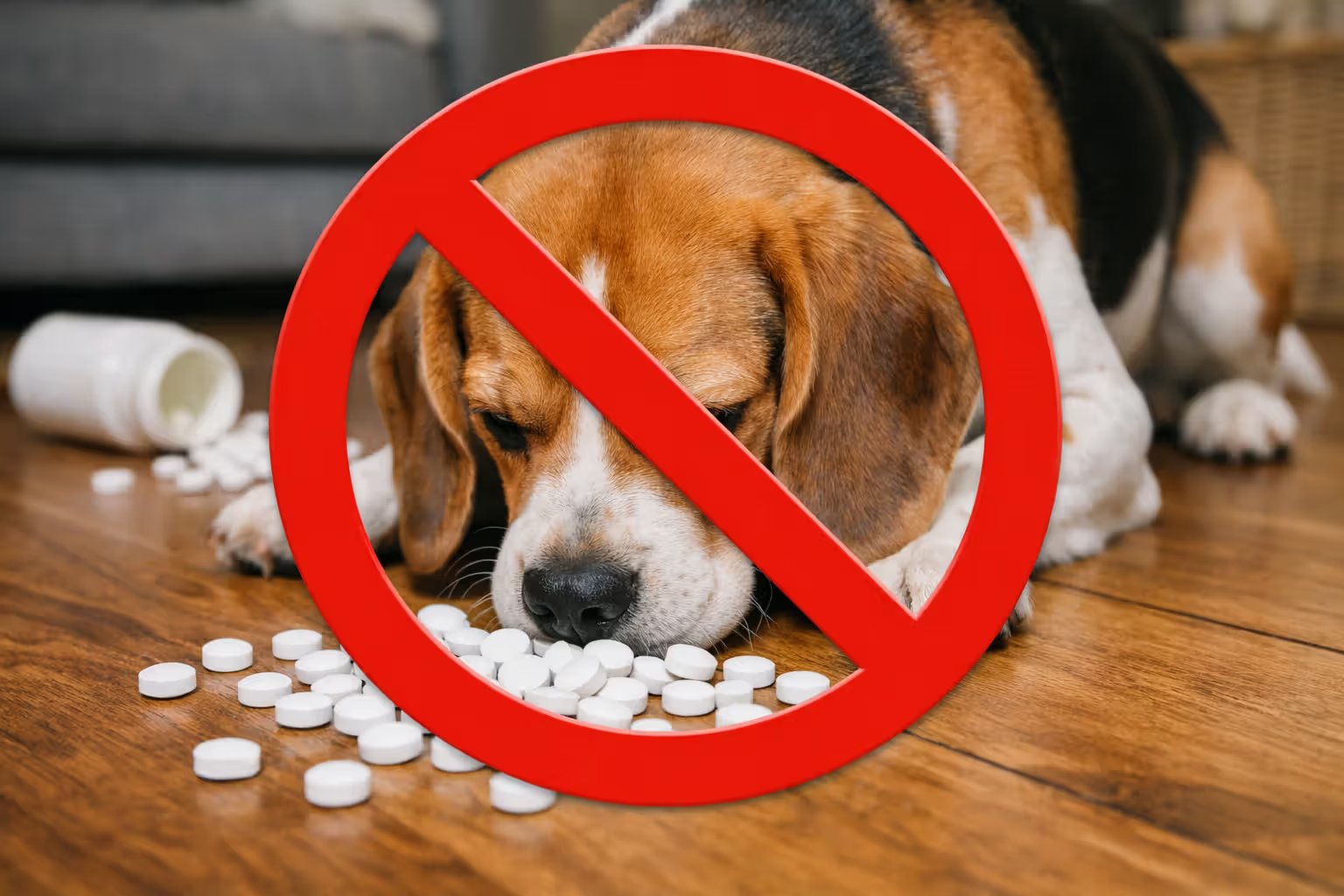
Ibuprofen (Advil, Motrin) causes kidney failure and stomach ulcers in dogs at doses that would barely affect a human. A single 200mg tablet can poison a small dog. Within 12 hours, you might see vomiting, diarrhea, and lethargy. By 24 hours, the dog's kidneys start shutting down.
The toxic dose is roughly 25mg per pound of body weight, but damage can occur at even lower amounts with repeated exposure. A 50-pound dog that swallows five ibuprofen tablets faces severe kidney damage and potentially fatal gastrointestinal bleeding. The drug irritates the stomach lining directly while reducing blood flow to the kidneys and digestive tract.
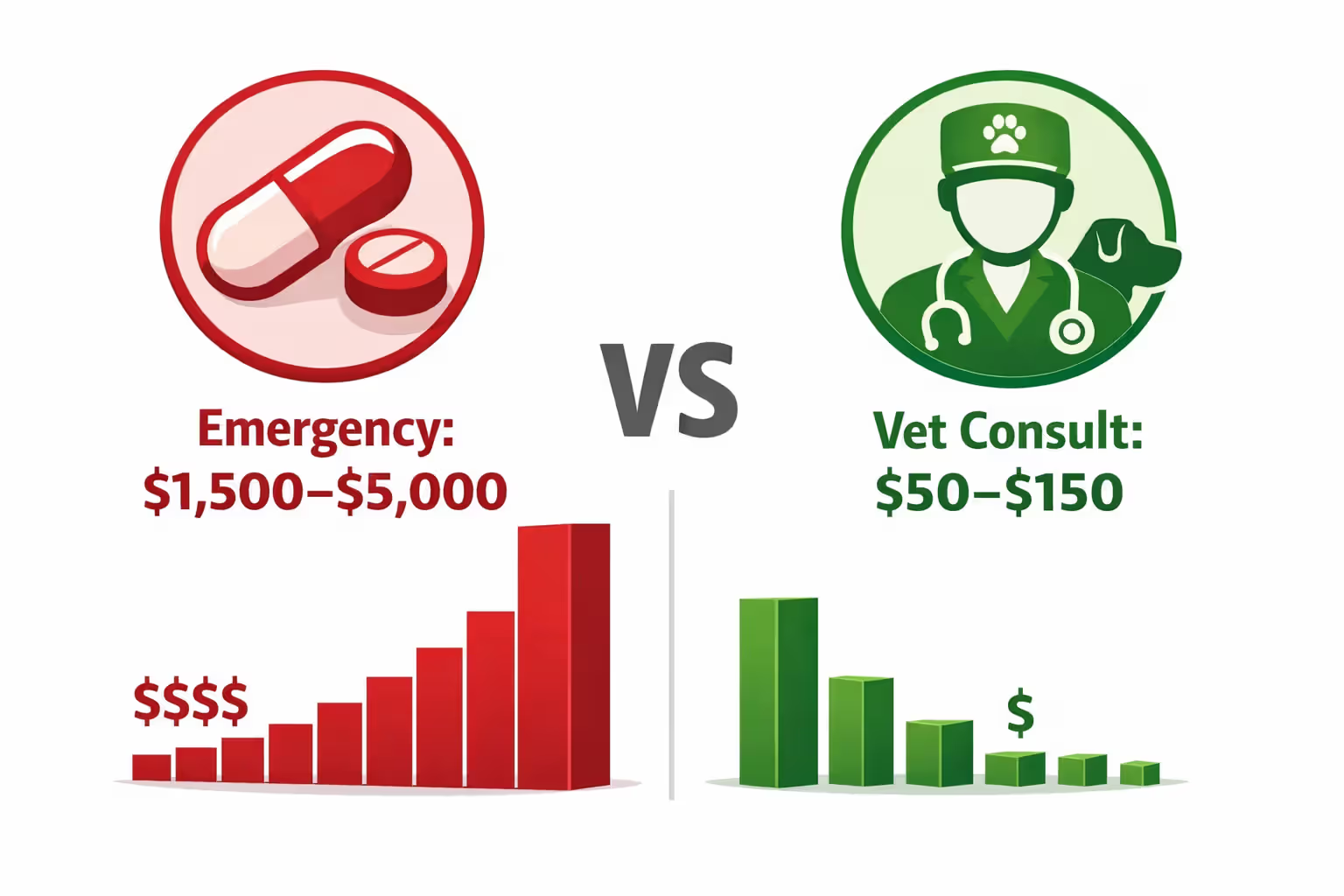
Emergency treatment costs between $1,500 and $5,000 and involves induced vomiting, activated charcoal, IV fluids, and days of hospitalization. Many dogs don't survive despite aggressive treatment. Never give your dog ibuprofen under any circumstances.
Author: Hannah Bloomfield;
Source: alwaysonsalepetsupplies.com
Aspirin for Dogs: Limited Use With Serious Risks
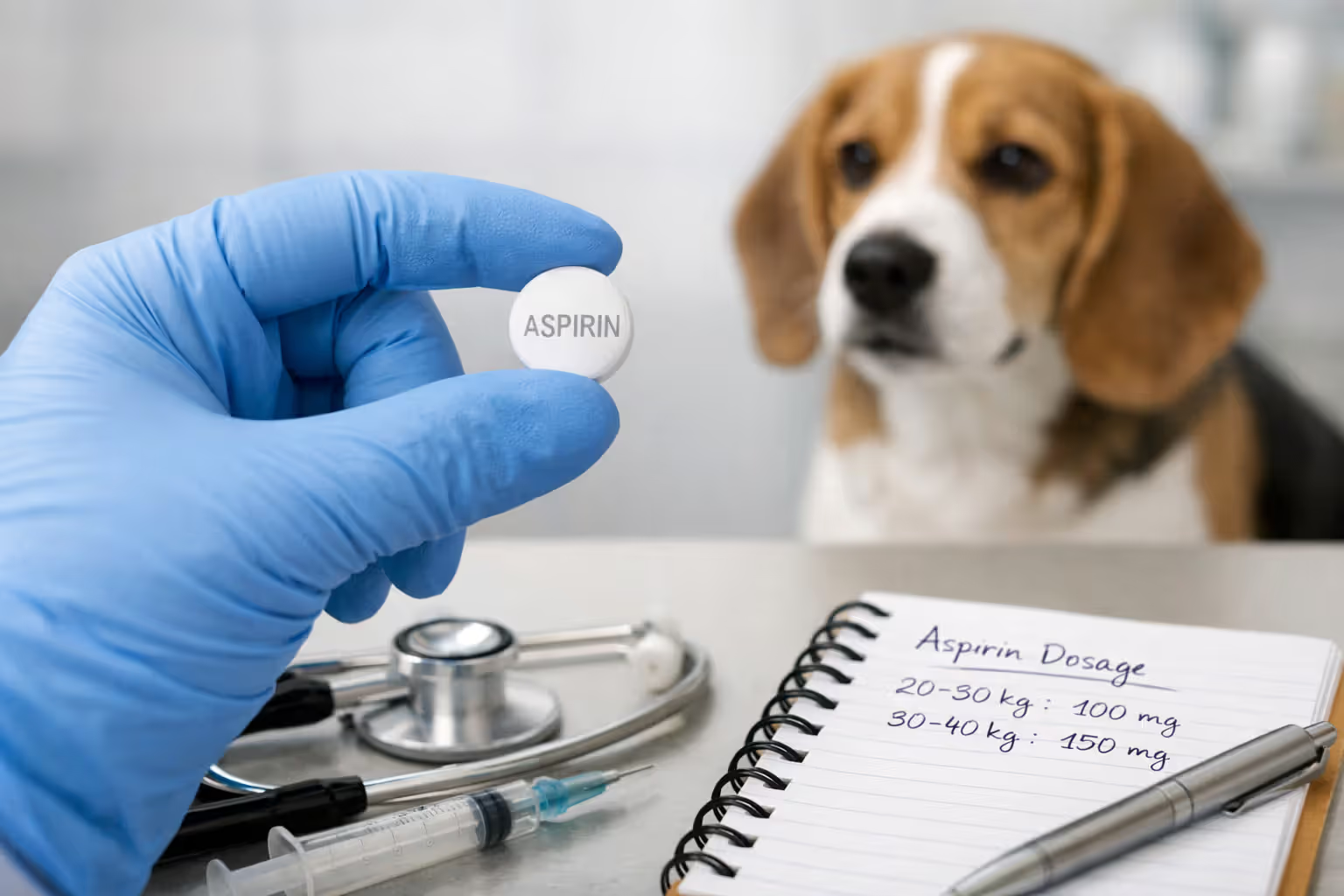
Aspirin sits in a gray zone. Some veterinarians prescribe buffered aspirin for short-term pain relief in specific situations, but it's far from safe. Dogs metabolize aspirin slowly—it stays in their system for up to five days compared to hours in humans. This extended presence increases the risk of stomach ulcers and bleeding disorders.
If a vet recommends aspirin, the typical dose is 5-10mg per pound every 12 hours, and only buffered or enteric-coated formulas. A 60-pound dog might receive one 325mg tablet twice daily for no more than a few days. Even at correct doses, watch for black tarry stools, vomiting, or decreased appetite—all signs of gastrointestinal bleeding.
Aspirin interacts dangerously with other medications, particularly steroids and other NSAIDs. If your dog takes prednisone or another anti-inflammatory, aspirin can trigger severe ulcers. The risks outweigh benefits in most cases, especially since safer prescription options exist.
Vet-Approved Over-the-Counter Options for Canine Pain
Author: Hannah Bloomfield;
Source: alwaysonsalepetsupplies.com
The honest answer here disappoints most dog owners: there are virtually no truly safe over-the-counter pain medications you can give your dog without veterinary guidance. The FDA hasn't approved standard human OTC pain relievers for canine use.
Some veterinarians may approve specific situations for buffered aspirin as mentioned above, but this requires a phone consultation at minimum. The vet needs to know your dog's weight, the pain source, current medications, and health history. A dog with kidney disease, for example, can't safely take any NSAID, even vet-approved ones.
Topical treatments like cold packs or warm compresses work for some injuries without medication risks. A cold pack applied for 10-15 minutes can reduce inflammation from a fresh sprain. Warm compresses help arthritic joints after the initial injury phase passes. These won't touch serious pain but can provide mild relief while you arrange veterinary care.
The real takeaway: if your dog needs pain relief, that's a veterinary decision. The cost of a vet consultation ($50-$150) beats the cost of treating medication poisoning by thousands of dollars. Many clinics offer phone consultations for established patients, which can provide same-day guidance without an office visit.
Prescription Pain Medications Your Vet May Recommend
Veterinary medicine offers numerous pain relief options formulated specifically for canine metabolism. These medications undergo testing for safety and efficacy in dogs, with dosing guidelines based on canine physiology.
NSAIDs Formulated for Dogs
Carprofen (Rimadyl), meloxicam (Metacam), and deracoxib (Deramaxx) are non-steroidal anti-inflammatory drugs designed for dogs. They reduce inflammation and pain while being gentler on canine organs than human NSAIDs. A typical dose of carprofen is 2mg per pound twice daily, though vets often prescribe once-daily dosing for chronic conditions.
These medications work well for arthritis, post-surgical pain, and injuries. Most dogs tolerate them with minimal side effects, though liver and kidney monitoring through bloodwork is essential for long-term use. Your vet will likely recommend baseline blood tests before starting an NSAID and follow-up tests every 6-12 months.
Side effects still occur. Watch for vomiting, diarrhea, decreased appetite, or behavioral changes. Some dogs develop liver enzyme elevations without obvious symptoms, which is why bloodwork monitoring matters. Never combine dog NSAIDs with aspirin, steroids, or human pain relievers—the interaction can be fatal.
The question is not whether animals feel pain — the question is whether we have the right to ignore it.
— Dr. Franklin McMillan
Opioid-Based Pain Relief for Severe Cases
For severe pain from surgery, cancer, or major injuries, veterinarians prescribe opioids like tramadol, buprenorphine, or fentanyl patches. These medications work on pain receptors in the brain and spinal cord, blocking pain signals rather than reducing inflammation.
Tramadol is the most commonly prescribed opioid for dogs, typically dosed at 2-5mg per pound every 8-12 hours. It provides moderate pain relief with less sedation than stronger opioids. Some dogs metabolize tramadol poorly, making it ineffective—roughly 25% of dogs don't respond well to this medication.
Buprenorphine offers stronger pain relief and comes in injectable form or as a liquid that absorbs through the gums. Vets use it primarily for post-operative pain or cancer pain. The medication lasts 6-12 hours and causes drowsiness in most dogs.
These controlled substances require prescriptions and careful monitoring. Side effects include sedation, constipation, and rarely, respiratory depression at high doses.
Other Prescription Options (Gabapentin, Tramadol)
Gabapentin has become a veterinary favorite for nerve pain and as an adjunct to other pain medications. Originally an anti-seizure drug, it excels at treating chronic pain conditions like arthritis when combined with NSAIDs. Typical dosing ranges from 5-10mg per pound every 8-12 hours, though some dogs need higher doses.
The main side effect is sedation, especially when starting treatment. Most dogs adapt within a few days. Gabapentin is inexpensive—a month's supply often costs $20-$40. It doesn't require blood monitoring and has few drug interactions, making it a safe long-term option.
Amantadine, another adjunct medication, blocks pain signals in the spinal cord. Vets prescribe it alongside NSAIDs for dogs with chronic pain that doesn't respond adequately to single medications. The typical dose is 1-2mg per pound once daily.
Medication Name
Drug Class
Typical Uses
Average Cost (Monthly)
Common Side Effects
Carprofen (Rimadyl)
NSAID
Arthritis, post-surgical pain, inflammation
$30-$60
Vomiting, diarrhea, liver enzyme changes
Gabapentin
Nerve pain medication
Chronic pain, nerve pain, arthritis adjunct
$20-$40
Sedation, mild incoordination
Tramadol
Opioid
Moderate to severe pain
$25-$50
Sedation, constipation, nausea
Meloxicam (Metacam)
NSAID
Arthritis, inflammation, post-operative pain
$35-$70
Decreased appetite, vomiting, kidney issues
Buprenorphine
Opioid
Severe pain, post-surgical pain
$40-$80
Drowsiness, decreased appetite
Author: Hannah Bloomfield;
Source: alwaysonsalepetsupplies.com
Natural and Alternative Pain Relief Methods That Actually Work
Natural remedies appeal to owners concerned about medication side effects, but most lack rigorous scientific evidence. A few options show genuine promise with clinical backing, while others offer placebo effects at best.
Effective pain management in dogs requires understanding not just the drug, but the individual animal — their age, weight, organ function, and pain type all determine what is truly safe.
— Dr. Robin Downing
Supplements With Clinical Support
Glucosamine and chondroitin supplements support joint health in arthritic dogs. Multiple studies demonstrate modest pain reduction and improved mobility after 4-8 weeks of consistent use. These supplements provide building blocks for cartilage repair rather than direct pain relief, so they work slowly.
Quality matters enormously. Look for products with the NASC (National Animal Supplement Council) seal, which indicates third-party testing. Dosing typically follows 20mg of glucosamine per pound of body weight daily. A 50-pound dog needs about 1,000mg daily, split into two doses with food.
Omega-3 fatty acids from fish oil reduce inflammation throughout the body. Research shows dogs taking high-quality fish oil experience less joint pain and reduced NSAID requirements. The effective dose is roughly 50-100mg of combined EPA and DHA per pound of body weight daily. That same 50-pound dog needs 2,500-5,000mg of EPA/DHA, which translates to several standard fish oil capsules daily.
Green-lipped mussel extract contains omega-3s plus additional anti-inflammatory compounds. Some studies suggest it reduces arthritis pain more effectively than fish oil alone, though research is limited.
Physical Therapy and Lifestyle Modifications
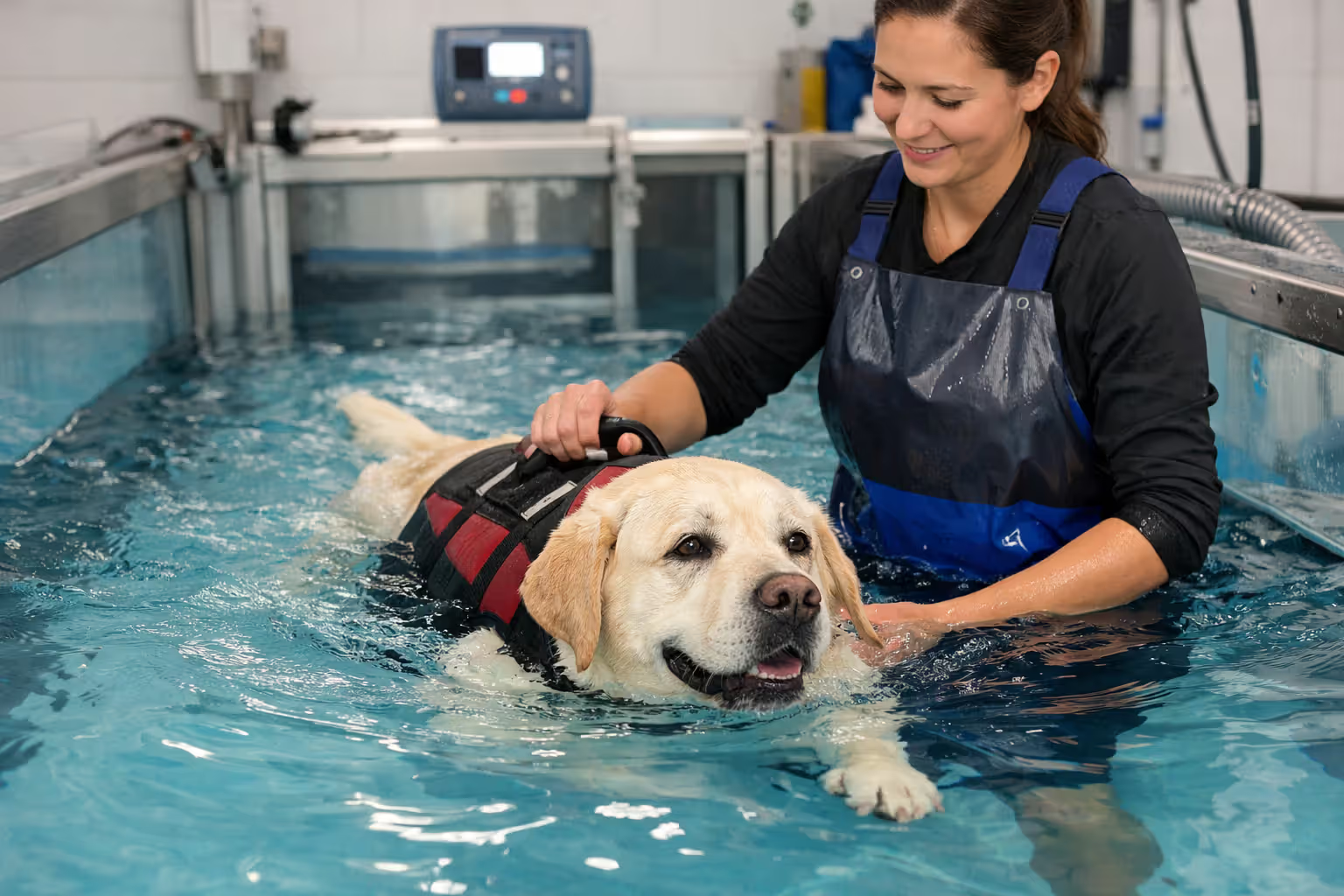
Controlled exercise maintains muscle mass and joint flexibility without aggravating pain. Short, frequent walks beat one long walk that leaves your dog limping. Swimming and underwater treadmill therapy build strength while supporting the dog's weight, making them ideal for arthritic dogs.
Weight management dramatically impacts pain levels. Every extra pound adds four pounds of pressure to joints. A 60-pound dog that loses 10 pounds experiences a 40-pound reduction in joint stress. Many dogs show significant pain improvement from weight loss alone, sometimes eliminating medication needs entirely.
Author: Hannah Bloomfield;
Source: alwaysonsalepetsupplies.com
Orthopedic beds, ramps, and raised food bowls reduce strain on painful joints. A memory foam bed supports arthritic hips better than a thin cushion on hard floor. Ramps prevent the joint compression that occurs with jumping on and off furniture.
Massage and gentle stretching improve circulation and maintain flexibility. Most dogs enjoy gentle massage around sore joints, though avoid pressing directly on inflamed areas. Physical therapy techniques taught by veterinary rehabilitation specialists can be performed at home.
When Natural Remedies Aren't Enough
Natural approaches work best for mild, chronic pain like early arthritis. They fail with acute injuries, severe arthritis, or post-surgical pain. A dog that tore a cruciate ligament needs surgery and prescription pain medication—no amount of glucosamine will fix that.
Watch for worsening symptoms despite natural treatments. If your dog's limping increases, they stop using a leg entirely, or they can't get comfortable despite supplements, it's time for prescription intervention. Natural remedies can complement prescription medications but rarely replace them for moderate to severe pain.
Some conditions require immediate medical treatment regardless of natural remedy preferences. Bloat, back injuries with paralysis, severe trauma, and suspected poisoning need emergency veterinary care, not home remedies.
How to Recognize Different Types of Pain in Your Dog
Dogs hide pain instinctively—a survival mechanism from their wolf ancestors. A limping wolf becomes prey, so dogs mask discomfort until it becomes unbearable. You need to spot subtle changes that indicate pain before it reaches crisis levels.
Acute pain from injuries appears suddenly. Your dog yelps, limps, holds up a paw, or refuses to move. They might pant excessively, tremble, or become unusually clingy. Acute pain is obvious—the dog clearly communicates distress.
Chronic pain develops gradually and manifests through behavior changes. An arthritic dog stops jumping on the couch they've used for years. They lag behind on walks, hesitate before climbing stairs, or take longer to stand up after resting. Appetite often decreases, and some dogs become irritable when touched in painful areas.
Author: Hannah Bloomfield;
Source: alwaysonsalepetsupplies.com
Subtle signs include decreased grooming (especially in cats but also dogs), reluctance to play, and changes in sleeping positions. A dog with hip pain might stop lying on their side, preferring to sleep sitting up. Dogs with back pain often stand with a hunched posture.
Behavioral changes matter. Increased aggression, withdrawal from family activities, or anxiety can all indicate pain. A typically friendly dog that snaps when petted might have a sore spot you've touched. Restlessness at night suggests discomfort preventing sleep.
Warning signs requiring emergency care include complete inability to use a limb, dragging back legs, distended abdomen with unproductive retching (bloat symptoms), pale gums, collapse, seizures, or extreme lethargy. These symptoms indicate conditions that can kill within hours without treatment.
Panting without exertion, especially at night, often signals significant pain. Dogs don't sweat like humans—panting is their cooling mechanism, but it also increases with pain and anxiety. A dog panting heavily while resting needs evaluation.
Cost Comparison: What You'll Actually Pay for Dog Pain Relief
Pain management costs vary dramatically based on the treatment type and your dog's size. Understanding the financial commitment helps you plan and make informed decisions about your dog's care.
Author: Hannah Bloomfield;
Source: alwaysonsalepetsupplies.com
Initial veterinary diagnosis typically costs $100-$300, including the examination and possibly X-rays. If your vet suspects arthritis, bloodwork adds another $150-$300 to establish baseline organ function before starting medications. Advanced imaging like MRI or CT scans for complex problems runs $1,500-$3,000.
Prescription NSAIDs remain the most cost-effective long-term solution for chronic pain. Generic carprofen costs $30-$60 monthly for a medium-sized dog, while brand-name Rimadyl runs $60-$120. Meloxicam liquid is often cheaper, around $25-$50 monthly. Larger dogs pay more since dosing is weight-based.
Gabapentin is remarkably affordable at $20-$40 monthly for most dogs. Tramadol costs slightly more, around $25-$50 monthly. These medications become expensive for giant breeds—a 150-pound dog might need $80-$100 in gabapentin monthly.
Monitoring bloodwork for dogs on long-term NSAIDs costs $150-$300 every 6-12 months. This expense is non-negotiable for safe medication use, though some owners skip it and risk missing early signs of organ damage.
Physical therapy sessions run $50-$150 per visit, with most treatment plans involving 6-12 sessions. Underwater treadmill therapy costs more, around $75-$200 per session. These expenses add up quickly but can reduce medication needs long-term.
Supplements like glucosamine and fish oil cost $20-$60 monthly depending on quality and dog size. High-quality products cost more but provide better results than cheap grocery store brands.
Treatment Type
Typical Cost Range
Duration
Vet Visit Required
Initial vet exam + diagnosis
$100-$300
One-time
Yes
Prescription NSAIDs (monthly)
$30-$120
Ongoing
Yes (initial prescription)
Gabapentin (monthly)
$20-$40
Ongoing
Yes (initial prescription)
Tramadol (monthly)
$25-$50
Ongoing
Yes (initial prescription)
Bloodwork monitoring
$150-$300
Every 6-12 months
Yes
Glucosamine/chondroitin (monthly)
$20-$50
Ongoing
No
Fish oil supplements (monthly)
$15-$40
Ongoing
No
Physical therapy (per session)
$50-$150
6-12 sessions typical
Yes
Emergency toxicity treatment
$1,500-$5,000
2-5 days hospitalization
Yes (emergency)
Pet insurance covers many pain medications and treatments if you enrolled before the pain condition developed. Most policies don't cover pre-existing conditions, so arthritis diagnosed before insurance activation won't be covered. Monthly premiums range from $30-$100 depending on coverage level and your dog's age.
Frequently Asked Questions About Dog Pain Management
Can I give my dog Tylenol or acetaminophen for pain?
No. Acetaminophen (Tylenol) is extremely toxic to dogs and causes liver failure and red blood cell damage. Dogs lack the liver enzymes needed to metabolize acetaminophen safely. A single extra-strength Tylenol tablet (500mg) can kill a small dog. Symptoms include brown or blue gums, difficulty breathing, facial swelling, and collapse. This is a veterinary emergency requiring immediate treatment. Never give your dog any acetaminophen product under any circumstances.
How quickly do dog pain medications work?
NSAIDs like carprofen typically provide noticeable pain relief within 1-2 hours, with full effects developing over several days of consistent use. Gabapentin takes 1-2 hours to reach peak levels and works best after several days of regular dosing as it builds up in the system. Opioids like tramadol work fastest, often within 30-60 minutes. For chronic conditions like arthritis, you might not see maximum improvement for 1-2 weeks as inflammation decreases and your dog becomes more comfortable moving. If you see no improvement after a week, contact your vet—the medication might not be working, or the dose may need adjustment.
What's the safest pain reliever I can give my dog without a vet visit?
There isn't one. No over-the-counter pain medication is truly safe to give your dog without veterinary guidance. Even aspirin, which some vets occasionally recommend, requires proper dosing based on your dog's weight and health status. The safest approach is calling your vet for phone advice—many clinics provide guidance for established patients without requiring an office visit. For mild discomfort, you can try non-medication approaches like cold packs for fresh injuries or warm compresses for stiff joints, but these don't replace veterinary care for genuine pain.
Can CBD oil help with my dog's pain?
CBD oil shows promise for pain relief in dogs, though research is still limited. Some studies indicate CBD reduces arthritis pain and improves mobility, while others show minimal effects. The FDA hasn't approved CBD for veterinary use, and product quality varies wildly since the industry lacks regulation. If you want to try CBD, choose products specifically formulated for pets with third-party testing certificates. Start with low doses and watch for side effects like drowsiness or diarrhea. Discuss CBD use with your vet, especially if your dog takes other medications—interactions can occur. CBD works best as a supplement to, not a replacement for, proven pain treatments.
How do I know if my dog's pain medication is working?
Watch for increased activity levels and improved mobility. An arthritic dog on effective pain medication will walk more willingly, climb stairs with less hesitation, and show more interest in play. They'll sleep more comfortably, change positions more easily, and return to activities they'd abandoned. Appetite typically improves when pain decreases. Keep a simple log for the first few weeks—note how far your dog walks, whether they use stairs, and their overall energy level. Compare these observations weekly. Some improvements appear gradually over 1-2 weeks rather than overnight. If you see no change after two weeks at the prescribed dose, or if your dog seems worse, contact your vet for medication adjustment.
What should I do if my dog ate ibuprofen or another toxic pain reliever?
Call your veterinarian or the Pet Poison Helpline (855-764-7661) immediately. Time is critical—if you contact them within 1-2 hours of ingestion, they can induce vomiting to remove the medication before it's absorbed. Have the medication bottle ready to tell them exactly what your dog ate and how much. Don't wait for symptoms to appear—by the time you see vomiting or lethargy, significant damage may have occurred. Your vet will likely want to see your dog right away for decontamination (induced vomiting, activated charcoal) and possibly IV fluids. The faster you act, the better your dog's chances of avoiding permanent organ damage. Never induce vomiting at home without veterinary instruction, as this can be dangerous with certain substances.
Your dog depends on you to recognize their pain and respond appropriately. The medicine cabinet that helps your headache can kill your dog within hours. This isn't an exaggeration meant to scare you—it's the reality of canine physiology.
Safe pain management starts with a veterinary diagnosis. That limp could be a simple muscle strain or a torn ligament requiring surgery. The treatment differs dramatically, and guessing wrong means your dog suffers unnecessarily. A vet exam costs $100-$300. Emergency treatment for medication poisoning costs thousands and might not save your dog's life.
Prescription medications formulated for dogs provide effective, relatively safe pain relief when used correctly. NSAIDs like carprofen work well for most chronic pain conditions. Gabapentin adds extra relief for stubborn pain. Opioids handle severe acute pain. Your vet will recommend the appropriate medication based on your dog's specific situation.
Natural approaches like glucosamine, fish oil, weight management, and physical therapy support pain relief and can reduce medication needs over time. They work best for mild to moderate chronic pain, not acute injuries or severe conditions. Combine natural methods with prescription medications for optimal results rather than choosing one or the other.
Watch your dog closely. Behavior changes often signal pain before obvious symptoms appear. The sooner you address pain, the better the outcome and often the lower the cost. Chronic pain left untreated leads to muscle atrophy, depression, and decreased quality of life.
Keep all human medications secured where your dog can't reach them. Dogs are opportunistic and will eat dropped pills or raid unsecured bottles. A moment of carelessness can result in tragedy.
When your dog hurts, call your vet. That's the only truly safe answer to what you can give your dog for pain. The relationship you build with a good veterinarian pays off in moments like these—they know your dog, understand their history, and can provide specific guidance rather than generic internet advice. Your dog's pain relief is too important to trust to guesswork.
Learn to recognize the key signs a dog is in heat, understand all 4 stages of the canine heat cycle, manage sudden behavior changes, and provide proper care during estrus. This guide covers discharge, swelling, cycle timing, fertility windows, safety tips, and answers common owner questions
Learn why your dog farts so much, what causes smelly dog gas, when it signals health problems, and proven ways to reduce flatulence through diet changes. From food triggers and speed-eating habits to gut conditions, discover exactly what makes your pup gassy and simple steps to fix it for good
Wondering why your dog wakes up with crusty or colored eye discharge? This guide breaks down every type of dog eye booger by color and texture, explains seven common causes from allergies to dry eye, walks you through safe at-home cleaning steps, and highlights the red flags that signal an urgent vet visit
Learn effective dog constipation treatment options, from pumpkin remedies and hydration tricks to knowing exactly when to see a vet. Discover safe home solutions, proper fiber dosages, quick relief methods, warning signs that demand urgent professional care, and proven tips for lasting comfort
The content on this website is provided for general informational and educational purposes only. It is intended to offer guidance on dog breeds, behavior, health, care, and lifestyle, and should not be considered a substitute for professional veterinary advice, diagnosis, or treatment.
All information published on this site is based on general knowledge, widely accepted research, and practical experience, but individual dogs may differ in behavior, health conditions, and needs. Results and outcomes may vary depending on the dog, environment, and circumstances.
The website is not responsible for any errors or omissions, or for actions taken based on the information provided. For specific concerns regarding your dog’s health or behavior, always consult a qualified veterinarian or professional dog specialist.