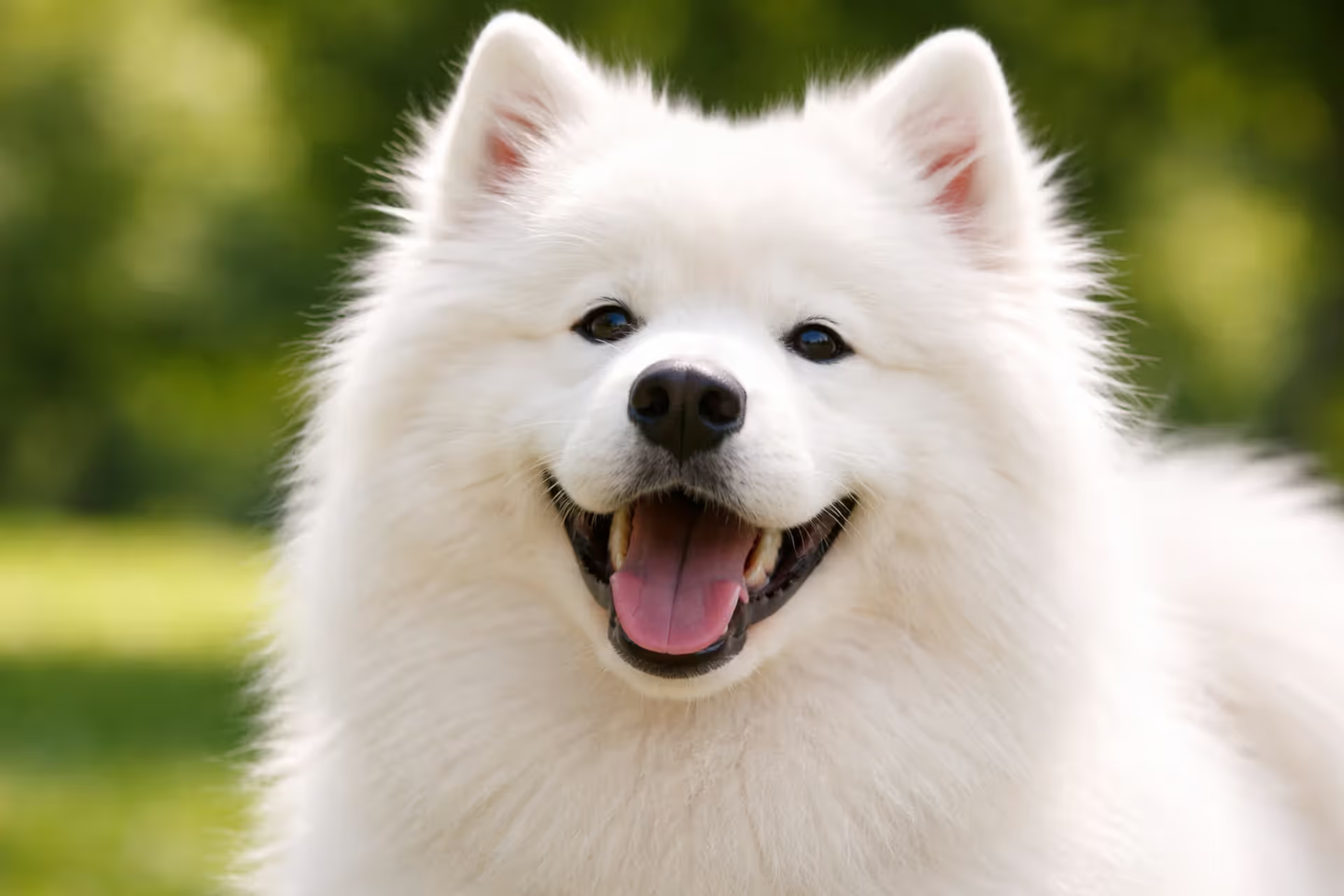
Last week, my neighbor asked if my friend's Samoyed was a polar bear puppy. She wasn't joking. These cloud-shaped creatures showing up everywhere from TikTok to dog parks spark the same reaction: people stop mid-stride, pull out their phones, and usually ask "what kind of dog is THAT?"
What you don't see in those fifteen-second clips: I've watched that same Samoyed owner carry around a dedicated car vacuum. She's replaced three black coats this year alone. Her groomer knows her by first name and recently went on vacation using funds from her standing appointments. Every visitor to her house leaves coated in white fur within minutes, regardless of how carefully they sit.
Between grooming costs that'll easily hit $900 annually and the reality that you'll find tumbleweeds of fur under your furniture weekly, these breeds demand serious consideration. The fluff comes with strings attached—specifically, strands of hair attached to everything you own.
I've spent time around 30+ different fluffy breeds through volunteering at rescues and training facilities. What follows isn't filtered Instagram content—it's what actually happens when these dogs move into your home, organized by size and straight talk about daily care.
What Makes a Dog "Fluffy"? Coat Types Explained
Length doesn't equal volume. I've met Irish Setters with hair down to their ankles that lies completely flat. Meanwhile, Pomeranians barely eight inches tall somehow occupy twice their actual space.
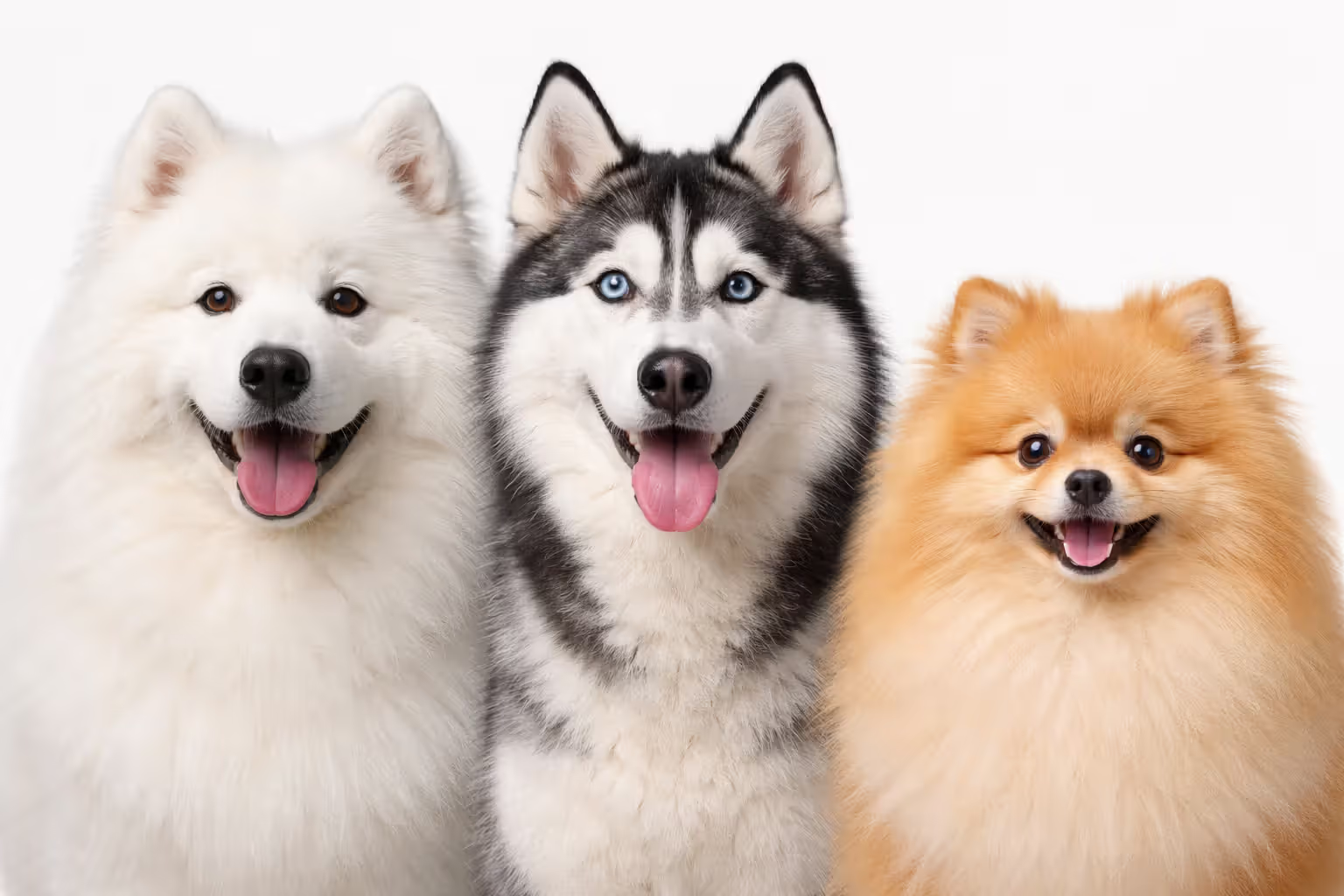
The real volume comes from what's underneath. Double-coated breeds grow two distinct layers—a soft, dense underlayer that works like thermal insulation, topped by longer guard hairs that shed water. Think Samoyeds, Huskies, Malamutes. That underlayer doesn't shed steadily. Instead, twice yearly it releases catastrophically. You'll pull out clumps bigger than your fist for two straight weeks. Some owners collect enough to literally stuff throw pillows (yes, people actually do this).
Single-coated dogs grow hair continuously, similar to what's on your own head. Maltese and Yorkshire Terriers fall here. These breeds drop individual hairs sporadically but mat spectacularly fast. Miss two days of brushing and you're facing painful detangling sessions or emergency grooming appointments.
Texture matters enormously. Poodles develop tight spiral curls that trap shed hair inside the curl pattern—that's why you don't see clouds of Poodle fur drifting across floors despite their obvious volume. Old English Sheepdogs produce coarse, textured coats that naturally want to form into ropes without intervention. Their hair doesn't lie smooth no matter how much you brush.
Maximum fluff happens when breeds combine dense double coats with "stand-off" growth—meaning the hair lifts away from skin rather than draping down. Keeshonds demonstrate this perfectly. They look professionally blow-dried straight out of bed because their coat naturally defies gravity.
Author: Matthew Ridgeway;
Source: alwaysonsalepetsupplies.com
Small Fluffy Dog Breeds Under 25 Pounds
Best for Apartments
Pomeranians somehow cram ridiculous volume into dogs weighing four to six pounds. Their neck ruffs fan out like lion manes, tails fountain over their backs. But here's what hits first-time owners hard: these dogs vocalize constantly. A car door closing three houses away? Alert barking. Squirrel forty yards distant? Full alarm mode. My cousin's Pom recently barked at his own reflection for ten minutes straight. You'll brush two to three times weekly minimum, bathe every three weeks, or prepare for matting around ears and rear legs.
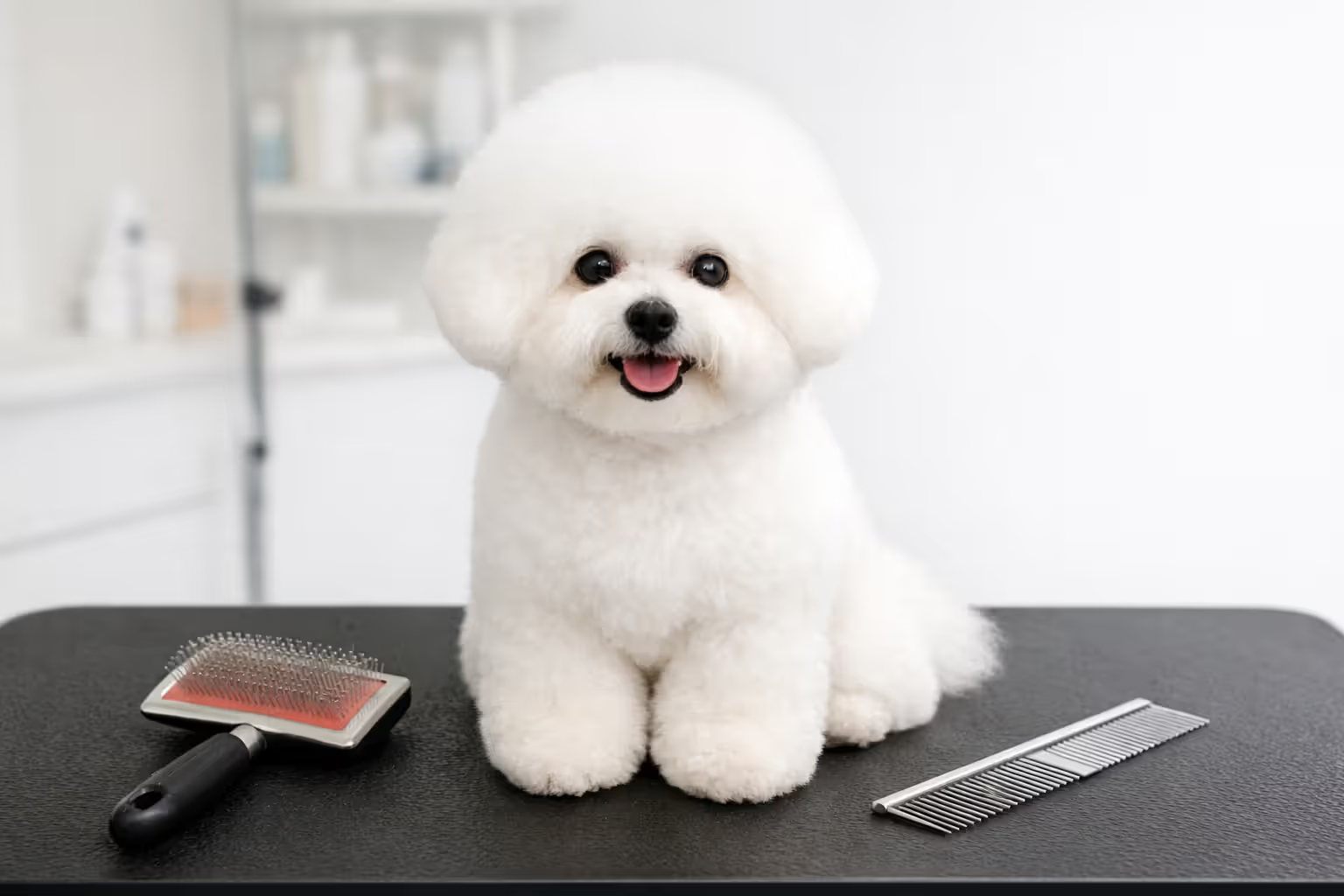
Bichon Frises look like ambulatory clouds. That sculpted, powder-puff appearance costs real money—you'll pay $60-80 every four to six weeks for professional styling, plus daily brushing between appointments. Their stark white coats broadcast every bit of outdoor dirt immediately. Calculate $700-900 annually just for grooming. The upside? You won't find tumbleweeds of fur collecting under furniture.
Havanese coats can reach the floor if you're committed to intensive daily maintenance. Most pet owners aren't. They choose shorter puppy cuts that need considerably less effort. I've watched these dogs adapt to studio apartments, suburban homes, even RV living. They're remarkably flexible about space requirements and won't generate noise complaints.
Maltese exist exclusively in bright white. Show competitors maintain floor-length coats requiring 45 minutes of daily attention. Regular owners typically keep them in three-inch trims for remaining sane. The hair grows continuously but doesn't shed normally—instead it tangles within hours if you skip brushing. Those rusty tear stains below the eyes? Permanent project requiring daily wiping.
Author: Matthew Ridgeway;
Source: alwaysonsalepetsupplies.com
Best for Families with Kids
Cocker Spaniels feature luxuriously feathered ears that kids can't resist touching. Weighing 24-28 pounds, they're sturdy enough for enthusiastic child handling without the fragility of toy breeds. They've genuinely got gentle temperaments that work around household chaos. Those gorgeous drop ears need weekly cleaning—hair plus trapped moisture equals chronic ear infections without preventive care.
Shih Tzus were literally bred across centuries as companion dogs, so family commotion doesn't stress them. You can maintain the thick double coat long and dramatic or trim it into manageable styles. They're solid enough to play with children yet won't accidentally knock over toddlers. They also skip the excessive alert-barking some small breeds do constantly.
Cavalier King Charles Spaniels grow silky coats with abundant feathering on ears, chest, and legs. I've watched these dogs tolerate having dress-up clothes put on them by five-year-olds without complaint. Brush two to three times weekly focusing especially behind ears and under front legs—that's where tangles hide most effectively.
Breed Name
Weight Range
Energy Level
Grooming Frequency
Good for First-Time Owners?
Pomeranian
3-7 lbs
High-strung, vocal
2-3x weekly minimum
Tough due to barking issues
Bichon Frise
12-18 lbs
Moderate
Daily home work + monthly salon
Great if you budget grooming
Maltese
4-7 lbs
Moderately active
Daily brushing required
Yes but commit to grooming
Havanese
7-13 lbs
Moderate
Daily for long coats, weekly for short
Excellent choice overall
Shih Tzu
9-16 lbs
Low to moderate
3-4x weekly at minimum
One of the easiest
Cocker Spaniel
20-30 lbs
Moderate to high
3-4x weekly plus grooming visits
Excellent with commitment
Cavalier King Charles
13-18 lbs
Moderate
2-3x weekly sessions
Very beginner-friendly
Medium to Large Fluffy Dog Breeds
Working and Herding Dogs
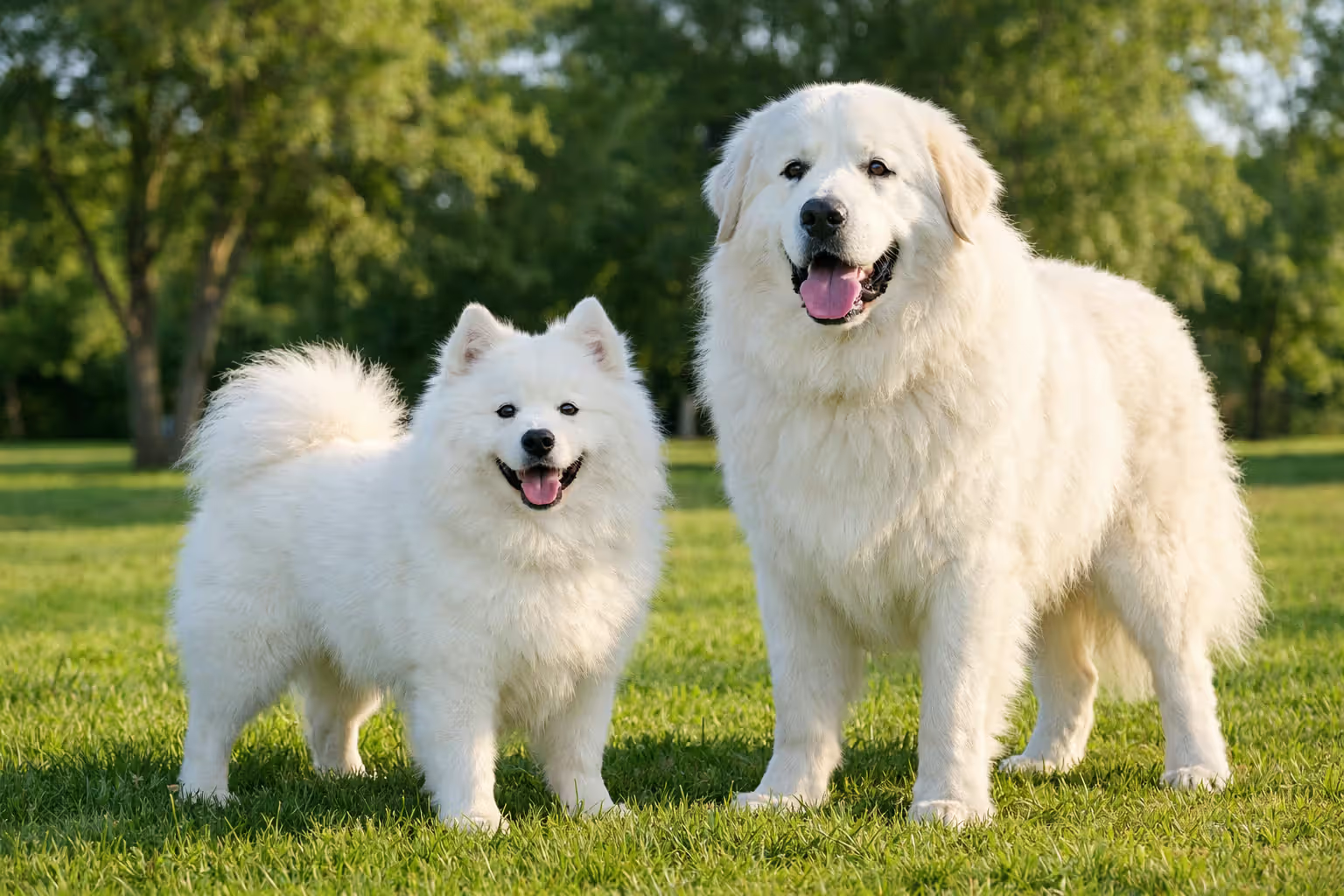
Samoyeds set the benchmark for fluffy breeds. Their brilliant white double coats stand away from their bodies creating that permanently-smiling expression everyone recognizes. Originally developed for herding reindeer across Siberia, they're engineered for subzero temperatures and genuinely suffer in heat. They're friendlier with strangers than most golden retrievers—absolutely useless as guard dogs but fantastic as family companions. Expect continuous moderate shedding interrupted by two annual events where you'll collect grocery bags full of undercoat.
Old English Sheepdogs feature profuse, shaggy coats completely covering their eyes for that signature look. Maintaining this requires legitimate dedication: 30-45 minutes of daily brushing, professional grooming every six to eight weeks costing $110-160 per visit. Skip consistent attention and their coats naturally develop into rope-like cords similar to Puli styling—though most pet owners discover this accidentally rather than intentionally.
Australian Shepherds sport medium-length double coats with abundant feathering on legs and distinctive neck manes. They shed substantially but don't quite reach full Samoyed-level fluffiness. Bred for moving livestock all day, they need one to two hours of daily exercise at minimum. Under-exercised Aussies will redesign your furniture through creative destruction.
Bearded Collies grow shaggy, weather-resistant coats built for Scottish highland conditions. All that facial hair functions like a sponge—their beards absorb food particles and water, creating permanent messes around food bowls. One owner I know keeps towels stationed at three locations specifically for beard-drying after her Beardie drinks. They're enthusiastic, high-energy dogs needing both physical activity and puzzle toys.
Keeshonds display spectacular neck ruffs and plumed tails, with distinctive gray-black-cream markings setting them apart from similar spitz breeds. They're more manageable in size (35-45 pounds) and energy compared to many working varieties, fitting active families without requiring farm acreage.
Author: Matthew Ridgeway;
Source: alwaysonsalepetsupplies.com
Gentle Giants
Great Pyrenees spent generations guarding flocks through mountain winters, operating independently without constant human direction. Their massive white double coats shed relentlessly—not dramatic seasonal events, just persistent year-round fur production. A friend with two Pyrs recently showed me her collection of filled vacuum canisters from one week. Seven canisters. One week. They're remarkably calm indoors but need secure six-foot fencing since guardian instincts drive territorial patrols. At 90-115 pounds, they occupy real space.
Newfoundlands combine water-repelling double coats with webbed feet—they're purpose-designed for water rescue. They also produce spectacular amounts of drool and track in whatever they've walked through on those enormous, furry paws. My vet keeps a dedicated "Newfie mop" for post-appointment cleanup. Despite weighing 110-150 pounds, they're extraordinarily gentle with toddlers. Weekly brushing handles most periods, but during heavy shedding you'll need daily sessions or face matting consequences.
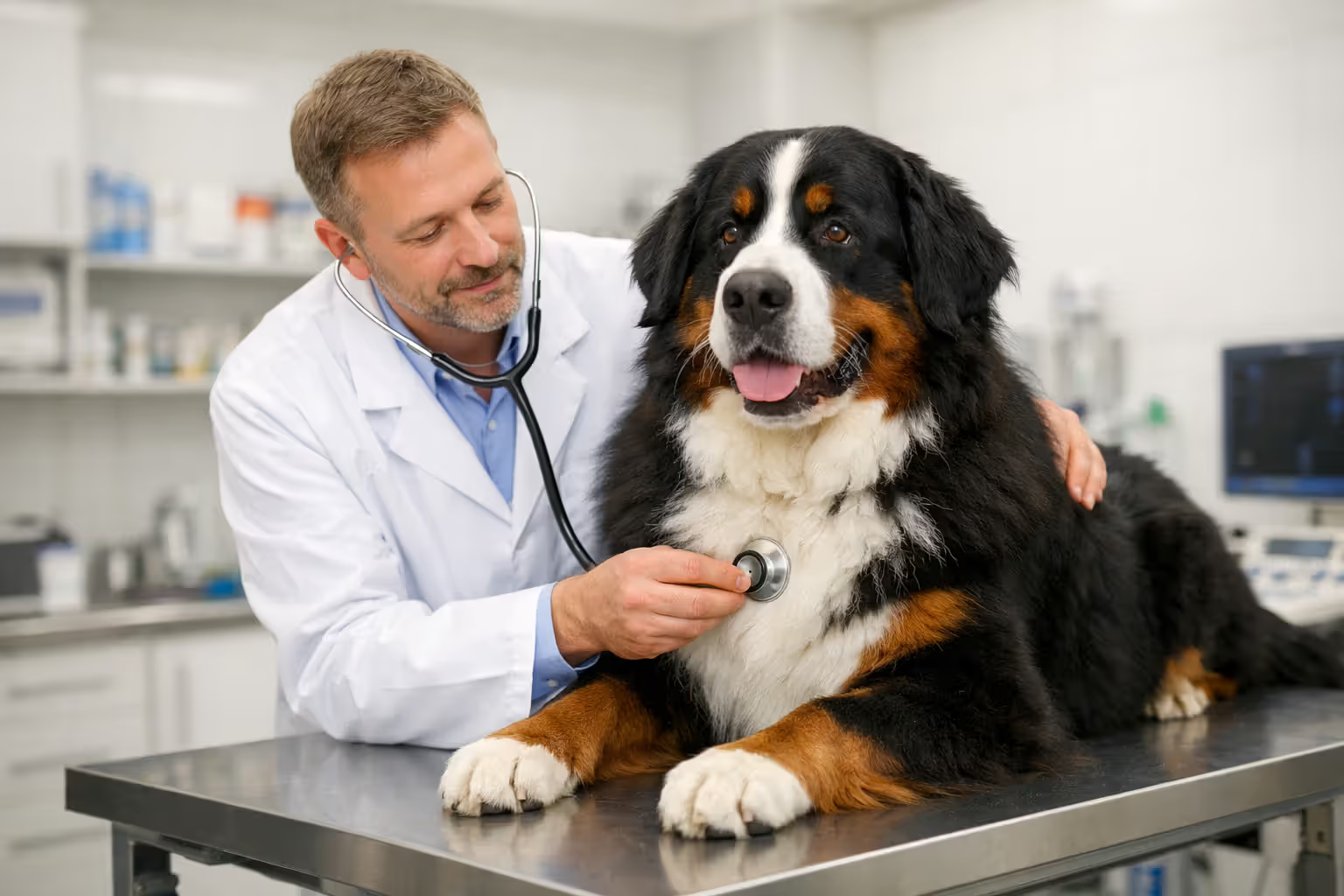
Bernese Mountain Dogs showcase beautiful tricolor patterns paired with long, silky coats. They're affectionate and mellow but suffer heartbreakingly short lifespans—7-10 years—much shorter than most breeds their size. Hip and elbow dysplasia show up frequently, partially because of their substantial bone structure carrying significant weight.
Tibetan Mastiffs feature genuine lion-like manes and can hit 160 pounds. They're independent guardians, not affection-seeking companions craving constant interaction. Surprisingly, their coats need relatively minimal work for the volume—weekly brushing suffices except during annual shed when they dump complete undercoats over two to four weeks.
Chow Chows develop dense double coats in rough or smooth varieties, though rough dominates. They're aloof and protective, bonding deeply with family while remaining suspicious of everyone else. That adorable teddy-bear appearance conceals stubborn, independent personalities requiring experienced handling and consistent training.
Breed Name
Weight Range
Exercise Needs
Shedding Level
Average Lifespan
Samoyed
45-65 lbs
High—60+ minutes daily
Extreme volume constantly
12-14 years
Old English Sheepdog
60-100 lbs
Moderate—45 minutes daily
Heavy and consistent
10-12 years
Australian Shepherd
40-65 lbs
Very high—90+ minutes minimum
Heavy continuous output
12-15 years
Great Pyrenees
85-115 lbs
Moderate—30-45 minutes daily
Extreme year-round
10-12 years
Newfoundland
100-150 lbs
Moderate—30-45 minutes daily
Heavy output
9-10 years
Bernese Mountain Dog
70-115 lbs
Moderate—45 minutes daily
Heavy continuous
7-10 years
Chow Chow
45-70 lbs
Low to moderate—30 minutes
Heavy seasonal dumps
8-12 years
Keeshond
35-45 lbs
Moderate—45 minutes daily
Heavy twice yearly
12-15 years
White and Light-Colored Fluffy Breeds: What to Expect
Dogs with white coats photograph beautifully but advertise every muddy pawprint and grass stain instantly across their fur. Beyond cosmetic challenges, light-colored coats create specific care issues.
Tear staining shows up as rusty or brownish streaks below eyes, caused by porphyrins in tear fluid oxidizing when exposed to air. This displays dramatically on fluffy white breeds—Maltese, Bichons, white Pomeranians. Daily facial cleaning with specialized wipes reduces severity somewhat, but genetics largely determine intensity. Some individual dogs stain heavily regardless of diet changes, filtered water, or obsessive hygiene.
Sunburn becomes a legitimate concern for dogs sporting white fur over pink skin, especially on nose bridges, ear tips, and belly areas. My friend's Great Pyrenees needed veterinary treatment after six hours at a mountain lake—severe sunburn across ear tips that took weeks healing. White Samoyeds and American Eskimo Dogs need dog-formulated sunscreen during prolonged outdoor time, particularly at higher elevations where UV radiation intensifies.
Author: Matthew Ridgeway;
Source: alwaysonsalepetsupplies.com
Bathing frequency climbs significantly because dirt shows immediately. Golden retrievers might go three weeks between baths without looking grimy; white fluffy breeds advertise every particle of dirt after single walks through damp morning grass. Many white-dog owners bathe every seven to ten days rather than monthly.
Whitening shampoos and brightening products become bathroom staples. These specialized formulas maintain coat brilliance but can dry out skin with excessive use. Owners constantly balance coat cleanliness against skin health—use whitening shampoo too frequently and you'll create flaky, irritated skin requiring different treatment.
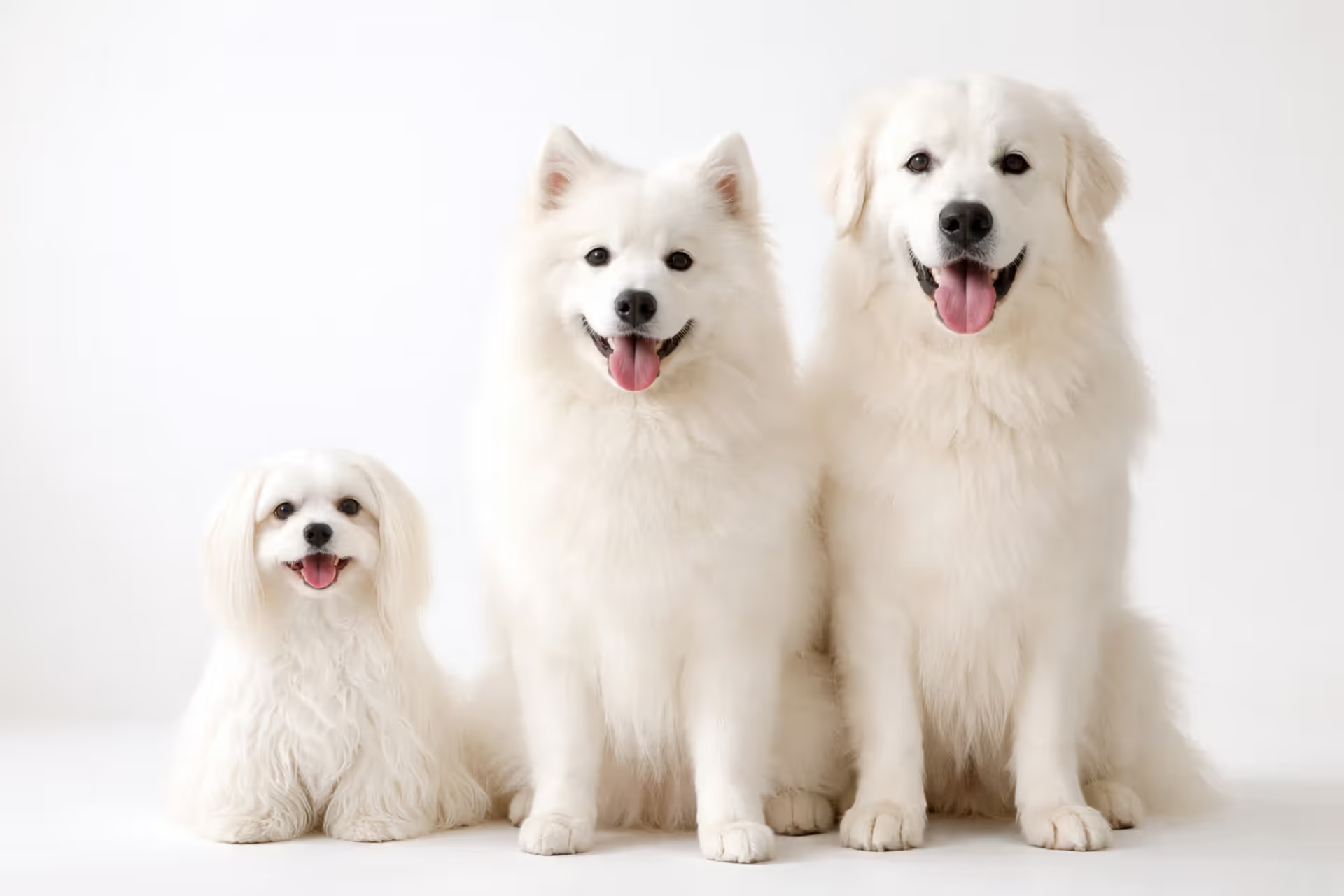
Popular fluffy breeds with white coats include Samoyeds, Great Pyrenees, American Eskimo Dogs (available in toy, miniature, and standard sizes), Coton de Tulear, Bolognese, and white Poodles. Japanese Spitz dogs resemble mini Samoyeds and reportedly feature self-cleaning coats that resist dirt better than most white varieties—though consistent brushing remains absolutely necessary.
Grooming Requirements: Time and Cost Breakdown by Breed
Those perfectly-styled social media photos conveniently skip over the hours spent brushing and the financial commitment maintaining that appearance requires.
Daily brushing applies to breeds including Old English Sheepdogs, Afghan Hounds, and long-haired Collies. Miss one session and you'll spend 20 minutes working through tangles. Miss three sessions and you're facing professional dematting charges or complete shave-downs starting over from scratch. Each daily session takes 15-30 minutes depending on coat condition and whether your dog cooperates or squirms continuously.
Three to four weekly sessions work for Samoyeds, Golden Retrievers, Keeshonds, and Pomeranians. These breeds grow dense double coats that don't tangle as readily as silky single coats but still demand regular attention preventing undercoat buildup. Plan on 10-20 minutes per session.
Weekly brushing handles shorter-coated fluffy breeds like Chow Chows (outside shedding seasons) and Bernese Mountain Dogs maintained in natural length. Even these varieties need daily attention during seasonal coat drops or you'll face serious matting.
Professional grooming costs vary by location and dog size: - Toy and small breeds under 20 pounds: $45-75 per visit - Medium breeds 20-50 pounds: $60-90 per visit - Large breeds 50-100 pounds: $80-120 per visit - Giant breeds exceeding 100 pounds: $100-150+ per visit
Most fluffy breeds need professional appointments every six to eight weeks. Calculate annual expenses from $360-900 for small dogs, scaling up to $800-1,800 for large varieties.
Essential home equipment investment: - Slicker brush for removing loose undercoat ($15-30) - Metal comb for catching hidden tangles ($10-20) - Undercoat rake for double-coated varieties ($20-40) - Detangling spray ($12-18) - High-velocity dryer for efficient post-bath drying ($50-200)
Many owners of large fluffy breeds learn basic maintenance grooming at home, reserving professional visits for complete haircuts and detailed work. This hybrid approach cuts expenses substantially while keeping coats manageable.
The better I get to know men, the more I find myself loving dogs
— Charles de Gaulle
Common mistakes owners make: Using human conditioner (wrong pH for canine skin), brushing dirty coats (pushes debris into skin), brushing bone-dry coats (causes breakage and static), and shaving double-coated breeds during summer. That last point deserves emphasis—shaving removes the coat's built-in temperature regulation and may permanently damage how it grows back. Double coats provide insulation against both heat and cold; removing them actually increases overheating risk rather than reducing it.
Common Health Issues in Long-Haired Dogs
Dense coats can hide or directly cause health problems.
Severe matting creates skin conditions when tight tangles pull constantly on skin or trap moisture against bodies. Advanced matting restricts normal movement and cuts off blood circulation to affected areas. Underneath matted sections, skin becomes irritated and infected, sometimes developing hot spots—painful bacterial infections that spread rapidly outward. Dogs suffering mats behind ears, under front legs, or around collar areas may snap or bite when touched there due to persistent pain.
Heat-related complications hit thick-coated breeds hard in warm climates. Samoyeds, Chow Chows, and other northern varieties genuinely struggle once temperatures exceed 80°F, especially with humidity above 60%. Watch for excessive panting, drooling, lethargy, stumbling, and bright red gums indicating dangerous heat stress. These dogs need actual air conditioning during summer—not just fans or shaded spots. A training colleague lost her Malamute to heatstroke after it spent 30 minutes outside in 85°F weather doing yard work alongside her.
Hip and elbow dysplasia occur more frequently in large fluffy breeds—Bernese Mountain Dogs, Newfoundlands, Golden Retrievers. These conditions originate partially from genetics, worsened by rapid growth during puppyhood and excess weight. Maintaining dogs at lean body weights minimizes joint stress, but fluffy coats often hide weight gain until it's become substantial. Run your hands along ribs—you should feel them easily under a thin layer of padding.
Author: Matthew Ridgeway;
Source: alwaysonsalepetsupplies.com
Eye irritation plagues breeds with hair growing near or over their eyes. Old English Sheepdogs, Bearded Collies, and Shih Tzus need regular facial trims preventing hair from continuously poking eyeballs. Hair scratching corneas produces ulcers needing immediate veterinary care and medication.
Ear infections develop frequently in fluffy dogs with drop ears—Cocker Spaniels, Havanese, Newfoundlands. Poor air circulation combined with hair growing inside ear canals creates perfect conditions for bacterial and yeast overgrowth. Weekly ear cleaning plus plucking or trimming ear canal hair helps prevent recurring infections that cost $150-300 treating each episode.
Hypothyroidism manifests more commonly in certain fluffy breeds—Golden Retrievers, Samoyeds, Cocker Spaniels. Symptoms include unexpected weight gain, lethargy, and coat quality deterioration—though heavily-coated dogs mask these signs effectively. Once diagnosed through bloodwork, daily thyroid medication controls the condition for $20-40 monthly.
Bloat (gastric dilatation-volvulus) threatens deep-chested large breeds including Newfoundlands and Great Pyrenees. The stomach fills rapidly with gas, then rotates on itself, cutting off blood flow. It's a surgical emergency—dogs die within hours without treatment costing $3,000-7,000. Feed multiple small meals rather than one large daily portion, avoid vigorous exercise immediately after eating, and use slow-feeder bowls to minimize risk.
The greatness of a nation and its moral progress can be judged by the way its animals are treated
— Mahatma Gandhi
Frequently Asked Questions About Fluffy Dogs
Do all fluffy dogs shed heavily?
Shedding varies enormously by breed type. Double-coated varieties—Samoyeds, Huskies, German Shepherds—shed moderately year-round, then explosively dump entire undercoats twice annually during spring and fall transitions. You'll legitimately collect grocery bags full of undercoat during these coat blows lasting two to three weeks. Single-coated fluffy types like Poodles, Bichons, and Maltese shed minimally—their hair grows continuously before falling out in tiny amounts, mostly trapped in existing curl patterns or length. That said, "minimal shedding" absolutely doesn't mean "easy care." These breeds demand regular professional trimming every 4-6 weeks and daily brushing preventing painful mats. Shaggy varieties with textured coats occupy middle ground, producing moderate shedding but requiring intensive grooming preventing their coats from forming unintended dreadlocks.
How much does it cost to groom a fluffy dog per year?
Budget $360-1,800 annually for professional grooming depending on breed size and how frequently they need appointments. A Maltese needing visits every four weeks at $55 each runs approximately $660 yearly. An Old English Sheepdog needing grooming every six weeks at $130 per appointment totals roughly $1,130. Add another $100-200 for home equipment—quality slicker brushes, undercoat rakes, appropriate shampoos, detangling sprays, nail clippers. Some owners cut expenses by learning basic techniques themselves—handling baths, brushing, and sanitary trims at home, scheduling professional grooming quarterly only for complete haircuts and shaping. This approach typically reduces annual costs to $400-800 for most breeds. Mobile groomers charge 20-30% premiums over salon prices but eliminate transportation hassles and waiting room stress.
Are fluffy dogs harder to keep cool in summer?
Absolutely, particularly northern breeds with substantial double coats. Samoyeds, Malamutes, Chow Chows, Great Pyrenees authentically struggle once heat and humidity climb. They need air-conditioned indoor environments during summer—fans and shade alone prove insufficient. Offer frozen treats, cooling mats, shallow wading pools for temporary relief. Schedule walks during early morning before 7am or late evening after 8pm when temperatures drop below 75°F. Watch closely for heat stress signs: excessive panting continuing even after rest, heavy drooling, unsteady walking, bright red or purple gums all signal dangerous overheating. Never leave them in parked vehicles even briefly with windows cracked—interior temperatures hit 120°F within 15 minutes on 80°F days. And never shave double-coated breeds thinking you're helping them cool down—their coat insulates against both temperature extremes naturally. Shaving eliminates this protection and frequently causes permanent coat damage where regrowth comes in patchy or changed in texture. Regular brushing removing dead undercoat provides far more cooling benefit than shaving ever could.
Which fluffy breed is best for people with allergies?
No breed guarantees zero allergic reactions, but Poodles (from toy through standard sizes), Bichon Frises, and Portuguese Water Dogs generally provoke fewer symptoms. People actually react to dander—microscopic dead skin flakes—and proteins in saliva, not fur itself. Breeds shedding minimally distribute less dander throughout homes. Poodles rank as the most popular fluffy choice for allergy sufferers—their tight curls trap shed hair and attached dander rather than releasing it into air circulation. Regular bathing every two weeks plus professional grooming reduces environmental allergen levels significantly. Spend substantial time around your selected breed before committing since allergy severity varies individually between people. I've met people who react intensely to Poodles while tolerating Bichons perfectly fine, and others experiencing the opposite pattern.
How often should I brush my long-haired dog?
Brushing frequency depends entirely on coat type and maintained length. Silky single coats—Maltese, Yorkshire Terriers, Afghan Hounds—need daily brushing without exception. Skip one day and tangles establish themselves requiring 30 minutes working through. Double coats with moderate length—Golden Retrievers, Samoyeds—need brushing three to four times weekly, increasing to daily during seasonal coat drops. Shorter fluffy coats—Chow Chows, Pomeranians in practical trims—manage with two to three weekly sessions. Dogs kept in full show coats require daily attention regardless of breed. Always brush before bathing since wetting matted coats transforms tangles into nearly impossible concrete-like knots. Use slicker brushes for surface coat, then run metal combs clear through to skin level detecting hidden mats. Problem zones concentrate behind ears, under collars, in armpit areas, and around rear legs where friction occurs constantly.
Do fluffy puppies stay fluffy as adults?
Generally yes, but puppy coats differ substantially from mature adult coats. Most fluffy breeds arrive with soft, fuzzy puppy coats that shed completely between six to twelve months old, replaced by adult coats with totally different texture and density. Pomeranian puppies have soft fuzz transforming into the breed's characteristic stand-off double coat by 12-18 months. There's an awkward "puppy uglies" phase where they look scraggly during this coat transition—new owners sometimes panic thinking something's wrong. Poodle puppies begin with wavy coats that curl significantly tighter as adults. Some breeds increase fluffiness with maturity—Samoyeds reach peak fluff around two to three years old once their full adult coat develops completely. Others, particularly mixed breeds like Goldendoodles, have wildly unpredictable adult coats depending on genetic combinations inherited. If adult fluffiness matters critically, meet both parents and request photos of previous litters from that breeding pair showing puppies at various life stages.
Selecting a fluffy breed means balancing visual appeal against daily reality. That adorable Samoyed smile comes packaged with twice-yearly fur tornadoes coating every surface in white. The Bichon's low-shedding coat demands professional grooming every four weeks without flexibility in timing. Old English Sheepdogs require 30-45 minute daily brushing sessions maintaining that shaggy appearance everyone recognizes.
Start with brutally honest self-assessment. Apartment residents should target small to medium breeds with moderate energy—Bichons, Havanese, Cavaliers perform well in compact spaces. Families with fenced yards and active lifestyles can accommodate high-energy fluffy breeds like Australian Shepherds or Samoyeds needing serious exercise. Living in hot climates? Avoid northern breeds entirely or commit to keeping them primarily indoors with reliable air conditioning running continuously.
Calculate actual expenses beyond purchase price: annual grooming ($360-1,800), quality nutrition ($500-1,200 for large breeds), routine veterinary care ($500-1,000 minimum, considerably more for breeds with known health issues). Large fluffy breeds easily cost $2,000-4,000 annually maintaining them appropriately.
Evaluate your grooming commitment realistically. If work involves frequent travel, can you maintain daily brushing schedules consistently? Will you genuinely follow through with professional grooming every six to eight weeks, or will the dog end up severely matted requiring complete shave-downs to start over? Fluffy dogs in neglected coat condition aren't merely unattractive—they experience genuine physical suffering and develop painful skin complications requiring veterinary treatment.
Spend meaningful time around adult dogs of your target breed, not exclusively adorable puppies. All puppies look fluffy and cute; adult temperament, actual full-grown size, and realistic coat maintenance vary dramatically from puppy stage. Responsible breeders and breed-specific rescues encourage prospective owners spending hours with their adult dogs observing normal behavior. Pay attention to energy levels throughout the day, noise production (some fluffy breeds vocalize constantly about everything), and how the coat feels after you've petted them—some breeds shed on contact while others don't noticeably.
The right fluffy breed becomes a treasured family member justifying every minute spent brushing and every dollar spent grooming. The wrong match leads to frustration, neglected coats causing health problems, and dogs surrendered to shelters because owners drastically underestimated work involved. Choose with your head running the analysis alongside your heart supplying the enthusiasm, and that fluffy companion will deliver years of genuine joy—plus, yes, fur permanently decorating your couch, your wardrobe, and occasionally your dinner.
Discover 25+ white dog breeds ranging from tiny apartment companions to powerful livestock guardians. Explore the genetics behind white coats, compare grooming demands across coat types, understand breed-specific health risks, and find the perfect snow-coated match for your actual lifestyle, family size, and daily routine
Searching for the perfect small dog breed that truly fits your daily routine? This detailed guide breaks down 15 popular tiny breeds by temperament, grooming demands, health risks, and annual costs. Whether you rent a studio apartment, raise young kids, or own a dog for the first time, find your match here
Complete guide to service dog requirements under the ADA, including legal rights for handlers, public access rules, housing and air travel regulations, training costs and timelines, task examples by disability type, best breeds for service work, and key differences between service dogs, emotional support animals, and therapy dogs under United States law
Explore the top 15 smartest dog breeds ranked by science-backed criteria, learn how canine intelligence is truly measured across three distinct categories, and get proven training strategies for brainy dogs. Find expert insights on matching a breed’s cognitive style to your lifestyle for a perfect fit
The content on this website is provided for general informational and educational purposes only. It is intended to offer guidance on dog breeds, behavior, health, care, and lifestyle, and should not be considered a substitute for professional veterinary advice, diagnosis, or treatment.
All information published on this site is based on general knowledge, widely accepted research, and practical experience, but individual dogs may differ in behavior, health conditions, and needs. Results and outcomes may vary depending on the dog, environment, and circumstances.
The website is not responsible for any errors or omissions, or for actions taken based on the information provided. For specific concerns regarding your dog’s health or behavior, always consult a qualified veterinarian or professional dog specialist.