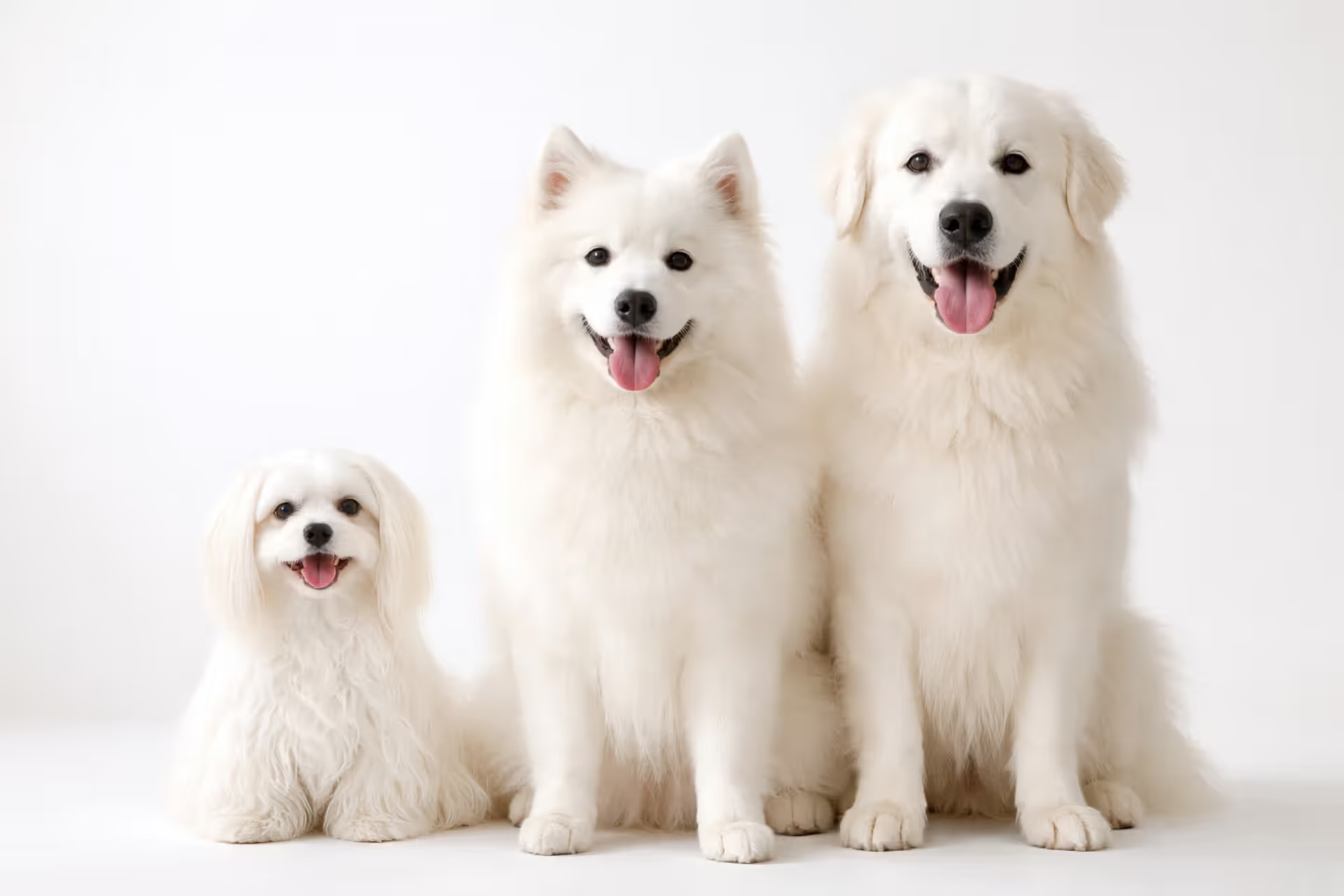
You know what stops traffic? A brilliant white dog trotting down the sidewalk, coat gleaming like fresh powder. I've watched people cross streets just to ask about someone's Samoyed. There's something magnetic about a dog with a pure white coat—maybe it's the rarity, maybe the contrast against any background.
But here's what Instagram doesn't show: those tear stains under the eyes, the twice-daily brushing sessions, and the breed-specific quirks that come packaged with that gorgeous fur. Some white breeds guard livestock with zero interest in fetching your tennis ball. Others want nothing more than to sit in your lap all day, every day.
This guide walks through 25+ white-coated breeds—everything from dogs that fit in a tote bag to 130-pound livestock guardians. We'll dig into the genetics behind white fur, figure out which breeds match your actual life (not your fantasy life), and talk honestly about keeping white coats white.
Why Some Dogs Have Pure White Coats (The Science Behind the Color)
Here's the short version: white coats happen when specific genes tell hair follicles "don't deposit any pigment here." Dogs produce two main pigments—eumelanin (creates black and brown) and phaeomelanin (makes red and yellow). White-coated breeds carry genetic variations that block one or both pigments from showing up in their fur.
Now, white dogs aren't albinos. That's a common mix-up. Albinism is exceptionally rare in canines and involves a complete absence of pigment production throughout the entire body. You'd see pink eyes, a pink nose, and pink skin showing through the coat. Actual white dogs? They've got dark eyes, black or brown noses, and normal skin pigmentation. Their genes just switched off the pigment in their hair.
The piebald gene deserves special mention because it's responsible for many white coats. During embryonic development, pigment cells migrate from the neural crest to their final positions in the skin and hair follicles. The piebald gene stops that migration in certain areas, leaving white patches—or in extreme cases, an entirely white coat. Breeders in Siberia, the Pyrenees, and Hungary spent centuries selecting for this all-white look in working dogs.
One downside: the same genetic factors creating white coats can disrupt inner ear development. That's why some white breeds show higher rates of congenial deafness. Not all white dogs are affected—it depends on the specific genetic combinations and the breed involved.
Small White Dog Breeds Perfect for Apartments and Families
Compact white breeds deliver that eye-catching appearance without needing a sprawling estate. These range from purse dogs to sturdy little athletes.
Toy and Miniature Breeds Under 20 Pounds
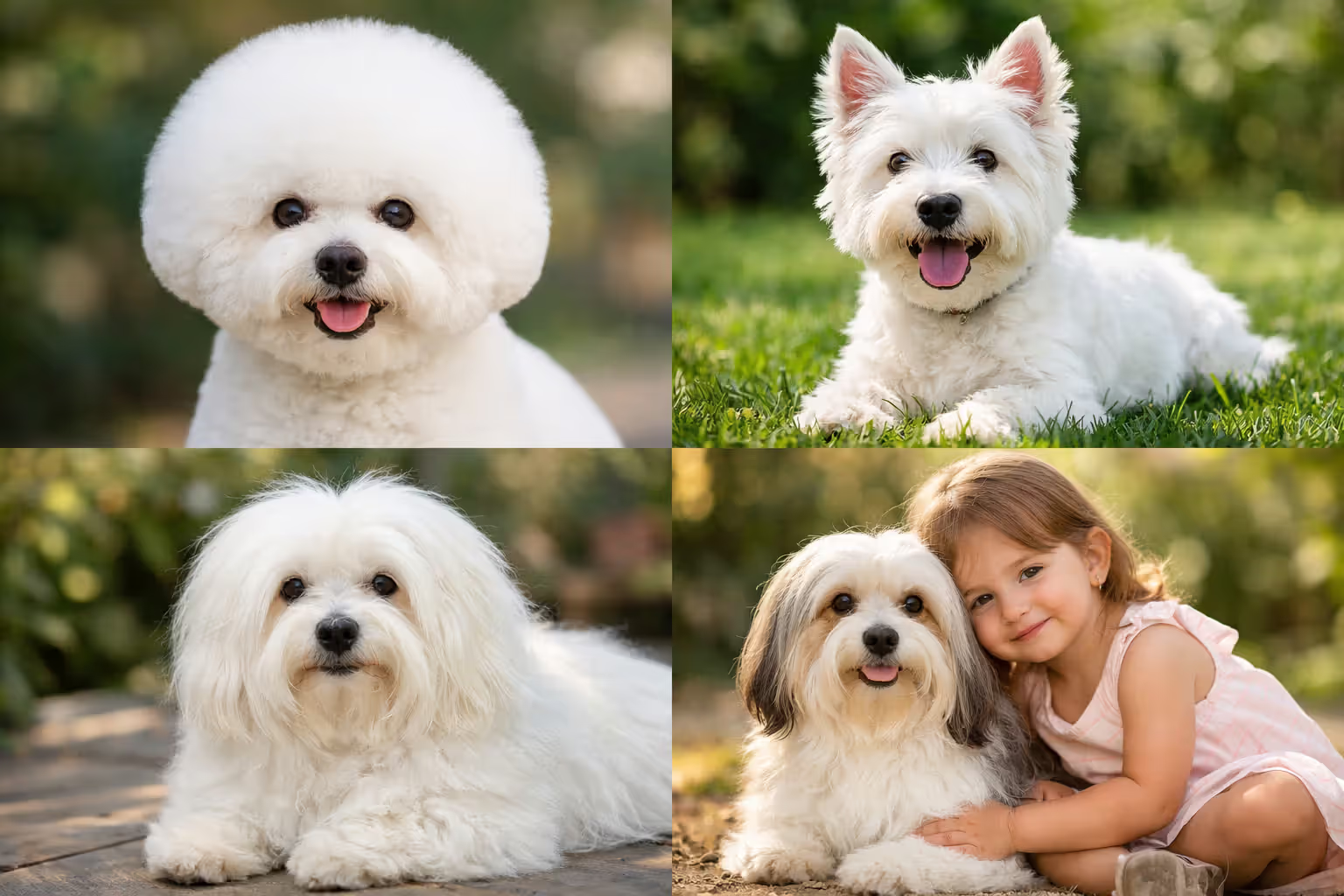
Maltese trace their lineage back over two millennia. Ancient Romans kept them as companions, and they haven't changed much since. That flowing white coat reaches the ground when fully grown—picture Rapunzel as a 6-pound dog. You'll spend 15-20 minutes daily brushing, or you'll face mats that need to be shaved out. Despite looking like living porcelain, they're hardy little dogs that often hit their 14th or 15th birthday. They do have one quirk: intense bonding with one or two people while tolerating everyone else.
Bichon Frise look like someone animated a cloud. That poofball appearance comes from a dense double coat that requires professional scissoring every month to six weeks. What makes them different from other toy breeds? They actually enjoy kids. Most lap dogs get cranky when toddlers grab at them, but Bichons roll with it. They're also one of the better choices for allergy sufferers—not truly hypoallergenic (nothing is), but they produce less dander than most breeds.
West Highland White Terriers were bred to hunt vermin in the rocky Scottish highlands. That history means they've got prey drive in spades. Your Westie will chase anything that moves quickly—squirrels, cats, remote-control cars. They're also barkers, diggers, and general troublemakers when bored. Their wiry white coat needs hand-stripping twice a year if you want to maintain that proper terrier texture. Clipping works too, but the coat becomes softer and the color can fade to cream.
Japanese Spitz look like Samoyeds that got shrunk in the wash. They've got the same fox-like face, plumed tail, and thick double coat in a 15-pound package. Unlike their larger cousins, Japanese Spitz tend toward being one-person dogs. They'll tolerate your family, but they're really your dog. Daily walks handle their exercise needs, but be warned—they're vocal. Very vocal.
Small Breeds 20–35 Pounds
Author: Emily Crosswell;
Source: alwaysonsalepetsupplies.com
Havanese adapt to basically anything. Studio apartment or farmhouse? Fine. Active family with three kids or retired couple? Also fine. They read the room and match that energy. You can keep their silky coat long with daily brushing, or clip it short every couple months for easier maintenance. Unlike some companion breeds, Havanese genuinely enjoy meeting new people and dogs.
Coton de Tulear developed on Madagascar, where they lived with wealthy families in port cities. Their coat has a cotton-like texture that tangles if you look at it wrong. Plan on 45-minute brushing sessions three times weekly, focusing on behind the ears and in the armpits where mats form first. Personality-wise, they're clowns. They'll jump, spin, and walk on their hind legs to make you laugh. The flip side? They fall apart when left alone for eight-hour workdays. Separation issues are common enough in the breed that you should have a plan before bringing one home.
American Eskimo Dog (miniature size) performed in traveling circuses during the early 1900s, which tells you everything about their trainability. They learn tricks fast and remember them forever. That bright white double coat sheds aggressively twice a year—I'm talking garbage bags full of undercoat. Between shedding seasons, weekly brushing suffices. Mental stimulation matters more than physical exercise with these dogs. A bored Eskie will redesign your couch cushions from the inside out.
Bolognese are the introverts of the toy dog world. They need time to warm up to strangers, watching from behind your legs before deciding if someone's trustworthy. Once they bond, they become your shadow, following you from room to room, including the bathroom. Their fluffy coats develop mats behind the ears and in the armpits faster than anywhere else—check those spots daily.
Breed
Weight Range
Energy Level
Grooming Frequency
Good for First-Time Owners
Maltese
4-7 lbs
Low-Moderate
15-20 min daily
Yes
Bichon Frise
12-18 lbs
Moderate
Professional every 4-6 weeks
Yes
West Highland White Terrier
15-20 lbs
High
Hand-strip twice yearly
No
Japanese Spitz
11-20 lbs
Moderate
Three weekly sessions
Yes
Coton de Tulear
8-15 lbs
Moderate
45 min, three times weekly
Yes
American Eskimo (Mini)
10-20 lbs
High
Weekly except shedding season
Moderate
Bolognese
5-10 lbs
Low
Three times weekly
Yes
Havanese
7-13 lbs
Moderate
Daily or keep clipped
Yes
Large White Dog Breeds: Majestic Giants with Gentle Souls
Big white breeds usually have working backgrounds—pulling sleds, guarding flocks, or protecting estates. That heritage shapes their temperament and needs today.
Samoyed smile. It's not a trick of the light—their mouth corners naturally turn up, creating that famous "Sammy smile." Siberian nomads bred them to herd reindeer, pull sleds, and sleep in tents with their families for warmth. Today's Sammies still have that work ethic and endurance. A 20-minute walk around the block won't cut it. Think 90+ minutes of running, hiking, or pulling activities. Without adequate exercise, they'll excavate your yard or serenade the neighborhood with operatic howls. And the shedding? Year-round, with catastrophic blowouts each spring and fall when you could literally stuff a pillow with the undercoat they drop.
Author: Emily Crosswell;
Source: alwaysonsalepetsupplies.com
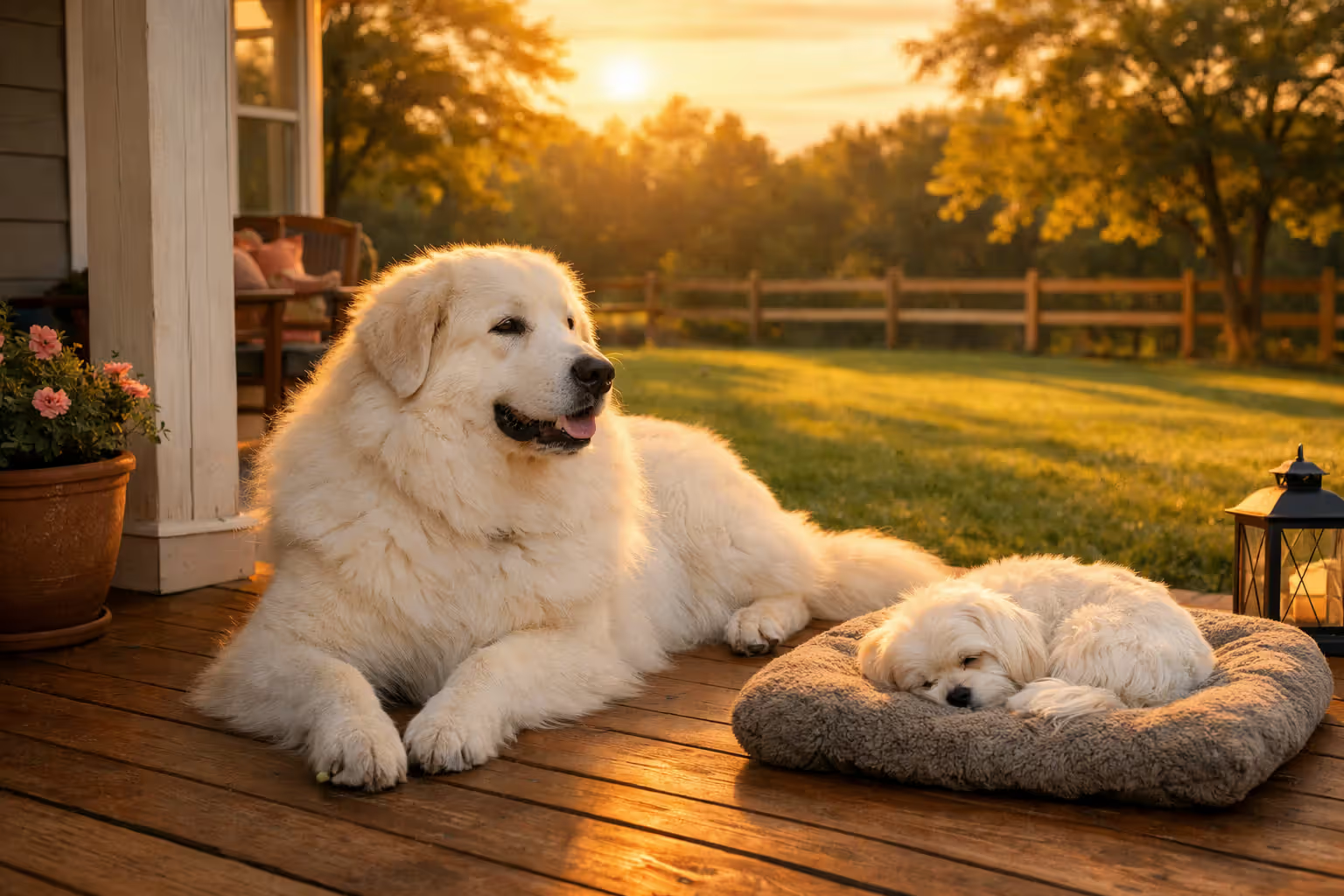
Great Pyrenees spent centuries alone in the French Alps, guarding sheep from wolves and bears. They make decisions independently because there was no shepherd around at 2 AM to tell them what to do. That independence translates to patrolling your property at night and barking at anything suspicious. And I mean anything—raccoons, coyotes, or your neighbor taking out the trash at midnight. They're phenomenal watchdogs. They're also challenging for suburban neighborhoods with houses 20 feet apart. With family, including small children, they're gentle giants. With strangers at the door? Aloof and watchful. Their thick coats naturally repel dirt; many owners bathe them just 3-4 times yearly.
Kuvasz (pronounced KOO-vahss) protected Hungarian royalty and their livestock. They assess situations and act on their own judgment, which drives trainers crazy when they ignore a recall command because they've spotted something they consider a threat. You don't command a Kuvasz; you negotiate. They need experienced handlers who can establish leadership through respect rather than force. Socialize them extensively as puppies or they become overprotective.
Dogo Argentino hunts big game—wild boar, pumas, things with serious teeth. That muscular build under the short white coat isn't for show. Despite their intimidating appearance and hunting background, properly bred Dogos bond deeply with their families. But they need extensive socialization from 8 weeks onward and ongoing training throughout their lives. Check your local laws too—some cities classify them as restricted breeds requiring special insurance or permits.
Akbash spent their working lives alone with livestock on Turkish hillsides, sometimes not seeing their owner for days. They're calm, methodical, and conservative with their energy. Don't expect enthusiastic games of fetch. An Akbash would rather lie on an elevated spot and observe their territory. Apartment living frustrates their need for space and a job to do.
Maremma Sheepdogbonds with whatever they're raised alongside. Italian farmers place 8-week-old puppies with sheep, creating lifelong guardian bonds. As family pets, they're devoted but not cuddly lap dogs. They'll tolerate grooming and vet visits without fuss, but they're not seeking constant physical affection. Weekly brushing handles their coat except during spring and fall when daily sessions help manage the shed.
Dogs do speak, but only to those who know how to listen
— Orhan Pamuk
White Swiss Shepherd descended from white-coated German Shepherds that were bred separately in Switzerland until gaining recognition as their own breed. They kept the intelligence and trainability of German Shepherds but with slightly softer temperaments. These dogs excel in obedience competitions, search and rescue, and therapy work. They need jobs—formal training, dog sports, or specific tasks—or they develop anxiety-driven behaviors like pacing and excessive licking.
Breed
Weight Range
Temperament Type
Exercise Needs (hours/day)
Lifespan
Samoyed
50-60 lbs
Social, tireless
1.5-2
12-14 years
Great Pyrenees
85-115 lbs
Independent protector
1
10-12 years
Kuvasz
70-115 lbs
Decisive, loyal
1.5
10-12 years
Dogo Argentino
80-100 lbs
Intense, devoted
2
10-12 years
Akbash
90-130 lbs
Methodical guardian
1
10-11 years
Maremma Sheepdog
65-100 lbs
Reserved, reliable
1
11-13 years
White Swiss Shepherd
55-88 lbs
Responsive, energetic
1.5-2
12-14 years
Grooming Requirements: Managing That Fluffy White Coat
White fur broadcasts every bit of dirt, every tear stain, every blade of grass your dog rolls on. Maintenance requirements vary wildly depending on coat type.
High-Maintenance vs. Low-Maintenance White Breeds
High-maintenance breeds need professional grooming every 4-8 weeks plus significant home care between appointments. Bichon Frise, Maltese, and Coton de Tulear coats develop mats within 48-72 hours without brushing. You're looking at $60-100 per grooming appointment, which adds up to $720-1,200 yearly. Between professional visits, you need to brush all the way down to the skin—surface brushing just hides mats underneath until the groomer finds them and has to shave them out.
Here's a reality check about "low-maintenance" doodles and poodle mixes: they often inherit coat types that mat worse than purebred Poodles. That fluffy teddy bear look requires serious upkeep, despite what some breeders claim.
Low-maintenance white breeds include Dogo Argentino, Bull Terriers, and Dalmatians. Their short coats need weekly brushing with a rubber curry brush to pull out dead hair. Bathe them when they're dirty or smelly—usually monthly. These breeds shed steadily year-round in small amounts rather than seasonal blowouts.
Double-coated breeds like Samoyeds and Great Pyrenees land somewhere in the middle. Weekly brushing works most of the year, ramping up to daily sessions during spring and fall coat blows. Never shave a double coat. It wrecks their temperature regulation and may grow back patchy or not at all. Use an undercoat rake during shedding season to pull out the loose undercoat before it ends up coating your furniture.
Author: Emily Crosswell;
Source: alwaysonsalepetsupplies.com
Preventing Tear Stains and Yellowing
Those reddish-brown streaks under the eyes plague white-faced breeds. Porphyrins in tears oxidize when exposed to air, staining the fur. Breeds with shallow eye sockets—Maltese, Bichons, and similar dogs—have tears that overflow onto facial fur instead of draining properly through tear ducts.
Daily prevention beats trying to bleach out established stains. Wipe under the eyes every morning with a damp cloth or commercial tear stain pad. Keep the hair around the eyes trimmed short so it doesn't wick tears across the face. Some owners dust a thin layer of cornstarch or grooming powder under the eyes to absorb moisture throughout the day.
Diet plays a bigger role than most people realize. Cheap foods with artificial colors, corn, or wheat make tear staining worse in sensitive dogs. Switching to higher-quality food and filtered water (if your tap water is high in minerals) often improves staining within a few weeks.
Yellowing on the legs, chest, and rear happens when saliva or urine sits on white fur. Dogs licking their paws obsessively from allergies create rust-colored stains. You need to address the underlying allergy, not just treat the cosmetic symptom. Whitening shampoos use optical brighteners that temporarily make fur look whiter under certain lighting but don't actually remove stains. Bluing shampoos counteract yellow tones—use them sparingly or you'll end up with purple-tinged fur.
Male dogs that squat to urinate (common in small breeds) get urine splashed on their leg furnishings. Teaching them to lift a leg or keeping the belly and leg hair trimmed short reduces this issue.
Health Considerations Specific to White-Coated Dogs
White coats sometimes come packaged with genetic conditions affecting overall health. Knowing what to watch for helps catch problems early.
Congenital deafness shows up more frequently in white dogs, especially those with extreme piebald patterns or merle genes. Dalmatians top the charts—roughly 30% are deaf in one or both ears. Responsible breeders run BAER tests (Brainstem Auditory Evoked Response) on puppies at 5-6 weeks to identify hearing loss. Dogs deaf in one ear function normally as pets—you'll never notice. Bilaterally deaf dogs need specialized training with hand signals and vibration collars, but they live happy, full lives.
White Bull Terriers, white Boxers, and Australian Cattle Dogs also show elevated deafness rates. Avoid breeders who skip testing because it's "too expensive" or claim they can tell by clapping near the puppy's head (they can't).
Sun sensitivity affects pink-skinned areas on noses, ear tips, and bellies. White dogs with black pigment on these areas—Samoyeds, Great Pyrenees—rarely get sunburned. But dogs with pink patches risk burns, especially at high altitudes or around reflective surfaces like lakes, oceans, or snow. Apply pet-safe sunscreen (zinc-free) to exposed pink skin before extended outdoor time in bright sun. Repeated sunburns increase the risk of squamous cell carcinoma down the line.
Skin allergies occur across all coat colors but show more obviously on white dogs. Redness, hair loss, and staining from compulsive licking stand out against white fur like neon signs. Environmental allergies (pollen, mold, dust mites) cause seasonal itching. Food allergies create year-round symptoms. Working with a veterinary dermatologist gets you an accurate diagnosis instead of wasting months randomly switching foods based on internet advice.
Breed-specific conditions matter more than coat color. Great Pyrenees develop hip dysplasia and bloat. Samoyeds carry genes for progressive retinal atrophy and hip dysplasia. Maltese frequently have luxating patellas where the kneecap slips out of position. Research the health testing protocols recommended for your breed and verify that breeders actually test the parent dogs—ask to see the OFA or PennHIP certificates.
The greatest fear dogs know is the fear that you will not come back when you go out the door without them
— Stanley Coren
Choosing the Right White Dog Breed for Your Lifestyle
That gorgeous white coat shouldn't be your primary selection criterion. Temperament, energy level, and care requirements matter infinitely more than color. A white dog that clashes with your actual lifestyle creates frustration for everyone involved.
Match activity levels honestly. High-energy breeds like American Eskimo Dogs and Samoyeds need serious daily exercise—running, hiking, swimming, or dog sports. A leisurely 20-minute neighborhood stroll won't scratch the surface of their needs. Under-exercised dogs invent their own entertainment: shredding couch cushions, barking at imaginary threats, ping-ponging off walls. On the flip side, low-energy breeds like Bolognese are perfectly content with brief walks and indoor play. Dragging them on 5-mile hikes stresses them out rather than tiring them out.
Climate matters for heavily coated breeds. Samoyeds, Great Pyrenees, and Kuvaszok thrive when temperatures drop below freezing. They struggle in hot, humid climates no matter how much you groom them. Air conditioning becomes non-negotiable, exercise gets limited to early morning and late evening, and you need to watch constantly for heat stress symptoms. Short-coated breeds like Dogos handle heat better but need sweaters or jackets when temperatures drop below 40°F.
Family dynamics should drive breed choice. Terriers (Westies, specifically) have zero patience for tail-pulling and rough handling from young kids. Bichons and Havanese tolerate the chaos of family life remarkably well. Giant breeds like Great Pyrenees are gentle souls, but they can accidentally flatten a toddler just by walking past. Sometimes an adult dog from a rescue organization suits families with young children better than a puppy—their temperament is already established, and they're past the needle-toothed mouthy phase.
First-time owners succeed with biddable breeds that forgive training mistakes. Havanese, Bichon Frise, and Maltese genuinely want to please you. Independent guardian breeds—Kuvasz, Akbash, Great Pyrenees—challenge even experienced trainers. They're terrible choices for first dogs. Terriers fall somewhere in between: trainable but stubborn enough to keep things interesting.
Space requirements don't correlate directly with size. A Maltese in a 5,000-square-foot house still needs daily human interaction and mental stimulation. A Great Pyrenees in a small apartment can work if the owner commits to adequate exercise and training, though it's not ideal. Yard size matters less than exercise quality. A dog wandering aimlessly in a fenced half-acre gets less enrichment than structured walks exploring new environments.
Author: Emily Crosswell;
Source: alwaysonsalepetsupplies.com
Frequently Asked Questions About White Dogs
Are white dogs more prone to deafness than other colors?
White dogs carrying certain genetic patterns face elevated deafness risk. The extreme piebald gene creating those all-white coats can disrupt inner ear development while a puppy develops in the womb. Breeds with the highest rates include Dalmatians (30%), white Bull Terriers (20%), and white Boxers. Double merle dogs—breeding two merle parents creates puppies with excessive white and often blue eyes—have exceptionally high deafness rates, which is exactly why ethical breeders never cross two merle dogs. Solid white breeds with pigmented skin and dark eyes, like Samoyeds and Great Pyrenees, don't show elevated deafness. BAER testing at 5-6 weeks identifies which puppies can hear. Deaf dogs adapt remarkably well with hand signal training and vibration collars for recall.
Do white dogs require more grooming than darker-coated breeds?
Grooming needs depend on coat type, not color. A white Dogo Argentino with a short coat needs way less grooming than a black Poodle. The thing is, white fur broadcasts every speck of dirt, every tear stain, every yellow patch. This creates the impression of higher maintenance. Owners of white dogs typically bathe every 2-3 weeks for aesthetic reasons while owners of dark dogs go monthly. Breeds with continuously growing hair—Maltese, Bichon Frise—need professional grooming every 4-6 weeks whether they're white, black, or purple. Double-coated white breeds shed just as heavily as their colored counterparts; the white hair just shows up more dramatically on your dark couch.
What is the friendliest small white dog breed for families with children?
Havanese consistently rank as the most child-tolerant small white breed. They handle noise, sudden movements, and learning-curve handling from kids still figuring out how to pet gently. Their build (7-13 pounds) is sturdy enough to withstand more than ultra-fragile toy breeds. Havanese naturally adjust their energy to match whoever they're with—playful with active kids, mellow with quiet adults. Bichon Frise come in a close second with similar temperament and slightly more substantial size (12-18 pounds). Skip Maltese and Japanese Chin if you have kids under 8; their delicate bone structure risks injury from accidental drops or overzealous hugs. West Highland White Terriers tolerate respectful older children (10+) but will snap at pestering toddlers.
Which large white dog breeds are best for cold climates?
Samoyed and Great Pyrenees evolved in brutal northern climates and actually thrive in cold weather. Their double coats insulate them effectively down to -50°F. Samoyeds worked alongside nomadic tribes in Siberia, sleeping outdoors through the winter. Great Pyrenees guarded mountain flocks through French Alpine blizzards. Both breeds become more energetic when snow falls and may refuse to come inside during storms. Kuvasz and Maremma Sheepdogs also handle extreme cold without issues. White Swiss Shepherds tolerate cold reasonably well but lack the extreme weather adaptations of those guardian breeds. Short-coated Dogo Argentinos need jackets and limited outdoor time below 40°F. And never, ever shave a double-coated breed before winter—that undercoat provides critical insulation.
Are pure white dogs the same as albino dogs?
No. True white dogs carry genes preventing pigment from depositing in fur while maintaining normal pigment production everywhere else. They have dark eyes (brown, amber, or black), pigmented noses (black, brown, or liver), and normal skin coloration. Albinos lack the ability to produce pigment anywhere due to a genetic mutation affecting the tyrosinase enzyme. Genuine albinism is exceptionally rare in dogs. Albino individuals have pink nose leather, pale blue or pink eyes, and pink skin showing through white fur. They typically experience vision problems, severe sensitivity to sunlight, and higher cancer rates. White dogs with light-colored eyes and noses aren't necessarily albino—some breeds naturally carry these features. Genetic testing confirms actual albinism when there's uncertainty.
Do white fluffy dogs shed more than short-haired white breeds?
Shedding volume depends on coat structure, not fluffiness. Double-coated breeds—Samoyeds, Great Pyrenees, American Eskimo Dogs—shed catastrophically during spring and fall coat blows. You'll fill grocery bags with undercoat. They shed moderately year-round between those seasonal events. Single-coated fluffy breeds like Bichon Frise and Maltese barely shed at all because their hair grows continuously like yours does. It only comes out when brushed or trimmed. Short-haired white breeds—Bull Terriers, Dalmatians, Dogos—shed constantly in small amounts throughout the year. Those short hairs embed deeply into fabric and carpets, making them harder to remove than long fluffy hair. Weekly brushing with the right tools (undercoat rake for double coats, slicker brush for fluffy single coats, rubber curry for short coats) significantly reduces loose hair migration to your furniture.
White dogs span from 4-pound lap accessories to 130-pound estate guardians. Your perfect match depends on honest assessment of your lifestyle, living space, and grooming commitment. A Maltese fits apartment living beautifully if you're prepared for professional grooming every month and daily brushing at home. Active families with yards might choose a Samoyed for backcountry hiking adventures while accepting year-round tumbleweeds of white fur. Rural properties benefit from the protective nature of a Great Pyrenees or Kuvasz watching over the perimeter.
Visit breeders personally, spend time with the parent dogs, and ask detailed questions about health testing protocols. Responsible breeders perform hip evaluations, elbow scoring, eye certifications, and genetic testing specific to their breed. They interview potential owners as thoroughly as you interview them because they're invested in good matches. Rescue organizations also place white dogs of every size—adult dogs with established temperaments often transition into families more smoothly than puppies.
That stunning white coat carries responsibilities beyond aesthetic maintenance. Research breed-specific health concerns thoroughly, budget realistically for quality food and veterinary care, and commit to proper training and socialization. A well-matched white dog becomes a treasured family member whose snowy coat brightens your home for a decade or more.
Searching for the perfect small dog breed that truly fits your daily routine? This detailed guide breaks down 15 popular tiny breeds by temperament, grooming demands, health risks, and annual costs. Whether you rent a studio apartment, raise young kids, or own a dog for the first time, find your match here
Complete guide to service dog requirements under the ADA, including legal rights for handlers, public access rules, housing and air travel regulations, training costs and timelines, task examples by disability type, best breeds for service work, and key differences between service dogs, emotional support animals, and therapy dogs under United States law
Explore the top 15 smartest dog breeds ranked by science-backed criteria, learn how canine intelligence is truly measured across three distinct categories, and get proven training strategies for brainy dogs. Find expert insights on matching a breed’s cognitive style to your lifestyle for a perfect fit
Looking for the perfect medium sized dog? Our detailed guide covers over 25 breeds, comparing them by family compatibility, suitability for apartment living, energy and activity levels, ownership costs, and daily care needs. Find the ideal match for your home, budget, and everyday routine today
The content on this website is provided for general informational and educational purposes only. It is intended to offer guidance on dog breeds, behavior, health, care, and lifestyle, and should not be considered a substitute for professional veterinary advice, diagnosis, or treatment.
All information published on this site is based on general knowledge, widely accepted research, and practical experience, but individual dogs may differ in behavior, health conditions, and needs. Results and outcomes may vary depending on the dog, environment, and circumstances.
The website is not responsible for any errors or omissions, or for actions taken based on the information provided. For specific concerns regarding your dog’s health or behavior, always consult a qualified veterinarian or professional dog specialist.