Your lifestyle shouldn't revolve around your dog's exercise demands. Some people love trail running at dawn—others prefer sleeping in and taking life slow. Neither approach is wrong, but pairing a couch-loving owner with a hyperactive Border Collie? That's a recipe for misery on both ends.
Calm dog breeds exist for people who want genuine companionship without the constant activity demands. We're talking about dogs who'd rather nap on your lap than drag you around the neighborhood for hours. These breeds work beautifully for city apartments, older adults, anyone with physical limitations, or folks who just aren't interested in becoming amateur marathon trainers.
The right match means a peaceful home. The wrong one? Chewed baseboards, anxiety, and a pudgy, miserable dog.
What Makes a Dog Breed Low Energy?
Here's what "low energy" actually means: your dog won't lose their mind if they skip the dog park. They won't destroy your living room because you worked late. They're happy with reasonable activity, not obsessed with it.
Don't confuse this with sick or depressed dogs. Healthy low-energy breeds are alert, engaged, and responsive—they just tire faster and recover slower.
Body structure tells you a lot. Short-nosed breeds like Bulldogs literally can't breathe well enough for sustained exercise. Those adorable flat faces restrict airflow, making every breath harder work. Similarly, Basset Hounds have legs so short that what feels like a quick stroll to you is an endurance test for them. Heavy, solid builds (Mastiffs, for instance) tire quickly because they're hauling serious weight.
Original breeding purpose matters more than most people realize. Cavalier King Charles Spaniels were developed specifically to warm the laps of English aristocrats. That's it. That's their job. Compare that to German Shorthaired Pointers, bred to hunt all day across rough terrain. Their DNA drives them to work—no amount of training changes that fundamental wiring.
Puppies complicate everything. Even naturally calm breeds go through rambunctious phases lasting 12-24 months. During this time, your future couch potato might eat your couch.
Happiness is a warm puppy.
— Charles M. Schulz
What low-energy actually looks like:
Daily exercise: 30-60 minutes total, often broken into smaller chunks
Tires within: 20-30 minutes of moderate activity, then they're done
Home behavior: Settles quickly, doesn't pace or whine for attention
Play patterns: Quick bursts of activity, then back to resting
Sleep schedule: 14-18 hours daily (yes, really)
Let's be clear about something: "low energy" absolutely does not mean "no exercise needed." Every single dog—Bulldog to Border Collie—needs daily movement. Skipping walks because you picked a "lazy breed" guarantees obesity, behavioral problems, and joint disease.
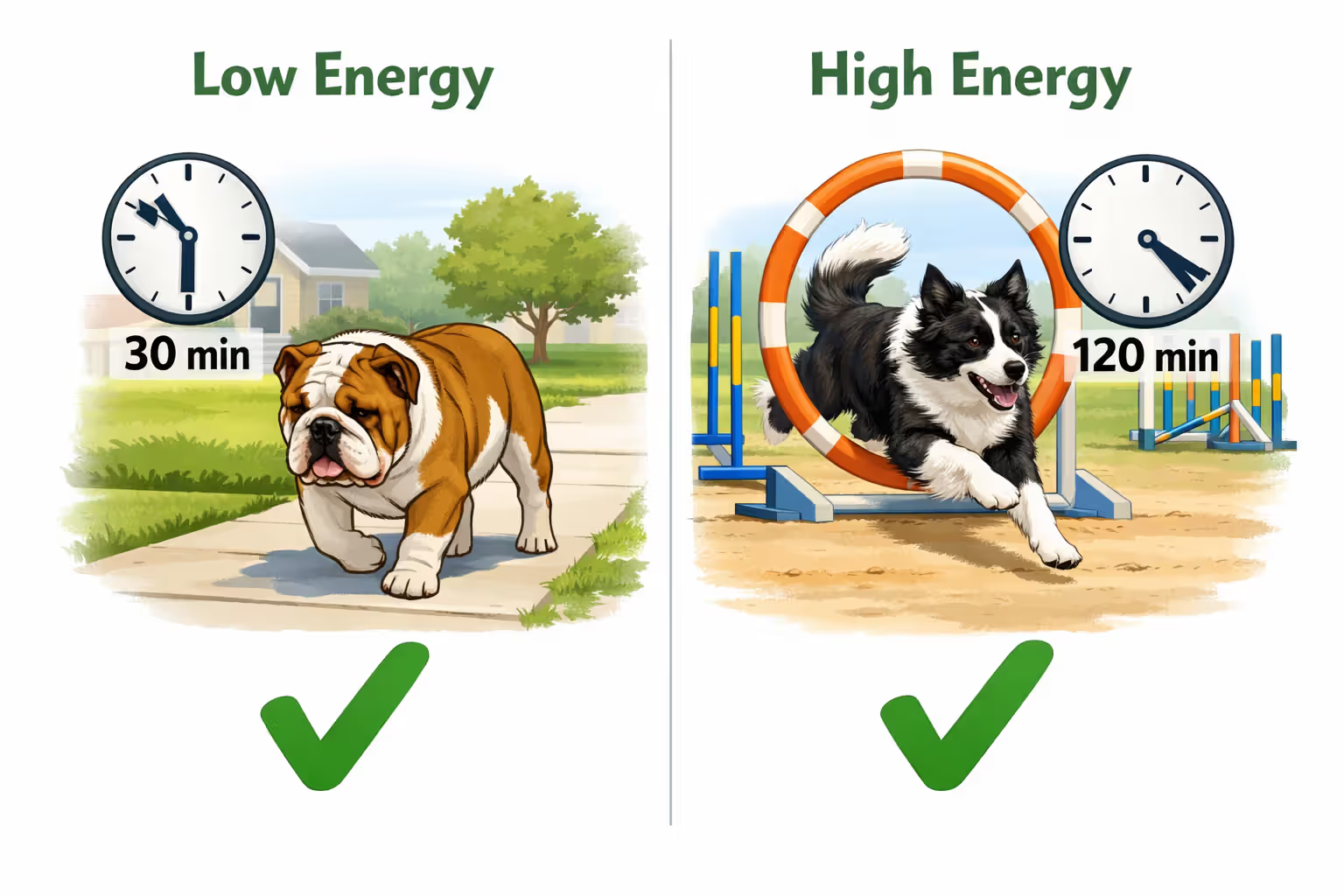
The difference? High-energy breeds need a 5K run. Low-energy breeds need a neighborhood loop. Both still need something.
Author: Hannah Bloomfield;
Source: alwaysonsalepetsupplies.com
Top 15 Low Energy Dog Breeds by Size Category
Small Calm Breeds for Apartments
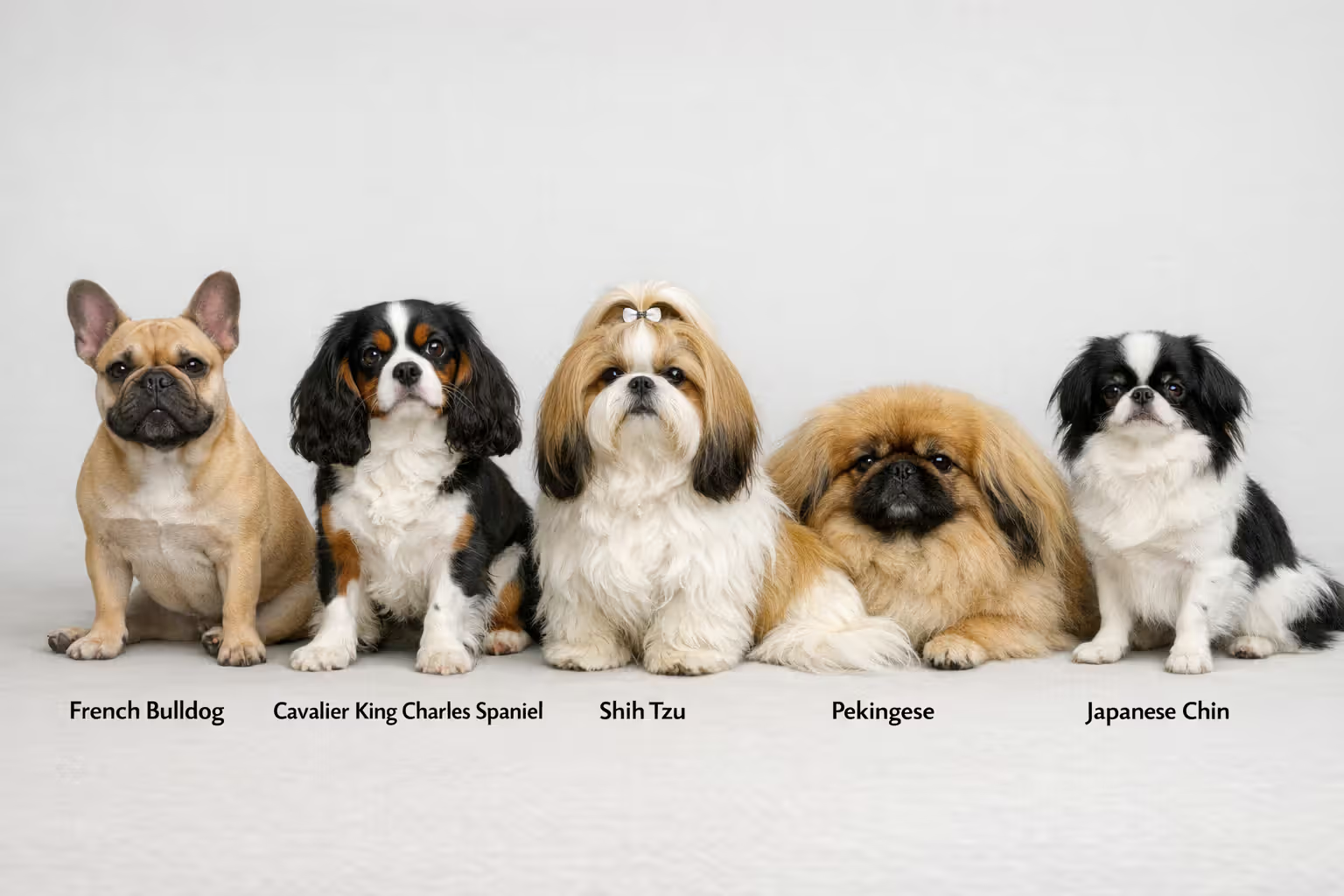
French Bulldog These 20-28 pound muscular little tanks overheat fast. Their squished faces mean they can't cool themselves efficiently, so intense exercise or hot weather quickly becomes dangerous. Frenchies play hard for about 15 minutes, then collapse for a three-hour nap. They thrive in apartments where temperature control is reliable. One quirk: they're quiet dogs who rarely bark, which neighbors appreciate. The downside? They snore. Loudly.
Cavalier King Charles Spaniel British royalty literally bred these 13-18 pound dogs to do one thing: provide warm, affectionate companionship. They succeeded wildly. Cavaliers want to be touching you at all times—sitting on your feet, pressed against your leg, draped across your lap. A 20-minute walk satisfies their exercise needs, though they'll happily go longer if you want company. They struggle with separation anxiety more than most breeds, so they're poor choices for people who work long hours away from home.
Shih Tzu For over a thousand years, Chinese emperors bred these 9-16 pound dogs exclusively as palace companions. They've never had a working role. Their purpose has always been "look adorable and be pleasant company"—a job they take seriously. Indoor play sessions and brief bathroom walks meet their exercise requirements. The tradeoff? That gorgeous flowing coat needs serious grooming commitment, either from you or a professional groomer every 6-8 weeks.
Pekingese These 7-14 pound dogs carry themselves like they're still living in the Forbidden City. Pekingese have an independent, dignified air—they're affectionate on their own terms, not desperate for constant attention. Their flat faces make them heat-sensitive and limit their exercise tolerance to short, easy walks. They're perfectly content spending 20 hours a day lounging on elevated perches, surveying their domain with regal detachment.
Japanese Chin Call them the cats of the dog world. These 7-11 pound dogs prefer perching on high furniture, grooming themselves fastidiously, and maintaining an air of graceful independence. Japanese Chins bond strongly with their people but aren't needy about it. They manage well in any living situation because their exercise requirements barely exist—bathroom breaks and brief exploration walks suffice.
Author: Hannah Bloomfield;
Source: alwaysonsalepetsupplies.com
Medium-Sized Relaxed Dogs
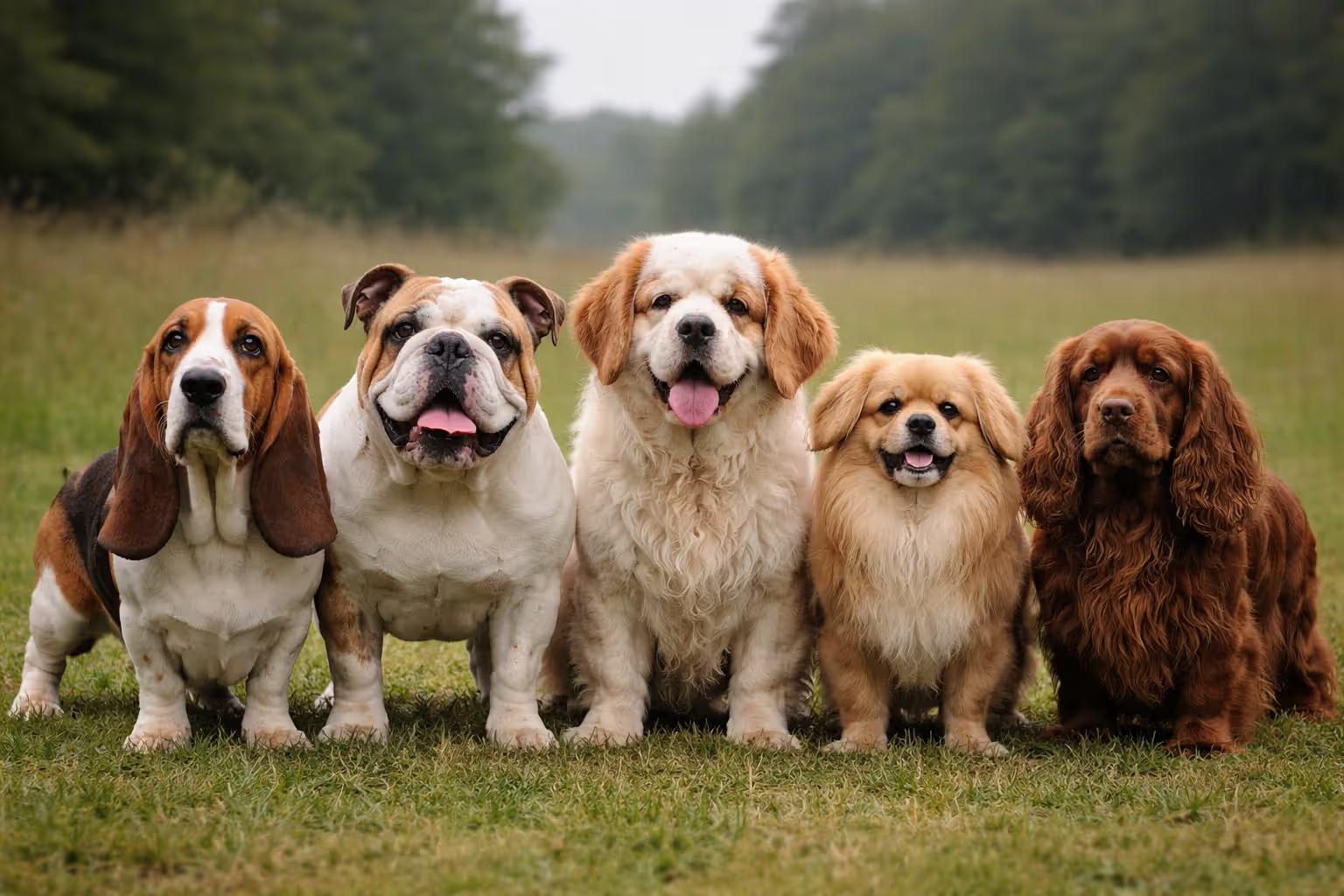
Basset Hound Everything about Bassets (40-65 pounds) suggests "slow and steady." Those comically short legs, the long droopy ears, the sad-eyed expression—it all adds up to a dog who'd rather amble along sniffing every bush than actually get anywhere quickly. They were bred to track rabbits at a pace hunters could follow on foot, so they have endurance but zero speed or intensity. Expect stubbornness, howling (they're hounds, after all), and enough drool to require strategically placed towels.
English Bulldog At 40-50 pounds of pure muscle and stubbornness, Bulldogs define the concept of "lazy breed." That extreme flat face makes every breath work, especially during activity or warm weather. Two 15-minute gentle walks daily, plus bathroom breaks—that's genuinely enough for most Bulldogs. They're sweet-natured and loyal, but come with significant health vulnerabilities and vet bills. Many can't even breed or give birth naturally due to their exaggerated body structure.
Clumber Spaniel Here's the surprising spaniel—the one that doesn't bounce off walls. Clumbers weigh 55-85 pounds and move with dignified calm unusual for sporting breeds. They enjoy leisurely walks and will retrieve if you insist, but they lack the driven, obsessive work ethic of their spaniel cousins. Clumbers are affectionate family dogs who shed constantly and drool moderately. Brushing becomes part of your daily routine.
Tibetan Spaniel Despite the misleading name, these 9-15 pound dogs never hunted anything. They served as monastery watchdogs in Tibet, alerting monks to visitors. They're attentive and will bark at unusual sounds, but they're not neurotic yappers. Tibetan Spaniels are independent-minded dogs who enjoy moderate activity without demanding it. Their double coats need regular brushing but aren't particularly high-maintenance.
Sussex Spaniel These rare 35-45 pound spaniels move at their own deliberate pace. Sussex Spaniels have a serious, almost solemn temperament compared to bouncy Springers or driven Cockers. They're content with moderate daily walks and show more stubbornness than other spaniels. Their rich golden-liver coats are beautiful but require consistent grooming to prevent matting.
Author: Hannah Bloomfield;
Source: alwaysonsalepetsupplies.com
Large Lazy Breeds
Newfoundland Don't let the 100-150 pound size fool you—Newfoundlands are gentle, calm dogs who love their families intensely. They were bred for water rescue work, giving them swimming endurance but not a need for constant land-based activity. Daily walks maintain their health, but Newfies are equally happy napping near your feet for hours. They're patient with children to an almost absurd degree. Warning: they drool copiously and shed year-round.
Great Dane These 110-175 pound dogs genuinely believe they're lap-sized. Great Danes are famous for attempting to climb onto laps, squeeze into spaces far too small, and generally ignore their massive size. After their extended puppyhood (lasting until age 2-3), Danes settle into calm, dignified adulthood. Daily walks maintain joint health and prevent weight gain, but they're not asking for marathons. Their short coats mean minimal grooming.
Saint Bernard Alpine rescue work requires endurance, not hyperactivity—and Saint Bernards (120-180 pounds) reflect this. They're patient, calm dogs content with moderate exercise and lots of family time. Saints need daily walks to maintain healthy weight and joint function, but they're not demanding about duration or intensity. They drool extensively (keep towels handy) and blow their coats twice yearly in dramatic fashion.
Mastiff Mastiffs range from 120-230 pounds of protective, calm guardian. They're naturally suspicious of strangers but not aggressive when properly socialized. Two moderate-paced walks daily satisfy their exercise needs—the rest of the time, they prefer monitoring their home from comfortable vantage points. Drooling is constant. Early socialization is essential because their protective instincts and sheer size create liability if they're not well-trained.
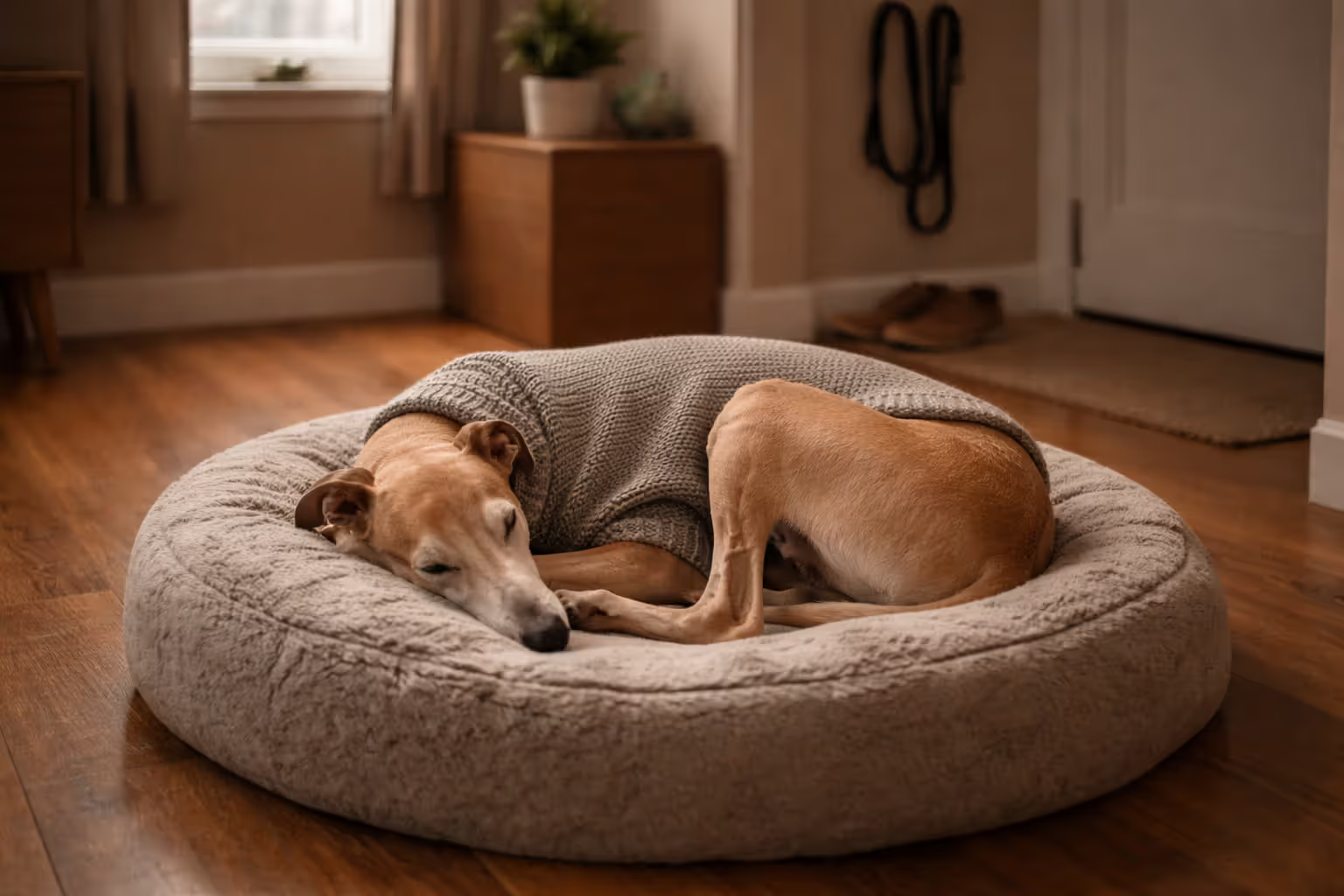
Greyhound This surprises everyone: retired racing Greyhounds are world-class couch potatoes. They're sprinters, not distance runners. After a brief burst of speed (or more realistically, a moderate walk), these 60-70 pound dogs sleep up to 18 hours daily. They're quiet, gentle, and clean—almost cat-like. Size doesn't prevent apartment living because they're so calm indoors. Their thin coats mean they're always cold; sweaters aren't cute accessories, they're necessities.
Dogs do speak, but only to those who know how to listen.
— Orhan Pamuk
Comparing Exercise Requirements: Low Energy vs. High Energy Breeds
The contrast between low and high energy breeds goes beyond minutes—it's about intensity, mental drive, and what happens when needs aren't met.
Breed Name
Daily Exercise Needed (minutes)
Energy Level (1-5 scale)
Best Living Environment
Grooming Needs
French Bulldog
30-40 (gentle strolls)
2/5
Climate-controlled apartments
Weekly brushing, facial fold cleaning
Border Collie
120-180 (demanding work/play)
5/5
Active homes with jobs to do
Brushing several times weekly
Basset Hound
30-45 (slow sniff-walks)
2/5
Ground floor access preferred
Weekly brushing, frequent ear cleaning
Australian Shepherd
90-120 (vigorous, purposeful)
5/5
Working environments, active families
Daily brushing required
English Bulldog
20-30 (short, easy pace)
1/5
Temperature-controlled spaces
Weekly brushing, daily facial care
Belgian Malinois
120-180 (intense, focused work)
5/5
Experienced handlers only
Brushing 1-2 times weekly
Great Dane
40-60 (moderate pace)
2/5
Space for their size essential
Occasional brushing sufficient
Labrador Retriever
60-90 (energetic activity)
4/5
Yards and active owners
Brushing 2-3 times weekly
Cavalier King Charles Spaniel
30-45 (relaxed walking)
2/5
Any situation with companionship
Brushing every few days
Jack Russell Terrier
60-90 (intense, driven)
5/5
Experienced owners essential
Minimal—occasional brushing
The 1-5 scale reflects both physical demands and mental drive intensity. Dogs rated 1/5 are genuinely content with minimal activity. Dogs rated 5/5 develop serious behavioral problems without daily intense work—we're talking destructive chewing, obsessive behaviors, aggression, and anxiety.
Notice the time differences. French Bulldogs need 30 minutes; Border Collies need six times that amount. Skip exercise for a Frenchie, and they'll just sleep more. Skip it for a Border Collie, and you'll come home to shredded furniture and a neurotic dog.
Living environment extends beyond square footage. High-energy breeds need owners whose lifestyles include daily vigorous activity. Low-energy breeds need owners who won't feel guilty choosing a quiet evening over outdoor adventures.
Author: Hannah Bloomfield;
Source: alwaysonsalepetsupplies.com
Common Mistakes When Choosing a Low Activity Dog
Believing "low energy" means "no exercise" This kills more dogs than almost any other misconception. Literally—through obesity-related diseases. Every dog needs daily movement, period. The difference between low and high energy is intensity and duration, not whether exercise happens at all. Even Bulldogs need two daily walks. Skip exercise "because they're lazy," and you guarantee joint problems, behavioral issues, obesity, and a shortened lifespan.
Forgetting that brains need exercise too Physical activity is only half of what dogs need. Mental stimulation—puzzle toys, training, scent work, new experiences—prevents boredom behaviors. A mentally under-stimulated low-energy dog still chews furniture, digs, and develops anxiety. The advantage? Mental exercise happens indoors. Fifteen minutes of training games can tire a Cavalier as effectively as a 30-minute walk.
Treating breed descriptions as guarantees Breed standards describe averages, not every individual dog. You might adopt the rare high-drive Basset Hound who wants to hike all day. Or the unusually calm Border Collie content with minimal exercise. Individual personality, early experiences, and training matter enormously. Whenever possible, meet the actual dog—or at least the parents, if getting a puppy—before committing.
Ignoring the puppy phase All puppies are energetic maniacs regardless of adult temperament. Your future couch-potato Bulldog will spend months zooming around your house, chewing everything, and demanding constant supervision. The characteristic calm emerges gradually as they mature—usually 12-18 months, sometimes longer for giant breeds. Need a calm dog immediately? Adopt an adult whose personality is already established.
Assuming small automatically equals low energy Size and energy level are completely separate traits. Jack Russell Terriers weigh 13-17 pounds but have energy rivaling any Border Collie. They're tiny tornados. Meanwhile, 150-pound Mastiffs are far calmer than 50-pound Australian Cattle Dogs. Research the breed's original working purpose and temperament patterns, not just their adult weight.
Downplaying health problems Many calm breeds are low-energy specifically because of health issues. Flat-faced breeds struggle to breathe. Giant breeds face shortened lifespans and joint problems. These aren't minor considerations—they're lifelong veterinary expenses and eventual heartbreak. Brachycephalic dogs often need surgery to breathe properly. Giant breeds rarely live past 10 years. Choose these breeds with realistic expectations about medical costs and challenges.
The greatest fear dogs know is the fear that you will not come back when you go out the door without them
— Stanley Coren
How to Keep a Low Energy Dog Healthy and Happy
Calm temperament doesn't mean easy care. These dogs need thoughtful attention tailored to their specific needs.
Exercise that actually works for their bodies Structure matters more than total minutes. Two 15-minute walks work better than one 30-minute marathon for breeds with limited stamina. Flat-faced breeds need breaks to catch their breath—walk during early morning or late evening when summer temperatures drop. Otherwise, you're risking heatstroke.
Let scent hounds like Bassets spend time sniffing everything. Mental stimulation from scent work satisfies them far more than covering distance. A slow 20-minute sniff-walk beats a brisk 40-minute march where you're constantly yanking them along.
Swimming offers ideal low-impact exercise for breeds like Newfoundlands that love water. It builds muscle and cardiovascular fitness without stressing joints—perfect for large breeds prone to hip dysplasia.
Preventing obesity (the real battle) This is the critical challenge. Low-activity dogs need fewer calories but often have enthusiastic appetites. Obesity is epidemic in calm breeds, worsening every existing health problem—joint issues, breathing difficulties, heart conditions, heat intolerance.
Measure food with a scale, not a scoop. Eyeballing portions leads to gradual creep—just a bit more each day adds up to significant overfeeding. Follow feeding guidelines based on your dog's ideal weight, not their current weight if they're already pudgy.
Use part of their regular kibble for training treats instead of adding extra food. Low-calorie vegetables (green beans, carrot sticks, cucumber slices) make good training rewards or snacks.
Author: Hannah Bloomfield;
Source: alwaysonsalepetsupplies.com
Mental enrichment without physical exhaustion Puzzle feeders transform the 30 seconds it takes to inhale dinner into a 20-minute mental workout. Rotate different puzzle types so your dog doesn't just memorize one solution.
Scent work games tap into natural instincts without requiring physical exertion. Hide treats around your house and let your dog search. Even low-energy dogs enjoy using their noses—it's mentally tiring without being physically demanding.
Short training sessions (5-10 minutes) provide mental stimulation while strengthening your relationship. Teach tricks, practice basic obedience with distractions, or try shaping games where you reward successive approximations of a behavior.
Quality chew items occupy dogs mentally and physically without requiring your active participation. Choose size-appropriate, safe options and rotate them to maintain interest.
Recognizing under-stimulation warning signs Even calm breeds show stress when under-stimulated:
Destructive behavior—chewing furniture, digging, tearing things
If you notice these patterns, increase mental enrichment before adding more walks. Often, calm dogs need engagement and variety, not more physical exercise.
Health monitoring for breed-specific vulnerabilities Low-energy breeds often have predictable health issues requiring vigilant monitoring. Schedule regular veterinary checkups and maintain preventive care.
Watch breathing carefully in flat-faced breeds. Labored breathing, excessive panting at rest, or gums turning blue/purple require immediate emergency veterinary care.
Monitor joint function in large and giant breeds. Limping, difficulty getting up, reluctance to use stairs, or unusual sitting positions may signal arthritis or hip dysplasia developing.
Clean ears weekly in breeds with long, droopy ears like Basset Hounds. Poor air circulation in those ear canals creates perfect environments for bacterial and yeast infections.
Frequently Asked Questions About Calm Dog Breeds
Do low energy dogs still need daily walks?
Yes—this isn't optional. Every dog needs daily exercise for physical health, mental well-being, and basic bathroom needs. Low-energy breeds need less time and intensity (maybe 20-40 minutes of casual walking versus 90+ minutes of vigorous running), but skipping walks entirely causes obesity, destructive behaviors, and health problems in any breed. Consider daily movement the baseline requirement, not a special extra.
Which calm dog breeds are best for seniors?
Cavalier King Charles Spaniels, French Bulldogs, and Shih Tzus match well with older adults. They're small enough to control physically, need moderate exercise that aligns with many seniors' capabilities, and provide devoted companionship that combats loneliness. Avoid giant breeds despite their calm personalities—their size and strength create handling challenges. Consider adopting adult dogs (5+ years old) whose personalities are fully developed and whose puppy energy is long past.
Are lazy dog breeds good with children?
Many excel with kids. Basset Hounds, Cavalier King Charles Spaniels, and Newfoundlands are famously patient and gentle. However, very small breeds (under 10 pounds) risk injury from rough play with young children—toddlers don't understand "gentle" yet. Giant breeds like Mastiffs are wonderfully patient but can accidentally knock over small children just by turning around. Medium to large calm breeds with sturdy builds work best. Always supervise interactions regardless of how trustworthy your dog seems.
Do apartment-friendly dogs bark less than other breeds?
Not automatically. Energy level and vocalization are separate characteristics. French Bulldogs are low-energy and typically quiet. Pekingese are low-energy but can be alert barkers. Research breed-specific barking tendencies separately from exercise needs. Generally, companion breeds developed for indoor living bark less than guardian breeds or terriers, but individual personality and training matter more than breed generalizations.
Can a high-energy puppy become a low-energy adult dog?
Yes, but only if they're genetically programmed for it. All puppies—regardless of breed—are energetic, curious, and need constant supervision. Bulldog puppies still zoom around destroying things. The breed's characteristic calm temperament emerges during maturation (12-24 months, longer for giant breeds). However, a Border Collie puppy matures into a high-energy adult—growing up doesn't change fundamental breed characteristics. Research the breed's adult temperament, not just puppy behavior.
What's the difference between a calm dog and a lazy dog?
Calm dogs have relaxed, steady temperaments while remaining appropriately engaged with life. They enjoy walks, respond to training, show interest in their surroundings, and have normal energy bursts. Truly lazy dogs show abnormal lethargy—excessive sleeping, reluctance to move, disinterest in normal activities. This usually indicates health problems (hypothyroidism, pain, illness, depression) rather than personality. If your supposedly low-energy dog seems unusually inactive or disengaged, consult your veterinarian. Normal calm dogs are peaceful and content, not lethargic and checked out.
Matching energy levels matters more than picking the cutest face in the shelter. Calm dog breeds provide real companionship without demanding athletic lifestyles from owners. City apartments, older adults, limited mobility, quiet evenings—these dogs fit beautifully into all these situations.
Remember: "low energy" describes exercise requirements and temperament, not overall care demands. Daily walks remain essential. Mental stimulation prevents boredom. Proper nutrition and veterinary care are non-negotiable. Lower activity demands don't mean lower responsibility.
These fifteen breeds offer starting points for research, not final decisions. Meet individual dogs when possible. Talk extensively with breeders or rescue organizations. Consider your specific living situation, activity preferences, and long-term commitment.
A well-matched dog becomes a cherished companion for their entire lifetime. Poor matches create frustration for everyone involved. Take the time to choose thoughtfully. Prepare your home appropriately. The right calm dog brings peace and joy without turning your life upside down.
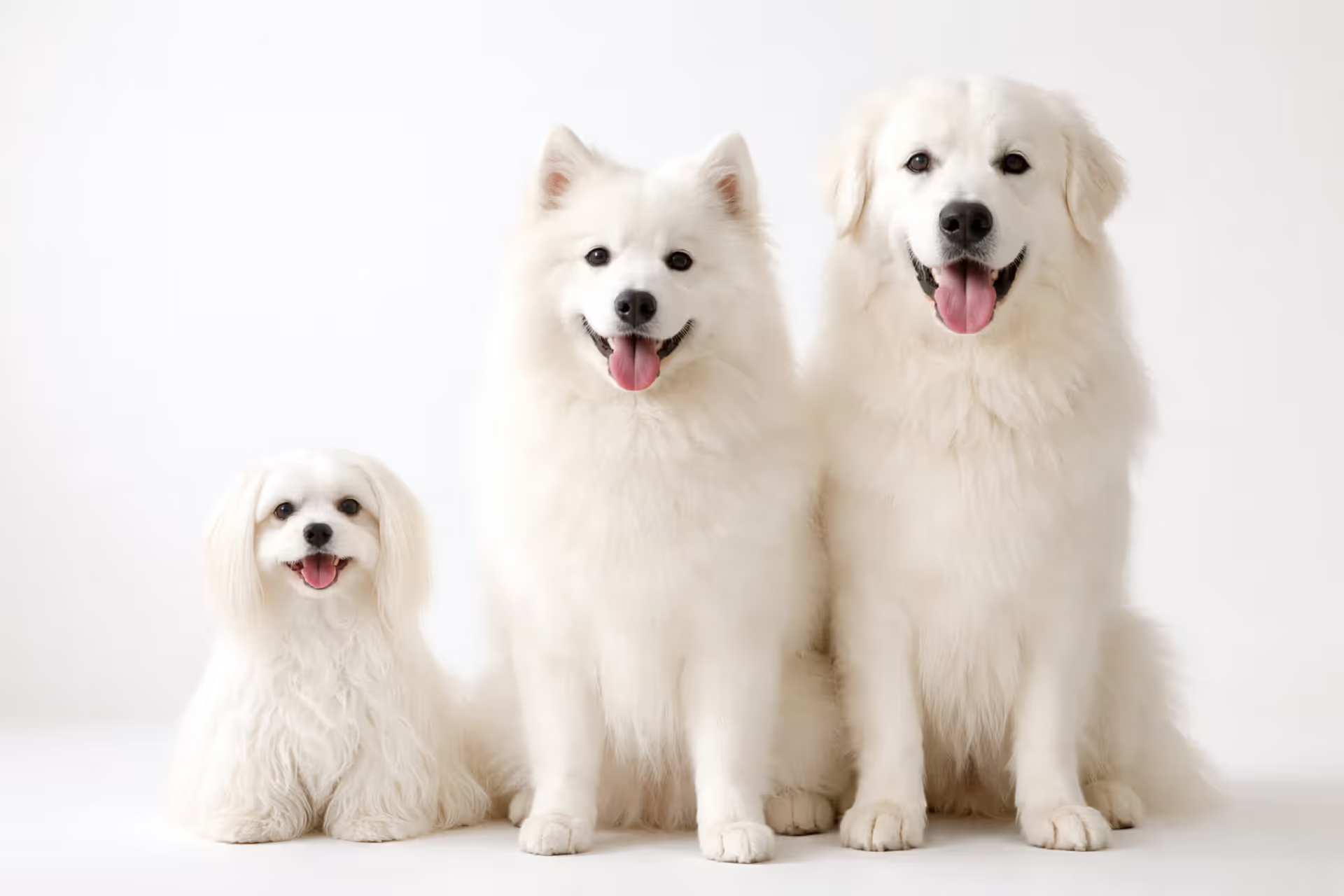
Discover 25+ white dog breeds ranging from tiny apartment companions to powerful livestock guardians. Explore the genetics behind white coats, compare grooming demands across coat types, understand breed-specific health risks, and find the perfect snow-coated match for your actual lifestyle, family size, and daily routine
Searching for the perfect small dog breed that truly fits your daily routine? This detailed guide breaks down 15 popular tiny breeds by temperament, grooming demands, health risks, and annual costs. Whether you rent a studio apartment, raise young kids, or own a dog for the first time, find your match here
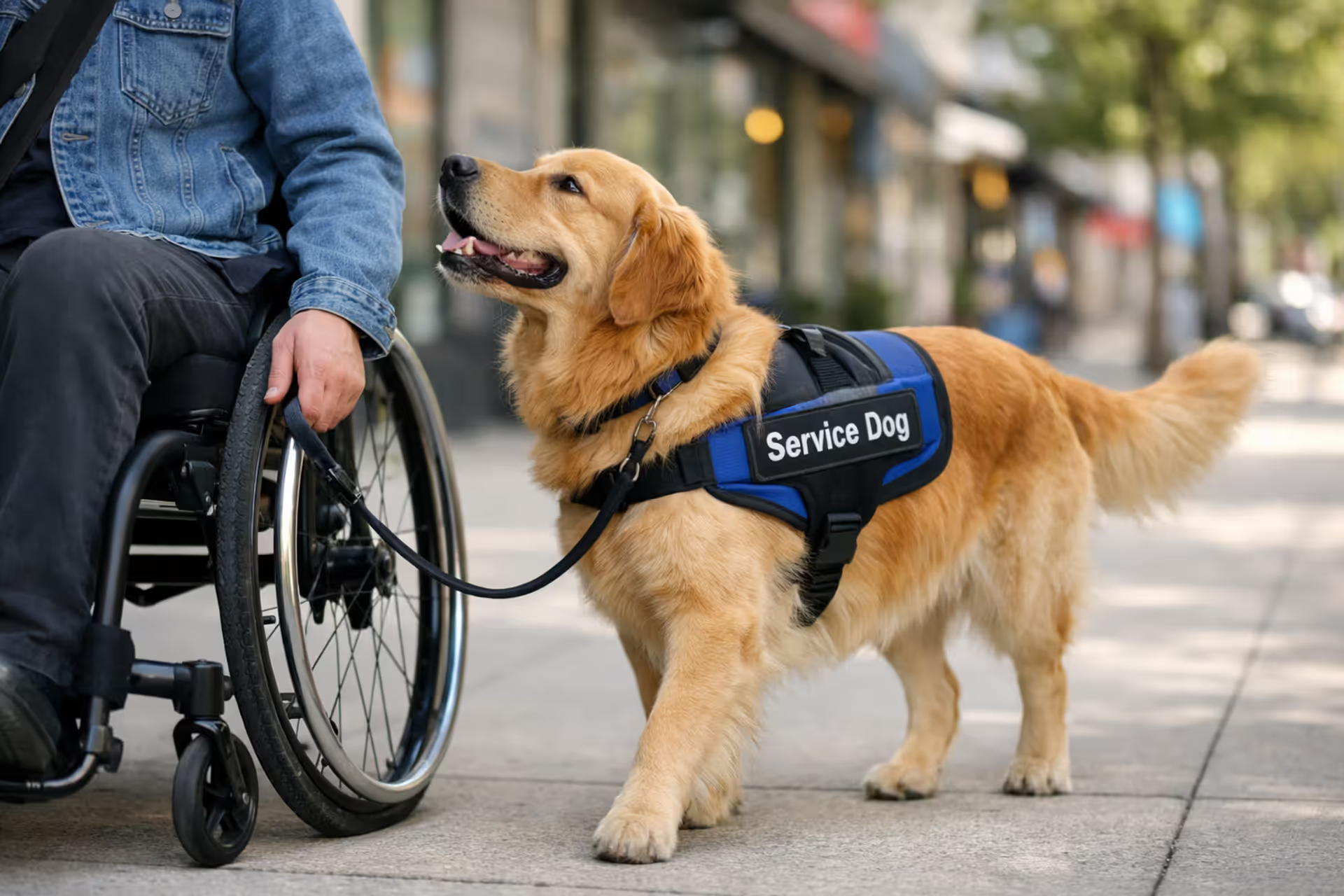
Complete guide to service dog requirements under the ADA, including legal rights for handlers, public access rules, housing and air travel regulations, training costs and timelines, task examples by disability type, best breeds for service work, and key differences between service dogs, emotional support animals, and therapy dogs under United States law
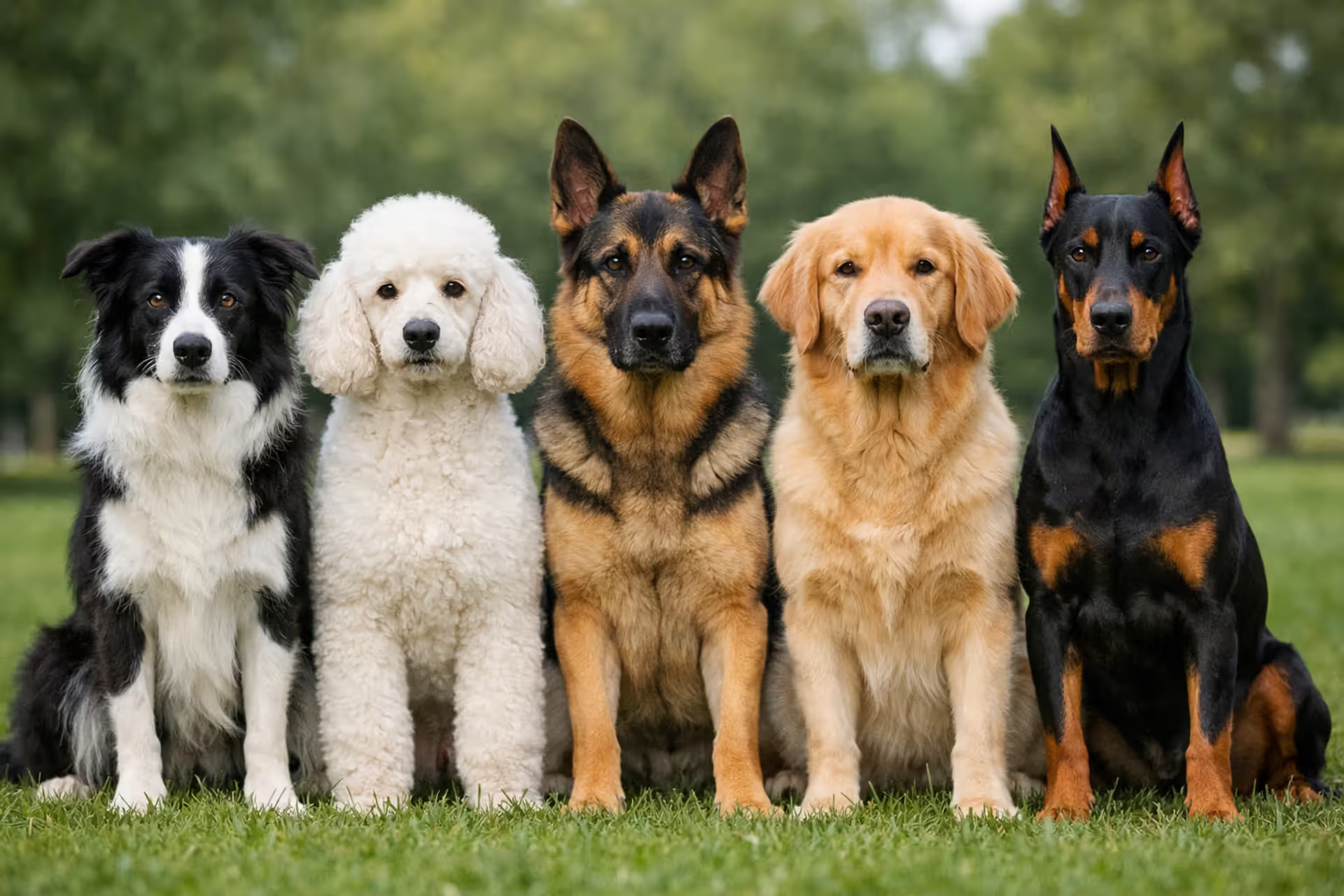
Explore the top 15 smartest dog breeds ranked by science-backed criteria, learn how canine intelligence is truly measured across three distinct categories, and get proven training strategies for brainy dogs. Find expert insights on matching a breed’s cognitive style to your lifestyle for a perfect fit
The content on this website is provided for general informational and educational purposes only. It is intended to offer guidance on dog breeds, behavior, health, care, and lifestyle, and should not be considered a substitute for professional veterinary advice, diagnosis, or treatment.
All information published on this site is based on general knowledge, widely accepted research, and practical experience, but individual dogs may differ in behavior, health conditions, and needs. Results and outcomes may vary depending on the dog, environment, and circumstances.
The website is not responsible for any errors or omissions, or for actions taken based on the information provided. For specific concerns regarding your dog’s health or behavior, always consult a qualified veterinarian or professional dog specialist.