


Shih Tzu Breed Guide for New Dog Owners
Discover everything about Shih Tzu dogs — from temperament and grooming to health issues and ownership costs. Find out if this charming breed suits your lifestyle.
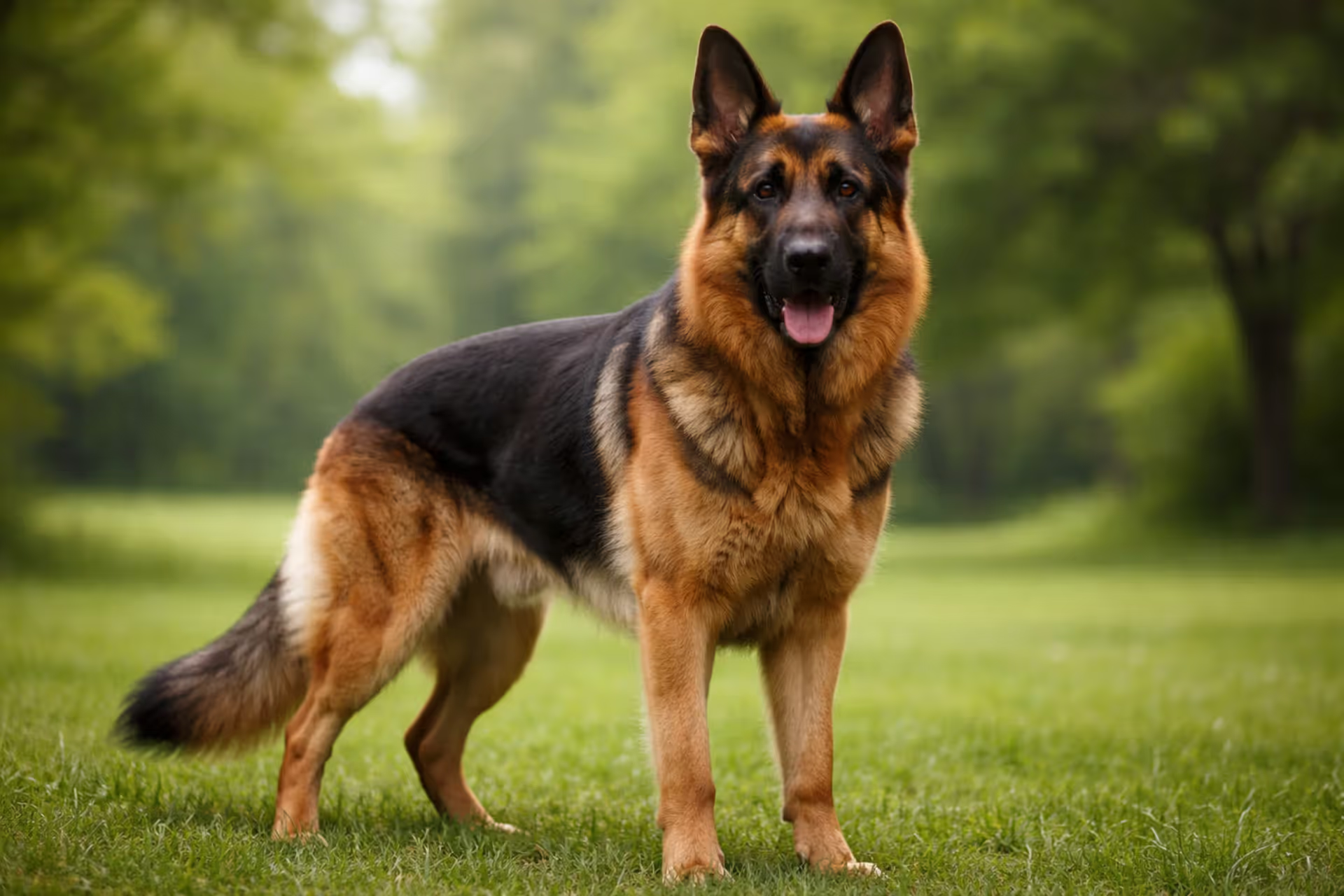
German Shepherd dog standing outdoors in a park, alert posture, black and tan coat
Content
The German Shepherd holds positions in police forces, military operations, search-and-rescue missions, and suburban homes across the United States. This breed's blend of sharp intelligence, tireless work drive, and fierce devotion has kept it among America's top ten most registered dogs for generations. But widespread popularity doesn't translate to easy ownership. Bringing a German Shepherd into your life means accepting responsibility for a dog that requires daily structure, consistent mental challenges, and substantial physical activity.
Understanding what this breed truly requires—and what it offers in return—prevents the regret that sends thousands of German Shepherds to shelters annually. This guide examines everything from the breed's military origins to the genetic conditions that create five-figure veterinary bills, along with the training approaches that produce reliable results when working with a dog engineered to make independent decisions.
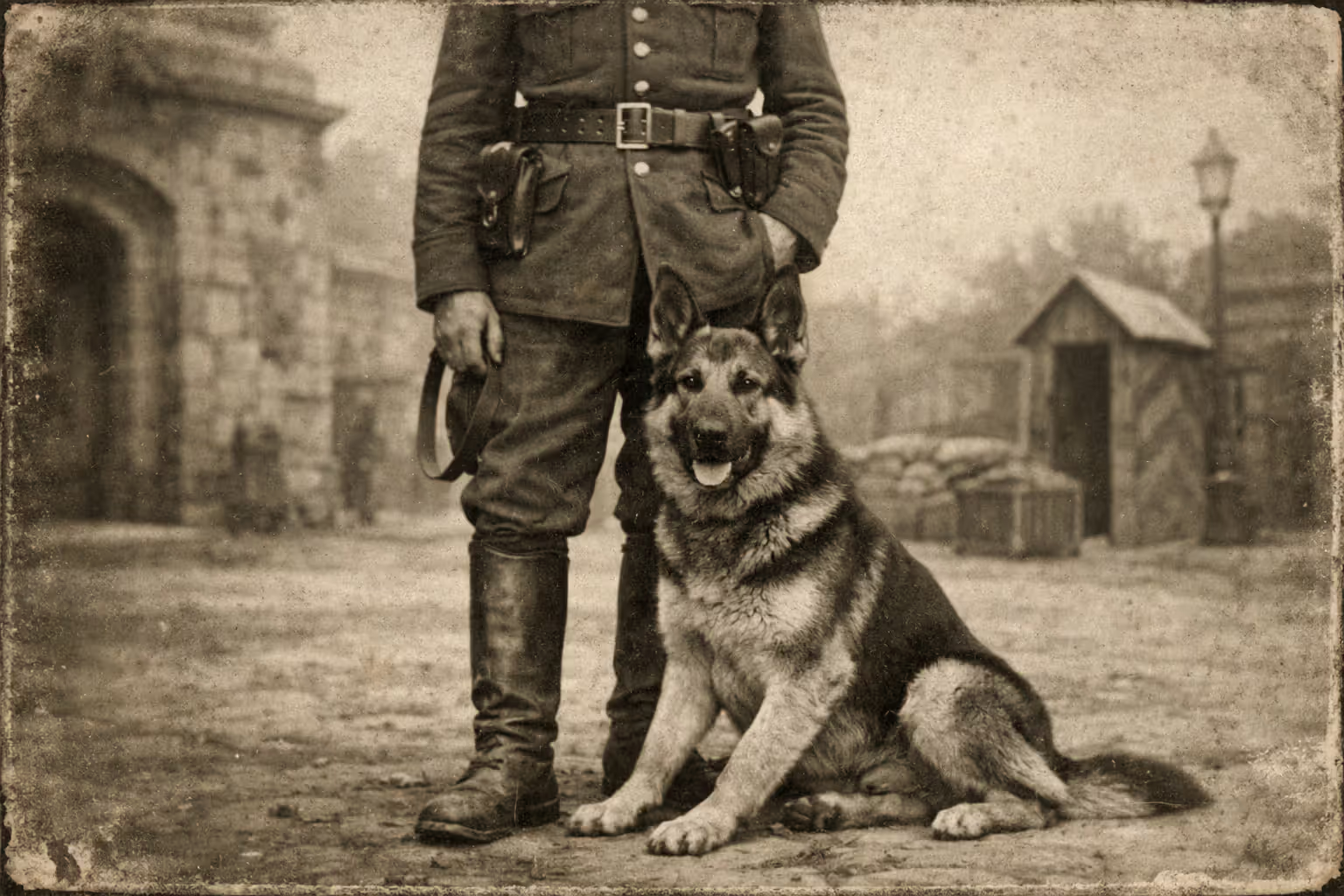
Captain Max von Stephanitz developed the German Shepherd breed in 1899 by selecting and standardizing herding dogs throughout Germany. His objective was straightforward: create the most capable working dog possible. He achieved his goal. Before World War I ended, German Shepherds were deployed as military messengers, guards, and supply transporters. Returning American soldiers brought these dogs back to the States, launching the breed's explosive popularity.
In terms of physical structure, male German Shepherds generally reach 24–26 inches at the shoulder with weights between 65–90 pounds. Female dogs typically stand 22–24 inches tall and carry 50–70 pounds of weight. The breed's characteristic sloping topline and muscular rear assembly create a distinctive trotting movement engineered for covering distance without wasting energy. Coat variations include the recognizable black-and-tan pattern, solid black, sable colorations, and the less common white variant (which certain breed registries classify separately).
Author: Hannah Bloomfield;
Source: alwaysonsalepetsupplies.com
Mental capacity rankings repeatedly position German Shepherds among the top three smartest breeds. Stanley Coren's behavioral research demonstrated these dogs master unfamiliar commands within five repetitions and respond to initial cues 95% of the time. This intelligence extends beyond simple trick-learning—it encompasses genuine problem-solving capability. An unstimulated German Shepherd will work out how to unlatch cabinets, breach fencing, and systematically destroy household items.
The breed's professional applications showcase this adaptability. Law enforcement K9 programs select German Shepherds for suspect apprehension, evidence tracking, and drug detection work. Airport security agencies deploy them in terminals nationwide. Mountain rescue organizations depend on their scenting abilities and endurance. Assistance dog programs train them for mobility support, psychiatric service work, and medical alert tasks. Very few breeds demonstrate comparable versatility across specializations.
The German Shepherd temperament revolves around loyalty that approaches single-minded devotion. These dogs form intense connections with their households and frequently select one individual as their primary person. This attachment produces pronounced protectiveness. A properly socialized German Shepherd can differentiate between genuine threats and routine guests, but inadequately socialized individuals may perceive every unfamiliar person as a potential danger.
Energy requirements stay elevated throughout the breed's prime years. A young German Shepherd—approximately ages one through four—demands 90–120 minutes of rigorous activity each day, distributed among walks, interactive play, and cognitive tasks. Missing even a few days of exercise creates an anxious, destructive animal. Senior German Shepherds (seven years and older) still require 60 minutes daily, though joint deterioration may necessitate gentler alternatives like pool exercise.
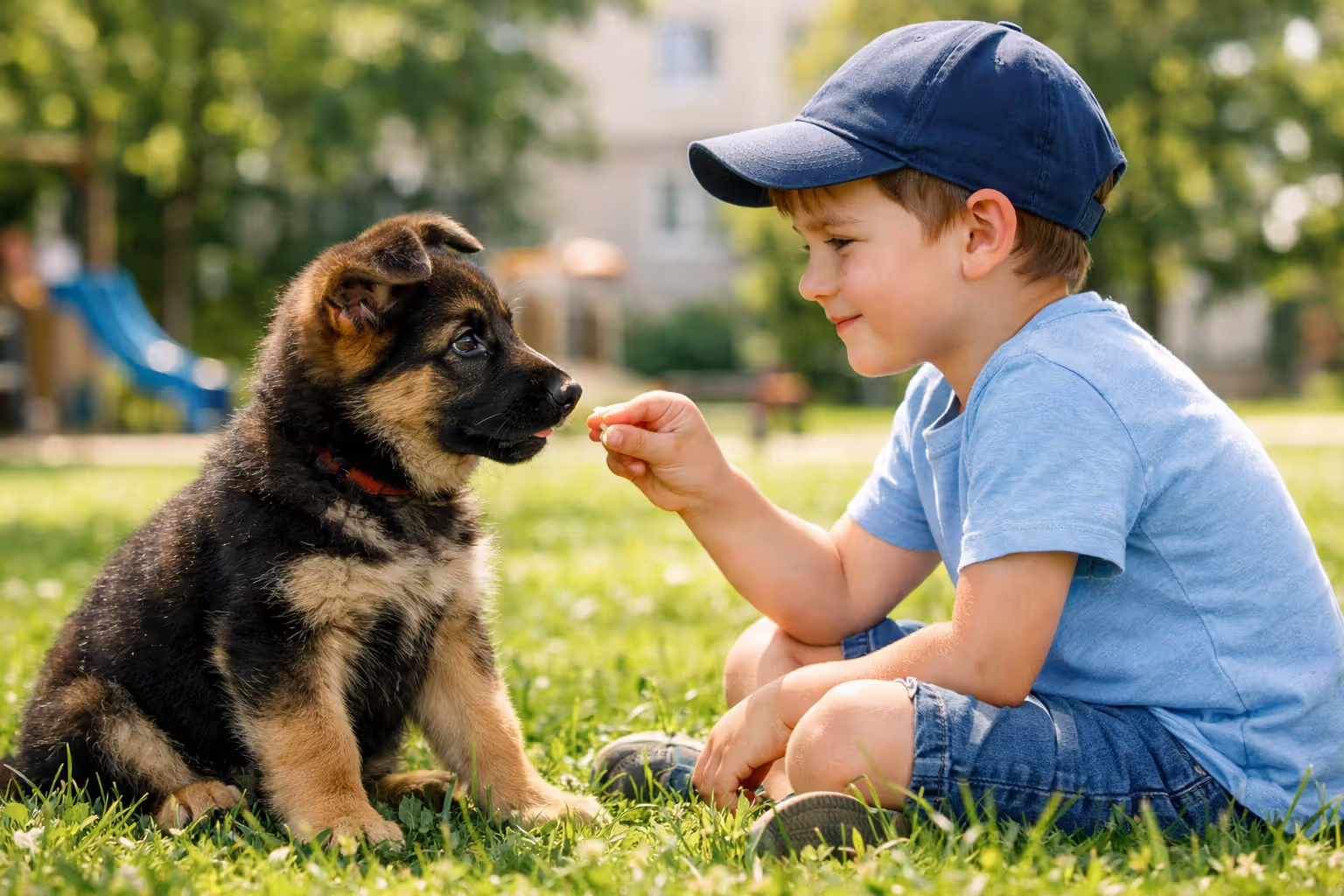
Interactions with children depend largely on early childhood exposure. German Shepherds raised from puppyhood with young family members generally develop patience and become willing playmates. However, their herding genetics can emerge as nipping behavior toward running children's heels. Teaching solid "leave it" responses and offering alternative outlets prevents this tendency. Direct supervision remains essential when any large-breed dog interacts with small children.
Coexisting with other household pets demands deliberate socialization efforts. German Shepherds carry moderate-to-strong prey drive. A puppy introduced to cats during the critical socialization window usually develops peaceful relationships, but bringing an adult German Shepherd into a cat-occupied home presents significant challenges. Same-sex conflict emerges in certain bloodlines, especially between intact males. Dog parks frequently become problematic after a German Shepherd reaches social maturity around 24 months—many individuals become highly selective about canine companions.
The breed's working heritage manifests as perpetual vigilance. Your German Shepherd will monitor every noise, scan every window continuously, and investigate every unusual occurrence. Some households value this watchfulness. Others find the reactive barking and constant pacing mentally exhausting. You cannot eliminate these hardwired instincts, but you can teach reliable "quiet" cues and deliver sufficient activity so your dog isn't hyper-focused on sentry duty.
The dog is the most faithful of animals and would be much esteemed were it not so common. Our Lord God has made His greatest gift the commonest.
— Martin Luther
German Shepherds require training frameworks from their first day home. Their intelligence enables rapid learning, but simultaneously means they'll train their owners through inconsistent boundaries.
Begin with marker-based training—employing a clicker device or verbal marker like "yes" to identify the precise instant your dog performs correctly, then immediately delivering a reward. German Shepherds comprehend this system within several sessions. Prioritize these fundamental behaviors initially:
Sit, down, and stay: Develop duration incrementally. A reliable 30-second stay amid distractions requires weeks of consistent practice, not a few days.
Loose-leash walking: German Shepherds exert tremendous pulling force. Implement the 180-degree reversal technique—the moment tension appears in the leash, pivot and walk the opposite direction. Repeat consistently until pulling produces no forward progress.
Recall: Train initially in environments with minimal distractions. Use a 20-foot training lead, call your dog enthusiastically, and reward lavishly upon arrival. Avoid calling your dog before unpleasant experiences like toenail trimming or medication administration.
Place command: Teaching your dog to relocate to a designated mat or bed and remain there provides control during doorbell activity, household meals, and visitor arrivals.
Individual training sessions should run 10–15 minutes, conducted two or three times throughout the day. German Shepherds disengage quickly with excessive repetition. Drilling identical commands twenty consecutive times guarantees your dog will mentally check out.
The critical socialization period concludes around 16 weeks of age. Prior to this deadline, expose your puppy to:
Author: Hannah Bloomfield;
Source: alwaysonsalepetsupplies.com
Beyond 16 weeks, socialization continues but demands considerably more effort. An eight-month-old German Shepherd encountering skateboarders for the first time may display fear-based or aggressive responses. Systematic desensitization—beginning at distances where your dog observes without reacting, then marking and rewarding composed behavior—becomes essential.
Inconsistent household rules: When you prohibit jumping but your partner permits it, your German Shepherd discovers that rules are flexible and negotiable. Conduct a household meeting establishing unified commands, clear boundaries, and agreed consequences.
Punishment-centered techniques: Electronic collars, prong collars applied with corrections, and physical intimidation damage the trust relationship. German Shepherds trained through force develop anxiety disorders or aggression problems. Reward-based methods produce dependable behavior more rapidly.
Neglecting mental exercise: A German Shepherd that runs for an hour but receives no cognitive challenges will continue displaying problematic behaviors. Interactive puzzle feeders, scent discrimination work, and novel trick training exhaust the mind as effectively as physical exertion.
Delaying problem behavior intervention: Gentle puppy mouthing at eight weeks transforms into painful biting by six months. Mild leash reactivity at four months escalates to lunging episodes by two years. Address every unwanted behavior at its first appearance.
The better I get to know men, the more I find myself loving dogs.
— Charles de Gaulle
The German Shepherd breed carries genetic vulnerabilities to several severe medical conditions. Ethical breeders conduct health screenings, but even carefully bred dogs can develop these problems.
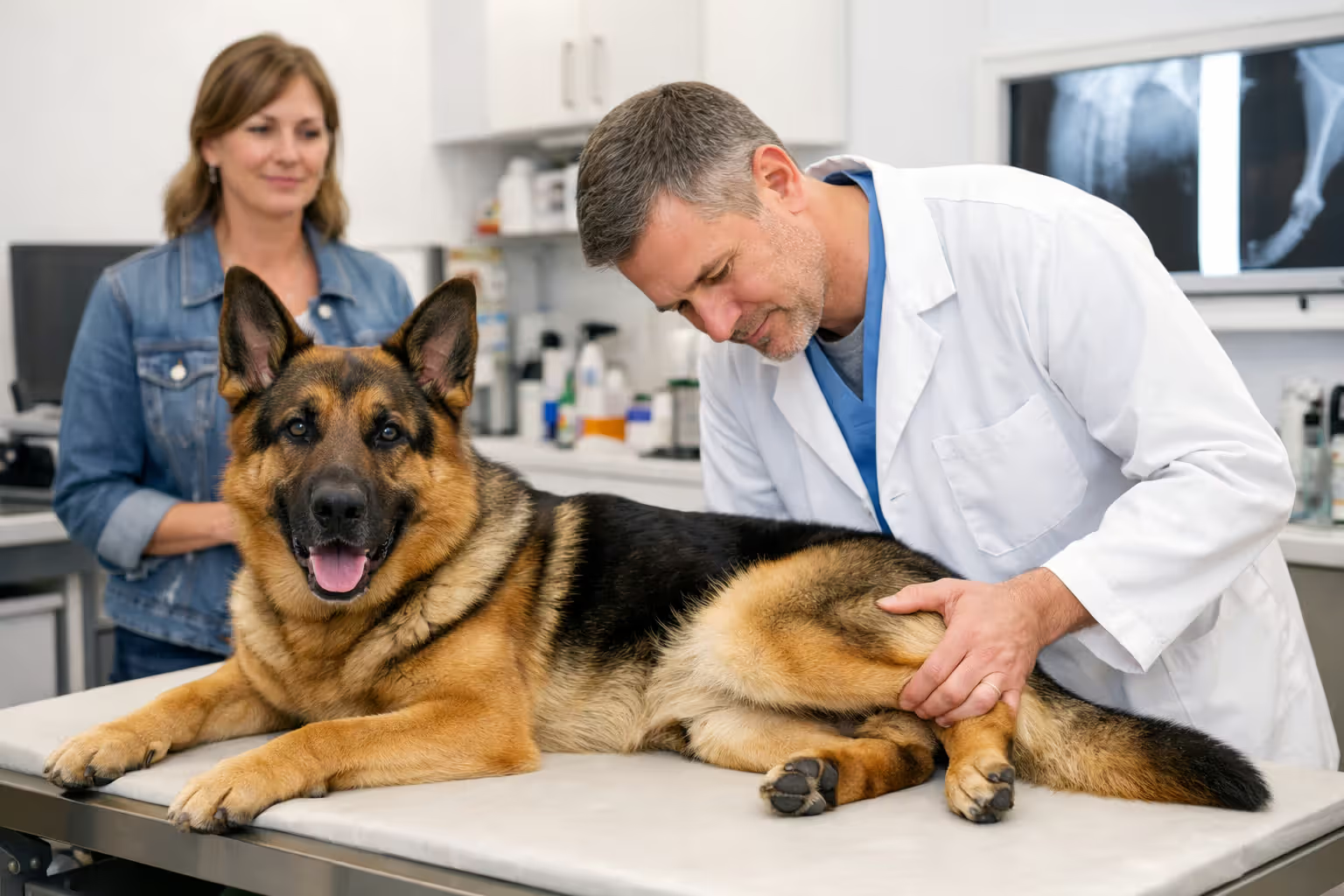
Hip dysplasia impacts roughly one-quarter of all German Shepherds. The hip socket develops abnormally, producing arthritis and chronic pain. Warning signs include bunny-hop running style, difficulty standing after rest, and hesitation before jumping. Radiographic imaging at two years of age provides definitive diagnosis. Treatment approaches include maintaining ideal body weight, administering joint-supporting supplements like glucosamine and chondroitin, prescribing anti-inflammatory drugs, and in severe cases, surgical correction. Advanced cases may warrant total hip replacement procedures, running $5,000–$7,000 per affected hip.
Elbow dysplasia occurs less commonly but produces similar lameness affecting the front limbs. Management strategies mirror hip dysplasia protocols.
Degenerative myelopathy (DM) represents a progressive spinal cord disorder functionally similar to human ALS. Onset typically occurs between eight and fourteen years. Initial indicators include dragging rear toenails and unstable rear-end movement. The condition advances over 6–36 months, culminating in complete hindquarter paralysis. No treatment exists that halts progression. DNA testing identifies genetic carriers, though not every dog possessing the genes develops clinical disease.
Author: Hannah Bloomfield;
Source: alwaysonsalepetsupplies.com
Gastric dilatation-volvulus (GDV or bloat) constitutes a true medical emergency where the stomach rapidly fills with gas and rotates on itself. Deep-chested breeds like German Shepherds face substantially elevated risk. Emergency signs include agitation, nonproductive vomiting attempts, and visible abdominal swelling. Dogs require emergency surgical intervention within a few hours or death occurs. Prophylactic gastropexy—surgically anchoring the stomach to the body wall—eliminates 95% of risk and costs $400–$600 when performed during routine spay/neuter surgery.
Lifespan expectations range from 9–13 years. Larger German Shepherds (exceeding 90 pounds) tend toward shorter lifespans. Keeping dogs at lean body condition, providing joint-supporting supplements, and detecting problems during early stages extends longevity.
Dogs do speak, but only to those who know how to listen.
— Orhan Pamuk
Recommended veterinary examination schedules:
| Condition | Clinical Signs | Management Approaches | Usual Age Range |
| Hip Dysplasia | Altered running gait resembling bunny-hopping, trouble standing after rest, decreased willingness to exercise | Maintaining lean weight, glucosamine/chondroitin supplements, hydrotherapy, surgical corrections including FHO or total hip replacement | 6 months–2 years (symptom emergence); structural abnormality present from birth |
| Elbow Dysplasia | Front leg lameness, stiffness following rest periods, reluctance toward play activity | Weight optimization, anti-inflammatory medications, arthroscopic surgery, joint supplements | 5–12 months |
| Degenerative Myelopathy | Rear toenail dragging, unsteady rear movement, progressive loss of coordination leading to paralysis | No preventive measures exist; supportive interventions (mobility carts, rehabilitation therapy); genetic screening before breeding | 8–14 years |
| Gastric Dilatation-Volvulus | Visibly swollen abdomen, repeated unproductive vomiting, obvious agitation, labored breathing | Prophylactic gastropexy surgery, feeding smaller portions multiple times daily, eliminating vigorous activity after eating | Middle-age through senior years (5+ years most common) |
Whether a German Shepherd functions well as a family dog lacks a one-size-fits-all answer. This breed flourishes in active households offering clear structure, but deteriorates in others.
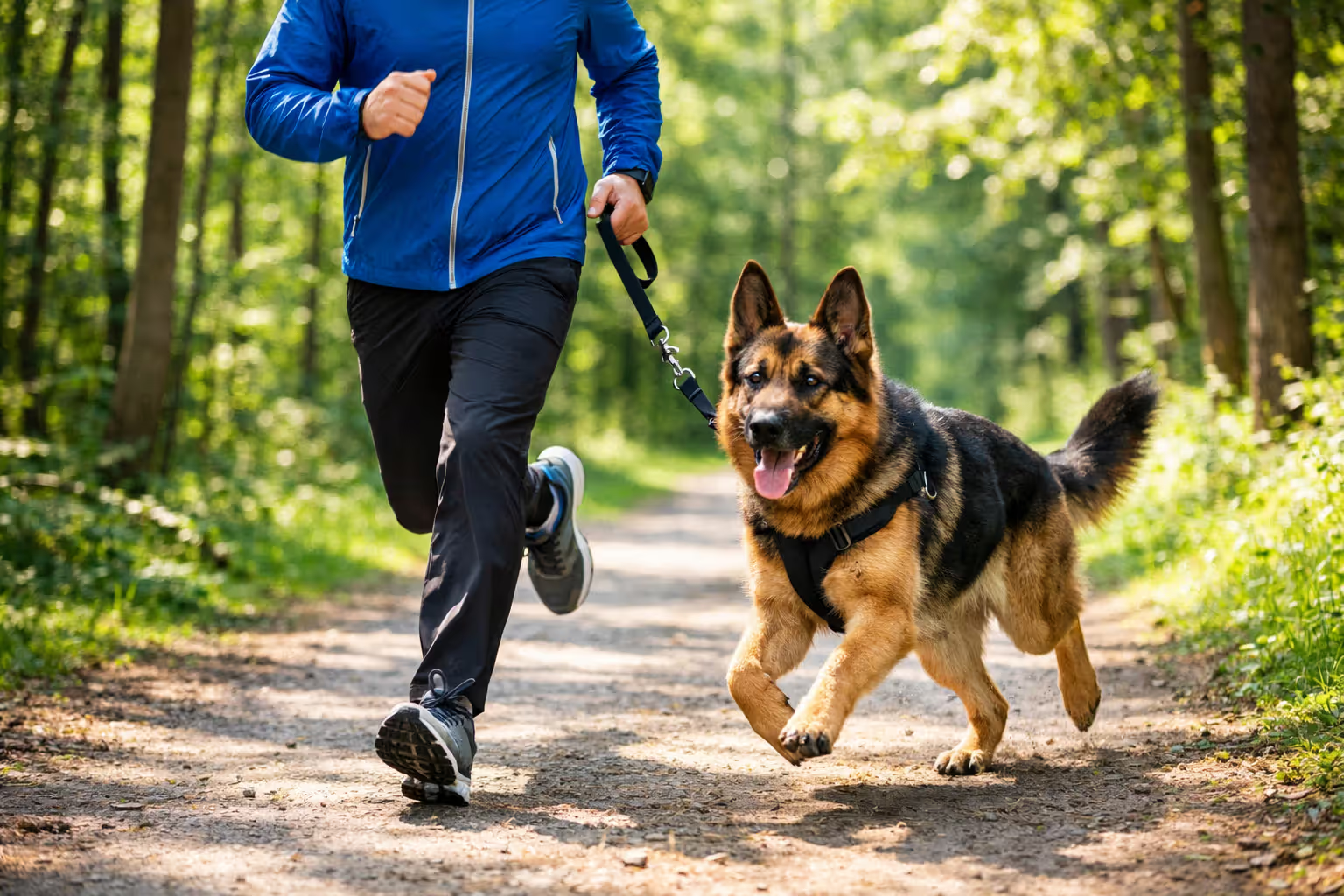
Activity demands: If your concept of exercise involves a 20-minute evening neighborhood loop, a German Shepherd will systematically dismantle your living space. These dogs require genuine work—whether agility competition training, nosework classes, daily jogging partnerships, or extensive property patrol duties. Households containing hikers, distance runners, or substantial fenced properties where the dog can fulfill guarding instincts manage best.
Space requirements: German Shepherds adjust to apartment living when exercised adequately, but houses with secure fenced yards dramatically simplify daily routines. Apartment dwelling necessitates multiple daily outdoor sessions and careful noise control (barking complaints from neighbors occur frequently).
Time investment: Beyond exercise needs, allocate 15–20 minutes daily for training work and mental stimulation activities, plus weekly grooming sessions. Puppies consume far more time—housetraining supervision, chewing prevention, and socialization outings devour hours each day.
Economic realities: Initial purchase prices from responsible breeders range $1,500–$3,000. First-year expenses (vaccination series, spay/neuter surgery, equipment, professional training classes) add $2,000–$3,500. Ongoing annual costs (premium food, parasite preventatives, wellness veterinary visits, grooming equipment) average $1,500–$2,500. Emergency veterinary care for bloat, foreign object ingestion, or traumatic injuries can exceed $5,000. Pet insurance plans ($40–$80 monthly) help offset these unpredictable expenses.
Lifestyle compatibility assessment:
| Household Factor | Breed Needs |
| Daily activity provision | 90–120 minutes for young adults; minimum 60 minutes for aging dogs |
| Prior training knowledge | Intermediate to advanced experience; novice owners require professional instruction |
| Grooming commitment | Weekly brushing minimum; daily sessions during heavy shedding cycles (spring/autumn) |
| Living space | Adjusts to various environments, though secure outdoor space strongly recommended |
| Young children in home | Appropriate with proper early socialization; constant supervision essential with toddlers |
| Existing pets | Achievable through early socialization; cat introductions require careful planning |
| Noise sensitivity | Expect moderate to frequent barking, particularly when under-exercised |
| Financial capacity | $2,000–$4,000+ yearly (standard care plus emergency reserve fund) |
| Daily presence at home | Shouldn't remain isolated longer than 6–8 hours regularly |
Author: Hannah Bloomfield;
Source: alwaysonsalepetsupplies.com
German Shepherds match families where at least one household member maintains a home-based work schedule or flexible employment. They develop poorly when confined to crates for 10-hour stretches daily. Retired individuals, physically active couples, and families with school-aged children frequently succeed. Young professionals maintaining long office hours and frequent travelers typically encounter significant challenges.
Nutritional needs: Adult German Shepherds require premium-quality food listing animal-based protein as the primary ingredient. Eliminate grain-heavy filler products. Most adult dogs thrive on 3–4 cups daily, divided between two separate feedings (morning and evening). Single daily feedings increase bloat risk substantially. Large-breed puppy formulations support appropriate growth velocity—standard puppy foods can accelerate growth excessively, aggravating hip dysplasia development.
Beneficial supplement options include:
Managing shedding: German Shepherds shed continuously year-round and "blow their coats" twice annually. During peak shedding periods, hair appears everywhere throughout your home. Weekly brushing sessions using an undercoat rake tool removes significant loose fur. Daily brushing during spring and fall seasons produces better results. Bathing every 6–8 weeks helps control shedding, though excessive bathing depletes essential coat oils.
Toenail maintenance: Trim toenails every 3–4 weeks consistently. If you detect clicking sounds on hard flooring surfaces, they've grown too long. Overgrown nails alter natural gait patterns and compound joint deterioration. Use either grinding tools or clippers—whichever your dog tolerates better. Desensitize puppies early through daily paw handling.
Ear maintenance: Inspect ears weekly for redness, unusual odors, or discharge buildup. German Shepherds' erect ear carriage promotes excellent air circulation, reducing infection risk compared to drop-eared breeds. Clean only when visibly dirty, using veterinarian-recommended solution products.
Dental hygiene: Brush teeth 3–4 times weekly using dog-specific toothpaste formulations. Periodontal disease reduces lifespan and creates chronic pain. Dental chew products help but cannot substitute for regular brushing.
Activity programming: Rotate activities to maintain engagement. Sample weekly routine:
Modify intensity based on individual age, health status, and weather conditions. German Shepherds handle cold temperatures well but overheat dangerously in summer. Schedule exercise during cooler morning/evening periods when temperatures climb above 80°F.
The German Shepherd delivers unmatched loyalty, intelligence, and partnership to owners who fulfill the breed's substantial requirements. But this breed severely punishes half-measures and shortcuts. Eliminate daily exercise, and you'll confront systematic household destruction. Neglect consistent training, and you'll struggle with a powerful, willful animal. Ignore health screening, and you risk devastating financial and emotional consequences.
Thriving with a German Shepherd requires brutally honest lifestyle assessment. If you maintain an active routine, possess patience for ongoing training, and commit to lifelong learning about dog behavior, this breed will become your most devoted companion. If you prefer a low-maintenance pet requiring minimal daily involvement, explore different breeds.
Prospective owners should visit ethical breeders (those conducting OFA hip/elbow certifications and degenerative myelopathy genetic testing), observe adult dogs to understand actual temperament, and establish connections with local German Shepherd breed clubs. Rescue organizations also place exceptional adult dogs requiring second homes—frequently already housetrained and beyond the destructive puppy developmental stage.
The German Shepherd doesn't suit every household or lifestyle. But for owners who genuinely embrace the breed's demands and substantial energy requirements, few dogs provide such complete partnership across all life domains. Your German Shepherd will test your limits, defend your household, and remain beside you through every adventure you're prepared to undertake together.
Discover everything about Shih Tzu dogs — from temperament and grooming to health issues and ownership costs. Find out if this charming breed suits your lifestyle.
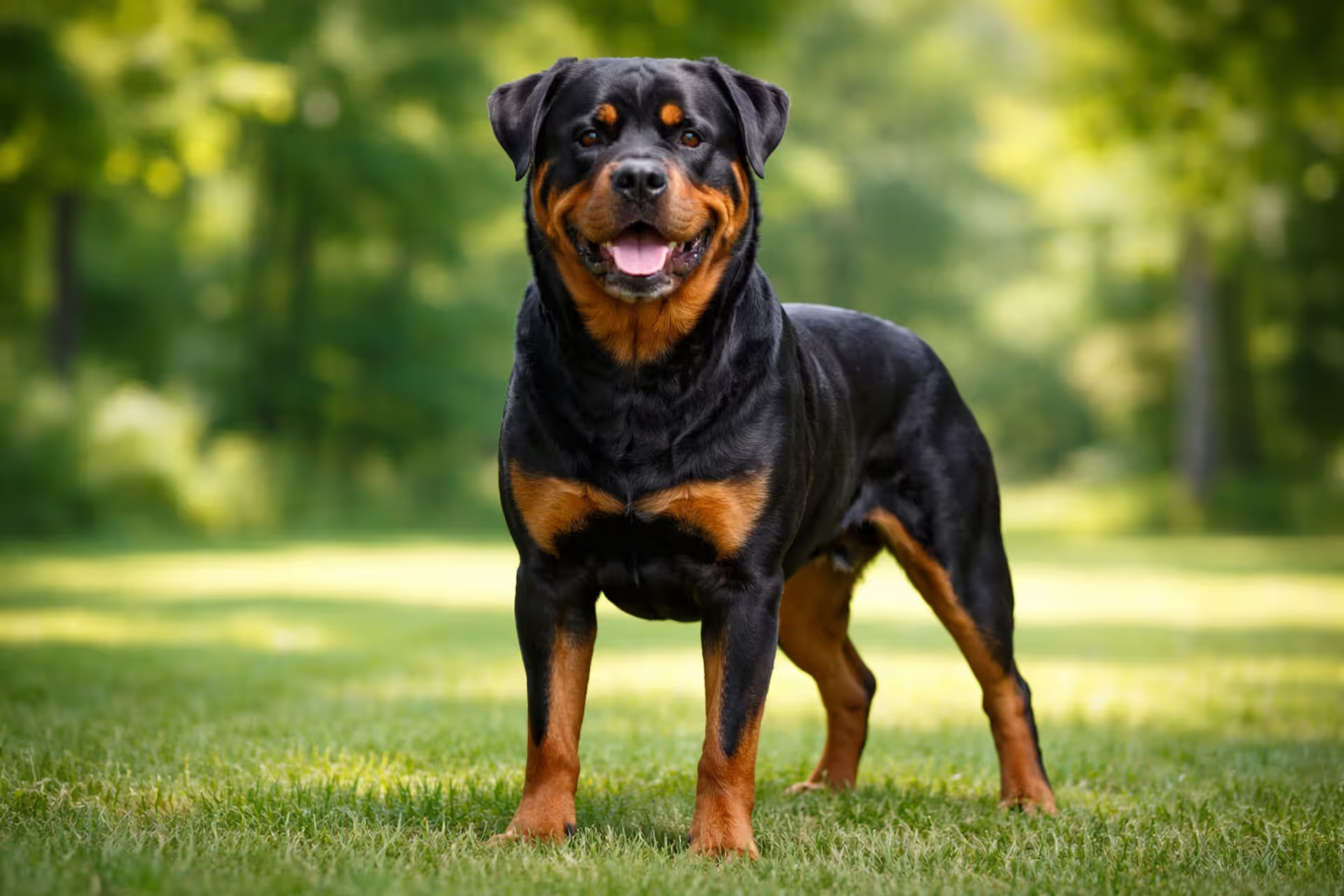
Complete Rottweiler guide for US owners covering temperament, training tips, guard dog traits, health concerns, and care essentials.
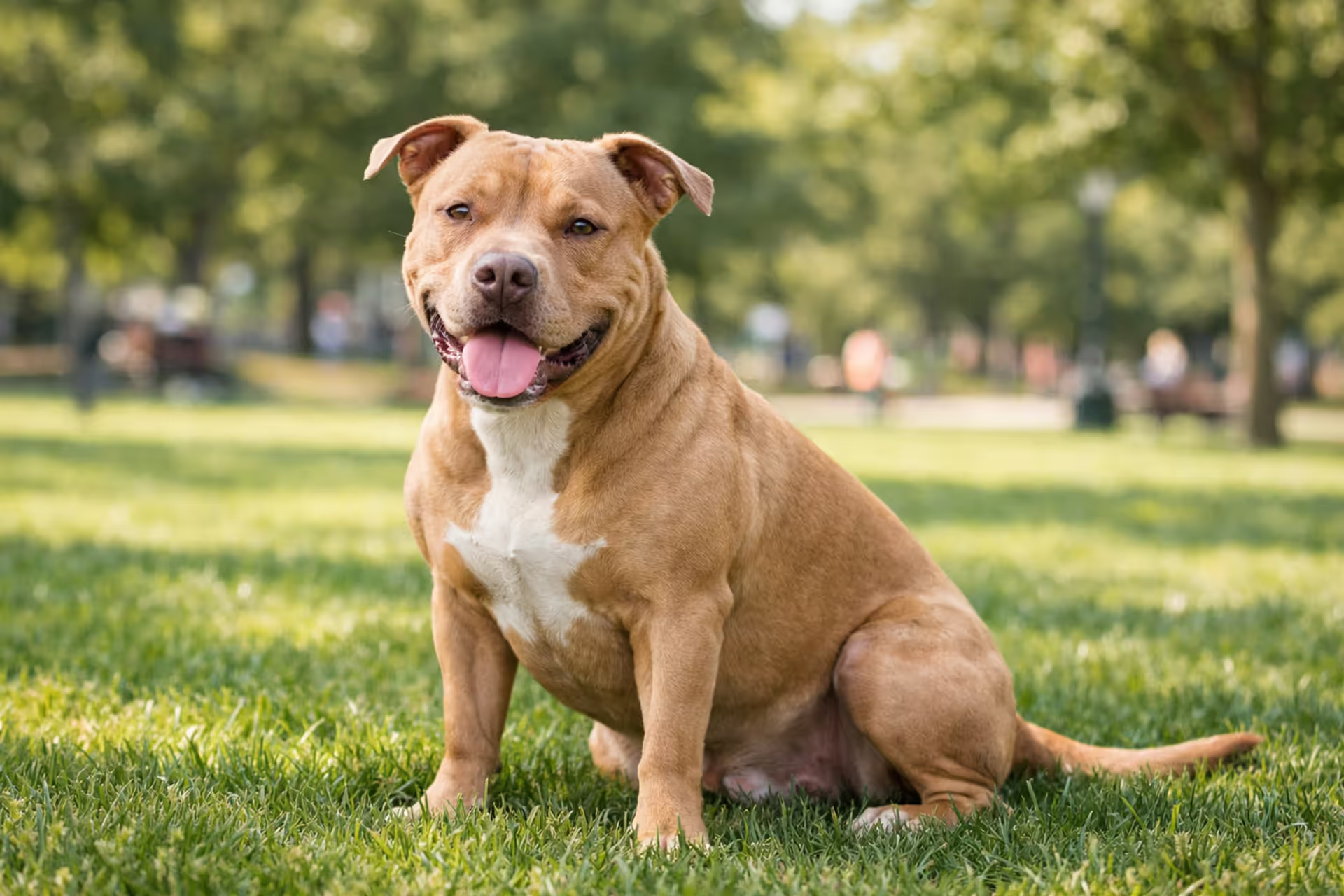
Learn key pitbull breed facts, temperament traits, training tips, and health concerns to decide if this loyal and energetic dog is the right fit for your home.
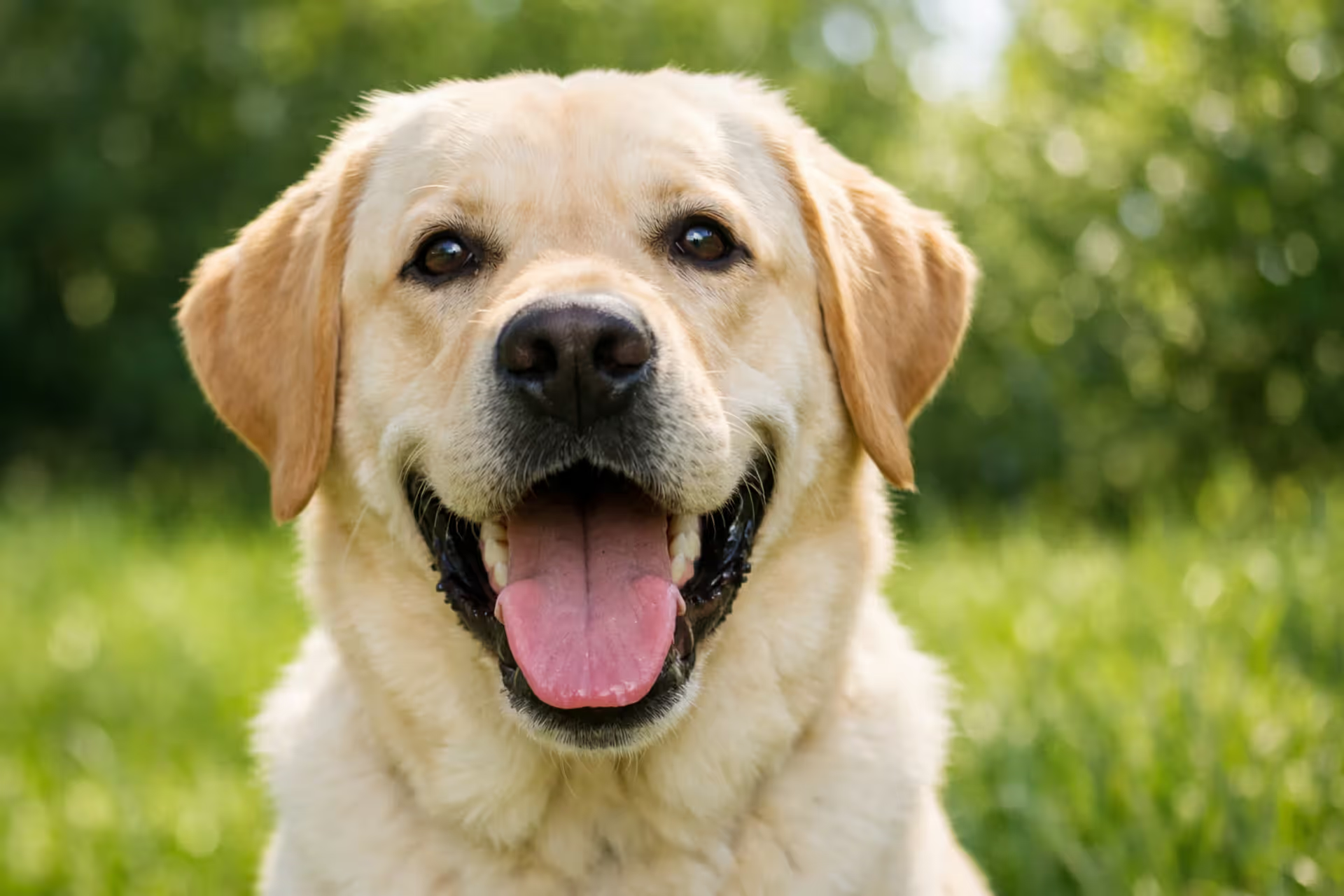
Complete Labrador Retriever guide covering training, health, exercise, and daily care tips. Find out if this friendly and loyal breed is the right fit for your family.
The content on this website is provided for general informational and educational purposes only. It is intended to offer guidance on dog breeds, behavior, health, care, and lifestyle, and should not be considered a substitute for professional veterinary advice, diagnosis, or treatment.
All information published on this site is based on general knowledge, widely accepted research, and practical experience, but individual dogs may differ in behavior, health conditions, and needs. Results and outcomes may vary depending on the dog, environment, and circumstances.
The website is not responsible for any errors or omissions, or for actions taken based on the information provided. For specific concerns regarding your dog’s health or behavior, always consult a qualified veterinarian or professional dog specialist.