

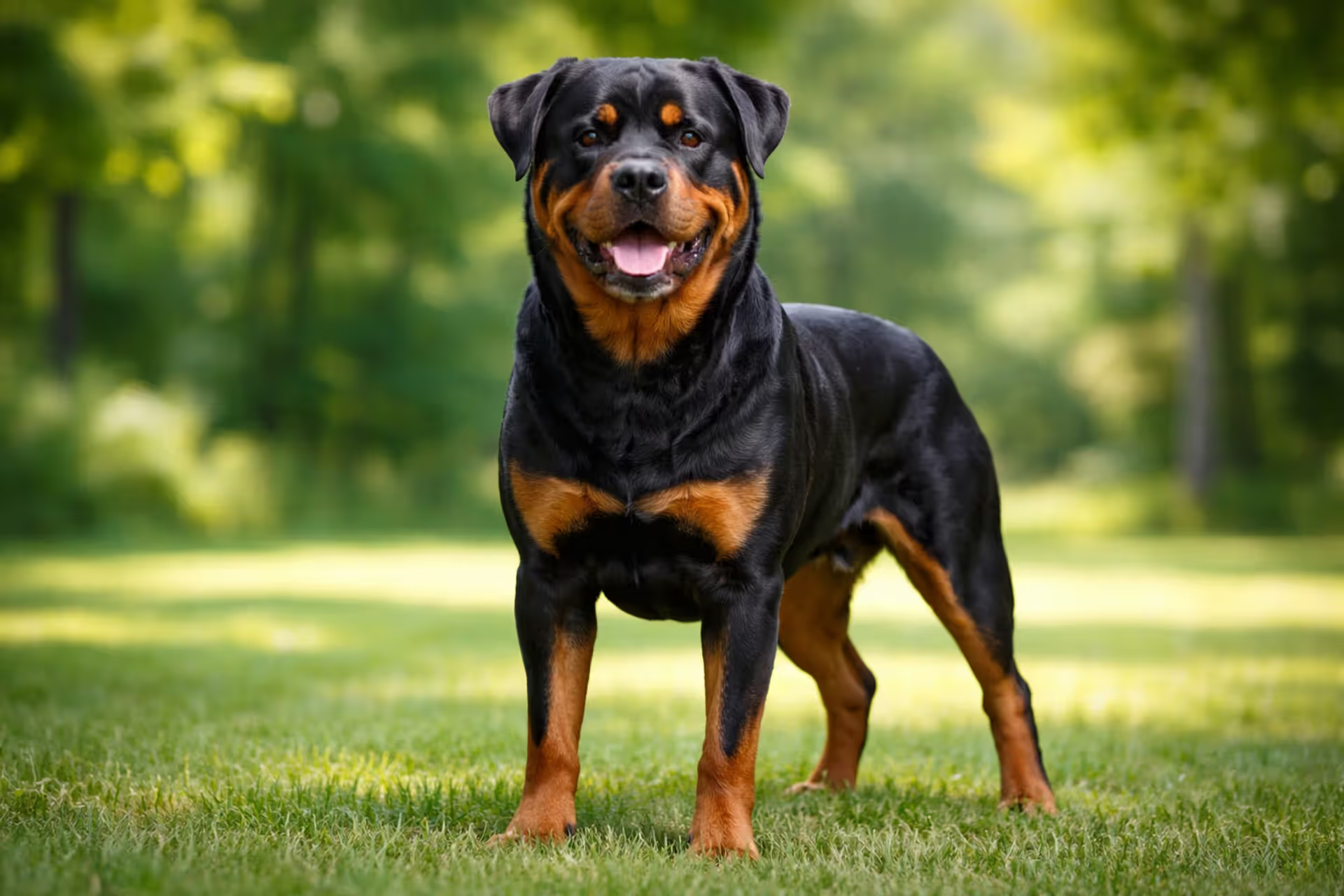
Rottweiler Owner Guide for New Dog Parents
Complete Rottweiler guide for US owners covering temperament, training tips, guard dog traits, health concerns, and care essentials.
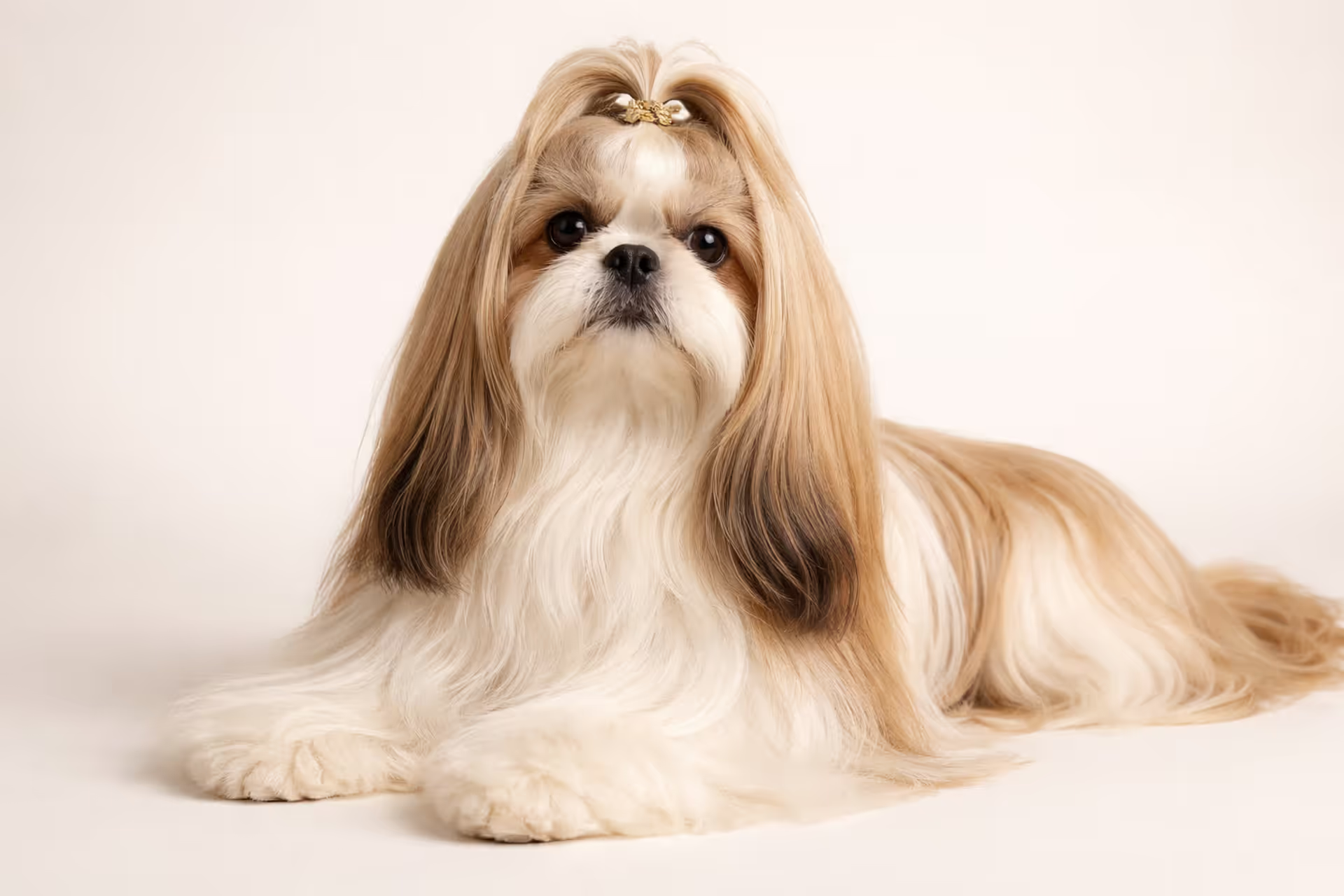
Adult Shih Tzu with long silky white and gold coat sitting against light background
Content
The Shih Tzu has been winning hearts for centuries, and it's not hard to see why. These small dogs pack enormous personality into a compact frame, but they come with specific care demands that catch many first-time owners off guard. Before you bring one home, you need to understand what you're signing up for—because grooming alone will consume more time and money than most people expect.
The Shih Tzu originated in Tibet before becoming treasured companions in Chinese imperial courts. These dogs were bred purely for companionship, not for hunting, herding, or guarding. That breeding history shows in everything they do today.
Physical characteristics are distinctive. Adult Shih Tzus typically weigh 9 to 16 pounds and stand 9 to 10.5 inches tall at the shoulder. Their most recognizable feature is that long, flowing double coat that can reach the floor if left untrimmed. The breed standard accepts all colors and combinations—solid, parti-color, or tricolor patterns are all common.
The face structure sets them apart from other toy breeds. That pushed-in nose and large, round eyes create their signature expression, but the brachycephalic skull shape also creates health vulnerabilities we'll cover later. Their underbite is normal for the breed, not a defect.
In the US, Shih Tzus consistently rank in the top 20 most popular breeds according to AKC registration statistics. Their size makes them apartment-friendly, and they adapt well to various living situations. Unlike terriers bred for independent work, Shih Tzus were designed to sit on laps and provide companionship. They excel at that job.
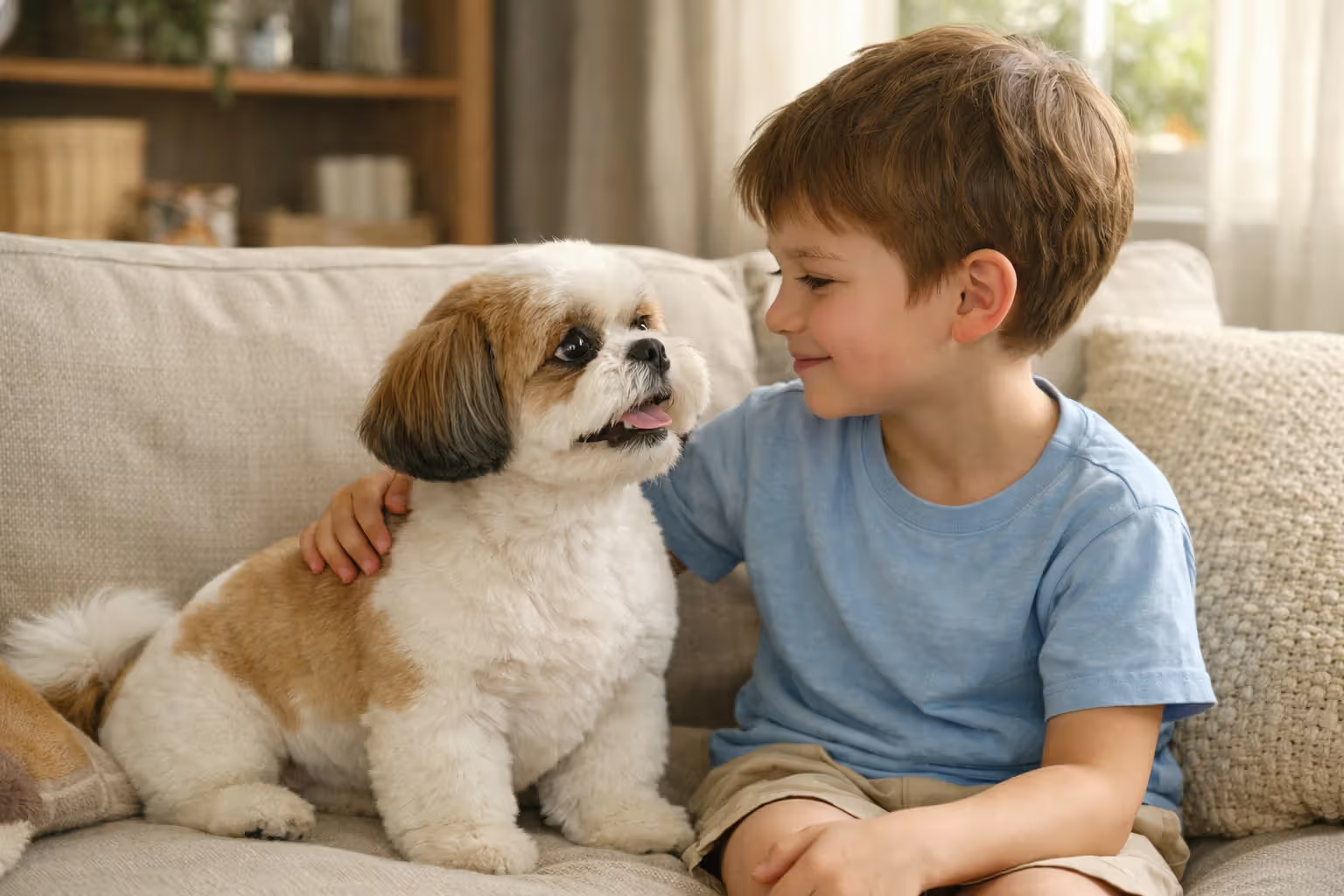
One trait that surprises new owners: these dogs are surprisingly sturdy despite their small size. They're not as fragile as Chihuahuas or Yorkshire Terriers. Most Shih Tzus have a solid, compact build that can handle moderate play with children, though supervision is always smart with any small dog.

Author: Matthew Ridgeway;
Source: alwaysonsalepetsupplies.com
The Shih Tzu temperament centers on companionship. These dogs were bred to be with people, and they take that job seriously. Expect your Shih Tzu to follow you from room to room, settle near wherever you're sitting, and generally want to be involved in household activities.
Most Shih Tzus are outgoing and friendly with strangers once properly socialized. They're not typically aggressive or nervous around new people, though individual personalities vary. They tend to greet visitors with curiosity rather than suspicion or excessive barking, making them poor guard dogs but excellent apartment dwellers.
With children, Shih Tzus generally do well if the kids are taught proper handling. These dogs tolerate gentle play and petting, but they won't put up with tail-pulling or rough treatment. They're better suited to families with children over age six who understand how to interact respectfully with small pets. Very young toddlers and Shih Tzus require constant supervision—not because the dog is aggressive, but because small children can accidentally injure them.
Other pets usually aren't a problem. Shih Tzus typically coexist peacefully with cats and other dogs. They lack strong prey drive, so they won't chase the family cat like a terrier might. In multi-dog households, they often adapt to the pack hierarchy without much drama.
Common behavioral quirks include stubbornness during training. Shih Tzus are intelligent, but they're not eager-to-please breeds like Golden Retrievers. They'll learn commands when they see a reason to comply—usually food rewards. Housetraining can be challenging; many owners report their Shih Tzus took months to reliably eliminate outside, and some never become 100% reliable.
Author: Matthew Ridgeway;
Source: alwaysonsalepetsupplies.com
Another quirk: many Shih Tzus develop strong preferences about how they want to be handled. Some love being picked up; others tolerate it but prefer to approach you for affection on their own terms. They're not typically hyperactive or demanding, but they do expect regular attention and interaction.
Separation anxiety appears in some individuals, especially if they're never taught to be alone. Start practicing short absences early, or you may end up with a dog that vocalizes or becomes destructive when left alone for even brief periods.
The dog is the only animal that has seen his god
— Charles de Gaulle
Shih Tzu grooming needs are extensive—this is the single most demanding aspect of ownership. That beautiful coat requires daily attention, and cutting corners leads to painful mats that form quickly.
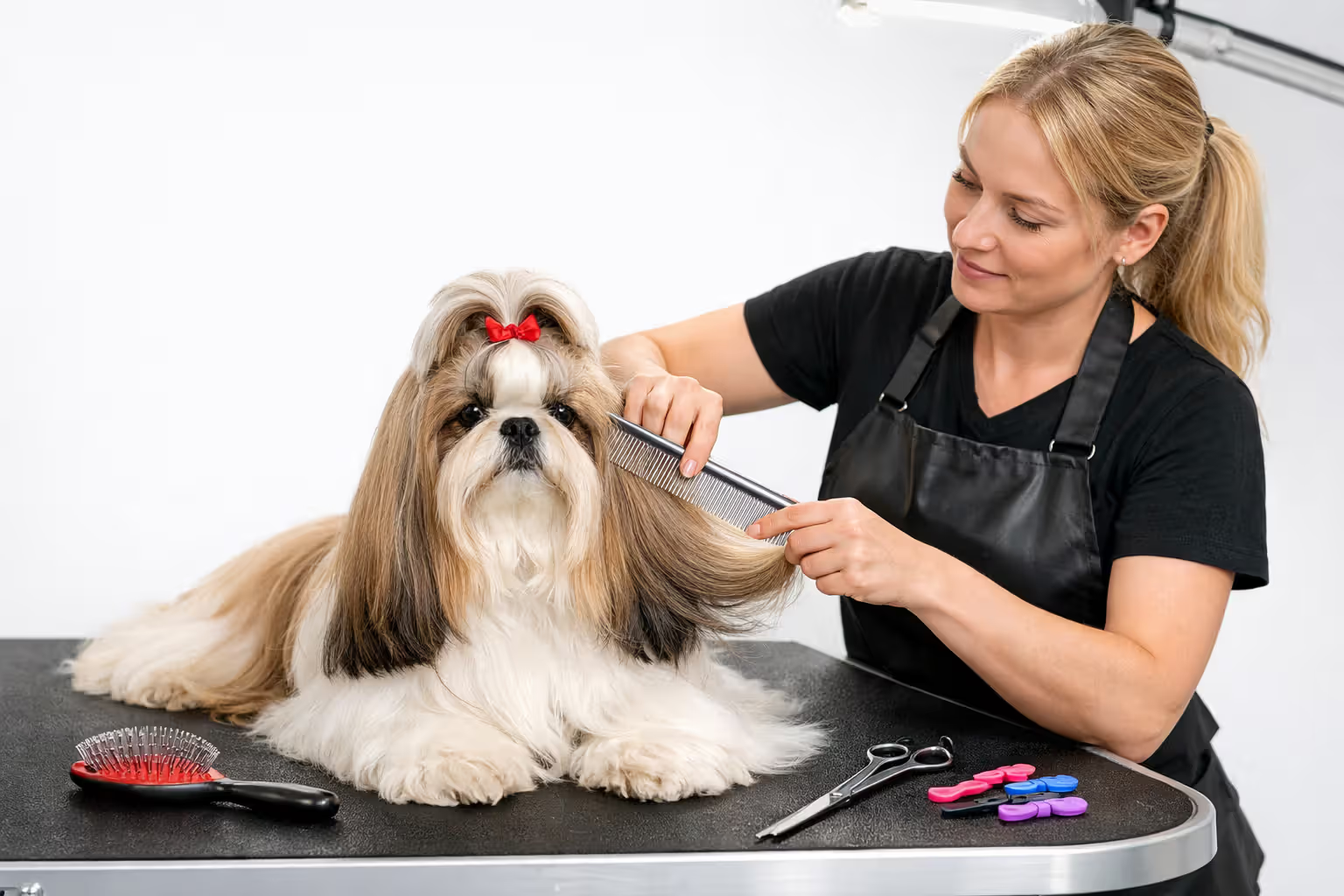
Daily brushing is non-negotiable if you keep the coat long. Plan on 10 to 15 minutes every single day with a pin brush and metal comb, working through the entire coat in sections. Miss even two days, and you'll find mats forming behind the ears, under the legs, and around the collar area. These mats pull on the skin and cause discomfort.
Most pet owners opt for a shorter "puppy cut" that keeps the hair one to two inches long all over. This dramatically reduces daily maintenance to about five minutes of brushing every other day. Even with a short cut, you still need to brush regularly—the double coat will mat if neglected.
Professional grooming should happen every four to six weeks for most Shih Tzus. A typical grooming appointment includes bathing, drying, haircut, nail trimming, ear cleaning, and anal gland expression. Expect to pay $50 to $90 per session depending on your location and the condition of the coat. Urban areas and specialty groomers charge more.
Between professional appointments, you'll need to maintain the face daily. Those large eyes collect discharge that needs to be wiped away with a damp cloth. The facial hair around the eyes should be kept trimmed or tied up in a topknot to prevent irritation. Many owners learn to trim around the eyes themselves with blunt-tipped scissors.
Nail trimming should happen every three to four weeks. If you hear clicking on hard floors, the nails are too long. Long nails change how the dog walks and can cause joint problems over time.
Author: Matthew Ridgeway;
Source: alwaysonsalepetsupplies.com
Ear cleaning matters because those drop ears create a warm, moist environment where infections develop easily. Check ears weekly and clean with a veterinary ear cleaner if you see debris or smell odor.
Dental care is critical. Small breeds like Shih Tzus are prone to dental disease, and many need professional cleanings under anesthesia every one to three years. Daily tooth brushing at home helps, but most owners struggle to maintain that routine.
Here's what grooming actually costs per month:
| Expense Category | DIY Approach | Professional Services |
| Professional grooming | $0 | $60–$90 every 6 weeks (~$45–$68/month) |
| Grooming tools (amortized) | $10–$15/month | $0 |
| Shampoo and supplies | $8–$12/month | Included |
| Nail trimming | $0 (DIY) | Included |
| Dental supplies | $15–$20/month | $15–$20/month |
| Total Monthly Cost | $33–$47 | $60–$88 |
The DIY approach saves money but requires significant time investment and a learning curve. You'll need quality tools: a pin brush ($15–$25), metal comb ($10–$15), slicker brush ($12–$20), clippers ($50–$150), scissors ($20–$40), and nail clippers ($8–$15).
Many owners find a hybrid approach works best: professional grooming every six to eight weeks for the full haircut and bath, with daily brushing and face maintenance at home. This balances cost and convenience.
The Shih Tzu lifespan typically ranges from 10 to 16 years, with most individuals living 12 to 14 years. Several factors influence longevity: genetics, diet, exercise, dental care, and preventive veterinary care all play roles.
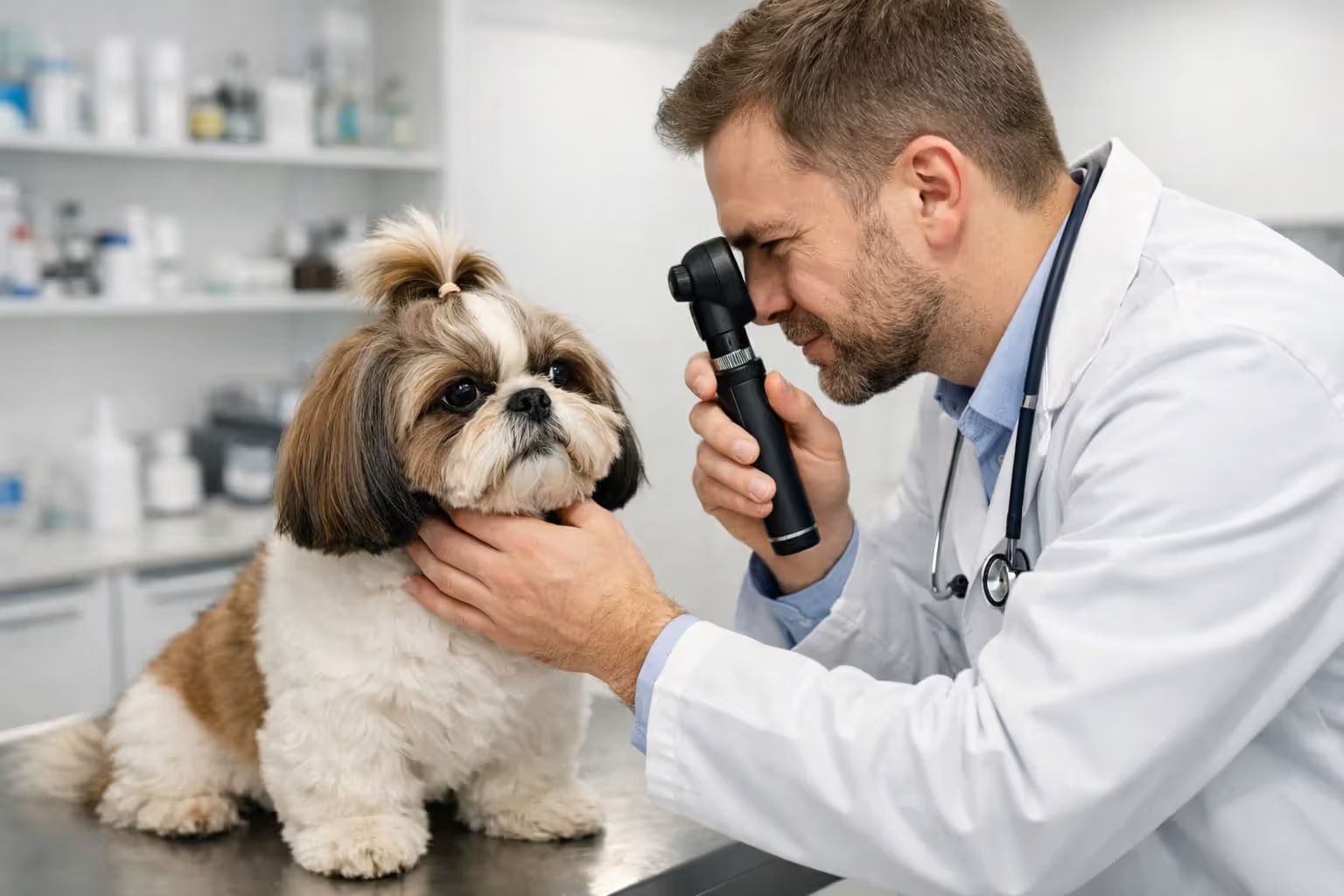
Shih Tzu health problems stem largely from their physical structure. The brachycephalic (flat-faced) skull creates breathing difficulties for many individuals. You'll notice snorting, snoring, and reduced exercise tolerance, especially in hot weather. Some dogs develop brachycephalic obstructive airway syndrome (BOAS), which may require surgical correction in severe cases.
Heat intolerance is serious. These dogs cannot cool themselves efficiently through panting, so they overheat quickly in warm weather. Limit outdoor time when temperatures exceed 75°F, and never leave a Shih Tzu in a car, even briefly. Watch for excessive panting, drooling, or lethargy—these signal dangerous overheating.
Eye problems are common because those large, prominent eyes are vulnerable to injury and disease. Progressive retinal atrophy (PRA) causes gradual vision loss and eventual blindness. Cataracts develop in many older Shih Tzus. Corneal ulcers happen when the eye gets scratched by hair, debris, or during play. Dry eye (keratoconjunctivitis sicca) affects some individuals, requiring lifelong medicated eye drops.
Dental disease develops early and progresses quickly in this breed. By age three, most Shih Tzus show signs of periodontal disease without preventive care. Bacteria from infected gums enter the bloodstream and can damage the heart, kidneys, and liver. Professional cleanings under anesthesia become necessary, typically costing $300 to $800 depending on the severity.
Hip dysplasia and patellar luxation (slipping kneecaps) occur in Shih Tzus despite their small size. You might notice limping, reluctance to jump, or a skipping gait. Mild cases may need only weight management and joint supplements; severe cases require surgery.
Ear infections happen frequently because of those drop ears that trap moisture and restrict airflow. Signs include head shaking, scratching at ears, odor, or discharge. Most infections respond to medicated drops, but chronic cases become frustrating and expensive to manage.
Allergies—both environmental and food-related—affect many Shih Tzus. You'll see itching, paw licking, face rubbing, or recurrent ear infections. Identifying and managing allergies often requires working with a veterinary dermatologist and can involve elimination diets, allergy testing, or immunotherapy.
Here's a recommended health screening schedule:
| Age Range | Recommended Screenings | Frequency |
| 8 weeks–1 year | Puppy wellness exams, vaccinations, fecal testing, spay/neuter | Every 3–4 weeks until vaccines complete, then at 6 months and 1 year |
| 1–7 years | Annual wellness exam, dental evaluation, heartworm test | Yearly |
| 7–10 years | Wellness exam, dental evaluation, blood work, urinalysis | Every 6–12 months |
| 10+ years | Wellness exam, blood work, urinalysis, blood pressure, dental evaluation | Every 6 months |
Responsible breeders screen for genetic conditions including hip dysplasia, eye diseases, and cardiac issues before breeding. Ask to see health clearances from OFA (Orthopedic Foundation for Animals) or PennHIP for hips, CERF or OFA for eyes, and OFA for cardiac evaluation.
Author: Matthew Ridgeway;
Source: alwaysonsalepetsupplies.com
Lifestyle considerations matter more than initial attraction to the breed. Shih Tzus need moderate daily interaction and cannot be left alone for 10-hour workdays without developing behavioral problems. They're not independent dogs content to entertain themselves.
Apartment living suits them well. They don't need a yard and adapt easily to small spaces. Exercise requirements are modest—two or three short walks daily plus some indoor play typically suffices. They're not jogging partners or hiking companions. A 20-minute walk may be enough to tire them out.
Activity level is low to moderate. Expect periods of playfulness followed by long naps. They enjoy interactive toys and gentle play but won't demand constant entertainment like high-energy breeds. Most Shih Tzus are content to sleep on the couch while you work from home.
The one absolutely unselfish friend that man can have in this selfish world, the one that never deserts him, the one that never proves ungrateful or treacherous, is his dog.
— George Graham Vest
Time commitment for grooming is the biggest consideration. If you're not willing to brush daily or pay for professional grooming every month, this breed will frustrate you. Matted coats cause suffering—it's not just cosmetic.
The Bernedoodle breed offers an interesting comparison because both breeds are popular companion dogs, but they differ dramatically in size and needs. Bernedoodles result from crossing Bernese Mountain Dogs with Poodles, creating dogs that typically weigh 50 to 90 pounds—five to six times larger than a Shih Tzu. That size difference affects everything from housing requirements to veterinary costs.
Here's how these breeds compare:
| Characteristic | Shih Tzu | Bernedoodle | Cavalier King Charles Spaniel |
| Adult Weight | 9–16 lbs | 50–90 lbs | 13–18 lbs |
| Grooming Needs | High (daily brushing, monthly professional grooming) | High (brushing every 2–3 days, grooming every 6–8 weeks) | Moderate (brushing 2–3x/week) |
| Energy Level | Low to moderate | Moderate to high | Moderate |
| Lifespan | 10–16 years | 12–15 years | 9–14 years |
| Temperament | Affectionate, somewhat stubborn, companion-focused | Friendly, intelligent, active | Gentle, affectionate, eager to please |
| Exercise Needs | 20–30 min/day | 60+ min/day | 30–45 min/day |
Bernedoodles need significantly more space, exercise, and food. They're better suited to active families with yards. Shih Tzus fit seniors, apartment dwellers, and people who want a portable companion.
Cavalier King Charles Spaniels offer another small companion breed comparison. They're similar in size to Shih Tzus but have lower grooming requirements and generally easier temperaments for training. However, Cavaliers have serious genetic heart problems that affect a large percentage of the breed.
French Bulldogs are currently more popular than Shih Tzus but share similar brachycephalic health concerns. Frenchies have lower grooming needs but often cost significantly more to purchase and may have even more severe breathing problems.
First-year expenses exceed what most people budget. The purchase or adoption price is just the beginning.
Purchase costs vary widely. Reputable breeders typically charge $1,000 to $2,500 for a pet-quality Shih Tzu puppy with health clearances and proper socialization. Show-quality puppies from champion lines cost more. Rescue adoption fees usually range from $150 to $500 and often include spaying/neutering and initial vaccinations.
Avoid puppies priced under $500 from unknown sources. These typically come from backyard breeders or puppy mills where health testing doesn't happen and socialization is inadequate. You'll likely pay the difference—and more—in veterinary bills.
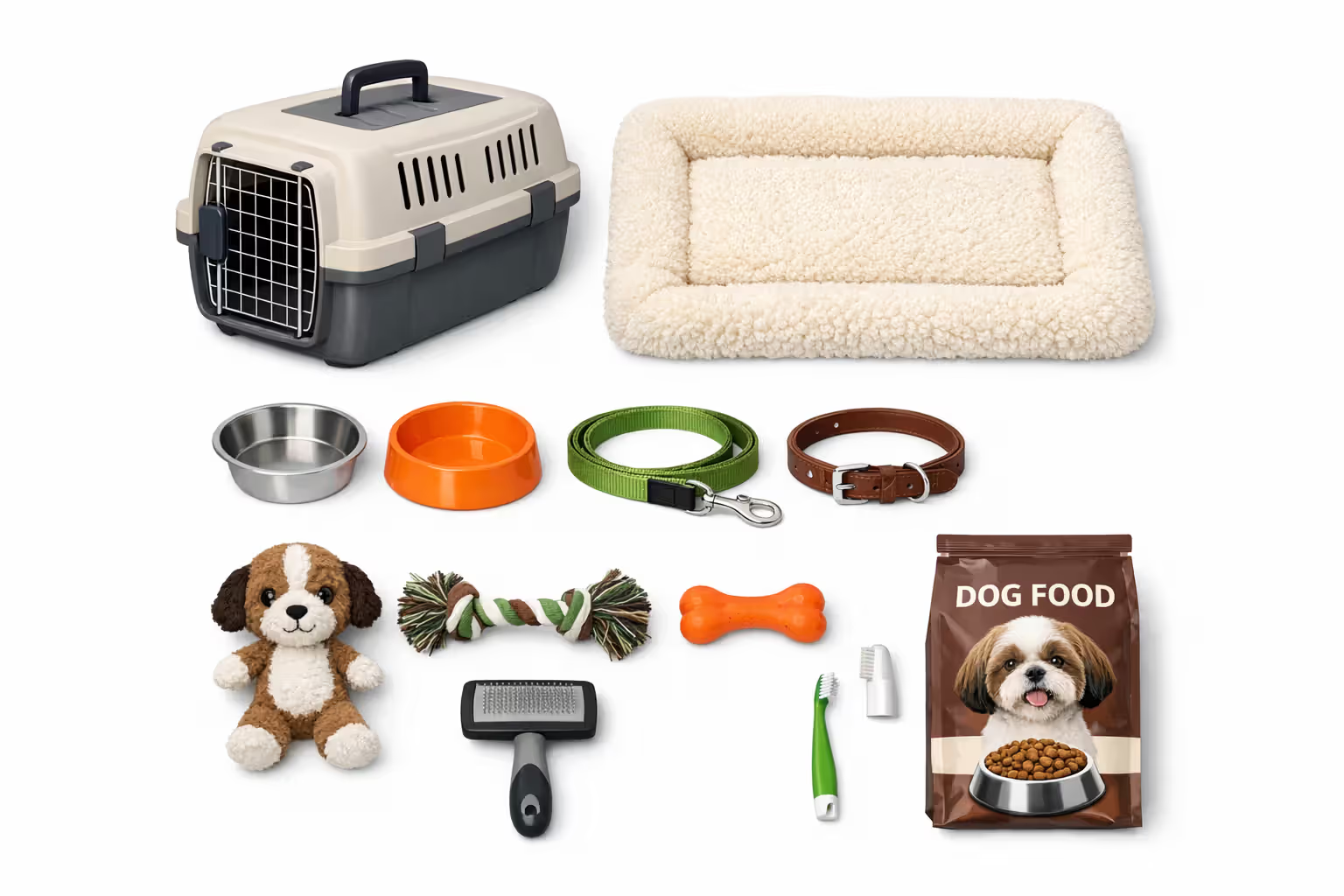
Initial supplies add up quickly. You'll need a crate ($40–$80), bed ($30–$60), food and water bowls ($15–$30), collar and leash ($20–$40), ID tag ($10), toys ($30–$50), grooming supplies ($100–$200 if doing it yourself), and initial food supply ($30–$50).
Author: Matthew Ridgeway;
Source: alwaysonsalepetsupplies.com
First-year veterinary care includes multiple puppy wellness visits, a series of vaccinations (distemper, parvovirus, rabies), fecal testing, heartworm prevention, flea and tick prevention, and spaying or neutering. Budget $800 to $1,500 for routine first-year veterinary care, assuming no illness or injury.
Here's a realistic first-year budget:
| Expense Category | Low Estimate | High Estimate |
| Purchase/adoption | $500 | $2,500 |
| Initial supplies | $300 | $600 |
| First-year veterinary (routine) | $800 | $1,500 |
| Food (12 months) | $300 | $600 |
| Grooming (professional) | $600 | $1,080 |
| Training classes | $150 | $400 |
| Pet insurance (optional) | $300 | $600 |
| Unexpected expenses | $200 | $500 |
| Total First Year | $3,150 | $7,780 |
Pet insurance costs $25 to $50 monthly for a Shih Tzu puppy, depending on coverage level and deductible. Premiums increase as the dog ages. Insurance makes sense if you couldn't afford a $3,000 to $5,000 emergency veterinary bill out of pocket.
Monthly costs after the first year typically run $100 to $200, including food, preventive medications, grooming, and routine veterinary care. Major expenses like dental cleanings, emergency care, or treatment for chronic conditions come on top of baseline costs.
The Shih Tzu excels as a companion for the right owner. These dogs offer affection, adaptability to various living situations, and relatively modest exercise needs. They're generally friendly, good with other pets, and portable enough to accompany you on errands and trips.
But they're not low-maintenance pets despite their small size. Grooming requirements alone exceed what many small breed owners expect. Add potential health problems related to their facial structure, and you need both time and financial resources to provide proper care.
The ideal Shih Tzu owner has time for daily grooming, patience for training challenges, and either the budget for professional grooming or the willingness to learn grooming skills. They want a companion who'll follow them around the house and snuggle on the couch, not an independent dog or an athletic hiking partner.
If you work long hours away from home, want a dog for outdoor adventures, or aren't willing to commit to extensive grooming, consider other breeds. But if you want a devoted companion who'll fit in a small living space and provide years of affectionate companionship, a well-bred Shih Tzu from health-tested parents might be exactly what you're looking for.
Visit breeders, meet adult dogs, and spend time with the breed before committing. Talk to current owners about the realities of daily care. The more informed your decision, the better chance you'll find this breed fits your lifestyle for the next 12 to 15 years.
Complete Rottweiler guide for US owners covering temperament, training tips, guard dog traits, health concerns, and care essentials.
Learn key pitbull breed facts, temperament traits, training tips, and health concerns to decide if this loyal and energetic dog is the right fit for your home.

Complete Labrador Retriever guide covering training, health, exercise, and daily care tips. Find out if this friendly and loyal breed is the right fit for your family.
Discover everything about Golden Retrievers: their friendly temperament, training tips, health concerns, costs, and care needs. Find out if this beloved family dog is the perfect match for your lifestyle.
The content on this website is provided for general informational and educational purposes only. It is intended to offer guidance on dog breeds, behavior, health, care, and lifestyle, and should not be considered a substitute for professional veterinary advice, diagnosis, or treatment.
All information published on this site is based on general knowledge, widely accepted research, and practical experience, but individual dogs may differ in behavior, health conditions, and needs. Results and outcomes may vary depending on the dog, environment, and circumstances.
The website is not responsible for any errors or omissions, or for actions taken based on the information provided. For specific concerns regarding your dog’s health or behavior, always consult a qualified veterinarian or professional dog specialist.