


Shih Tzu Breed Guide for New Dog Owners
Discover everything about Shih Tzu dogs — from temperament and grooming to health issues and ownership costs. Find out if this charming breed suits your lifestyle.

Golden retriever running through a sunny open field with tail raised
Content
See that flowing coat shining in sunlight while a tail helicopters with pure joy? You've spotted a golden retriever. Year after year, this breed claims spots in America's top three—but widespread affection doesn't guarantee they'll mesh with your specific situation.
Yes, they're brilliant and affectionate. Yes, they look camera-ready without trying. What social media skips: the relentless fur coating every surface in your home, the three-year stretch of puppy chaos before maturity settles in, and the sobering cancer rates that demand awareness from day one.
You'll find everything here—breed background through health testing timelines, training approaches that produce results, plus the genuine financial picture spanning a dozen years. Maybe you're deciding if this breed fits your world. Maybe you've already brought one home and need actionable guidance. Either way, this covers it.
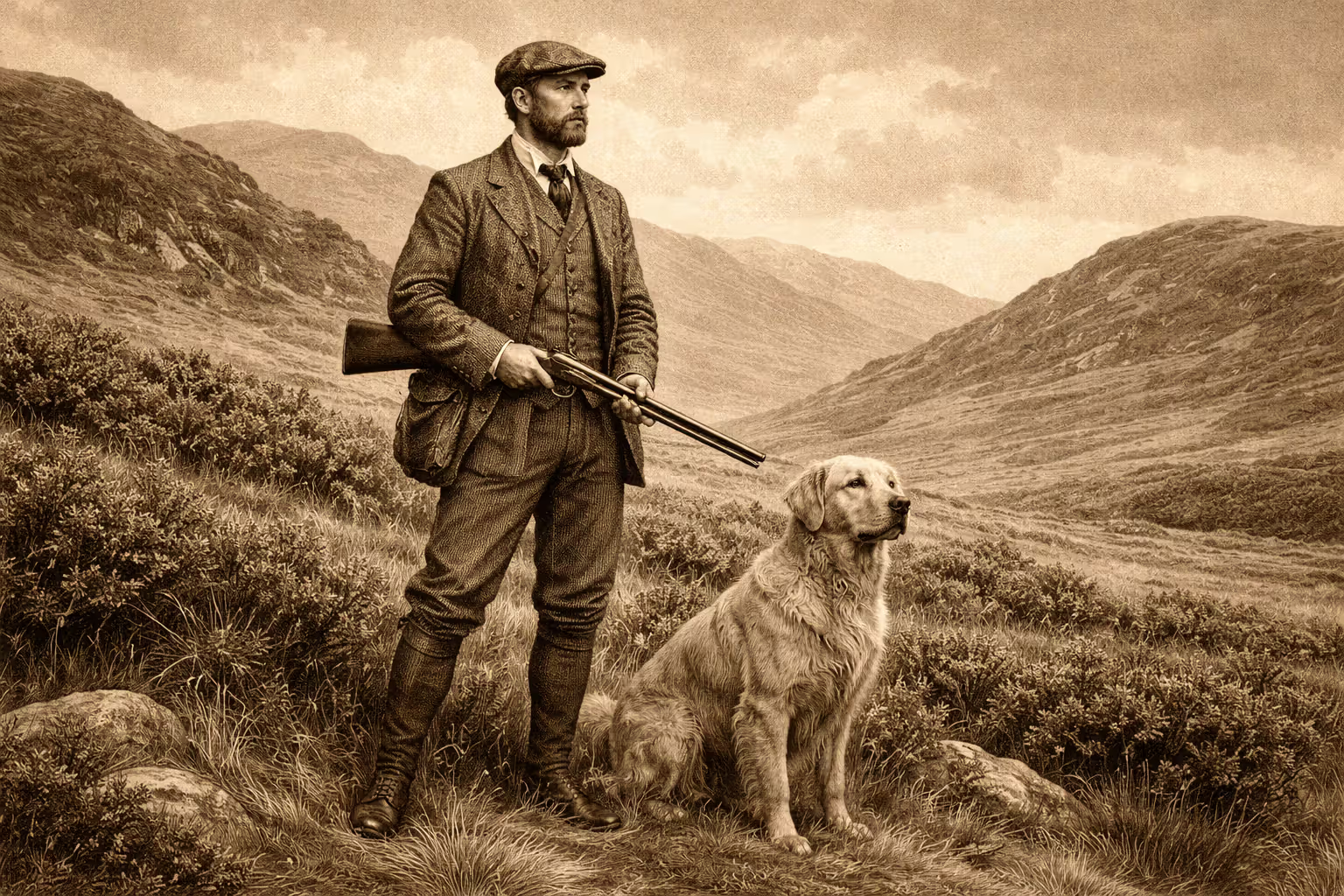
Journey to Scotland's rugged Highlands in the 1860s. Lord Tweedmouth required hunting dogs capable of retrieving downed game across challenging landscapes and freezing water. His breeding program started when he paired Nous, a yellow retriever, with Belle, a now-extinct Tweed Water Spaniel. Two decades of careful documentation followed while he blended in Irish Setter and Bloodhound lines to craft the working ability and character he sought.
The result? Strong swimmers with soft mouths that wouldn't damage retrieved birds, packaged with the reliable temperament a gentleman's sporting companion required.
The dog is a gentleman; I hope to go to his heaven, not man’s.
— Mark Twain
The American Kennel Club added these golden-coated retrievers to its registry in 1925. For several decades the breed primarily worked in the field before family popularity exploded during the 1970s and kept accelerating. Contemporary goldens still participate in hunting competitions and field trials, although most live as companions who've never seen waterfowl.
Physical Characteristics and Breed Standards
Males reach 23–24 inches at the shoulder, typically weighing between 65 and 75 pounds. Females measure 21.5–22.5 inches tall, scaling 55–65 pounds. These specific numbers matter less than proper proportions—correctly built goldens look athletic and balanced instead of chunky or lanky.
Coat shades span from pale cream into rich gold. The breed standard rejects red or mahogany tones. That distinctive double coat—plush undercoat below longer guard hairs—originally protected working dogs from brutal Scottish weather and icy water. Now it mainly guarantees your furniture never achieves total hair-free status.
Watch a golden move across an open field and you'll notice that efficient, distance-covering stride that enabled their ancestors to work from dawn until dusk. The breed's structure reflects working heritage: powerful rear quarters delivering thrust, balanced front assembly supporting stamina, plus that recognizable warm expression created by dark eyes and soft facial structure.
Author: Emily Crosswell;
Source: alwaysonsalepetsupplies.com
Why They Rank in the Top 5 Most Popular US Breeds
Three elements fuel ongoing demand. First, temperament: goldens genuinely love people and fit into varied household dynamics. Second, versatility: these dogs shine as therapy animals, guide dogs for the visually impaired, search-and-rescue teammates, and competitors across dog sports. Third, looks: that magazine-worthy golden coat and happy expression matches what most people picture when imagining "the ideal dog."
Heavy demand creates problems, unfortunately. Puppy mills and careless breeders produce goldens quickly to meet market appetite, often eliminating health testing and proper early socialization. This wave of poorly bred dogs has amplified genetic health issues and created temperament problems that hurt the breed's reputation.
The golden retriever temperament revolves around three signature traits: they're welcoming to the point where guard work proves impossible, smart enough to outwit inexperienced owners, and so motivated to please that training progresses surprisingly smoothly.
Core Personality Characteristics
Goldens form powerful attachments to their families. Your dog will trail you to the bathroom, press against your legs while you cook, and mysteriously claim three-quarters of a queen bed despite weighing just 70 pounds. This attachment can spiral into separation anxiety without early independence work. I've seen goldens who destroyed furniture, chewed through walls, and escaped from crates purely because being alone felt unbearable.

Author: Emily Crosswell;
Source: alwaysonsalepetsupplies.com
Their smarts show up in unexpected ways. They'll figure out cabinet latches, solve gate mechanisms, and remember exactly where you stashed the treat container months back. A bored golden becomes a destructive golden. Mental puzzles rival physical workouts in importance—possibly surpassing them.
That eagerness to please streamlines training compared to stubborn breeds like hounds or self-directed terriers. Goldens want your praise and work hard to get it. Stick with positive, reward-focused approaches because heavy-handed corrections completely destroy their willingness to participate.
Energy Levels and Exercise Needs
Plan for a high-octane dog until roughly age three or four. Young goldens need 60–90 minutes of real exercise daily—not a leisurely walk around the block. Think running, swimming, intense fetch that leaves them breathing hard, or training that fires up their brain. These dogs evolved for dawn-to-dusk fieldwork. That endurance doesn't disappear simply because you bought them from a breeder instead of a hunting program.
Swimming taps into all the right instincts for goldens. They'll retrieve toys or bumpers from water until total exhaustion hits (meaning you need to enforce breaks before they push beyond safe limits).
Between five and six years, most goldens develop some maturity. They'll still enjoy 45–60 minutes of daily movement but won't bounce off walls if circumstances occasionally get hectic. Senior dogs past age eight still require activity maintaining joint function and controlling weight, just at gentler intensity.
The better I get to know men, the more I find myself loving dogs.
— Charles de Gaulle
Compatibility with Children, Other Pets, and Strangers
Most goldens navigate kid chaos remarkably well. That said, enthusiastic puppies accidentally bowl over toddlers. Show your children correct dog interaction—no ear yanking, no disturbing the dog during meals, no using them like climbing equipment. Always supervise young kids around dogs regardless of breed reputation.
Goldens typically coexist peacefully with other dogs and even cats, especially when raised together from young age. Their retrieving background means some chase small critters like squirrels or rabbits, though this differs individually. Don't count on reliable off-leash recalls around wildlife until considerable training investment.
The breed's friendliness toward strangers reaches comical levels. They'll welcome intruders, greet package carriers with excited jumping, and assume everyone at the park wants their attention. This makes them exceptional therapy dogs and worthless protection animals.
The golden retriever family dog picture sells thousands of puppies, although reality requires matching breed demands with lifestyle facts.
Best Living Situations
Goldens adapt to different home sizes, but they prosper with space. A house featuring securely fenced yard access allows them to burn energy and manage bathroom needs without you bundling up for midnight potty runs in freezing weather. Reality check though: yard access means nothing if your dog exists outside. Goldens require indoor living with continuous family contact, not outdoor decoration.
Can apartment arrangements work? Absolutely, though it takes serious commitment. You'll deliver multiple daily walks, consistent trips to parks or trails, plus indoor enrichment activities. Young goldens become destructive when understimulated, and thin apartment walls mean neighbors hear every barking episode.
Time Commitment and Lifestyle Considerations

Author: Emily Crosswell;
Source: alwaysonsalepetsupplies.com
Goldens require substantial daily interaction: exercise, training work, grooming maintenance, plus simple companionship. Does everyone in your household work full-time without midday home breaks? That golden puppy will struggle. Consider doggy daycare, paying for a midday walker, or enlisting a reliable neighbor.
The shedding reality is severe. You'll vacuum daily and still find golden hair in your coffee, coating your clothes, throughout the car, everywhere. People requiring spotless homes often regret this breed choice.
Goldens keep that wild puppy energy until around age three or four. Want a calm, settled dog immediately? Adopt an adult instead of raising a youngster through the turbulent years.
Cost Breakdown
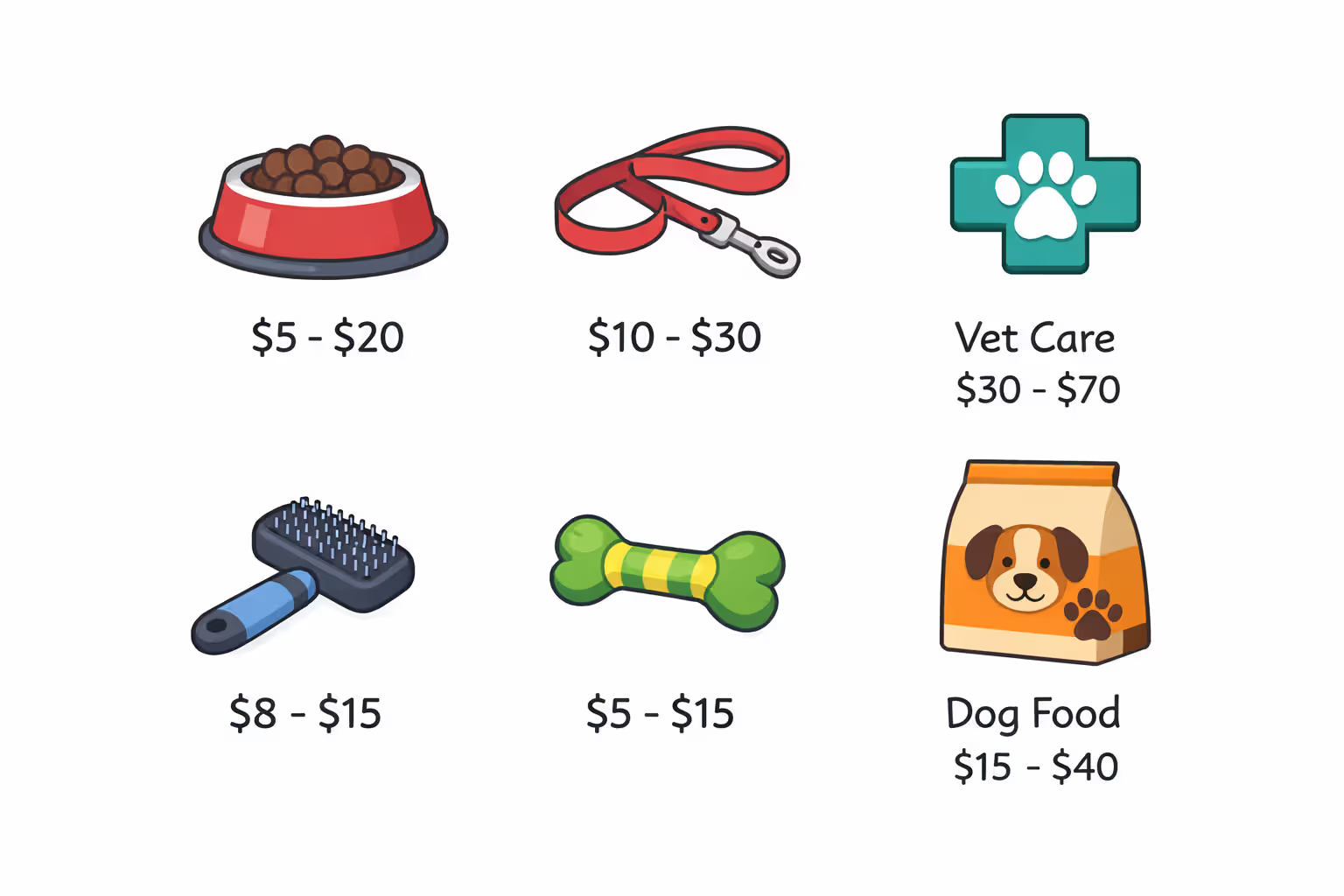
Let's look at real numbers. Here's your financial picture:
| Expense Category | Year One Investment | Ongoing Annual Cost |
| Puppy purchased from health-testing breeder | $1,500–$3,000 | — |
| Initial vet expenses (wellness exams, vaccination series, spay/neuter procedure) | $400–$600 | — |
| Basic supplies (crate, bed, dishes, leash, collar, first batch of toys) | $300–$500 | $100–$200 |
| Premium dog food | $600–$800 | $600–$800 |
| Routine vet care (annual exam, heartworm test, flea/tick/heartworm prevention) | Built into initial costs | $300–$500 |
| Professional grooming or home grooming equipment | $200–$400 | $300–$600 |
| Training classes (puppy socialization and basic obedience) | $200–$400 | $0–$200 |
| Pet health insurance monthly premiums | $400–$700 | $400–$700 |
| Emergency savings for unexpected veterinary needs | $500–$1,000 | $500–$1,000 |
| COMPLETE ESTIMATE | $4,100–$7,400 | $2,200–$4,000 |
These numbers assume reasonably good health throughout. Golden retriever health concerns like cancer treatment or joint surgery easily add $3,000–$10,000 during a single year.
Author: Emily Crosswell;
Source: alwaysonsalepetsupplies.com
Golden retriever training tips revolve around one principle: keep it positive. This breed shuts down under harsh corrections but learns enthusiastically when training feels rewarding and fun.
8–12 Weeks: Make socialization your top priority. Expose your puppy to varied people (different ages, sizes, ethnicities), settings (parks, parking lots, pet stores), sounds (vacuum cleaners, traffic, recorded thunderstorms), and textures (grass, concrete, gravel, metal surfaces). Begin house training immediately—puppies this young require bathroom breaks every 2–3 hours. Start name recognition using treats and work on basic "sit" responses.
3–4 Months: Keep socialization going while introducing leash skills, "down," and "stay" cues. Your puppy's focus remains brief at this age—wrap up training sessions after 5–8 minutes before boredom strikes. Address jumping and mouthing behaviors now before these patterns become deeply rooted habits.
5–6 Months: Challenge commands in distracting settings. Will your puppy hold a stay when company arrives? Respond to recall while other dogs are playing nearby? Keep loose-leash walking near distractions? Join group obedience classes to get professional feedback and structured socialization chances.
Jumping on People: Goldens spring upward to reach your face, which looks adorable until your 65-pound dog knocks over your elderly relative. Completely ignore jumping—zero eye contact, zero talking, zero pushing the dog away (they interpret that as play). The second all four paws hit the floor, immediately shower them with praise and affection. Every single person interacting with your dog needs to follow the same approach, or improvement stalls.
Mouthing and Nipping: Puppies investigate their environment through their mouths. When teeth touch skin, yelp "ouch!" with an exaggerated, high-pitched sound and turn away for 30 seconds. Then redirect them to an appropriate chew toy. This mimics how littermates teach bite inhibition.
Counter Surfing: Goldens stand tall enough to grab food from kitchen surfaces or dining tables. Management prevents rewards—never abandon food unattended within the dog's reach. Build a solid "leave it" response and practice rewarding your dog for settling on their mat during meal prep.
Socialization Requirements
Proper socialization between 8 and 16 weeks prevents adult fearfulness and reactivity challenges. Target at minimum 100 varied positive experiences including:
Quality trumps quantity. Every experience should register as positive or at minimum neutral—never frightening or too intense.

Author: Emily Crosswell;
Source: alwaysonsalepetsupplies.com
Best Training Approaches for the Breed's Learning Style
Goldens thrive with positive reinforcement methods. Keep high-value rewards available like tiny chicken pieces, cheese cubes, or premium training treats. Mark the exact moment your dog performs correctly using a clicker or verbal marker ("yes!"), then immediately follow with the reward.
Sessions should be compact. Five separate 5-minute training periods spread throughout the day beats one 25-minute marathon that mentally exhausts your dog.
Weave training into daily routines rather than treating it as separate activity. Ask for a sit before opening the door to outside. Work on stay while you sort laundry. Practice recall during backyard play sessions. Training becomes your lifestyle, not scheduled events.
Golden retriever health concerns have worsened over recent decades as popularity skyrocketed and breeding priorities shifted toward looks over wellness. Understanding typical conditions helps you make smart choices.
Most Common Genetic Conditions
Hip Dysplasia: Roughly 20% of goldens develop this malformation where the hip joint's components don't fit properly together. Severity ranges dramatically—some dogs manage with weight management and joint supplements while others require surgical intervention. Responsible breeders obtain OFA or PennHIP evaluations on breeding stock before producing litters.
Elbow Dysplasia: Less frequent than hip problems but following similar patterns. The elbow joint develops incorrectly, causing lameness and arthritis. Testing protocols exist and ethical breeders use them.
Cancer: This represents the heartbreaking reality. Around 60% of goldens will receive a cancer diagnosis during their lifetime. Hemangiosarcoma (aggressive blood vessel cancer) and lymphoma surface most often. The Morris Animal Foundation initiated a massive lifetime study tracking 3,000+ goldens to understand why this breed faces such elevated cancer rates. Detect problems early by watching for unexplained lumps, sudden weight loss, decreased energy, or appetite shifts.
Heart Issues: Subvalvular aortic stenosis (SAS) appears in goldens as a congenital defect. Cardiologist screening can identify it before breeding occurs. Symptoms span from exercise intolerance and fainting to sudden death in serious cases.
Eye Conditions: Progressive retinal atrophy (PRA) triggers gradual vision loss. Cataracts cloud the lens. Pigmentary uveitis inflames the eye and produces pain. Annual evaluations by a veterinary ophthalmologist identify problems before they advance.
Preventive Care Schedule
Maintaining current preventive care gives your dog the strongest chance at longevity and quality:
| Life Stage | Vaccination Schedule | Vet Appointment Frequency | Health Testing Recommendations |
| Puppy stage (8 weeks–6 months) | DHPP series (3–4 doses given 3-4 weeks apart), Rabies vaccination at 16 weeks, Bordetella for boarding situations | Every 3–4 weeks during vaccination series | Fecal parasite check, baseline bloodwork before spay/neuter procedure |
| Adult phase (1–7 years) | DHPP booster (yearly or every 3 years depending on protocol), Rabies booster (1 or 3 years based on local requirements), Bordetella yearly if regularly boarded | Annual wellness examination | Hip and elbow x-rays around age 2, yearly heartworm screening, eye examination annually or every other year |
| Senior phase (8+ years) | Maintain booster schedule from adult phase | Twice yearly checkups | Complete bloodwork panel yearly, urinalysis, blood pressure measurement, cardiac assessment |
Average Lifespan and Quality-of-Life Factors
Most goldens reach 10–12 years. Dogs from health-tested lines with less cancer in their pedigrees occasionally make it to 13 or 14. But longevity means nothing without quality—those final years should bring comfort and freedom from pain, not suffering through unmanaged conditions.
Weight control dramatically impacts both lifespan and healthspan. Overweight goldens develop arthritis earlier and show elevated cancer risk. Keep your dog lean enough that you easily feel ribs under gentle finger pressure without seeing them prominently.
Dogs’ lives are too short. Their only fault, really.
— Agnes Sligh Turnbull
Pet Insurance Considerations
Given the breed's health vulnerabilities, pet insurance makes financial sense for numerous owners. Enroll while your dog remains young and healthy, before anything becomes a pre-existing condition that gets excluded. Study policies carefully—some exclude hereditary conditions or cap cancer treatment coverage at levels that won't reflect actual costs. Expect monthly premiums between $40 and $80 for comprehensive coverage with reasonable deductibles.
Daily golden care extends beyond filling food bowls. That gorgeous coat, their nutritional requirements, and exercise demands all need consistent attention.
Shedding Management and Coat Maintenance

Author: Emily Crosswell;
Source: alwaysonsalepetsupplies.com
Goldens shed constantly, heavily, relentlessly. Their double coat—dense undercoat beneath water-resistant outer hairs—served working dogs well but transforms your home into a fur repository. Brush at minimum three times weekly using a slicker brush followed by an undercoat rake. During spring and fall "coat blow" seasons, brush daily unless you enjoy vacuuming hair tumbleweeds from under furniture.
Bathing frequency depends on lifestyle. Most goldens need bathing every 6–8 weeks or when that characteristic "wet dog" smell becomes obvious. Bathing too often strips protective oils from the coat. Always choose dog-specific shampoo and rinse completely—leftover product irritates skin.
Check ears once weekly and clean when necessary. Those folded-over ears trap moisture and create ideal breeding grounds for yeast and bacterial infections. Use a vet-recommended ear cleaner with cotton balls, never inserting anything into the ear canal itself.
Trim nails every 3–4 weeks to maintain paw health. Hearing clicking on hard floors means nails have grown too long. Overgrown nails change how dogs walk and cause discomfort over time.
Dietary Needs and Feeding Schedules
Select high-quality dog food listing real meat (chicken, beef, lamb, fish) as the first ingredient. Avoid foods where corn, wheat, or vague "by-products" top the list. Goldens generally do well on foods with 22–26% protein and 12–16% fat content—moderate levels that support their activity without excess calories.
Feed puppies three meals daily until they hit six months, then transition to twice-daily feeding. Always measure portions according to your dog's body condition, not just bag recommendations. Never free-feed—goldens love eating and will happily overindulge if given access to unlimited food.
Many goldens have sensitive digestive systems. Changing foods requires gradual transition over 7–10 days, slowly increasing the new food while decreasing the old. Abrupt changes trigger diarrhea.
Avoid feeding right before or after intense exercise. Large, deep-chested breeds face bloat risk—a life-threatening emergency where the stomach twists. While causes aren't completely understood, feeding smaller meals and restricting vigorous activity around mealtimes may help lower risk.
Exercise Routines by Age
Growing puppies need exercise but shouldn't be overworked while bones and joints develop. Follow this guideline: five minutes of organized exercise per month of age, completed twice daily. So a four-month-old puppy gets two 20-minute sessions covering training, play, and short walks. Skip repetitive jumping or forced running on hard surfaces during growth phases.
Adult goldens aged 2–7 require 60–90 minutes of daily activity. Mix it up: neighborhood walks, swimming sessions, fetch games, hiking trails, or dog sports like agility or dock diving. Don't overlook brain work—puzzle feeders, scent games, and training sessions tire dogs as effectively as physical exercise.
Senior goldens still need regular movement to maintain muscle and keep joints mobile, just at lower intensity. Multiple shorter walks work better than single long excursions. Swimming provides ideal low-impact exercise for dogs with arthritis.

Author: Emily Crosswell;
Source: alwaysonsalepetsupplies.com
Bringing a golden retriever home starts a relationship lasting 10–12 years with a dog that will demand time, energy, and financial resources. These dogs return the investment through unwavering companionship, genuine loyalty, and obvious joy in being part of your daily life.
Success with this breed depends on realistic matching between their needs and your actual lifestyle (not the lifestyle you wish you had). Goldens thrive with active families who include them in activities, provide structured training, and stay on top of preventive health care. They struggle when isolated outside, under-exercised, or treated as living lawn decorations.
Before acquiring a golden, interact with the breed beyond internet research. Volunteer at golden retriever rescues to spend time with dogs of various ages and temperaments. Attend dog shows or hunt tests to meet reputable breeders and observe well-bred examples. Have honest conversations with breeders or rescue coordinators about your actual lifestyle—good ones will tell you if this breed doesn't match your situation.
For households whose circumstances align with breed requirements, few dogs deliver the combination of trainability, versatility, and genuine affection that defines golden retrievers. They're not perfect—no breed is—but for families seeking an involved, active companion who'll become deeply woven into family life, they remain a consistently solid choice.
Discover everything about Shih Tzu dogs — from temperament and grooming to health issues and ownership costs. Find out if this charming breed suits your lifestyle.

Complete Rottweiler guide for US owners covering temperament, training tips, guard dog traits, health concerns, and care essentials.
Learn key pitbull breed facts, temperament traits, training tips, and health concerns to decide if this loyal and energetic dog is the right fit for your home.

Complete Labrador Retriever guide covering training, health, exercise, and daily care tips. Find out if this friendly and loyal breed is the right fit for your family.
The content on this website is provided for general informational and educational purposes only. It is intended to offer guidance on dog breeds, behavior, health, care, and lifestyle, and should not be considered a substitute for professional veterinary advice, diagnosis, or treatment.
All information published on this site is based on general knowledge, widely accepted research, and practical experience, but individual dogs may differ in behavior, health conditions, and needs. Results and outcomes may vary depending on the dog, environment, and circumstances.
The website is not responsible for any errors or omissions, or for actions taken based on the information provided. For specific concerns regarding your dog’s health or behavior, always consult a qualified veterinarian or professional dog specialist.