


Shih Tzu Breed Guide for New Dog Owners
Discover everything about Shih Tzu dogs — from temperament and grooming to health issues and ownership costs. Find out if this charming breed suits your lifestyle.

Adult Rottweiler standing confidently outdoors with black and tan markings
Content
The Rottweiler commands respect wherever it goes. This powerful, muscular breed carries a reputation that precedes it—sometimes fairly, often not. Whether you're considering bringing one home or already share your life with a Rottie, understanding what makes this breed tick separates confident, responsible ownership from preventable problems.
Rottweilers trace their lineage to Roman drover dogs that herded livestock across the Alps. When Roman legions reached southern Germany, these dogs settled in the town of Rottweil, where butchers refined them into cattle drivers and cart pullers. The American Kennel Club recognized the Rottweiler breed in 1931, and today it consistently ranks in the top ten most popular breeds in the United States.
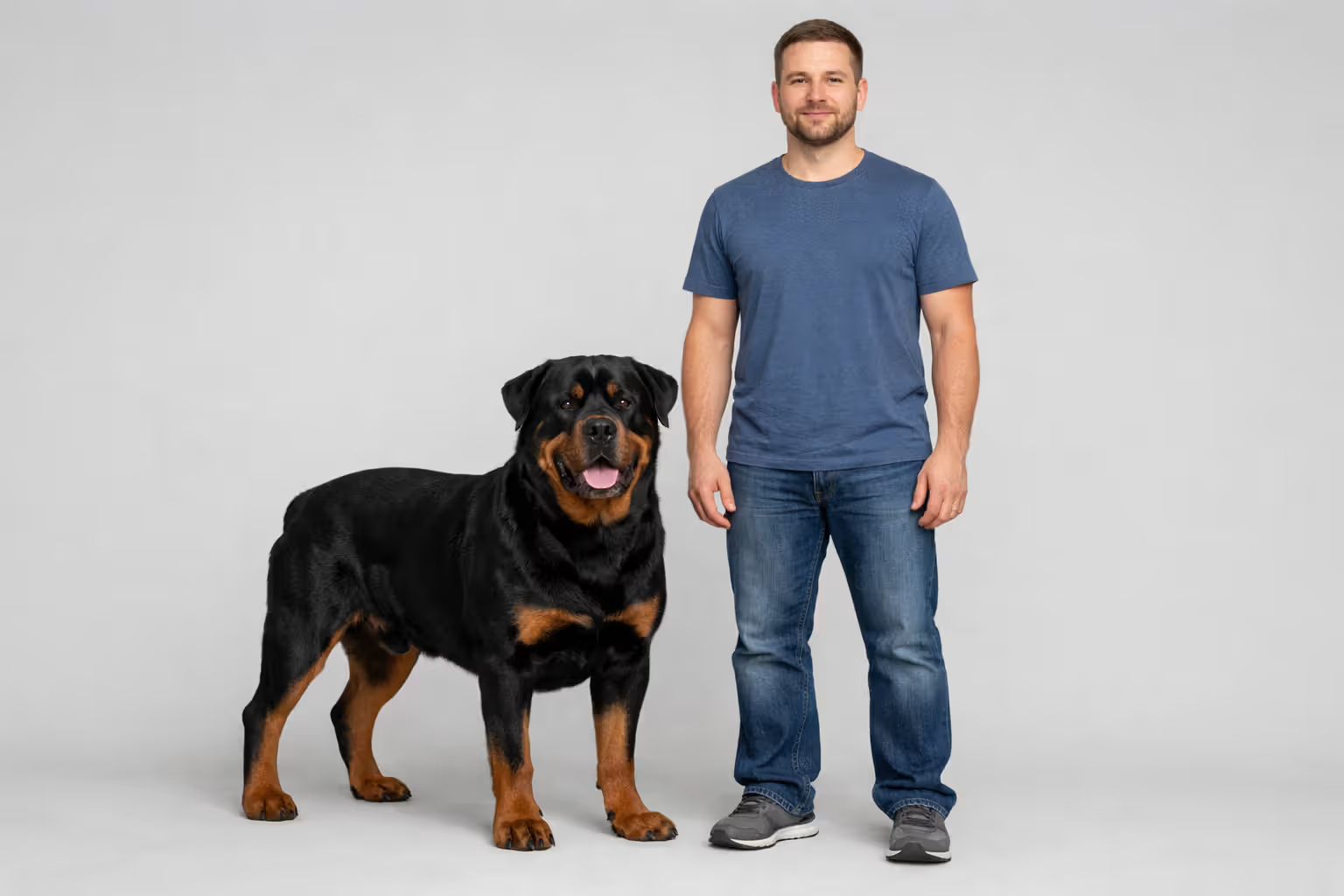
A male Rottweiler typically stands 24 to 27 inches at the shoulder and weighs 95 to 135 pounds. Females measure slightly smaller at 22 to 25 inches and 80 to 100 pounds. The breed's signature black coat with rust-to-mahogany markings, broad head, and confident stance make it instantly recognizable.
Purpose-bred traits still define the Rottweiler. Centuries of selecting for livestock work, guarding, and hauling created a dog with exceptional strength, endurance, and territorial instincts. These aren't lap dogs that happen to be large—they're working animals that need jobs, structure, and clear leadership. A bored Rottweiler will invent its own entertainment, and you probably won't like the results.
The breed's popularity stems from versatility. Rottweilers excel in police work, search and rescue, therapy visits, competitive obedience, and family protection. That same drive and intelligence, however, demands an owner who can channel it appropriately.
Author: Lucas Fairmont;
Source: alwaysonsalepetsupplies.com
The Rottweiler temperament blends confidence, loyalty, and a wait-and-see attitude toward strangers. They're not Golden Retrievers who assume everyone is a friend. Instead, Rottweilers assess situations before committing, which makes early socialization non-negotiable.
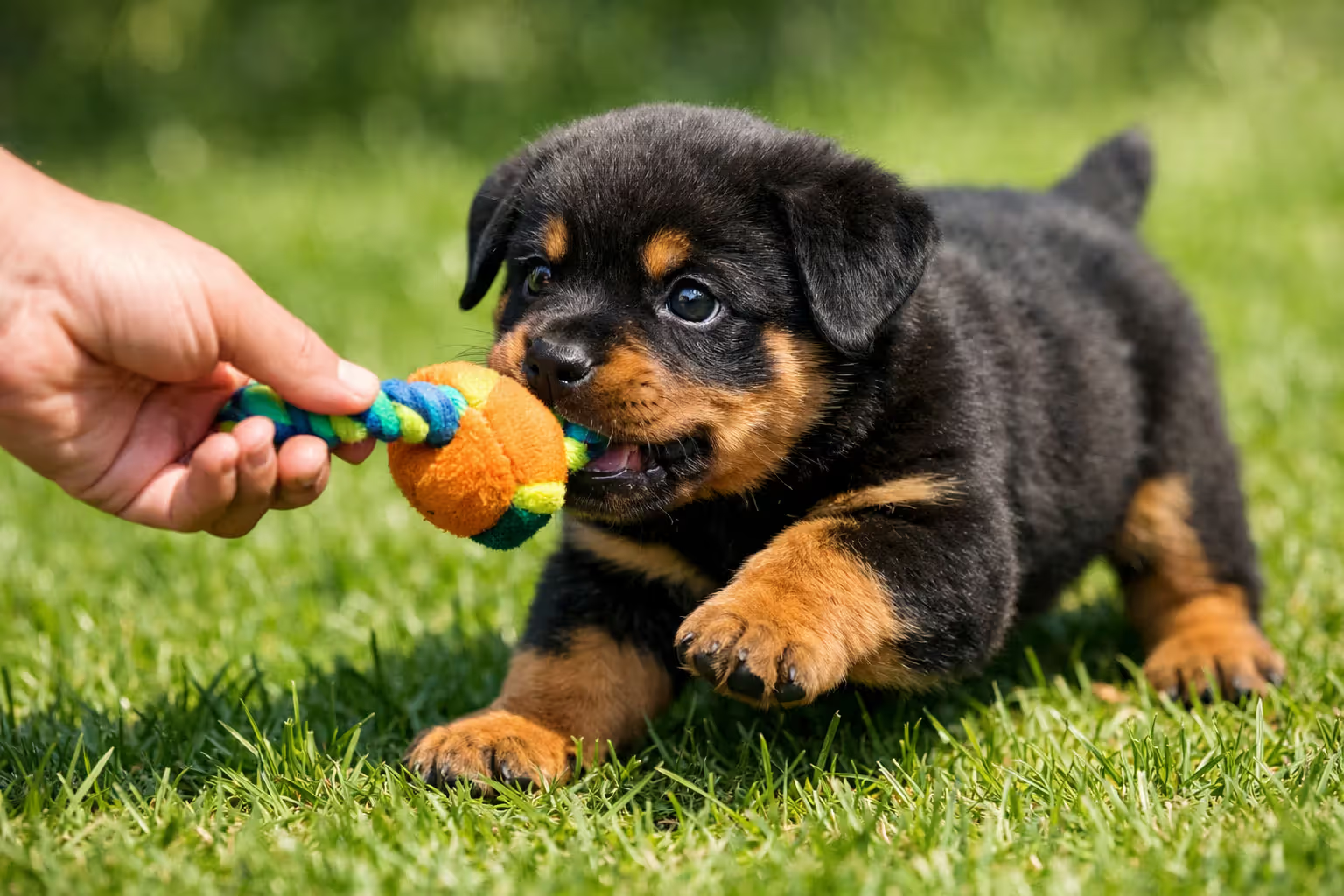
Rottweiler puppies are clumsy, playful bundles of energy that chew everything within reach. Between 8 and 16 weeks, they're relatively open to new experiences—this narrow window is your best opportunity to build positive associations with strangers, other dogs, and novel environments. Miss it, and you'll work twice as hard later to achieve half the results.
Around six months, adolescence hits. Your sweet puppy may suddenly test boundaries, ignore commands it knew perfectly last week, and display more territorial behavior. Males especially may challenge other dogs. This phase lasts until roughly two to three years of age, and many Rottweilers end up in shelters during this difficult period because owners weren't prepared.
Adult Rottweilers, properly raised, become calm, confident, and predictable. They're devoted to their families, often following you from room to room. Many are surprisingly gentle with children in their household, though their size and strength require supervision. That protective instinct sharpens with maturity—your Rottweiler will notice the UPS driver, the neighbor kid cutting through your yard, and any change in routine.
Author: Lucas Fairmont;
Source: alwaysonsalepetsupplies.com
The biggest myth? That Rottweilers are naturally aggressive. Temperament studies consistently show that breed alone doesn't predict aggression. Poor breeding, lack of socialization, abusive training methods, and irresponsible ownership create dangerous dogs of any breed. Rottweilers just happen to have the size and strength to cause serious harm when things go wrong.
Another misconception: Rottweilers need a "firm hand" or "alpha dominance." This outdated thinking leads to confrontational training that damages the human-dog bond and can trigger defensive aggression. Rottweilers respond best to clear expectations, consistency, and positive reinforcement. They're smart enough to figure out what you want when you show them properly.
Some people expect Rottweilers to automatically guard without training. Natural wariness doesn't equal effective protection. An untrained Rottweiler might bark at strangers, ignore actual threats, or react inappropriately. Professional protection training is expensive, specialized work—most families simply need a well-socialized dog whose presence deters opportunistic crime.
The better I get to know men, the more I find myself loving dogs. Training a dog is not about dominance — it is about communication, trust, and mutual respect.
— Charles de Gaulle
Rottweiler training tips start with one rule: begin immediately. The 10-week-old puppy that jumps on guests is cute. The 100-pound adult doing the same thing knocks people down. Every interaction teaches your dog something—make sure it's what you actually want.
Before your puppy completes vaccinations, carry it to different locations. Let it watch traffic, hear city sounds, and observe people of different ages and ethnicities from a safe distance. Invite vaccinated, dog-friendly visitors to your home. Each positive exposure builds confidence.
Once fully vaccinated, expand gradually. Pet supply stores, outdoor cafes, and puppy socialization classes provide controlled environments. Watch your dog's body language—if it seems overwhelmed (tucked tail, excessive panting, refusal to take treats), you've pushed too far too fast. Back up and try again later with less intensity.
Author: Lucas Fairmont;
Source: alwaysonsalepetsupplies.com
Introduce your Rottweiler to children, but never allow rough play or teasing. Kids should practice calm behavior around the dog, and the dog should learn that children mean good things but aren't wrestling partners. Many Rottweilers become wonderfully patient with "their" kids while remaining wary of unfamiliar children.
Dog parks present a gamble. Some Rottweilers enjoy them; others find the chaos stressful or become reactive. Structured play dates with known, compatible dogs often work better than free-for-alls with random dogs.
The most common mistake? Inconsistency. If your Rottweiler can jump on you when you're in jeans but not when you're dressed for work, you're teaching it to gamble on whether rules apply. Everyone in the household must enforce the same rules the same way.
Skipping basic obedience because "my dog is smart and already knows commands" backfires. Training isn't about teaching commands—it's about building communication, impulse control, and the habit of checking in with you. A Rottweiler that reliably responds to "sit," "down," "stay," and "leave it" is safer and has more freedom than one that doesn't.
Relying solely on treats creates a dog that only listens when you're holding food. Start with food rewards, then gradually substitute praise, play, or real-life rewards (like opening the door for a walk). The behavior should happen because you asked, not because you're bribing.
Punishment-based training with Rottweilers often escalates badly. Shock collars, leash corrections, and physical intimidation may suppress behavior temporarily, but they damage trust and can trigger aggression. Positive reinforcement—rewarding what you want—works faster and builds a dog that wants to cooperate.
Crate training prevents destructive behavior and provides a safe space. Introduce the crate gradually with treats and meals inside. A properly crate-trained Rottweiler views it as a den, not a prison. Adult Rottweilers shouldn't spend more than four to six hours crated during the day, and puppies need more frequent breaks.
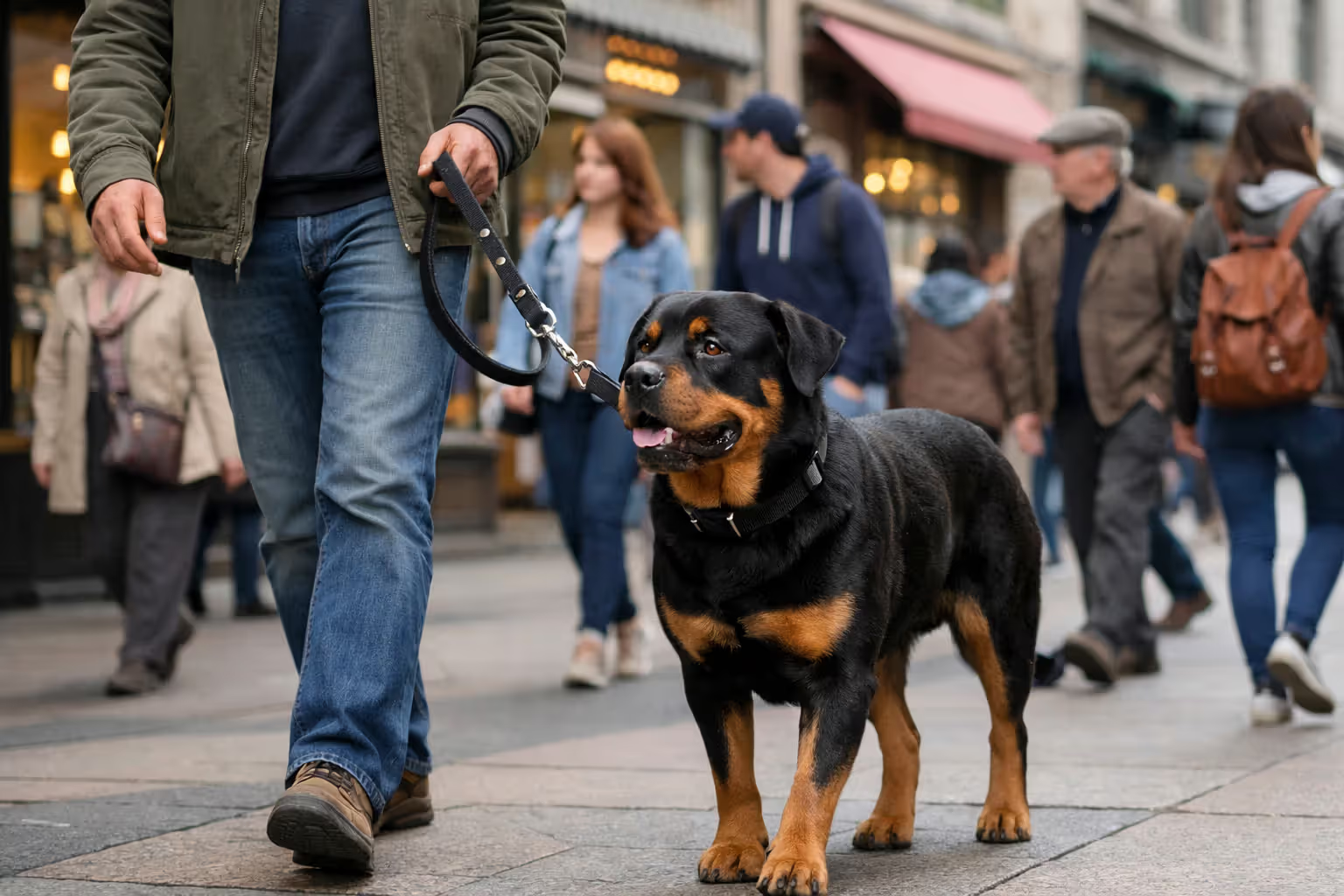
Leash manners require daily practice. A pulling Rottweiler can drag most adults down the street. Teach loose-leash walking in low-distraction environments first, rewarding your dog for staying by your side. Stop moving when the leash tightens; resume when it loosens. Consistency matters more than any special equipment.
Properly trained, a man can be dog’s best friend.
— Corey Ford
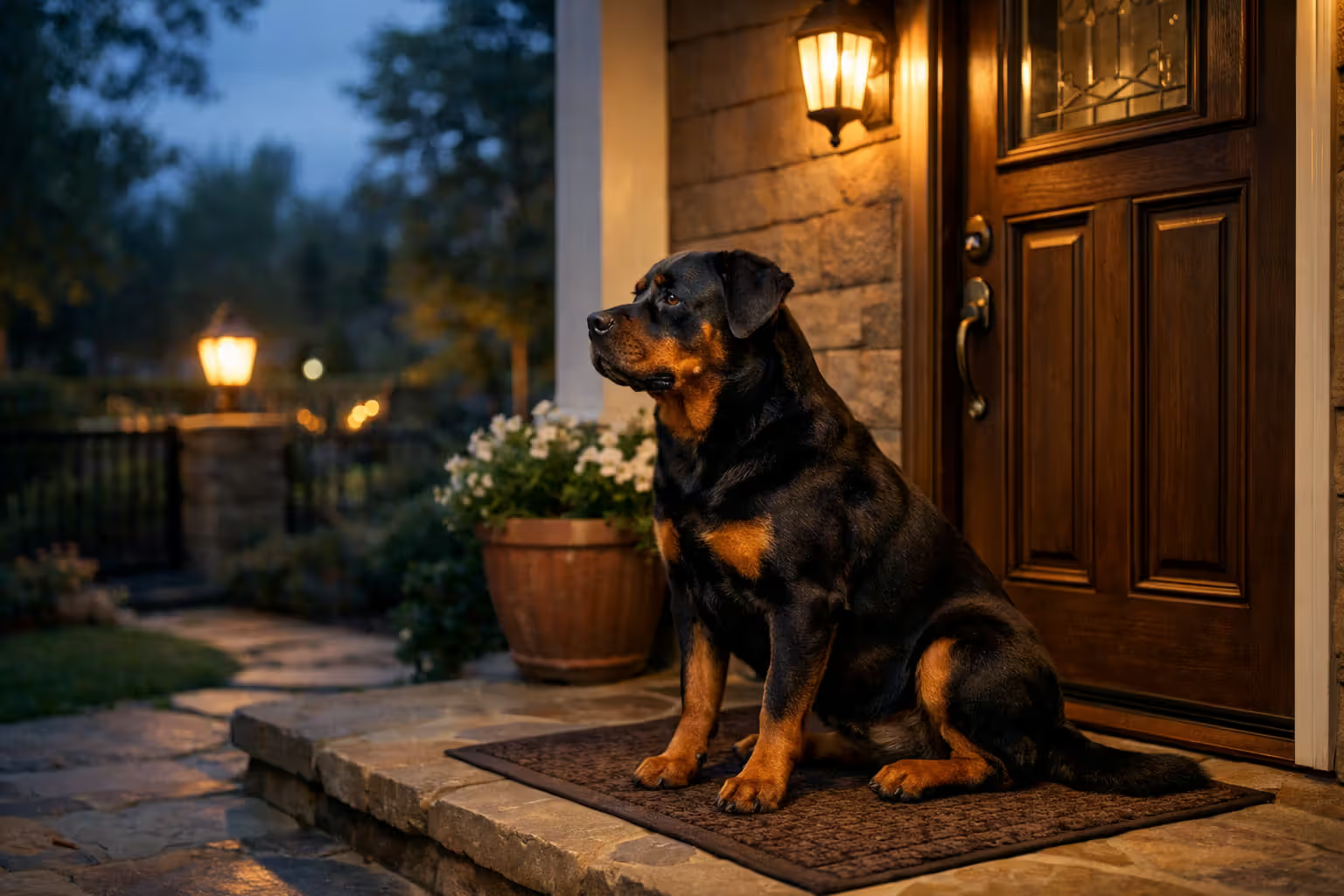
Rottweiler guard dog traits manifest without encouragement. The breed was developed to protect livestock and property, and those instincts remain strong. Your Rottweiler will naturally monitor its territory, alert you to unusual activity, and position itself between you and potential threats.
Author: Lucas Fairmont;
Source: alwaysonsalepetsupplies.com
Territorial behavior typically emerges between 18 months and three years. Your dog may become more alert to sounds, bark more at passersby, or show less tolerance for strangers approaching your home. This isn't aggression—it's the breed doing what it was designed to do. Management and training shape whether this becomes an asset or a liability.
Most Rottweilers differentiate between normal activity and actual threats. The mail carrier who comes daily at 2 PM may still trigger barking, but experienced Rottweilers learn routine visitors aren't threats. Strangers approaching at odd hours or behaving suspiciously get a different response.
Training for controlled guarding means teaching your Rottweiler when to alert and when to stand down. A "quiet" command stops barking on cue. A solid "place" command sends your dog to a designated spot when guests arrive. These controls let you benefit from your dog's watchfulness without it running the household.
Never encourage aggressive behavior or "test" your Rottweiler's protective instincts by having friends act threatening. This creates unpredictable dogs that may bite inappropriately. A well-socialized Rottweiler that trusts your judgment will protect if genuinely needed without special training to attack.
Legal considerations matter. Some US cities and homeowners' associations restrict or ban Rottweilers. Liability insurance costs may increase. If your dog bites someone, you face potential criminal charges and civil lawsuits, even if you believe the bite was justified. Many jurisdictions hold owners strictly liable for any injury their dog causes.
The dog is the most faithful of animals and would be much esteemed were it not so common. Our Lord God has made His greatest gifts the commonest.
— Martin Luther
Rottweilers typically live 8 to 10 years, shorter than many breeds their size. Responsible breeding and preventive care can extend this, but Rottweiler health concerns are significant and expensive.
Hip dysplasia affects roughly 20% of Rottweilers. This malformation of the hip joint causes pain, limping, and eventually arthritis. Reputable breeders screen parents with X-rays and provide OFA (Orthopedic Foundation for Animals) or PennHIP certification. Puppies from health-tested parents still aren't guaranteed to be dysplasia-free, but the odds improve dramatically.
Elbow dysplasia, another developmental joint problem, occurs less frequently but causes similar issues. Both conditions may require surgery costing $3,000 to $6,000 per joint.
Rottweilers face higher cancer rates than most breeds. Osteosarcoma (bone cancer), lymphoma, and hemangiosarcoma (cancer of blood vessel walls) appear with disturbing frequency, often in middle age. Treatment options range from palliative care to aggressive chemotherapy and surgery, with costs reaching $10,000 or more.
Dilated cardiomyopathy, a heart condition where the heart muscle weakens and enlarges, can cause sudden death. Symptoms include lethargy, difficulty breathing, and collapse. Some Rottweilers show no signs until they die suddenly.
Subaortic stenosis, a congenital heart defect, narrows the aorta and forces the heart to work harder. Mild cases may not affect lifespan; severe cases cause heart failure or sudden death in young dogs.

Author: Lucas Fairmont;
Source: alwaysonsalepetsupplies.com
Progressive retinal atrophy gradually destroys vision, leading to blindness. No treatment exists, though affected dogs often adapt well.
| Condition | Symptoms | Typical Age of Onset | Treatment Options | Prevention Methods |
| Hip Dysplasia | Limping, difficulty rising, reduced activity | 6 months - 2 years | Weight management, anti-inflammatories, physical therapy, surgery | Screen breeding stock, maintain healthy weight, avoid over-exercise in puppies |
| Elbow Dysplasia | Front leg lameness, stiffness after rest | 5 - 12 months | Pain management, joint supplements, surgery | Breed from tested parents, controlled growth rate |
| Osteosarcoma | Lameness, swelling on leg bone, pain | 6 - 10 years | Amputation, chemotherapy, pain management | None known; early detection improves outcomes |
| Dilated Cardiomyopathy | Lethargy, coughing, difficulty breathing, collapse | 4 - 8 years | Medications to support heart function, dietary changes | Screen breeding dogs with echocardiograms; limited prevention available |
| Subaortic Stenosis | Exercise intolerance, fainting, sudden death | Birth - 2 years | Medication for severe cases, activity restriction | Cardiac screening of breeding stock |
Puppies need veterinary visits every 3-4 weeks until 16 weeks old for vaccinations and wellness checks. Adult Rottweilers should see the vet annually for exams, vaccinations, and bloodwork. After age seven, switch to twice-yearly visits to catch problems early.
Spaying or neutering is recommended for pet-quality Rottweilers. Emerging research suggests waiting until 18-24 months may reduce joint problems and some cancers, but increases risk of mammary tumors in females and prostate issues in males. Discuss timing with your vet based on your individual dog.
Dental care prevents painful tooth decay and infections that can spread to organs. Brush your Rottweiler's teeth several times weekly with dog-specific toothpaste. Annual professional cleanings under anesthesia remove tartar below the gum line.
Obesity dramatically worsens joint problems and shortens lifespan. You should feel your Rottweiler's ribs easily under a thin layer of fat, and it should have a visible waist when viewed from above. If you can't feel ribs without pressing, your dog is overweight.
Pet insurance for Rottweilers costs $50-$150 monthly depending on coverage, deductibles, and location. Given the breed's health risks, insurance often pays for itself if serious illness strikes. Compare policies carefully—some exclude genetic conditions or have low annual limits.
Rottweiler ownership costs substantially more than many people expect. Initial expenses are just the beginning.
Purchasing from a reputable breeder costs $1,500-$3,000. Cheaper puppies usually come from backyard breeders or puppy mills that skip health testing, increasing your odds of expensive medical problems. Adoption from rescues costs $200-$500 and gives adult dogs second chances, though you may know less about their history.
Food expenses depend on quality. A 100-pound Rottweiler eats roughly 6-8 cups of food daily. Premium large-breed formulas cost $60-$80 for a 30-pound bag lasting about three weeks. Budget $150-$250 monthly for food.
Routine veterinary care—annual exams, vaccinations, heartworm prevention, flea/tick control—runs $500-$800 yearly. Add dental cleanings ($300-$600), and you're at $800-$1,400 annually for a healthy dog. Emergency vet visits for injuries or illness easily reach $1,000-$5,000.
Training classes cost $100-$300 for basic obedience group courses. Private training runs $75-$150 per session. Budget at least $300-$500 for puppy training, more if you pursue advanced work.
Grooming needs are minimal—Rottweilers shed moderately and need only occasional baths and nail trims. Professional grooming costs $50-$80 per visit if you don't do it yourself.
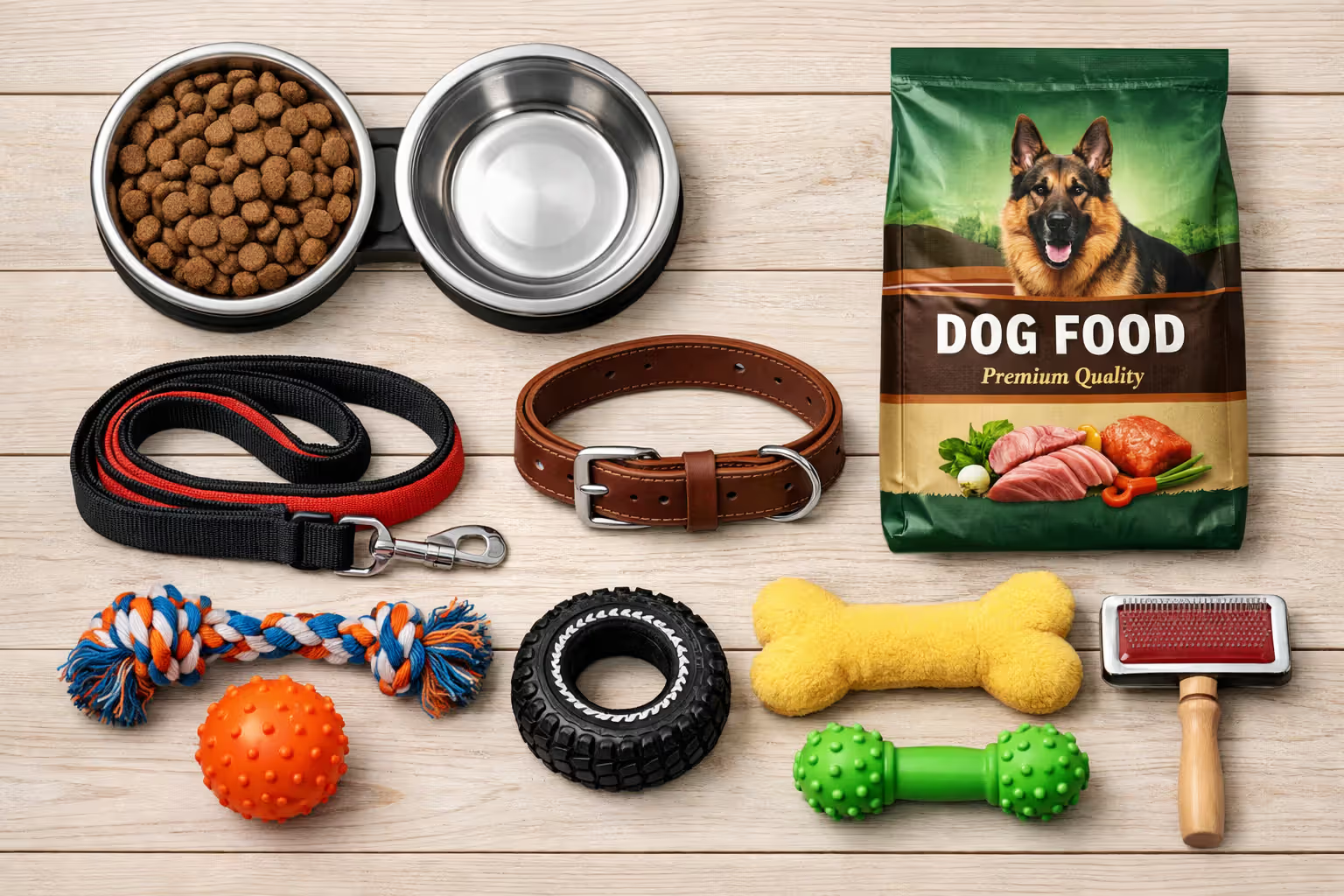
Supplies add up: crate ($100-$200), leash and collar ($30-$60), bowls ($20-$40), toys ($50-$100), bedding ($50-$150). Initial setup costs $300-$600.
| Expense Category | Low Estimate (Annual) | High Estimate (Annual) | Notes |
| Food | $1,800 | $3,000 | Based on premium large-breed formulas |
| Routine Vet Care | $500 | $800 | Exams, vaccinations, preventive medications |
| Dental Cleaning | $300 | $600 | Recommended annually |
| Pet Insurance | $600 | $1,800 | Optional but recommended for this breed |
| Training | $200 | $600 | Ongoing classes or occasional private sessions |
| Grooming | $100 | $300 | Minimal professional needs |
| Toys/Supplies | $100 | $300 | Replacements for destroyed items |
| Emergency Fund | $1,000 | $3,000 | Recommended annual savings for unexpected issues |
| TOTAL | $4,600 | $10,400 | Does not include initial purchase/adoption or major medical expenses |
Emergency funds are essential. Setting aside $1,000-$3,000 annually gives you options when your Rottweiler tears a cruciate ligament ($3,000-$5,000 surgery) or develops bloat requiring emergency surgery ($2,000-$5,000).
Author: Lucas Fairmont;
Source: alwaysonsalepetsupplies.com
Owning a Rottweiler rewards you with unmatched loyalty, impressive intelligence, and a devoted companion that takes its family duties seriously. These dogs aren't for everyone—they demand time, training, socialization, and financial resources most breeds don't require. Skip the basics, and you'll struggle with a powerful, stubborn dog that makes life difficult. Invest properly from day one, and you'll have a confident, well-mannered partner that fits seamlessly into your life while keeping watch over everything you hold dear. The choice between these outcomes rests entirely on the effort you're willing to put in.
Discover everything about Shih Tzu dogs — from temperament and grooming to health issues and ownership costs. Find out if this charming breed suits your lifestyle.
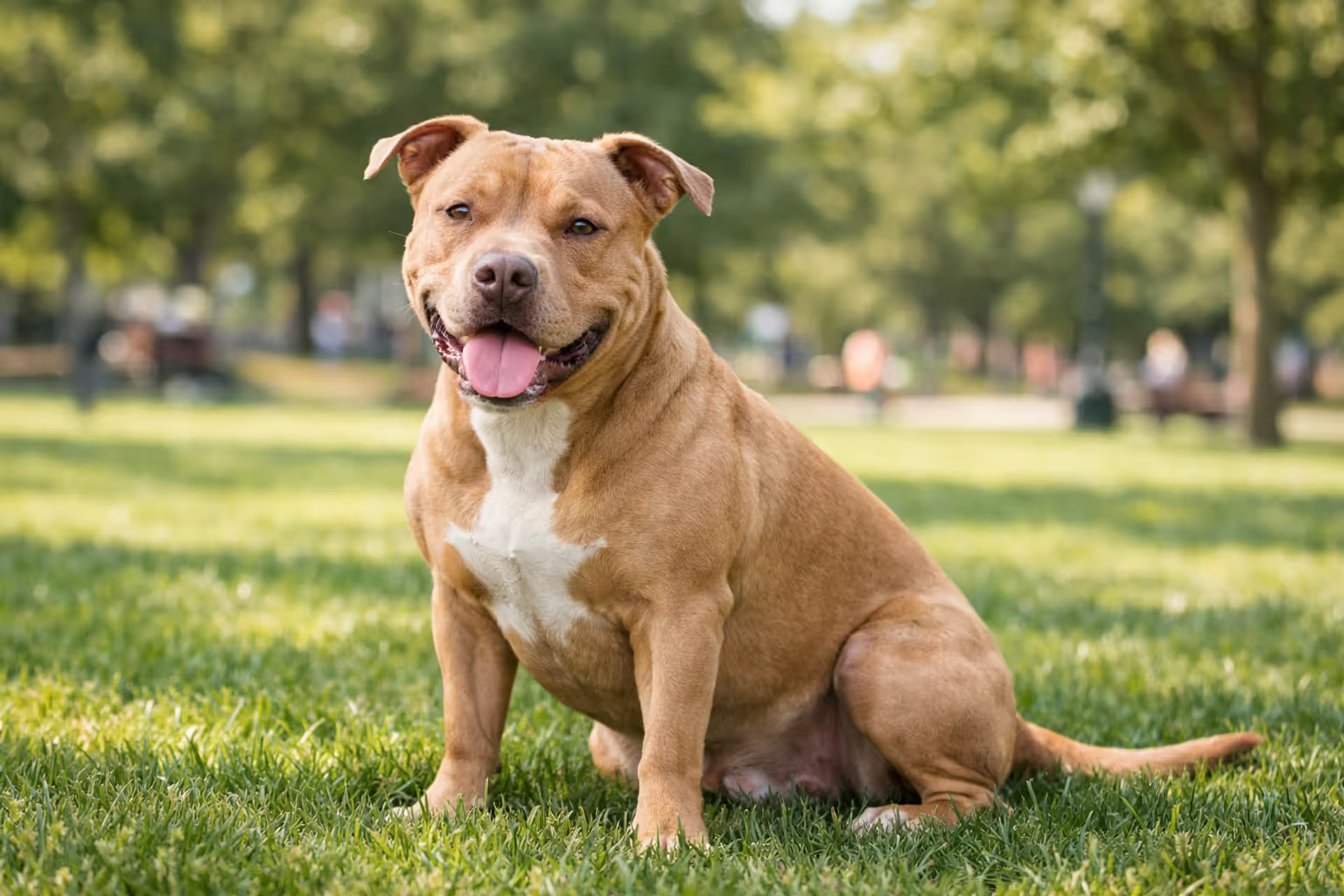
Learn key pitbull breed facts, temperament traits, training tips, and health concerns to decide if this loyal and energetic dog is the right fit for your home.

Complete Labrador Retriever guide covering training, health, exercise, and daily care tips. Find out if this friendly and loyal breed is the right fit for your family.

Discover everything about Golden Retrievers: their friendly temperament, training tips, health concerns, costs, and care needs. Find out if this beloved family dog is the perfect match for your lifestyle.
The content on this website is provided for general informational and educational purposes only. It is intended to offer guidance on dog breeds, behavior, health, care, and lifestyle, and should not be considered a substitute for professional veterinary advice, diagnosis, or treatment.
All information published on this site is based on general knowledge, widely accepted research, and practical experience, but individual dogs may differ in behavior, health conditions, and needs. Results and outcomes may vary depending on the dog, environment, and circumstances.
The website is not responsible for any errors or omissions, or for actions taken based on the information provided. For specific concerns regarding your dog’s health or behavior, always consult a qualified veterinarian or professional dog specialist.