Gabapentin has become one of the most frequently prescribed medications in veterinary medicine, yet many dog owners find themselves confused about how it works, when it's appropriate, and what to expect when their pet starts taking it. If your veterinarian has recommended this medication for your dog—or if you're researching options for managing your pet's pain, anxiety, or seizures—understanding the practical realities of gabapentin can help you make informed decisions and use it effectively.
What Is Gabapentin and How Does It Work in Dogs?
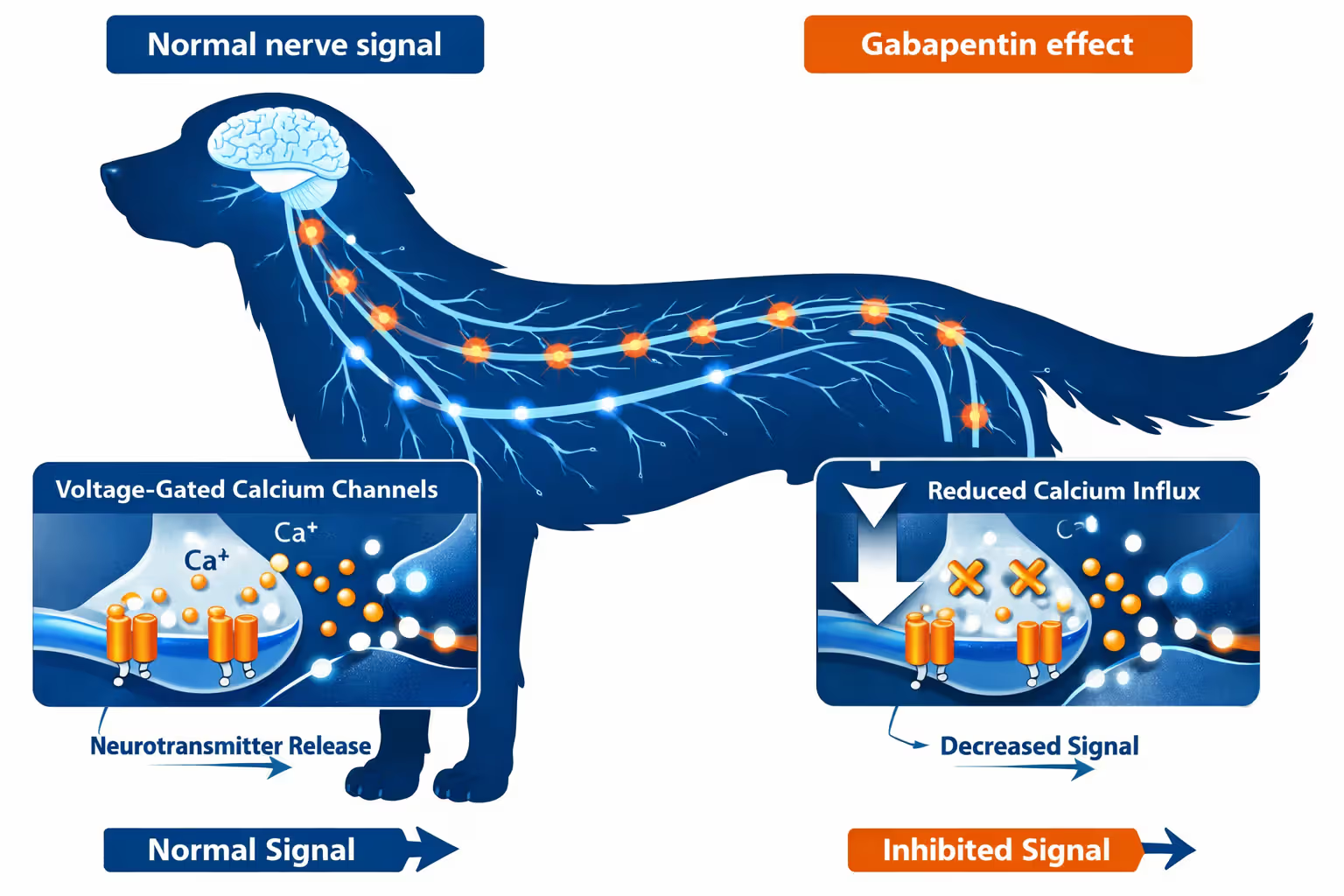
The pharmaceutical industry introduced gabapentin in the late 1970s and early 1980s as a human anticonvulsant medication. Chemically, it resembles a neurotransmitter called GABA (gamma-aminobutyric acid), though interestingly, it doesn't actually work by binding to GABA receptors. Instead, gabapentin for dogs affects voltage-gated calcium channels in the nervous system, reducing the release of excitatory neurotransmitters that signal pain, anxiety, and seizure activity.
This drug essentially reduces excessive neural signaling—similar to lowering an overly loud stereo's volume rather than muting it entirely. This makes it particularly useful for neuropathic pain—the kind caused by damaged nerves rather than inflammation or injury to tissues.
In veterinary medicine, gabapentin is used off-label, meaning the FDA hasn't officially approved it specifically for dogs. This doesn't mean it's unsafe or experimental; off-label use is standard practice in veterinary care because the formal approval process for animal medications is lengthy and expensive. Veterinarians prescribe human medications to animals regularly when research and clinical experience support their safety and effectiveness.
The drug's versatility comes from its action on the central nervous system. Because it modulates nerve signaling broadly, it can address multiple conditions—from arthritis pain that hasn't responded well to other treatments to pre-veterinary visit anxiety.
Author: Hannah Bloomfield;
Source: alwaysonsalepetsupplies.com
Common Conditions Treated with Gabapentin in Dogs
Managing Chronic and Acute Pain
What is gabapentin used for in dogs most often? Pain management tops the list. Veterinarians reach for gabapentin when dealing with nerve-related pain that doesn't respond adequately to traditional anti-inflammatory medications.
Gabapentin for dogs pain works especially well for conditions like:
Intervertebral disc disease, where herniated discs compress spinal nerves
Cancer-related nerve pain
Chronic osteoarthritis, particularly when NSAIDs alone aren't providing sufficient relief
Post-surgical pain as part of multimodal pain management
Phantom limb pain following amputation
Author: Hannah Bloomfield;
Source: alwaysonsalepetsupplies.com
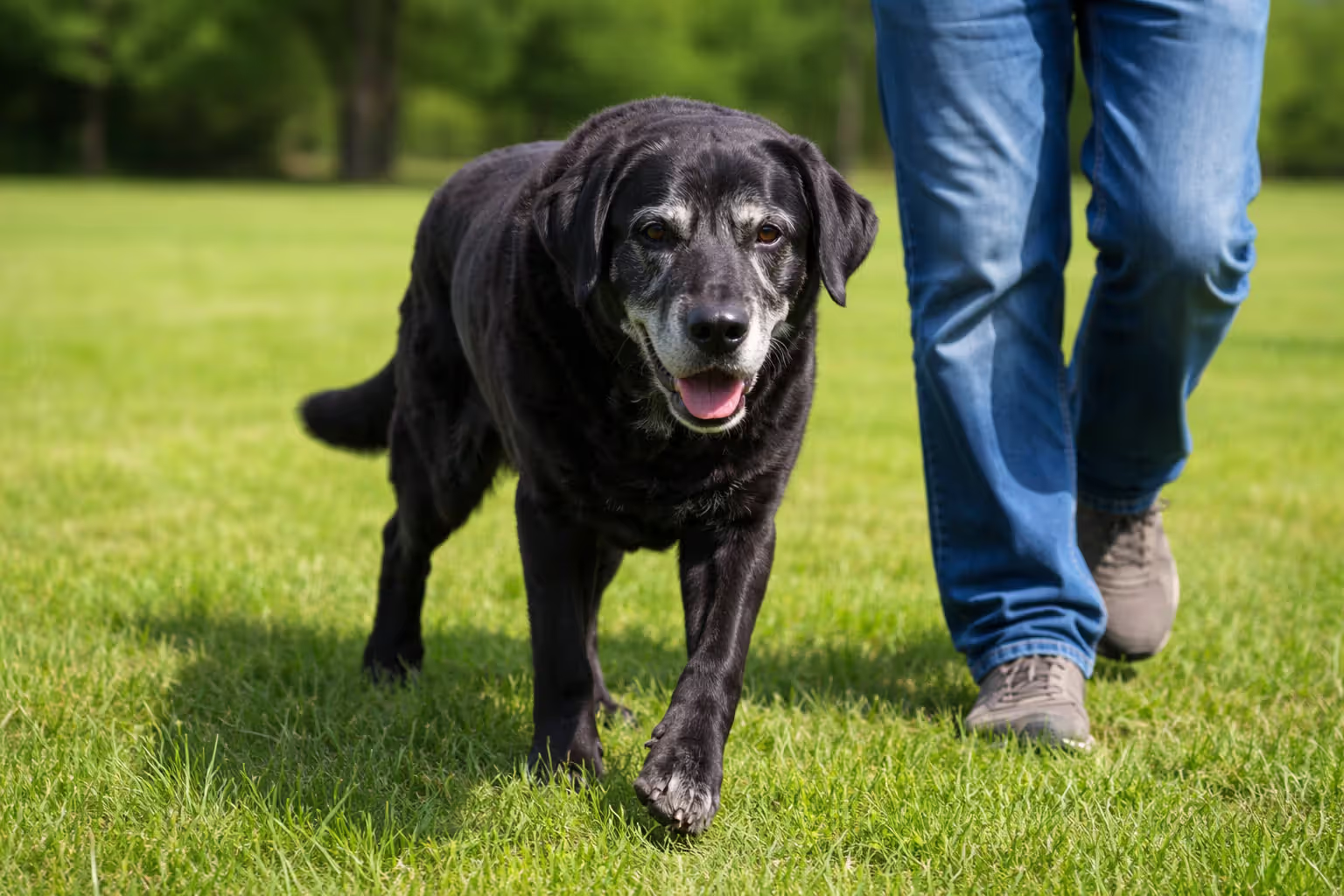
A 12-year-old Labrador with severe hip dysplasia might take an NSAID like carprofen for inflammation but still limp noticeably. Adding gabapentin can address the nerve pain component that the anti-inflammatory misses, often resulting in significantly improved mobility.
For acute pain situations—like after orthopedic surgery—gabapentin is frequently prescribed alongside opioids and NSAIDs. This "multimodal" approach allows lower doses of each medication, reducing side effects while providing better overall pain control.
Reducing Anxiety and Stress
Gabapentin for dogs anxiety has gained popularity because it provides calming effects without the heavy sedation of some traditional anti-anxiety medications. It's particularly useful for situational anxiety rather than chronic behavioral issues.
Common scenarios include:
Pre-veterinary visit anxiety (given 1-2 hours before the appointment)
Grooming appointments for dogs who become extremely stressed
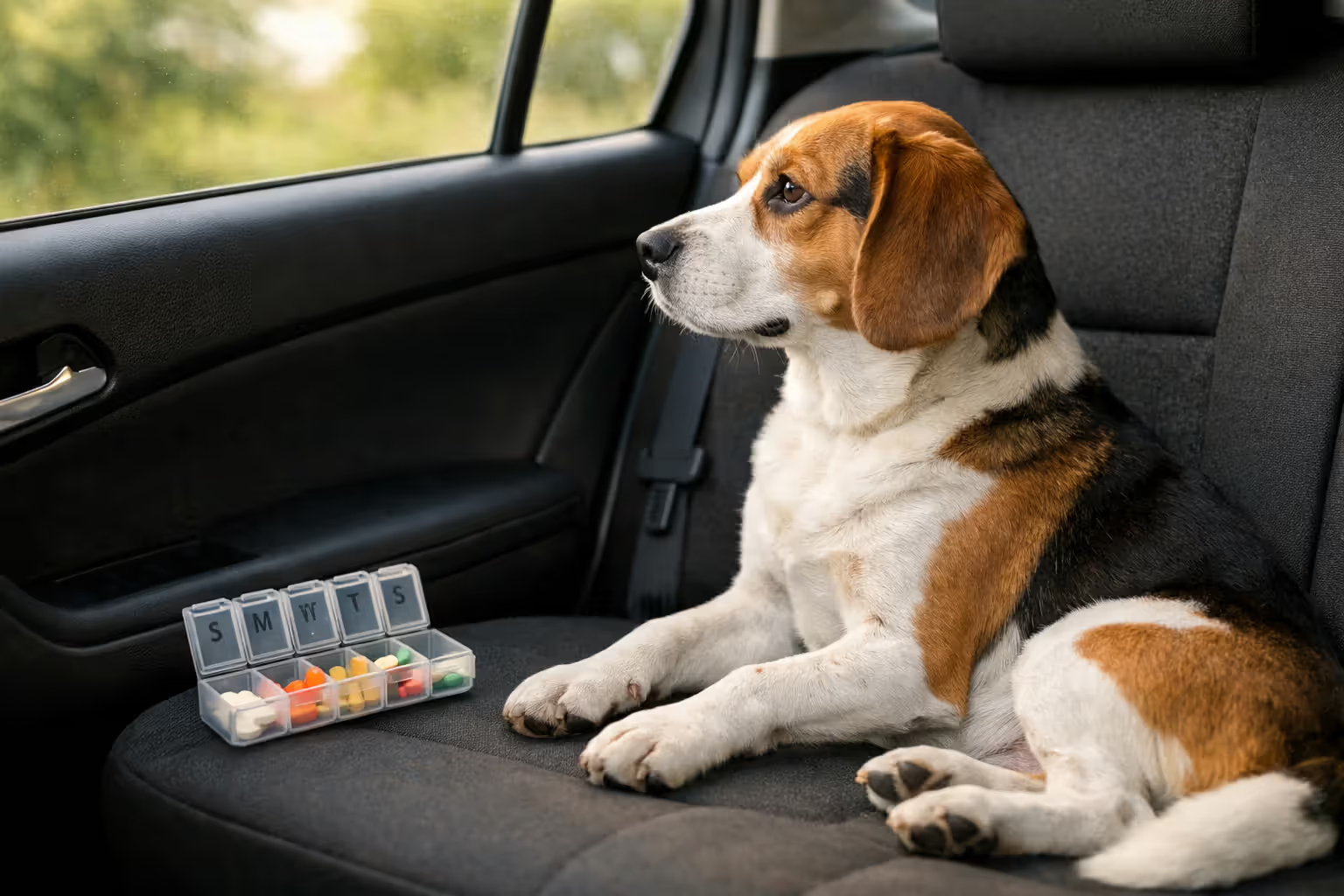
Travel anxiety for car rides or flights
Thunderstorm and fireworks phobia (though often combined with other interventions)
Stress reduction before medical procedures
Author: Hannah Bloomfield;
Source: alwaysonsalepetsupplies.com
One practical advantage: gabapentin works relatively quickly for anxiety, making it suitable for predictable stressful events. A dog who trembles and pants through every vet visit might become noticeably calmer with a pre-appointment dose, making examinations safer and less traumatic for everyone involved.
The medication doesn't address the underlying behavioral issues, though. A dog with separation anxiety or generalized anxiety disorder typically needs behavior modification, training, and possibly different medications designed for daily use.
Controlling Seizures (adjunct therapy)
While gabapentin isn't usually a first-line seizure medication in dogs, it serves as an effective add-on when primary anticonvulsants like phenobarbital or potassium bromide don't fully control seizure activity. Neurologists may add gabapentin to the treatment plan for dogs experiencing breakthrough seizures or to allow reduction of other medications with more significant side effects.
The dosing for seizure control tends to be higher than for pain or anxiety, and it requires consistent administration—missing doses can increase seizure risk.
Other Off-Label Uses
Veterinarians sometimes prescribe gabapentin for less common situations:
Reducing excessive vocalization in senior dogs with cognitive dysfunction
Managing neuropathic itch (when dogs compulsively lick or chew due to nerve issues rather than allergies)
Hyperesthesia syndrome in dogs (though more common in cats)
Gabapentin Dosage Guidelines for Dogs
Gabapentin dosage for dogs varies considerably based on the condition being treated, the severity of symptoms, and individual response. There's no universal "correct" dose—veterinarians adjust based on effectiveness and side effects.
Several factors influence the prescribed dose:
Weight is the primary consideration, but it's not a simple per-pound calculation across all sizes. Smaller dogs often require relatively higher doses per pound than larger dogs due to differences in metabolism.
Condition severity matters significantly. Mild anxiety before a grooming appointment might need 50-100mg, while severe neuropathic pain could require 300-600mg in the same dog.
Kidney function is critical because gabapentin is eliminated through the kidneys. Dogs with renal disease need substantially reduced doses and careful monitoring.
Individual metabolism varies. Some dogs metabolize gabapentin quickly and need more frequent dosing; others remain sedated for hours on standard doses.
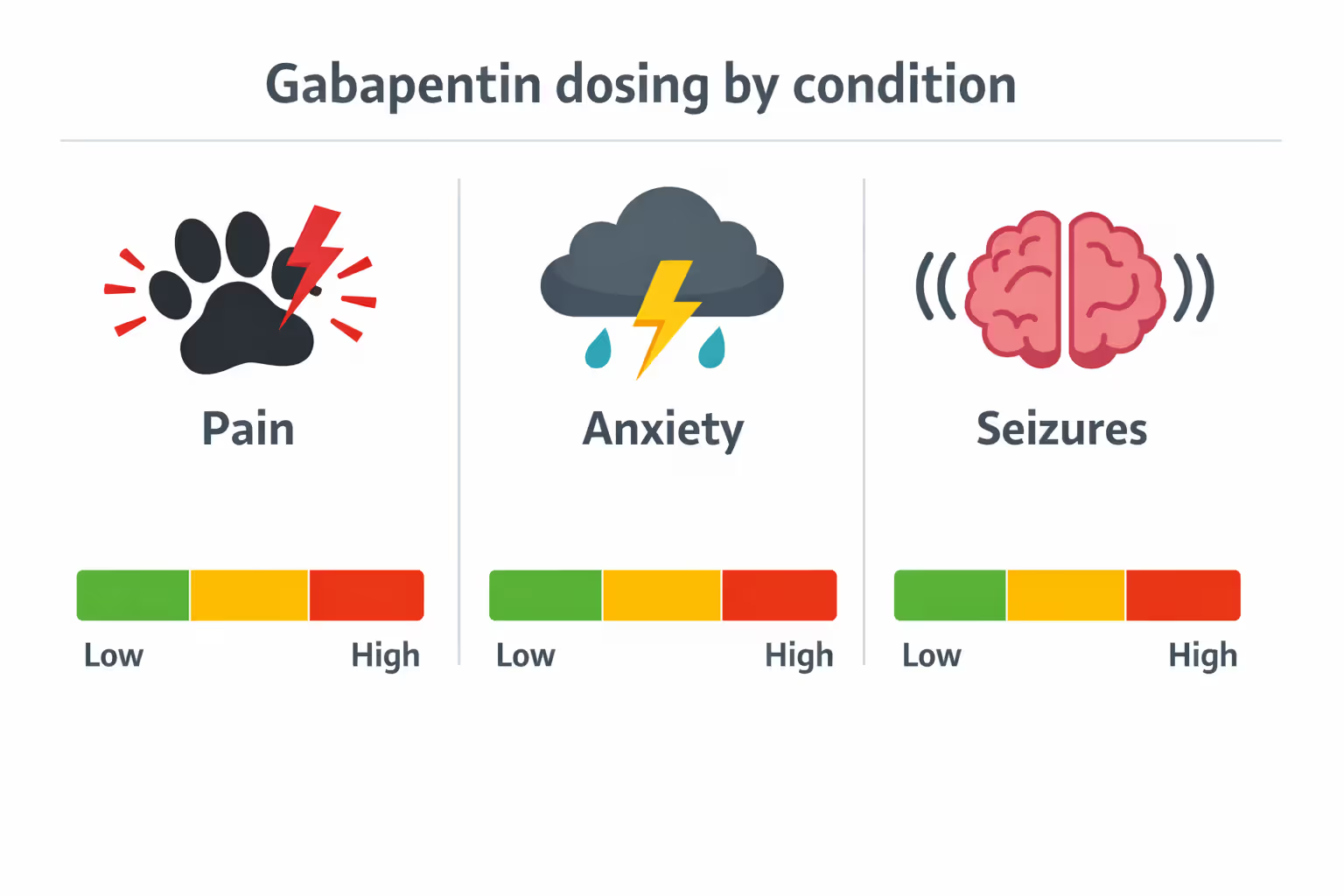
Typical dosing ranges by condition:
Pain management: 5-10 mg per pound every 8-12 hours, sometimes increased to 15-20 mg per pound for severe neuropathic pain
Anxiety (situational): 10-20 mg per pound given 1-2 hours before the stressful event
Seizure control: 10-20 mg per pound every 8 hours, often at the higher end of the range
Dog's Weight Range
Pain Relief (every 8-12 hrs)
Single Dose for Anxiety
Seizure Management (every 8 hrs)
5-15 lbs
25-150 mg
50-300 mg
50-300 mg
16-30 lbs
80-300 mg
160-600 mg
160-600 mg
31-60 lbs
155-600 mg
310-1200 mg
310-1200 mg
61-100 lbs
305-1000 mg
610-2000 mg
610-2000 mg
100+ lbs
500-1500 mg
1000-3000 mg
1000-3000 mg
Note: These are general ranges. Your veterinarian will prescribe specific doses based on your dog's individual needs.
Veterinarians typically start at the lower end of the range and increase gradually if needed. This "start low, go slow" approach minimizes side effects while finding the effective dose.
Author: Hannah Bloomfield;
Source: alwaysonsalepetsupplies.com
Frequency and timing: Most pain and seizure protocols call for dosing every 8-12 hours. The medication's effects wear off relatively quickly—usually within 8-12 hours—so consistent timing helps maintain stable levels. Using smartphone alarms or medication reminder apps ensures you don't accidentally skip administrations.
For anxiety, timing matters differently. Gabapentin takes 1-2 hours to reach peak effect, so pre-event dosing requires planning. Giving it right before a stressful car ride means arriving before the medication kicks in.
Missing a dose: If you forget a dose and it's close to the next scheduled time (within 2-3 hours), skip the missed dose and resume the regular schedule. Don't double up—this increases the risk of excessive sedation. For seizure control, contact your veterinarian about missed doses, as gaps in coverage can trigger seizure activity.
Gabapentin's Timeline: When It Starts Working and Duration of Effects
Understanding gabapentin's timeline helps set realistic expectations and optimize dosing schedules.
Onset time varies by condition:
For anxiety, most dogs show calming effects within 1-2 hours of administration. Peak blood levels occur around 1.5-2 hours after dosing. This is why veterinarians recommend giving it 90 minutes before a vet appointment rather than right before leaving home.
For pain management, some dogs experience relief within the first few hours, but full effectiveness may take 2-3 days of consistent dosing. The medication needs to reach steady-state levels in the system. A dog starting gabapentin for arthritis pain shouldn't be expected to bounce back after a single dose.
How long does gabapentin last in dogs? Most dogs experience therapeutic effects for approximately 8-12 hours per dose, though individual variation exists. Some dogs metabolize it faster and need three-times-daily dosing for consistent pain control, while others do well with twice-daily administration.
The medication's half-life in dogs is approximately 3-4 hours, meaning half the dose is eliminated from the body in that time. However, the clinical effects last longer than the half-life would suggest because the drug's action on nerve signaling continues even as blood levels decline.
Why maintaining a schedule matters: For chronic conditions like pain or seizures, keeping blood levels stable prevents breakthrough symptoms. A dog dosed at 8 AM and 8 PM maintains better coverage than one dosed at 8 AM and 6 PM one day, then 8 AM and 10 PM the next. Erratic scheduling leads to periods of inadequate coverage and increased side effects when doses are too close together.
Potential Side Effects and Safety Concerns
Most dogs tolerate gabapentin well, but side effects occur, especially when starting the medication or increasing the dose.
Author: Hannah Bloomfield;
Source: alwaysonsalepetsupplies.com
Most common side effects:
Sedation and drowsiness top the list. Many dogs become noticeably sleepy for the first few days, then adjust as their bodies acclimate. A dog who sleeps through most of the day after starting gabapentin may return to normal alertness within 3-5 days while still receiving pain relief.
Ataxia—wobbly, uncoordinated movement—is common, particularly in the first week. Dogs may seem mildly drunk, with hind-end weakness being especially noticeable. This usually improves with continued use but can persist if the dose is too high for that individual.
Increased appetite occurs in some dogs. The mechanism isn't fully understood, but owners should monitor food intake to prevent excessive weight gain, which worsens joint problems.
Mild gastrointestinal upset—occasional vomiting or diarrhea—happens but isn't typical. Giving gabapentin with food often prevents this.
Serious but rare reactions:
Severe depression or extreme lethargy beyond normal initial sedation warrants immediate veterinary contact. While some drowsiness is expected, a dog who won't lift their head or seems unresponsive needs evaluation.
Paradoxical excitement or agitation affects a small percentage of dogs. Instead of calming down, they become restless, pace, or seem anxious. This typically means gabapentin isn't the right choice for that dog.
Allergic reactions are uncommon but possible. Facial swelling, hives, or difficulty breathing require emergency veterinary care.
Swelling of face, development of hives, labored breathing
Persistent vomiting or severe diarrhea
Drug interactions to avoid:
Combining gabapentin with other sedating medications—like trazodone, acepromazce, or opioids—amplifies drowsiness. While not inherently dangerous, veterinarians typically adjust dosages when multiple sedatives are necessary. Your veterinarian needs a complete list of all medications and supplements your dog takes.
When dogs take antacids with aluminum or magnesium, gabapentin absorption decreases. Separate these medications by at least two hours if your dog requires both.
Special considerations:
Gabapentin side effects in dogs with kidney disease can be more severe because the drug accumulates in the system. These dogs need significantly reduced doses and sometimes extended intervals between doses. Regular kidney function monitoring is essential.
Is gabapentin safe for dogs who are pregnant? Limited data exists, but it's generally avoided during pregnancy unless the benefits clearly outweigh potential risks. Gabapentin passes into milk, so nursing dogs also require careful consideration.
Puppies can receive gabapentin, but dosing requires extra caution. Their developing nervous systems and immature kidney function mean they're more susceptible to side effects.
Senior dogs often take gabapentin for arthritis pain, but they're also more prone to sedation and ataxia. Starting with lower doses and monitoring closely helps prevent falls and injuries.
In geriatric patients, we always start low and go slow. The goal is to improve quality of life — not to over-medicate to the point where the dog can’t enjoy the very life we’re trying to protect
— Dr. Narda Robinson
Administering Gabapentin: Practical Tips for Pet Owners
Getting the medication into your dog consistently is half the battle, and gabapentin comes with some specific quirks.
Forms available:
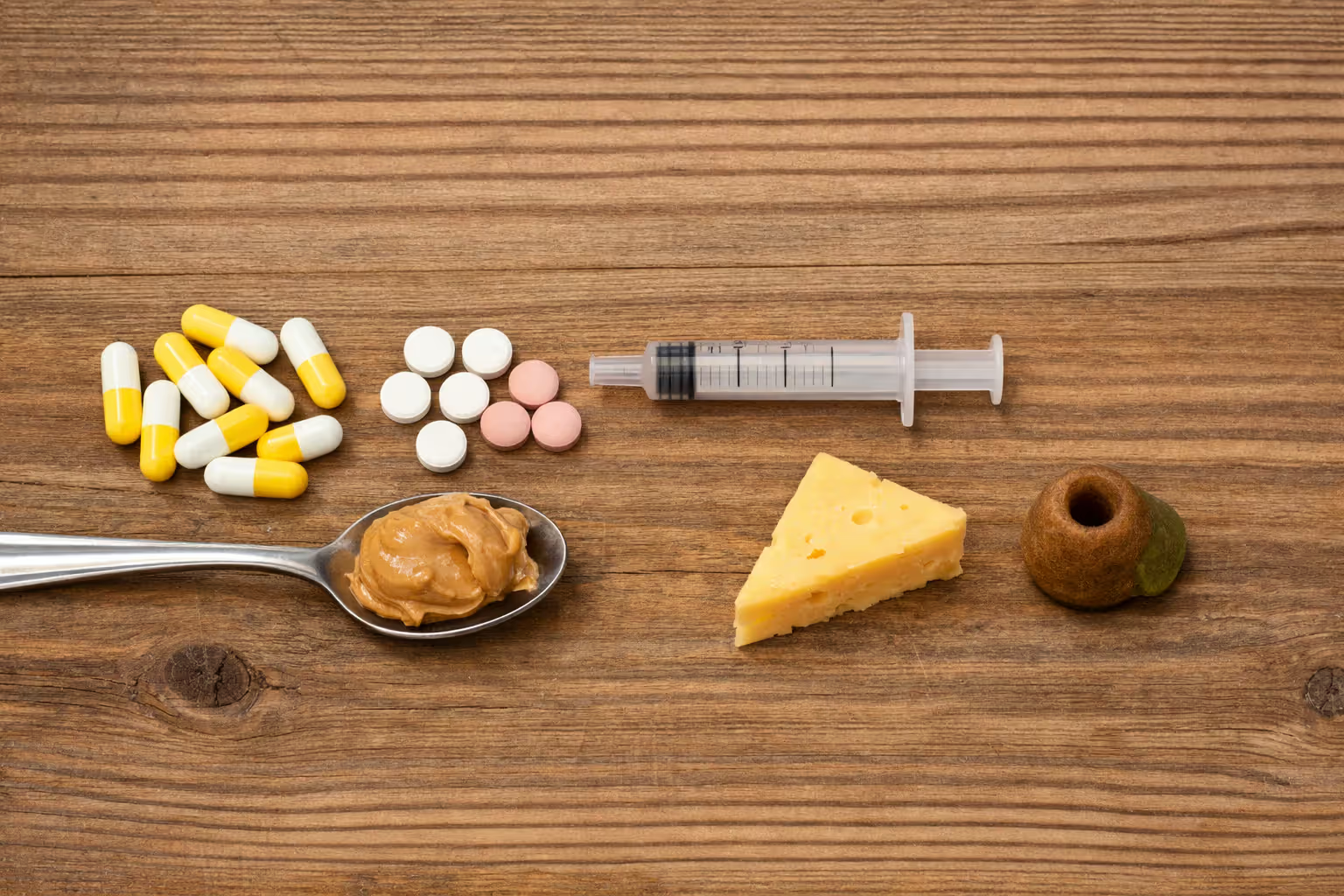
Capsules are most common, available in 100mg, 300mg, and 400mg sizes. These can be opened and sprinkled on food if your dog won't take pills, though the powder tastes bitter.
Tablets come in various strengths and can be split if your dog's dose falls between available sizes. A pill splitter creates more accurate halves than breaking by hand.
Liquid suspension is available through compounding pharmacies and is ideal for small dogs requiring tiny doses or dogs who refuse pills entirely. Compounding pharmacies can also add flavoring—chicken, beef, or fish—to make it more palatable. The liquid requires refrigeration and has a shorter shelf life than capsules.
With or without food:
Gabapentin can be given either way, but food often helps with two issues: it makes administration easier (hiding pills in treats), and it may reduce mild stomach upset. The medication's absorption isn't significantly affected by food, so prioritize whatever works for your dog's routine.
A spoonful of peanut butter, a pill pocket, or a small piece of cheese usually does the trick. For dogs who eat around pills, opening the capsule and mixing the powder into a small amount of wet food or yogurt works—just ensure they eat the entire portion.
Author: Hannah Bloomfield;
Source: alwaysonsalepetsupplies.com
Compounding options for difficult dogs:
Some dogs are professional pill-spitters. Compounding pharmacies can create:
Flavored chews that taste like treats
Transdermal gels applied to the ear (though absorption is less predictable)
Smaller capsules that are easier to swallow
Liquid suspensions in flavors your dog prefers
Compounding costs more than standard prescriptions but can be worthwhile for dogs who otherwise won't take medication reliably.
Proper storage practices:
Keep gabapentin capsules and tablets in a cool, dry location away from direct sunlight. Bathrooms—despite being common medicine storage spots—create problems due to steam and humidity from showers. A kitchen cabinet positioned away from heat sources like the stove provides better conditions.
Compounded liquid formulations typically require refrigeration. Check the label for specific instructions and expiration dates, which are often shorter than commercial preparations.
Keep all medications in child-resistant containers and out of reach. Dogs who discover that the pill bottle contains their medication may chew through the container and overdose.
Author: Hannah Bloomfield;
Source: alwaysonsalepetsupplies.com
Frequently Asked Questions About Gabapentin for Dogs
Is it safe to give my dog gabapentin that was prescribed for a human family member?
While gabapentin molecules are identical whether dispensed for humans or animals, you should never give your dog medication prescribed for another person without consulting your veterinarian first. Dog dosing differs dramatically from human protocols, and your vet must evaluate whether gabapentin suits your dog's particular medical situation, screen for contraindications, and determine the appropriate amount based on your pet's weight and condition. More critically, certain human gabapentin formulations contain xylitol, an artificial sweetener that causes life-threatening toxicity in dogs. Always ensure your pet receives medication prescribed specifically by their veterinarian.
Do I need to gradually reduce gabapentin, or can my dog stop taking it immediately?
Gabapentin withdrawal requires gradual reduction rather than sudden cessation, particularly if your dog has been on daily doses for more than a week or two. Stopping abruptly can trigger withdrawal symptoms including restlessness, heightened anxiety, and—for dogs taking it for seizure management—potentially dangerous seizure activity. Your veterinarian will design a tapering protocol, usually decreasing the amount by 25-50% every several days across 1-2 weeks. Single doses administered before stressful events don't require tapering. The weaning necessity applies mainly to regular, continuous use.
My dog seems extremely drowsy after gabapentin—what should I do?
Mild sedation is expected, particularly during initial doses, but extreme drowsiness—where your dog cannot lift their head, appears unresponsive to your voice, or cannot stand—warrants immediate veterinary consultation. Call your veterinarian right away to determine whether your dog needs emergency evaluation. Hold the next scheduled dose until you've received professional guidance. Your vet may suggest lowering the amount, spacing doses further apart, or trying an alternative medication. Ensure your dog can access water and has a safe, comfortable resting area. Profound sedation sometimes signals accidental overdose, problematic interactions with other drugs, or unusual individual sensitivity.
Is long-term daily gabapentin use safe for chronic conditions in dogs?
Many dogs take gabapentin every day for extended periods—months or even years—to control chronic pain from severe arthritis or manage ongoing anxiety problems. Extended use doesn't typically damage organs the way certain other medications can, though dogs on chronic gabapentin benefit from regular veterinary examinations. The primary consideration with prolonged use involves ensuring continued effectiveness—tolerance can develop over time in some dogs, necessitating dosage modifications. Additionally, extended use means eventual discontinuation must follow gradual tapering protocols. Dogs receiving gabapentin long-term should have kidney function assessed periodically, especially senior dogs or those with existing renal concerns.
Can I purchase gabapentin without getting a prescription from my veterinarian?
No, gabapentin requires a prescription from a licensed veterinarian in the United States. Legal acquisition is impossible without a valid prescription from a vet who has physically examined your dog and established a formal veterinarian-client-patient relationship. This regulatory requirement exists because appropriate use demands professional assessment of your dog's medical condition, accurate dosage calculations, evaluation of other health factors and current medications, and continued monitoring for both effectiveness and adverse reactions. Avoid online pharmacies offering prescription drugs without requiring legitimate prescriptions—these operations often violate laws and may distribute counterfeit or contaminated products.
Is combining gabapentin with NSAIDs like carprofen safe for my dog?
Veterinarians commonly prescribe gabapentin alongside NSAIDs (non-steroidal anti-inflammatory drugs) such as carprofen, meloxicam, or deracoxib as part of comprehensive multimodal pain control strategies. This pairing frequently delivers superior pain relief compared to either medication alone because they target pain through distinct pathways—NSAIDs combat inflammation while gabapentin targets nerve pain. Unlike combining two NSAIDs (which creates serious risks), adding gabapentin doesn't elevate side effect dangers. Gabapentin pairs safely with various pain medications including tramadol, amantadine, and even opioids when severe pain requires aggressive management. Always keep your veterinarian informed about every medication and supplement your dog receives to prevent potential complications.
Making Informed Decisions About Gabapentin for Your Dog
Gabapentin has earned its place as a valuable tool in veterinary medicine because it addresses types of pain and anxiety that other medications miss. Dogs with nerve pain who've been uncomfortable despite other treatments often experience significant improvement. Anxious dogs who previously needed heavy sedation for vet visits may do well with a pre-appointment dose of gabapentin, making veterinary care less stressful for everyone involved.
The medication isn't perfect. Some dogs experience too much sedation, others show minimal benefit, and the need for consistent dosing multiple times daily can be challenging for busy pet owners. Gabapentin works best as part of a comprehensive approach that might include other medications, physical therapy, weight management, environmental modifications, or behavior training depending on your dog's condition.
Success with gabapentin requires realistic expectations, patience during the adjustment period, and clear communication with your veterinarian. If your dog seems excessively drowsy, isn't getting adequate relief, or you're struggling with administration, reach out to your vet's office. Dose adjustments, timing changes, or alternative formulations often solve these problems.
Your dog's comfort and quality of life are the ultimate measures of whether gabapentin is working. A dog who moves more easily, seems more relaxed, or participates more enthusiastically in activities they'd been avoiding is telling you the medication is helping. Trust your observations—you know your dog better than anyone—and work with your veterinarian to find the approach that works best for your individual pet.
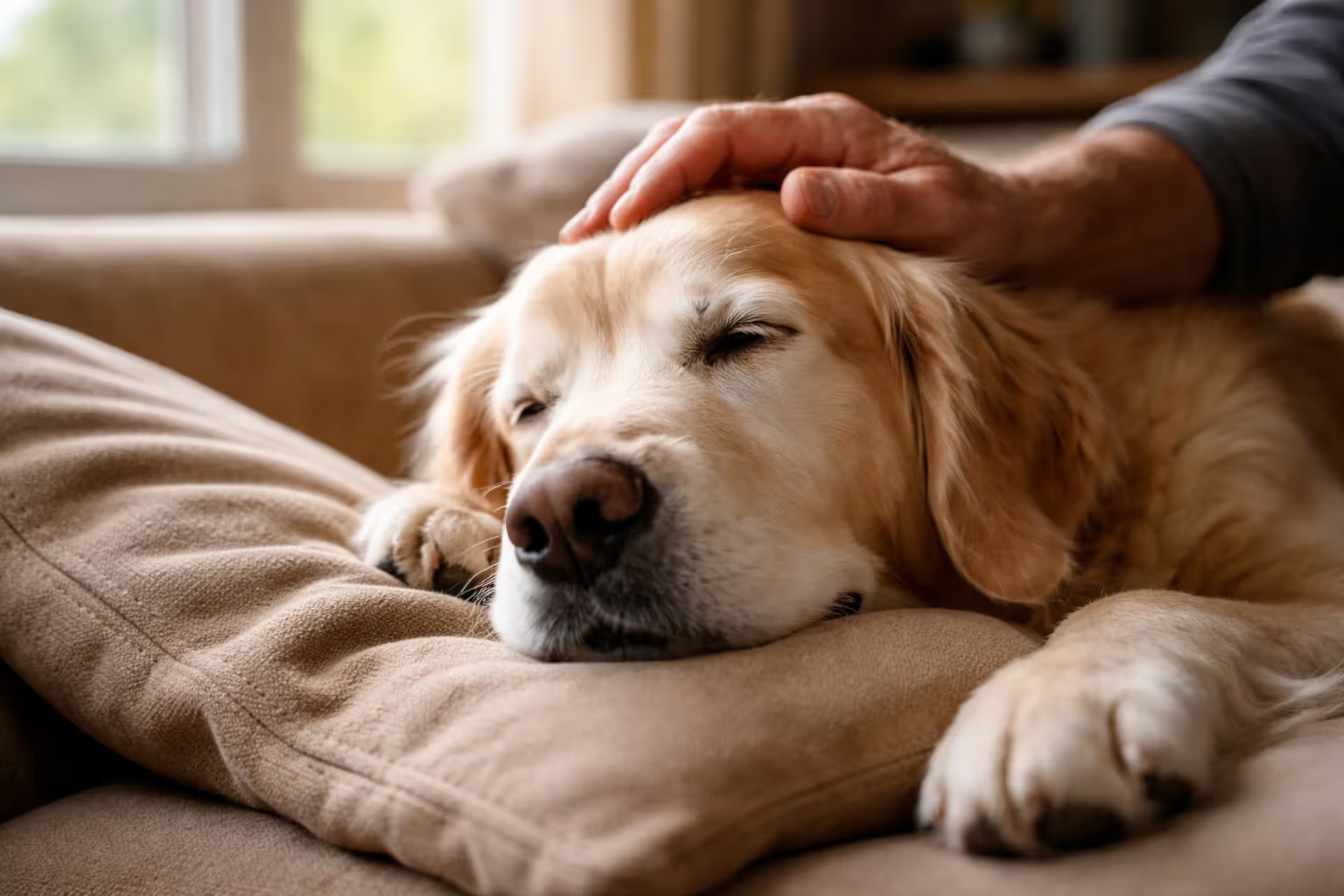
Discover the key signs that your dog may be suffering, explore veterinarian-approved quality of life assessment tools, and get a clear, step-by-step breakdown of the euthanasia process — so you can make this heartbreaking decision with clarity, compassion, and confidence
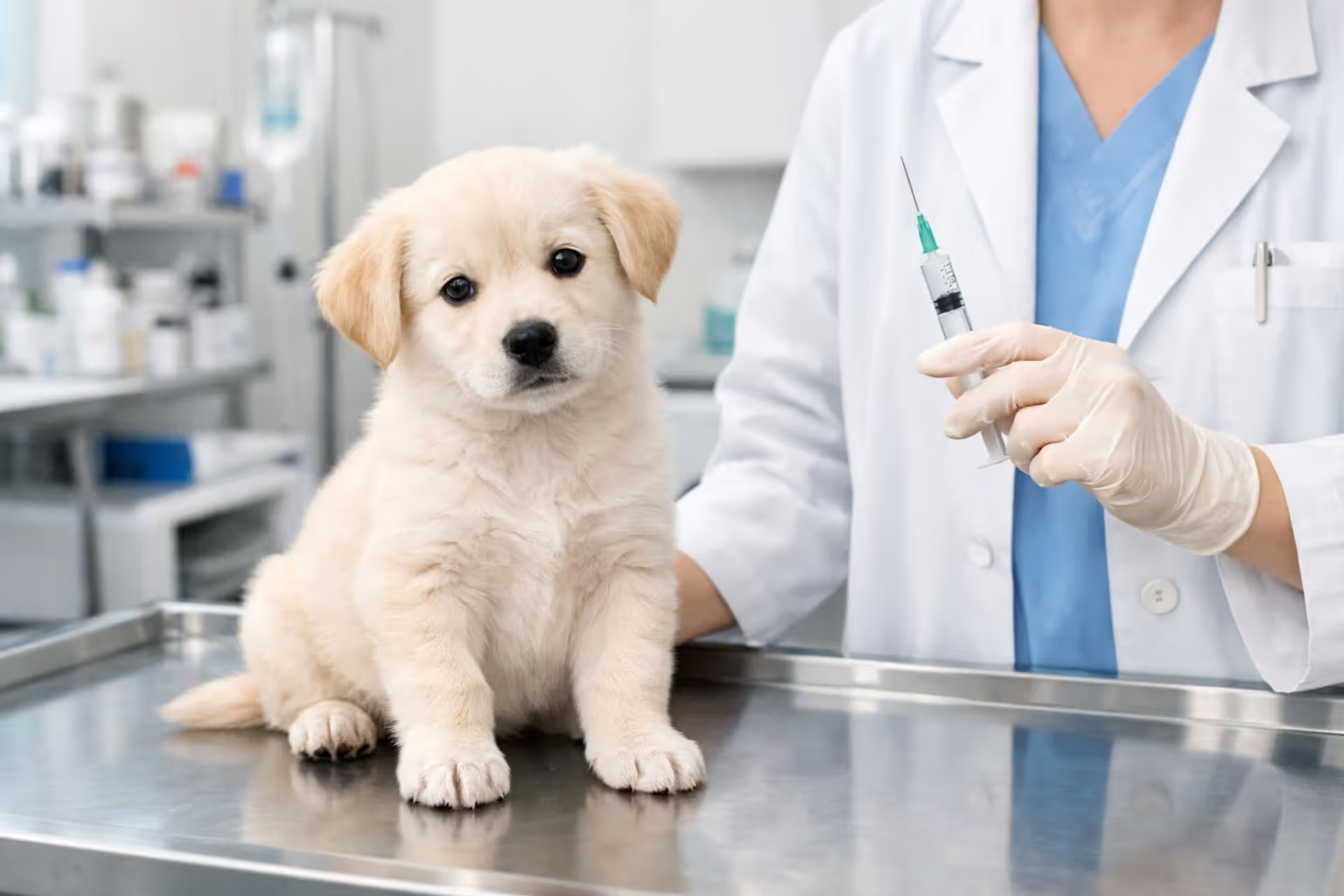
Complete guide to puppy vaccination schedule: everything you need to know about core and non-core vaccines, exact shot timeline from 6 weeks to 16 months, detailed breakdown of costs at traditional and budget clinics, what reactions are normal after each appointment, and how to keep your puppy protected through every critical stage of early development.
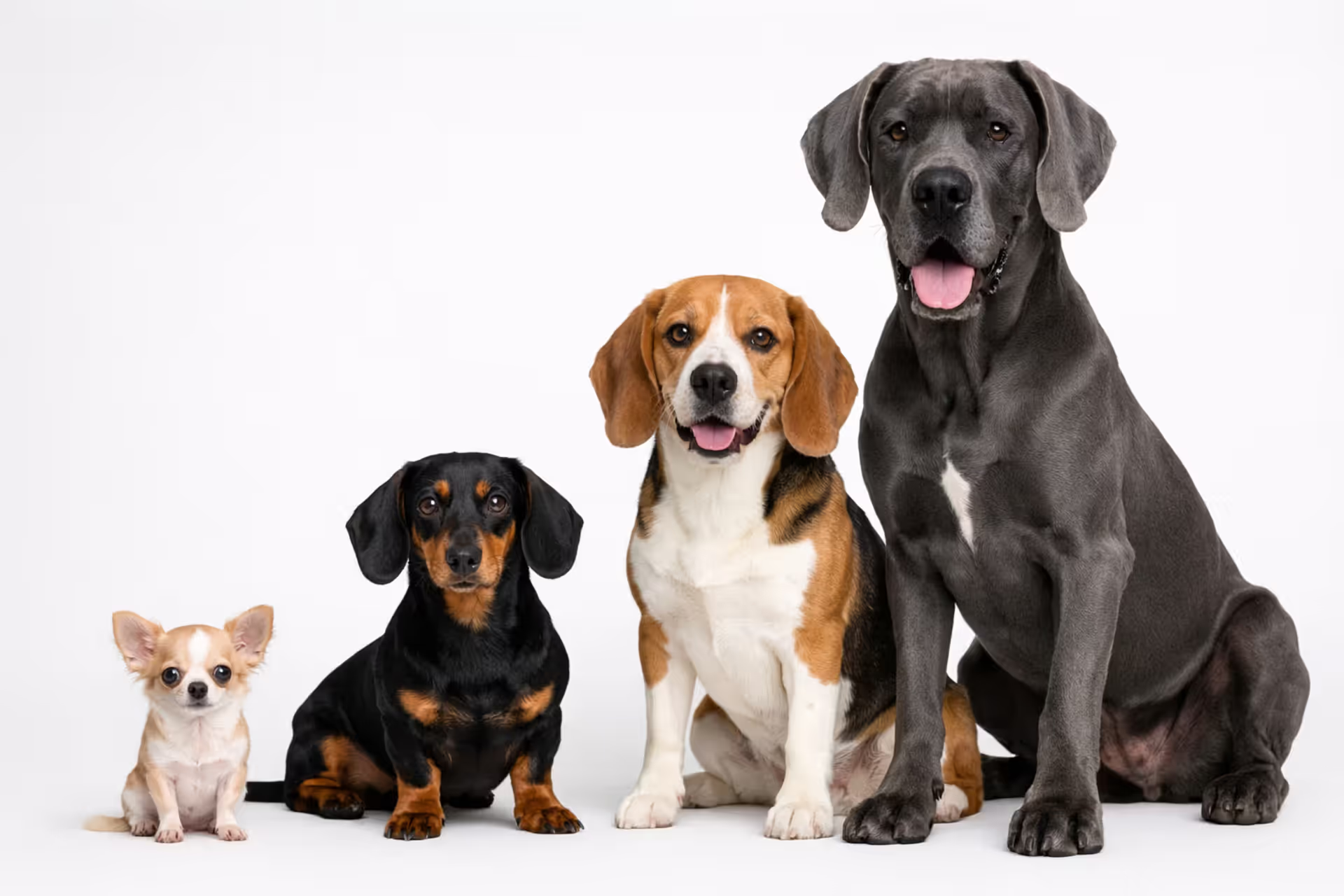
Discover which dog breeds consistently live the longest, why small breeds almost always outlive their larger counterparts, and what science says about the size-lifespan connection. Learn how to maximize your dog’s years through smart nutrition, weight control, and preventive veterinary care
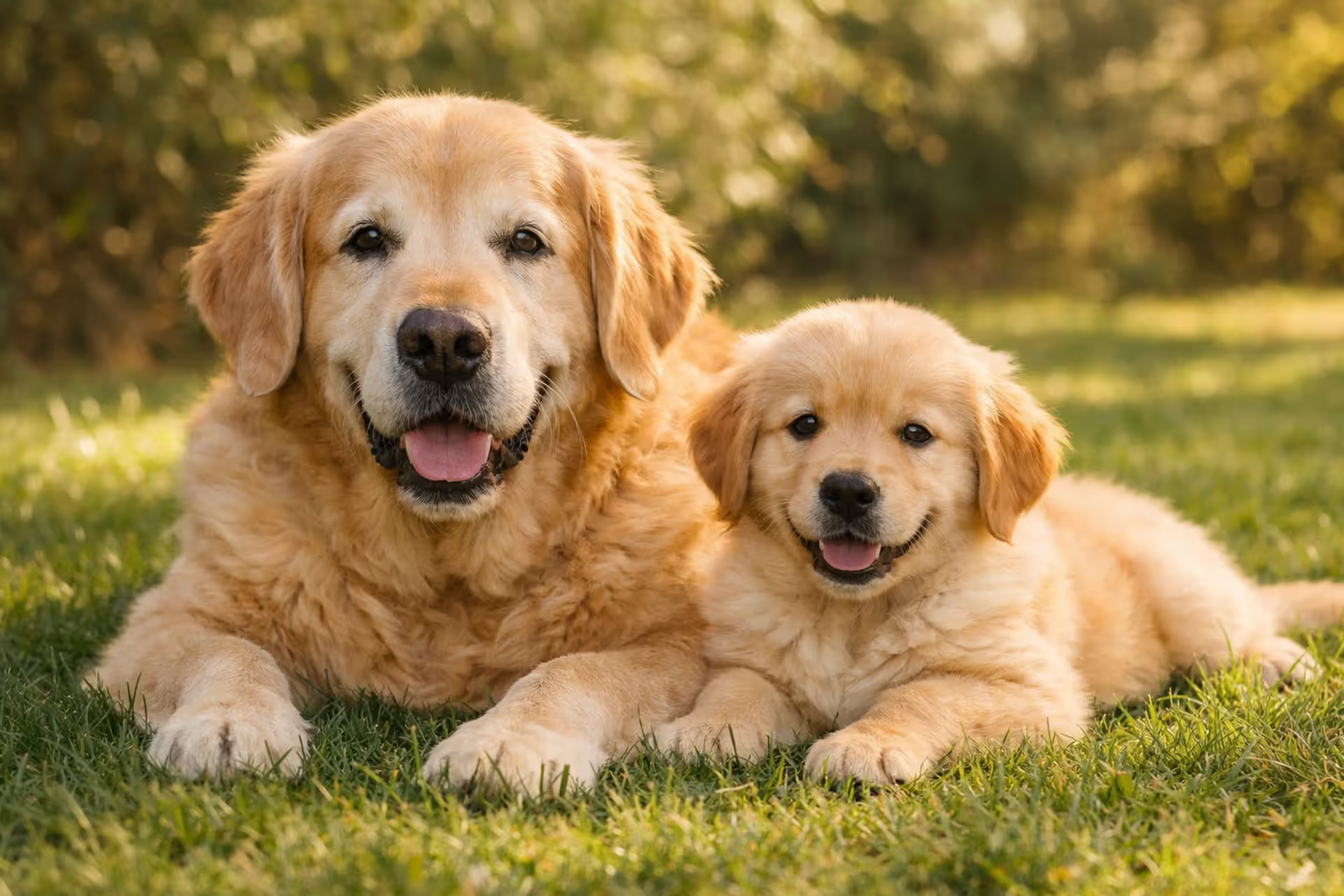
Every dog breed ages differently. Small dogs outlive giants, mixed breeds beat purebreds, and your daily choices matter more than genetics. Here’s what science reveals about canine lifespan — and how to add years to your dog’s life
The content on this website is provided for general informational and educational purposes only. It is intended to offer guidance on dog breeds, behavior, health, care, and lifestyle, and should not be considered a substitute for professional veterinary advice, diagnosis, or treatment.
All information published on this site is based on general knowledge, widely accepted research, and practical experience, but individual dogs may differ in behavior, health conditions, and needs. Results and outcomes may vary depending on the dog, environment, and circumstances.
The website is not responsible for any errors or omissions, or for actions taken based on the information provided. For specific concerns regarding your dog’s health or behavior, always consult a qualified veterinarian or professional dog specialist.