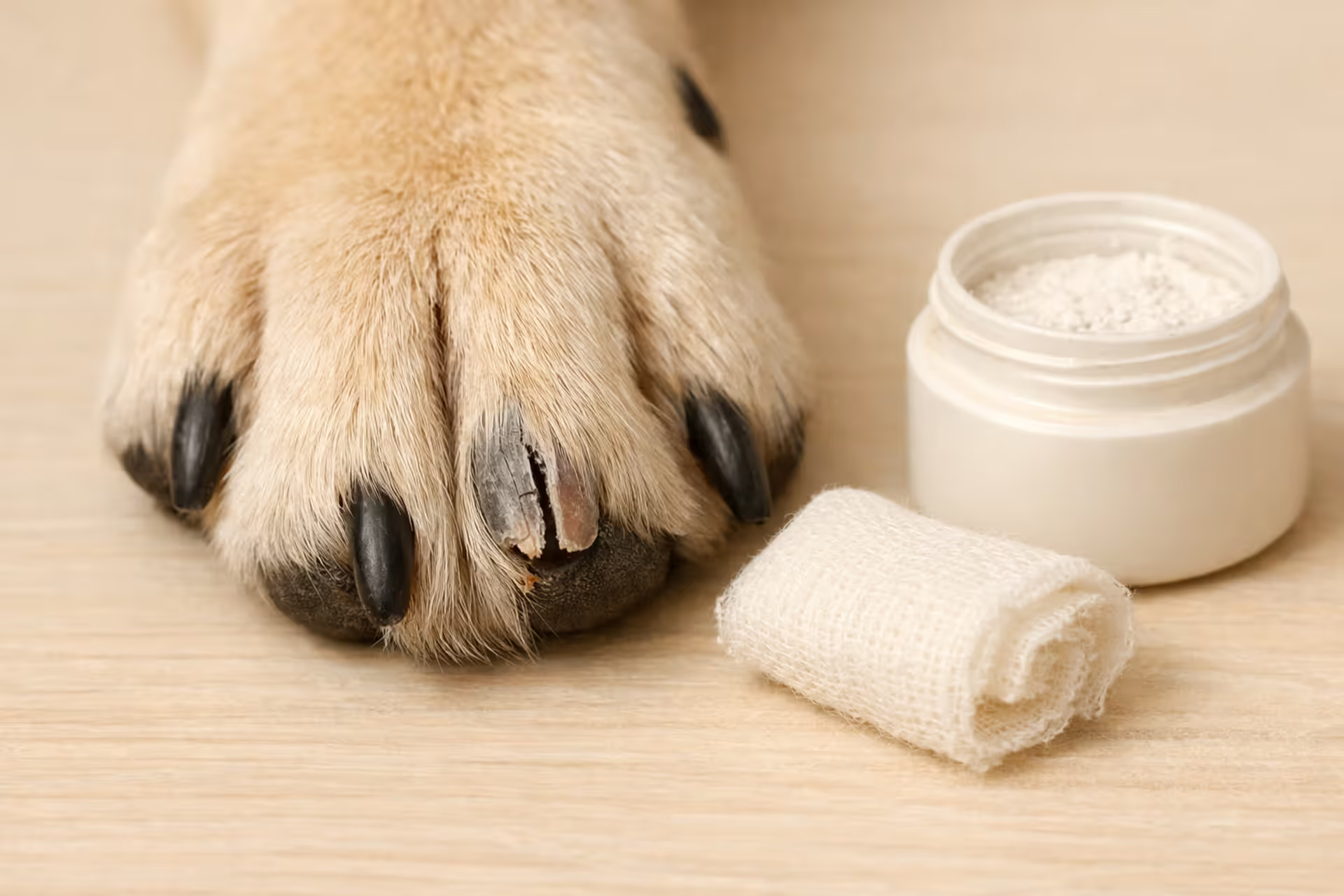
Blood on the carpet. Your dog holding up a paw. That distinctive yelp that makes your stomach drop.
If you've got a dog with a broken nail right now, here's what matters: most of these injuries look worse than they are. Yes, they bleed dramatically. Yes, your dog is uncomfortable. But you can handle this.
I'm going to walk you through exactly what to do—starting with the "stop panicking" part and ending with your dog back to normal. We'll also cover when you actually need to bundle everyone into the car for an emergency vet visit (it's less often than you'd think).
What Causes Dog Nails to Break or Crack?
Here's the thing about dog nails: they're tougher than ours, but they're attached differently. That blood vessel inside—the quick—runs surprisingly far down each nail. Break the nail in the wrong spot, and you've hit a nerve ending plus a blood supply. No wonder dogs react strongly.
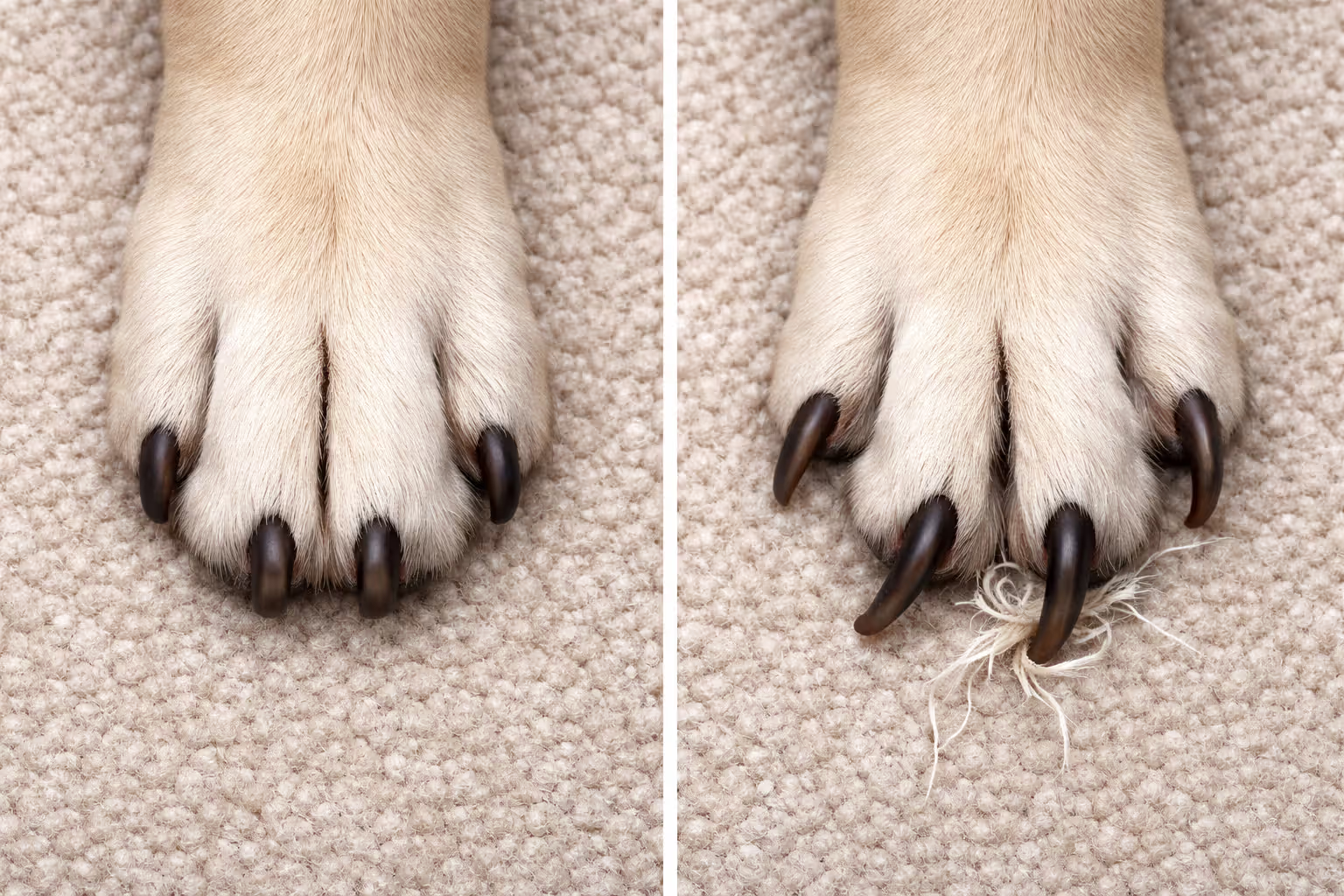
The most common scenario? Nails that needed trimming three weeks ago. Long nails hook into things. Carpet edges, gaps in deck boards, grass clumps in the yard. Your dog takes off running, the nail catches, and physics does the rest. The leverage from that catch can partially tear or completely rip the nail from its bed.
My neighbor's Labrador broke a nail jumping out of their SUV last month. The nail was long enough that it hit the bumper on the way down. A quarter-inch shorter, and that jump would've been fine. She'd been meaning to trim his nails "this weekend" for about a month.
Active dogs who sprint on concrete regularly file their own nails down through friction. Indoor dogs, senior dogs who mostly nap, and dogs who walk on grass or soft trails? Their nails grow faster than they wear down. Every 3-4 weeks, those nails need attention whether you're in the mood or not.
Author: Lucas Fairmont;
Source: alwaysonsalepetsupplies.com
Brittle nails crack rather than tear. You'll see this more in older dogs, but nutrition plays a role at any age. A diet low in biotin, zinc, or omega-3s produces weaker nail structure over several months. Greyhounds and Italian Greyhounds come with naturally delicate nails—it's a breed characteristic that makes nail care extra important.
Then there's trauma. Dogs who excavate your backyard like they're digging to China, dogs who catch their paws in wire crate floors, dogs who misjudge the landing from the couch—these situations create sudden, severe breaks. The whole nail can tear away, leaving just exposed quick and an injury that makes dog cracked nail treatment suddenly your top priority.
How to Assess the Severity of Your Dog's Nail Injury
Take thirty seconds before you do anything else. Look at what's actually happening.
Your dog's reaction tells you plenty. Mild whimpering, some limping, but they'll still walk around? That's probably manageable. Screaming, holding the paw completely off the ground, or trying to bite when you reach toward the paw? That's severe pain, and you need to approach differently.
Now check the bleeding. A few drops that stop almost immediately—we're talking minor damage. Steady dripping that creates a small puddle in twenty seconds? The quick is damaged. If blood soaks through a paper towel in under five seconds, you're dealing with significant bleeding.
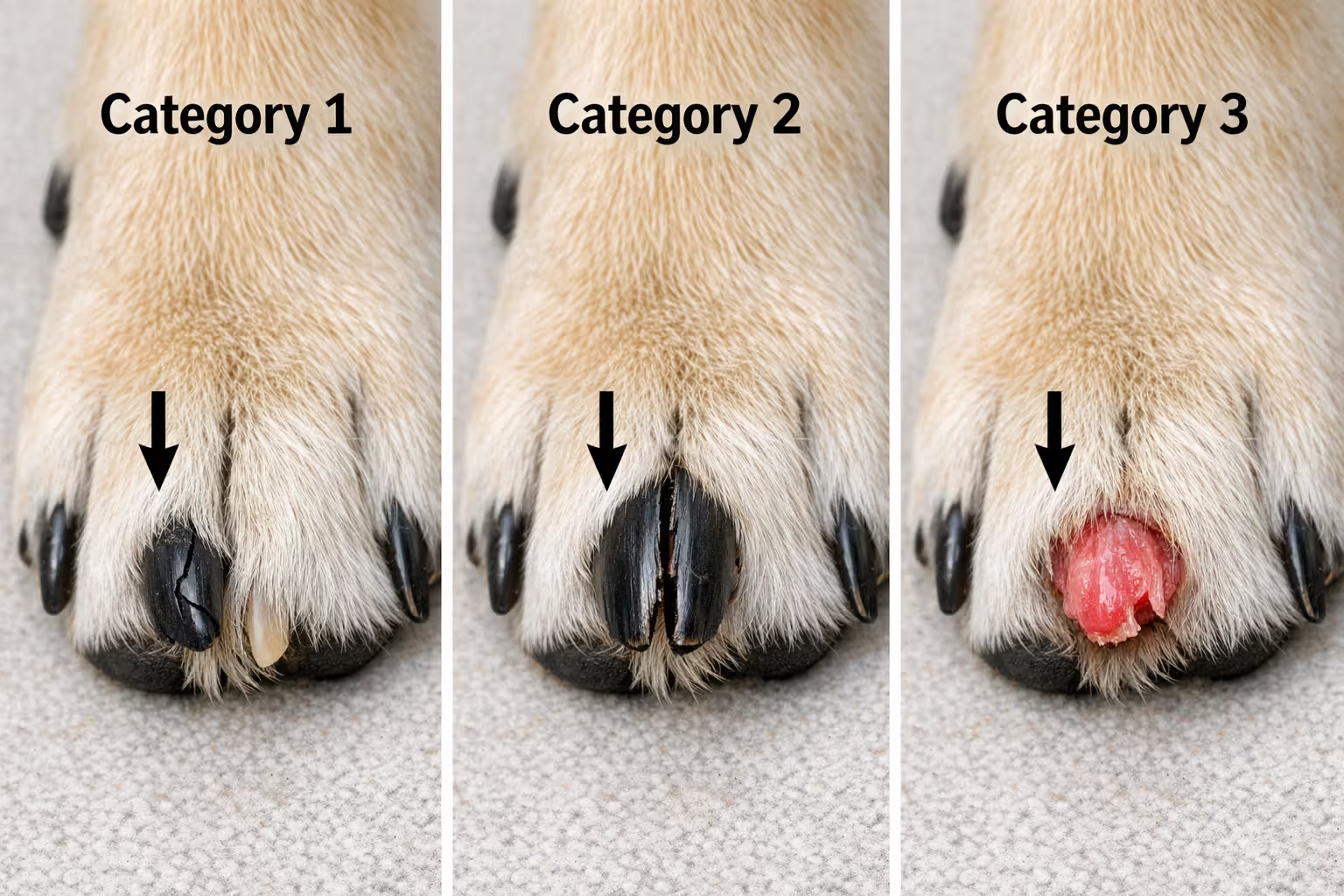
Here's where you need decent light and maybe reading glasses if you're over forty. Look at the nail itself. A tiny crack on the side, no blood, nail still mostly intact? That's Category 1. A nail split down the middle, hanging by threads, or completely gone with raw pink tissue visible? Category 3, much more serious.
Watch for red flags beyond the nail. Swelling around the toe, any discharge that looks like pus, bad smell, or red streaks running up toward the leg—these mean infection has started or the injury happened longer ago than you realized. Home treatment alone won't fix infected injuries.
Author: Lucas Fairmont;
Source: alwaysonsalepetsupplies.com
Minor vs. Severe Nail Damage: Key Differences
Minor injuries include chips at the very tip, shallow cracks that don't go deep, or small splits along the edge. Bleeding either doesn't happen or stops in under three minutes without any intervention. Your dog limps for maybe an hour, then seems fine. You can see the crack, but you don't see any pink quick tissue. Dogs lick it a few times but aren't obsessed with the paw.
Severe damage exposes that pink quick tissue, involves tears below where the hair meets the nail, or means the entire nail is just gone. Bleeding continues past ten minutes even when you're trying to stop it. Your dog refuses to use that paw thirty minutes later. Sometimes you can see what looks like bone at the injury site (that's actually the nail bed bone—yes, it's as bad as it sounds). These dogs guard that paw aggressively and may snap at you, which isn't meanness—it's pain.
The middle category creates the most confusion. Nail hanging by a small piece? Bleeding that stops, then starts again when the dog moves? Moderate pain that gets somewhat better but doesn't fully resolve in an hour? These need first aid, absolutely, but also close watching. They can tip either direction depending on how the next few hours go.
Step-by-Step: Treating a Broken Dog Nail at Home
Your stress level matters here. Dogs read human emotions scary-well. If you're freaking out, they freak out harder. Take three deep breaths. Use your "good dog at the vet" voice—calm and matter-of-fact.
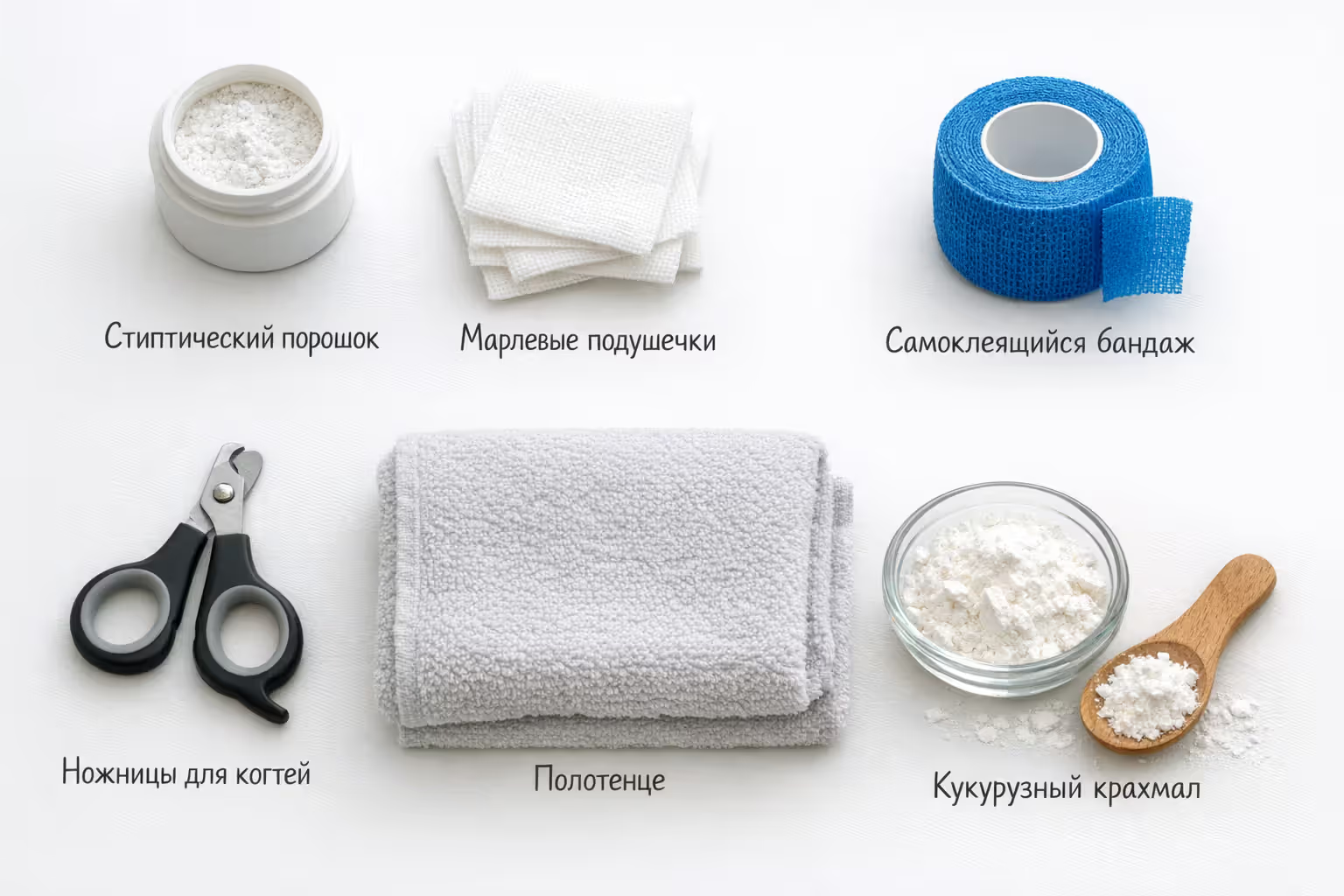
Get your supplies together before you touch the dog. You need: styptic powder (or cornstarch if you don't have it), clean towels, gauze pads, self-stick bandage wrap, nail clippers if you own them. Having everything within arm's reach prevents that moment where you're holding a bleeding paw and realizing the styptic powder is in the other room.
Author: Lucas Fairmont;
Source: alwaysonsalepetsupplies.com
Restraint differs by dog size. Small dogs can sit in your lap, wrapped gently in a towel like a burrito with just the hurt paw sticking out. Big dogs do better lying down on the floor. If there's another person home, have them hold the dog's head and feed treats continuously. For dogs in enough pain they're aggressive—and even sweet dogs sometimes snap when hurt—consider a muzzle. There's zero shame in that.
Stop the bleeding first—everything else waits. Take that styptic powder and pack it directly onto the end of the nail. Not a light dusting. Pack it. Press a gauze pad over it and hold steady pressure for a full minute. Don't peek. Peeking breaks the clot that's trying to form.
In any bleeding wound, consistent direct pressure is the most powerful tool an owner has. Time and steadiness save tissue
— Dr. Marty Becker
If you're out of styptic powder, cornstarch works through similar chemistry—it absorbs moisture and helps blood clot faster. Flour does the same thing, slightly less effectively. The key is pressure plus time. Keep holding for another minute if blood is still coming through the gauze.
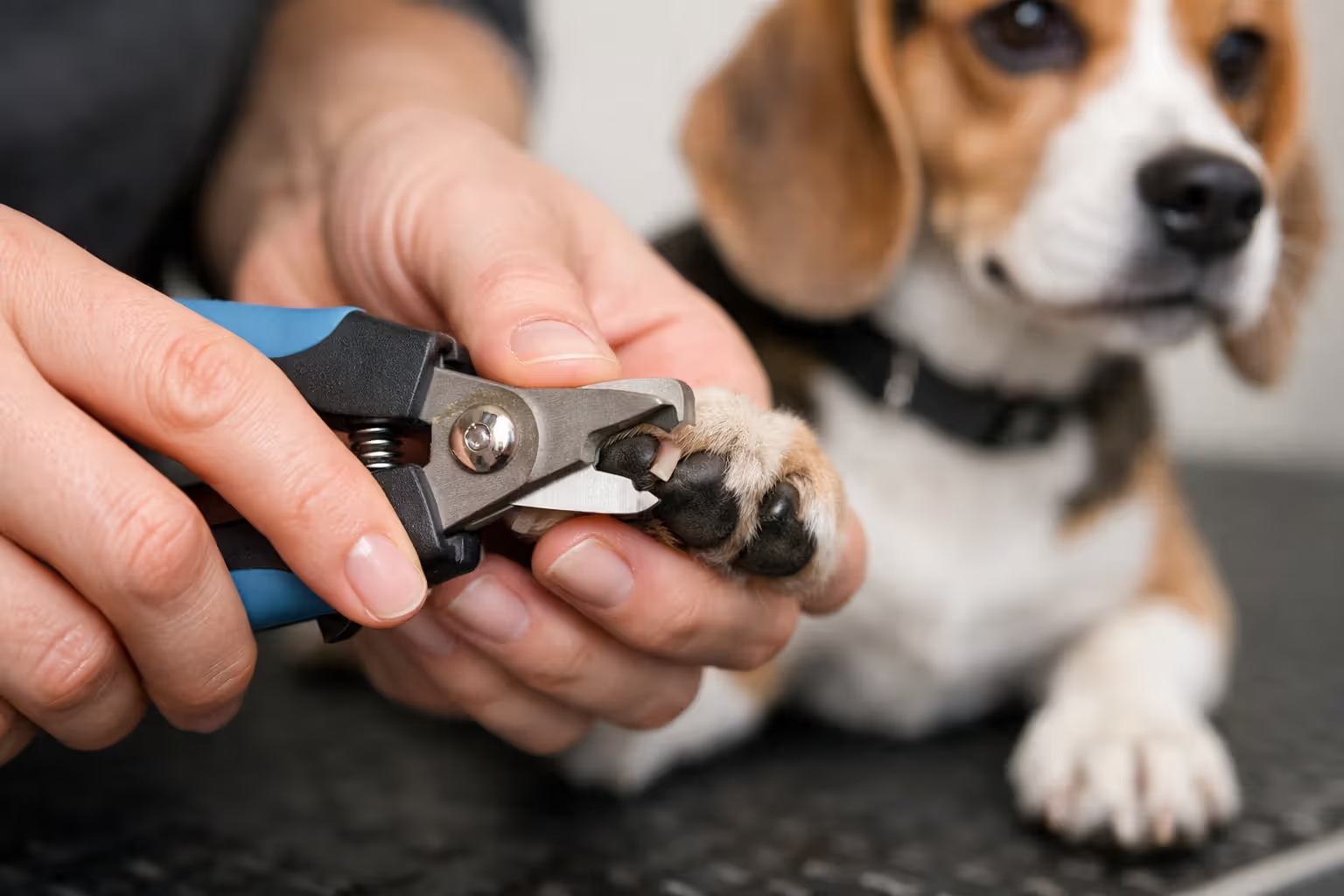
Once bleeding slows significantly, assess whether loose nail pieces need removal. A fragment hanging by a thread will catch on everything and re-injure the area. Sharp clippers and one decisive cut work better than crushing the nail with dull clippers. Cut where the crack separates damaged from healthy nail. One smooth motion. If the loose piece is really close to the quick or your dog won't hold still, skip this step and let a vet handle it.
Clean with room-temperature water or diluted chlorhexidine if you have it. Skip the hydrogen peroxide—it kills bacteria but also damages tissue and slows healing. Pat dry with clean gauze. For injuries where you can see quick tissue, apply a thin layer of plain antibiotic ointment. Plain means no added pain relief ingredients—some of those are toxic to dogs if they lick them off.
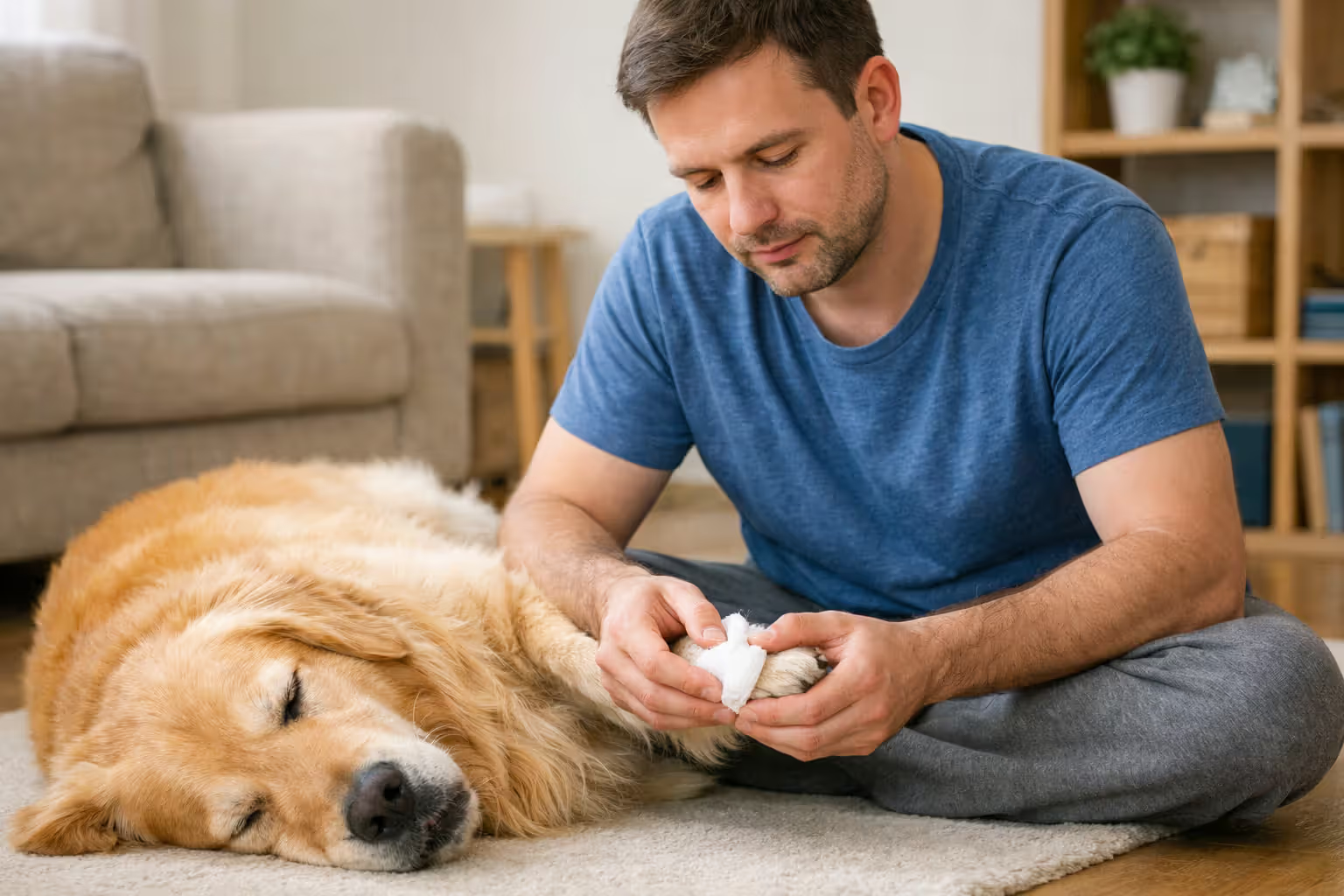
Bandaging is optional for minor injuries but helpful if bleeding was significant or the quick is exposed. Wrap gauze around the paw loosely, then secure with that self-stick wrap that adheres to itself. Snug enough to stay put, loose enough you can slide a finger underneath. Check toes below the bandage—if they swell, the wrap is too tight and you're cutting off circulation.
What to Do When the Bleeding Won't Stop
You've been holding pressure with styptic powder for two full minutes. Blood is still flowing steadily. Time to escalate.
Apply fresh styptic powder—the first application is probably saturated with blood and not working anymore. Increase pressure. You need more force than feels comfortable, though obviously not enough to hurt your dog further. Press firmly with your thumb through the gauze directly against the nail end. Hold for another two minutes. No checking. Just hold.
If dog nail bleeding won't stop after five minutes of proper pressure, try ice. Wrap it in a thin towel (ice directly on skin causes damage) and hold it against the paw. Thirty seconds on, thirty seconds off. Cold causes blood vessels to tighten up, which can slow bleeding enough for clotting mechanisms to catch up. Alternate ice with direct pressure plus fresh styptic powder.
Still bleeding at the fifteen-minute mark? You've done what home treatment can do. Keep pressure on with clean gauze, wrap the paw to hold that gauze in place, and head to the vet or emergency clinic. Don't remove the gauze during the drive to check if it's still bleeding—you'll destroy whatever clot has formed.
Author: Lucas Fairmont;
Source: alwaysonsalepetsupplies.com
Some medications interfere with clotting. Dogs on aspirin, NSAIDs for arthritis, or certain other drugs bleed longer from minor injuries. If your dog takes regular medication and this bleeding seems excessive for how the nail looks, mention that medication history to your vet. Dobermans and Scottish Terriers have higher rates of von Willebrand disease—a clotting disorder that turns minor bleeding into a major problem.
Safe Removal of Hanging Nail Fragments
When a dog ripped nail off partially, you're often left with a piece that dangles and catches on literally everything. These fragments cause repeated trauma every time your dog walks. Removal helps, but only if you can do it safely.
Timing affects success. Right after injury, adrenaline keeps dogs somewhat calmer. Wait several hours, and inflammation makes the area more painful and your dog less cooperative. Get sharp, clean clippers ready—human nail clippers work for small dogs, guillotine or scissor-style dog clippers for larger breeds. Have styptic powder within grabbing distance.
Secure your dog and identify exactly where you need to cut. You're removing only the damaged, hanging portion—not cutting into solid nail or the quick. Usually there's a visible line where the nail has cracked or separated. That's your cutting point. One decisive snip. Ragged cuts from dull clippers hurt more and splinter the nail structure.
Apply styptic powder and pressure immediately after cutting. Even if it wasn't bleeding before, trimming often restarts it temporarily. Sixty seconds of pressure, then check. More bleeding? Fresh powder, another sixty seconds.
Some fragments sit too close to the quick for safe home removal. If you can't clearly see where to cut without risking the quick, or if the hanging piece is tiny and right against sensitive tissue, don't attempt it. Bandage lightly to prevent catching and book a vet appointment within twenty-four hours. Vets can remove tricky fragments under local numbing or light sedation—your dog feels minimal discomfort, and the risk of cutting the quick drops to zero.
The single most preventable cause of nail injuries in dogs is neglected nail care. Overgrown nails are a ticking clock
— Dr. Karen Becker
When to Take Your Dog to the Vet for a Nail Injury
Complete nail avulsion—that's when the entire nail tears away and you're looking at just exposed quick and nail bed—needs professional care from the start. The exposed tissue requires thorough cleaning under conditions you can't replicate at home, pain management stronger than anything over-the-counter, and typically antibiotics because that tissue is intensely vulnerable to infection. These injuries hurt badly enough that most dogs need sedation for treatment.
Bleeding past twenty minutes despite proper treatment at home means something's wrong. Either the damage to blood vessels is too extensive for topical clotting products, or your dog has a clotting problem you didn't know about. Vets can cauterize vessels, apply medical-grade hemostatic agents, or run blood tests to identify clotting disorders.
Infection signs developing after the initial injury require prompt veterinary attention. Swelling that worsens after the first day, pus or any discharge from the nail bed, foul odor, red streaks tracking up the leg, or fever (dog normal is 101-102.5°F) all indicate bacterial infection has taken hold. Nail bed infections can spread to deeper tissues or bone if ignored. Should I take my dog to the vet for broken nail? When infection appears, that's an absolute yes.
Extreme pain that doesn't improve with rest and basic first aid suggests complications beyond a simple break. Maybe the nail bed involved fractured bone, or perhaps there's pad damage you haven't identified. Dogs who won't bear any weight on that paw two hours after injury, who pant excessively from pain, or who show shock signs like pale gums, racing heartbeat, or weakness need immediate evaluation.
Multiple broken nails at the same time—especially without obvious trauma like getting hit by a car—points to underlying disease rather than injury. Autoimmune conditions, systemic infections, or severe nutritional deficiencies weaken all nails simultaneously. This pattern requires diagnostic testing beyond just treating the breaks.
Pain Management and Aftercare for Nail Injuries
Dog nail injury care continues after you've stopped the bleeding. Pain management helps your dog rest comfortably while healing progresses. Never give human pain medications without explicit veterinary guidance—acetaminophen is toxic to dogs in any amount, and ibuprofen causes gastric ulcers and kidney failure. If you happen to have carprofen (Rimadyl) or another vet-prescribed NSAID from a previous issue, you can give one dose at the prescribed amount, but call your vet the next day about whether to continue.
Most dogs with minor to moderate breaks do fine with rest alone. That nail bed stays extremely tender for 48-72 hours. Limit activity to short leash walks for bathroom breaks only—no running, jumping, wrestling with the dog next door. This restriction prevents re-injury and gives healing a chance. Dogs who ignore this advice and immediately zoom around the backyard often restart bleeding or worsen the original break.
Keep that paw dry. Moisture encourages bacterial growth and softens protective scabs. If you've bandaged the injury, slip a plastic bag over the paw and tape it loosely at the ankle during bathroom trips. Change bandages whenever they get wet or soiled. For unbandaged injuries, avoid puddles and wet grass when you can.
Prevent licking and chewing. Dogs lick wounds instinctively, but excessive licking delays healing and introduces mouth bacteria to an open injury. Elizabethan collars (the cone of shame) work most reliably. Inflatable collars or soft fabric alternatives work for some dogs but allow more paw access. Bitter apple spray applied around—not on—the injury deters some dogs, though determined lickers power through the taste.
Check healing progress daily. Normal healing follows a pattern: bleeding stops and stays stopped within hours, pain noticeably decreases by day two or three, limping resolves within 3-5 days for minor breaks. The exposed quick dries out and forms a hard, dark scab over 5-7 days. New nail growth appears at the base within 2-3 weeks, though complete regrowth takes 2-4 months depending on the original nail length.
Watch for warning signs during healing. Bleeding that starts again after the first day, pain or swelling that increases instead of decreasing, any discharge, foul smell, or fever—these warrant a veterinary recheck. Some dogs develop chronic nail bed infections weeks after seemingly healed breaks, causing recurring lameness that seems to come out of nowhere.
Preventing Future Nail Breaks and Cracks
Regular nail trimming prevents more injuries than anything else you can do. Dogs whose nails barely touch the ground when standing have dramatically lower break rates than dogs with overgrown nails. For most dogs, trimming every 3-4 weeks maintains proper length. Active dogs running on pavement may need less frequent trimming because they naturally file nails down. Senior dogs or couch potatoes need more frequent attention.
Author: Lucas Fairmont;
Source: alwaysonsalepetsupplies.com
If you hate trimming nails yourself (lots of us do), groomers and vet techs offer nail trim services for $10-20. Some dogs tolerate grinding better than clipping—a Dremel-style tool gradually shortens nails and smooths sharp edges. It takes longer than clipping and makes noise plus vibration that bothers some dogs, but others vastly prefer it over the clipping pressure.
Nutrition affects nail strength more than most people realize. Biotin supplementation strengthens brittle nails in many dogs. Standard doses range from 5-10 mg daily for small dogs up to 20-30 mg for large breeds. Fish oil provides omega-3 fatty acids that improve overall skin and nail condition. Zinc deficiency causes severe brittleness but is less common and usually needs veterinary diagnosis before supplementing.
Skin and coat health — including nails — are a direct mirror of what an animal is eating. Nutrition is the foundation of structural integrity
— Dr. Richard Pitcairn
Examine your dog's environment for hazards. Crate floors with wide bar spacing catch nails easily—add a solid mat or board to cover gaps. Rough concrete, splintered wooden decks, hardware cloth, or wire fencing all create snagging risks. Dogs who dig obsessively might benefit from a designated digging pit with softer soil to reduce nail trauma.
Certain activities stress nails repeatedly. Agility training, dock diving, and other dog sports put major demands on nails. Competitive dogs benefit from pre-event nail checks and more frequent trimming. Some handlers apply nail hardening products or protective wax before events—evidence for effectiveness is mostly anecdotal, but it probably doesn't hurt.
Watch for early warning signs before breaks happen. Vertical ridges in the nail, flaking, or discoloration can indicate nutritional deficiencies or fungal infection. Nails that repeatedly split in the same spot may have permanent damage to the nail matrix from old injuries. Address these issues proactively rather than waiting for a serious break.
Making the Right Call for Your Dog's Nail Injury
Most broken nails fall into the home-manageable category once you understand assessment and treatment basics. Stop bleeding, prevent infection, manage pain, monitor healing—this combination successfully covers the majority of cases. Knowing when home treatment reaches its limits—persistent bleeding, severe pain, infection signs, or complete nail loss—helps you make timely decisions about professional care.
This decision matrix summarizes when home treatment works versus when veterinary care becomes necessary:
Injury Characteristic
Home Treatment Works
Veterinary Care Needed
Bleeding duration
Stops within 10-15 minutes using styptic powder and direct pressure
Continues past 20 minutes despite correct treatment technique
Extent of nail damage
Small crack or chip; partial break with fragment you can safely remove
Complete nail torn away; break too close to quick for safe home trimming; multiple nails affected simultaneously
Pain response
Mild to moderate limping improving within hours; dog tolerates gentle examination
Severe pain; won't bear weight after 2 hours; aggressive when you approach the paw
Infection indicators
None present; area appears clean with normal color and no smell
Swelling, pus, foul odor, red streaks extending up leg, fever, or symptoms appearing 24+ hours post-injury
Frequently Asked Questions About Dog Nail Injuries
Can a dog's broken nail heal on its own?
Minor cracks and chips heal without intervention as long as the quick hasn't been exposed. The nail continues growing from its base, and the damaged portion eventually grows out far enough that you can trim it away. Breaks that expose the quick need some level of treatment—at minimum, you need to stop bleeding and prevent infection—but they don't always require veterinary care. Complete nail loss heals over 2-4 months as an entirely new nail grows from the base, though the vulnerable nail bed needs protection during this period.
How long does it take for a dog's nail to grow back?
Complete regrowth after total nail loss averages 2-4 months, with considerable variation between individual dogs. Smaller dogs and puppies trend toward the faster end of this range, while large breeds or senior dogs take longer. The regrown nail sometimes looks slightly different from the original—occasionally thicker, occasionally thinner, sometimes with a different curve. Damaged nail beds occasionally produce permanently deformed nails that grow at odd angles or split easily going forward.
Is it normal for a dog to limp after breaking a nail?
Yes, expect limping for 1-5 days depending on severity. Minor chips might cause brief limping that resolves within hours. Breaks exposing the quick typically cause noticeable limping for 2-3 days that gradually improves. Limping persisting beyond five days, limping that worsens after initially improving, or limping accompanied by swelling suggests complications like infection or more extensive damage than initially visible. Limping that seems disproportionate to a minor visible injury sometimes means the dog also injured the pad or has a foreign object stuck in the paw.
What household items stop bleeding from dog nails?
Styptic powder works best but isn't always sitting in your cabinet. Cornstarch and flour are the most effective household alternatives—pack either substance directly onto the bleeding nail and maintain pressure for 2-3 minutes. Baking soda works through similar mechanisms. Bar soap pressed firmly against the nail end can help in emergencies. Ice wrapped in a thin cloth tightens blood vessels when held against the paw. What doesn't work well: tissue paper or toilet paper (they're too absorbent and stick to the wound), hydrogen peroxide (damages healthy tissue), or liquid bandage products (they won't stick to actively bleeding surfaces and can be toxic if your dog licks them).
Will my dog need antibiotics for a broken nail?
Most uncomplicated nail breaks don't require antibiotics. Injuries treated promptly with good home care—stopped bleeding, cleaned area, prevented licking—typically heal without infection developing. Antibiotics become necessary when infection develops despite treatment (swelling, pus, foul smell, red streaks) or when the injury is severe enough to require veterinary treatment from the start. Complete nail loss, breaks involving pad tissue, or injuries contaminated with dirt often receive preventive antibiotics. Immunocompromised dogs or diabetic dogs may need antibiotics even for minor breaks since their infection risk runs higher.
Can I use super glue on my dog's cracked nail?
Veterinary-grade cyanoacrylate adhesive gets used for minor nail cracks sometimes, but household super glue isn't recommended. The curing process generates heat that can burn sensitive tissue, and most formulations include additives never intended for living tissue. If the crack is minor enough that you're considering glue, it's usually minor enough that you can simply trim away the damaged portion. For cracks too extensive to safely trim, veterinary evaluation makes more sense than attempting DIY gluing. Some groomers and vets use medical-grade tissue adhesive for small cracks that aren't actively bleeding, but professionals should handle proper application.
Building confidence in how to treat a broken dog nail at home comes with experience, but your first attempt doesn't need perfection. Even partial success—temporarily stopping bleeding, cleaning the area, or getting a bandage in place—improves outcomes while you decide on next steps. Keep your veterinarian's phone number easily accessible, including after-hours emergency clinic contact information. A quick phone consultation often provides reassurance you need to continue home treatment or confirms your dog needs to be examined.
Prevention through regular nail maintenance, attention to nutrition, and environmental awareness reduces injury frequency, but even meticulous owners will likely face a broken nail at some point during their dog's lifetime. When it happens, you now have the knowledge to respond effectively, minimize your dog's discomfort, and make informed decisions about necessary care level.
Discover the key signs that your dog may be suffering, explore veterinarian-approved quality of life assessment tools, and get a clear, step-by-step breakdown of the euthanasia process — so you can make this heartbreaking decision with clarity, compassion, and confidence
Complete guide to puppy vaccination schedule: everything you need to know about core and non-core vaccines, exact shot timeline from 6 weeks to 16 months, detailed breakdown of costs at traditional and budget clinics, what reactions are normal after each appointment, and how to keep your puppy protected through every critical stage of early development.
Discover which dog breeds consistently live the longest, why small breeds almost always outlive their larger counterparts, and what science says about the size-lifespan connection. Learn how to maximize your dog’s years through smart nutrition, weight control, and preventive veterinary care
Every dog breed ages differently. Small dogs outlive giants, mixed breeds beat purebreds, and your daily choices matter more than genetics. Here’s what science reveals about canine lifespan — and how to add years to your dog’s life
The content on this website is provided for general informational and educational purposes only. It is intended to offer guidance on dog breeds, behavior, health, care, and lifestyle, and should not be considered a substitute for professional veterinary advice, diagnosis, or treatment.
All information published on this site is based on general knowledge, widely accepted research, and practical experience, but individual dogs may differ in behavior, health conditions, and needs. Results and outcomes may vary depending on the dog, environment, and circumstances.
The website is not responsible for any errors or omissions, or for actions taken based on the information provided. For specific concerns regarding your dog’s health or behavior, always consult a qualified veterinarian or professional dog specialist.