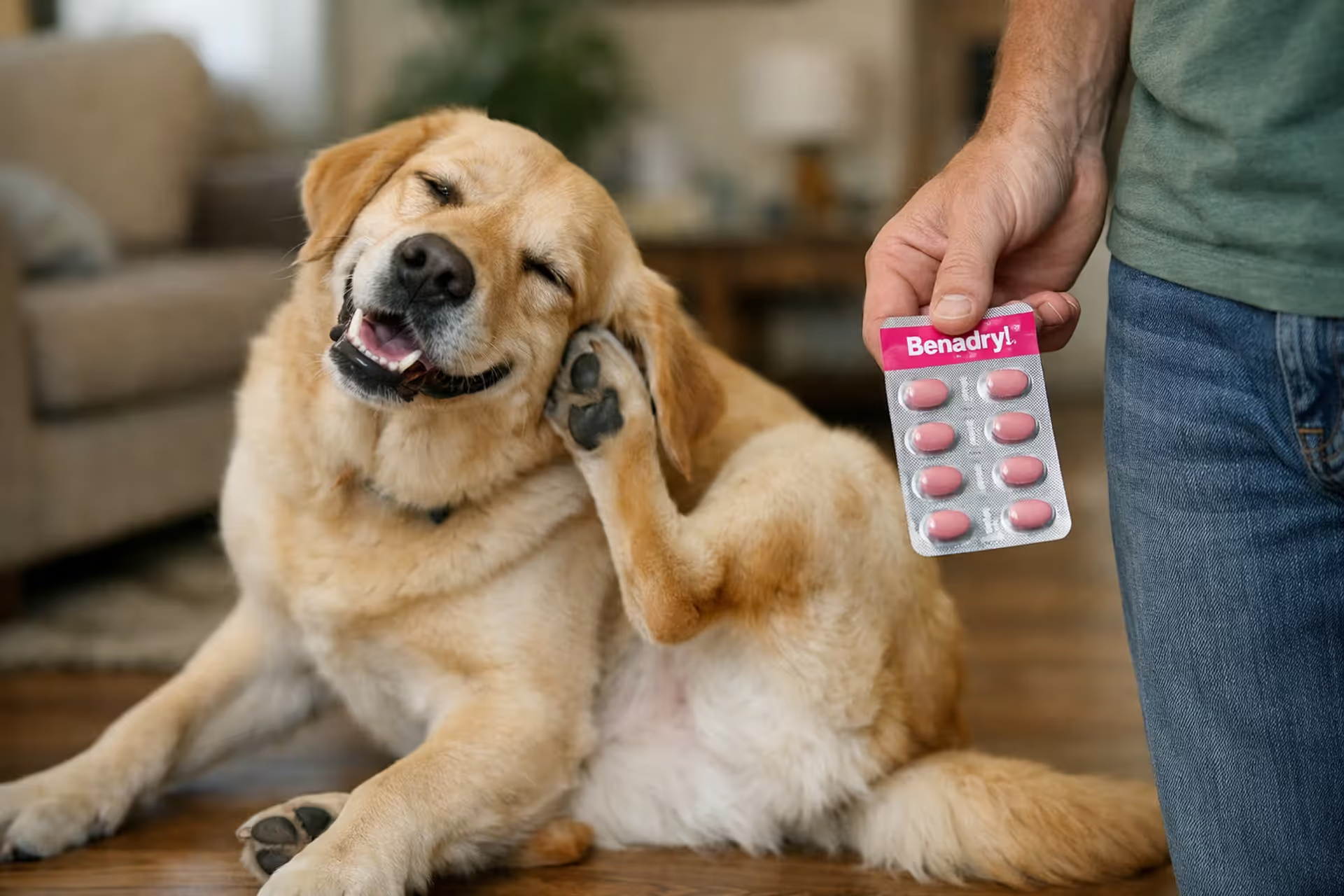
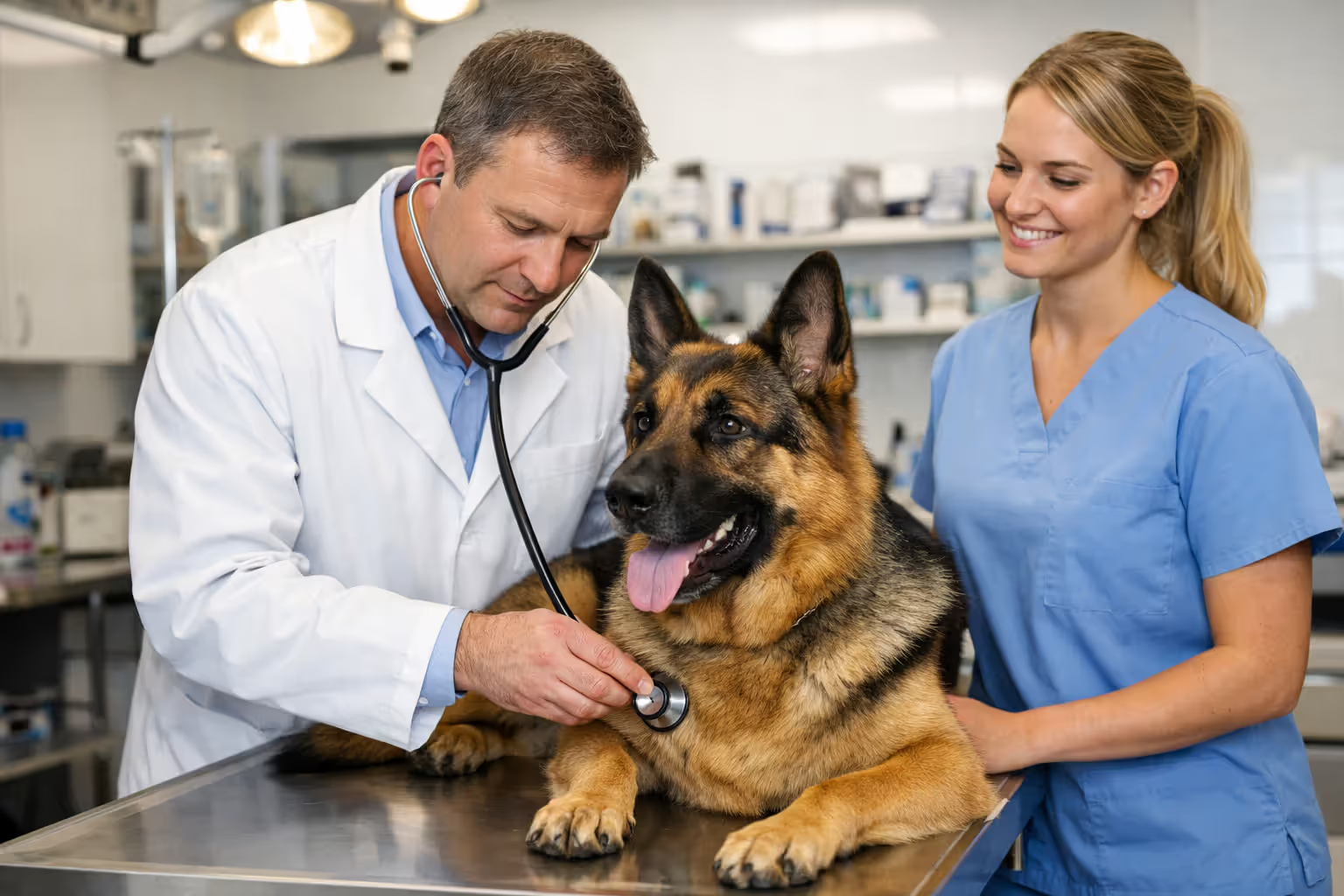
Your dog won't stop scratching. Maybe she broke out in hives after rolling through the backyard, or he's licking his paws raw every evening. Before you reach for that pink box in your medicine cabinet, you need accurate information about using Benadryl for dogs—because while this over-the-counter antihistamine can help many canine conditions, getting the details wrong can land your pet in the emergency vet clinic.
Diphenhydramine, sold under the brand name Benadryl, is one of the most commonly recommended human medications for dogs. Veterinarians frequently suggest it as a first-line treatment for mild allergic reactions and itching. But "commonly recommended" doesn't mean risk-free or appropriate for every situation. The difference between helpful relief and a dangerous overdose often comes down to understanding proper dosing, recognizing which symptoms actually respond to antihistamines, and knowing when to skip the home remedy and call your vet instead.
When Vets Recommend Benadryl for Dogs
Not every scratch, sneeze, or skin bump requires medication. Antihistamines like Benadryl work by blocking histamine receptors—the chemical pathway your dog's immune system uses during allergic reactions. This makes diphenhydramine effective for specific conditions but useless for others that look similar to untrained eyes.
Allergic Reactions and Environmental Allergies
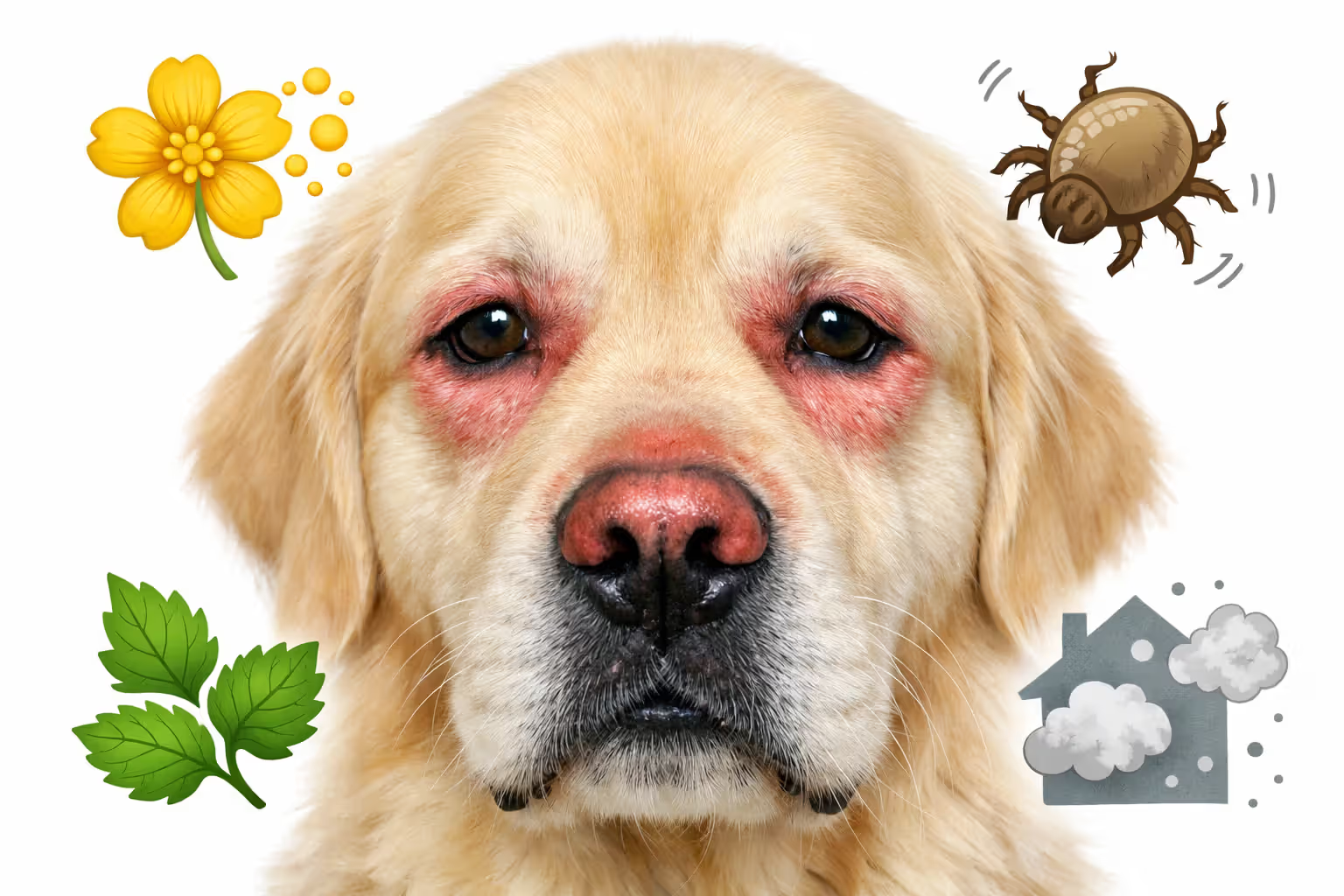
Benadryl for dog allergies works best for acute environmental reactions. If your dog's face suddenly swells after a bee sting, or she develops welts after contact with a new plant, antihistamines can reduce the immune response causing those symptoms. Seasonal allergies from pollen, mold, or dust mites also respond reasonably well to diphenhydramine, though many dogs need stronger prescription options for long-term control.
Veterinarians often recommend keeping Benadryl on hand for dogs with known mild allergy triggers. A client once told me her Labrador always got facial swelling after digging in the mulch pile—a predictable reaction that responded well to a single dose of diphenhydramine given right after exposure. That's the ideal use case: occasional, predictable, mild allergic responses.
Author: Hannah Bloomfield;
Source: alwaysonsalepetsupplies.com
Food allergies rarely respond to Benadryl. The immune mechanism behind food sensitivities differs from environmental allergies, which is why your itchy dog might not improve even after several days of antihistamine treatment if the real culprit is his chicken-based kibble.
Itching and Skin Conditions
Benadryl for dogs itching provides relief in specific circumstances. The medication reduces histamine-driven itch—the kind that comes from insect bites, contact with irritating plants, or acute allergic flares. You'll often see improvement within a few hours if histamine is truly the problem.
What Benadryl won't fix: itching from yeast infections, bacterial skin infections, mange, or most chronic skin conditions. A dog scratching from a staph infection needs antibiotics, not antihistamines. One of the most common mistakes pet owners make is continuing Benadryl for weeks while their dog's actual infection worsens untreated. If itching doesn't substantially improve within 24-48 hours, or if you notice hair loss, odor, or oozing skin, schedule a vet visit rather than increasing the dose.
The sedating effect of diphenhydramine sometimes provides secondary relief by making dogs drowsy enough to stop the scratch-lick cycle temporarily, but this isn't treating the underlying cause.
Antihistamines are among the most widely used drugs in veterinary medicine, but their effectiveness varies considerably depending on the individual animal and the specific condition being treated
— Dr. Karen Moriello
Anxiety and Motion Sickness
Some veterinarians suggest Benadryl as a mild sedative for anxious dogs during thunderstorms, fireworks, or car travel. The drowsiness that makes you sleepy after taking diphenhydramine can take the edge off canine anxiety too. However, results vary dramatically between individual dogs—some become pleasantly calm, others show no change, and a small percentage actually become more anxious or hyperactive (a paradoxical reaction).
For motion sickness, Benadryl's anti-nausea properties help certain dogs travel more comfortably. Give it 30-60 minutes before car trips for best results. That said, newer prescription medications like Cerenia work far better for dogs with serious motion sickness.
Never use Benadryl as a substitute for proper behavioral training or veterinary-prescribed anxiety medication in dogs with genuine anxiety disorders. A dog with separation anxiety or noise phobia needs a comprehensive treatment plan, not just occasional sedation.
Conditions Where Benadryl Won't Help
Don't waste time giving antihistamines for coughing (unless it's allergy-related), diarrhea, vomiting unrelated to motion sickness, pain, or infections. Benadryl also won't prevent anaphylaxis in dogs with severe allergies—those situations require epinephrine and emergency veterinary care.
Mast cell tumors sometimes release histamine, causing itching and swelling, but these cancerous growths need oncology treatment, not just symptom management with over-the-counter medications.
How Much Benadryl Can You Safely Give Your Dog?
Dosing errors send dogs to emergency clinics regularly. Too little wastes money without providing relief; too much causes dangerous side effects. The standard benadryl dosage for dogs is more forgiving than some medications, but you still need to calculate carefully.
Standard Dosage Formula by Weight
Author: Hannah Bloomfield;
Source: alwaysonsalepetsupplies.com
Veterinarians typically recommend 1 mg of diphenhydramine per pound of body weight, given two to three times daily. Some sources cite 0.9-1.8 mg per pound as the safe range, but starting with 1 mg/lb gives you room to adjust if needed while minimizing side effect risks.
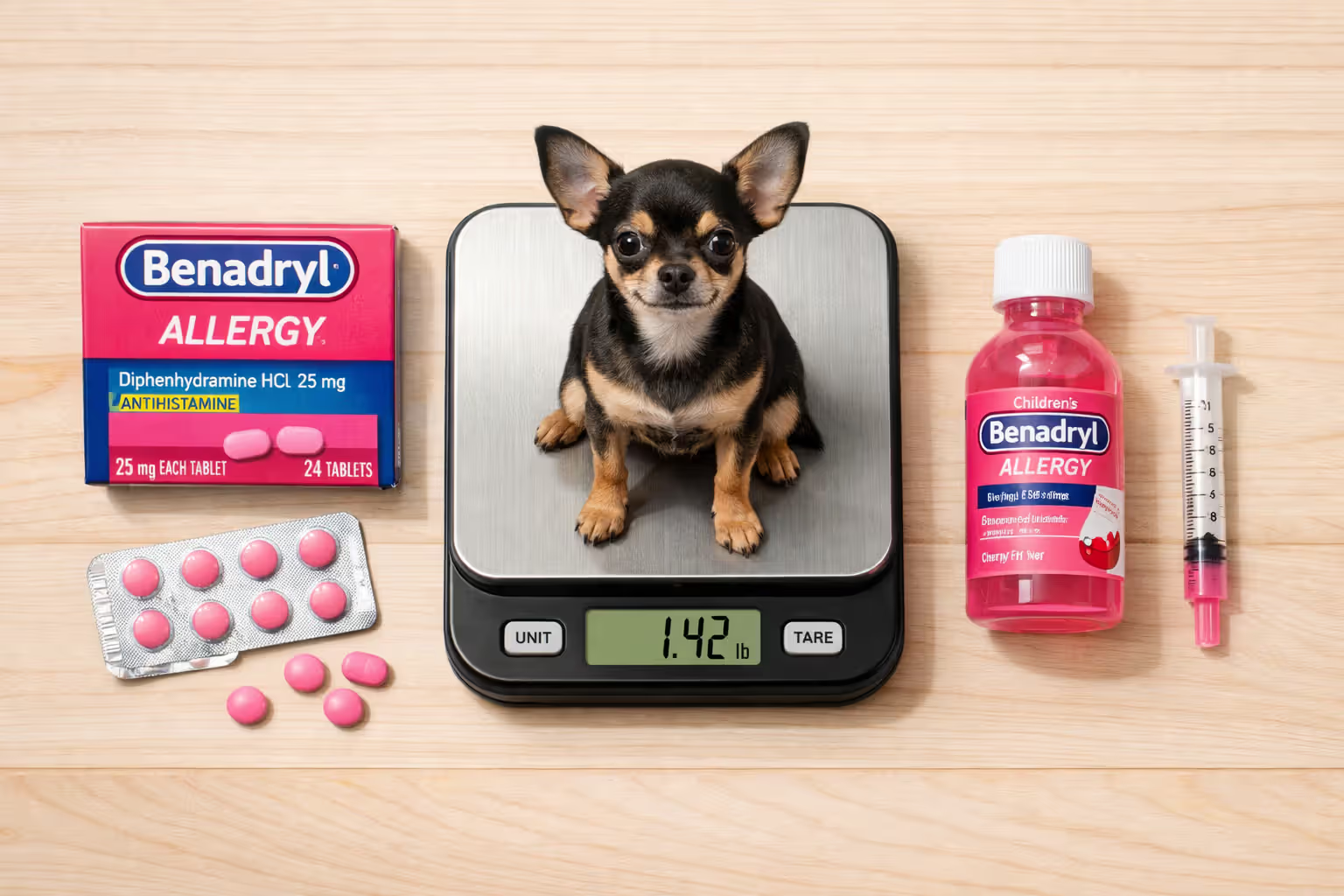
For a 50-pound dog, that's 50 mg per dose. A 25-pound dog gets 25 mg. This sounds straightforward until you're standing in the pharmacy aisle trying to figure out how much Benadryl you can give your dog using tablets that come in 25 mg or 50 mg sizes, or children's liquid that measures differently.
Benadryl Dosage Chart by Dog Weight
Dog Weight (lbs)
Standard Dose (mg)
25mg Tablets
Liquid Children's Benadryl (12.5mg/5mL)
10 lbs
10 mg
½ tablet
4 mL
20 lbs
20 mg
¾ tablet
8 mL
30 lbs
30 mg
1¼ tablets
12 mL
40 lbs
40 mg
1½ tablets
16 mL
50 lbs
50 mg
2 tablets
20 mL
60 lbs
60 mg
2½ tablets
24 mL
75 lbs
75 mg
3 tablets
30 mL
100+ lbs
100 mg
4 tablets
40 mL
Always weigh your dog rather than guessing. That "about 40 pounds" estimate could actually be 35 or 48 pounds, which changes the dose. Most veterinary clinics will let you bring your dog in for a free weight check if you don't have a home scale.
When it comes to drug dosing in dogs, body weight is only one piece of the puzzle — breed, age, and concurrent health conditions can all significantly alter how a medication behaves in an individual patient
— Dr. Dawn Merton Boothe
Dosing Frequency and Timing
The standard recommendation is every 8-12 hours, though some veterinarians prefer every 8 hours for active allergy symptoms. Never exceed three times daily without explicit veterinary instruction.
Benadryl takes 30 minutes to an hour to reach peak effect in dogs. If you're using it preventatively (before a known trigger like a car ride or thunderstorm), give it 45-60 minutes ahead of time. For acute reactions like bee stings, give it immediately—waiting won't help.
Don't continue daily dosing beyond a few days without veterinary guidance. Chronic allergies that require ongoing antihistamine treatment usually need veterinary workup to identify triggers and potentially stronger prescription medications.
Children's Benadryl vs. Adult Formulations
Children's Benadryl for dogs works fine—the active ingredient is identical to adult versions. The liquid formulation makes dosing small dogs more accurate than splitting tiny tablet fragments. The standard children's liquid contains 12.5 mg of diphenhydramine per 5 mL (one teaspoon).
The trade-off: children's liquid costs more per dose and contains flavoring agents. Most dogs tolerate the artificial flavors without issues, but a few develop stomach upset from the additives. Tablets are more economical for medium and large dogs who can swallow them whole or have them crushed into food.
Some pet owners prefer children's liquid for accuracy, especially for dogs under 25 pounds where you're splitting tablets into halves or quarters. A small dosing error matters more in a 12-pound dog than an 80-pound dog.
Step-by-Step: Giving Your Dog Benadryl Correctly
Proper administration matters as much as correct dosing. The right product given the wrong way can fail to work or cause problems.
Choosing the Right Benadryl Product
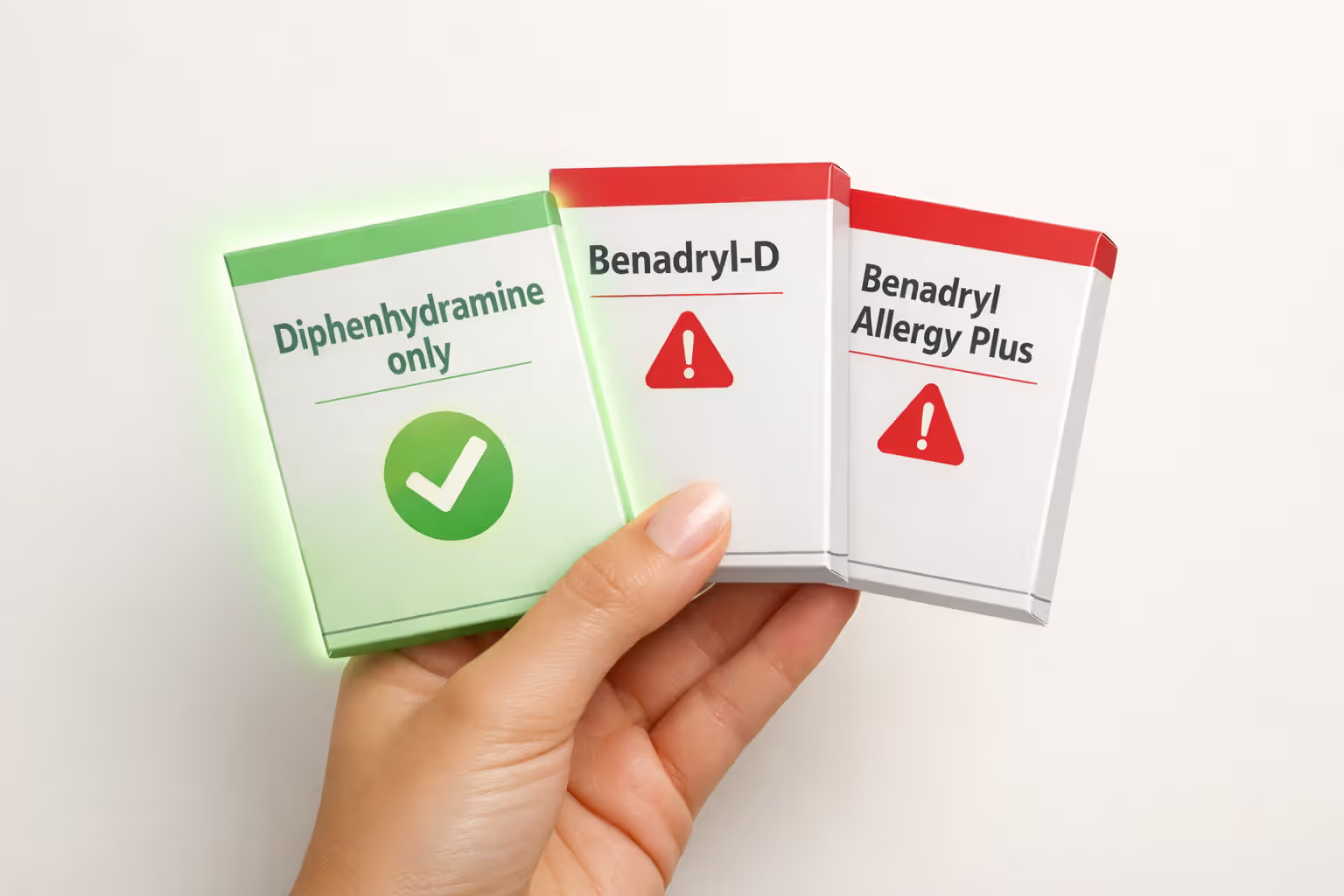
Look for products containing only diphenhydramine as the active ingredient. Generic versions work identically to brand-name Benadryl and cost less—check the label for "diphenhydramine HCl" and verify the mg per dose matches what you need.
Standard options include: - 25 mg tablets or capsules (adult strength) - 50 mg capsules (adult extra strength) - 12.5 mg/5mL liquid (children's formula)
Avoid combination products marketed for cold, sinus, or allergy-plus-decongestant relief. These contain additional medications dangerous for dogs.
Dangerous Ingredients to Avoid
This section could save your dog's life. Many Benadryl products contain ingredients besides diphenhydramine that are toxic to dogs:
Phenylephrine or pseudoephedrine (decongestants): Found in "Benadryl-D" and similar sinus formulas, these cause dangerous blood pressure spikes, heart arrhythmias, and seizures in dogs. Even small amounts require emergency treatment.
Acetaminophen: Some "Benadryl Allergy Plus" formulations combine diphenhydramine with acetaminophen (Tylenol). Acetaminophen is extremely toxic to dogs, causing liver failure and blood cell damage.
Xylitol: This artificial sweetener appears in some liquid medications and is rapidly fatal to dogs, causing severe hypoglycemia and liver failure.
Alcohol: Certain liquid formulations contain alcohol as a preservative. While small amounts might not cause acute toxicity, they provide no benefit and add unnecessary risk.
Read every label, every time. Manufacturers reformulate products, and the "safe" Benadryl you bought last year might have new ingredients this year. When in doubt, call your veterinarian or an animal poison control hotline before giving anything.
Author: Hannah Bloomfield;
Source: alwaysonsalepetsupplies.com
Is Benadryl safe for dogs? Yes, when you use pure diphenhydramine products at correct doses. No, when you grab the wrong bottle from the medicine cabinet.
Administration Methods
Most dogs take tablets or capsules hidden in a small amount of peanut butter, cream cheese, or a pill pocket treat. Crush tablets for dogs who won't swallow pills whole, then mix the powder into something tasty. Check that your dog actually swallows the medication—some clever dogs eat around pills or spit them out when you're not looking.
Liquid formulations work well for small dogs or those who refuse tablets. Use an oral syringe (available at any pharmacy) to measure precisely, then squirt the liquid into the back corner of your dog's mouth, between the cheek and teeth. Don't aim straight down the throat, which can cause choking or aspiration.
Give Benadryl with a small amount of food if your dog has a sensitive stomach, though food isn't required for absorption. Avoid giving it on a completely full stomach, which can delay absorption and reduce effectiveness.
Benadryl Side Effects and Warning Signs in Dogs
Every medication carries risks. Most dogs tolerate diphenhydramine well, but you need to recognize normal side effects versus dangerous reactions.
Common Mild Side Effects
Drowsiness is the most frequent side effect—expect your dog to seem sleepy or less energetic for several hours after each dose. Some dogs experience:
Dry mouth (you might notice more drinking or lip-licking)
Urinary retention (difficulty urinating or going less frequently)
These effects are generally mild and resolve as the medication wears off. If drowsiness is excessive—your dog won't wake up for meals or seems disoriented—the dose might be too high.
A small percentage of dogs show paradoxical excitement instead of sedation, becoming hyperactive or anxious. This is more common in certain breeds and isn't dangerous, but it means Benadryl isn't the right choice for that individual dog.
Serious Reactions Requiring Emergency Care
Benadryl side effects in dogs occasionally become dangerous. Seek immediate veterinary care if you observe:
Author: Hannah Bloomfield;
Source: alwaysonsalepetsupplies.com
Rapid or irregular heartbeat: Place your hand on your dog's chest—if the heart is racing or beating erratically, this signals a serious reaction.
Severe lethargy or collapse: A dog who won't respond to stimulation or can't stand needs immediate evaluation.
Seizures: Diphenhydramine overdose can cause seizures, especially in dogs with underlying conditions or those given excessive doses.
Severe vomiting or diarrhea: While mild GI upset is common, persistent vomiting or bloody diarrhea indicates a problem.
These reactions are rare at proper doses but become more likely with overdoses or in dogs with certain health conditions. Keep your veterinarian's emergency number and the nearest 24-hour emergency clinic information easily accessible.
Which Dogs Should Never Take Benadryl
Some dogs should avoid diphenhydramine entirely. Discuss alternatives with your veterinarian if your dog has:
Glaucoma: Antihistamines increase intraocular pressure, worsening this eye condition.
Severe heart disease: Diphenhydramine affects heart rhythm and blood pressure.
Bladder neck obstruction or prostate disease: The medication can worsen urinary retention.
Hyperthyroidism: Antihistamines may exacerbate symptoms.
Seizure disorders: While not absolutely contraindicated, diphenhydramine can lower seizure threshold in predisposed dogs.
Pregnancy: Safety during pregnancy hasn't been thoroughly studied in dogs; avoid unless your vet specifically recommends it.
Puppies under six months should only receive Benadryl under veterinary supervision—their developing systems metabolize medications differently than adult dogs.
Dogs currently taking other medications need special consideration. Diphenhydramine can interact with sedatives, certain heart medications, and other antihistamines. Always inform your veterinarian about any supplements or medications your dog receives, including over-the-counter products.
Benadryl Alternatives for Dog Allergies and Itching
Diphenhydramine isn't the only option, and it's not always the best option. Many dogs need different approaches for effective relief.
Other Antihistamines Vets Prescribe
Second-generation antihistamines often work better than Benadryl for chronic allergies because they cause less sedation and last longer. Your veterinarian might recommend:
Cetirizine (Zyrtec): Dosed at 0.5 mg per pound once or twice daily, this antihistamine provides 24-hour relief with minimal drowsiness. Many veterinary dermatologists prefer it over diphenhydramine for long-term allergy management.
Loratadine (Claritin): Another non-sedating option, though it seems less effective than cetirizine for most dogs. Typical dose is 0.25 mg per pound once daily.
Hydroxyzine: A prescription antihistamine with stronger anti-itch effects than Benadryl. Veterinarians prescribe this for dogs who don't respond adequately to over-the-counter options.
Cyproheptadine: Particularly useful for dogs with mast cell tumors, as it blocks both histamine and serotonin.
For dogs with moderate to severe allergies, veterinarians increasingly prescribe Apoquel (oclacitinib) or Cytopoint (lokivetmab). These newer medications target different pathways in the allergic response and work dramatically better than any antihistamine for many dogs. They're more expensive but often worth the cost for dogs who don't respond to antihistamines or need year-round treatment.
Natural and Non-Medication Options
Author: Hannah Bloomfield;
Source: alwaysonsalepetsupplies.com
Some dogs respond well to non-pharmaceutical approaches:
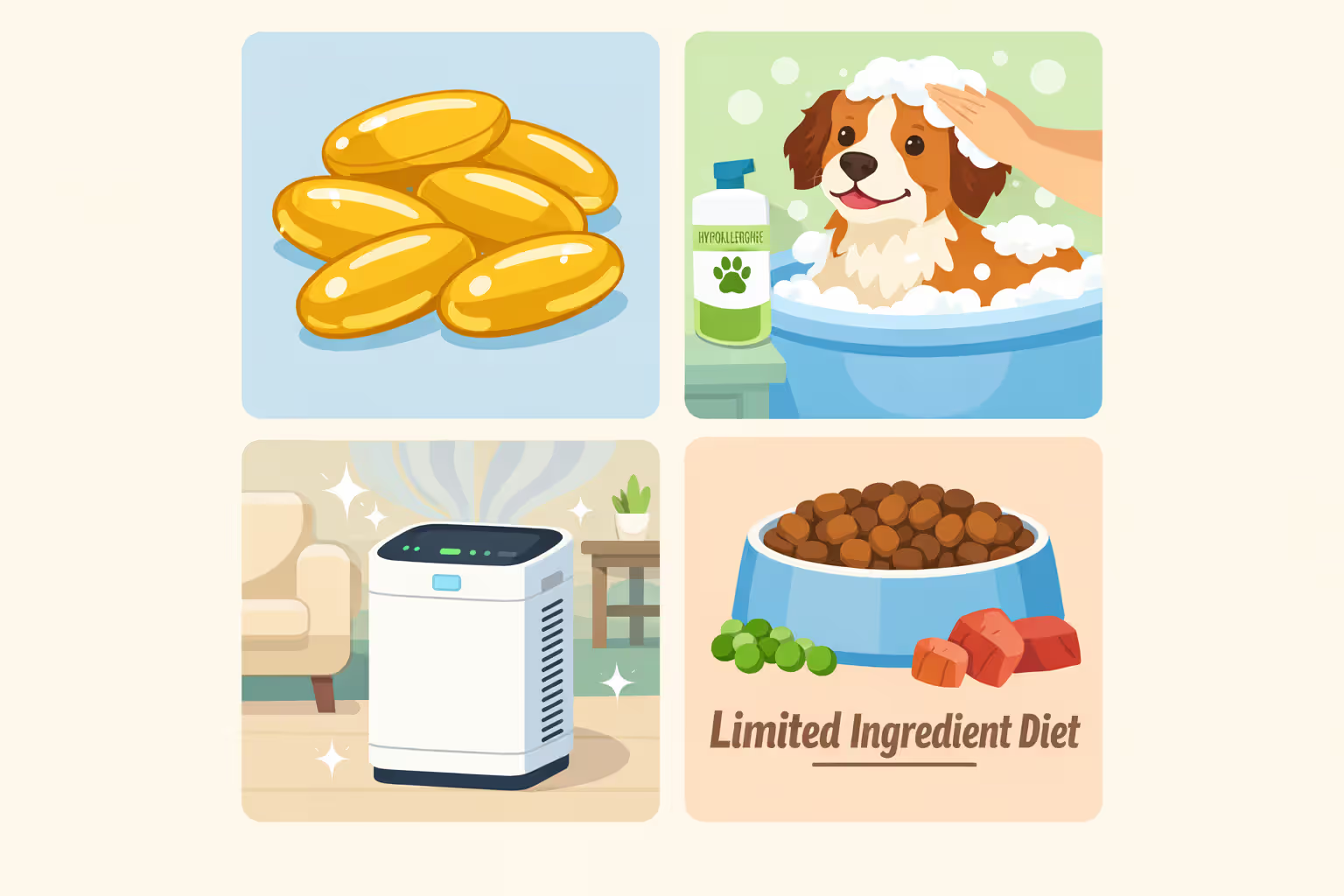
Omega-3 fatty acid supplements: High-quality fish oil reduces skin inflammation over time (usually 6-8 weeks). This works best as part of a comprehensive plan rather than as sole treatment.
Frequent bathing: Rinsing allergens off your dog's coat with hypoallergenic shampoo every 3-4 days reduces total allergen exposure. This simple intervention helps many dogs with environmental allergies.
Environmental management: HEPA air filters, washing bedding weekly in hot water, and wiping your dog's paws after outdoor time all reduce allergen contact.
Diet changes: For dogs with food sensitivities, switching to a limited-ingredient or hydrolyzed protein diet eliminates the trigger entirely—far more effective than managing symptoms with medication.
Immunotherapy: Allergy testing followed by custom allergy shots or sublingual drops can reduce or eliminate allergic responses over time. This approach requires months to show results but offers the only potential cure rather than symptom management.
These alternatives work best in combination. A dog with pollen allergies might do well with daily omega-3 supplements, twice-weekly baths during allergy season, and Benadryl on high pollen days—a multi-modal approach that minimizes medication while maximizing comfort.
The goal of allergy management in dogs should never be to simply suppress symptoms indefinitely — it should be to identify the trigger, reduce exposure, and choose the most targeted therapy available
— Dr. Thierry Olivry
Frequently Asked Questions About Benadryl for Dogs
Can I give my dog Benadryl every day for allergies?
Short-term daily use (a few days to two weeks) is generally safe under veterinary guidance, but chronic daily dosing requires veterinary supervision. Long-term antihistamine use can lead to tolerance—the medication becomes less effective over time. If your dog needs daily medication for more than two weeks, schedule a veterinary appointment to discuss better long-term solutions like prescription allergy medications, immunotherapy, or identifying and eliminating allergen triggers. Daily Benadryl might mask symptoms of conditions that need different treatment, delaying proper diagnosis.
How long does it take for Benadryl to work in dogs?
You should see initial effects within 30-60 minutes, with peak effectiveness at 1-2 hours after administration. For acute allergic reactions like bee stings or hives, noticeable improvement typically occurs within the first hour. If you see absolutely no improvement after 2-3 hours at the correct dose, either histamine isn't driving your dog's symptoms (meaning antihistamines won't help) or the condition is too severe for over-the-counter treatment. The medication's effects last approximately 8-12 hours in most dogs, which is why dosing two to three times daily is standard.
What happens if I give my dog too much Benadryl?
Diphenhydramine overdose causes dangerous symptoms including rapid heart rate, severe sedation or agitation, seizures, difficulty breathing, extremely dry mouth, urinary retention, and in severe cases, coma or death. If you've given more than the recommended dose, contact your veterinarian or an animal poison control hotline immediately—don't wait for symptoms to appear. Treatment might include inducing vomiting (if recent), activated charcoal, intravenous fluids, and supportive care. The severity depends on how much excess medication was given and your dog's size and health status. Time matters with overdoses, so act quickly rather than adopting a wait-and-see approach.
Can puppies take Benadryl?
Puppies over six months can typically take Benadryl at standard doses, but younger puppies should only receive it under direct veterinary supervision. Very young puppies metabolize medications differently than adult dogs, and their developing systems are more vulnerable to side effects. Additionally, symptoms that might seem like allergies in puppies could actually indicate parasites, infections, or other conditions common in young dogs that require different treatment. If your puppy is itching, sneezing, or showing signs of allergic reaction, a veterinary exam is more appropriate than home treatment with antihistamines.
Is generic diphenhydramine the same as brand-name Benadryl for dogs?
Yes, generic diphenhydramine works identically to brand-name Benadryl—the active ingredient is chemically identical. Generic versions typically cost significantly less while providing the same effectiveness. When choosing a generic product, verify that diphenhydramine is the only active ingredient and check the mg per tablet or per mL to ensure accurate dosing. Store brands from reputable pharmacies meet the same manufacturing standards as name brands. The main difference is price and sometimes inactive ingredients like fillers or coatings, which rarely affect how the medication works in dogs.
Should I give Benadryl with or without food?
Either approach works, though giving it with a small amount of food can reduce the risk of stomach upset in dogs with sensitive digestive systems. Food doesn't significantly interfere with diphenhydramine absorption, though a very large meal might slightly delay how quickly it takes effect. If your dog has an empty stomach and you're concerned about nausea, offer a few bites of food with the medication. For maximum speed of action (like treating an acute allergic reaction), giving it without food allows slightly faster absorption. Most dogs tolerate Benadryl well regardless of timing with meals.
Making Smart Decisions About Your Dog's Allergy Treatment
Benadryl offers safe, effective relief for many dogs dealing with allergies, itching, and mild allergic reactions when used correctly. The key is matching the medication to the problem—recognizing when antihistamines will help versus when your dog needs a different approach entirely.
Calculate doses carefully based on your dog's actual weight, choose products containing only diphenhydramine, and watch for both effectiveness and side effects. If symptoms don't improve within 48 hours, or if your dog needs medication more than occasionally, that's your signal to schedule a veterinary appointment rather than continuing to treat at home.
Remember that Benadryl manages symptoms rather than curing underlying conditions. A dog who needs antihistamines regularly has an allergy or skin problem that deserves proper investigation. Finding and addressing the root cause—whether that's a food sensitivity, environmental allergen, or skin infection—provides better long-term outcomes than indefinite symptom management.
Keep your veterinarian's contact information easily accessible, especially when trying any medication for the first time. Most dogs tolerate diphenhydramine without issues, but having professional guidance available provides peace of mind and ensures your dog gets appropriate care if problems arise. Your dog's comfort and safety are worth the extra diligence of doing things right.
Discover the key signs that your dog may be suffering, explore veterinarian-approved quality of life assessment tools, and get a clear, step-by-step breakdown of the euthanasia process — so you can make this heartbreaking decision with clarity, compassion, and confidence
Complete guide to puppy vaccination schedule: everything you need to know about core and non-core vaccines, exact shot timeline from 6 weeks to 16 months, detailed breakdown of costs at traditional and budget clinics, what reactions are normal after each appointment, and how to keep your puppy protected through every critical stage of early development.
Discover which dog breeds consistently live the longest, why small breeds almost always outlive their larger counterparts, and what science says about the size-lifespan connection. Learn how to maximize your dog’s years through smart nutrition, weight control, and preventive veterinary care
Every dog breed ages differently. Small dogs outlive giants, mixed breeds beat purebreds, and your daily choices matter more than genetics. Here’s what science reveals about canine lifespan — and how to add years to your dog’s life
The content on this website is provided for general informational and educational purposes only. It is intended to offer guidance on dog breeds, behavior, health, care, and lifestyle, and should not be considered a substitute for professional veterinary advice, diagnosis, or treatment.
All information published on this site is based on general knowledge, widely accepted research, and practical experience, but individual dogs may differ in behavior, health conditions, and needs. Results and outcomes may vary depending on the dog, environment, and circumstances.
The website is not responsible for any errors or omissions, or for actions taken based on the information provided. For specific concerns regarding your dog’s health or behavior, always consult a qualified veterinarian or professional dog specialist.