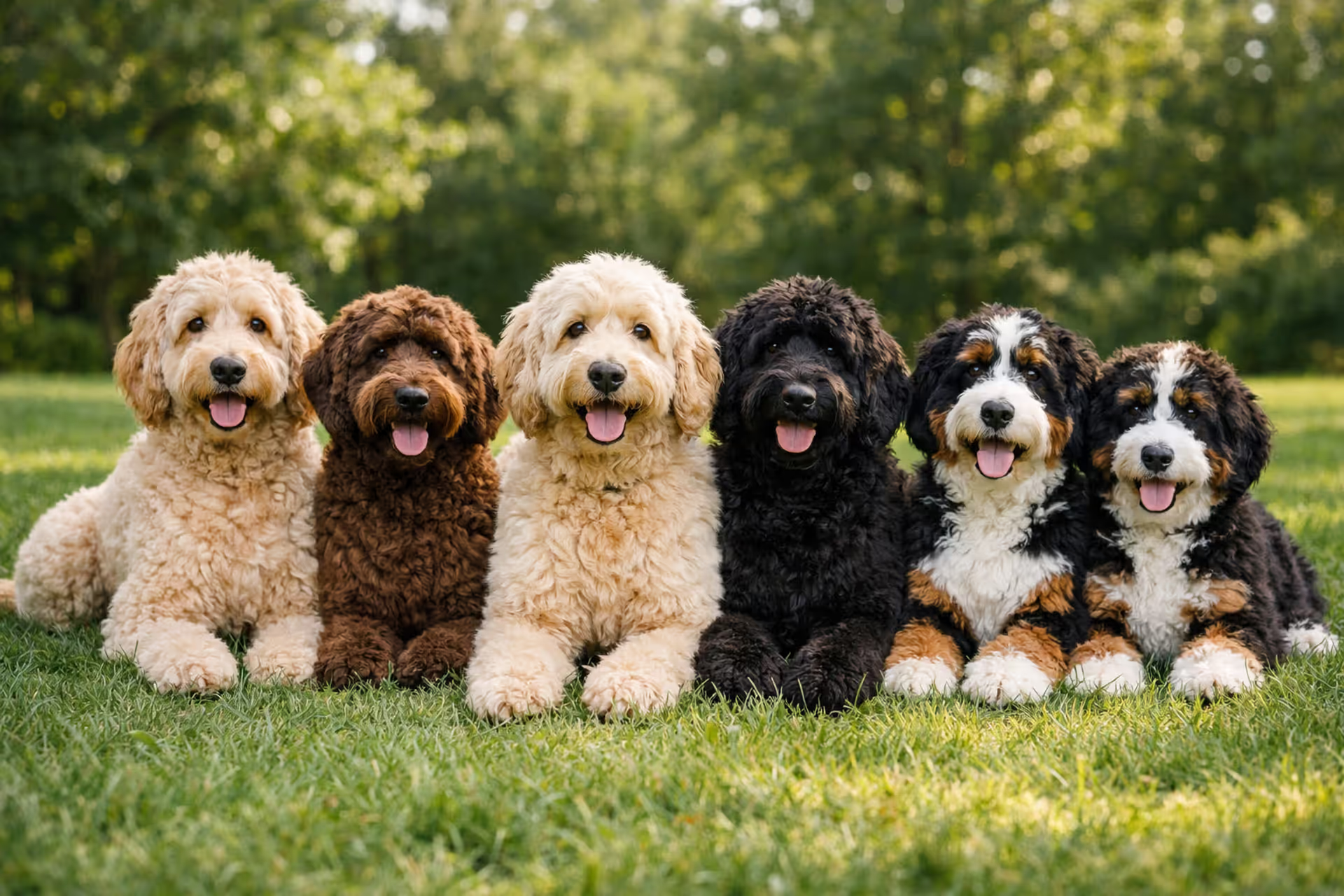
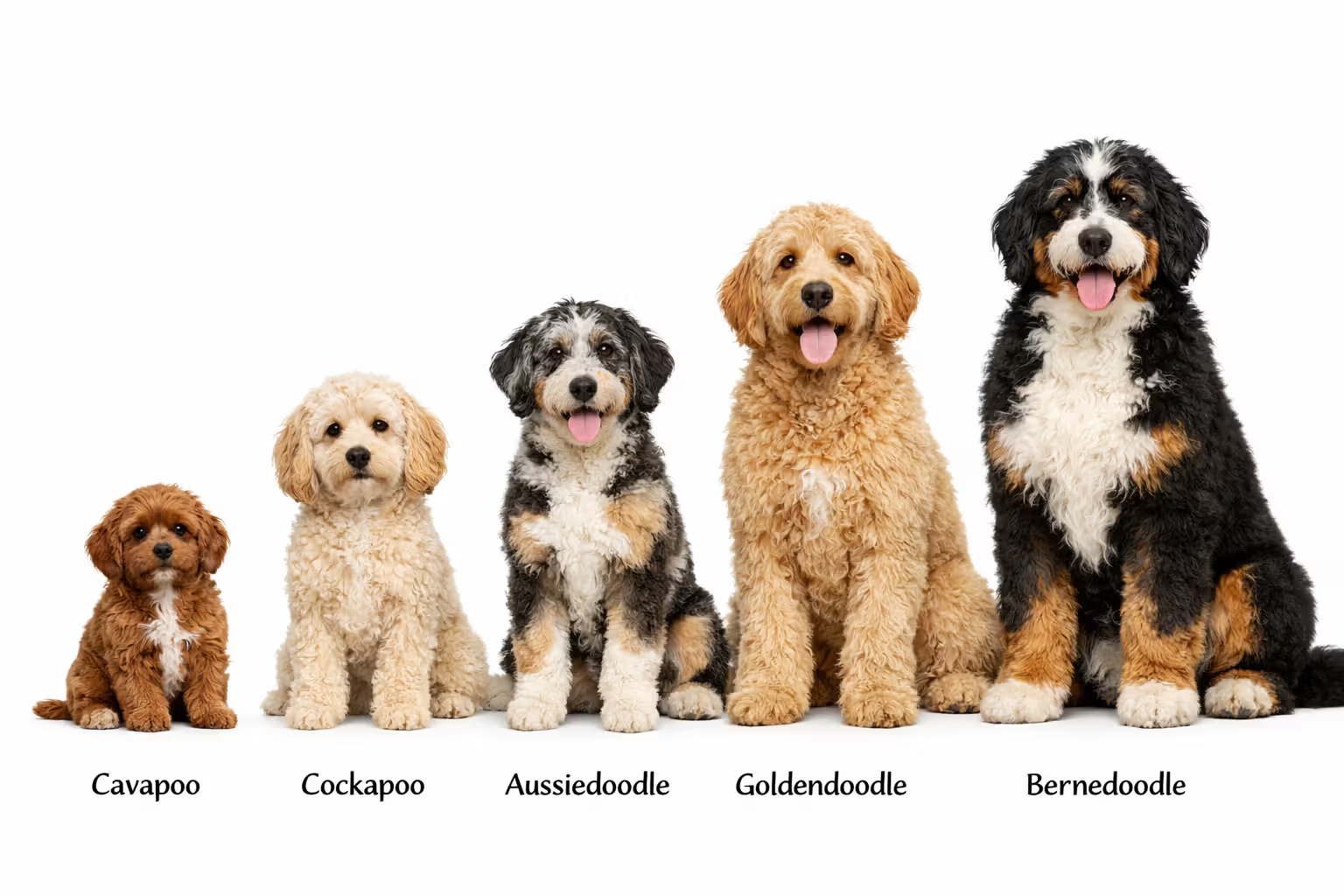
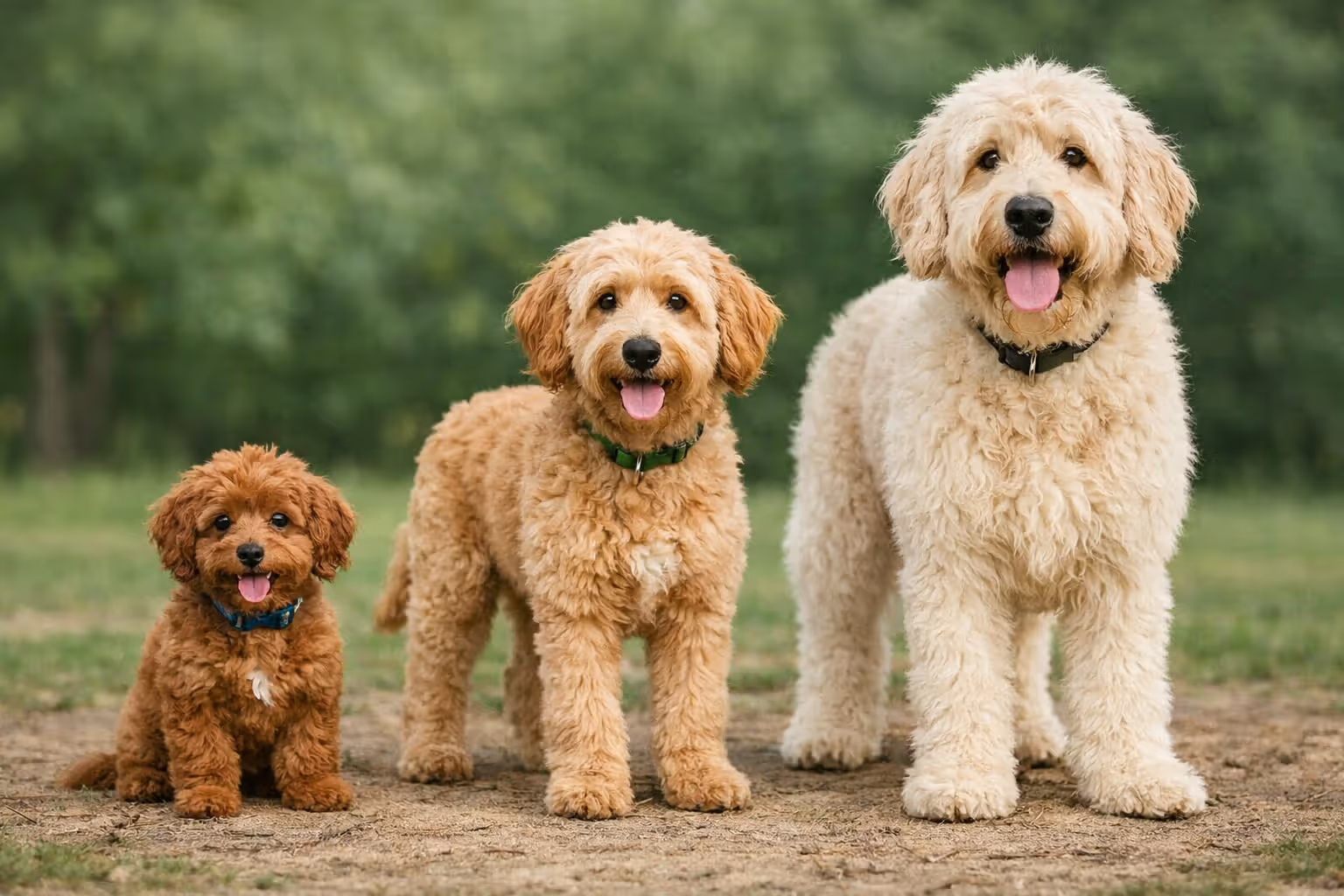
When people talk about doodles, they're describing intentional crossbreeds pairing Poodles with other purebred dogs. You'll find Poodles in three sizes—Standard, Miniature, and Toy—which explains why a Bernedoodle might tip the scales at 80 pounds while a Cavapoo barely reaches 12.
Here's how it all started: Back in 1989, Wally Conron worked as the breeding manager for Australia's Royal Guide Dog Association. He faced an unusual challenge—a visually impaired woman in Hawaii needed a guide dog, but her husband's allergies made that nearly impossible. Conron decided to try something new. He bred a Labrador Retriever (already proven as a guide dog) with a Standard Poodle (known for its low-shedding coat). The resulting Labradoodle puppies combined trainability with allergy-friendly qualities.
Conron probably didn't expect what happened next. Within a decade, breeders everywhere started mixing Poodles with Golden Retrievers, Bernese Mountain Dogs, Australian Shepherds, Cocker Spaniels, and practically any breed you can name. Why? Poodles bring serious smarts to the table—they rank among the brightest dog breeds. They're also easy to train and their unique coat structure typically sheds less hair around your home. Meanwhile, the other parent contributes its own qualities: a Golden Retriever's friendly disposition, a Bernese Mountain Dog's gorgeous coloring, or an Australian Shepherd's work ethic.
Fast forward to 2003, and doodles had become America's "it" dogs. Celebrity Instagram accounts featured Goldendoodles, and reputable breeders had waitlists extending 18 months. The American Kennel Club still doesn't recognize most doodle varieties as standardized breeds because they're deliberate hybrids rather than consistent, multi-generational purebreds. But that hasn't slowed their popularity one bit.
Author: Matthew Ridgeway;
Source: alwaysonsalepetsupplies.com
One more thing about Poodles: they're not just about the coat. Originally developed as water retrievers in Germany (France gets credit unfairly), these dogs love swimming and need substantial exercise. Mix that athletic background with another working or sporting breed, and you've got a dog that needs more than a quick bathroom break in the backyard.
The Most Popular Doodle Breeds in America
Goldendoodle: The Family Favorite
Take a Golden Retriever's affectionate personality, add Poodle brains, and you've got a Goldendoodle. Breeders started creating these crosses during the mid-1990s, capitalizing on the Golden Retriever's status as one of America's most treasured family companions. The idea of getting that same loving temperament in a package that leaves less fur on your couch? People lined up.
Weight varies wildly depending on Poodle size. Toy Poodle crosses produce 15-pound dogs, while Standard Poodle mixes typically hit 50-75 pounds. Most have wavy or curly coats in shades of cream, gold, apricot, red, chocolate, black, or parti-color combinations.
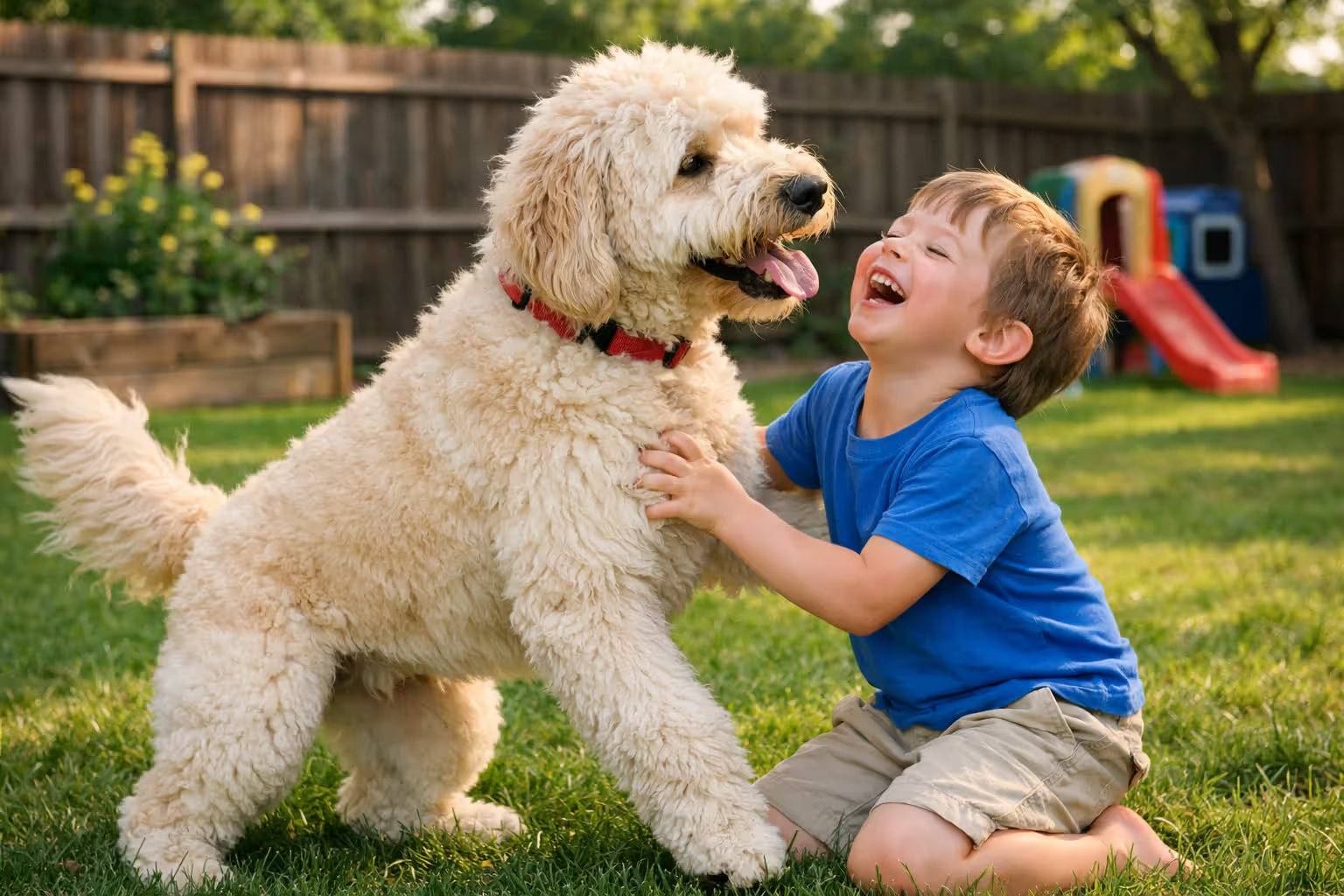
What really sets Goldendoodles apart is their desire to make you happy. Training usually goes smoothly because they genuinely want your approval. But there's a flip side—separation becomes difficult for these dogs. Leave them home alone for ten hours, and you might return to chewed furniture and anxious behavior. Young kids mesh well with Goldendoodles, though you'll need to teach a bouncy puppy not to accidentally knock over toddlers during enthusiastic greetings.
Author: Matthew Ridgeway;
Source: alwaysonsalepetsupplies.com
Labradoodle: The Original Hypoallergenic Dream
As the first deliberately created doodle, Labradoodles established the template. Labrador Retrievers contribute higher energy than Golden Retrievers, plus powerful retrieving instincts and an obsession with water. These dogs show slightly more independence than Goldendoodles, though they're still deeply social.
Size ranges match Goldendoodles since both use the same three Poodle sizes. Standard Labradoodles usually weigh 50-65 pounds; miniature versions stay under 30. You'll encounter three coat textures: hair (straight, sheds more), fleece (wavy and soft), or wool (tight curls, minimal shedding).
Service dog organizations and therapy programs frequently choose Labradoodles. Their Labrador background means food motivates them powerfully, simplifying training but requiring careful portion control. Exercise isn't optional—a stroll around the block won't cut it for a two-year-old Standard Labradoodle. Budget 60-90 minutes daily for activities like swimming, fetch sessions, or running while you bike.
Bernedoodle, Aussiedoodle, and Other Rising Stars
Author: Matthew Ridgeway;
Source: alwaysonsalepetsupplies.com
Bernedoodles combine Bernese Mountain Dogs with Poodles, creating those stunning tri-color coats (black, white, rust) in a calmer package than most doodles. Standards can hit 70-90 pounds. They inherit the Bernese breed's gentle soul, but also a concerning tendency toward shorter lifespans (10-12 years) due to Bernese Mountain Dog health vulnerabilities.
Aussiedoodles pair Australian Shepherds with Poodles, producing arguably the highest-energy doodle option. These dogs need actual jobs—agility courses, herding exercises, or complex obedience challenges. Apartment living rarely works unless you're training for marathons. They weigh anywhere from 25-70 pounds and often display merle patterns (beautiful mottled coloring that carries potential genetic risks when two merle parents breed).
Cavapoos (Cavalier King Charles Spaniel crossed with Poodle) stay petite at 10-20 pounds, perfect for apartment dwellers. They're less demanding than larger doodles but still playful. Watch for heart problems inherited from Cavaliers—cardiac screening matters with this mix.
Sheepadoodles (Old English Sheepdog plus Poodle) bring protective instincts and striking black-and-white looks. Expect 60-80 pounds and moderate energy. Once past the puppy craziness, they're fairly mellow.
Cockapoos (Cocker Spaniel plus Poodle) actually predate most doodles, going back to the 1960s. They stay manageable at 15-30 pounds and adjust to different living situations. Cocker Spaniels pass along ear infection susceptibility, making regular ear cleaning essential.
Goldendoodle vs Labradoodle: Which Should You Choose?
These two dominate the doodle world, leaving many would-be owners stuck between them. The distinctions are subtle but matter depending on your situation.
Acquiring a dog may be the only opportunity a human ever has to choose a relative
— Mordecai Siegal
Temperament and Personality: Goldendoodles earn the "velcro dog" label—they want physical contact constantly. Labradoodles demonstrate a bit more independence and might tolerate alone time marginally better, though neither handles isolation well. Work from home and want a dog permanently glued to your lap? Goldendoodle. Need a dog that can entertain itself briefly? Labradoodle edges ahead.
Energy Levels: Labradoodles demand more exercise. That Labrador heritage brings serious retrieving obsession and endurance. Skip exercise with a Labradoodle and you're asking for destroyed shoes and shredded couch cushions. Goldendoodles need daily activity but generally relax indoors once exercised. Figure 45-60 minutes daily for a Goldendoodle, 60-90 minutes for a Labradoodle.
Trainability: Both learn quickly, but they respond differently. Labradoodles are treat-obsessed, making food rewards incredibly effective. Goldendoodles care more about your praise and affection, though treats definitely work too. Labradoodles might push boundaries more during adolescence (months 8-18), while Goldendoodles typically maintain their people-pleasing attitude throughout development.
Size Options: Both offer miniature, medium, and standard sizes with comparable weight ranges. The distinction is build: Labradoodles often carry a leaner, athletic frame, while Goldendoodles look bulkier with that "teddy bear" appearance people love.
Grooming Needs: Practically identical. Both need professional grooming every 6-8 weeks plus daily brushing during coat changes. Labradoodles have slightly better odds of inheriting straighter, easier-maintenance coats, but this varies wildly by individual dog and generation.
Cost Considerations: Goldendoodles typically run higher, ranging $2,000-$4,000 from reputable breeders versus $1,500-$3,500 for Labradoodles. The price gap reflects demand, not actual breeding expenses. Health testing, food, and vet care cost identical amounts for both.
Decision Framework: Pick a Labradoodle if you're outdoorsy, love hiking and running, want a jogging partner, or value some independence. Pick a Goldendoodle if you prioritize maximum affection, have small children, are new to dogs, or work remotely and want constant companionship.
Mini, Medium, or Standard: Doodle Dog Sizes Explained
Author: Matthew Ridgeway;
Source: alwaysonsalepetsupplies.com
The Poodle parent's size determines your doodle's adult weight more than anything else. Understanding categories helps match a dog to your space and lifestyle.
Toy/Teacup Doodles (Under 15 pounds): Toy Poodles create these tiny versions, most common in Cavapoos, Cockapoos, and Yorkipoos. They adapt beautifully to apartments and need less exercise—30 minutes daily often works. But tiny dogs bring challenges: they're fragile around young children, more vulnerable to dental problems, and can develop "small dog syndrome" (excessive barking, snapping) without proper training. Toy doodles also need more frequent meals to avoid dangerous blood sugar drops.
Miniature Doodles (15-30 pounds): This popular middle ground uses Miniature Poodles. Mini Goldendoodles, Mini Labradoodles, and Mini Bernedoodles fill this category. They're robust enough for family life but compact enough for apartments. Exercise requirements hit the moderate zone—45-60 minutes daily. They're easier to transport, cheaper to board, and eat less than standards. Grooming sometimes costs less due to smaller coat area.
Medium Doodles (30-50 pounds): This uncommon size results from breeding Miniature Poodles with large breeds or using Moyen (medium) Poodles, a size Europe recognizes but the American Kennel Club doesn't. Medium doodles offer flexibility—compact enough for modest homes but substantial enough for hiking adventures.
Standard Doodles (50-90+ pounds): Standard Poodles produce these bigger dogs. They need space—maybe not a massive yard, but room to move indoors without becoming a hazard to your coffee table. Standards require 60-90 minutes of exercise daily. They're better matched to experienced owners who understand large-dog dynamics. Food bills run $60-100 monthly, with grooming appointments costing $80-150 depending on your area.
Space Requirements Reality Check: Size matters less than you'd expect for indoor space. A properly exercised Standard Goldendoodle will lounge peacefully in an apartment, while an under-exercised Mini Aussiedoodle will ricochet off walls in a house. Meeting exercise needs is key. That said, standards need space to sprawl—a 70-pound dog on your couch doesn't leave much room for you.
Exercise Needs by Size: Don't assume smaller equals less active. Mini Aussiedoodles and Mini Schnauzer-Poodle crosses can be more hyper than Standard Bernedoodles. Research the non-Poodle parent breed's energy level—that influences the mix substantially.
The Truth About Hypoallergenic Claims and Shedding
Author: Matthew Ridgeway;
Source: alwaysonsalepetsupplies.com
"Hypoallergenic" is marketing speak, not medical fact. Every dog produces allergens. Allergic reactions stem from proteins in saliva, dander (flaking skin), and urine—fur itself isn't the culprit. Doodles often trigger fewer symptoms than heavy-shedding breeds because they drop less fur carrying dander throughout your home.
Understanding Generations: This gets technical but matters tremendously.
F1 (First Generation): One purebred Poodle parent, one purebred other breed. This creates a 50/50 genetic split. F1 doodles show maximum variation—some barely shed, others shed moderately. They typically enjoy the best "hybrid vigor" (health benefits from genetic diversity) but the least predictable coats.
F1B (First Generation Backcross): An F1 doodle bred back to a purebred Poodle, creating 75% Poodle genetics, 25% other breed. F1B doodles shed minimally and cause fewer allergy symptoms. Their coats are curlier, demanding more intensive grooming to prevent matting. If allergies seriously concern you, F1B is your safest choice.
F2 (Second Generation): Two F1 doodles bred together. This generation shows wild unpredictability—littermates can look completely different. Some breeders skip F2 breeding because results are harder to forecast.
Multigenerational: F3 and beyond, where doodles breed to other doodles across several generations. Some breeders pursue consistent standards, but most doodles haven't achieved the predictability of established breeds.
Coat Types Matter: Doodles develop three primary coat textures. Straight or "hair" coats shed more and release more allergens. Wavy or "fleece" coats are most common, offering middle-ground shedding. Curly or "wool" coats shed least but mat rapidly without daily brushing.
Realistic Expectations: Visit breeders and spend time with adult dogs, not just puppies. Coats transform drastically between months 6-12 of age. For allergy sufferers, request multiple visits to interact with adult-coated dogs. Some allergists suggest keeping a piece of the dog's bedding in your home for a week to monitor symptom development.
The Shedding Reality: Even low-shedding doodles lose some hair. You'll discover occasional fur on clothes and furniture. The difference is volume—Golden Retrievers leave daily tumbleweeds of fur, while F1B Goldendoodles might leave a few stray hairs. Regular grooming minimizes shedding by removing loose hair before it falls out naturally.
Temperament Traits: What to Expect from Your Doodle's Personality
Doodles share certain behavioral patterns regardless of specific mix, largely inherited from their Poodle side.
Dogs do speak, but only to those who know how to listen
— Orhan Pamuk
High Intelligence: Poodles rank second in Stanley Coren's canine intelligence rankings. This intelligence cuts both ways. Your doodle will master commands quickly—but they'll also figure out how to open doors, unlatch gates, and locate your treat hiding spot. Boredom breeds destruction. These dogs need puzzle toys, training exercises, and mental challenges beyond simple walks.
Social Needs: Most doodles are extroverted and people-obsessed. They want active participation in family life, not observation from the sidelines. Extended periods of solitude—say, 8-10 hours daily—frequently result in separation distress, showing up as destructive chewing, excessive vocalization, or house-training setbacks. If your job keeps you away all day, consider doggy daycare, midday dog walkers, or frankly, a different breed.
Gentle but Energetic: Doodles usually display patience with children and other pets, though their enthusiasm can overwhelm small kids. A young Goldendoodle doesn't understand that their excited greeting might bowl over a three-year-old. Supervision and training are non-negotiable during the first two years.
Anxiety Tendencies: High intelligence combined with strong owner attachment creates anxiety vulnerability. Doodles may develop noise phobias (thunderstorms, fireworks), separation distress, or general nervousness without proper socialization. Early exposure to diverse environments, people, and situations (between weeks 8-16) builds confidence.
Breed-Specific Variations: The non-Poodle parent adds substantial temperament elements. Bernedoodles inherit Bernese Mountain Dogs' calm, gentle demeanor—they're often called "chill" compared to other doodles. Aussiedoodles get Australian Shepherds' herding instincts and might nip heels or attempt herding children. Labradoodles carry powerful retrieving drive and may constantly deliver toys to you. Research both parent breeds to anticipate emerging behaviors.
Adolescent Challenges: Between months 8-18, doodles experience an adolescent phase where training appears to evaporate. A puppy that reliably recalled suddenly develops selective deafness. This represents normal brain development, not rebellion. Consistency during this period prevents lasting behavioral problems.
Barking Levels: Most doodles aren't excessive barkers compared to terriers or traditional guard breeds, but they're not silent. They'll alert you to doorbell rings and unusual sounds. Cavapoos and Cockapoos might bark more due to small-breed parent tendencies.
Grooming Requirements and Maintenance Costs You Should Know
Author: Matthew Ridgeway;
Source: alwaysonsalepetsupplies.com
Grooming represents one of your largest ongoing doodle expenses, and new owners routinely underestimate the commitment.
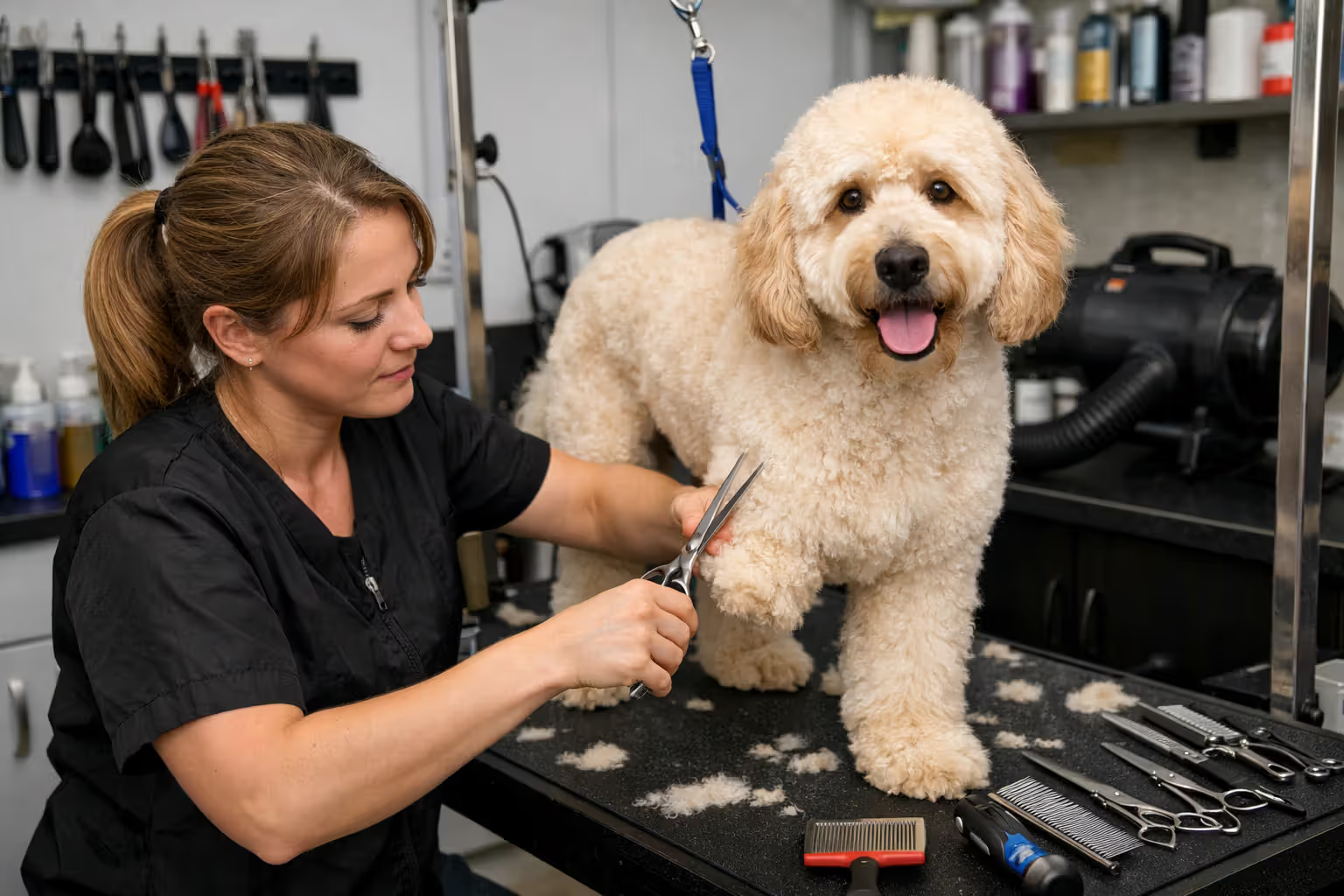
Professional Grooming Frequency: Schedule appointments every 6-8 weeks minimum. Costs swing wildly by location and dog size—expect $50-100 for small doodles, $80-150 for standards. That's $650-1,800 yearly just for professional grooming. Skipping appointments creates severe matting, which causes pain and may necessitate shaving the entire coat.
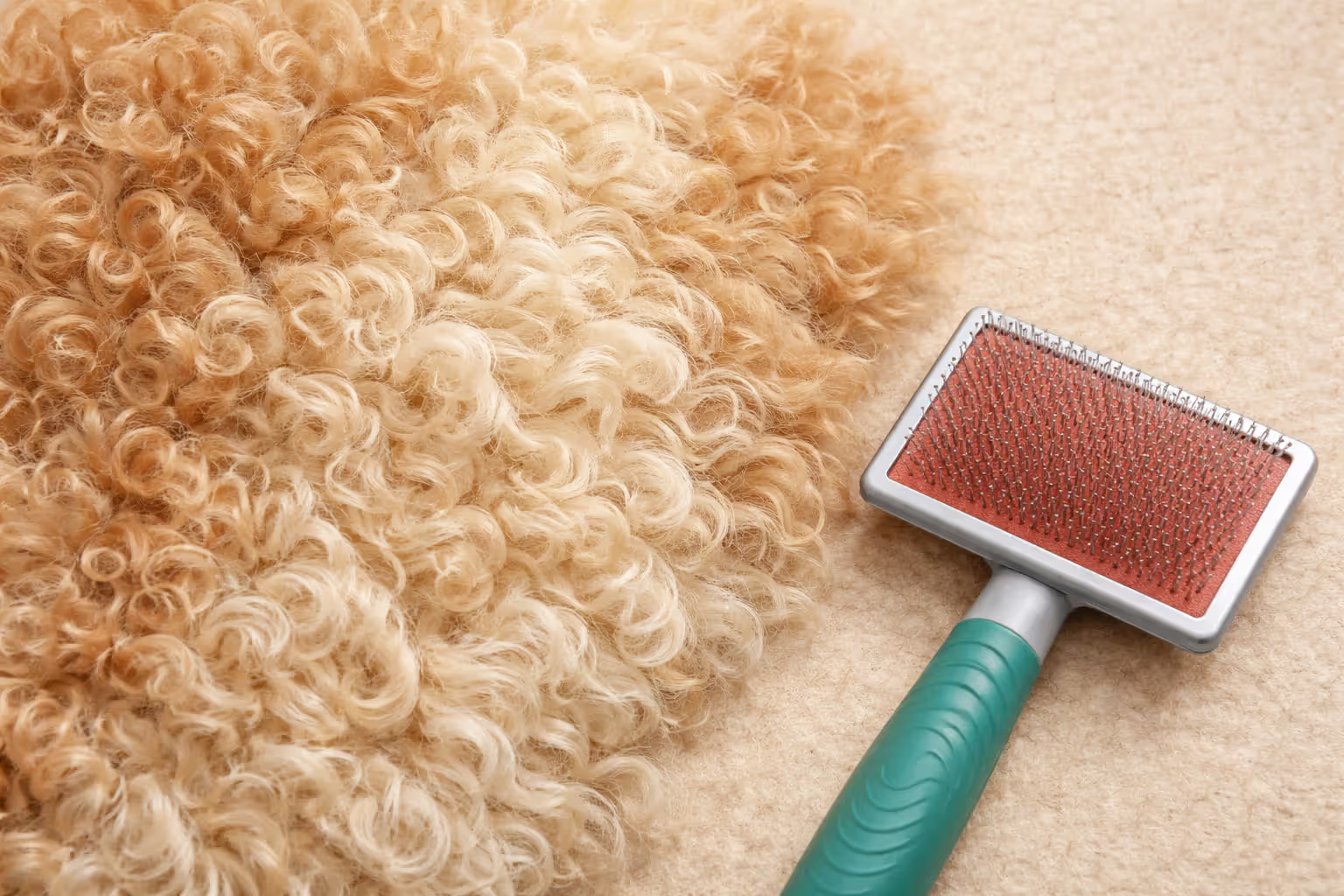
Daily Brushing Requirements: This isn't optional. Doodle coats mat easily, especially behind ears, under legs, and around collar areas. Mats pull skin, causing pain and fostering skin infections. Use a slicker brush and metal comb, investing 10-15 minutes daily. During coat transitions (puppy to adult coat around months 8-12), you might need twice-daily brushing.
Coat Matting Reality: Matting occurs faster than you'd imagine. One week without brushing can create mats requiring hours to remove. Groomers might refuse severely matted dogs or add "dematting fees" of $20-50. In severe cases, shaving becomes the only humane option.
DIY Grooming Considerations: Some owners learn home grooming, saving considerable money. Initial equipment costs run $200-400 (clippers, scissors, grooming table, dryer). You'll need patience and practice—early attempts typically look amateur. Many owners split the difference: professional grooming every 3-4 months with DIY maintenance trims between.
Bathing Frequency: Every 4-6 weeks works typically, more often if your dog swims or rolls in dirt regularly. Use dog-formulated shampoo; human products can dry skin. Thorough drying is critical—damp undercoat creates perfect hot spot conditions (painful skin infections).
Ear Cleaning: Doodles inherit Poodles' floppy ears and hair growing inside ear canals. This combination traps moisture, creating infection-friendly environments. Check ears weekly and clean using veterinarian-approved solution. Many groomers pluck ear hair, though some vets now question whether this prevents or encourages infections.
Nail Trimming: Every 3-4 weeks, either at home or during grooming visits. Extended nails alter gait and can trigger joint problems over time.
Dental Care: Brush teeth 3-4 times weekly using dog toothpaste. Smaller doodles (Cavapoos, Cockapoos) face especially high dental disease risk. Professional dental cleanings under anesthesia cost $300-800 and might be needed every few years.
Seasonal Considerations: Spring and fall coat "blowing" periods demand extra attention. Your doodle sheds undercoat, and without daily brushing, loose hair tangles into outer coat, creating massive mats.
Cost-Saving Tips: Establish early relationships with groomers and maintain regular appointments—they're more accommodating during busy holiday periods. Learn basic maintenance yourself (face trims, paw pad trims, sanitary trims). Join local doodle owner groups; experienced owners frequently share grooming advice and equipment recommendations.
Frequently Asked Questions About Doodle Dogs
How long do doodle dogs typically live?
Expect 10-15 years with most doodles, with smaller varieties generally outliving larger ones. Mini Goldendoodles and Cavapoos often reach 14-16 years, while Standard Bernedoodles average 10-12 years. Lifespan hinges heavily on the non-Poodle parent breed's typical longevity and breeding quality. Dogs from health-tested parents with genetic screening for breed-specific conditions tend to enjoy longer, healthier lives. Consistent veterinary care, proper weight maintenance, and quality nutrition dramatically impact longevity.
Are doodles good for first-time dog owners?
Goldendoodles and Cavapoos make excellent beginner choices due to their forgiving, people-pleasing temperaments. Labradoodles and Aussiedoodles can work but demand greater commitment to training and exercise. The intelligence making doodles trainable can backfire without consistency—they'll absorb bad habits alongside good ones. First-time owners should budget for professional training classes rather than attempting solo training. The grooming commitment often challenges newcomers more than training, as many underestimate time and cost involved.
Why are doodle dogs so expensive?
Reputable doodle breeders charge $1,500-$4,000 because responsible breeding carries substantial costs. Health testing both parents (hip and elbow evaluations, eye exams, cardiac screenings, genetic disease panels) runs $500-$1,000 per dog. Prenatal care, whelping supplies, puppy veterinary care, vaccinations, and early socialization add thousands more. Breeders charging significantly less typically skip health testing, increasing your risk of genetic problems costing far more in veterinary bills. High demand and limited supply from ethical breeders also inflates prices.
Do all doodles have the same temperament?
Absolutely not—temperament varies significantly based on the non-Poodle parent breed. A Bernedoodle's calm, gentle nature contrasts sharply with an Aussiedoodle's high-energy, intense personality. Even within identical breeds, individual dogs possess unique personalities. Birth order, early socialization, and training all shape temperament. Meeting both parent dogs provides your best prediction of puppy temperament, though variation always exists. Generation (F1 vs F1B) impacts coat more than temperament.
Can doodle dogs be left alone during the day?
Adult doodles can manage 4-6 hours alone after proper training, but 8-10 hours daily pushes their tolerance limits. These are deeply social dogs bred from companion breeds—isolation creates stress. Puppies under six months can't physically hold bladders for full workdays. If your job keeps you away for extended periods, invest in midday dog walkers, doggy daycare, or honestly consider a breed with more independent tendencies. Regularly leaving doodles alone for long stretches often produces destructive behavior and anxiety problems.
What health problems are common in doodle breeds?
Doodles risk inheriting conditions from both parent breeds. Hip dysplasia impacts many larger doodles, particularly Goldendoodles, Labradoodles, and Bernedoodles. Progressive retinal atrophy (PRA) and other eye diseases surface in multiple doodle types. Patellar luxation (kneecap dislocation) affects smaller varieties like Cavapoos. Bernedoodles might develop identical cancer susceptibilities as Bernese Mountain Dogs. Ear infections plague all doodles due to floppy, hair-filled ears. Reputable breeders screen parents for breed-specific genetic conditions, significantly reducing but not eliminating these risks. Always demand proof of health testing before purchasing a puppy.
Choosing a doodle dog means committing to an intelligent, affectionate companion requiring significant time, financial resources, and patience. These dogs flourish in active households where they're woven into daily life rather than left for self-entertainment. The grooming commitment alone surpasses most traditional breeds, and costs stretch well beyond initial purchase price.
Research specific breeders thoroughly, requesting health clearances, meeting parent dogs, and checking references from previous puppy buyers. Avoid puppy mills and pet stores—money saved upfront frequently leads to expensive health and behavioral problems later. Consider adopting from doodle-specific rescue organizations; many wonderful dogs need homes due to owners who underestimated required commitment.
Match the doodle breed to your actual lifestyle, not your aspirational one. If you realistically can't provide daily brushing, extensive exercise, and constant companionship, a doodle isn't right regardless of cuteness. But if you can meet their needs, these dogs deliver unmatched devotion, intelligence, and joy.
Discover the key signs that your dog may be suffering, explore veterinarian-approved quality of life assessment tools, and get a clear, step-by-step breakdown of the euthanasia process — so you can make this heartbreaking decision with clarity, compassion, and confidence
Complete guide to puppy vaccination schedule: everything you need to know about core and non-core vaccines, exact shot timeline from 6 weeks to 16 months, detailed breakdown of costs at traditional and budget clinics, what reactions are normal after each appointment, and how to keep your puppy protected through every critical stage of early development.
Discover which dog breeds consistently live the longest, why small breeds almost always outlive their larger counterparts, and what science says about the size-lifespan connection. Learn how to maximize your dog’s years through smart nutrition, weight control, and preventive veterinary care
Every dog breed ages differently. Small dogs outlive giants, mixed breeds beat purebreds, and your daily choices matter more than genetics. Here’s what science reveals about canine lifespan — and how to add years to your dog’s life
The content on this website is provided for general informational and educational purposes only. It is intended to offer guidance on dog breeds, behavior, health, care, and lifestyle, and should not be considered a substitute for professional veterinary advice, diagnosis, or treatment.
All information published on this site is based on general knowledge, widely accepted research, and practical experience, but individual dogs may differ in behavior, health conditions, and needs. Results and outcomes may vary depending on the dog, environment, and circumstances.
The website is not responsible for any errors or omissions, or for actions taken based on the information provided. For specific concerns regarding your dog’s health or behavior, always consult a qualified veterinarian or professional dog specialist.