Your dog feels warm to the touch, refuses breakfast, and keeps retreating to dark corners. These moments trigger worry in any pet owner's mind. Understanding fever in dogs—what's normal, what's not, and how to respond—can mean the difference between unnecessary panic and catching a serious problem early.
What Is a Normal Temperature for Dogs?
Dogs run hotter than humans. While we hover around 98.6°F, a healthy dog's body maintains a baseline between 101°F and 102.5°F. This higher operating temperature supports their faster metabolism and different physiological needs.
How Dog Body Temperature Differs from Humans
A dog's cardiovascular system pumps blood more rapidly than ours, generating more metabolic heat. Their bodies also lack the extensive sweat gland network humans rely on for cooling. Instead, dogs regulate temperature primarily through panting and limited sweating through paw pads. This makes them more vulnerable to temperature spikes during illness or environmental stress.
When infection strikes, a dog's immune system triggers the same fever response as ours, but the threshold differs. What feels like a mild elevation to a dog would send a human straight to urgent care.
Temperature Variations by Age and Size
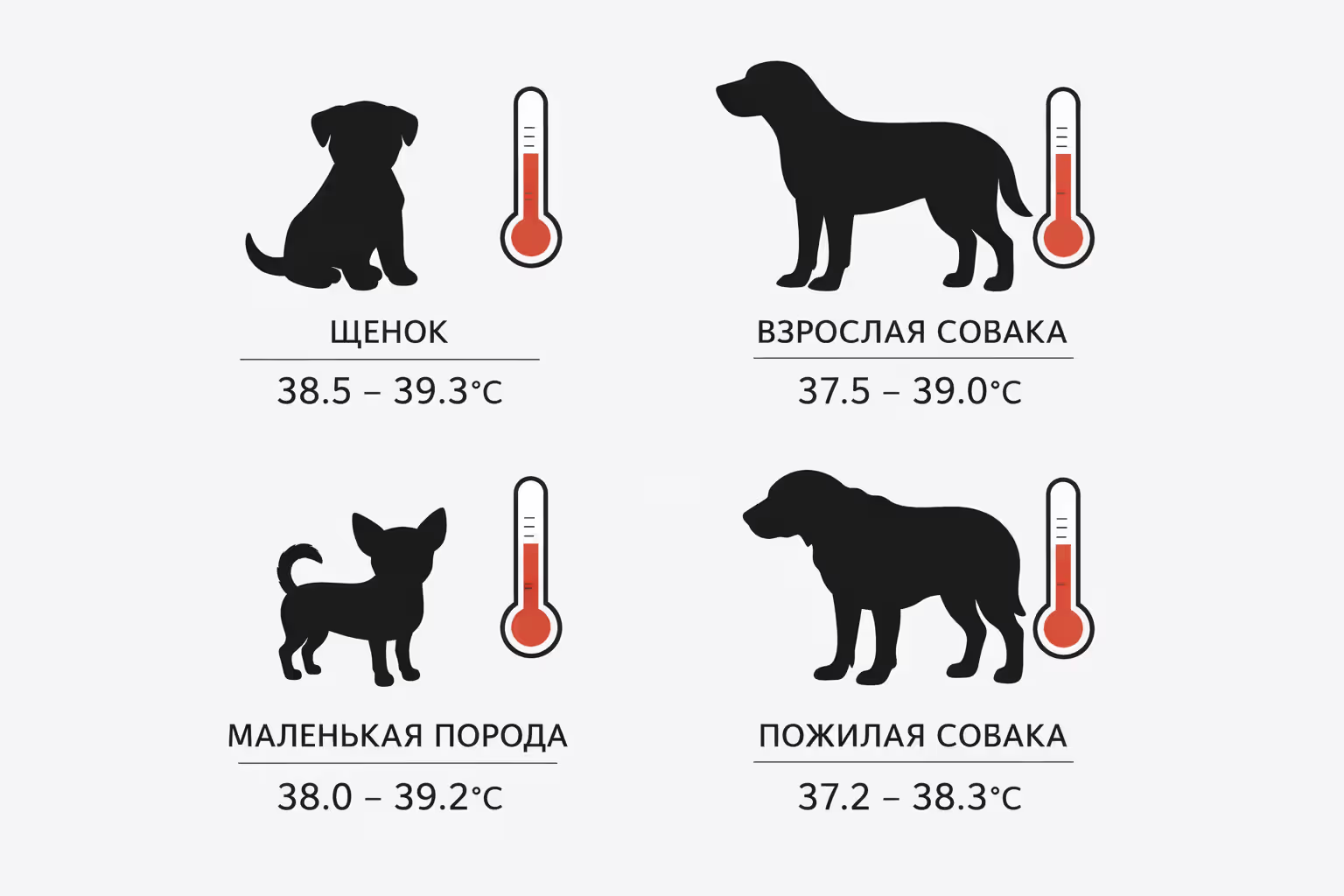
Puppies, senior dogs, and toy breeds each face unique temperature regulation challenges.
Life Stage
Normal Temperature Range
Notes
Newborn puppies (0-4 weeks)
95°F - 99°F
Immature thermoregulation; rely on mother and environment
Puppies (4 weeks - 6 months)
100°F - 102.5°F
Stabilizing but still developing immune response
Adult dogs (1-7 years)
101°F - 102.5°F
Healthy baseline for most breeds
Senior dogs (7+ years)
100.5°F - 102.5°F
May run slightly cooler; slower metabolism
Toy/small breeds
101.5°F - 102.5°F
Higher surface-area-to-volume ratio affects heat loss
Toy breeds like Chihuahuas and Yorkshire Terriers often register at the higher end of normal because their small bodies lose heat faster, requiring constant compensation. Senior dogs sometimes run cooler as their metabolic rate naturally declines.
Author: Emily Crosswell;
Source: alwaysonsalepetsupplies.com
How to Tell If Your Dog Has a Fever (Without a Thermometer)
Not everyone keeps a pet thermometer handy, and some dogs won't tolerate rectal temperature checks without a fight. Recognizing fever through observation becomes essential.
Behavioral Changes That Signal Illness
Lethargy tops the list of fever indicators. A dog that normally greets you at the door but now barely lifts their head deserves attention. Watch for withdrawal from family activities, reluctance to play with favorite toys, or sleeping far more than usual.
Appetite changes often accompany fever. Your food-motivated Labrador suddenly ignoring dinner signals something wrong. Some dogs also seek unusual resting spots—cool tile floors, bathtubs, or basement corners—trying instinctively to lower their body temperature.
Shivering despite warm ambient temperature points to fever. The body shivers to generate heat during the rising phase of fever, even though the dog already feels hot to you.
Fever is not the enemy — it is the body’s first soldier. Suppressing it without understanding the cause is like silencing the alarm while the fire still burns
— Dr. Karen Becker
Physical Signs to Watch For
Warm, dry ears and paws suggest elevated temperature. Run your hand along your dog's ears, groin area, and armpit region. These areas with less fur cover reveal body heat more accurately than a back covered in thick coat.
Red or glassy eyes often accompany fever. The whites of the eyes may appear bloodshot, and your dog might squint or avoid bright light.
A truly warm, dry nose combined with other symptoms warrants concern, though this old wives' tale isn't reliable alone. Healthy dogs can have warm noses after sleeping or exercising.
Rapid breathing or panting at rest, when the environment isn't hot and your dog hasn't exercised, indicates the body's attempt to cool down. Count breaths per minute—normal resting rate ranges from 10 to 30 breaths depending on size. Anything consistently above 40 at rest needs evaluation.
Author: Emily Crosswell;
Source: alwaysonsalepetsupplies.com
Common Causes of Fever in Dogs
Fever serves as a symptom, not a disease itself. The underlying trigger determines severity and treatment approach.
Infections and Illnesses
Bacterial infections from wounds, abscesses, or infected teeth frequently cause fever. That small cut your dog got at the park three days ago? If not properly cleaned, bacteria may have established an infection.
Viral infections like parvovirus, distemper, or kennel cough trigger immune responses that include fever. Puppies and unvaccinated dogs face higher risk.
Urinary tract infections cause fever along with frequent urination attempts, accidents in house-trained dogs, or blood-tinged urine.
Tick-borne diseases—Lyme disease, ehrlichiosis, anaplasmosis—produce fever weeks after the initial tick bite. Dogs in wooded areas or tall grass encounter higher exposure.
Fungal infections, though less common, can cause persistent low-grade fever that puzzles owners for weeks before diagnosis.
Environmental and Injury-Related Triggers
Heatstroke causes dangerous temperature spikes, but this differs from true fever. The body's temperature rises from external heat overwhelm rather than internal immune response. A dog left in a hot car or exercised too hard on a summer day may reach 106°F or higher—a life-threatening emergency.
Internal injuries from accidents or falls can trigger inflammatory responses with accompanying fever. Organ damage, internal bleeding, or tissue trauma all activate immune cascades.
Toxic ingestion—from household chemicals, certain plants, or human medications—sometimes produces fever as part of the body's distress response.
Vaccine reactions occasionally cause mild, short-lived fever within 24-48 hours of vaccination. This typically resolves without intervention but warrants monitoring.
In veterinary medicine, the most dangerous assumption is that ‘it will pass on its own.’ Many critical conditions announce themselves quietly — through a degree or two of heat and a dog that simply seems ‘off
— Dr. Marty Becker
How to Take Your Dog's Temperature Safely at Home
Rectal thermometers provide the most accurate reading for dogs. Ear thermometers designed for pets offer a less invasive option but cost more and require proper technique for accuracy.
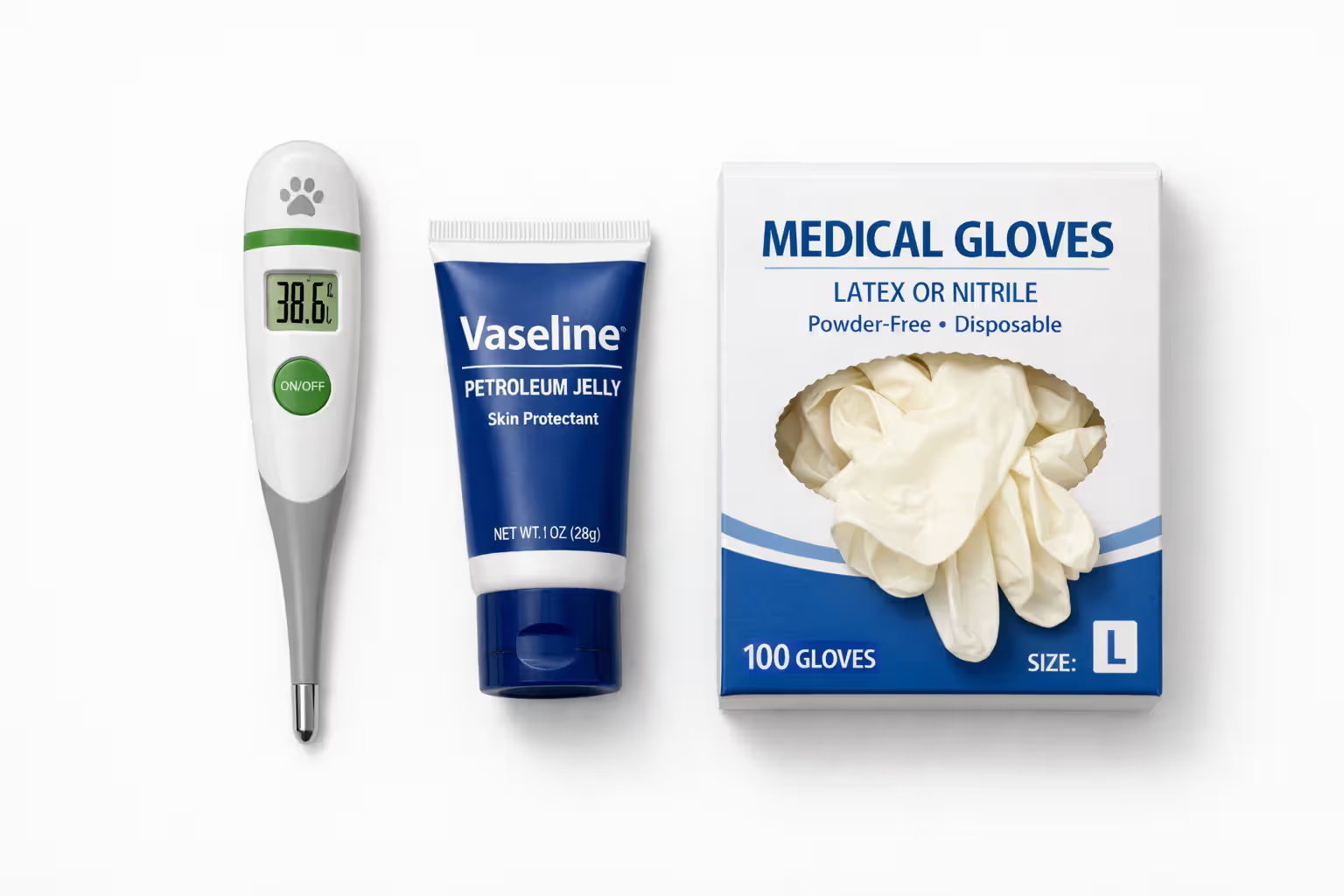
Purchase a digital thermometer dedicated to pet use. Lubricate the tip with petroleum jelly or water-based lubricant. For small dogs, lift the tail and insert about one inch; for larger dogs, insert one to two inches. Hold steady for about 60 seconds or until the thermometer beeps.
Enlist help for this process. One person should gently restrain and comfort your dog while the other handles the thermometer. Never force the procedure if your dog becomes aggressive or extremely stressed—veterinary staff can handle difficult patients safely.
Clean the thermometer thoroughly with rubbing alcohol after each use and store it separately from human thermometers.
Author: Emily Crosswell;
Source: alwaysonsalepetsupplies.com
Readings above 103°F indicate fever. Temperatures reaching 106°F or higher constitute emergencies requiring immediate veterinary care, as organ damage begins at this level.
Safe Ways to Reduce Your Dog's Fever
Fever below 103°F often resolves with supportive care at home, though the underlying cause still needs attention.
Home Care Methods That Work
Offer fresh, cool water frequently. Dehydration worsens quickly during fever. Some dogs drink more readily from running water, so try a pet fountain or dripping faucet if your dog refuses a bowl.
Apply cool (not cold) compresses to paw pads, groin area, and armpits—regions where blood vessels run close to the surface. A damp towel works fine. Avoid ice or extremely cold water, which can cause shivering and actually raise core temperature.
Keep your dog in a cool, quiet room with good air circulation. A fan pointed near (not directly at) your dog helps. Dim lights reduce stimulation and let your feverish dog rest.
Encourage rest by limiting activity, canceling walks beyond quick bathroom breaks, and keeping household noise down.
Small amounts of bland food—boiled chicken and rice—may tempt a dog with reduced appetite. Don't force eating, but offer food every few hours.
Author: Emily Crosswell;
Source: alwaysonsalepetsupplies.com
When Fever-Reducing Efforts Aren't Enough
If fever persists beyond 24 hours despite home care, veterinary examination becomes necessary. The underlying cause likely requires prescription medication.
Fever above 103°F that doesn't respond to cooling measures within two hours needs professional assessment. Your vet may need to run bloodwork, urinalysis, or imaging to identify the infection or illness driving the fever.
Puppies, senior dogs, and dogs with pre-existing health conditions should see a vet sooner rather than later when fever appears. Their systems handle illness with less reserve.
Can You Give Your Dog Human Fever Medicine? (What's Safe and What's Toxic)
This question lands countless dogs in emergency rooms each year. The short answer: most human fever medications poison dogs.
Medication
Safety Status
Why It's Dangerous/Safe
Vet-Approved Alternatives
Acetaminophen (Tylenol)
TOXIC
Destroys red blood cells; causes liver failure even in small doses
Carprofen (Rimadyl), prescribed by vet
Ibuprofen (Advil, Motrin)
TOXIC
Causes stomach ulcers, kidney failure, seizures; no safe dose exists
Meloxicam (Metacam), prescribed by vet
Aspirin
CONDITIONAL
Can cause gastric bleeding and toxicity; only under strict veterinary guidance
Deracoxib (Deramaxx), prescribed by vet
Naproxen (Aleve)
TOXIC
Extremely dangerous; causes severe GI and kidney damage
Firocoxib (Previcox), prescribed by vet
Dogs metabolize drugs differently than humans. What breaks down safely in our livers can accumulate to toxic levels in a dog's system. Acetaminophen depletes glutathione in dogs, leaving their red blood cells vulnerable to oxidative damage. Ibuprofen concentrates in kidneys and causes tissue death.
Never dose your dog with human medication without explicit veterinary instruction. Even baby aspirin, sometimes recommended by vets for specific conditions, requires precise dosing based on weight and health status.
The single most common mistake pet owners make is assuming that if a drug is safe for humans, it must be safe for their animals. Physiology does not work by analogy
— Dr. Safdar Khan
If you've already given your dog human fever medication, contact your vet or pet poison control immediately—even if your dog seems fine. Symptoms of toxicity may not appear for hours or days.
When Dog Fever Requires Emergency Veterinary Care
Certain fever presentations demand immediate professional intervention, not home monitoring.
Temperature at or above 106°F constitutes a medical emergency. At this level, proteins begin to denature, and organ damage progresses rapidly. Don't wait to see if it comes down—get to an emergency vet.
Fever combined with collapse, extreme lethargy, or inability to stand indicates systemic crisis. The infection or illness has overwhelmed your dog's compensatory mechanisms.
Seizures accompanying fever suggest brain involvement—either from the fever itself or from an infection like meningitis.
Difficulty breathing beyond normal fever-related panting points to respiratory infection, heart involvement, or fluid accumulation.
Vomiting or diarrhea with fever rapidly depletes fluids and electrolytes. Puppies and small dogs can't afford much loss before dehydration becomes critical.
Fever in a puppy under six months, especially if unvaccinated or incompletely vaccinated, requires urgent evaluation. Parvovirus and distemper kill quickly in young dogs.
Bleeding from any body opening—mouth, nose, rectum, or in urine—combined with fever suggests serious conditions like clotting disorders or internal infection.
If your dog has a known chronic condition like diabetes, kidney disease, or cancer, fever represents a higher risk. These dogs lack the reserves to fight infection effectively.
Frequently Asked Questions
What temperature is considered a fever in dogs?
A rectal temperature above 103°F indicates fever in dogs. Normal range sits between 101°F and 102.5°F for healthy adult dogs. Readings from 103°F to 104°F signal moderate fever requiring monitoring and likely veterinary consultation. Anything at or above 106°F constitutes a life-threatening emergency demanding immediate professional care, as sustained temperatures this high cause permanent organ damage.
Can dogs get fevers from stress or anxiety?
Stress and anxiety don't directly cause true fever, but they can temporarily elevate body temperature through increased muscle tension, panting, and adrenaline release. This "stress hyperthermia" typically raises temperature only one to two degrees and resolves quickly once the stressor disappears. True fever involves immune system activation and persists regardless of stress levels. If your anxious dog consistently measures above 103°F, infection or illness is the more likely culprit.
How long does a dog fever typically last?
Duration depends entirely on the underlying cause. Mild bacterial infections may produce fever for 24-48 hours before responding to antibiotics. Viral infections can cause fever lasting three to seven days as the immune system fights off the pathogen. Vaccine-related fevers usually resolve within 24 hours. Chronic infections or inflammatory conditions may produce persistent low-grade fever for weeks until properly diagnosed and treated. Any fever lasting beyond 48 hours without veterinary assessment risks missing serious illness.
Is a warm nose always a sign of fever in dogs?
No—nose temperature proves remarkably unreliable for detecting fever. Healthy dogs often have warm, dry noses after sleeping, lying in the sun, or mild dehydration. Conversely, some feverish dogs maintain cool, moist noses. This persistent myth causes unnecessary worry and false reassurance. Judge fever by body temperature (measured rectally), behavior changes, and other physical signs like warm ears or lethargy rather than nose condition alone.
Should I withhold food or water if my dog has a fever?
Never withhold water from a feverish dog. Fever increases fluid loss through panting and higher metabolic rate, making hydration critical. Offer fresh water constantly and encourage drinking. Food presents a different consideration—many feverish dogs lose appetite naturally, and forcing food can cause vomiting. Offer small amounts of bland, easily digestible food like boiled chicken or rice every few hours, but don't stress if your dog refuses for 24 hours. Beyond that timeframe, appetite loss itself becomes a concern requiring veterinary attention.
Can puppies get fevers more easily than adult dogs?
Yes, puppies face higher fever risk for several reasons. Their immune systems remain immature and inexperienced, responding less efficiently to pathogens. Incomplete vaccination leaves them vulnerable to serious viral infections like parvovirus and distemper that commonly cause high fever. Puppies also explore the world by mouthing objects, increasing exposure to bacteria and toxins. Their smaller body mass means infections can overwhelm their systems faster than in adults. Any fever in a puppy warrants prompt veterinary evaluation rather than home monitoring.
Recognizing fever early gives you the power to respond appropriately—whether that means simple home care or urgent veterinary intervention. Temperature checks provide concrete data, but your observations of behavior, appetite, and energy level often detect problems before the thermometer confirms them.
Keep your dog current on vaccinations to prevent many fever-causing infections. Maintain regular veterinary wellness visits so your vet establishes baseline health markers. During illness, trust your instincts—you know your dog's normal behavior better than anyone. When something feels wrong, it probably is.
Store your vet's phone number and the nearest emergency veterinary hospital's contact information where you can find them quickly. In fever emergencies, minutes matter. Having a plan before crisis strikes keeps you calm and focused on getting your dog the help they need.
Discover the key signs that your dog may be suffering, explore veterinarian-approved quality of life assessment tools, and get a clear, step-by-step breakdown of the euthanasia process — so you can make this heartbreaking decision with clarity, compassion, and confidence
Complete guide to puppy vaccination schedule: everything you need to know about core and non-core vaccines, exact shot timeline from 6 weeks to 16 months, detailed breakdown of costs at traditional and budget clinics, what reactions are normal after each appointment, and how to keep your puppy protected through every critical stage of early development.
Discover which dog breeds consistently live the longest, why small breeds almost always outlive their larger counterparts, and what science says about the size-lifespan connection. Learn how to maximize your dog’s years through smart nutrition, weight control, and preventive veterinary care
Every dog breed ages differently. Small dogs outlive giants, mixed breeds beat purebreds, and your daily choices matter more than genetics. Here’s what science reveals about canine lifespan — and how to add years to your dog’s life
The content on this website is provided for general informational and educational purposes only. It is intended to offer guidance on dog breeds, behavior, health, care, and lifestyle, and should not be considered a substitute for professional veterinary advice, diagnosis, or treatment.
All information published on this site is based on general knowledge, widely accepted research, and practical experience, but individual dogs may differ in behavior, health conditions, and needs. Results and outcomes may vary depending on the dog, environment, and circumstances.
The website is not responsible for any errors or omissions, or for actions taken based on the information provided. For specific concerns regarding your dog’s health or behavior, always consult a qualified veterinarian or professional dog specialist.