Your dog's intestinal tract houses trillions of microscopic organisms—bacterial colonies, yeasts, and various microbes—that affect everything from how food breaks down to how well the immune system functions. When this complex internal balance shifts toward harmful species, probiotic supplements can help tip the scales back. However, every digestive problem doesn't call for bacterial reinforcements, and many products fail to deliver the living organisms their packaging advertises.
Knowing which situations genuinely warrant probiotic intervention, which bacterial species provide real value, and how to administer them properly separates effective digestive support from wasted supplement dollars.
What Probiotics Actually Do in Your Dog's Digestive System
Probiotics contain living beneficial microbes that establish colonies in the intestinal environment after you give them to your dog in sufficient quantities. These microscopic helpers set up shop in the gut, where they compete directly with disease-causing bacteria for both physical space and available nutrients.
Your dog's intestinal microbiome functions like a miniature rainforest ecosystem. Helpful bacterial populations generate fatty acid chains that feed the cells lining the intestinal walls, synthesize specific vitamin compounds, and interact with immune system cells stationed throughout the digestive tract. These beneficial species also create acidic conditions that prevent pathogenic invaders from gaining a foothold.
When disruption hits this delicate system—whether from antibiotic medications, sudden food changes, emotional stress, or infectious illness—the beneficial bacterial populations crash. Harmful species seize the opportunity to multiply, triggering loose stools, excessive gas, reduced nutrient uptake, and compromised immune responses. Probiotic supplements deliver fresh battalions of beneficial species to help the system regain equilibrium.
People frequently mix up probiotics with prebiotics, which are actually plant fiber compounds that nourish the beneficial bacteria your dog already harbors. Picture probiotics as fresh reinforcement troops while prebiotics supply rations for the forces already deployed. High-quality supplements often package both components together for amplified results.
Specific bacterial strains bring distinct capabilities to the table. Lactobacillus and Bifidobacterium families appear in most canine formulations because scientific research confirms both their safety profile and effectiveness in dogs. Individual strains specialize—certain types excel at shortening diarrhea episodes, while others enhance immune system markers or improve how well nutrients get absorbed.
The gut microbiome is the forgotten organ — it influences immunity, metabolism, and even behavior in ways we are only beginning to understand.
— Dr. Martin Blaser
When Your Dog Actually Needs Probiotics (And When They Don't)
Probiotic supplementation doesn't benefit every single dog. Dogs maintaining good health on stable diets without any digestive complaints typically keep their gut flora balanced naturally. Adding supplements to this already-working system essentially provides backup that isn't required.
Clear advantages emerge in particular circumstances: alongside or following antibiotic treatment courses, when transitioning between different foods, during stressful events like travel or kennel boarding, and when addressing sudden diarrhea episodes. Dogs diagnosed with ongoing digestive problems such as inflammatory bowel disease might benefit from sustained supplementation under veterinary supervision.
Puppies making the shift from nursing to solid foods sometimes develop digestive turbulence that probiotic support can smooth out. Elderly dogs experiencing age-related shifts in intestinal movement patterns and microbiome makeup may also see better stool quality and more regular bathroom habits.
Skip the probiotics when your dog displays serious illness indicators—bloody stools, continuous vomiting, weakness, or elevated temperature demand veterinary diagnosis rather than over-the-counter supplements. Probiotic bacteria won't eliminate intestinal parasites, remove swallowed foreign objects, or resolve pancreatic inflammation.
Using Probiotics to Stop Dog Diarrhea
Author: Hannah Bloomfield;
Source: alwaysonsalepetsupplies.com
Sudden diarrhea triggered by dietary mistakes (your dog demolished the garbage) or moderate stress responds favorably to probiotic intervention. Research indicates specific bacterial strains cut diarrhea duration by one to two days versus providing no treatment. The science behind this involves competitive exclusion—beneficial bacteria physically crowd out harmful organisms while manufacturing antimicrobial substances.
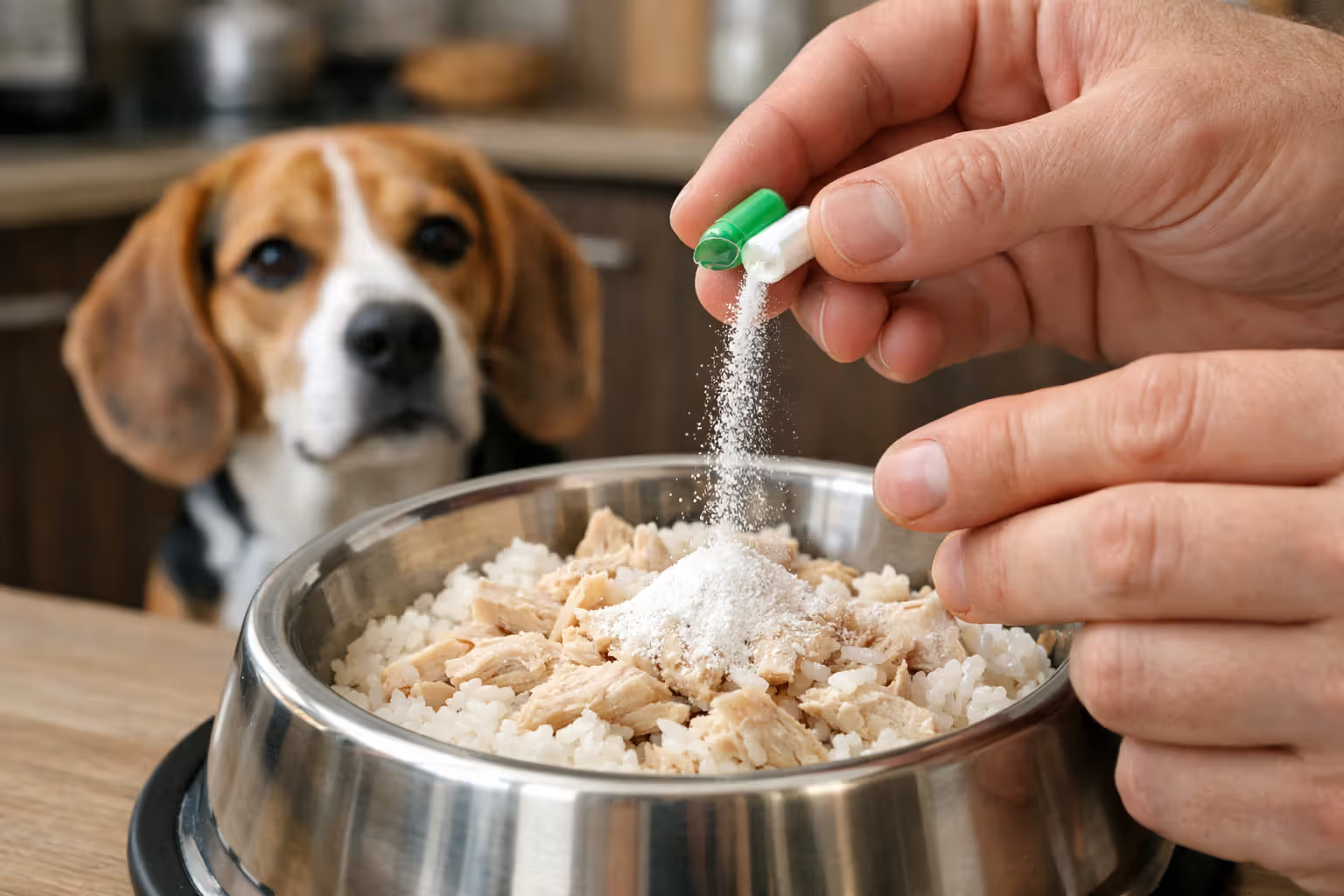
Begin probiotic supplementation the moment you notice stool loosening. Pair them with simple food choices (plain boiled poultry and white rice) along with constant access to clean drinking water. The majority of dogs demonstrate progress within the first one to two days. When diarrhea continues past three days or intensifies, veterinary examination becomes essential.
Persistent diarrhea requires a different perspective. Probiotics might help control symptoms in dogs carrying diagnosed conditions like inflammatory bowel disease, yet they won't cure the underlying problem. Partner with your veterinarian to tackle root causes instead of indefinitely covering up symptoms.
Probiotics During Antibiotic Treatment
Antibiotic medications destroy bacteria without discrimination—eliminating both disease-causing organisms and beneficial intestinal flora simultaneously. This unavoidable destruction commonly triggers antibiotic-associated diarrhea in canine patients. Beginning probiotic therapy when antibiotic treatment starts can prevent this widespread side effect.
The schedule for administration makes a significant difference. Space out probiotic doses to fall at minimum two-hour intervals before or after antibiotic administration. When given simultaneously, the antibiotic will kill the probiotic organisms before they travel down to the intestines. Most veterinarians suggest extending probiotic use for seven to fourteen days past the final antibiotic dose to allow complete microbiome recovery.
Select probiotic strains carrying documented resistance to common veterinary antibiotics, allowing them to survive exposure. Saccharomyces boulardii, which is actually a beneficial yeast organism rather than bacteria, possesses natural antibiotic resistance and performs particularly well during antibiotic protocols.
Proven Benefits vs. Marketing Hype
Author: Hannah Bloomfield;
Source: alwaysonsalepetsupplies.com
Scientific research validates several definite advantages of canine probiotic supplementation. Clinical investigations demonstrate shortened diarrhea timeframes in acute situations, elevated stool quality measurements, and strengthened immune responses tracked through antibody levels and immune cell behavior. Certain strains show potential for controlling chronic inflammatory intestinal conditions, though individual dog responses vary considerably.
Evidence becomes less solid for additional promotional claims. While probiotics theoretically might improve skin issues, decrease anxiety behaviors, or boost nutrient uptake, rigorous clinical testing in actual dogs remains sparse. Pet supplement companies frequently draw conclusions from human or laboratory rodent research without dog-specific confirmation.
Setting appropriate expectations matters tremendously. Probiotics won't convert an anxious dog into a relaxed companion or eliminate food allergies entirely. They support digestive operations and might modestly strengthen immune function, but they're not magical solutions. When your dog faces significant health challenges, probiotics function as complementary therapy alongside proper veterinary care, never as a substitute.
One stubborn myth insists probiotics "detoxify" organs or "cleanse" internal systems. The intestinal microbiome influences health through intricate pathways, but beneficial bacteria don't flush out toxins or accelerate waste removal beyond normal digestive processes. Marketing terminology featuring "detox" usually signals questionable scientific foundation.
Another false belief suggests that more bacterial strains automatically deliver superior outcomes. Products advertising fifteen-plus different bacterial varieties sound remarkable but may underperform compared to formulas containing three to five thoroughly-researched strains at proper concentrations. Quality surpasses quantity every time.
Not all probiotics are created equal. Strain specificity, dose, and viability at the time of consumption are what separate an effective product from an expensive placebo.
— Dr. Mary Ellen Sanders
How to Choose a Probiotic That Actually Works for Dogs
Begin your search with products designed specifically for canine patients. Human probiotic formulas aren't necessarily dangerous to dogs, but dog-targeted products contain bacterial strains selected to match canine digestive system characteristics including pH levels and intestinal transit speeds. Lactobacillus acidophilus, L. casei, L. plantarum, Bifidobacterium animalis, and Enterococcus faecium show up regularly in veterinary research papers reporting positive results.
The CFU measurement (colony-forming units) tells you how many living bacteria each dose contains. Search for products delivering at minimum one billion CFUs per serving for smaller dogs, scaling upward to ten billion-plus for larger breeds. Astronomical CFU numbers don't guarantee better results—appropriate quantities of effective strains outweigh massive counts of poorly-researched species.
Storage instructions reveal manufacturing quality levels. Numerous probiotic strains demand refrigeration to preserve their viability. Products sitting stable on shelves either use naturally hardy strains or employ specialized protective coating technologies that shield bacteria until your dog consumes them. Always verify expiration dates—probiotic effectiveness diminishes over time, and outdated products may contain insufficient living organisms to produce results.
Independent laboratory verification provides quality confirmation. Organizations including the National Animal Supplement Council (NASC) evaluate manufacturers for quality controls, truthful labeling, and contamination screening processes. Search for their approval seal on product packaging. Certain companies publish laboratory analysis certificates displaying actual CFU measurements and species identification through outside testing facilities.
Steer clear of products making exaggerated promises or positioning probiotics as universal remedies. Trustworthy manufacturers describe realistic advantages backed by research and provide explicit dosing directions.
Probiotic Strain
Primary Digestive Benefit
Research Support Level
Lactobacillus acidophilus
Shortens acute diarrhea episodes, aids lactose breakdown
Well-studied
Bifidobacterium animalis
Firms up stool consistency, strengthens immune responses
Well-studied
Enterococcus faecium
Maintains gut flora balance during antibiotic therapy, blocks pathogen establishment
Guards against antibiotic-linked diarrhea (yeast organism, not bacterial)
Well-studied
Lactobacillus rhamnosus
Regulates immune system activity, potentially reduces allergic reactions
Limited data in dogs
Dosing Guidelines: How Much and How Often
Author: Hannah Bloomfield;
Source: alwaysonsalepetsupplies.com
Appropriate dosing reflects your dog's weight, the particular product's concentration, and your supplementation goal. Most product labels display weight-based recommendations—use these as your baseline guide.
For sudden diarrhea or stress-triggered digestive problems, administer probiotics once or twice daily until symptoms disappear, usually requiring three to seven days. Throughout antibiotic treatment, maintain daily administration for the entire antibiotic duration plus an additional seven to fourteen days.
Dogs carrying chronic digestive diagnoses might gain advantages from ongoing daily supplementation. Some veterinarians endorse continuous administration, while others propose cycling patterns (such as five days supplementing, two days off) to avoid creating dependency, though scientific backing for cycling advantages remains thin.
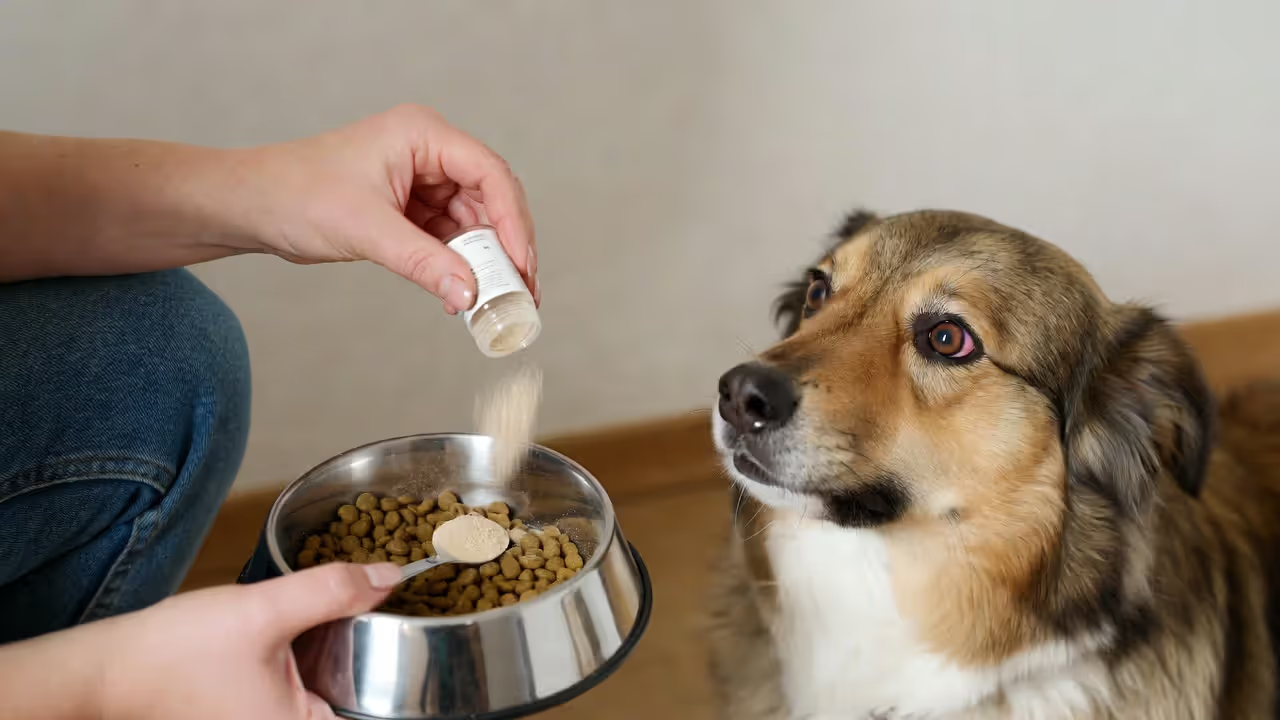
Coordination with feeding times influences bacterial survival through the stomach's harsh acidic environment. Administering probiotics alongside meals offers some acid-buffering protection, helping more organisms reach the intestines alive. Some products incorporate enteric protective coatings engineered to survive stomach acid independent of meal timing.
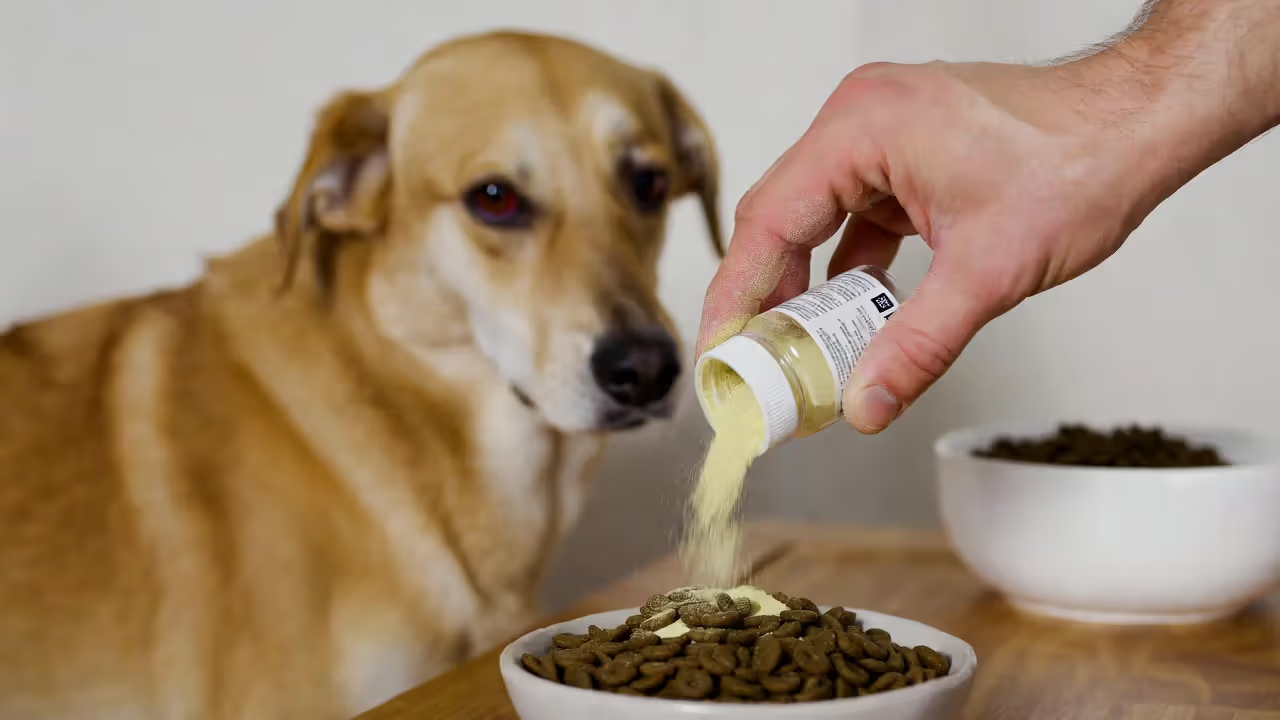
Powder versions blend smoothly into food portions. Capsules can split open with contents sprinkled over meals for dogs refusing to swallow pills whole. Chewable treat formats work for food-motivated dogs, but confirm they deliver therapeutic CFU levels—some treats prioritize taste appeal over bacterial potency.
Modify doses carefully. Doubling manufacturer recommendations won't necessarily double the advantages and might trigger temporary gas or loose stools while your dog's system adapts to the sudden bacterial influx. When standard doses fail to produce observable changes after seven days, consult your veterinarian rather than continuously escalating the quantity.
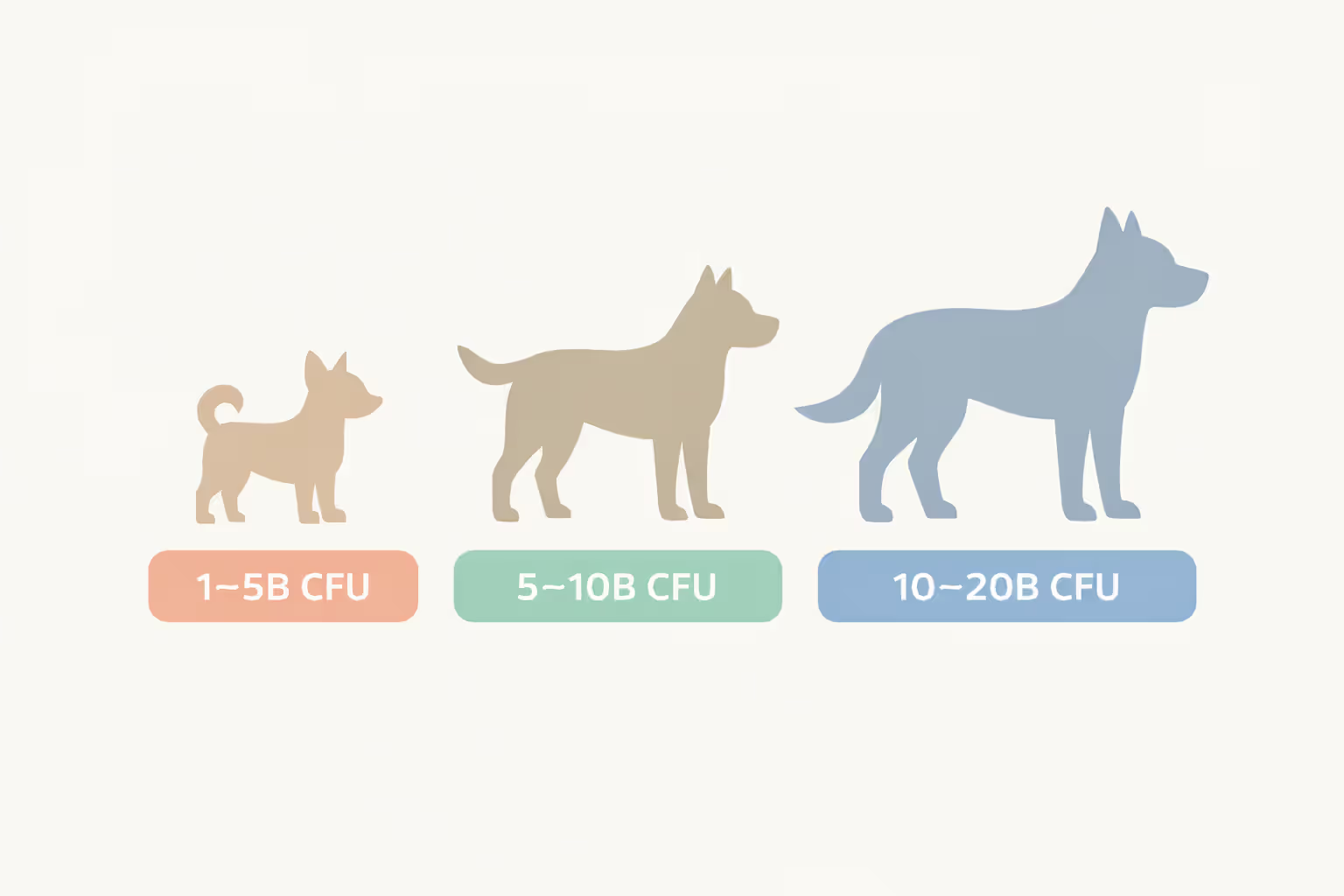
Dogs under twenty pounds typically require one to five billion CFUs daily. Medium-sized dogs between twenty and fifty pounds perform well with five to ten billion CFUs. Large and giant breeds exceeding fifty pounds may need ten to twenty billion CFUs or higher, depending on the specific formulation and circumstances.
Author: Hannah Bloomfield;
Source: alwaysonsalepetsupplies.com
Side Effects and Red Flags to Watch For
The vast majority of dogs handle probiotics without complications. The most frequent side effects stay mild and temporary: heightened gas production, subtle shifts in stool texture (usually softer initially), or minor bloating sensations. These typically disappear within several days as intestinal systems adjust to new bacterial residents.
Certain dogs experience the reverse issue—constipation—particularly with products containing elevated amounts of specific Lactobacillus strains. Decreasing the dose usually corrects this.
Severe negative reactions happen rarely but remain possible. Dogs with weakened immune systems (receiving immunosuppressive medications, undergoing cancer chemotherapy, or carrying immune disorders) face minimal risks of probiotic bacteria triggering infections. Talk through supplementation plans with your veterinarian before administering probiotics to immune-compromised dogs.
Discontinue probiotics immediately when your dog develops intense diarrhea, vomiting episodes, fever, exhaustion, or appetite loss following supplementation initiation. Though probiotics seldom cause these symptoms directly, they signal something more serious demanding veterinary attention.
The best medicine is the one that matches the patient’s actual need. Supplements without a clear indication are just cost without purpose
— Dr. Lisa Weeth
Monitor for allergic responses to inactive ingredients inside probiotic formulations. Some products incorporate dairy-derived substances, flavoring agents, or filler materials that individual dogs may negatively react to. Warning signs include persistent scratching, raised skin welts, facial puffiness, or labored breathing—pursue emergency veterinary assistance for severe allergic events.
Medication conflicts stay minimal. Probiotics show no recognized interactions with most prescription drugs except antibiotics (which simply diminish probiotic effectiveness when administered together). Nevertheless, keep your veterinarian informed about every supplement your dog consumes.
Quality control failures create hazards. Contaminated batches or products containing misidentified bacterial species could theoretically trigger problems, though documented incidents are exceptionally rare. Choose established manufacturers conducting outside laboratory verification.
FAQ: Your Top Probiotics Questions Answered
Are probiotics good for dogs long-term or just short-term?
Each strategy holds value depending on your dog's specific circumstances. Brief administration periods (three to fourteen days) handle acute digestive turbulence, antibiotic treatment courses, or temporary stressors like boarding facilities. Extended daily supplementation may advantage dogs with chronic digestive diagnoses, persistent health challenges, or senior dogs experiencing age-related microbiome transformations. Healthy dogs consuming stable diets generally don't require uninterrupted probiotic supplementation. Certain veterinarians suggest periodic "maintenance" rounds—one week monthly—though research examining this strategy remains limited. Track your dog's reaction patterns and modify duration based on observable outcomes and your veterinarian's guidance.
Can I give my dog human probiotics?
You're able to, though canine-formulated versions are preferable choices. Human probiotic supplements won't poison dogs, but they incorporate strains chosen for human digestive architecture with distinct pH balances and food transit durations. Dog-specific probiotics include species like Enterococcus faecium that veterinary research explicitly validates in canine subjects. Human formulations may also pack higher CFU concentrations than dogs need or include components dogs gain no benefit from. During emergency situations, plain human probiotics without added botanical ingredients, sweetening agents, or other additives are generally safe as temporary solutions. Never offer products containing xylitol, a sugar substitute that poisons dogs. For sustained use, purchase veterinary-designed alternatives with strains demonstrating effectiveness in canine research studies.
How quickly do probiotics work for dog diarrhea?
The majority of dogs display progress within the first twenty-four to forty-eight hours after beginning probiotic administration for straightforward acute diarrhea. Full resolution generally requires three to five days. Multiple factors influence response speed including what's causing the diarrhea, which probiotic strains you're using, and your dog's baseline health status. Stress-triggered or diet-change diarrhea frequently responds faster than episodes involving disease-causing bacteria. When you observe zero improvement after two days or symptoms escalate, veterinary assessment becomes necessary—the underlying problem may demand more than probiotic support alone. Chronic diarrhea stemming from inflammatory bowel disease or alternative conditions may require two to four weeks of steady supplementation before you notice meaningful shifts in stool quality and bathroom frequency.
Do probiotics need to be refrigerated?
Storage requirements vary by product formulation. Many probiotic strains demonstrate sensitivity to heat exposure and moisture, demanding refrigerated storage to preserve viability. These products clearly indicate storage specifications on their packaging. Room-temperature-stable probiotics either employ naturally resilient spore-forming strains (such as Bacillus varieties) or utilize specialized freeze-drying and protective coating technologies that shield bacteria at ambient temperatures. Both categories can deliver effectiveness when manufactured correctly. Verify expiration dates regardless of storage category—probiotic strength declines as time passes. When traveling with your dog, shelf-stable alternatives offer practical convenience. For home storage, refrigerated formulations often incorporate a broader spectrum of beneficial strains. Never place probiotics in freezers, as ice crystal development can rupture bacterial cell walls.
Can probiotics cause any harm to healthy dogs?
Healthy dogs with properly functioning immune systems rarely suffer harm from probiotic supplementation. The most problematic scenario for typical dogs involves mild, short-lived digestive adjustment—gas production or somewhat loose stools—as their systems adapt to new bacterial populations. Serious negative outcomes are exceedingly rare and generally occur exclusively in immune-compromised dogs or those carrying severe underlying medical conditions. One theoretical worry involves probiotic bacteria migrating from intestines into the bloodstream in dogs with damaged intestinal barrier walls, but verified cases are virtually absent from veterinary medical literature. The larger concern for healthy dogs centers on squandering money on unneeded supplements rather than experiencing actual physical harm. When your dog shows zero digestive symptoms and consumes a consistent, quality diet, probiotics probably won't deliver noticeable advantages, though they're improbable to generate problems either.
What's the difference between probiotics and digestive enzymes?
Probiotics and digestive enzymes target separate digestive system aspects. Probiotics are living beneficial bacteria establishing intestinal colonies, competing with harmful microorganisms, manufacturing vitamins, and bolstering immune function. Digestive enzymes are protein molecules that dismantle food components—protease enzymes split apart proteins, lipase enzymes break down dietary fats, and amylase enzymes process carbohydrates. Dogs diagnosed with exocrine pancreatic insufficiency (EPI) lack sufficient digestive enzymes and require enzyme replacement to properly digest meals. Probiotics won't address this specific condition. Alternatively, dogs experiencing dysbiosis (unbalanced intestinal flora) require probiotics rather than enzymes. Certain dogs gain advantages from both supplement types, particularly those carrying chronic pancreatitis or inflammatory bowel disease. These supplements operate through entirely separate biological mechanisms and aren't interchangeable solutions. Your veterinarian can determine which option, if either, your dog genuinely requires based on specific symptom patterns and diagnostic test outcomes.
Probiotics deliver authentic advantages for dogs in targeted situations—throughout antibiotic treatment protocols, for sudden diarrhea episodes, and as complementary therapy for chronic digestive diagnoses. They're not universal solutions, and healthy dogs don't automatically need them.
Prioritize quality over advertising promises. Select products featuring research-validated strains at suitable CFU concentrations, manufactured by companies performing independent laboratory testing. Deploy probiotics strategically when your dog actually requires them rather than as daily protection against problems that may never materialize.
Monitor your dog's response patterns carefully. Enhanced stool firmness, stronger appetite, and diminished gas indicate probiotics are providing help. Absence of change after seven to fourteen days suggests either the product lacks effectiveness or your dog doesn't need supplementation. Ongoing digestive troubles warrant veterinary investigation to identify and treat underlying causes rather than endlessly masking symptoms with supplements.
When selected intelligently and applied appropriately, probiotics function as valuable resources for supporting your dog's digestive wellness and overall vitality.
Learn to recognize the key signs a dog is in heat, understand all 4 stages of the canine heat cycle, manage sudden behavior changes, and provide proper care during estrus. This guide covers discharge, swelling, cycle timing, fertility windows, safety tips, and answers common owner questions
Learn why your dog farts so much, what causes smelly dog gas, when it signals health problems, and proven ways to reduce flatulence through diet changes. From food triggers and speed-eating habits to gut conditions, discover exactly what makes your pup gassy and simple steps to fix it for good
Wondering why your dog wakes up with crusty or colored eye discharge? This guide breaks down every type of dog eye booger by color and texture, explains seven common causes from allergies to dry eye, walks you through safe at-home cleaning steps, and highlights the red flags that signal an urgent vet visit
Learn effective dog constipation treatment options, from pumpkin remedies and hydration tricks to knowing exactly when to see a vet. Discover safe home solutions, proper fiber dosages, quick relief methods, warning signs that demand urgent professional care, and proven tips for lasting comfort
The content on this website is provided for general informational and educational purposes only. It is intended to offer guidance on dog breeds, behavior, health, care, and lifestyle, and should not be considered a substitute for professional veterinary advice, diagnosis, or treatment.
All information published on this site is based on general knowledge, widely accepted research, and practical experience, but individual dogs may differ in behavior, health conditions, and needs. Results and outcomes may vary depending on the dog, environment, and circumstances.
The website is not responsible for any errors or omissions, or for actions taken based on the information provided. For specific concerns regarding your dog’s health or behavior, always consult a qualified veterinarian or professional dog specialist.