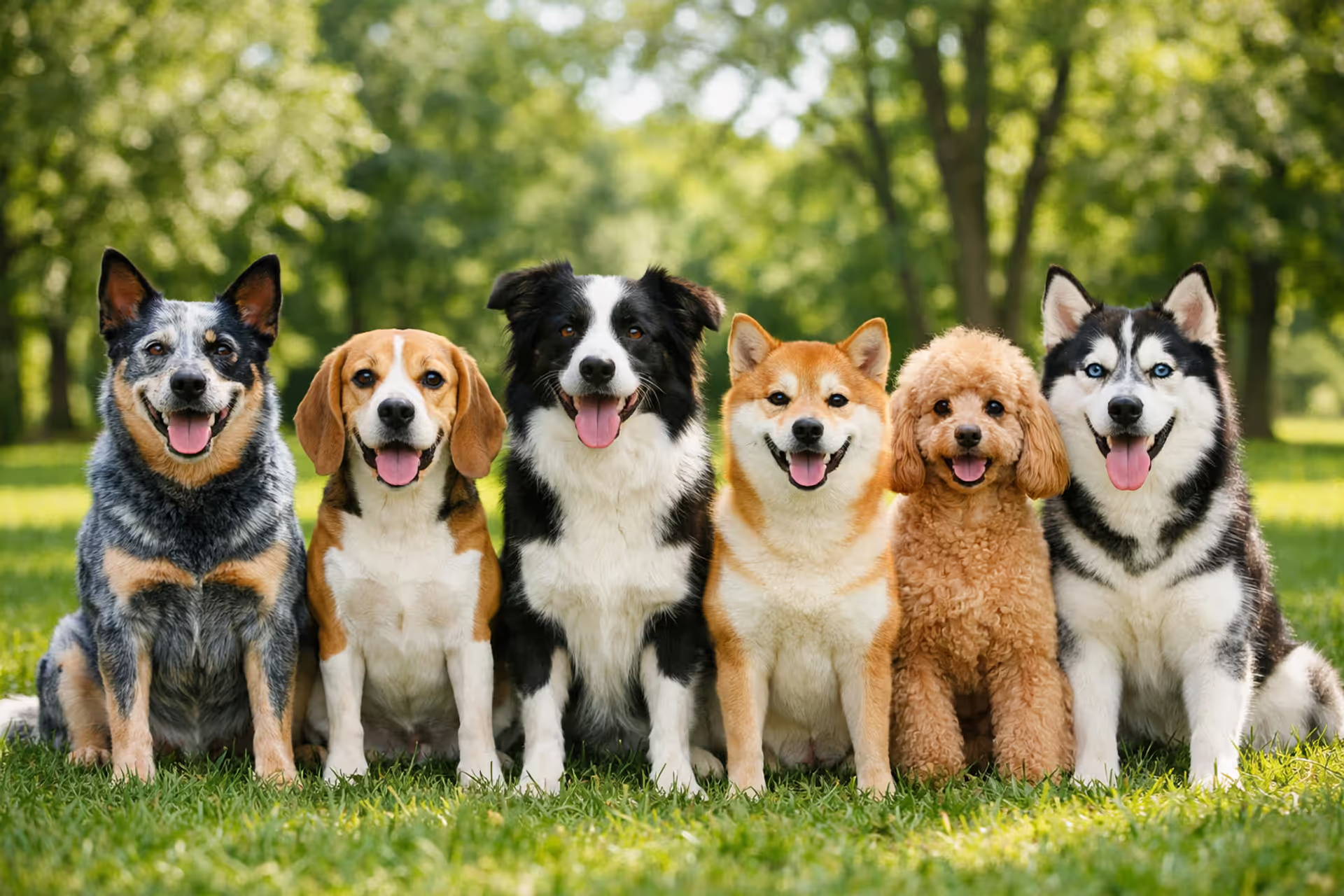
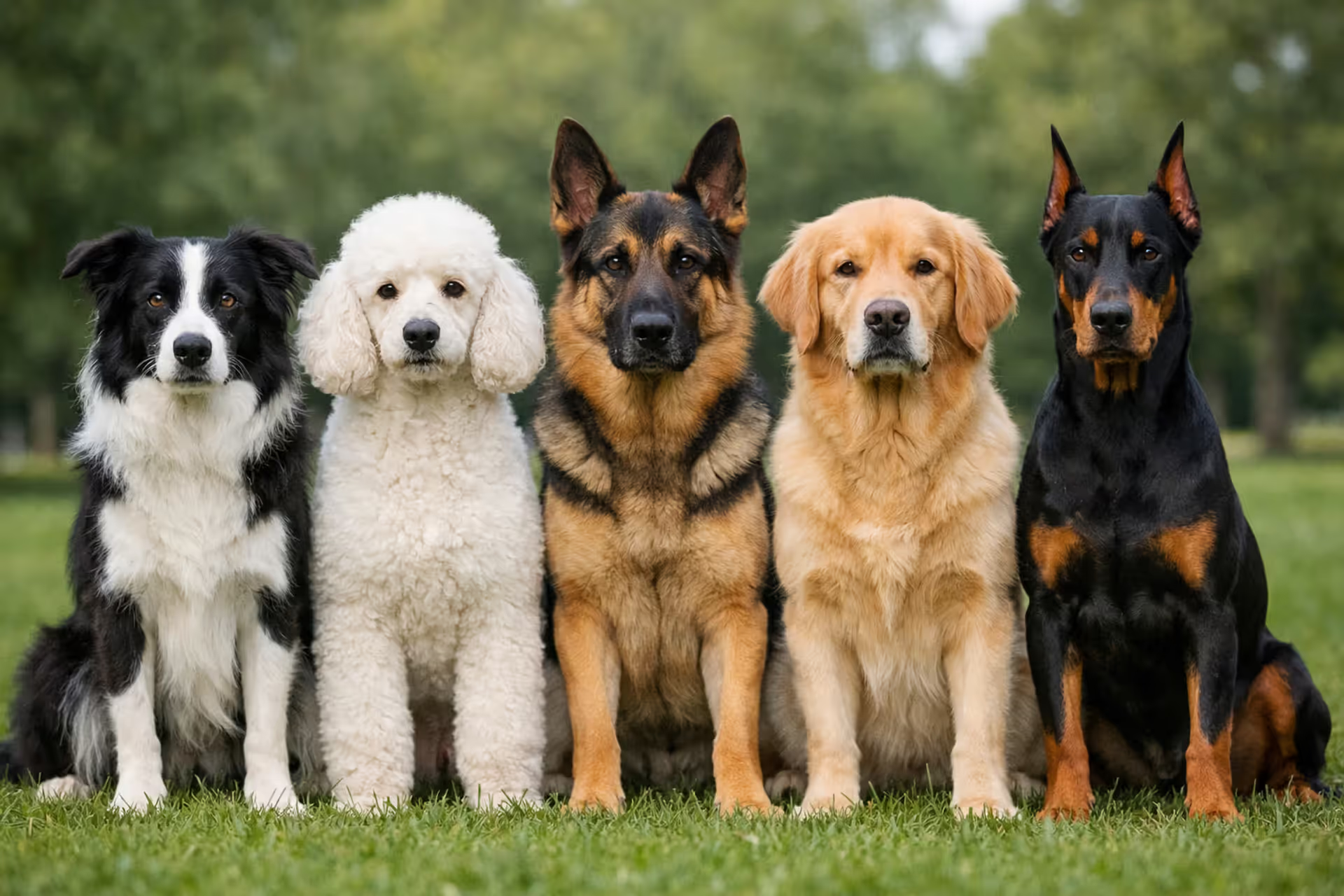
Group of healthy dog breeds including Australian Cattle Dog, Beagle, Border Collie, Shiba Inu, Poodle, and Husky sitting together on a green lawn on a sunny day
Choosing a dog means committing to years of companionship, veterinary visits, and the inevitable worry that comes with any health scare. Some breeds rack up thousands in medical bills before their fifth birthday, while others cruise past their twelfth year with nothing more than routine checkups. Understanding which breeds fall into that second category can save you heartache and money while giving you more quality years with your best friend.
The difference between a breed plagued by genetic disorders and one that enjoys robust health often traces back to breeding practices, genetic diversity, and simple anatomy. A dog built without the extreme physical features that compromise breathing, mobility, or organ function stands a far better chance of living well into its teens.
What Makes a Dog Breed Healthy?
Genetic diversity sits at the foundation of canine health. Breeds developed from narrow gene pools—sometimes as few as a dozen founding dogs—inherit concentrated genetic problems. Hip dysplasia, heart defects, and autoimmune disorders spread quickly when breeders prioritize appearance over function. Strong dog breeds typically come from working lines where performance mattered more than cosmetic traits.
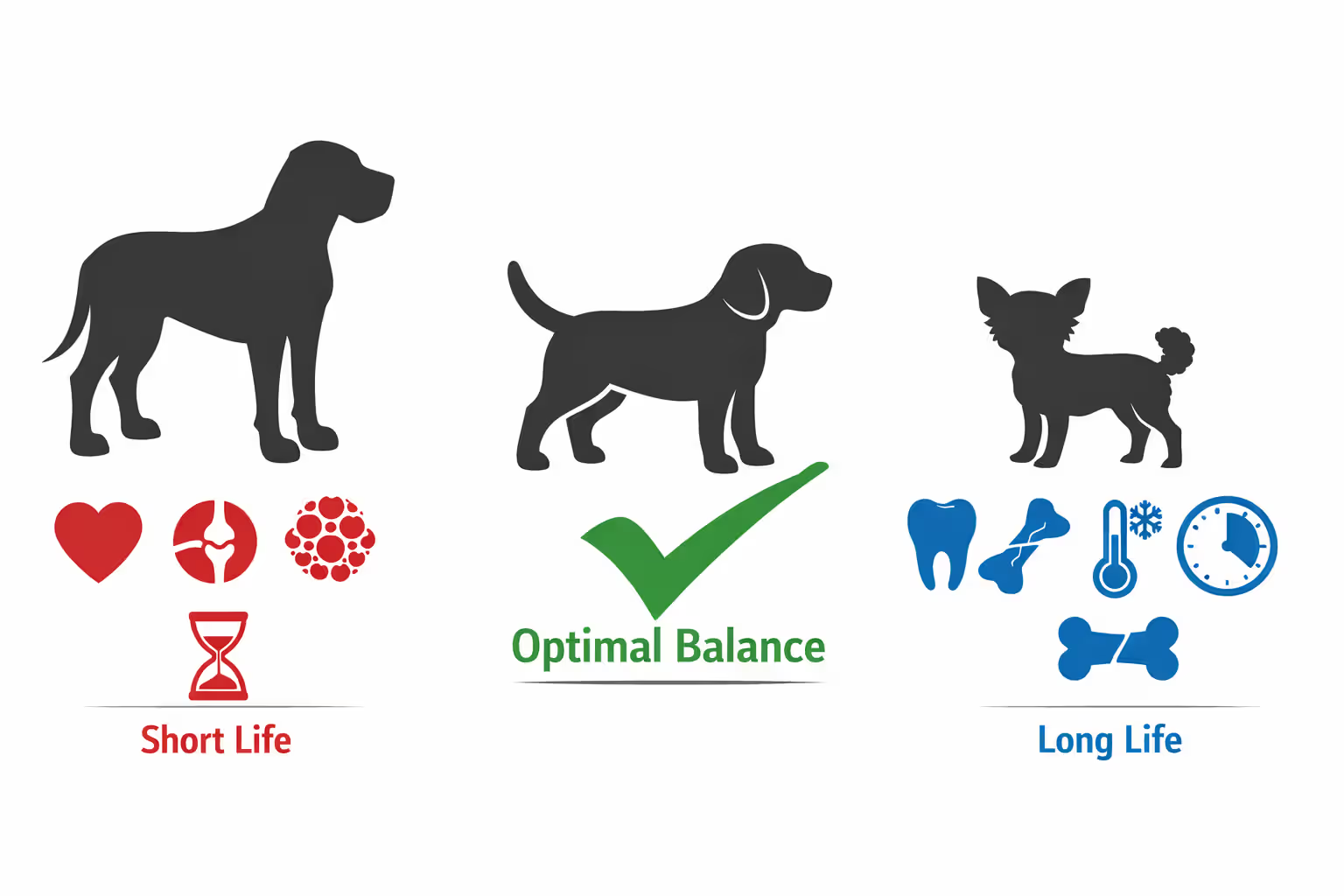
Size plays a measurable role in longevity. Larger dogs age faster at the cellular level, their bodies wearing out sooner under the strain of supporting more mass. A Great Dane's heart works harder, its joints bear more weight, and its organs process more volume than a Chihuahua's. This biological reality means giant breeds rarely see their tenth birthday, while toy breeds routinely hit fifteen.
Skull shape determines breathing efficiency. Brachycephalic breeds—those with pushed-in faces—struggle with obstructed airways, overheating, and dental crowding. Robust dog breeds maintain moderate proportions: legs that move freely, spines that flex naturally, and airways that deliver oxygen without surgical intervention.
Responsible breeding practices separate healthy lines from problematic ones. Breeders who health-test parents for breed-specific conditions, limit inbreeding coefficients, and cull dogs with genetic faults produce sounder puppies. A breed's potential for health means nothing if your individual puppy comes from a backyard breeder chasing profit over welfare.
The absence of extreme features—exaggerated wrinkles, excessive skin folds, legs too short to support the body—signals better odds. When form follows function, dogs move comfortably, breathe easily, and avoid the cascade of problems that stem from anatomical compromise.
Author: Hannah Bloomfield;
Source: alwaysonsalepetsupplies.com
Top 12 Healthiest Dog Breeds Ranked by Longevity and Resilience
These long-lived dog breeds share common traits: moderate builds, genetic diversity, and breeding histories that valued working ability over show-ring trends. Each brings specific strengths while avoiding the hereditary nightmares that plague many popular breeds.
Australian Cattle Dog Lifespan: 12–16 years These tireless herders were built for endurance in harsh outback conditions. Their compact, muscular frames carry them through long working days without joint breakdown. Hip dysplasia rates sit well below most breeds, and their weather-resistant coats require minimal grooming. The breed's working heritage means breeders selected for stamina and soundness rather than cosmetic traits. One Australian Cattle Dog named Bluey holds the verified record for canine longevity at 29 years.
Basenji Lifespan: 13–14 years This ancient African breed maintains remarkable genetic diversity compared to modern breeds. Basenjis rarely suffer from hip dysplasia and show low cancer rates. Their short coats eliminate grooming-related skin issues, and their moderate size avoids the joint stress seen in larger dogs. Fanconi syndrome, a kidney disorder, was once common but now has a genetic test that responsible breeders use to eliminate affected lines.
Beagle Lifespan: 10–15 years Bred for stamina during long hunts, Beagles possess sturdy frames and few structural problems. Their floppy ears require regular cleaning to prevent infections, but otherwise they're remarkably low-maintenance. Epilepsy appears in some lines, but overall genetic health problems remain uncommon. Their food motivation can lead to obesity if owners aren't vigilant about portions.
The world would be a nicer place if everyone had the ability to love as unconditionally as a dog
— M.K. Clinton
Border Collie Lifespan: 12–15 years Intense working drive correlates with physical soundness in this breed. Border Collies need jobs—agility, herding, or intensive training—but their bodies hold up under pressure. Hip dysplasia rates stay relatively low, and their moderate size avoids giant-breed heart problems. Collie eye anomaly exists but rarely causes blindness; genetic testing identifies carriers.
Shiba Inu Lifespan: 13–16 years Japan's national treasure maintains ancient genetics with minimal Western breeding influence. Shibas enjoy clean bills of health compared to most breeds, with occasional patellar luxation being their main concern. Their cat-like cleanliness and weather-resistant double coats mean fewer skin infections. Stubbornness challenges training, but their bodies rarely challenge veterinarians.
Australian Shepherd Lifespan: 12–15 years Despite the "shepherd" name, these American ranch dogs were bred for versatility and endurance. Their medium build avoids size-related problems, and their active lifestyle keeps joints mobile. Merle coat patterns can carry hearing and vision problems when two merle parents breed, but responsible breeders avoid this combination. Hip dysplasia and eye issues appear but less frequently than in many comparable breeds.
Author: Hannah Bloomfield;
Source: alwaysonsalepetsupplies.com
Poodle (Standard) Lifespan: 12–15 years Non-shedding coats made Poodles popular, but their longevity stems from sound breeding. Hip dysplasia and bloat pose risks, but overall genetic diversity keeps them healthier than many purebreds. Their intelligence and trainability made them working dogs in multiple contexts, selecting for mental and physical resilience. Regular grooming prevents matting but also catches lumps and skin changes early.
Havanese Lifespan: 14–16 years Cuba's only native breed survived near-extinction, rebuilding from a handful of dogs. This bottleneck might have spelled disaster, but careful modern breeding maintained health. Havanese avoid the respiratory problems of flat-faced toys and the joint issues of dwarf breeds. Patellar luxation and heart murmurs appear occasionally, but serious health problems remain uncommon.
Belgian Malinois Lifespan: 14–16 years Working police and military roles demand physical and mental toughness. Breeders select for dogs that can handle extreme stress without breaking down. Hip and elbow dysplasia exist but at lower rates than German Shepherds. Their high energy requires serious outlets; a bored Malinois destroys homes and develops behavioral issues, but their bodies stay sound.
Siberian Husky Lifespan: 12–14 years Bred to pull sleds across frozen tundra, Huskies possess remarkable endurance and cold tolerance. Their wolf-like build maintains natural proportions without exaggeration. Hip dysplasia rates stay moderate, and their thick coats protect against weather extremes. Eye problems—particularly juvenile cataracts—require screening, but overall health remains strong.
Mixed Breed (Honorable Mention) Lifespan: 10–15+ years Hybrid vigor—the genetic advantage of mixing unrelated bloodlines—gives many mutts a health edge. Random breeding breaks up concentrated genetic problems, though it doesn't guarantee health. A mixed-breed dog from parents with unknown health histories carries uncertainty, but studies consistently show longer average lifespans than purebreds.
Author: Hannah Bloomfield;
Source: alwaysonsalepetsupplies.com
Miniature Schnauzer Lifespan: 12–15 years These German farm dogs combined ratting ability with companionship. Their sturdy builds avoid toy-breed fragility, and their moderate energy suits various lifestyles. Bladder stones and pancreatitis appear more often than in some breeds, but responsible feeding and monitoring prevent most issues. Regular grooming maintains their wiry coats and catches health changes early.
Breed Comparison Table
Breed
Average Lifespan
Size Category
Exercise Needs
Key Health Advantages
Australian Cattle Dog
12–16 years
Medium
High
Exceptional joint health, working stamina, minimal genetic disorders
Basenji
13–14 years
Small-Medium
Moderate-High
Genetic diversity, low cancer rates, minimal grooming needs
Beagle
10–15 years
Small-Medium
Moderate
Sturdy structure, few hereditary conditions, hunting endurance
Border Collie
12–15 years
Medium
Very High
Working soundness, low hip dysplasia, athletic longevity
Shiba Inu
13–16 years
Small-Medium
Moderate
Ancient genetics, clean coat, minimal health screening needed
Australian Shepherd
12–15 years
Medium
High
Versatile build, active lifestyle benefits, moderate health issues
Standard Poodle
12–15 years
Large
Moderate-High
Genetic diversity, intelligence, non-shedding coat aids early detection
Sturdy toy alternative, preventable conditions, regular monitoring
Mixed Breed
10–15+ years
Varies
Varies
Hybrid vigor, broken genetic concentrations, unpredictable but often favorable
Small vs. Large: How Size Affects Dog Health and Lifespan
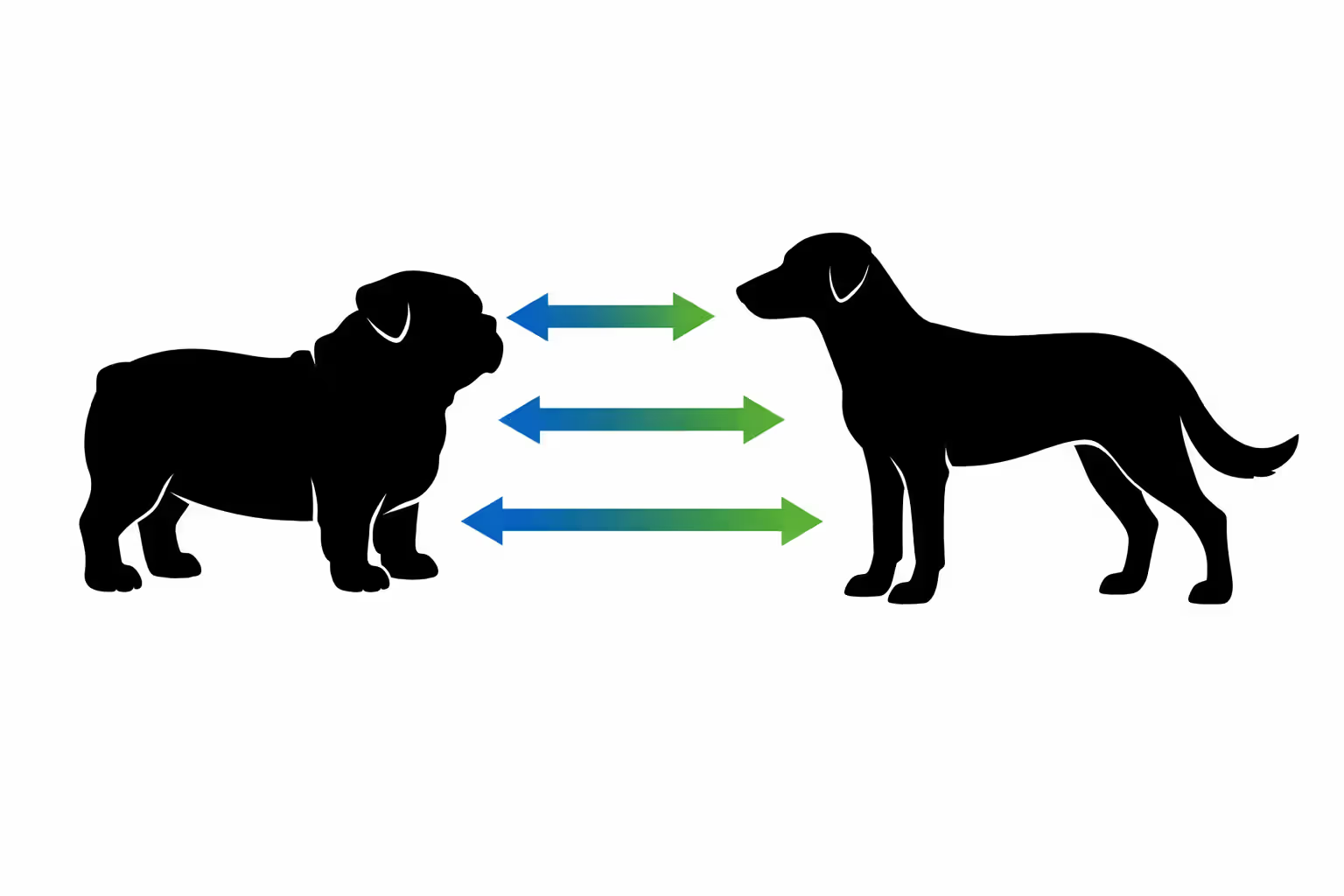
A Chihuahua born the same day as a Mastiff will likely attend the Mastiff's funeral and live another five years. This stark difference in longevity traces to metabolic rate and cellular aging. Larger dogs grow faster as puppies, reaching adult size in months rather than years. This accelerated growth correlates with faster aging throughout life—their cells divide more rapidly, accumulating damage sooner.
Giant breeds face mechanical stress that small dogs never encounter. A 180-pound Mastiff's joints bear tremendous force with every step. Cartilage wears down, ligaments stretch, and bones develop arthritis years earlier than in a 12-pound Pomeranian. Heart disease strikes large breeds more often because their cardiovascular systems work harder to pump blood through bigger bodies.
Cancer rates climb with size. Large and giant breeds develop tumors at higher rates than small breeds, possibly because more cells dividing more frequently create more opportunities for cancerous mutations. Osteosarcoma—bone cancer—devastates Rottweilers and Great Danes but rarely touches toy breeds.
Bloat (gastric dilatation-volvulus) kills deep-chested large breeds with terrifying speed. The stomach fills with gas and twists, cutting off blood supply. Emergency surgery offers the only chance of survival, and even then mortality rates hover around 30%. Small breeds with proportional chest depths almost never experience this condition.
Author: Hannah Bloomfield;
Source: alwaysonsalepetsupplies.com
The trade-off for longevity comes in fragility. Toy breeds break bones from jumps off furniture. Their small jaws crowd teeth together, leading to dental disease. Patellar luxation—kneecaps slipping out of place—plagues small breeds with legs too thin to properly stabilize joints. Cold weather threatens them more because small bodies lose heat faster.
Medium-sized long-lived dog breeds often hit a sweet spot: large enough to avoid toy-breed fragility, small enough to dodge giant-breed aging. A 40-pound Border Collie or Beagle enjoys sturdier construction than a Yorkie while avoiding the joint stress and shortened lifespan of a Bernese Mountain Dog.
Exceptions exist. Some giant breeds like Anatolian Shepherds reach 12–14 years by avoiding extreme features. Some toy breeds like English Toy Spaniels struggle with heart defects that cut lifespans short. Individual genetics, care quality, and luck all factor in, but size remains the single strongest predictor of how many years you'll share with your dog.
Dogs do speak, but only to those who know how to listen
— Orhan Pamuk
5 Red Flags When Choosing a Healthy Puppy
Missing Health Clearances Reputable breeders test parents for breed-specific genetic conditions before breeding. No OFA hip scores? No cardiac exam? No eye clearances? Walk away. These tests cost money, and breeders who skip them prioritize profit over producing dog breeds with fewer health problems. Ask to see documentation—not just verbal assurances—and verify results through online databases like the Orthopedic Foundation for Animals.
Puppies Available Year-Round Responsible breeders produce one or two litters annually, often with waiting lists. Operations with puppies always available run puppy mills or high-volume breeding programs where dogs live in substandard conditions and receive minimal health screening. Quality breeders space litters to give mothers recovery time and carefully plan breedings for genetic compatibility.
No Questions About Your Lifestyle A breeder who sells to anyone with cash doesn't care where puppies end up. Good breeders grill potential owners about exercise plans, work schedules, experience levels, and family situations. They refuse sales when homes don't match breed needs. This selectivity protects both puppies and breed reputation—and signals a breeder invested in long-term outcomes.
Meeting Location Restrictions "I'll meet you at the mall parking lot" means you'll never see where puppies were raised. Responsible breeders welcome home visits so you can observe parents' temperaments, living conditions, and how puppies interact with their environment. Seeing the mother (father often lives elsewhere) provides insight into adult temperament and health. Clean facilities with adequate space indicate proper care.
Pressure Tactics and Bargain Prices "This is the last puppy—decide now or lose out" pushes emotional decisions. Legitimate breeders give buyers time to consider and often require deposits weeks or months in advance. Rock-bottom prices signal corner-cutting somewhere—health testing, food quality, veterinary care, or socialization. Well-bred puppies from health-tested parents cost $1,500–$3,000+ because responsible breeding isn't cheap.
Author: Hannah Bloomfield;
Source: alwaysonsalepetsupplies.com
Bonus red flag: breeders who dismiss health concerns as "rare" or "overblown by competitors." Every breed carries genetic risks. Honest breeders acknowledge them, explain their testing protocols, and provide realistic expectations rather than painting rosy pictures that ignore reality.
How to Keep Healthy Breeds Thriving: Preventive Care Basics
Owning one of the top healthy dog breeds doesn't mean coasting on genetics alone. Even robust dogs need consistent care to reach their potential lifespan.
Weight Management Trumps Almost Everything An overweight Beagle loses its health advantage. Extra pounds stress joints, strain hearts, and promote diabetes. Studies show lean dogs live two years longer than overweight littermates. Feel your dog's ribs easily without pressing hard—that's proper body condition. Can't feel ribs? Your dog needs fewer calories. Measure food with a cup rather than eyeballing portions, and remember treats count toward daily intake.
Exercise Matches Breed Design Strong dog breeds were built for work, and their bodies deteriorate without it. A Border Collie walked around the block twice daily will develop behavioral problems and physical issues from pent-up energy. Conversely, forcing a Havanese into marathon training risks joint damage. Match intensity to breed purpose: herding and sporting breeds need serious cardiovascular work, while companion breeds thrive with moderate daily activity.
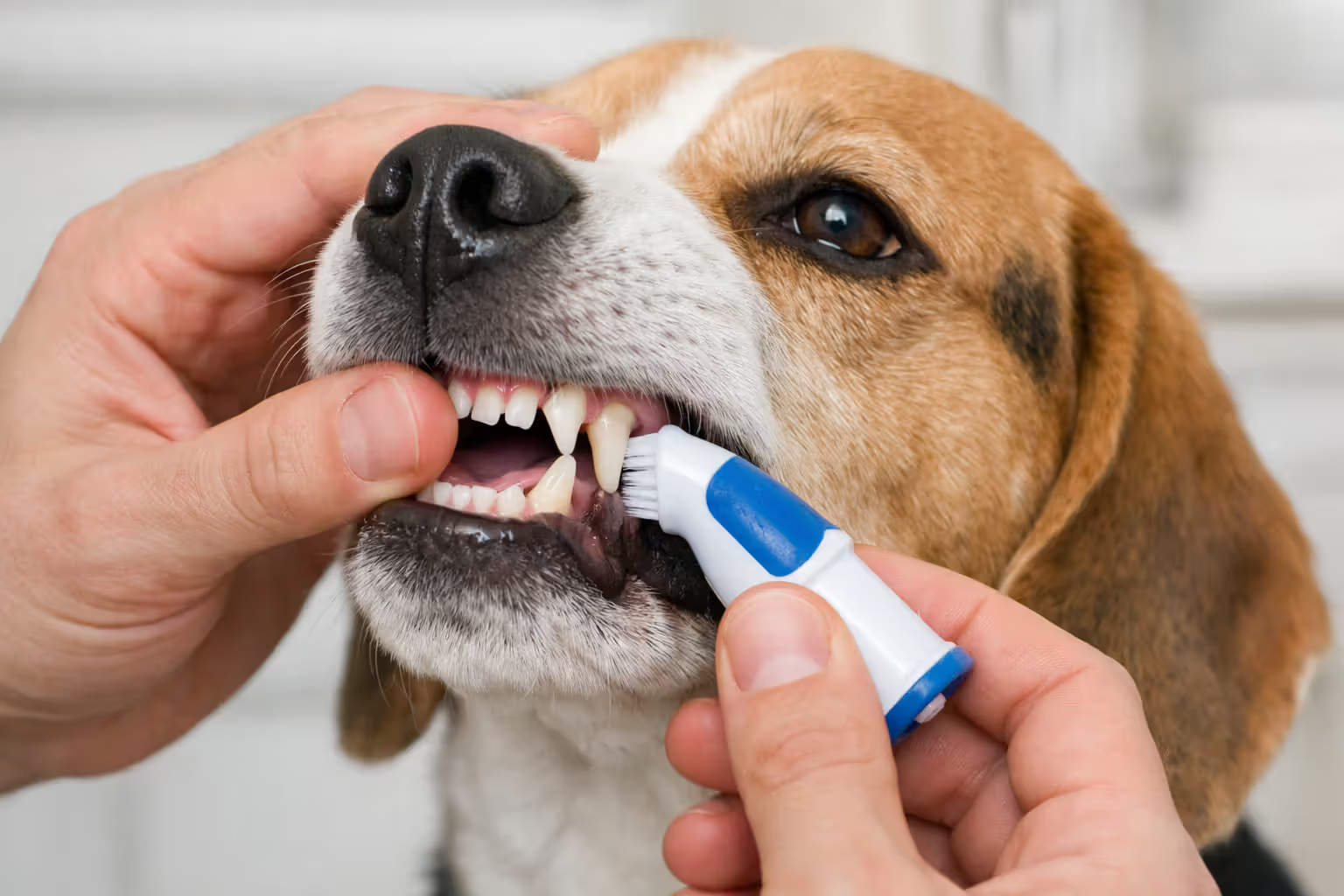
Dental Care Prevents Systemic Disease Bacteria from infected gums enter the bloodstream and damage heart valves, kidneys, and liver. Small breeds with crowded teeth need daily brushing and annual professional cleanings. Larger breeds with better tooth spacing still benefit from regular brushing. Dental disease shortens lives and costs thousands in treatment—a $10 toothbrush and five minutes daily prevents most problems.
Author: Hannah Bloomfield;
Source: alwaysonsalepetsupplies.com
Annual Exams Catch Problems Early Veterinarians detect heart murmurs, joint changes, and organ dysfunction before symptoms appear. Blood work establishes baseline values that reveal subtle shifts over time. Senior dogs (7+ years for large breeds, 10+ for small) benefit from twice-yearly checkups. Early intervention for kidney disease, thyroid problems, or arthritis maintains quality of life and extends longevity.
Genetic Testing Informs Decisions Even healthy breeds carry some genetic risks. DNA tests identify mutations for conditions like degenerative myelopathy or progressive retinal atrophy. Knowing your dog's status lets you monitor for early signs and adjust care accordingly. Some conditions have no treatment, but awareness prevents breeding affected dogs and helps owners prepare.
Mental Stimulation Matters Bored dogs develop destructive behaviors and stress-related health problems. Puzzle feeders, training sessions, and novel experiences keep minds sharp. Cognitive decline affects aging dogs similarly to humans—mental exercise throughout life builds resilience against dementia-like symptoms.
The greatest pleasure of a dog is that you may make a fool of yourself with him and not only will he not scold you, but he will make a fool of himself too
— Samuel Butler
Feed high-quality food appropriate to life stage. Puppy formulas support growth without forcing rapid weight gain that damages developing joints. Adult maintenance formulas prevent obesity. Senior diets address changing metabolic needs. Avoid grain-free diets linked to heart disease unless your dog has a diagnosed grain allergy.
Frequently Asked Questions About Healthy Dog Breeds
What is the healthiest small dog breed?
Basenji and Shiba Inu top the list for small to medium breeds, with lifespans reaching 16 years and minimal genetic health problems. Both maintain natural proportions without the breathing difficulties of flat-faced breeds or the joint issues of dwarf-type dogs. Havanese also excel, avoiding many toy-breed fragilities while staying compact enough for apartment living. Their genetic diversity and moderate builds contribute to longevity.
Do mixed breeds live longer than purebreds?
On average, yes—mixed breeds outlive purebreds by 1–2 years according to multiple studies. Hybrid vigor provides genetic advantages when unrelated bloodlines combine, diluting concentrated hereditary problems. However, this isn't guaranteed. A mixed breed from two unhealthy parents or from breeds with similar genetic issues won't necessarily be healthier. Well-bred purebreds from health-tested lines can match or exceed mixed-breed longevity.
Which large dog breeds have the fewest health problems?
Standard Poodles and Belgian Malinois lead among larger breeds, consistently reaching 12–15 years with proper care. Siberian Huskies also maintain good health despite their size. These breeds avoid the extreme gigantism that causes early aging in Great Danes or Mastiffs. They share working backgrounds where soundness mattered more than appearance. Even these healthier large breeds won't match small-breed longevity due to size-related metabolic factors.
How much does owning a healthy dog breed save in vet bills?
Lifetime veterinary costs vary wildly, but owners of problem breeds like English Bulldogs report $15,000–$30,000+ in medical expenses beyond routine care. Healthy breeds typically incur $5,000–$10,000 over their lifetimes for preventive care, vaccinations, dental cleanings, and minor issues. The difference compounds when factoring in emergency surgeries for bloat, hip replacements, or cancer treatments that plague certain breeds. Insurance costs also reflect breed risk—premiums for Bulldogs run 3–4 times higher than for Beagles.
Are hypoallergenic dogs also healthier overall?
No correlation exists between coat type and overall health. Poodles happen to be both low-shedding and generally healthy, but Portuguese Water Dogs—also hypoallergenic—face higher rates of hip dysplasia and eye problems. Non-shedding coats require intensive grooming; neglected coats mat against skin and cause infections. The "hypoallergenic" label itself misleads—all dogs produce allergens through dander and saliva, not just shed fur.
What health tests should breeders provide before purchase?
Minimum testing varies by breed but should include: - Hip and elbow radiographs evaluated by OFA or PennHIP - Eye examinations by board-certified ophthalmologists (CERF) - Cardiac exams by veterinary cardiologists - DNA tests for breed-specific genetic mutations (available through Embark or Paw Print Genetics) - Thyroid panels for breeds prone to autoimmune issues
Request documentation with registration numbers you can verify independently. Verbal claims mean nothing—papers prove testing occurred and results fell within acceptable ranges.
Choosing among the healthiest dog breeds means accepting trade-offs. The Australian Cattle Dog lives long but needs intense daily exercise. The Shiba Inu enjoys excellent health but challenges even experienced trainers with stubborn independence. The Havanese makes a perfect apartment companion but requires professional grooming every 6–8 weeks.
No breed guarantees freedom from veterinary visits or heartbreak. Individual genetics, environmental factors, and random chance all influence outcomes. A well-bred dog from health-tested parents stacks odds in your favor, but responsible ownership—proper weight, exercise, preventive care—matters just as much as breed selection.
Research thoroughly before committing. Visit breeders, meet adult dogs, and talk to owners about real-world experiences rather than relying on breed descriptions written to sell puppies. The right match between breed characteristics and your lifestyle creates the foundation for many healthy, happy years together.
The dogs listed here earned their reputations through generations of sound breeding and inherent physical advantages. They won't eliminate vet bills or guarantee 15+ years, but they offer better odds than breeds built on compromised anatomy and narrow gene pools. That statistical advantage translates to more time hiking trails, playing fetch, and enjoying the companionship that makes dog ownership worthwhile.
Discover 25+ white dog breeds ranging from tiny apartment companions to powerful livestock guardians. Explore the genetics behind white coats, compare grooming demands across coat types, understand breed-specific health risks, and find the perfect snow-coated match for your actual lifestyle, family size, and daily routine
Searching for the perfect small dog breed that truly fits your daily routine? This detailed guide breaks down 15 popular tiny breeds by temperament, grooming demands, health risks, and annual costs. Whether you rent a studio apartment, raise young kids, or own a dog for the first time, find your match here
Complete guide to service dog requirements under the ADA, including legal rights for handlers, public access rules, housing and air travel regulations, training costs and timelines, task examples by disability type, best breeds for service work, and key differences between service dogs, emotional support animals, and therapy dogs under United States law
Explore the top 15 smartest dog breeds ranked by science-backed criteria, learn how canine intelligence is truly measured across three distinct categories, and get proven training strategies for brainy dogs. Find expert insights on matching a breed’s cognitive style to your lifestyle for a perfect fit
The content on this website is provided for general informational and educational purposes only. It is intended to offer guidance on dog breeds, behavior, health, care, and lifestyle, and should not be considered a substitute for professional veterinary advice, diagnosis, or treatment.
All information published on this site is based on general knowledge, widely accepted research, and practical experience, but individual dogs may differ in behavior, health conditions, and needs. Results and outcomes may vary depending on the dog, environment, and circumstances.
The website is not responsible for any errors or omissions, or for actions taken based on the information provided. For specific concerns regarding your dog’s health or behavior, always consult a qualified veterinarian or professional dog specialist.