You know what nobody tells you before getting a dog? How dramatically the wrong temperament match can upend your entire household. Some breeds act like they've had twelve espressos—constantly moving, demanding interaction, needing jobs to do. Others? They're content watching the world go by from a comfortable spot on your couch.
These naturally tranquil breeds aren't couch potatoes gathering dust. They're dogs whose personalities favor peace over pandemonium. If you live in an apartment, have kids who need a steady presence, or simply want a companion that doesn't treat your home like an obstacle course, picking the right breed from the start saves everyone years of frustration.
What Makes a Dog Breed Naturally Calm?
Here's where people get tripped up: low energy and calm temperament aren't interchangeable concepts. I've met lazy, anxious dogs that sleep all day but lose their minds when the doorbell rings. Truly peaceful dogs? They take life's curveballs in stride—strangers at the door, construction noise outside, the cat knocking things off counters at 2 AM.
Genetics created these differences. Certain breeds were developed over centuries specifically to lounge around palaces or guard estates without creating drama. Compare that to Border Collies, bred to make split-second decisions while controlling livestock. Those herding and hunting instincts don't just disappear because a dog's tired.
Trainability enters the equation because boundaries matter. A dog that naturally wants to cooperate when you ask for something—sit, stay, quiet—maintains household peace more effectively than a stubborn breed that questions every request. Size plus stubbornness? That's a recipe for daily battles.
Then there's adaptability. Some dogs need everything exactly the same every day or they spiral into anxiety. The genuinely easygoing ones roll with schedule changes, houseguests staying over, or furniture getting rearranged without batting an eye.
Author: Emily Crosswell;
Source: alwaysonsalepetsupplies.com
Physical build influences behavior more than most realize. A 150-pound dog simply can't maintain frantic energy for long—physics won't allow it. Flat-faced breeds physically can't sustain high activity because their compressed airways limit oxygen intake (though this comes with serious health consequences worth researching before committing).
Bottom line: calm means emotionally stable and content with moderate stimulation. These dogs still play fetch, enjoy car rides, and form deep bonds. They just don't need constant entertainment to feel fulfilled.
Top 15 Breeds Known for Their Relaxed Temperament
Large Calm Breeds
Great Dane
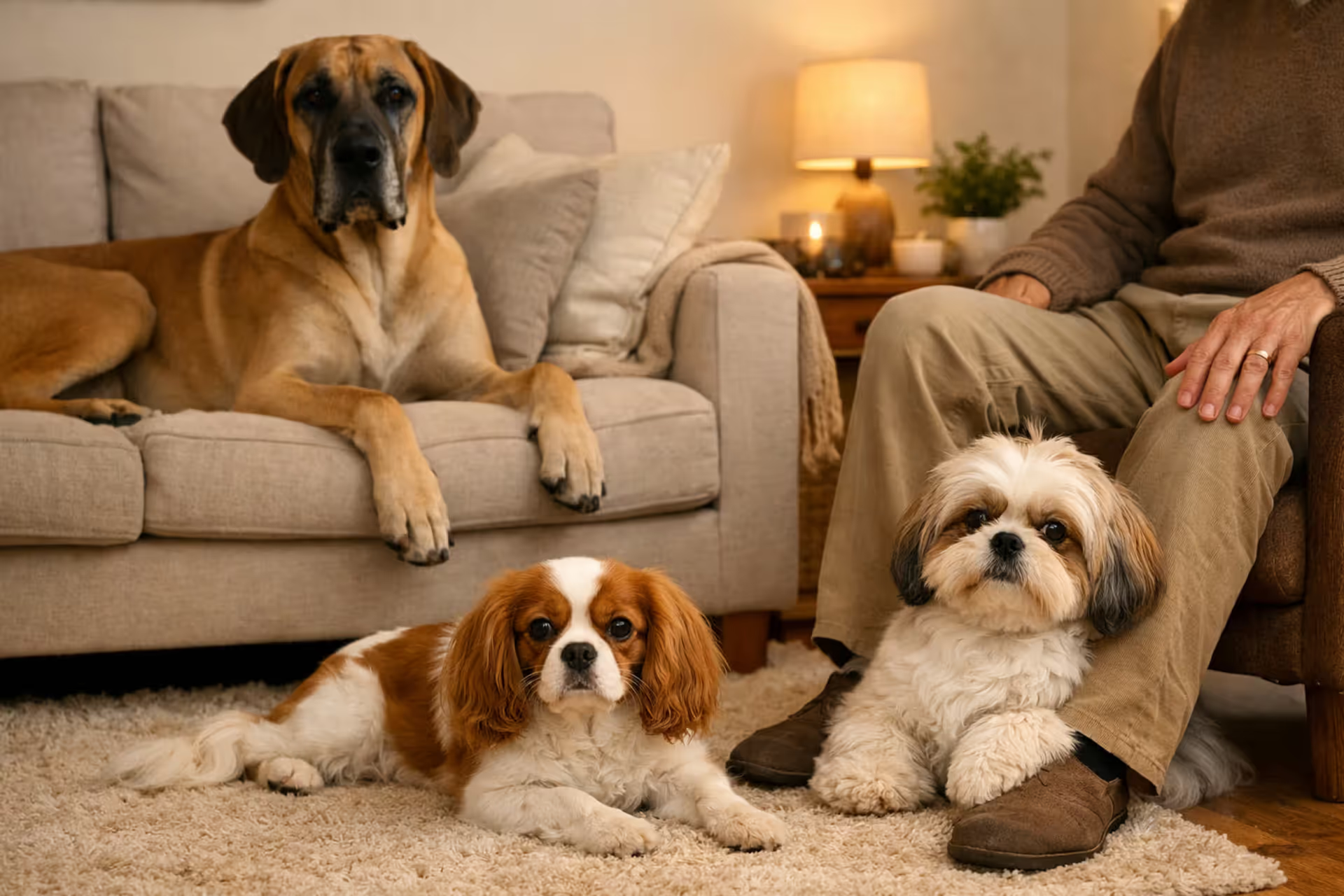
People see a 140-pound Great Dane and assume "aggressive guard dog." Wrong. These giants genuinely believe they're lap dogs and will attempt to prove it by climbing onto your furniture. They navigate homes surprisingly carefully—they know they're massive and move accordingly, especially around small children.
Most Great Danes are satisfied with a single 30-minute walk daily, though younger ones appreciate longer adventures. Apartment living? Actually feasible if you've got the square footage, because their exercise needs are minimal. The challenge is simply that a sprawled-out Dane occupies half your living room. Their short coats mean almost zero grooming, but expect only 8-10 years together and be aware that bloat kills many Great Danes unexpectedly.
Newfoundland
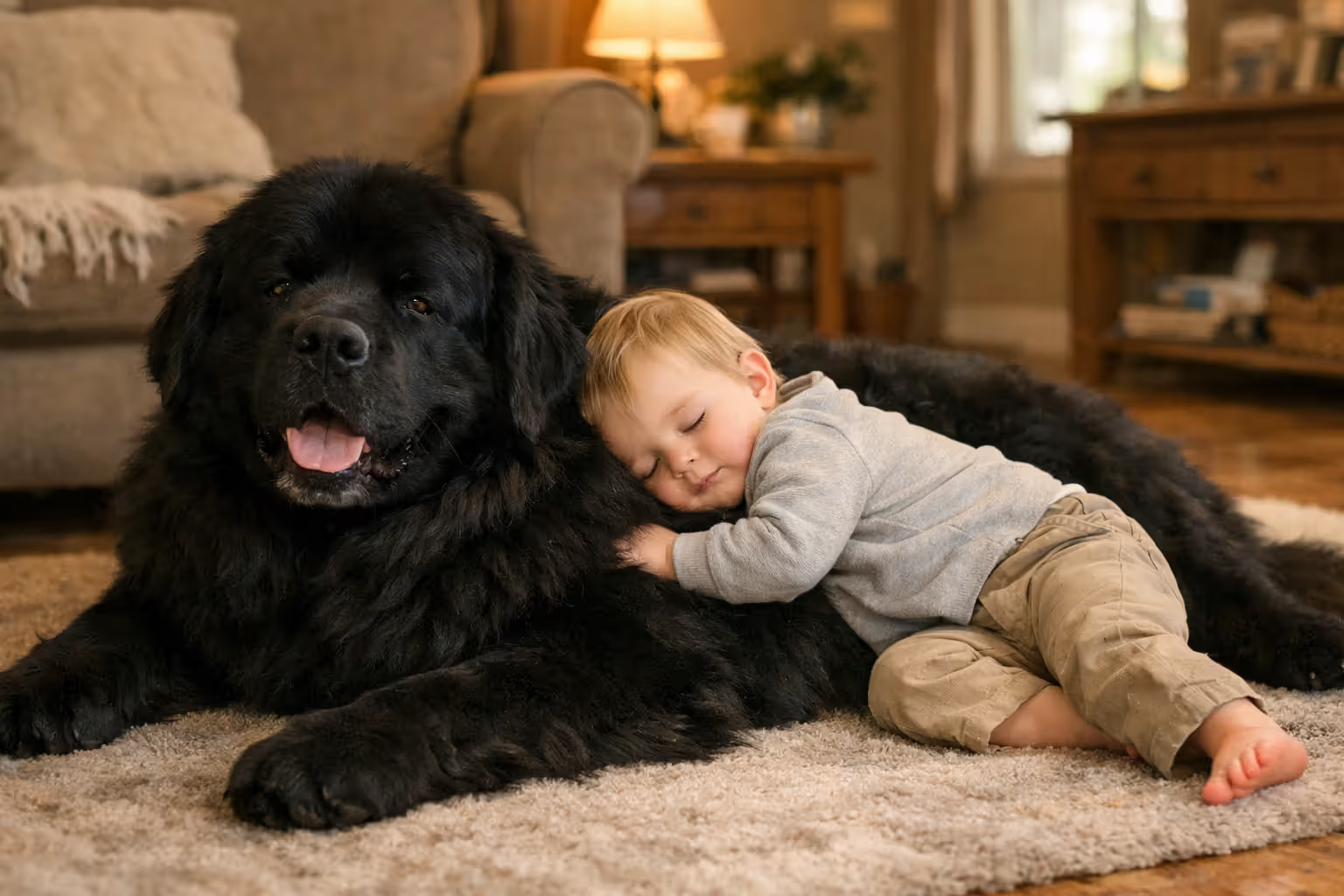
Newfoundlands weigh up to 150 pounds and possess the patience of saints. Originally bred to help fishermen and perform water rescues, they're protective without a single aggressive bone in their bodies. Parents frequently share stories of toddlers using Newfies as pillows or climbing on them—the dogs just lie there contentedly.
They need moderate exercise, with swimming being ideal if available. Just as happy snoozing beside you for an entire Netflix marathon. The catch? Their thick double coats demand brushing multiple times weekly, and they shed enough fur twice yearly to knit a sweater. Also, the drool situation is real. If you can't handle slobber on your clothes and walls, look elsewhere.
Author: Emily Crosswell;
Source: alwaysonsalepetsupplies.com
Bernese Mountain Dog
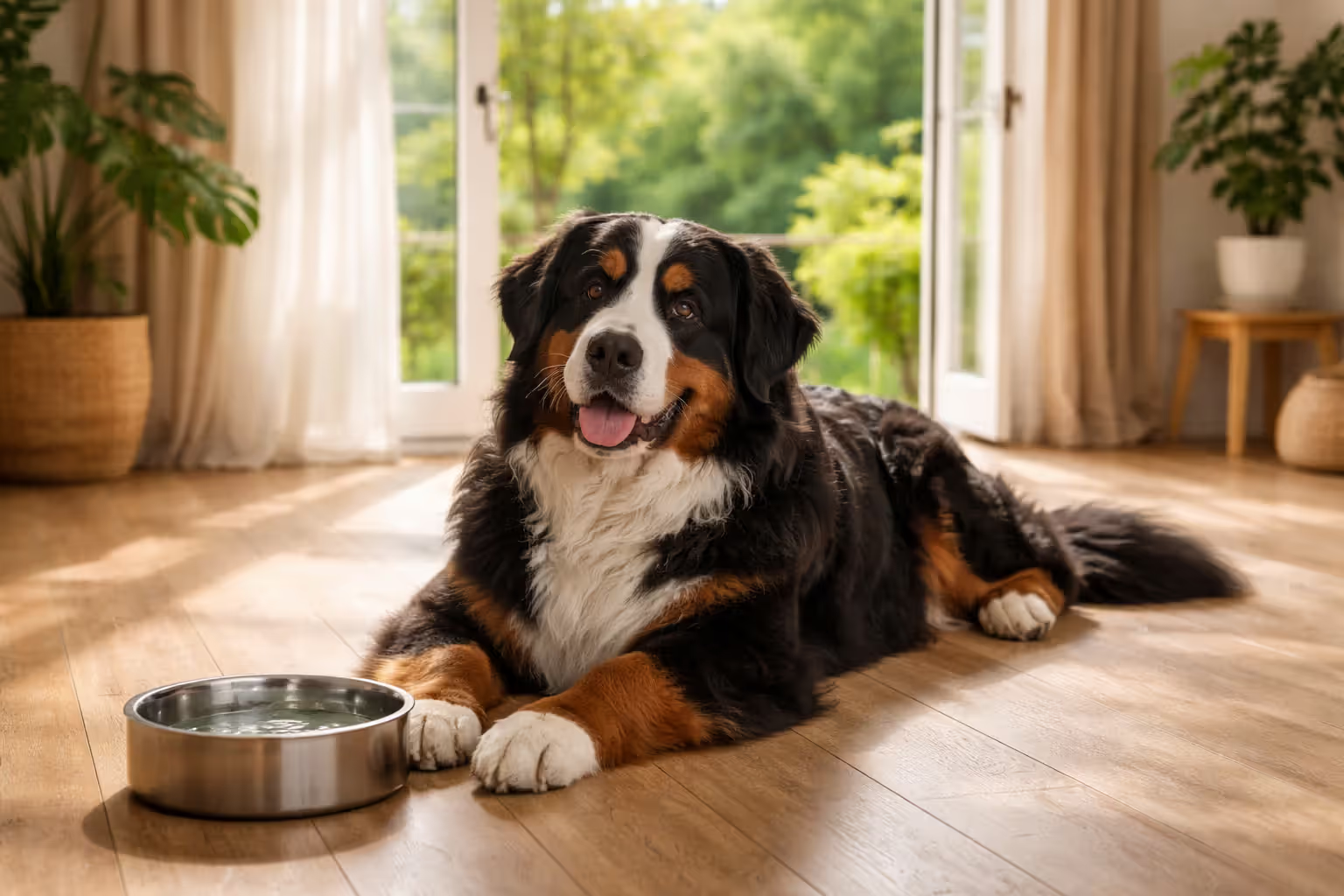
Bernese Mountain Dogs pack working-dog heritage into 70-115 pounds of affection. Swiss farmers originally used them to pull carts and guard property, yet they're surprisingly mellow for a working breed. These dogs shadow their families constantly—not hyperactively, just preferring your company to independent adventures.
Daily exercise is necessary but they tire faster than most working breeds. Wonderful with children and typically warm toward strangers after proper introductions. That gorgeous tri-color coat requires consistent brushing, and here's the heartbreaker: most Bernese live only 7-10 years. Losing them right when other breeds would be middle-aged is devastating. Factor this into your decision seriously.
Greyhound
Greyhounds might be the most misunderstood breed. Yes, they hit 45 mph on the track. Then they sleep 18 hours daily and want nothing more than a soft bed. Retired racers especially are champion nappers who enjoy one good sprint or a couple moderate walks, then they're done. Their thin skin and minimal body fat mean they feel every temperature change, so expect them hogging your heating vents and softest blankets.
These quiet, gentle dogs bark rarely and adapt beautifully to apartment life. The prey drive is real though—they'll chase small animals outdoors instinctively. Their delicate skin tears during rough play more easily than thick-skinned breeds. Standing 27-30 inches but weighing only 60-70 pounds, they're surprisingly unobtrusive indoors despite their height.
A dog teaches a boy fidelity, perseverance, and to turn around three times before lying down
— Robert Benchley
Medium-Sized Gentle Companions
Basset Hound
Basset Hounds approach life like they're perpetually late but don't particularly care. These 40-65 pound scent hounds were specifically bred to track game slowly enough that hunters on foot could keep up. That leisurely pace defines their entire existence—they'll take short walks if you insist, but they'd vote for naptime instead.
Training requires patience because stubbornness is their default setting. Instead of barking, they bay—a distinctive sound that travels much farther than expected, so thin apartment walls could be problematic. Their long backs create vulnerability to disc issues, meaning furniture jumping should be prevented. Those adorable floppy ears need cleaning weekly to prevent infections in the warm, moist environment they create.
Bulldog
English Bulldogs define apartment-friendly living. Weighing 40-50 pounds with minimal exercise requirements, they're perfectly suited to small spaces. Those flat faces prevent any sustained activity—a short walk in mild weather exhausts them. They snore loudly, snort constantly, and produce various breathing sounds that charm some owners and drive others crazy.
Bulldogs bond intensely and hate being alone. They can't swim due to their body structure and overheat dangerously in warm weather. The skin folds on their faces trap moisture and require regular cleaning to prevent infections. Modern breeding has unfortunately created extensive health problems that mean high vet bills and shorter lifespans. Despite these challenges, their loving, laid-back personalities inspire fierce devotion.
Clumber Spaniel
At 55-85 pounds, Clumber Spaniels are the giants of the spaniel world. British nobility developed them as hunting companions that wouldn't rush ahead too quickly. Modern Clumbers still embody that unhurried approach. They're affectionate, loyal, and noticeably less excitable than their hyperactive spaniel cousins.
Moderate daily exercise satisfies them, but they tire more quickly than other spaniels. They shed heavily year-round and drool moderately—not the breed for someone who wants pristine furniture. Their thoughtful, peaceful demeanor makes them excellent for families wanting spaniel sweetness minus the typical spaniel chaos.
Author: Emily Crosswell;
Source: alwaysonsalepetsupplies.com
Small Apartment-Friendly Calm Dogs
Cavalier King Charles Spaniel
Cavaliers were literally bred for centuries to warm royal laps. These 13-18 pound companions match their owner's energy perfectly—they'll happily join a neighborhood walk but are equally thrilled cuddling through an entire lazy Sunday. Their gentle, eager-to-please nature makes them ideal for first-time owners, seniors, and apartment dwellers.
Exercise requirements are minimal compared to other spaniels. They're friendly with absolutely everyone, which makes them terrible watchdogs but excellent therapy animals. Heart disease significantly affects the breed—many develop heart murmurs by age five or six. Their silky coats need regular brushing but aren't particularly challenging to maintain.
Shih Tzu
Chinese royalty bred Shih Tzus exclusively for companionship—no hunting, herding, or guarding jobs required. Centuries of selection for being pleasant companions created dogs whose sole ambition is staying near their people. At 9-16 pounds, they're robust enough for careful play but compact enough for studio apartments.
They're among the quieter small breeds, rarely developing yappy tendencies. That flowing coat creates significant work though—either brush it daily or budget for professional grooming every 6-8 weeks to maintain a short "puppy cut." Housetraining can be frustratingly slow, but their affectionate, adaptable personalities reward your patience.
Pekingese
Pekingese carry themselves with regal composure. Weighing 7-14 pounds, they're confident without being nervous or yappy. Chinese imperial families kept them as palace companions, and they're still content spending most days relaxing in comfortable spots. Brief walks fulfill their exercise needs completely.
They're devoted to their families but indifferent toward strangers—not aggressive, just uninterested in making new friends. Their flat faces cause breathing difficulties in heat or during exercise. That long coat needs regular maintenance, though many owners keep them clipped short for practicality. They're independent enough to handle alone time better than velcro toy breeds.
Japanese Chin
Japanese Chins act more cat-like than dog-like in many ways—independent yet affectionate. These 7-11 pound companions are peaceful, quiet, and surprisingly low-maintenance for a toy breed. They play in short, energetic bursts, then spend hours relaxing contentedly. A few short walks or indoor play sessions satisfy their exercise requirements perfectly for apartment living.
Chins are remarkably sensitive to their owner's moods and adjust their behavior accordingly. They're generally silent unless alerting to something genuinely unusual. Like other flat-faced breeds, heat and overexertion are dangerous for them. Their silky coats need regular brushing but don't mat as aggressively as some long-haired breeds.
Unexpected Low-Stress Breeds
Whippet
Think of Whippets as Greyhounds' smaller, lower-maintenance siblings. These 25-40 pound sighthounds sprint intensely for maybe 10 minutes, then sleep for hours. They're exceptionally gentle—sensitive, quiet, and deeply bonded to their families. Their short coats need minimal grooming beyond occasional baths.
Access to a fenced area for sprinting or regular leashed walks satisfies them. Never trust them off-leash in unfenced areas—their prey drive and speed make them impossible to catch if they spot something to chase. They're cold-sensitive due to minimal body fat and thin coats, frequently seeking warm laps or burrowing under your blankets. Their peaceful indoor behavior and rare barking make them excellent apartment dogs.
Scottish Deerhound
Scottish Deerhounds are massive sighthounds (75-110 pounds) with unexpectedly peaceful temperaments. They're dignified, gentle, and polite indoors despite their intimidating size. Like other sighthounds, they enjoy brief intense exercise followed by extended rest periods. They're less common than Greyhounds but share remarkably similar temperaments.
Their size demands space to stretch out comfortably—cramming them into small apartments feels unkind. They're quiet, rarely bark, and are generally friendly with both people and other dogs. That wiry coat needs regular brushing but doesn't require professional grooming. Their calm demeanor surprises people expecting high energy from such large, athletic-looking dogs.
Irish Wolfhound
Standing 30-35 inches at the shoulder, Irish Wolfhounds hold the record as the tallest breed. Despite their imposing presence, they're remarkably gentle and calm. These sensitive souls respond poorly to harsh treatment. They're patient with children, friendly with strangers after proper socialization, and generally peaceful with other animals.
Moderate exercise satisfies them, but they tire more quickly than their size suggests. The challenges of giant size are real: heartbreakingly short lifespans (typically 6-8 years), expensive food bills, and significant space requirements. They're not hyperactive, but a 140-180 pound dog moving through your home needs room. Their calm, affectionate nature makes them beloved despite their brief time with us.
Great Pyrenees
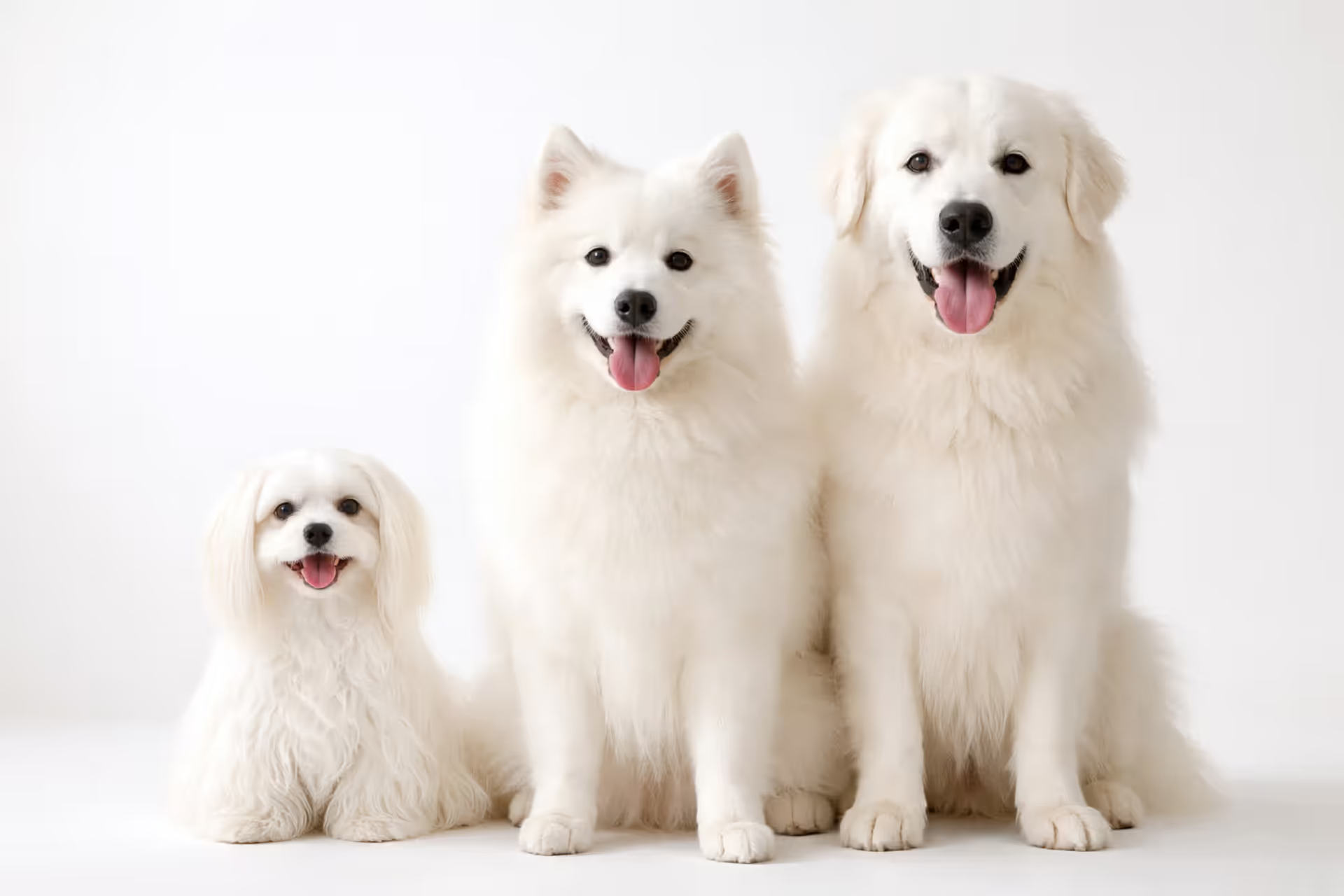
Great Pyrenees were developed to guard livestock independently in mountains, making decisions without human input. This created calm, confident dogs that don't require constant entertainment. They're gentle with their families and children but naturally watchful. At 85-115 pounds, they're substantial yet move with surprising grace.
These dogs are calmer indoors than many expect from guardian breeds, but they bark to alert and patrol what they consider their territory. Secure fencing is essential, and apartment living isn't suitable. Their thick white coats shed extensively and demand regular brushing. Pyrenees are independent thinkers—they'll cooperate when they understand the purpose, not from blind obedience like retrievers.
Calm Breed Quick Reference Guide
Breed
Size
Exercise
Grooming
Ideal Home
Barking
Great Dane
Large
Moderate
Minimal
Houses, families
Rare
Newfoundland
Large
Moderate
Extensive
Houses, families
Rare
Bernese Mountain Dog
Large
Moderate
Extensive
Houses, families
Rare
Greyhound
Large
Low-Moderate
Minimal
Apartments, seniors
Very rare
Basset Hound
Medium
Low
Moderate
Houses, families
Occasional baying
Bulldog
Medium
Low
Moderate
Apartments, seniors
Rare
Clumber Spaniel
Medium
Moderate
Extensive
Houses, families
Rare
Cavalier King Charles
Small
Low
Moderate
Apartments, seniors, beginners
Rare
Shih Tzu
Small
Low
Extensive
Apartments, seniors
Rare
Pekingese
Small
Low
Extensive
Apartments, seniors
Rare
Japanese Chin
Small
Low
Moderate
Apartments, seniors
Rare
Whippet
Medium
Low-Moderate
Minimal
Apartments, active owners
Very rare
Scottish Deerhound
Large
Moderate
Moderate
Houses, experienced owners
Rare
Irish Wolfhound
Giant
Moderate
Moderate
Houses, experienced owners
Rare
Great Pyrenees
Large
Moderate
Extensive
Houses with yards
Frequent alerting
How to Match a Calm Breed to Your Living Situation
Apartment living creates constraints beyond temperament alone. Size affects noise transmission through shared walls. A Great Dane's wagging tail thumping against walls at midnight? Your neighbors will complain. A Cavalier's? Nobody notices. Barking frequency matters more than personality—even peaceful dogs that alert bark regularly create neighbor conflicts.
Start by checking your building's specific rules. Plenty of apartments cap dogs at 25 or 50 pounds regardless of temperament. Insurance restrictions affect certain breeds illogically—Bulldogs frequently appear on banned lists despite their gentle nature, simply because "bulldog" sounds aggressive to people who don't know dogs.
Best apartment choices prioritize: small to medium builds, minimal barking patterns, exercise needs manageable through walks alone, and grooming you can handle at home or afford professionally. Cavaliers, Shih Tzus, Whippets, and even Greyhounds (if you can manage their height) excel here.
Houses with yards expand your options significantly but don't eliminate all considerations. A fenced yard doesn't replace walks—dogs need mental stimulation from exploring new environments. Some calm breeds like Great Pyrenees need secure fencing and may patrol and bark more than strictly apartment-suitable breeds.
Families with children need breeds with exceptional tolerance for noise, sudden movements, and unpredictable behavior. Newfoundlands, Bernese Mountain Dogs, and Cavaliers typically handle children's energy without becoming stressed. Smaller breeds like Pekingese often prefer quieter households with older children or adults exclusively.
Seniors often weigh different priorities: manageable size for physical handling, minimal pulling on leash, lower exercise demands, and affectionate companionship. Cavaliers, Shih Tzus, Greyhounds (if size isn't intimidating), and Japanese Chins work beautifully.
First-time owners benefit from forgiving breeds that train easily despite inevitable mistakes. Cavaliers, Greyhounds, and even Basset Hounds (despite their stubbornness) tolerate inconsistency better than independent breeds like Pekingese or Great Pyrenees.
Be brutally honest about grooming commitment. Professional grooming costs $50-100+ monthly for breeds like Shih Tzus or Newfoundlands. Can you realistically brush a dog 15-20 minutes daily? Some people find it meditative; others grow to resent the obligation. Short-coated breeds like Greyhounds and Whippets need virtually nothing beyond occasional baths.
Health considerations affect both your finances and emotional wellbeing. Flat-faced breeds (Bulldogs, Pekingese, Shih Tzus) struggle with breathing issues, eye problems, and dangerous heat sensitivity. Giant breeds (Great Danes, Irish Wolfhounds) offer heartbreakingly brief companionship and require expensive food and medication due to their size. Cavaliers face exceptionally high heart disease rates. Research breed-specific health issues thoroughly before falling in love.
Common Mistakes When Choosing a "Calm" Dog
Mistaking lazy for calm creates disappointed owners. A Bulldog sleeping 20 hours daily seems calm, but those four waking hours might involve stubbornness, loud breathing, and demanding your constant attention. True calmness means emotional stability, not just inactivity.
Overlooking puppy energy phases disappoints countless new owners. Every single puppy acts energetic, mouthy, and requires extensive training regardless of breed destiny. A Greyhound puppy won't behave like a calm adult Greyhound until 2-3 years old. That adolescent phase tests everyone's patience. Too many people rehome dogs during this challenging period, not realizing their calm breed simply hasn't matured yet.
The average dog is a nicer person than the average person
— Andy Rooney
Underestimating grooming creates resentment that damages the human-dog bond. You might adore Newfoundlands' temperaments but discover you hate spending hours brushing or hundreds monthly on grooming. Be ruthlessly honest about your tolerance for shedding, drool, and maintenance before choosing high-maintenance breeds.
Ignoring breed-specific health issues creates financial strain and emotional trauma. Bulldogs' breathing problems aren't adorable quirks—they're serious medical conditions requiring expensive management and causing genuine suffering. Irish Wolfhounds' seven-year average lifespan means losing your best friend when other breeds would just be hitting middle age. Research health issues exhaustively and confirm you can afford potential veterinary costs.
Assuming every individual matches breed standards guarantees disappointment. Breed tendencies describe averages, not guarantees. Some Greyhounds are anxious, some Basset Hounds are surprisingly energetic, and individual personality variation exists within every breed. Meeting adult dogs or working with breed-specific rescues that temperament-test their dogs helps ensure better matches.
Choosing based on appearance rather than lifestyle compatibility creates years of problems. Great Pyrenees are stunning, but their barking and independence frustrate owners expecting Newfoundland-like obedience. Cavaliers' sweet faces attract buyers who can't afford the cardiac care many eventually require. Honest self-assessment about your actual lifestyle, patience level, and resources matters infinitely more than falling for a cute face.
Training and Environment Tips to Keep Calm Dogs Happy
Calm dogs still need mental engagement—they're not decorative houseplants. Puzzle feeders, leisurely "sniff walks" where they explore scents at their own pace, and gentle training sessions prevent boredom without creating stress. A Greyhound might sleep 18 hours daily, but those six waking hours need some engagement.
Author: Emily Crosswell;
Source: alwaysonsalepetsupplies.com
Exercise balance trumps quantity. Calm breeds don't need five-mile runs, but they do need consistent daily movement. A Basset Hound needs a 30-minute walk even though it would gladly skip it. Without appropriate exercise, even naturally calm dogs develop problems: anxiety, destructive chewing, or attention-seeking behaviors.
Providing quiet retreat spaces gives naturally peaceful dogs the environment they prefer. A crate or bed in a low-traffic corner provides escape options when households get chaotic. Many gentle breeds are sensitive to stress and need the ability to remove themselves from overwhelming situations.
Socialization requires balance—exposure without overwhelm. Calm breeds should meet various people, dogs, and environments during critical puppy development periods, but they don't need constant stimulation afterward. A Cavalier might enjoy weekly play dates but find daily dog park visits exhausting.
Routine provides security for peaceful dogs. Feeding, walking, and bedtime at consistent times reduces background anxiety. These dogs adapt to schedule changes better than high-strung breeds, but they still prefer predictability when possible.
Positive reinforcement training works best universally but especially for calm breeds. Harsh corrections are both unnecessary and counterproductive with gentle temperaments. Most calm breeds are natural people-pleasers who respond beautifully to treats, praise, and patience. Even the independent guardian breeds (Great Pyrenees) need motivation to see training's value but still respond better to positive methods than force.
Frequently Asked Questions About Calm Dog Breeds
Are calm dog breeds good for first-time owners?
Many calm breeds make fantastic first dogs, especially those combining peaceful temperaments with eagerness to please. Cavalier King Charles Spaniels, Greyhounds, and Basset Hounds forgive training mistakes and don't require experienced handling skills. However, some calm breeds like Great Pyrenees or Pekingese are peaceful but independent, making them frustrating for inexperienced owners who expect instant cooperation. Match temperament with trainability—specifically seek breeds described as people-pleasers, not just calm.
Do calm dogs still need daily exercise?
Absolutely, though their needs are moderate compared to high-energy breeds. Even the laziest Bulldog benefits from brief daily walks for physical health, mental stimulation, and bathroom purposes. Think maintenance rather than energy-burning. Most calm breeds need 20-45 minutes of daily activity—manageable for nearly any household. Skipping exercise consistently leads to weight gain, boredom-based behaviors, and health problems even in naturally low-energy dogs.
Which calm breed is best for apartments?
Cavalier King Charles Spaniels consistently top apartment-friendly lists among calm breeds. They're compact (13-18 pounds), quiet, remarkably adaptable, friendly with neighbors, and need minimal exercise. Whippets work well for slightly more active owners who can provide occasional sprint opportunities. Shih Tzus suit people willing to commit to grooming requirements. Avoid breeds that alert bark frequently (Great Pyrenees) or need significant space simply to stretch out (Irish Wolfhounds), regardless of their calm temperament.
Are there calm dog breeds that don't shed much?
Most naturally calm breeds shed moderately to heavily, but Shih Tzus and Pekingese shed minimally if properly groomed. Their coat grows continuously rather than cycling through seasonal shedding phases. The trade-off involves high grooming maintenance—daily brushing or professional grooming appointments every 6-8 weeks. No breed is genuinely hypoallergenic, but these breeds distribute less dander through shedding. Standard Poodles (not covered above but worth mentioning) are calm when mature and shed minimally, though they require professional grooming regularly.
At what age do dogs become calmer?
Most dogs mature into their breed's typical adult temperament between ages 2-3 years. Giant breeds like Great Danes and Irish Wolfhounds mature slower, reaching full calmness around 3-4 years. Small breeds like Cavaliers often calm down by 18-24 months. Every puppy is energetic regardless of breed—that's normal, healthy development. The teenage phase (roughly 6-18 months) often brings increased energy and boundary-testing before dogs settle into adult personalities. Patience through these phases is absolutely essential.
Can high-energy breeds become calm with training?
Training creates obedience and impulse control but doesn't fundamentally alter genetic temperament. A Border Collie trained to settle on command remains a high-energy dog requiring significant daily stimulation—just one with better manners. If you want a naturally peaceful companion, choose a breed specifically selected for that temperament rather than attempting to train away genetic drives. Training enhances a calm breed's natural inclinations but can't manufacture calmness in breeds developed for intensity and drive.
Selecting from the calmest dog breeds means recognizing that "calm" encompasses diverse temperaments, sizes, and care requirements. A Greyhound's version of calm differs dramatically from a Bulldog's, and a Great Pyrenees' calmness comes packaged with independence that challenges certain owners.
The right match depends on brutally honest assessment of your living situation, activity level, grooming tolerance, and financial resources for breed-specific health needs. A naturally calm dog in an incompatible environment becomes stressed; a peaceful breed in a compatible home becomes the tranquil companion you're seeking.
Research extends beyond temperament—understand grooming demands, health predispositions, size implications, and individual personality variation within breeds. Visit breeders or rescues to meet adult dogs displaying the actual temperament you'll eventually live with. The effort invested in finding the right match pays dividends in years of peaceful companionship.
Discover 25+ white dog breeds ranging from tiny apartment companions to powerful livestock guardians. Explore the genetics behind white coats, compare grooming demands across coat types, understand breed-specific health risks, and find the perfect snow-coated match for your actual lifestyle, family size, and daily routine
Searching for the perfect small dog breed that truly fits your daily routine? This detailed guide breaks down 15 popular tiny breeds by temperament, grooming demands, health risks, and annual costs. Whether you rent a studio apartment, raise young kids, or own a dog for the first time, find your match here
Complete guide to service dog requirements under the ADA, including legal rights for handlers, public access rules, housing and air travel regulations, training costs and timelines, task examples by disability type, best breeds for service work, and key differences between service dogs, emotional support animals, and therapy dogs under United States law
Explore the top 15 smartest dog breeds ranked by science-backed criteria, learn how canine intelligence is truly measured across three distinct categories, and get proven training strategies for brainy dogs. Find expert insights on matching a breed’s cognitive style to your lifestyle for a perfect fit
The content on this website is provided for general informational and educational purposes only. It is intended to offer guidance on dog breeds, behavior, health, care, and lifestyle, and should not be considered a substitute for professional veterinary advice, diagnosis, or treatment.
All information published on this site is based on general knowledge, widely accepted research, and practical experience, but individual dogs may differ in behavior, health conditions, and needs. Results and outcomes may vary depending on the dog, environment, and circumstances.
The website is not responsible for any errors or omissions, or for actions taken based on the information provided. For specific concerns regarding your dog’s health or behavior, always consult a qualified veterinarian or professional dog specialist.