
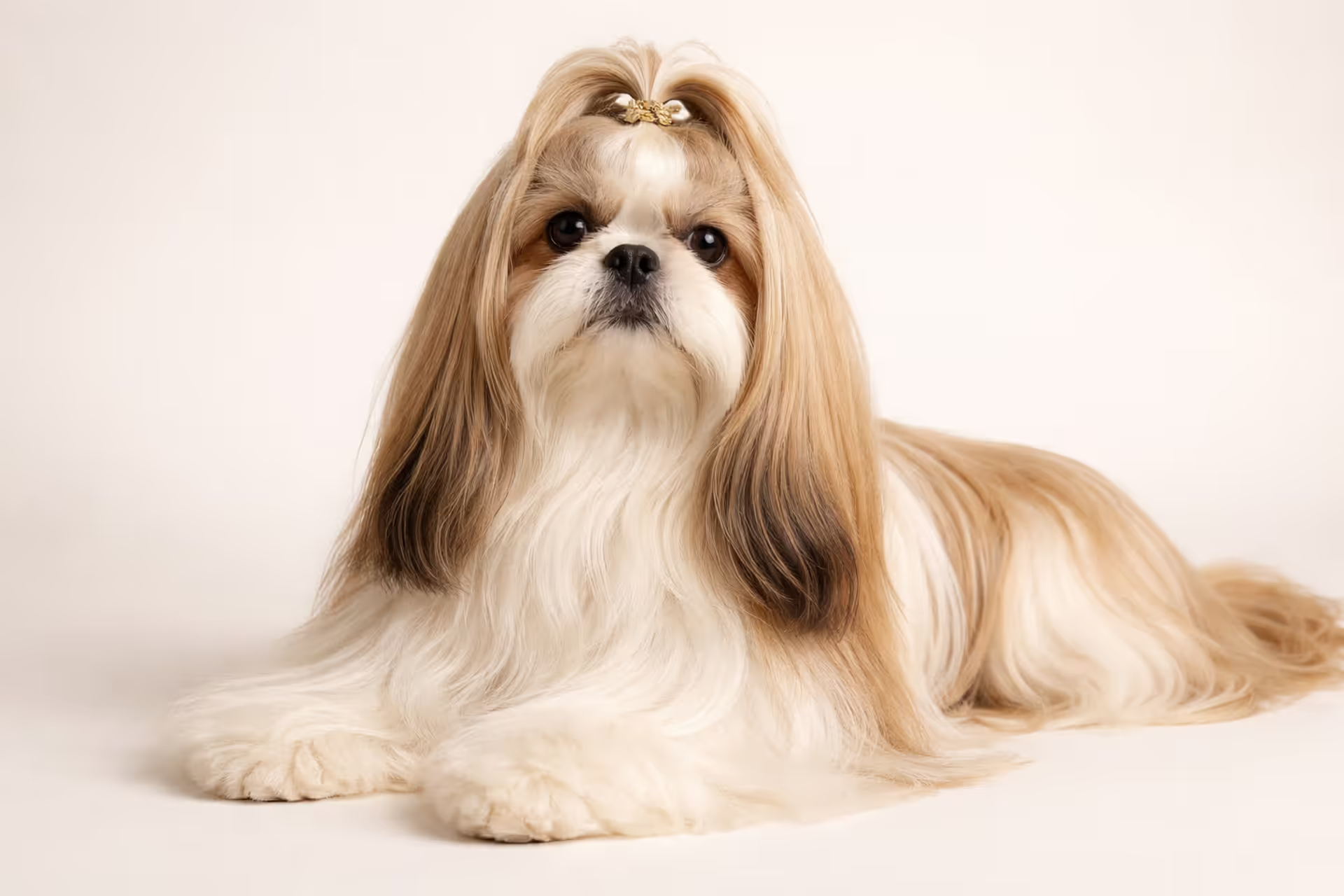
Shih Tzu Breed Guide for New Dog Owners
Discover everything about Shih Tzu dogs — from temperament and grooming to health issues and ownership costs. Find out if this charming breed suits your lifestyle.

Red smooth-haired dachshund portrait looking directly at camera
Content
That elongated body on stubby legs? You'd recognize a dachshund anywhere. Germans originally developed these tenacious hunters for crawling into badger dens—a job requiring guts, determination, and a very specific body shape. Today's dachshunds are more likely to burrow under blankets than chase badgers, but they've kept that fearless attitude and distinctive build. Before you fall for those puppy-dog eyes, though, you'll want to understand what living with this unique breed actually involves.
Most lap dogs were bred to look cute and keep people company. Dachshunds? They had a job description: hunt dangerous animals in underground tunnels where humans couldn't follow. Everything about their construction served that purpose. Those paddle paws? Perfect digging tools. The barrel chest? Room for powerful lungs during extended underground pursuits. The long, low body? Ideal for maneuvering through tight burrows.
This working dog background affects everything from personality to physical health. You're not getting a delicate companion dog here—you're getting a hunter who happens to fit on your couch.
The American Kennel Club splits dachshunds into categories based on size and coat. Standards clock in at 16-32 pounds, while miniatures max out around 11 pounds at maturity. That weight gap matters for more than picking them up—smaller versions sometimes have different energy patterns and space needs, though both sizes share that signature dachshund attitude.
The dog was created specially to hunt badgers — and the dachshund, bred to follow its quarry underground, has developed more character, courage, and tenacity than almost any other breed.
— E. Fitch Daglish
Coat varieties create the most obvious differences. Smooth dachshunds sport sleek, short fur lying flat against their skin. Long-haired versions look almost regal with their flowing, slightly wavy coats—likely thanks to spaniel ancestors somewhere in the family tree. Wire-haired dachshunds (probably mixed with terriers way back) have rough, dense coats plus those distinctive bushy eyebrows and beards that give them extra personality.
| Variety | Size/Weight | Coat Type | Grooming Frequency | Temperament Notes |
| Standard Smooth | 16-32 lbs | Sleek, lies flat, minimal texture | Brush once weekly, bathe when dirty | Quintessential dachshund personality; sheds consistently |
| Miniature Smooth | 11 lbs or less | Sleek, lies flat, minimal texture | Brush once weekly, bathe when dirty | Same bold attitude, more delicate frame |
| Standard Long-haired | 16-32 lbs | Wavy, flowing, feathered legs/tail | Brush 2-3x per week minimum | Tends toward gentler, more patient demeanor |
| Miniature Long-haired | 11 lbs or less | Wavy, flowing, feathered legs/tail | Brush 2-3x per week minimum | Softer personality, requires careful handling |
| Standard Wire-haired | 16-32 lbs | Coarse outer coat, soft undercoat, facial furnishings | Weekly brushing, professional hand-stripping twice yearly | Most outgoing and clownish; intense prey drive |
| Miniature Wire-haired | 11 lbs or less | Coarse outer coat, soft undercoat, facial furnishings | Weekly brushing, professional hand-stripping twice yearly | Feisty, bold, energetic despite small size |
Colors run the gamut: solid reds and creams, black and tan combinations, chocolate, dapple patterns (similar to merle), brindle, and piebald. Word of caution—breeding two dapple dogs together (double-dapple) often produces puppies with severe health problems including vision and hearing loss. Responsible breeders avoid this combination entirely.
Being built low to the ground changes how dachshunds experience everything. They're constantly inhaling whatever's happening at ground level, which makes them fantastic trackers but also means they'll find and eat things you'd rather they didn't. Those short legs take twice as many steps to cover the same ground a beagle would, so factor that into exercise planning. Stairs aren't a minor inconvenience—they're a legitimate physical challenge every single time.

Author: Matthew Ridgeway;
Source: alwaysonsalepetsupplies.com
Imagine a dog bred to face down armed badgers in pitch-black tunnels with zero backup. Now picture that same dog on your sofa. The courage didn't evaporate just because the job changed. Dachshund temperament mixes fearless confidence with intense devotion to their family—they'll bond deeply with you while showing zero hesitation about confronting dogs five times their size.
Stubbornness? Oh, you'll get stubbornness. Dachshunds aren't dumb—they're selectively cooperative. Your dog understands "come" perfectly. They're just running a cost-benefit analysis: is obeying worth more than continuing whatever interesting thing they're currently doing? Often, they decide it's not. This isn't a golden retriever eager to please you. This is a independent thinker who'll comply when they see the point.
The prey drive hasn't mellowed despite generations of couch-surfing. Squirrels, rabbits, birds—even blowing leaves—can trigger that intense hunter focus. Plenty of dachshunds cannot be trusted off-leash in unfenced areas because when prey appears, all training evaporates. That same instinct makes them risky around small pets like hamsters or guinea pigs. Some coexist peacefully with cats, especially if raised together from puppyhood, but don't count on it.
Loyalty shows up as deep family bonds paired with potential standoffishness toward strangers. Proper puppy socialization helps, yet many adults remain reserved with new people. They're not typically aggressive—just not interested in greeting every human they encounter. Makes them decent watchdogs (they'll definitely alert you to visitors), though their size limits actual protection capability.
Energy levels catch people off guard. You might assume such a small dog would be low-key. You'd be wrong. Plan on 30-60 minutes of daily activity minimum—walks, play sessions, sniff adventures. Young dachshunds under three years old can be genuinely high-energy, zooming around demanding attention and interaction. They mellow somewhat with age, but even seniors usually maintain interest in activities and outings.
A dog is not ‘almost human’ and I know of no greater insult to the canine race than to describe it as such. The greatness of the dog consists in the fact that he is himself — loyal, brave, and independent.
— John Holmes
How they do with kids depends entirely on the specific dog, children's ages, and supervision consistency. Dachshunds won't tolerate rough handling, tail-grabbing, or improper picking up. Toddlers who grab and squeeze create dangerous situations. School-age children who've learned gentle interaction and body language typically fare better. Many dachshunds adore "their" kids while showing less patience with visiting children they don't know.
Some develop separation anxiety more than others. They prefer being with their people and can become destructive, noisy, or have housetraining accidents when left alone excessively. Normal workday absences are usually fine, but routinely leaving them alone for ten-plus hours typically creates behavioral problems. Their social nature suits homes where someone's around much of the day or where midday dog walkers provide breaks.
That distinctive silhouette creates the breed's biggest health vulnerability. A long spine supported by short legs makes back problems almost inevitable for some dogs—ranging from mild soreness to complete paralysis. Understanding these risks and implementing prevention strategies dramatically impacts your dog's quality of life.
IVDD happens when cushioning discs between vertebrae bulge, herniate, or rupture, pressing into the spinal cord. Dachshunds develop this condition at rates ten to twelve times higher than other breeds. Research suggests about one in four dachshunds will experience some IVDD severity during their lifetime. Symptoms range from mild discomfort to full hindquarter paralysis.
Watch for these early warnings: refusing to jump up or down, yelping when touched or picked up, hunched posture, trembling, reduced activity levels. Advanced cases show dragging rear legs, complete loss of bladder or bowel control, inability to stand. Severity determines treatment—mild episodes might resolve with strict crate rest plus anti-inflammatory medications, while severe cases often need emergency surgery running $3,000-$8,000.

Author: Matthew Ridgeway;
Source: alwaysonsalepetsupplies.com
Prevention focuses on protecting that spine throughout their entire life. Never let your dachshund jump on or off furniture—provide ramps or pet stairs instead. Discourage begging on hind legs. Use harnesses instead of collars for walks to eliminate neck and spine pressure. When lifting them, support the entire body length so their back never sags unsupported. Maintain appropriate weight since every extra pound multiplies spinal stress.
Genetics contribute, though even careful breeding hasn't eliminated IVDD risk. Some breeders perform health screening, but no genetic test yet reliably identifies IVDD predisposition. The condition can strike young, healthy, well-bred dogs without warning. Prevention strategies matter for every single dachshund regardless of pedigree.
Obesity multiplies IVDD risk while creating numerous additional health problems. An overweight dachshund's spine carries disproportionate load, accelerating disc degeneration. Yet these food-motivated dogs excel at begging, making weight management an ongoing battle.
You should easily feel ribs with light touch, though they shouldn't be visibly prominent. Looking down from above, there should be a clear waist indentation behind the ribcage. From the side, the belly should tuck upward rather than hanging at or below chest level.
Most adults maintain healthy weight on about half to one cup of quality dog food daily split between two meals, though needs vary based on size, age, and activity. Miniatures obviously need less than standards. Treats should comprise no more than 10% of daily calories—those training treats and table scraps accumulate faster than you think.
Common mistakes: free-feeding (leaving food available constantly), giving generous treats without reducing meal portions, and underestimating how few calories small dogs actually need. A single cheese slice represents a far larger percentage of a dachshund's daily requirements than it does for humans.
Progressive retinal atrophy (PRA) causes gradual vision deterioration ending in blindness. Affected dogs typically show night blindness first, eventually progressing to complete vision loss. Responsible breeders test for PRA genes, though not all breeders do this screening.
Patellar luxation—dislocating kneecaps—occurs when the kneecap slides out of proper position, causing limping or hopping. Mild cases might need no intervention, while severe luxation requires surgical correction costing $1,500-$3,000 per affected knee.
Dental disease affects dachshunds at elevated rates, particularly with age. Small mouths crowd teeth together, trapping food particles and promoting plaque accumulation. Without regular dental care, bacteria from diseased gums enters the bloodstream, potentially damaging heart, liver, and kidneys. Professional cleanings under anesthesia typically cost $300-$800 and might be needed annually to every three years depending on home care quality.
Cushing's disease (hyperadrenocorticism) appears more frequently in dachshunds than many breeds. Watch for increased thirst and urination, pot-bellied appearance, hair loss patterns, and excessive panting. Treatment manages symptoms without curing the underlying condition, requiring lifelong medication and veterinary monitoring.
| Condition | Symptoms | Prevention Tips | Estimated Treatment Cost Range |
| IVDD (Intervertebral Disc Disease) | Refusing jumps, yelping when touched, hunched back, rear leg weakness or paralysis | Provide ramps everywhere, keep weight optimal, support back during lifting, eliminate jumping | $500-$1,500 (medical management); $3,000-$8,000 (surgical intervention) |
| Obesity complications | Movement difficulty, labored breathing, no waist definition | Measure food precisely, minimize treats, ensure daily exercise | $200-$500 (veterinary weight loss plan, diabetes management if needed) |
| Progressive Retinal Atrophy | Night blindness initially, dilated pupils, reluctance in dim lighting | Buy only from genetically tested parents (no treatment exists) | No treatment available; inherited condition |
| Patellar Luxation | Intermittent limping, hopping on three legs, holding leg elevated | Keep weight healthy, prevent excessive jumping | $1,500-$3,000 per knee (surgical correction when needed) |
| Dental Disease | Foul breath, inflamed or bleeding gums, eating difficulty, tooth loss | Daily brushing, dental chews, routine professional cleanings | $300-$800 per cleaning session; $500-$1,500 (tooth extractions) |
| Cushing's Disease | Excessive thirst and urination, distended abdomen, hair loss, heavy panting | No prevention available; genetic component | $50-$200 monthly (lifelong medication and veterinary monitoring) |
Budget around $500-$1,000 annually for routine veterinary expenses (wellness exams, vaccinations, preventive medications), with an emergency fund of at least $3,000-$5,000 for unexpected health crises. Pet insurance purchased while your dog is young and healthy can offset major expenses, though IVDD-related claims sometimes face scrutiny or coverage limitations depending on policy terms.
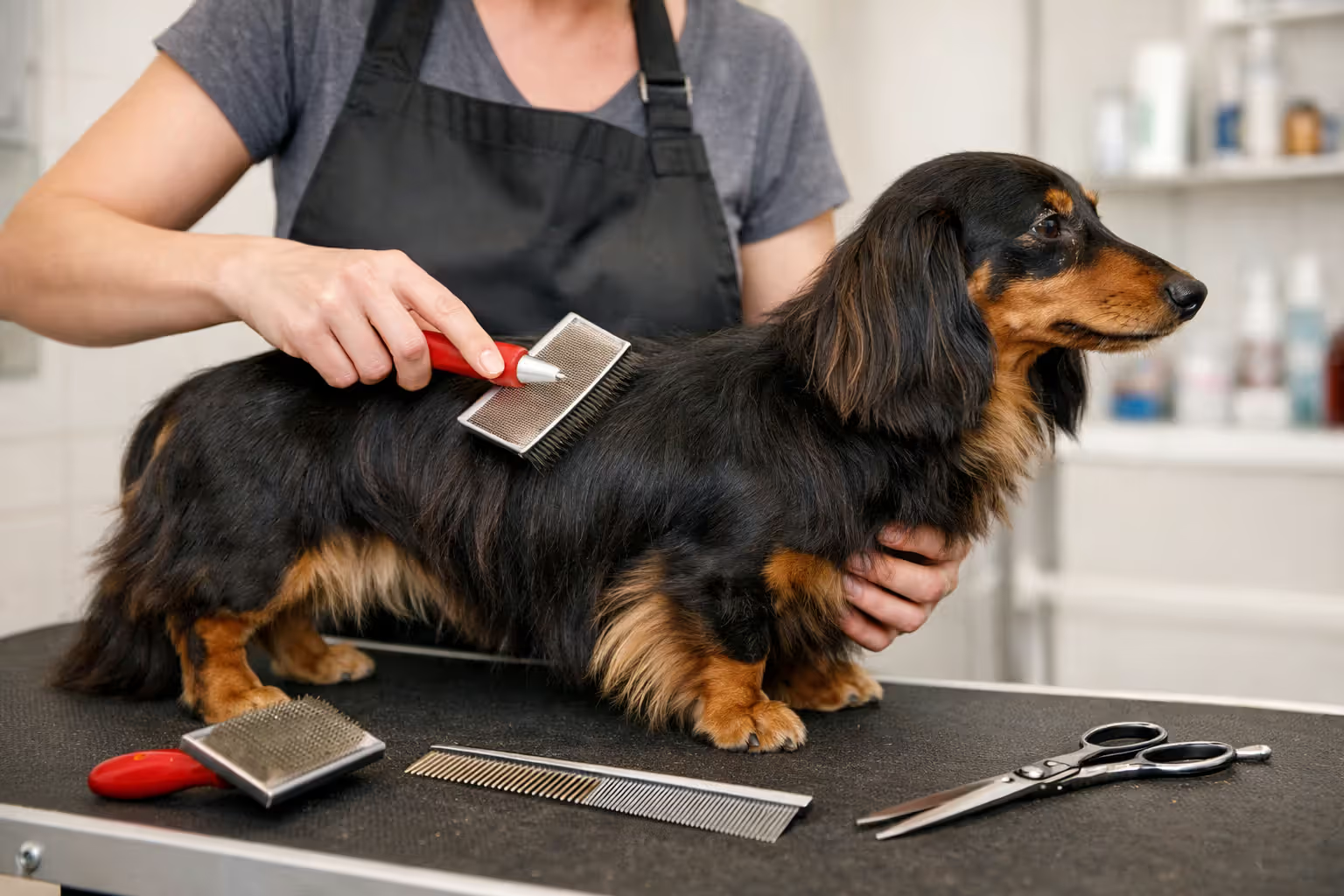
Grooming needs vary dramatically between the three coat types, though all share some basic requirements. Knowing your specific dog's coat prevents both under-grooming (causing mats, skin issues, or excessive shedding) and over-grooming (irritating skin or damaging coat quality).
Smooth-coated dachshunds need minimal maintenance. Brush once weekly with soft bristles or a grooming mitt to pull loose fur and spread natural oils across their coat. They shed consistently throughout the year with heavier periods during spring and fall seasonal changes. Bath them every six to eight weeks or when visibly dirty—frequent bathing strips beneficial skin oils and can cause dry, flaky skin.
Long-haired dachshunds demand more frequent attention preventing tangles and mats. Brush at least twice weekly using a slicker brush or pin brush, focusing especially on areas behind ears, under legs, and the feathery fur on tail and belly where mats develop most readily. A metal comb works through small tangles before they become serious problems. Bath every four to six weeks to maintain cleanliness and manageability. Some owners trim the feathering slightly for easier maintenance, though this is purely personal preference.
Wire-haired dachshunds require the most specialized grooming approach. Brush weekly with a slicker brush removing loose undercoat fur. However, that wiry outer coat needs hand-stripping—manually plucking dead hairs—roughly twice yearly to preserve proper harsh texture. Clipping is easier but progressively softens the coat over time, eventually diminishing that characteristic rough feel. Many owners pay professional groomers for stripping ($50-$100 per session) rather than learning the somewhat tedious technique themselves. Wire-haired dogs also need periodic trimming of facial furnishings keeping them neat.
Author: Matthew Ridgeway;
Source: alwaysonsalepetsupplies.com
All varieties need regular nail trimming—among the most commonly neglected grooming tasks. Trim nails every two to four weeks depending on growth rate and natural wear from walking surfaces. If nails click audibly on hard floors, they're too long already. Overgrown nails alter walking gait, potentially affecting their vulnerable spine, and can curl around growing into paw pads painfully. Hear clicking? Trim immediately.
Many dachshunds resist nail trims intensely, making gradual desensitization important. Start by simply touching paws, then touching nails with clippers without cutting, then trimming just the tiniest tip of one nail followed by high-value rewards. Never rush this process. If your dog's anxiety is severe, professional grooming or veterinary nail trims every three to four weeks may be worth the expense for everyone's stress levels.
Dental hygiene combats the breed's predisposition toward dental disease. Daily tooth brushing with dog-formulated toothpaste provides optimal protection. Use a soft-bristled dog toothbrush or finger brush, concentrating on outer tooth surfaces where plaque accumulates most heavily. Most dachshunds tolerate brushing if introduced gradually with positive associations built over time. Dental chews and water additives provide supplemental benefit but never replace actual brushing.
Ear cleaning needs depend on individual dogs. Those floppy ears can trap moisture and debris, creating ideal conditions for infections, though not every dog experiences problems. Check ears weekly—healthy ears appear light pink, clean, and smell neutral. Notice redness, dark discharge, odor, or your dog scratching at ears? Consult your veterinarian before attempting cleaning yourself, as these signs indicate possible infection requiring medical treatment.
Training a dachshund means adjusting your expectations and methods to match their independent, strong-willed personality. These dogs can learn anything other breeds learn—they just won't perform reliably unless they perceive personal benefit. Understanding this mindset transforms training from endless frustration into manageable negotiation.
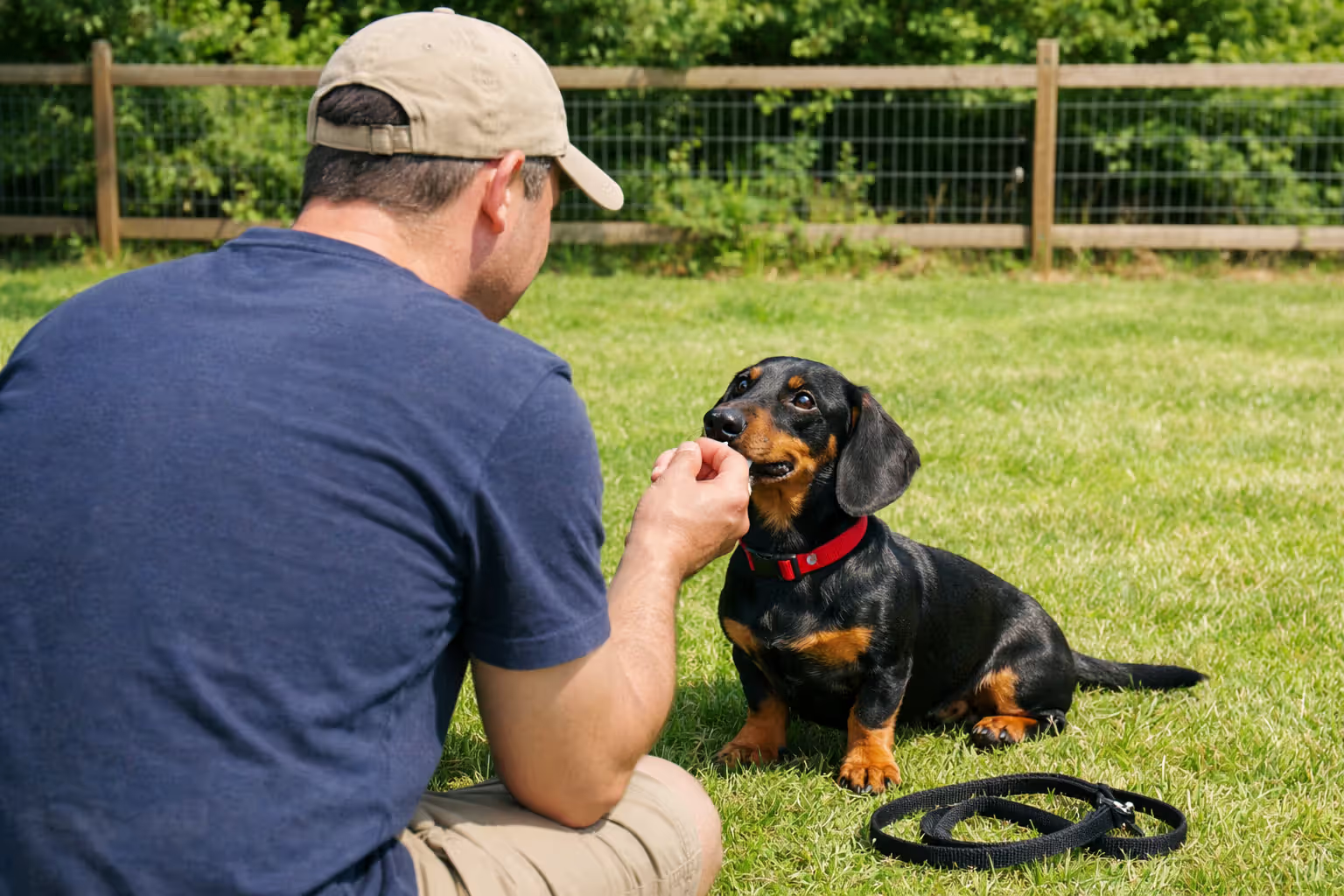
Positive reinforcement works infinitely better than punishment-based approaches. Dachshunds respond to corrections by becoming more stubborn, avoidant, or even aggressive. They remember negative experiences and hold genuine grudges. Instead, reward desired behaviors generously with treats, praise, or play—whatever motivates your specific dog most. High-value treats (tiny chicken pieces, cheese bits, or premium training treats) work better than ordinary kibble when teaching new behaviors.
Keep training sessions brief. Five minutes of focused work several times throughout the day produces superior results compared to thirty-minute marathons. Dachshunds lose interest rapidly, and pushing beyond their attention span creates negative associations with training itself. End every session on a successful note, even if that means asking for something easy your dog already knows perfectly.
Author: Matthew Ridgeway;
Source: alwaysonsalepetsupplies.com
Dachshunds carry a notorious reputation for difficult housetraining, though the reality has more nuance. Small bladders mean they physically cannot hold it as long as larger breeds—expecting a dachshund puppy to last eight hours between bathroom opportunities sets everyone up for failure. Additionally, being built so low to the ground means they're constantly closer to their own scent markers, making it easier to overlook accidents if cleanup isn't completely thorough.
Successful housetraining demands consistency, frequent opportunities, and enzymatic cleaners that totally eliminate odor from accidents. Puppies under four months need bathroom breaks every two to three hours throughout the day, plus immediately after waking, eating, drinking, and vigorous play sessions. Adult dachshunds typically manage four to six hours comfortably, though individual bladder capacity varies.
Crate training accelerates housetraining progress. Dogs instinctively avoid soiling their sleeping area, making a properly-sized crate (just large enough for standing, turning around, and lying down) a valuable tool. Never use crates for punishment, and ensure your dog receives adequate exercise and attention outside crate time. Some dachshunds take to crates immediately, while others protest initially—gradual introduction with treats and meals inside the crate builds positive associations over time.
Weather resistance complicates outdoor training significantly. Many dachshunds absolutely refuse eliminating outside during rain, snow, or temperature extremes. Their low clearance means wet grass soaks their entire belly, and cold ground rapidly chills those short legs. Having a covered potty area or training your dog accepting pee pads as a backup prevents accidents during miserable weather.
Male dachshunds may develop marking behavior, particularly if left intact. Neutering reduces but doesn't necessarily eliminate marking tendencies. Consistent supervision, immediate interruption of marking attempts, and thorough cleanup of previously marked areas helps manage the behavior pattern.
Early socialization—exposing puppies to diverse people, animals, environments, and experiences between roughly 8-16 weeks—significantly shapes adult temperament. Under-socialized dachshunds frequently become fearful or reactive toward unfamiliar situations, while well-socialized dogs handle novel experiences with considerably more confidence and adaptability.
Introduce puppies to different people types: men, women, children of various ages, people wearing hats or using wheelchairs, people of different ethnicities and appearances. Each positive interaction expands your dog's comfort with human diversity. Avoid forcing interactions—let puppies approach at their own pace, rewarding brave behavior generously.
Controlled exposure to other dogs teaches appropriate social skills and communication. Puppy kindergarten classes provide structured socialization opportunities with similarly-aged dogs. Avoid dog parks until your puppy is fully vaccinated and you've thoroughly assessed their play style—some dachshunds play beautifully with other small dogs but get overwhelmed or injured by large, boisterous breeds that play roughly.
Environmental socialization includes different walking surfaces (grass, concrete, gravel, metal grates), various sounds (traffic noise, sirens, thunder recordings played at low volume initially), and diverse situations (car rides, veterinary office visits for just treats and weighing rather than procedures). The goal isn't overwhelming your puppy but rather demonstrating that novel experiences aren't threatening.
Common training mistakes include inconsistency (permitting behavior sometimes but not others confuses dogs), delayed rewards (your dog can't connect the reward with the behavior if too much time passes), and expecting too much progress too quickly. Dachshunds learn at their own pace. Comparing your dog's progress to other breeds' accomplishments creates unnecessary frustration for everyone.
Recall (coming when called) requires special attention given the breed's intense prey drive. Practice in low-distraction environments first, using extremely high-value rewards your dog rarely gets otherwise. Never call your dachshund to you for something unpleasant like nail trims or ending outdoor play—this teaches them that coming when called leads to bad outcomes. Instead, go physically get the dog when needed for unpleasant tasks, reserving recall exclusively for positive experiences.
The best and most efficient pharmacy is within your own system. The care you give your dog today determines the quality of life he will have tomorrow.
— Robert C. McDowell
Dachshunds adapt to various living situations, but certain factors significantly impact success and happiness for both dog and owner. Honest assessment of your lifestyle, expectations, and capabilities helps determine whether this breed genuinely matches your household reality.
Living space flexibility is one advantage—dachshunds adapt equally well to apartments, condos, or houses, provided they get adequate exercise and mental stimulation. Their compact size suits smaller spaces nicely, though they're definitely not quiet dogs. Barking at passing pedestrians, delivery people, or neighborhood dogs can generate neighbor complaints in attached housing situations. Training helps reduce nuisance barking but rarely eliminates it completely.
Stairs present the most significant housing consideration. Homes requiring stairs to reach the main entrance or between frequently-used areas force daily spine stress accumulation. Some owners carry their dachshunds up and down stairs every single time, but this becomes impractical with standard-sized dogs or for people with their own mobility limitations. Single-level homes or buildings with elevator access work best for this breed.
Time commitment extends well beyond basic feeding and walking. Dachshunds are genuinely social dogs needing companionship, mental stimulation, and ongoing training. Budget one to two hours daily for exercise, play sessions, training practice, and grooming tasks. Dogs left alone ten-plus hours regularly often develop behavioral problems including destructive chewing, excessive barking, and housetraining regression.
Exercise needs are moderate but absolutely non-negotiable. Two 15-20 minute walks daily plus some indoor play satisfies most adult dachshunds adequately. They enjoy activities like sniffing walks (letting them explore scents at their own pace), puzzle toys, and gentle fetch games. Avoid activities stressing the spine: no jumping for frisbees, no agility courses with jump obstacles, no rough play with much larger dogs that might land on them.
Financial commitment includes both predictable and unpredictable costs. Initial expenses (adoption or purchase fee, supplies, initial veterinary care) typically run $500-$2,000 depending on source. Annual costs average $1,000-$2,000 covering food, routine veterinary care, preventive medications, grooming supplies or services, and miscellaneous needs. Emergency funds of $3,000-$5,000 protect against unexpected health crises, particularly IVDD episodes. Over a typical 12-15 year lifespan, expect investing $15,000-$30,000 total.
Best owner types combine patience, consistency, and realistic expectations about this breed's quirks. Dachshunds suit people who genuinely appreciate independent, quirky personalities rather than those wanting an obedient, eager-to-please companion animal. They work well for adults or families with older children who understand and practice gentle handling consistently. First-time owners can absolutely succeed with dachshunds, but the breed's stubbornness and specific health vulnerabilities create a steeper learning curve than more forgiving breeds offer.
Challenging situations include homes with very young children under five years old, people wanting an off-leash hiking companion, those with severely limited time for training and companionship, or households unable to manage stairs or provide ramps throughout. Extremely active people seeking a running partner should consider other breeds—dachshunds cannot safely maintain the pace or distance serious runners require.
Rewards of dachshund ownership include intensely devoted companionship, genuinely entertaining personalities, manageable size for most living situations, and adaptability to various activities from dedicated couch-surfing to earthdog trials. These dogs form powerful bonds with their people and provide years of loyalty and affection when their specific needs are understood and met consistently.

Author: Matthew Ridgeway;
Source: alwaysonsalepetsupplies.com
Owning a dachshund means embracing a dog with outsized personality crammed into a unique, elongated body. Their courage, loyalty, and genuinely entertaining antics bring joy to millions of households worldwide, but their specific needs—diligent spine protection, strict weight management, patient training approaches, and regular health monitoring—require committed, well-informed owners willing to meet these requirements consistently. Success comes from truly understanding what makes these dogs fundamentally different from other breeds, accepting both their considerable charms and their genuine challenges, and providing care tailored specifically to their distinctive characteristics. For the right owner willing to adapt to this breed's needs, a dachshund becomes far more than just a pet—they become a devoted companion whose presence enriches daily life for well over a decade.
Discover everything about Shih Tzu dogs — from temperament and grooming to health issues and ownership costs. Find out if this charming breed suits your lifestyle.
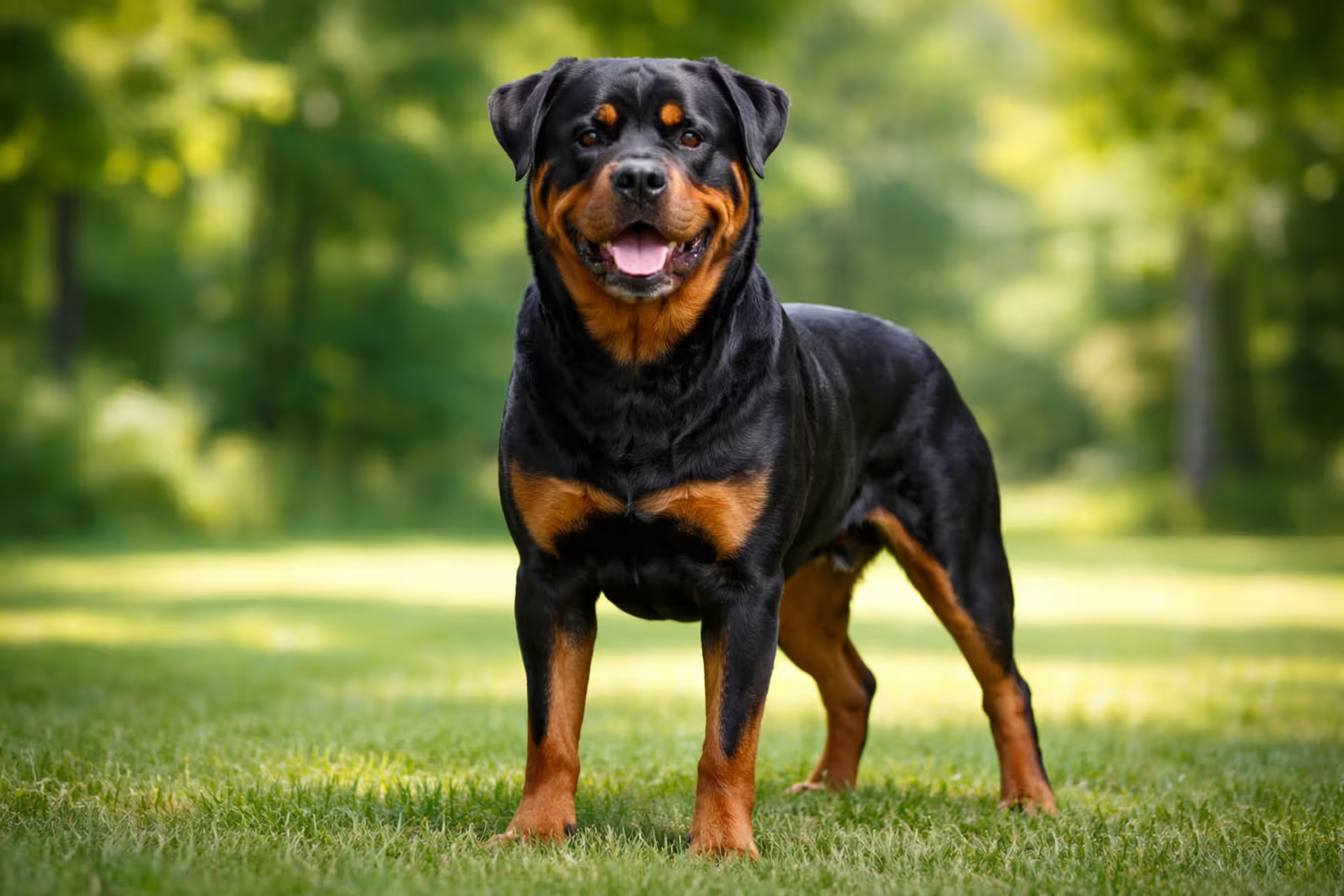
Complete Rottweiler guide for US owners covering temperament, training tips, guard dog traits, health concerns, and care essentials.
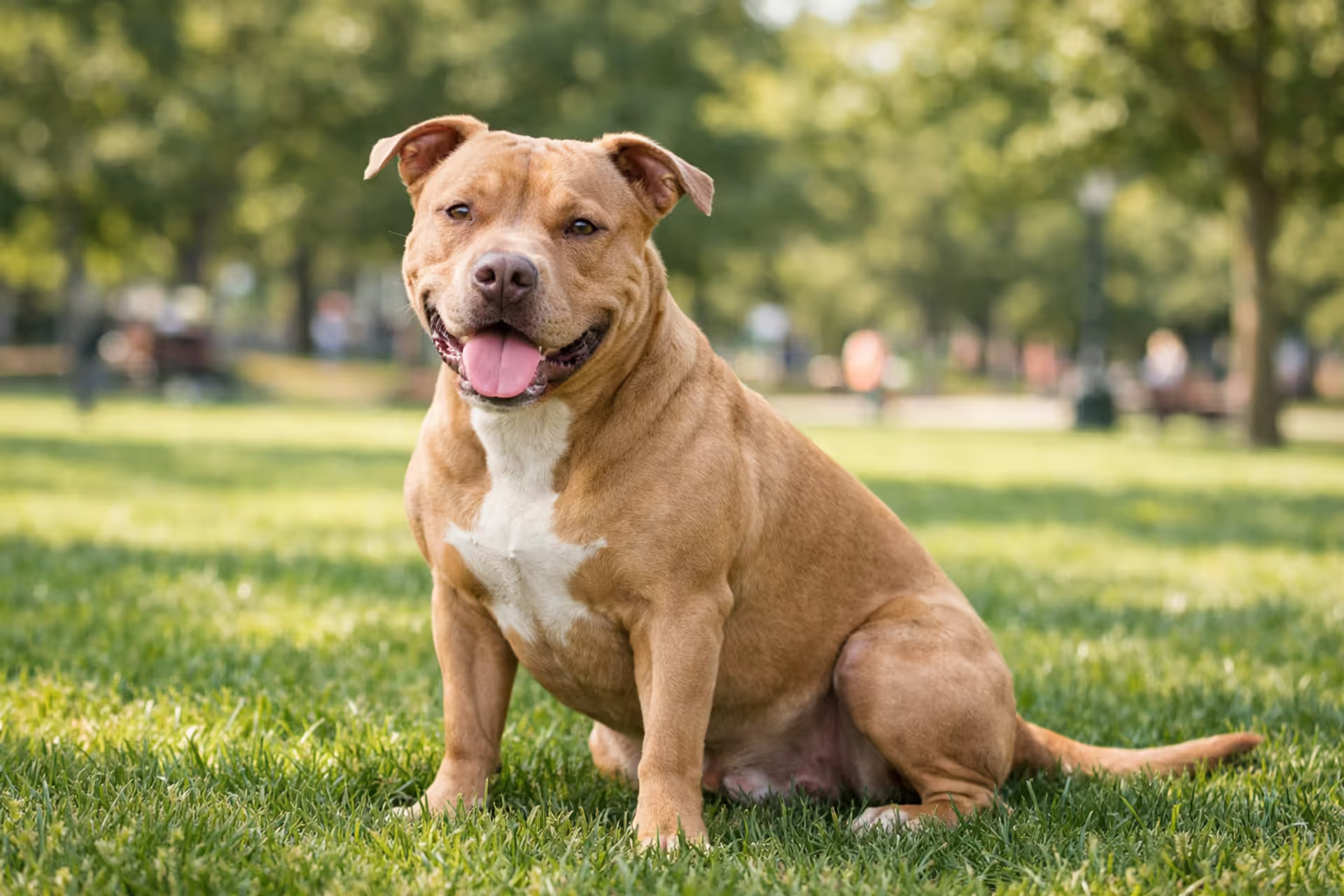
Learn key pitbull breed facts, temperament traits, training tips, and health concerns to decide if this loyal and energetic dog is the right fit for your home.
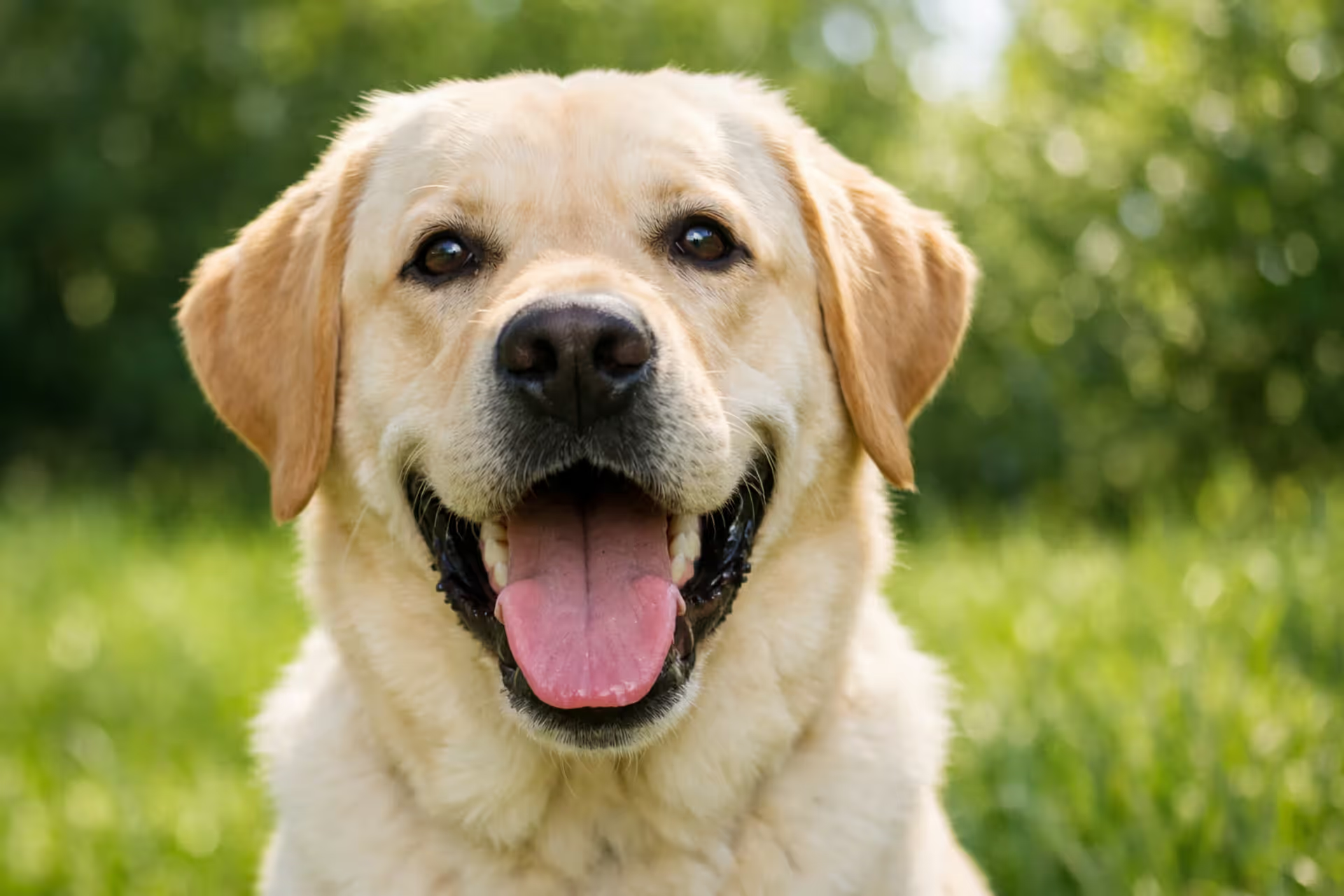
Complete Labrador Retriever guide covering training, health, exercise, and daily care tips. Find out if this friendly and loyal breed is the right fit for your family.
The content on this website is provided for general informational and educational purposes only. It is intended to offer guidance on dog breeds, behavior, health, care, and lifestyle, and should not be considered a substitute for professional veterinary advice, diagnosis, or treatment.
All information published on this site is based on general knowledge, widely accepted research, and practical experience, but individual dogs may differ in behavior, health conditions, and needs. Results and outcomes may vary depending on the dog, environment, and circumstances.
The website is not responsible for any errors or omissions, or for actions taken based on the information provided. For specific concerns regarding your dog’s health or behavior, always consult a qualified veterinarian or professional dog specialist.