


Shih Tzu Breed Guide for New Dog Owners
Discover everything about Shih Tzu dogs — from temperament and grooming to health issues and ownership costs. Find out if this charming breed suits your lifestyle.

Cavapoo with wavy apricot coat sitting on sofa next to owner
Content
Looking for a dog that'll follow you everywhere and barely shed on your furniture? That's the Cavapoo in a nutshell. This Cavalier King Charles Spaniel-Poodle mix has waiting lists stretching six months at good breeders, and once you meet one, you'll understand why. They've got the Cavalier's "velcro dog" loyalty paired with Poodle smarts and that soft, wavy coat everyone wants to pet. But here's the thing—they're not wash-and-wear dogs, and they genuinely hate being alone. Let's dig into whether this breed actually fits your life.
Australian breeders started deliberately crossing these two breeds in the late 1990s. Some American breeders were doing the same thing around that time, though nobody kept great records back then. The goal? Take the Cavalier's sweet, cuddly personality and reduce that constant shedding. Poodles brought the solution with their tighter curl pattern that traps loose hair.
Here's where it gets interesting. The American Kennel Club won't touch them—they only recognize purebreds with established standards going back decades or centuries. Organizations like the American Canine Hybrid Club and Designer Dogs Kennel Club will register your Cavapoo, but this "designer dog" label means you're getting way more variety than, say, buying a Golden Retriever where you pretty much know what you're getting.
That unpredictability comes from mixing two gene pools. Cavalier King Charles Spaniels spent centuries as royal lap warmers—Mary, Queen of Scots reportedly had one with her at her execution. They're built for companionship, not work. Poodles? Totally different origin story. They retrieved ducks from cold water, which explains the athletic build and waterproof coat. Smash these backgrounds together and you get a dog that's smart enough to learn tricks quickly but would rather cuddle on your lap afterward.

Author: Emily Crosswell;
Source: alwaysonsalepetsupplies.com
The health angle matters too. Purebred dogs sometimes suffer from limited genetic diversity—generations of breeding within closed gene pools. Crossing two distinct breeds often (not always, but often) produces healthier puppies. Geneticists call this hybrid vigor. It's why many Cavapoos sidestep some of the health landmines that plague their parent breeds.
When breeders talk about F1, F1B, or F2, they're describing generation. An F1 means mom's a purebred Cavalier and dad's a purebred Poodle (or vice versa). F1B means they bred that F1 Cavapoo back to another Poodle, creating a puppy that's 75% Poodle and typically sheds even less. F2? That's Cavapoo-to-Cavapoo breeding, which reintroduces more variation—you might get one puppy that sheds moderately and another that barely sheds at all, all in the same litter.
The dog is the only animal that has seen his god.
— Romain Rolland
Ever had a dog follow you to the bathroom? Welcome to Cavapoo ownership. These dogs bond hard with their families. We're talking shadow-you-constantly, always-in-the-same-room levels of attachment. It's endearing until you need to leave for work and return to a shredded couch cushion because your dog panicked without you.
Separation anxiety runs rampant in this mix. Not every Cavapoo develops it, but enough do that you should plan for it. Crate training from puppyhood helps. So does gradually building up alone time—start with five minutes, then ten, then twenty. Some owners swear by leaving the TV on or using those dog cameras that dispense treats. Others hire dog walkers or use daycare. What doesn't work? Ignoring the problem and hoping they'll “grow out of it.”
Energy-wise, they land somewhere in the middle. Your Cavapoo will absolutely join you for a three-mile run, then crash for two hours afterward. They're not Border Collies demanding constant activity, but they're not couch potatoes either. Figure on 30-60 minutes of actual exercise daily—walks, fetch in the yard, play dates at the dog park. Skip it and you'll notice: increased barking, destructive chewing, basically all the behaviors people blame on "bad dogs" when it's really just boredom.
Training goes smoothly with these guys because they inherited Poodle intelligence. They'll sit, stay, come, and shake within a few short sessions. Positive reinforcement works best—treats, praise, excitement. Harsh corrections? They'll shut down or become anxious. House training typically clicks by four or five months, though smaller Cavapoos (those bred from Toy Poodles) sometimes take longer simply because their bladders are tiny.

Author: Emily Crosswell;
Source: alwaysonsalepetsupplies.com
Kids and Cavapoos usually make great combinations. The dogs tolerate tail-pulling and ear-grabbing better than some breeds, though you should always supervise young children with any dog. Their size hits a sweet spot—substantial enough that a toddler won't accidentally hurt them, but not so big they'll knock over a five-year-old during enthusiastic play. That said, teach your kids proper handling. No dog should tolerate being treated like a stuffed animal.
Other pets? Most Cavapoos couldn't care less about the family cat or your neighbor's dog. Their prey drive sits pretty low, unlike terriers bred to chase and kill small animals. Proper socialization matters though. Expose your puppy to various animals, people, sounds, and situations between eight and sixteen weeks. Miss that window and you might end up with a fearful adult dog.
Some inherit quirks from the Cavalier side, like submissive urination when excited. You come home from work, your dog gets thrilled to see you, and suddenly there's piddle on the floor. They're not being naughty—they literally can't control it when emotions run high. Most outgrow it by a year old. Meanwhile, avoid making a big deal about arrivals and departures; keep greetings calm and low-key.
Predicting adult Cavapoo size feels like rolling dice sometimes. The Poodle parent makes all the difference. Toy Poodles weigh around 4-6 pounds, Miniature Poodles hit 10-15 pounds, and Standard Poodles reach 45-70 pounds. Most breeders use Miniatures, occasionally Toys, and rarely Standards (because a 40-pound Cavapoo defeats the whole "compact companion" concept).

Author: Emily Crosswell;
Source: alwaysonsalepetsupplies.com
Even within the same litter, puppies vary. One might mature at 12 pounds while a sibling hits 20 pounds. Ask the breeder about parent weights—that gives you the best estimate, though it's still just an educated guess.
| Age (Months) | Typical Weight Range | Height at Shoulder |
| 3 | 5-10 pounds | 6-9 inches |
| 6 | 8-18 pounds | 9-12 inches |
| 9 | 10-22 pounds | 10-14 inches |
| 12 | 12-25 pounds | 11-15 inches |
| 18+ (Full grown) | 12-25 pounds | 9-14 inches |
Toy-sized versions stay under 13 pounds at maturity. Miniature crosses typically land between 13-25 pounds. Growth plates seal around ten to twelve months, though they might fill out muscle-wise until eighteen months. Spay or neuter timing affects final size somewhat—fix them before full maturity and growth plates stay open slightly longer, potentially adding an inch or two of height.
Don't obsess over the scale. Focus on body condition instead. Run your hands along your dog's sides. Can you feel individual ribs without pressing hard? Good. Do those ribs jut out visibly? Too thin. Can't find ribs at all? Too heavy. From above, you should see a waist behind the ribcage. From the side, the belly should tuck up rather than hanging level with the chest.
Overfeeding puppies trying to make them bigger just creates overweight dogs with joint problems. Growth happens on a genetic timeline you can't speed up with extra food.
The greatest fear dogs know is the fear that you will not come back when you go out the door without them.
— Stanley Coren
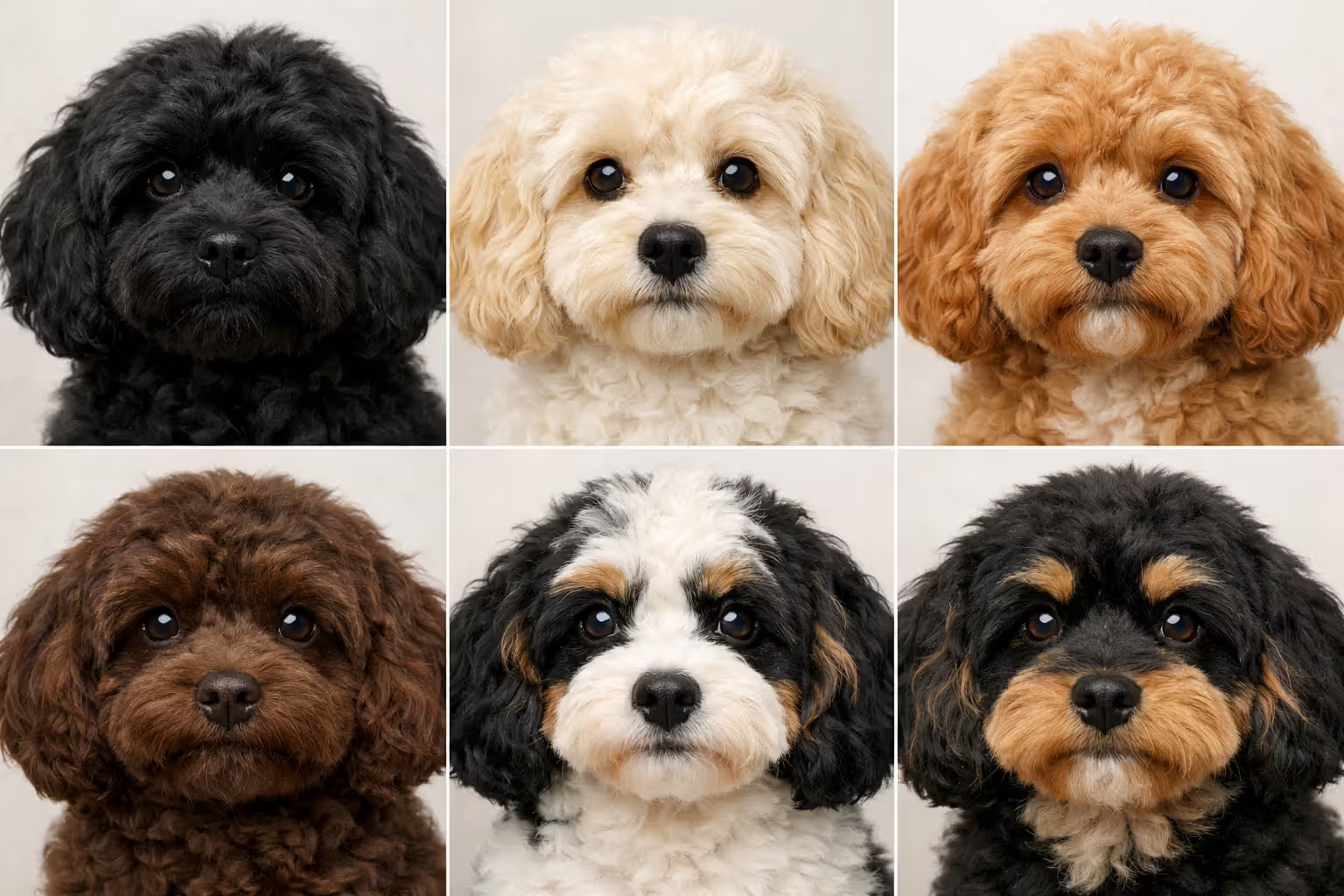
Coat texture runs from loose waves to tight curls, with occasional straight coats thrown in. Curlier coats mat faster but shed less. That fluffy puppy coat you fell in love with at eight weeks? It'll change by a year old. Many puppies with relatively straight hair develop waves or curls as adults.
You'll see apricot, cream, tan, chocolate, black, white, and combinations thereof. Solid colors exist, though many Cavapoos rock multiple colors. Parti patterns mean two colors with white. Tricolors show three distinct shades. Phantom markings refer to specific tan points above the eyes, on the muzzle, chest, legs, and under the tail—like a Rottweiler or Doberman pattern. Abstract markings are random splashes without rhyme or reason.
Colors fade as dogs mature. That rich apricot puppy might lighten to pale cream by age two. Black sometimes develops gray or silver tones. Breeders can guess at adult coloring based on ear color—those usually stay truer to eventual shade than body fur.
Author: Emily Crosswell;
Source: alwaysonsalepetsupplies.com
The coat feels soft and dense. Cavaliers contribute silkiness while Poodles add texture and that low-shed quality. Most Cavapoos drop minimal hair compared to breeds like Labs or German Shepherds. But "hypoallergenic"? That's marketing nonsense. All dogs produce allergy triggers through dander (dead skin cells), saliva, and urine. Cavapoos just produce less of it, which helps some allergy sufferers but not all.
Their faces blend both parents. Expect expressive brown eyes, a moderately short muzzle (not as long as a Poodle's, not as flat as some Cavaliers'), and those adorable floppy ears. Build-wise, they're compact and proportional—sturdy little bodies on solid legs.
That gorgeous coat comes with obligations. Neglect grooming and you'll end up cutting out painful mats or, worse, shaving your dog down completely because the coat's beyond saving.
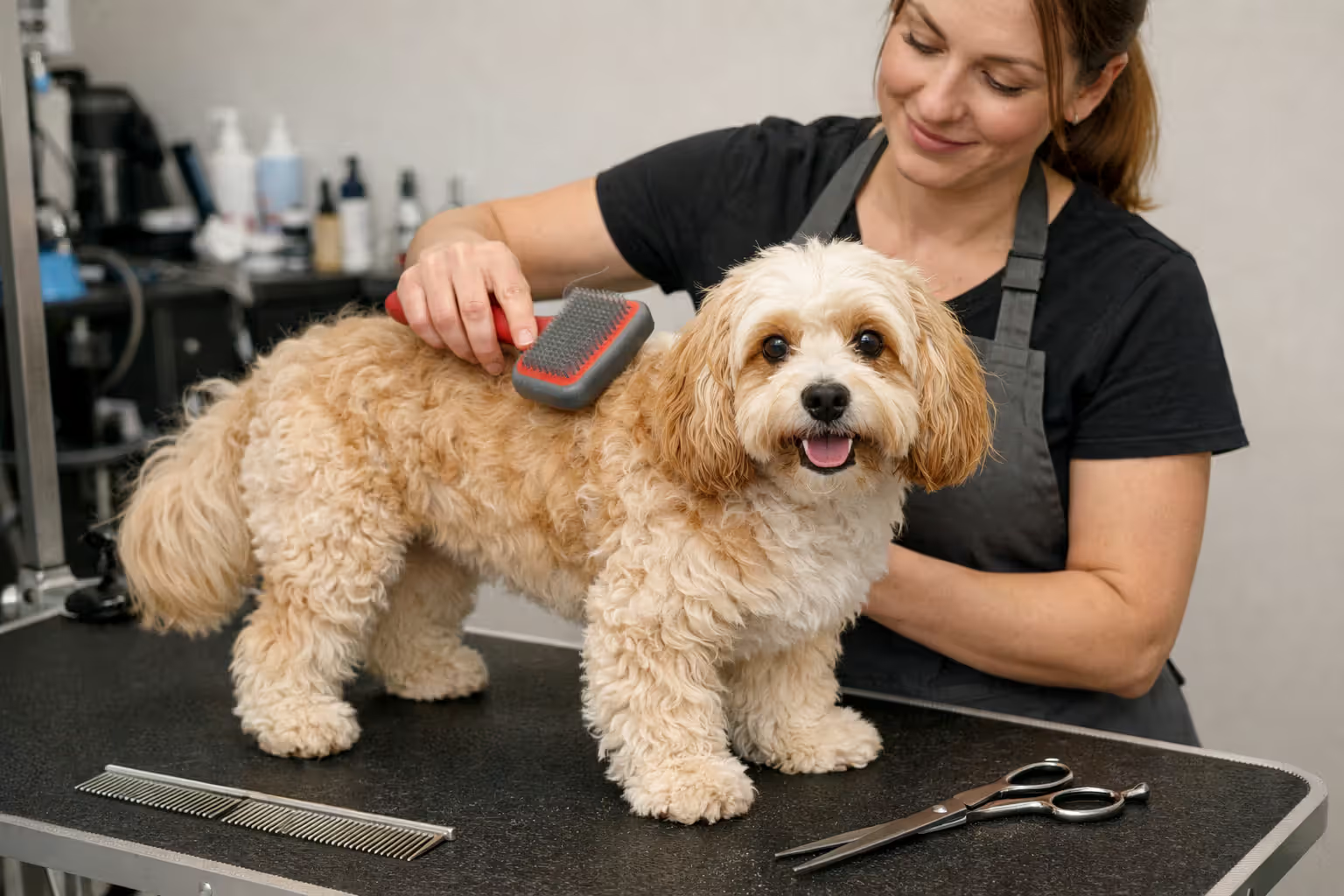
Brushing needs to happen every other day at minimum. Curlier coats or longer styles require daily sessions. Grab a slicker brush and work through the coat in sections, layer by layer. Follow up with a metal comb—if the comb glides through easily, you're done; if it catches, you missed tangles. Friction zones mat fastest: behind the ears, under the collar, in the armpits, where the legs meet the body. These spots need extra attention every single time.
Author: Emily Crosswell;
Source: alwaysonsalepetsupplies.com
Many owners learn basic trimming at home. Investing $100-150 in quality clippers, scissors, and YouTube tutorials pays off within a few months. Professional grooming every six to eight weeks keeps things manageable and helps catch skin issues early. Groomers charge based on size, coat condition, and location, but expect $50-80 per visit. That's $400-600 yearly just for haircuts.
| Task | How Often | DIY or Pro? | Cost Range |
| Brushing sessions | Every 1-2 days | Do it yourself | $30-50 for tools (one-time purchase) |
| Full trim/haircut | Every 6-8 weeks | Professional groomer | $50-80 each appointment |
| Bath time | Monthly to every 6 weeks | Do it yourself | $10-15 for shampoo/conditioner |
| Nail clipping | Every 2-3 weeks | Either works | $10-15 if done professionally |
| Ear maintenance | Weekly checks and cleaning | Do it yourself | $8-12 for cleaning solution |
| Tooth brushing | Daily (really, daily) | Do it yourself | $15-20 for starter supplies |
| Dental cleaning (vet) | Once yearly | Professional only | $300-600 per procedure |
Bath frequency matters. Too often strips protective oils, causing dry, itchy skin and dull coat. Monthly or every six weeks works for most Cavapoos unless they rolled in something nasty. Use dog-specific shampoo—human products have the wrong pH for canine skin. Conditioner prevents tangles, especially on longer coats.
Tear staining creates those crusty reddish-brown marks under the eyes. It happens when eye drainage mixes with bacteria and yeast on the fur. Wipe under the eyes daily with tear stain remover or diluted veterinary eyewash. Some dogs improve when you switch from tap water to filtered or swap plastic bowls for stainless steel (plastic harbors more bacteria). Persistent staining despite daily cleaning? See your vet—could indicate blocked tear ducts or eye infections.
Those floppy ears trap moisture and restrict airflow, creating perfect conditions for yeast and bacterial infections. Check ears weekly. Normal ears look pink and clean; infected ears show redness, smell funky, or have excessive dark wax. Clean with veterinary ear solution on a cotton ball, wiping visible parts only—never shove anything down the ear canal. After baths or swimming, dry ears thoroughly with a soft towel or cotton balls.
Dental disease affects over 80% of dogs by age three according to veterinary dental specialists. That statistic isn't fear-mongering—small breeds with crowded teeth develop tartar quickly. Brush daily with dog toothpaste (never human toothpaste, which contains xylitol that's toxic to dogs). Scrub away plaque before it mineralizes into tartar. Dental chews and water additives help somewhat but don't replace actual brushing. Eventually, despite good home care, most dogs need professional cleaning under anesthesia. That involves full mouth X-rays, scaling, polishing, and extractions if needed.
Annual grooming expenses hit $800-1,200 combining professional visits, products, and tool replacement. Learn to do basic maintenance yourself and you'll cut costs significantly, though most owners still opt for professional help a few times yearly to maintain coat health and catch problems early.
Most Cavapoos live 12-15 years, with some hitting 16-18 years given excellent care and good genetic luck. Crossing two breeds often produces healthier offspring than purebreds—that hybrid vigor thing again. But they still inherit vulnerability to conditions affecting both parent breeds.
Mitral valve disease (MVD) plagues Cavalier King Charles Spaniels more than almost any other breed. The heart's mitral valve degenerates, causing murmurs and eventually heart failure. Responsible breeders screen parent Cavaliers with cardiac exams starting at age one, then annually. They avoid breeding dogs showing early signs. Even with careful selection, MVD can develop in aging Cavapoos. Annual vet exams should always include listening to the heart. If your vet hears a murmur, they'll likely recommend an echocardiogram to assess severity.

Author: Emily Crosswell;
Source: alwaysonsalepetsupplies.com
Progressive retinal atrophy (PRA) causes gradual vision loss ending in blindness. Both parent breeds carry PRA genes. Genetic testing identifies carriers before breeding. Reputable breeders provide documentation proving parents either tested clear or, if carriers, were bred to clear partners so puppies won't develop the disease. No responsible breeder skips this test—it's a simple cheek swab or blood draw.
Hip dysplasia means the hip joint formed abnormally, causing arthritis and pain. It's more common in large breeds but pops up in Cavapoos from poor breeding. Maintaining healthy weight reduces joint stress. The Orthopedic Foundation for Animals (OFA) evaluates and certifies parent dogs' hips. Breeders who skip OFA evaluation are cutting corners.
Luxating patellas—kneecaps that slip out of position—affect many small breeds. Mild cases cause occasional limping or skipping steps. Severe grades need surgical correction costing $2,000-4,000 per knee. Avoid excessive jumping during puppyhood while growth plates are still open. Keep dogs lean to reduce joint stress.
Syringomyelia is the scary one. This neurological condition creates fluid-filled cavities in the spinal cord, causing severe pain and neurological symptoms. Cavaliers develop it more than most breeds because their skulls are sometimes too small for their brains. Responsible Cavalier breeders MRI scan breeding dogs to avoid producing affected puppies. Signs include head and neck sensitivity, scratching at air near the shoulder without making contact, reluctance to be touched, and yelping when jumping. It's relatively rare but devastating when it occurs.
Ear infections plague floppy-eared breeds. Those cute hanging ears trap moisture and block air circulation. Weekly cleaning plus thorough drying after baths or swimming prevents most infections. Chronic infections might need veterinary treatment with medicated cleaners, oral antibiotics, or both.
Dental disease progresses quickly when teeth are crowded together in small mouths. Beyond daily brushing, watch for bad breath, difficulty chewing, pawing at the mouth, or visible brown tartar buildup. Left untreated, bacteria enter the bloodstream and potentially damage the heart, kidneys, and liver. Dental disease isn't just cosmetic—it's a serious health issue.
Allergies, whether food-based or environmental, make some Cavapoos miserable. Symptoms include constant itching, recurring ear infections, obsessive paw licking, and irritated skin. Figuring out triggers requires elimination diets or allergy testing. Some dogs need lifelong management with medications, prescription diets, or immunotherapy (allergy shots).
Routine care includes annual exams (twice yearly after age seven), vaccinations based on your vet's recommendations and your lifestyle, year-round heartworm prevention, and flea/tick control. Establish care with a veterinarian before problems pop up so you've got support when health issues develop.
Pet insurance purchased while your dog's young and healthy helps manage unexpected costs. Policies vary wildly—some cover everything including routine care, others only cover accidents and illnesses. Research carefully before choosing. Alternatively, some owners self-insure by maintaining an emergency fund of $2,000-5,000 for veterinary costs.
Cavapoos adapt to apartments just fine provided you meet their exercise and potty needs. They don't require yards, though outdoor access simplifies house training and provides mental stimulation through smells and sights. Size-wise, they fit anywhere—studio apartments, suburban homes, whatever.
Time commitment extends way beyond feeding and walking. These dogs genuinely struggle when left alone regularly for full workdays. Eight-plus hours solo? Expect problems. Arrange midday dog walkers, doggy daycare, or work-from-home schedules if possible. Separation anxiety manifests as destructive chewing (think couch cushions, baseboards, shoes), excessive barking (your neighbors will complain), or house soiling even in fully house-trained dogs. Crate training helps contain physical destruction, but it doesn't address the emotional distress driving the behavior.
Activity needs land in the moderate zone. Two 20-30 minute walks daily plus play sessions satisfy most adults. Mental stimulation matters as much as physical exercise—puzzle toys, training new tricks, sniff walks where they explore scents at their own pace. Under-stimulated Cavapoos develop behavioral issues from sheer boredom.

Author: Emily Crosswell;
Source: alwaysonsalepetsupplies.com
First-time dog owners often succeed with Cavapoos thanks to their trainability and forgiving temperaments. That said, grooming demands and separation anxiety potential require genuine commitment. Seniors appreciate manageable size and affectionate nature, though grooming costs and daily walking requirements deserve consideration. Can you handle stairs to get outside? Can you brush a dog every other day? Can you afford professional grooming?
Families with children usually love this breed. They're playful enough to entertain kids but gentle enough not to bowl over toddlers. Supervision with very young children remains essential regardless of breed. Teach kids proper interaction—no tail-pulling, ear-grabbing, or disturbing sleeping dogs.
Allergy sufferers should spend significant time with Cavapoos before committing. While they shed less than breeds like Labs or Golden Retrievers, individual reactions vary enormously. Some people with mild allergies manage perfectly; others still react to dander and saliva proteins. Meeting the specific puppy's parents provides the best preview of adult coat type and likely allergen levels.
Budget considerations stretch beyond the initial $1,500-4,000 purchase price from reputable breeders. Annual costs including food ($300-500), grooming ($400-1,000), veterinary care ($500-800 for routine care, more for issues), supplies, and training typically run $2,000-3,500. Emergency veterinary care, unexpected health problems, or vacation boarding adds significantly.
Properly trained, a man can be a dog’s best friend.
— Corey Ford
Cavapoos work well for owners who: - Spend considerable time at home or arrange midday care - Commit to regular grooming or budget for professional services - Want an affectionate companion that craves human interaction - Provide daily exercise and mental enrichment - Have patience for training and socialization
They're poor matches for those who: - Work long hours without pet care arrangements - Want an independent, low-maintenance dog - Have severe dog allergies (reduced shedding doesn't mean allergen-free) - Prefer dogs that live primarily outdoors - Cannot commit to ongoing grooming expenses
Cavapoos package appealing traits from two beloved breeds into one adaptable companion. Their affectionate nature, manageable size, and reduced shedding explain popularity across diverse households. Success requires understanding real needs: regular grooming, daily companionship, moderate exercise, and consistent training.
Prospective owners should research breeders carefully, prioritizing health testing and ethical breeding practices over price or quick availability. Meet parent dogs, review health clearances (especially cardiac and eye testing), and observe breeding facilities. Investing in well-bred puppies from health-tested parents pays dividends through reduced veterinary expenses and longer, healthier lives.
These dogs reward families with years of devoted companionship, entertaining antics, and genuine affection. Adaptability suits various living situations from urban apartments to suburban houses. For owners prepared to meet grooming demands and provide the companionship they crave, Cavapoos make outstanding family additions.
Discover everything about Shih Tzu dogs — from temperament and grooming to health issues and ownership costs. Find out if this charming breed suits your lifestyle.
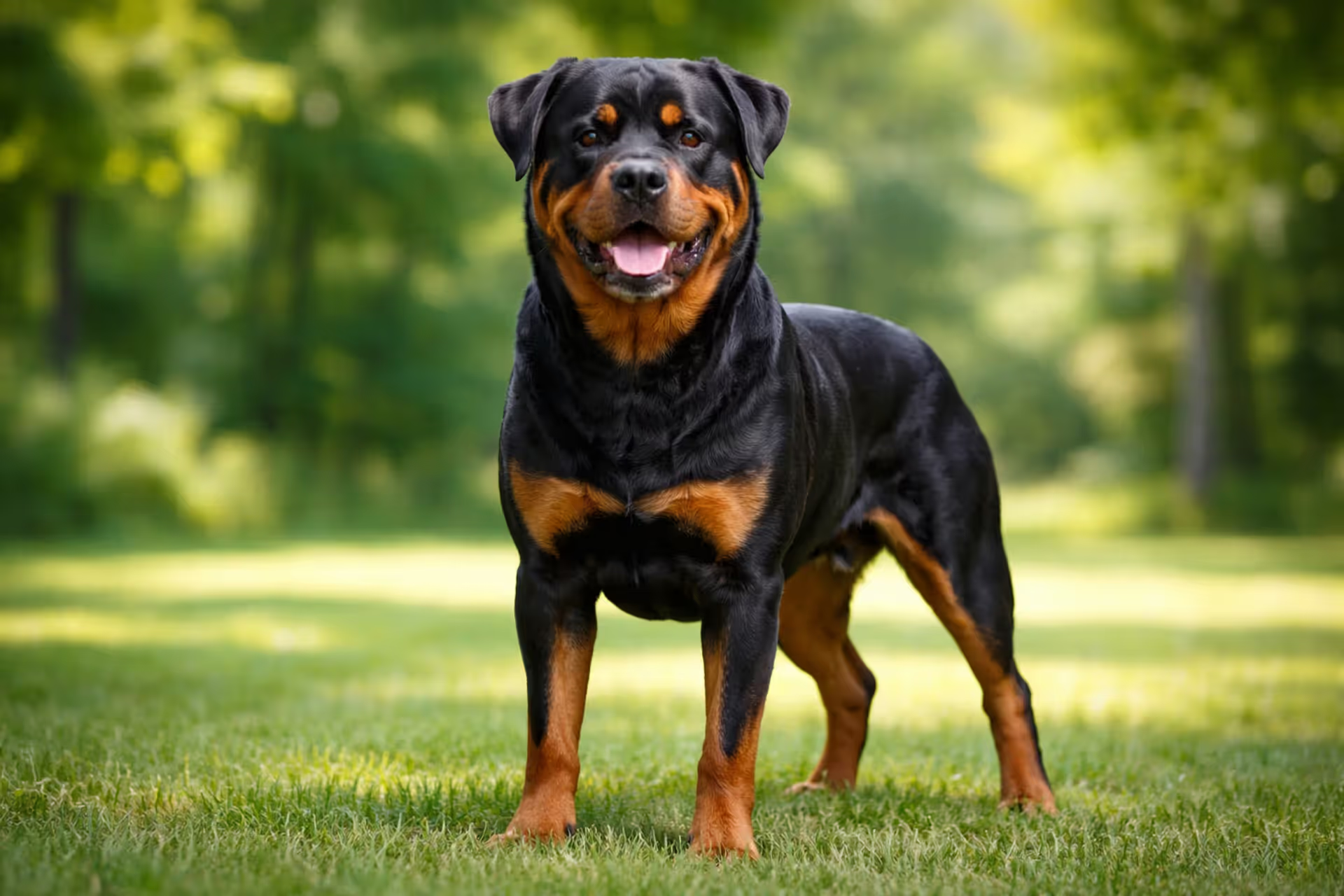
Complete Rottweiler guide for US owners covering temperament, training tips, guard dog traits, health concerns, and care essentials.
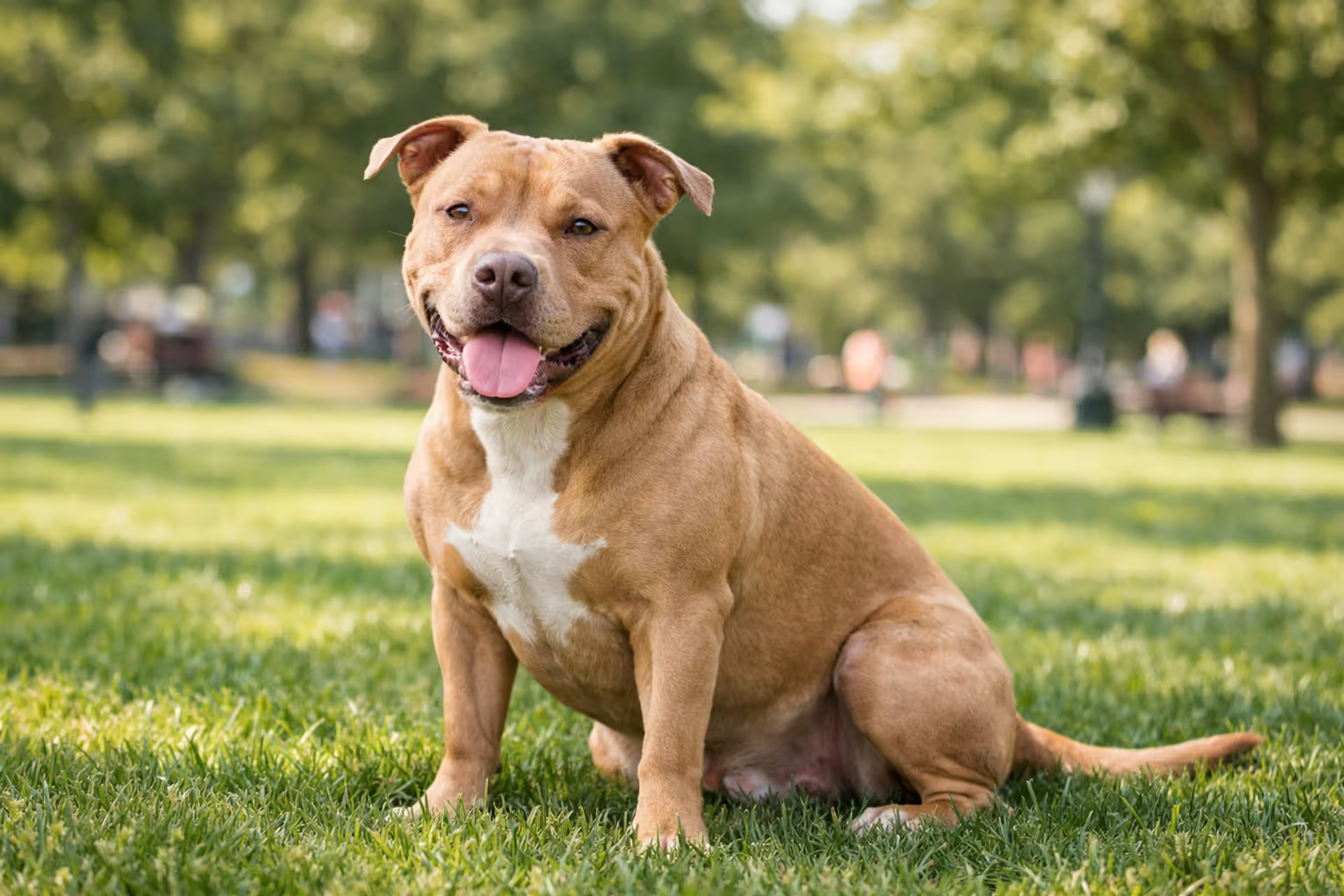
Learn key pitbull breed facts, temperament traits, training tips, and health concerns to decide if this loyal and energetic dog is the right fit for your home.

Complete Labrador Retriever guide covering training, health, exercise, and daily care tips. Find out if this friendly and loyal breed is the right fit for your family.
The content on this website is provided for general informational and educational purposes only. It is intended to offer guidance on dog breeds, behavior, health, care, and lifestyle, and should not be considered a substitute for professional veterinary advice, diagnosis, or treatment.
All information published on this site is based on general knowledge, widely accepted research, and practical experience, but individual dogs may differ in behavior, health conditions, and needs. Results and outcomes may vary depending on the dog, environment, and circumstances.
The website is not responsible for any errors or omissions, or for actions taken based on the information provided. For specific concerns regarding your dog’s health or behavior, always consult a qualified veterinarian or professional dog specialist.