


Shih Tzu Breed Guide for New Dog Owners
Discover everything about Shih Tzu dogs — from temperament and grooming to health issues and ownership costs. Find out if this charming breed suits your lifestyle.
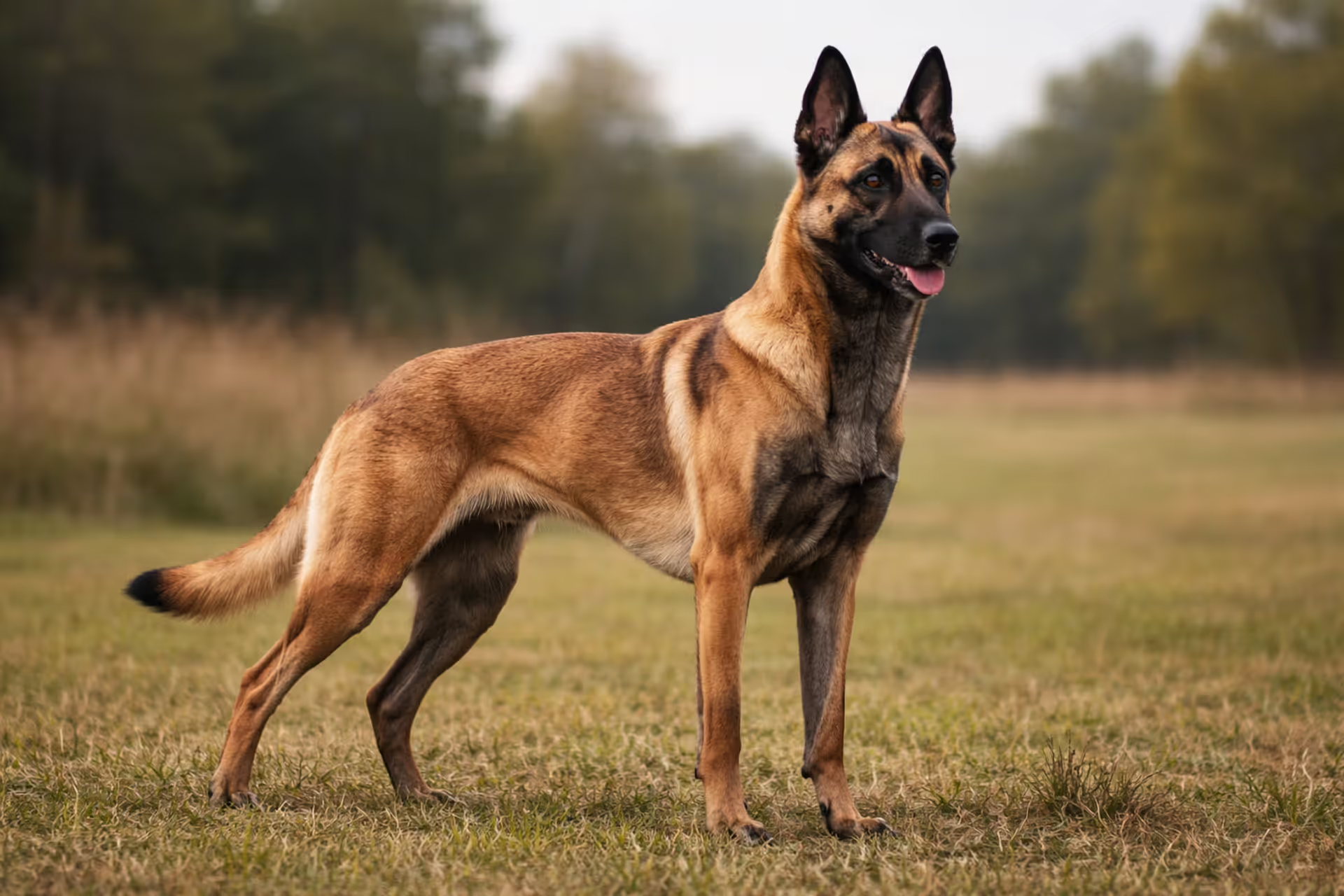
Belgian Malinois standing alert in an open field
Content
After watching those viral videos of military dogs leaping from helicopters or taking down armed suspects, you've probably thought about getting a Belgian Malinois. Here's what those videos don't show: the handler spending three hours exercising that dog before breakfast, the $4,000 in professional training bills, and the completely reorganized life required to keep that dog mentally stable.
Think of this breed as a Ferrari engine in a dog's body. Sure, it's impressive—until you realize it needs premium fuel, constant maintenance, and a skilled driver just to keep it from spinning out of control. Most people browsing dog breeds at midnight after binge-watching military dog documentaries aren't prepared for what comes next.
This guide strips away the Hollywood glamor and shows you what actually happens when you bring home one of the world's most intense working breeds.
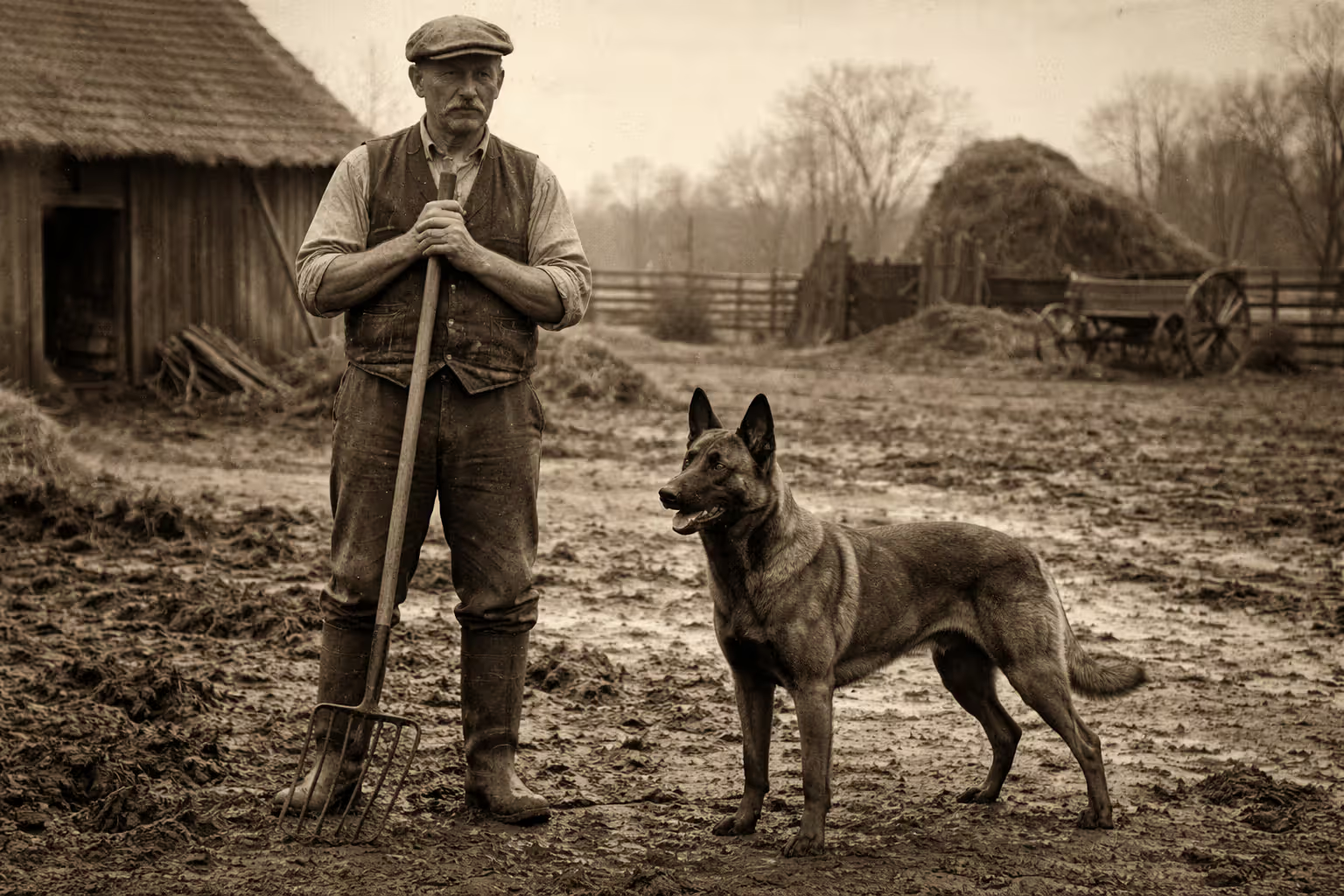
Back in the 1890s, Belgian farmers around the city of Malines (locals call it Mechelen) started selectively breeding herding dogs. They weren't trying to win beauty contests. They needed dogs that could push stubborn cattle through mud, guard the farm overnight, then still have energy to work the next morning. The dogs had to handle Belgium's miserable weather—cold rain, biting wind, everything except sunshine.
What emerged was a 55-pound bundle of drive and athleticism with a brain that never stops processing information. These early Malinois worked 12-hour days without complaint. That's not an exaggeration—farmers documented their working schedules.
Then World War I arrived and changed everything for the breed. Belgian soldiers strapped message containers to these dogs and sent them sprinting through artillery fire to deliver communications when telephone wires got destroyed. Some pulled carts loaded with wounded soldiers to field hospitals. A few even hauled ammunition and light weapons across battlefields. Thousands of these dogs died in the war, but their performance caught international attention.
Author: Hannah Bloomfield;
Source: alwaysonsalepetsupplies.com
Fast-forward to modern times. The U.S. Navy SEALs needed dogs for the bin Laden raid in 2011. They chose a Malinois named Cairo. That one mission sparked a ridiculous surge in demand from civilians who'd never trained a dog beyond "sit" and "stay." Shelters and rescues are still dealing with the fallout—Malinois surrendered by owners who discovered that a dog bred to hunt terrorists doesn't make a great apartment pet.
Here's what matters: every single trait that makes these dogs exceptional at military work creates problems in normal homes. Their brains are wired to patrol, detect threats, and respond to danger. They don't just turn that off because you live in suburbia. Without appropriate outlets, they'll invent their own job—usually involving your furniture, your neighbors' comfort, or your ability to ever relax.
The dog was created specially for man’s service, and between a good dog and his master there exists an intimate bond.
— Louis Huyghebaert
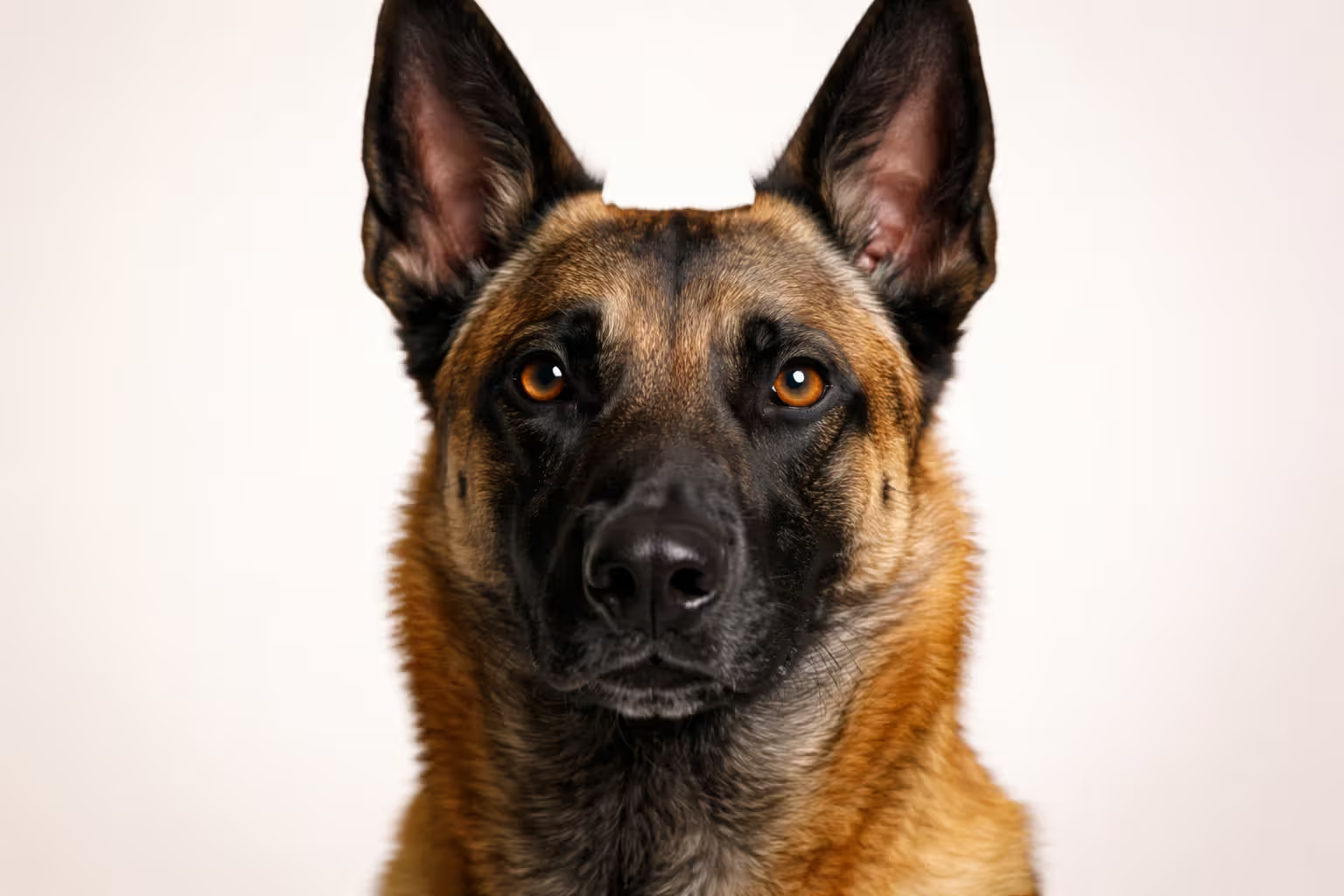
Stand a Malinois next to a German Shepherd, and you'll spot the differences immediately. The Malinois stands 22-26 inches tall and weighs 40-80 pounds, but they look leaner and more athletic. Their back runs level instead of sloping downward like a Shepherd's. The head shape is more refined, almost elegant, with ears that stand up like satellite dishes constantly scanning for signals.
Most Malinois come in shades ranging from light fawn to deep mahogany, always with that black mask covering the muzzle and dark tips on the body hair. Some have heavy black overlay that makes them look almost sable. Occasionally you'll see one that's predominantly black, though that doesn't meet show standards. Nobody told the military dogs about breed standards, though—they couldn't care less about coat color when selecting working prospects.
The coat itself is short to medium length with a thick underlayer that sheds spectacularly twice a year. Between those seasonal blowouts, they still drop hair daily. Budget 10-15 minutes weekly for brushing during normal times. When spring or fall hits and the undercoat releases, you're looking at daily brushing sessions or accepting that fur will coat every surface in your home.
Bathing happens maybe six times yearly unless your dog discovers something dead to roll in (which active dogs find with disturbing frequency). Their coat naturally repels dirt and water—you can watch rain literally bead up and roll off them.
These dogs typically live 12-14 years, assuming they don't injure themselves doing something reckless. Puppies shoot up fast, hitting full height around their first birthday, then spending another 6-12 months filling out their chest and muscle mass. During that growth period, don't let them jump off decks or run on concrete for miles. Their joints are still developing, and overdoing exercise now means arthritis later.
One physical characteristic catches every new owner off-guard: bite pressure. When a Malinois grabs something—a toy, a training sleeve, or god forbid, an actual threat—they don't just hold it. They clamp down with roughly 195 PSI of jaw strength and don't let go until they decide to. Teaching "drop it" to puppies isn't optional; it's survival.
Author: Hannah Bloomfield;
Source: alwaysonsalepetsupplies.com
Describing Belgian Malinois temperament to someone who's only owned Labradors is like explaining color to someone who's colorblind. These dogs experience the world at maximum intensity, all the time. While your neighbor's Golden Retriever happily watches squirrels through the window, a Malinois catalogs every movement, calculates the squirrel's trajectory, and positions themselves for optimal response if action becomes necessary.
They bond to their people like epoxy—permanent and unbreakable. Usually they pick one person as their primary handler and orbit that person constantly. This isn't the casual affection of a dog that loves everyone. It's focused, intense loyalty that can edge into possessiveness. Some develop such separation anxiety that they'll destroy doors trying to reach their person in another room.
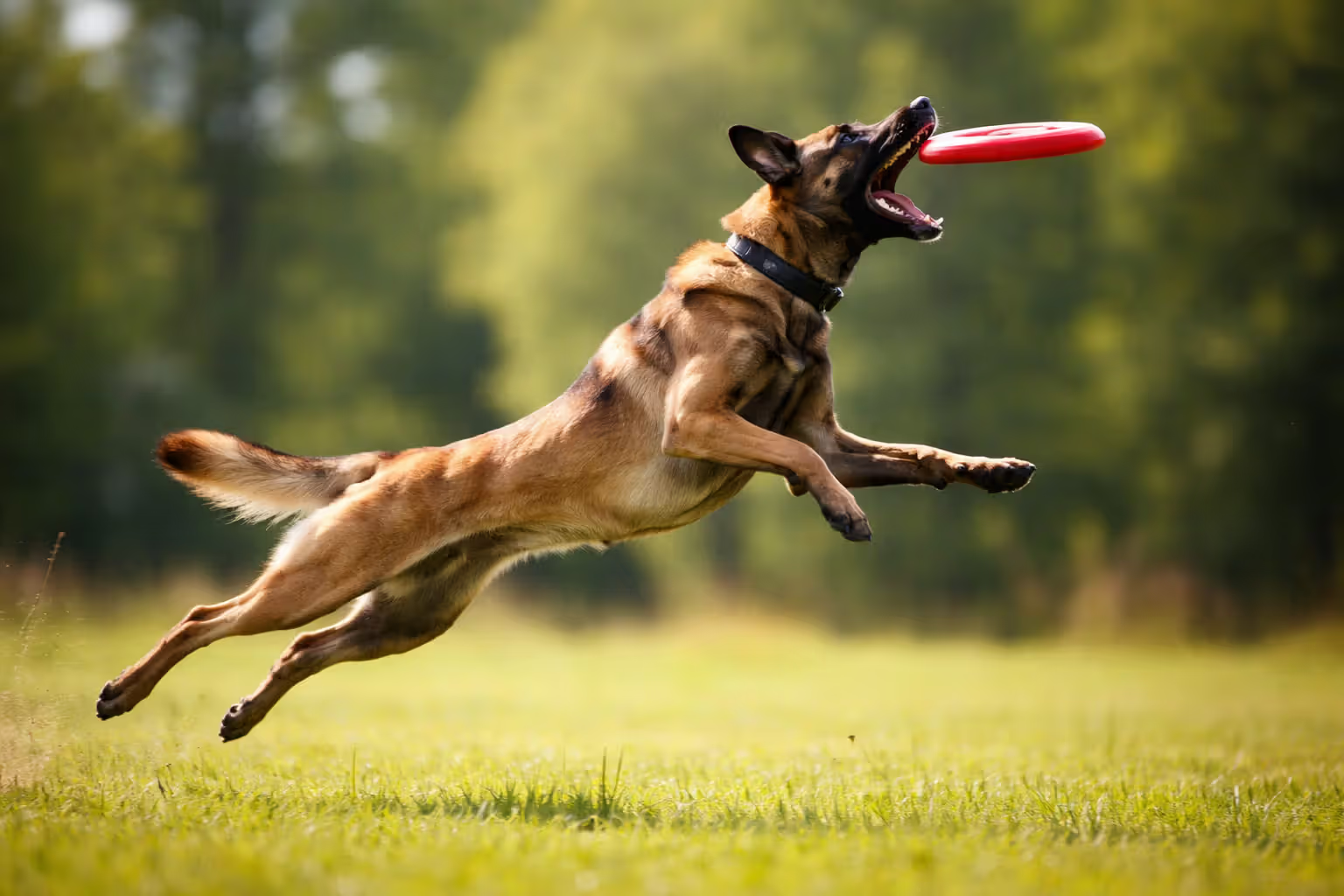
Calling a Malinois "high energy" doesn't capture the reality. These dogs need 2-3 hours of serious physical work daily. Not a stroll through the park checking their pee-mail. We're talking full-throttle sprinting after a ball, swimming laps in a pond, or running alongside a bike at 15 mph for five miles.
One owner documented her experience: she ran a half-marathon with her three-year-old Malinois on a Saturday morning. The dog crossed the finish line barely breathing hard, then spent the afternoon demanding to play fetch. She was hobbling around on sore legs while her dog bounced off the walls with leftover energy.
Physical exhaustion alone won't cut it, though. Mental stimulation actually matters more. A Malinois can run for three hours and still shred your couch if their brain isn't engaged. Twenty minutes of focused obedience work, scent detection games, or learning new tricks often settles them better than an hour of mindless running.
Think of it this way: their brains are high-performance computers that run problem-solving software 24/7. If you don't give them problems to solve, they'll find their own. Usually that involves figuring out how to open the refrigerator, escape the yard, or dismantle your living room sofa to see what's inside.
Author: Hannah Bloomfield;
Source: alwaysonsalepetsupplies.com
Can Malinois live with kids? Sure—with massive caveats. This isn't a Golden Retriever that tolerates tail-pulling and treats children like fascinating small humans. Malinois have zero natural patience for chaos. Their herding instinct can trigger nipping at running children. At 60+ pounds of muscle, they'll knock over toddlers just moving through the room.
Families who succeed typically have older kids (10+) who understand and follow rules around the dog. There's usually one adult who functions as the primary trainer and enforcer of boundaries. Everyone else follows the established protocol without deviation. Spontaneous rough-housing? Nope. Kids' friends coming over for playdates? That requires management and often crating the dog.
Small pets present different challenges. That prey drive—the instinct to chase and grab moving things—runs strong in most Malinois. Some live peacefully with the family cat they grew up with while still viewing the neighbor's cat as a legitimate target. Others never develop reliable impulse control around anything small and furry that moves quickly.
Dog parks usually end badly. The combination of arousal from multiple dogs, unpredictable situations, and other owners with zero control over their pets creates a recipe for disaster. Many Malinois show same-sex aggression, especially males encountering other males. Resource guarding—defending food, toys, space, or access to their handler—can escalate quickly when other dogs are present.
First-time owners consistently make the same mistake: they see an adorable 12-week-old puppy and think "I can handle this." By nine months, that cute puppy is a 55-pound adolescent testing every boundary with the focus of a lawyer looking for loopholes.
Resource guarding shows up early. Your Malinois might guard their food bowl, favorite toys, the couch, or even you. This isn't garden-variety possessiveness. Left unaddressed, it escalates into serious aggression—lunging, snapping, or worse.
Barrier frustration happens when the dog spots something interesting through a window or fence but can't reach it. A person walking their dog across the street? Your Malinois barks, lunges at the glass, and redlines their arousal. Repeat this scenario three times daily, and you've created a dog that's perpetually on edge, primed to explode at any trigger.
Separation anxiety hits hard because of how intensely these dogs bond. They don't understand why their person leaves. For dogs with severe cases, that anxiety manifests as destroyed doors, constant barking, or self-injury from trying to escape confinement.
The biggest trap? Treating your Malinois like a pet that happens to need exercise, rather than a working dog that needs a job. Without structure, clear leadership, and purpose, they'll assign themselves a job. You won't like their choice—probably perimeter security involving aggressive barking at every person who dares walk past your house.
Belgian Malinois training needs go miles beyond "sit" and "come." These dogs absorb new commands in one or two repetitions, which fools inexperienced owners into thinking training is easy. The real challenge isn't teaching individual behaviors—it's building impulse control, managing their drive, and channeling intensity appropriately.
Their brains crave work. Mental stimulation actually matters more than physical exercise for long-term stability. Training should happen multiple times daily in short bursts. Three 10-minute sessions teaching new commands or practicing scent work accomplishes more than drilling the same basic obedience for an hour.
Methods that work best combine positive reinforcement with absolute consistency on boundaries. Malinois respond enthusiastically to rewards—treats, toys, praise—but they'll also test rules constantly searching for gaps in your leadership. Heavy-handed corrections often backfire spectacularly, creating fear-based aggression or learned helplessness. But permissiveness creates an unmanageable nightmare.
A realistic daily schedule for a Malinois puppy looks like this: - Four brief training sessions (5-10 minutes each) spread throughout the day - Socialization outings to new environments 3-4 times weekly - Basic obedience integrated into every interaction (sit before meals, wait at doorways, down-stay during TV time) - Mental enrichment activities like puzzle feeders or scent games for 15-20 minutes - Structured play incorporating impulse control (fetch includes mandatory "wait" before chase and "drop" on return)
Common mistakes start with inconsistency. Allowing the dog on furniture sometimes but not others creates confusion. Mom enforces one set of rules, Dad enforces different rules, and the kids enforce nothing—now you've got a dog that respects nobody.
Another critical error: encouraging uncontrolled drive as entertainment. Letting your Malinois obsessively chase laser pointers or engage in frantic tug sessions without clear start and stop commands teaches them that frenzied behavior is acceptable. Every activity needs parameters that you control, not arousal-driven chaos the dog controls.
Professional training versus DIY training? For this breed, most people need professional help. Not basic puppy kindergarten at the pet store where the instructor's main qualification is "likes dogs." You need a trainer with extensive working breed experience who understands drive management, impulse control work, and the specific challenges Malinois present. Set aside $1,500-$3,000 for quality training during year one.
DIY can work if you've already trained multiple dogs, understand learning theory and operant conditioning, and can commit substantial time daily. YouTube videos and training books provide foundation knowledge, but nothing replaces hands-on guidance when your six-month-old is launching themselves at the fence in a frenzy whenever someone walks by.
You can’t train a dog with just kindness; you also need knowledge, patience, and absolute consistency — especially with a dog that was born to work.
— Ivan Balabanov
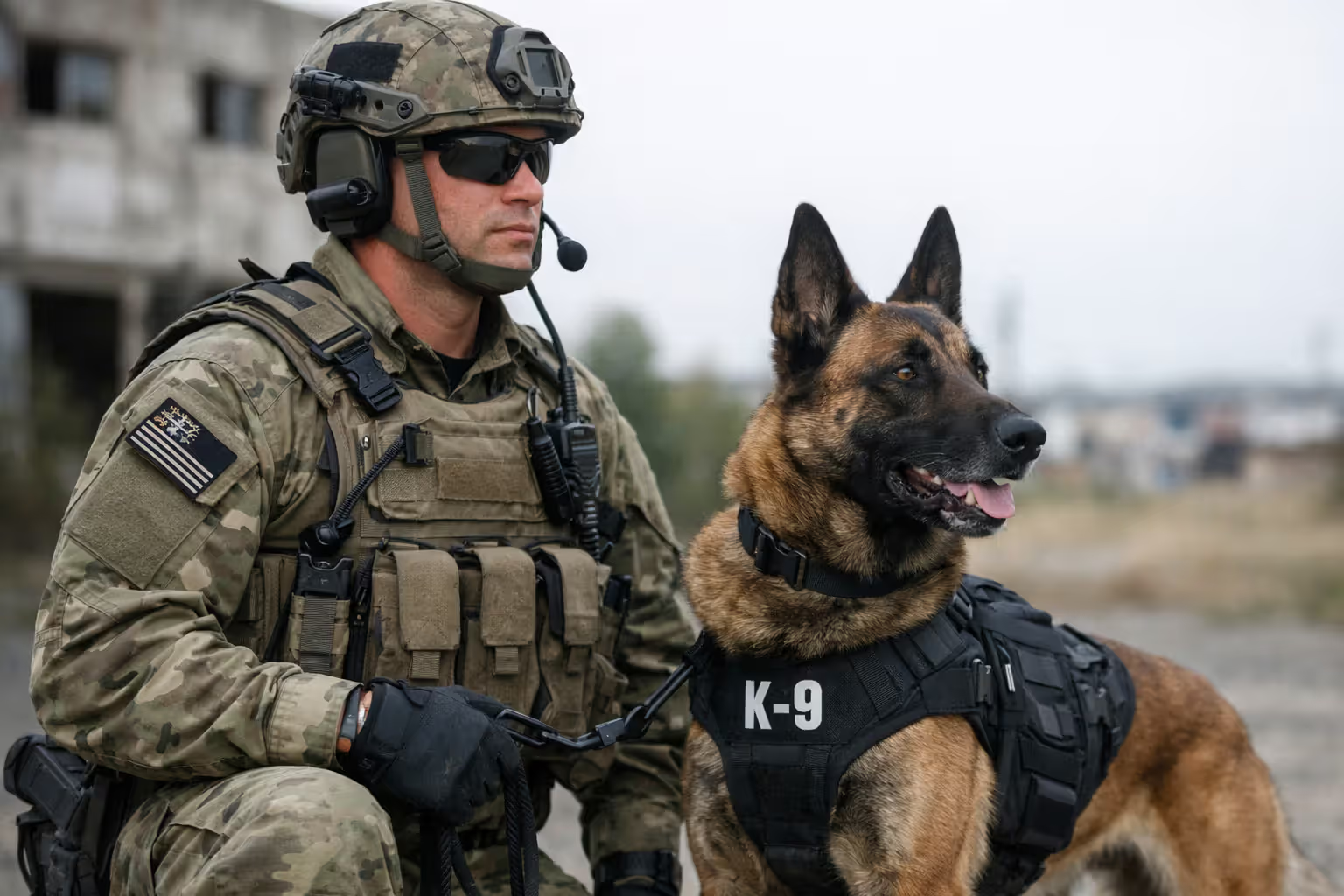
The Belgian Malinois working dog role has exploded over the past 20 years. Military and law enforcement units that once relied exclusively on German Shepherds now often prefer Malinois for specialized applications.
Military uses include explosive detection in war zones, patrol work on bases, and specialized operations most people can't even know about. These dogs detect microscopic traces of explosives or narcotics under conditions that would overwhelm most breeds—120-degree heat, overwhelming distractions, hostile environments. Their size advantage matters: at 50-65 pounds versus 75-90 pounds for Shepherds, they're easier to transport, can parachute with handlers, and rappel from helicopters more safely.
Law enforcement agencies deploy Malinois for patrol work, suspect apprehension, and narcotics detection. Their speed is genuinely impressive—a conditioned Malinois hits 30+ mph in short sprints, faster than most humans can run even without wearing 20 pounds of gear. Their bite stops fleeing suspects effectively while remaining controlled enough for immediate release on command.
Search and rescue work showcases their stamina and focus. Following disasters, Malinois work 8-12 hour shifts climbing through rubble, squeezing through collapsed structures, maintaining focus despite overwhelming scents and sounds. Their drive keeps them searching when exhaustion would make other breeds quit.
Protection work for executive security uses Malinois because they're less conspicuous than massive breeds but equally capable. A properly trained protection Malinois reads body language, identifies threats before they develop, alerts their handler appropriately, and responds with measured force—from warning barks to physical intervention.
Author: Hannah Bloomfield;
Source: alwaysonsalepetsupplies.com
Competitive dog sports highlight their versatility. In IPO (formerly Schutzhund), Malinois dominate the tracking, obedience, and protection phases. They blow through agility courses at speeds that make other breeds look like they're moving through molasses. Dock diving competitions see Malinois launching 25+ feet through the air into water. French Ring, Mondio Ring, and similar bite sports feature complex exercises combining obedience, agility, and controlled aggression—Malinois excel at all of it.
Critical caveat: working-line Malinois—dogs bred from parents with military, police, or sport titles—have even more intense drive than show-line dogs. If you're considering a puppy from working parents, understand you're getting genetics designed for the most demanding jobs humans can create. That intensity doesn't magically diminish because the dog lives in a subdivision instead of a military base.
The Malinois is not a dog for everyone. In the wrong hands, their intensity becomes a liability. In the right hands, they are unmatched.
— Michael Ellis
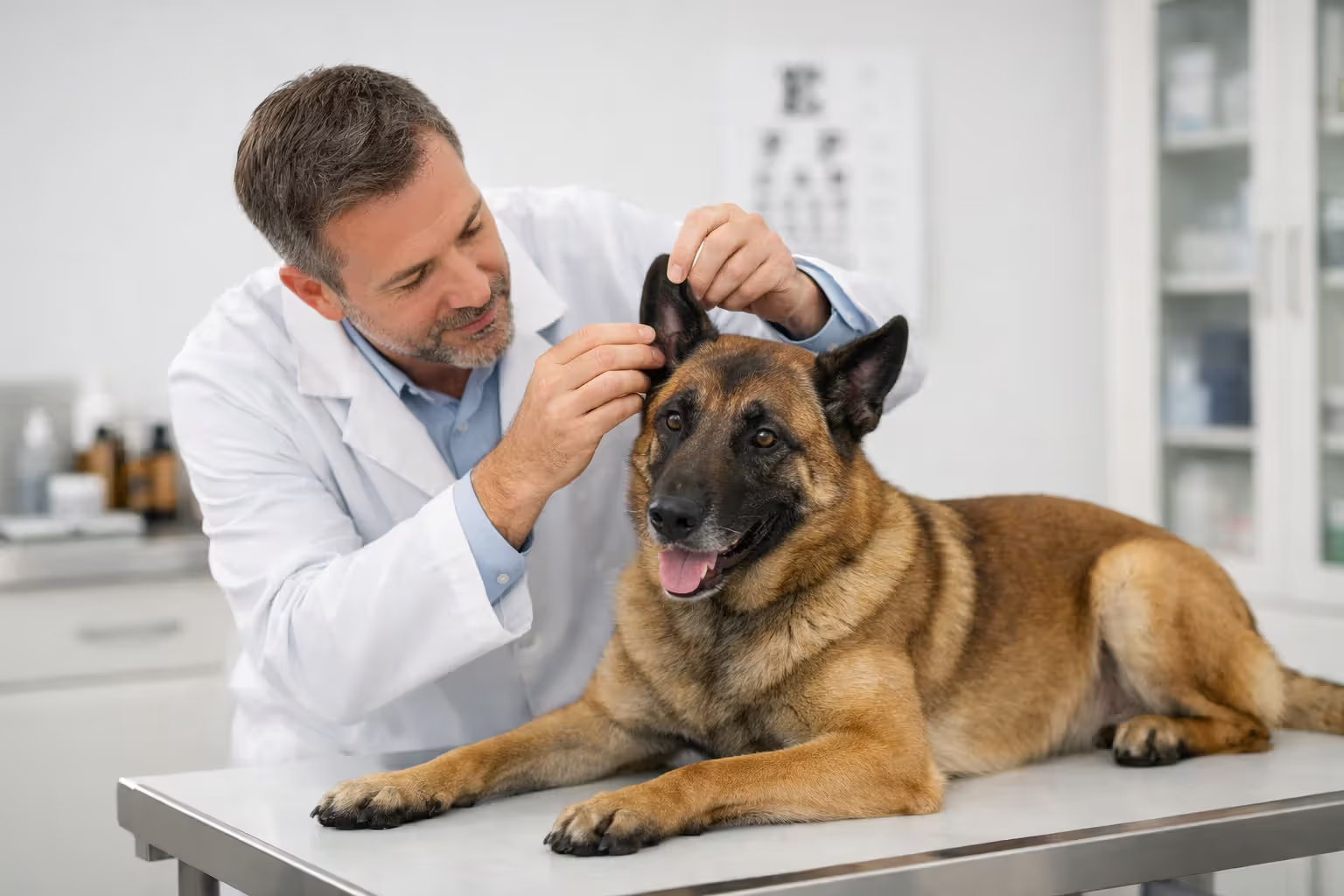
Belgian Malinois health issues are fewer than many purebreds experience, but certain genetic conditions require attention. Hip dysplasia affects roughly 10-15% of the breed, causing progressive pain and mobility loss. Responsible breeders test breeding stock through OFA or PennHIP evaluations, but the condition still appears even in puppies from cleared parents.
Elbow dysplasia occurs less frequently but creates similar joint problems and pain. Eye conditions including progressive retinal atrophy gradually destroy vision over time. Epilepsy runs through certain bloodlines, causing seizures that might require daily medication for life.
Gastric dilatation-volvulus (commonly called bloat) is legitimately life-threatening. The stomach fills with gas then rotates, cutting off blood supply. Breeds with deep chest cavities face elevated risk. Watch for restless behavior, attempts to vomit that produce nothing, and stomach distension. Without emergency surgery within hours, bloat kills. Surgery alone runs $3,000-$7,000, assuming you reach the vet in time.
Preventive care follows standard veterinary protocols: yearly wellness visits, vaccinations on schedule, heartworm prevention year-round, and flea/tick control. Spaying or neutering typically waits until 12-18 months for Malinois—early alteration before growth plates close can increase orthopedic problems later.
Annual ownership costs break down roughly like this:
| Category | Low Estimate | High Estimate | Details |
| Food | $600 | $1,200 | Quality kibble for active dogs; working dogs need performance formulas with higher protein |
| Routine Vet Care | $500 | $1,500 | Yearly checkups, vaccines, heartworm tests, preventive medications; emergencies cost extra |
| Training Classes | $500 | $3,000 | Group classes cost less; private lessons or specialized sport training costs more |
| Grooming Supplies | $100 | $300 | Mostly home maintenance since professional grooming needs are minimal |
| Pet Insurance | $600 | $1,800 | Premiums vary by provider, deductible choice, and coverage limits |
| Equipment and Toys | $200 | $800 | Durable gear including crates, leashes, training equipment; cheap toys last about 10 minutes |
| Emergency Savings | $1,000 | $3,000 | Annual contribution for unexpected medical issues; ACL surgery runs $3,000-$5,000 per leg |
Total yearly spending ranges from $3,500 to $11,600. First-year costs run higher due to spay/neuter surgery, initial vaccination series, puppy training, and startup expenses like crates and exercise equipment.
Insurance deserves serious consideration for this breed. Some companies charge higher premiums for working breeds or exclude specific conditions from coverage. Policies covering hereditary conditions, emergency care, and specialist visits provide the most value. Given how hard these dogs play, injury coverage is essential—torn ACLs, deep lacerations, and other trauma happen regularly.
Author: Hannah Bloomfield;
Source: alwaysonsalepetsupplies.com
Determining whether you can handle Belgian Malinois breed ownership requires uncomfortable honesty about your life, experience level, and commitment capacity. This dog won't adapt to your lifestyle—you'll reshape your entire life around their needs.
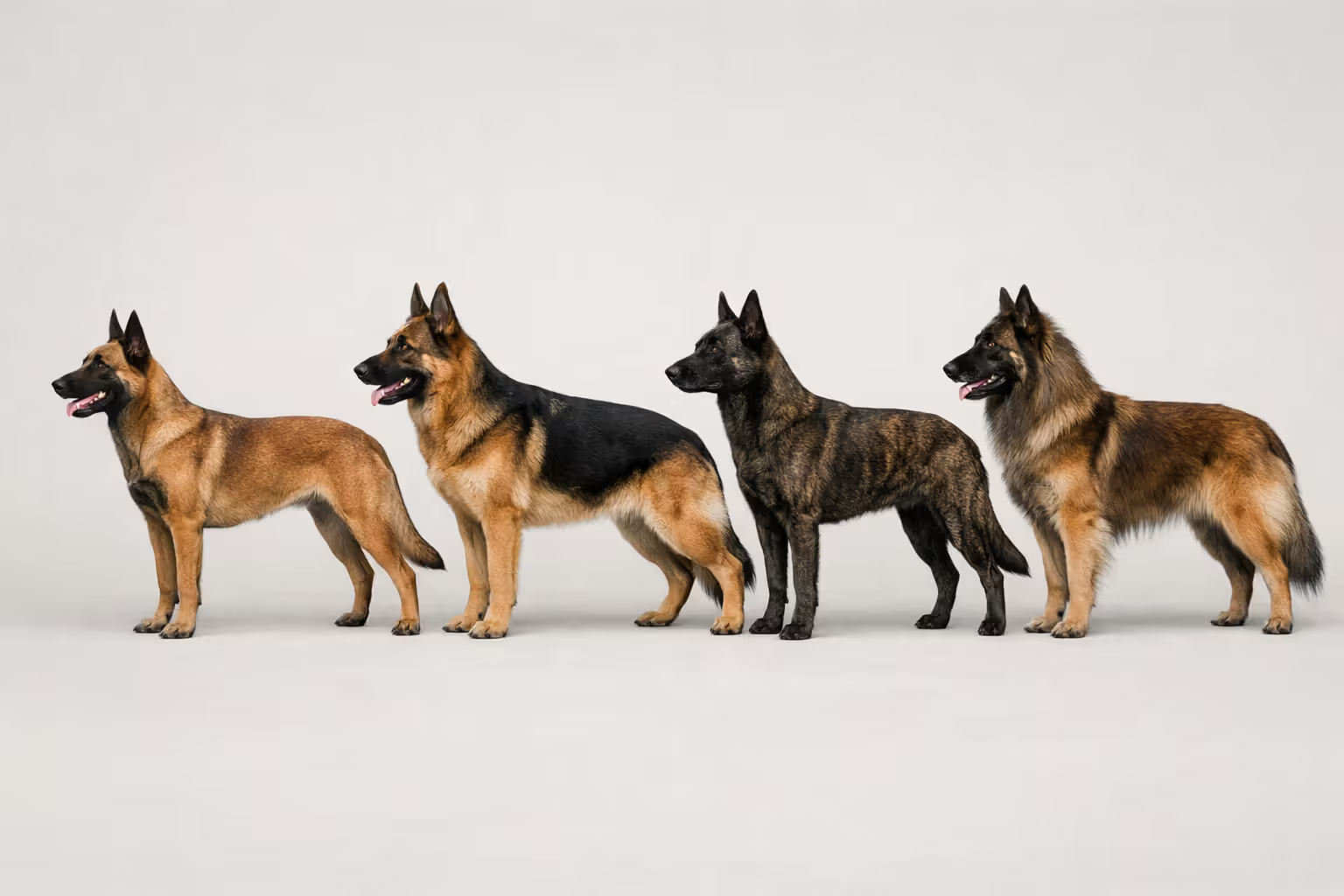
Comparison with similar working breeds:
| Breed | Energy Rating | Training Challenge | Family Compatibility | Ideal Owner |
| Belgian Malinois | Extreme (9/10) | Very Difficult (8/10) | Moderate (5/10) | Experienced handlers, extremely active people, working/sport homes |
| German Shepherd | High (7/10) | Moderate (6/10) | High (8/10) | Active families, first working-breed owners, versatile applications |
| Dutch Shepherd | Very High (8/10) | Difficult (7/10) | Moderate (6/10) | Active owners, competitive sport participants, working roles |
| Belgian Tervuren | High (7/10) | Moderate-Difficult (7/10) | Moderate-High (7/10) | Active families, herding enthusiasts, people wanting Malinois traits with slightly softer edges |
Critical lifestyle factors start with time availability. Can you genuinely commit 2-3 hours every single day to exercise and training? Not just weekends or when weather's nice—literally every day regardless of your work stress, personal plans, or weather conditions. Malinois don't understand days off.
Author: Hannah Bloomfield;
Source: alwaysonsalepetsupplies.com
Experience level matters enormously. Have you successfully trained other dogs? Do you read canine body language fluently? Do you understand drive management and learning theory? Getting a Malinois as your first dog is like learning to drive in a Ferrari on a racetrack. Technically possible, but the crash rate is astronomical.
Your activity level must genuinely match theirs. Marathon runners, serious hikers, cyclists, and people already involved in dog sports often thrive with this breed. People whose exercise consists of walking to the mailbox and whose idea of adventure is trying a new restaurant should look elsewhere.
Housing setup matters, though not as much as people think. Apartments work if you're fanatically committed to multiple daily outings and constant mental enrichment. A house with a securely fenced yard makes life substantially easier. The fence needs to be at minimum six feet tall—Malinois jump that high easily and can climb chain-link if motivated enough.
Time commitment assessment: - Daily exercise: 2-3 hours - Training and mental work: 30-60 minutes - Grooming: 15-30 minutes weekly (daily during shedding season) - Socialization and enrichment activities: 3-4 hours weekly - Veterinary appointments and maintenance: varies
Total weekly time investment: 20-25+ hours minimum. That's a part-time job dedicated solely to your dog.
Red flags suggesting a Malinois is wrong for you: - You want a friendly dog that's comfortable with everyone and can tag along to breweries and cafes - Your primary exercise is leisurely neighborhood walks - You work 50+ hour weeks and want a dog for companionship during evenings and weekends - You have children under 10 and limited dog handling experience - You're attracted to the breed's appearance or "badass" reputation but not the actual lifestyle demands - You expect the dog to entertain themselves in the backyard while you're busy
Green lights suggesting potential compatibility: - You've successfully trained working breeds before and understand what you're getting into - Your lifestyle already revolves around outdoor activities and physical challenges - You're involved or seriously interested in dog sports, protection training, or similar activities - You have realistic expectations including the problems and challenges - You have financial resources, time availability, and commitment for professional training - You want a working partner that happens to be a dog, not a pet that happens to need work
Both breeds work professionally, but key differences separate them. Malinois are physically smaller (40-80 pounds versus 50-90 pounds for Shepherds), with a compact, square build compared to the German Shepherd's characteristic sloped topline. Coat length is shorter and grooming demands are lower. Temperament differences are more significant—Malinois operate at higher drive and intensity levels, staying "on" constantly with minimal off-switch. German Shepherds generally adapt more readily to family environments and forgive handler mistakes more easily. Training difficulty is higher with Malinois because of their intensity and lightning-fast learning speed. For working applications requiring maximum drive and athletic ability, Malinois often outperform. For versatile family companions that can also perform working roles, German Shepherds usually make better choices.
The Belgian Malinois represents what happens when you breed specifically for work capability with zero concern for convenience. These dogs are intelligent, athletic, driven, and capable of achievements that would overwhelm 95% of other breeds. They form bonds with their handlers that go beyond typical dog-owner relationships and work with focus that borders on supernatural.
But those same characteristics create substantial challenges in typical pet homes. The traits making them exceptional military working dogs, elite police K9s, and championship sport competitors don't vanish when they leave the training field. Their constant need for stimulation, their perpetual vigilance, their powerful drives—these remain active whether the dog is deployed overseas or living in your three-bedroom ranch house.
Bringing home a Malinois should result from careful analysis of your actual experience level, genuine lifestyle, and realistic commitment capacity. If you possess the knowledge, available time, and dedication required to channel their intensity productively, you'll discover a partner completely unlike any other breed. They'll push you to become a better handler, challenge you constantly, and reward your efforts with loyalty and capabilities that seem almost impossible.
If you're attracted to their appearance in movies, their reputation as "elite" dogs, or the ego boost of owning a "tough" breed, but can't actually provide what they need, you're setting up failure for yourself and suffering for the dog. Breed-specific rescues overflow with Malinois surrendered by owners who drastically underestimated the breed's demands.
The question isn't whether Belgian Malinois are good dogs—they're extraordinary at what they were developed to do. The real question is whether you're the right owner for them. Answer that question with brutal honesty, and you'll make the right decision for everyone involved.
Discover everything about Shih Tzu dogs — from temperament and grooming to health issues and ownership costs. Find out if this charming breed suits your lifestyle.
Complete Rottweiler guide for US owners covering temperament, training tips, guard dog traits, health concerns, and care essentials.
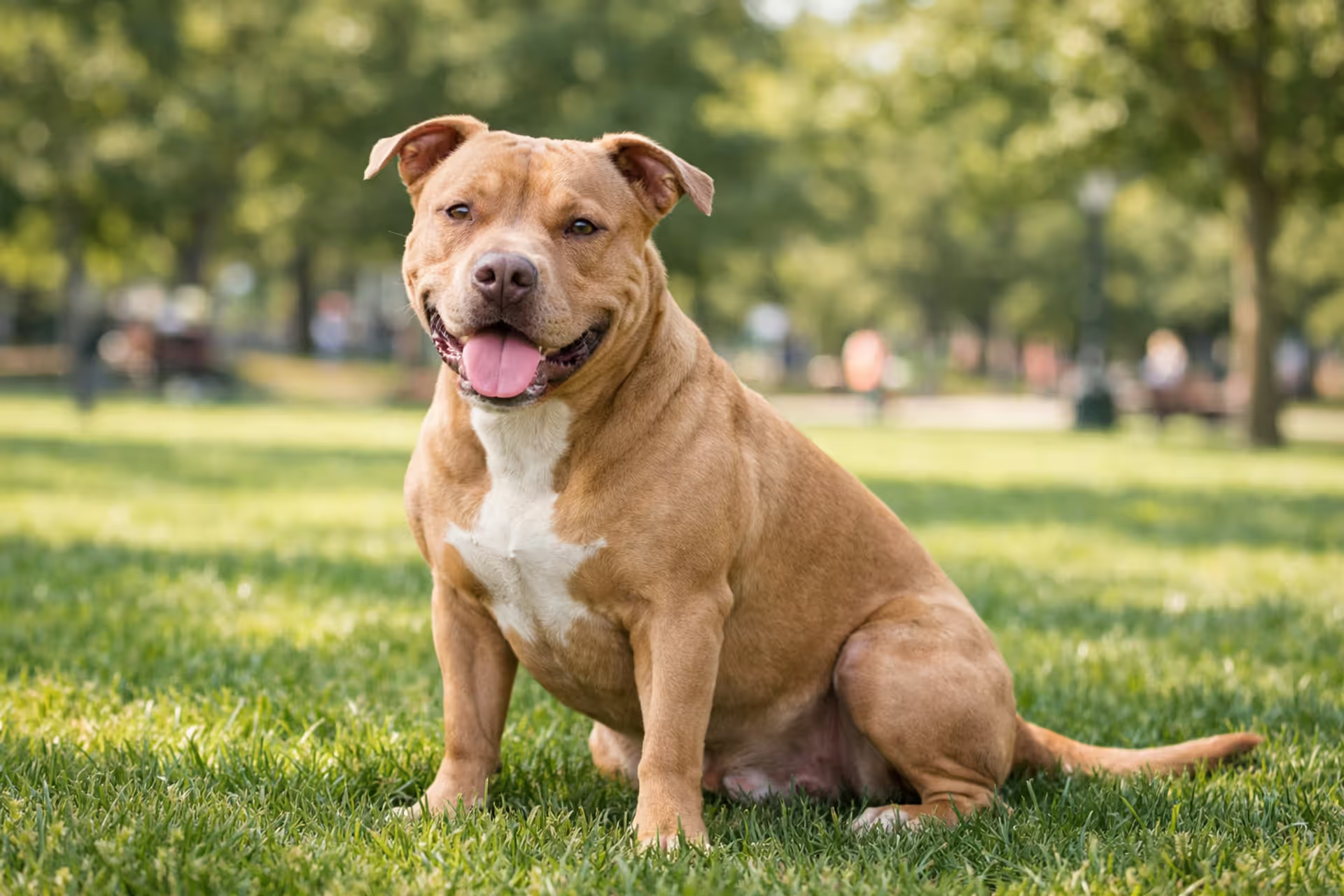
Learn key pitbull breed facts, temperament traits, training tips, and health concerns to decide if this loyal and energetic dog is the right fit for your home.

Complete Labrador Retriever guide covering training, health, exercise, and daily care tips. Find out if this friendly and loyal breed is the right fit for your family.
The content on this website is provided for general informational and educational purposes only. It is intended to offer guidance on dog breeds, behavior, health, care, and lifestyle, and should not be considered a substitute for professional veterinary advice, diagnosis, or treatment.
All information published on this site is based on general knowledge, widely accepted research, and practical experience, but individual dogs may differ in behavior, health conditions, and needs. Results and outcomes may vary depending on the dog, environment, and circumstances.
The website is not responsible for any errors or omissions, or for actions taken based on the information provided. For specific concerns regarding your dog’s health or behavior, always consult a qualified veterinarian or professional dog specialist.