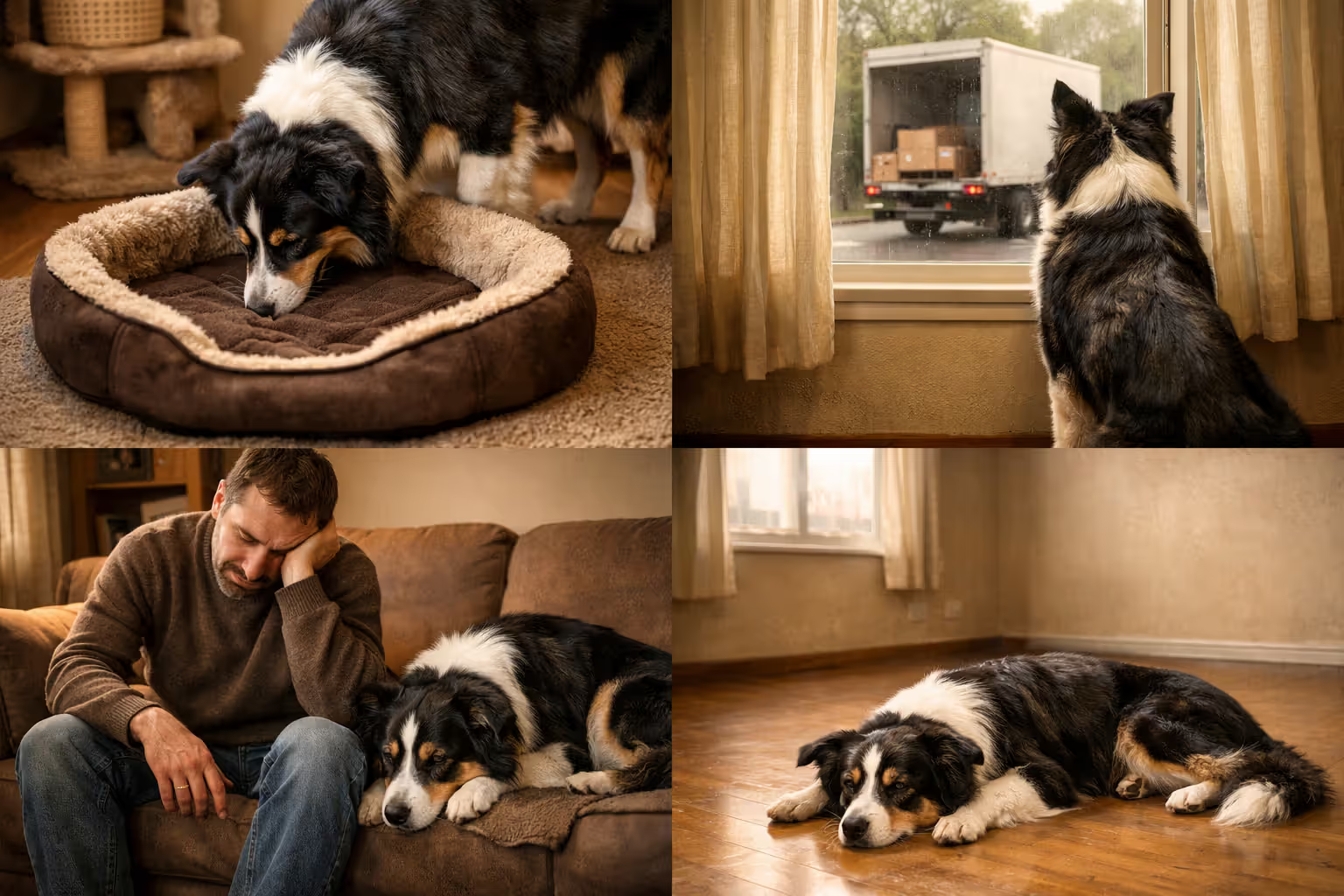
Something's off with Max. Three weeks ago, your golden retriever would sprint to the door the second he heard your keys. Now? He barely opens his eyes when you walk in. That food bowl you fill every morning—it's still half-full by dinner. The tennis ball that used to send him into a frenzy sits ignored on the floor.
Here's what most pet owners don't realize: dogs actually experience clinical depression. Not just a grumpy afternoon or post-boarding blues—we're talking about weeks of genuine behavioral shifts that drain their joy and energy. The tough part? Figuring out whether you're dealing with a rough patch or something that needs real intervention.
Can Dogs Actually Get Depressed?
Short answer: absolutely. Long answer: it's complicated.
Dogs have the same brain structures tied to emotions that we do. The limbic system, serotonin, dopamine—all there. Veterinary behaviorists have spent decades studying this, documenting real chemical shifts in dogs experiencing prolonged low moods. These aren't just sad moments; they're measurable changes in how a dog's brain functions.
Here's where it gets tricky. Your dog won't tell you they feel hopeless or worthless—those specifically human experiences don't translate directly. What you'll see instead: a previously energetic lab who now treats everything like it requires too much effort. A social butterfly suddenly acting like the family doesn't exist. A food-motivated beagle leaving kibble in the bowl for days.
Dr. Nicholas Dodman, who's spent his career studying animal behavior, puts it this way: depressed dogs show dramatically reduced interest in their world. Things that used to make them lose their minds—squirrels, dinner time, car rides—barely register anymore.
Animals are able to experience sustained negative emotional states that are identical in nature to what we call depression in humans
— Marc Bekoff
Now, sadness and depression aren't interchangeable. Your dog acting mopey for two days after you board them? That's sadness. Your dog refusing meals, sleeping 18 hours straight, and avoiding everyone for three solid weeks? That's crossed into depression territory. Time matters here. So does intensity.
Think of it like this: canine depression shares features with human depression—the brain chemistry, the behavioral withdrawal, the loss of pleasure in previously loved activities. But dogs can't verbalize internal experience, which means we're reading external signs and connecting them to what's likely happening internally.
7 Signs Your Dog May Be Depressed
You're not looking for one isolated incident here. Depression shows up as a pattern—multiple symptoms clustering together over weeks.
Eating habits that suddenly change: Maybe Bella used to inhale her breakfast in 90 seconds flat. Now she sniffs it, walks away, comes back an hour later, eats three bites. Or the opposite happens—some dogs start stress-eating, consuming anything available. Either direction, when eating patterns shift dramatically and stay shifted, pay attention.
Sleep that goes way beyond normal: Dogs naturally sleep 12-14 hours daily. Depressed dogs? Try 18-20 hours. They're not just resting—they're checked out. Waking them feels difficult. They lack that normal alertness after a nap. If your dog's choosing sleep over literally everything else they used to enjoy, that's significant.
Pulling away from the family: The dog who shadowed you everywhere now hides under the bed. Petting gets met with turning away. Eye contact disappears. Other pets try engaging them in play—nothing. This social shutdown, especially in previously social dogs, screams problem.
Total disinterest in activities they lived for: Your border collie ignores the frisbee. Your pointer doesn't even lift their head when you grab the leash. This inability to feel pleasure from previously exciting things—that's one of depression's biggest red flags.
Obsessive licking or grooming: Watch for dogs who lick their paws raw or groom the same spot until they've created a bald patch. Often accompanies depression as a self-soothing behavior. The compulsiveness indicates something's really wrong.
Backsliding on training: A perfectly house-trained dog starts having accidents. Commands they've known for years suddenly don't register. These regressions aren't your dog being difficult—they're struggling to function normally.
Physical posture and movement changes: Tail stays low. Ears pinned back constantly. They move like everything hurts, even when it doesn't. That bounce, that alertness typical of their breed—gone.
Author: Emily Crosswell;
Source: alwaysonsalepetsupplies.com
Behavioral Changes vs. Medical Issues
Here's the frustrating part: tons of medical problems look exactly like depression.
Lethargy? Could be depression. Could also be hypothyroidism, infection, organ failure, or a dozen other things. Appetite loss? Same deal. A dog avoiding interaction might have arthritis making movement painful, not depression.
This overlap makes vet visits non-negotiable. Blood panels, physical exams, diagnostic imaging—these rule out medical causes. Sometimes you find both: chronic pain triggering genuine depression alongside the physical issue.
Senior dogs add another wrinkle. Cognitive decline causes disorientation, sleep changes, and social withdrawal that mimic depression but need different approaches.
When Sadness Becomes Depression
Normal sadness has a timeline and a trigger. Your daughter left for college—the dog mopes for a week, then adjusts. You came back from vacation and disrupted routines—give it ten days, things normalize.
Depression sticks around. Three weeks pass, four weeks, and behavior keeps deteriorating or stays flatlined. The math matters: temporary reactions resolve within two weeks. Depression persists beyond three weeks and often worsens without help.
Intensity separates them too. A dog seeming a little down versus a dog who's completely stopped responding to anything—those require different responses.
What Dogs Experience vs. What Depression Looks Like
Category
Typical Daily Patterns
Depression Warning Signs
Eating
Finishes meals in under 20 minutes, gets excited for treats, maintains steady weight
Food sits ignored for hours, turns away from favorite treats, noticeable weight changes over several weeks
Sleeping
Sleeps 12-14 hours, wakes up responsive and engaged, follows normal day/night patterns
Sleeps 16-20+ hours, hard to wake up, crashes at odd times, exhausted even after long rest
Activity
Initiates play, responds enthusiastically to walks, maintains breed-typical energy
Zero interest in previous favorite activities, ignores play invitations, perpetually low energy
Social Behavior
Greets people at the door, seeks physical contact, interacts with other pets, responds when called
Hides regularly, physically turns away from petting, stops greeting behaviors, isolates from everyone
Self-Care
Normal grooming patterns, healthy coat, standard hygiene
Either excessive licking creating raw spots or complete grooming neglect resulting in matted, filthy coat
What Causes Depression in Dogs?
Dogs don't get depressed for no reason. Usually, something significant changed or was lost.
Losing a companion—human or animal: When the other dog dies after 10 years together, the surviving dog notices. They search. They wait. Grief in dogs is real, and prolonged grieving can shift into depression. Same goes for family members moving out or passing away.
Life getting turned upside down: New house. Owner suddenly gone all day for a new job. Baby arrives. New pet joins the household. Divorce splits the family. Some dogs roll with change—others completely fall apart.
Owners transmitting their own emotional state: Dogs read us better than we realize. Owner going through depression? Dog often mirrors it. Partly because depressed owners interact less. Partly because dogs genuinely pick up on and reflect our emotional states.
Chronic boredom and under-stimulation: Stick a working breed in an apartment with one short walk daily—you're asking for problems. A German shepherd bred to work 12-hour days now gets 30 minutes of activity? A retriever never retrieving anything? Physical and mental under-stimulation creates depression in dogs built for constant engagement.
Trauma and neglect: Abuse leaves marks. Rescue dogs from rough backgrounds frequently show depressive symptoms initially, though many bounce back with consistent positive experiences.
Seasonal patterns: Less common, but some dogs show mood changes when daylight decreases. Winter hits, they get sluggish and withdrawn. Spring returns, so does their energy.
Author: Emily Crosswell;
Source: alwaysonsalepetsupplies.com
Environmental vs. Chemical Causes
External triggers—losses, changes, boredom—create environmental depression. These situations generate stress that, when chronic, alters brain chemistry affecting mood.
Chemical depression starts internally. Neurotransmitter imbalances—serotonin, dopamine, norepinephrine running too high or low. Medical conditions like hypothyroidism or Cushing's disease create these imbalances. Some dogs inherit vulnerability to depression, genetic predisposition like humans have.
Reality? These categories blend together constantly. Environmental stress changes brain chemistry. Existing chemical vulnerabilities make environmental triggers hit harder. One dog loses a companion and recovers in two weeks. Another dog loses a companion and spirals into months-long depression because their neurochemistry couldn't handle the stress.
This explains why identical situations affect dogs differently. Same household, same stressors—one dog depressed, one fine. The struggling dog likely had additional vulnerabilities: anxious temperament, weaker bonds with remaining family, underlying chemical sensitivities.
How Veterinarians Diagnose Dog Depression
Nobody runs a "depression test" and gets results back. The process involves elimination and assessment.
First up: ruling out physical causes. Your vet runs a complete physical exam plus bloodwork checking thyroid, organs, blood counts. They'll palpate for pain—joints, spine, abdomen. So many conditions cause lethargy, appetite changes, and withdrawal that have nothing to do with mood disorders.
Physical health clears? Now they focus on behavior. Expect detailed questions: When did changes start? What specifically looks different? Any triggering events around that time? What was your dog's personality before this? Daily routine? Household dynamics? Previous medical history?
Some veterinarians use standardized questionnaires adapted for dogs, scoring symptom severity and tracking progress. These create baselines for measuring improvement.
Veterinary behaviorists—the specialists in this field—take assessment further. They'll watch your interactions with your dog, test responses to various stimuli, and distinguish depression from anxiety, cognitive dysfunction, or other behavioral conditions with overlapping symptoms.
Vet visit versus home management—here's the decision tree: Mild changes following an obvious trigger (like returning to office work), and your dog's still eating and drinking? Try home interventions for one to two weeks while monitoring closely.
Get to a vet immediately if: - Food and water refusal hits 24 hours - Severe behavioral changes appear suddenly without explanation - Symptoms persist beyond three weeks despite your interventions - Physical symptoms accompany behavioral ones - Your dog has pre-existing medical conditions
Waiting too long risks missing treatable medical problems and lets depression become entrenched and harder to fix.
8 Ways to Help a Depressed Dog at Home
Home interventions work for mild to moderate cases, especially when you know what triggered the depression. Consistency matters more than intensity—sporadic efforts accomplish nothing.
Create rock-solid routines: Predictability comforts dogs. Feed at 7am and 5pm daily—not 7am one day, 9am the next. Walk the same times every day. Establish patterns for play, training, rest. Depressed dogs dealing with uncertainty need to know what's coming next. Even if your schedule varies, keep your dog's routine stable through automated feeders, hired dog walkers, or coordinating with family members.
Build up physical exercise gradually: Exercise releases endorphins and provides distraction. But start where your dog actually is. Barely moving? Begin with two 10-minute walks daily, slowly increasing as they improve. Pushing too hard backfires—an exhausted dog feels worse, not better. Match exercise to abilities: swimming for arthritic dogs, fetch for retrievers, scent work for hounds.
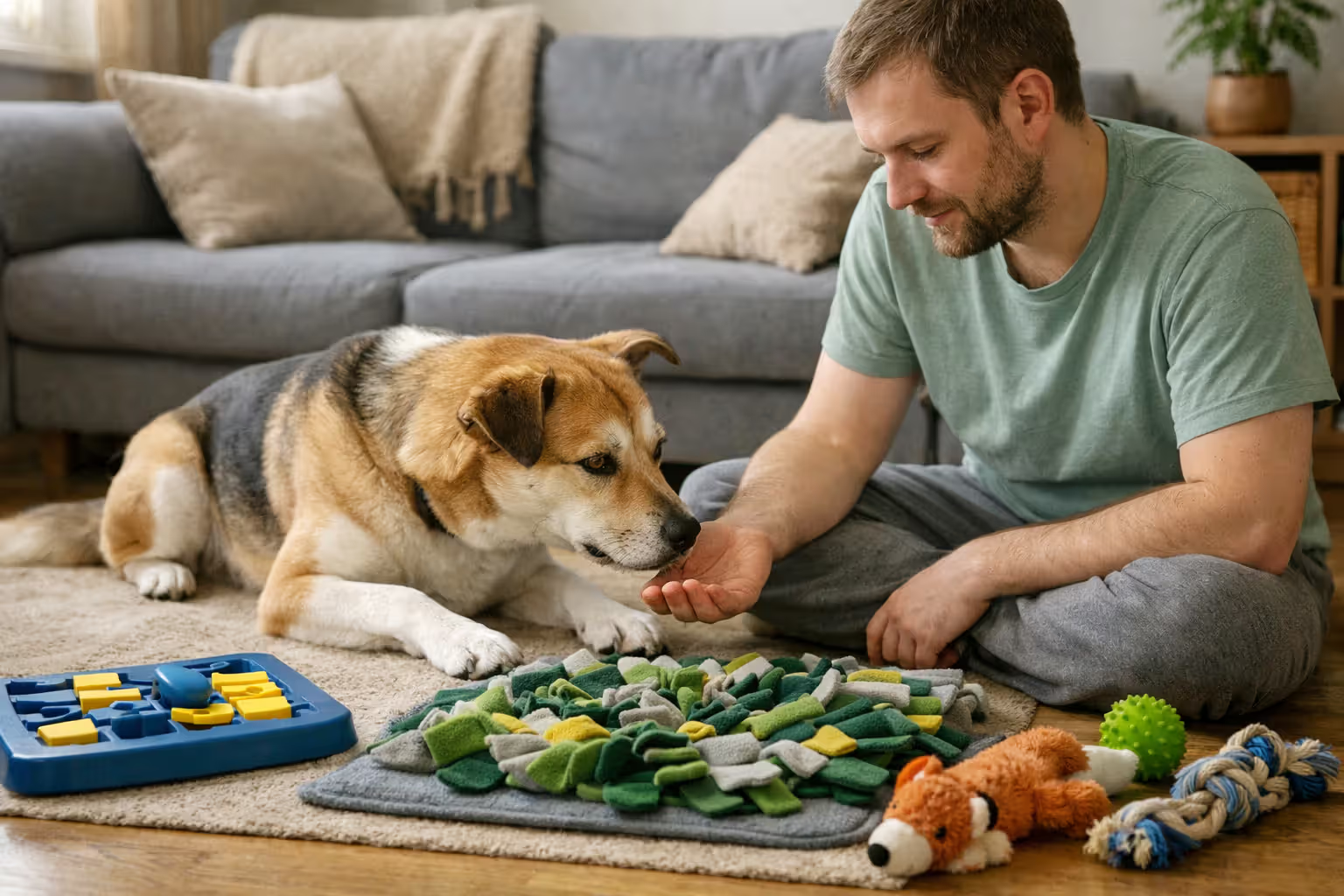
Engage their brain differently: Puzzle feeders where they work for meals. Snuffle mats hiding treats. Hide-and-seek games throughout the house. Training new tricks using positive reinforcement. Mental work engages differently than physical—a depressed dog avoiding runs might still sniff out hidden treats. Rotate toys so there's always something novel. Even simple tricks create engagement.
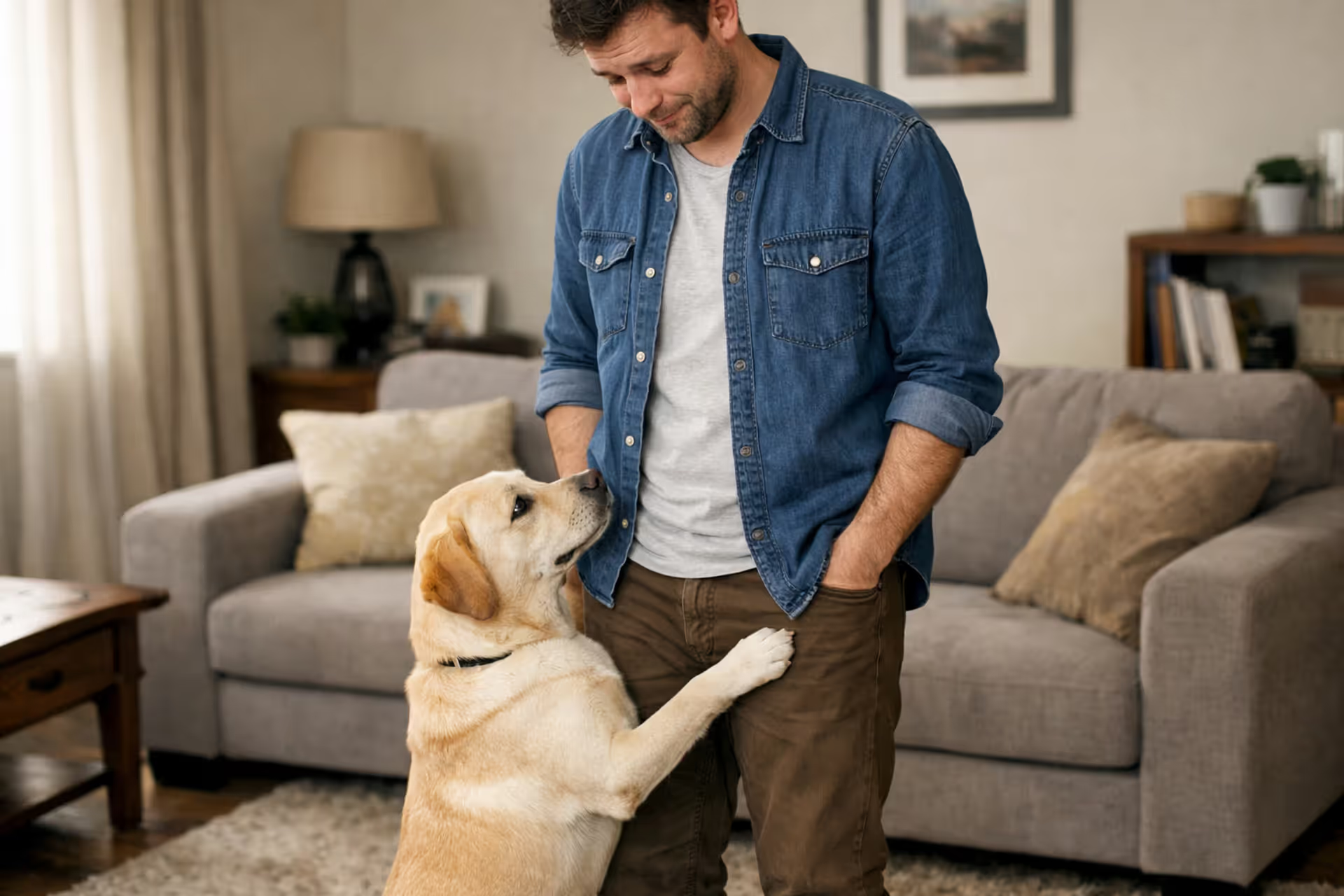
Be present without demanding: Depressed dogs need connection on their terms. Sit on the floor near your dog without forcing interaction. Offer gentle petting if they approach—don't chase them down. Talk in calm, upbeat tones. Bring them into your space: work-from-home? Let them hang in your office. Reading? They can sit nearby. Include them in family activities even as observers. Balance avoiding isolation with not overwhelming them.
Adjust diet strategically: Omega-3 fatty acids support brain function and mood regulation. Foods containing tryptophan (turkey, eggs) provide serotonin building blocks. Higher-quality food with better nutrient profiles sometimes makes a difference. For severe appetite loss: warm food slightly to boost aroma, add low-sodium broth for flavor, offer smaller frequent meals instead of two large ones. Hand-feeding sometimes reignites interest when bowl-feeding doesn't.
Establish a secure retreat: Designate a quiet space where your dog feels completely safe. Could be a crate with cushy bedding, a specific room, or a corner with their bed and favorite items. Respect this space—never force them out, but make it positive through association with good experiences.
Handle social interaction carefully: Lost a companion? Don't immediately force interaction with new dogs—overwhelming. But some dogs perk up around calm, friendly dogs once they show slight improvement. Read signals: if certain dogs or people create positive responses, facilitate those interactions. If your dog withdraws, back off.
Try supplemental calming aids: Pheromone diffusers like Adaptil. Dog-specific calming music. Anxiety wraps. CBD products formulated for pets. These don't solve depression alone but can support other interventions. Research quality and safety first, and run any supplements by your veterinarian.
What doesn't work: Punishing withdrawn behavior or accidents makes everything worse. Dramatic schedule changes trying to "snap them out of it"—consistency beats novelty. Getting a replacement pet immediately after loss—let them grieve first. Constantly hovering or forcing interaction—some dogs need processing space.
Author: Emily Crosswell;
Source: alwaysonsalepetsupplies.com
Professional Treatment Options for Dog Depression
Home strategies insufficient? Depression severe from the start? Time for professional help.
Behavioral therapy and modification programs: Veterinary behaviorists or certified behavior consultants design structured plans specific to your dog's situation. Might include desensitization work, counter-conditioning protocols, or environmental management. Usually weekly or biweekly sessions with homework between appointments. Works well for depression tied to specific triggers or learned helplessness.
Antidepressant medication: Vets prescribe SSRIs like fluoxetine (Prozac) and sertraline (Zoloft), or tricyclic antidepressants like clomipramine. These adjust neurotransmitter levels, helping restore normal mood regulation.
Medication isn't first-line for mild depression. It becomes appropriate when depression is severe, long-lasting, or behavioral interventions aren't working. Antidepressants need 4-8 weeks to reach full effectiveness, though some dogs improve sooner. Side effects—appetite changes, sedation, GI upset—usually resolve after adjustment.
Medication plus behavioral strategies plus environmental changes—that's the winning combination. Pills alone rarely fix depression. They create neurochemical conditions that make behavioral improvement possible.
Specialist collaboration: Veterinary behaviorists have specialized training and prescribing authority. Certified Applied Animal Behaviorists (CAAB) or Certified Professional Dog Trainers with behavioral focus (CPDT-KA) provide expertise without prescribing. Your regular vet can refer you based on your dog's specific needs.
Alternative approaches: Acupuncture, massage therapy, other complementary treatments. Research supporting these specifically for canine depression remains limited, but they might help if pain or anxiety accompanies depression. Massage increases bonding and physical comfort. Acupuncture could address underlying pain contributing to mood problems.
Timeline expectations: Mild depression with clear triggers often improves within 2-4 weeks of consistent home work. Moderate depression typically needs 4-8 weeks combining home and professional support. Severe or chronic depression may require 3-6 months of treatment including medication and therapy before major improvement.
Progress won't follow a straight line. Dogs improve, plateau, sometimes temporarily slide backward before continuing recovery. Patience and consistency throughout treatment matter more than speed.
Medicating a dog for depression is not a sign of weakness or a last resort. It is just as legitimate a therapeutic tool as treating any other disease of the brain
— Karen Overall
Comparing Treatment Approaches for Depressed Dogs
Treatment Approach
How Long It Takes
What It Costs
Works Best When
Home strategies: routine building, exercise, enrichment activities
Usually see changes in 2-4 weeks
Minimal to $200 for supplies like puzzle toys and enrichment gear
Depression is mild, you know what triggered it, symptoms started recently
Diet modifications and supplements
Effects typically appear in 3-6 weeks
Roughly $50-$150 monthly
You're supporting other treatments, dealing with mild cases, or nutritional issues exist
Working with a behavior specialist
Minimum 6-12 weeks of sessions
$100-$300 per session, usually need 4-8 sessions
Depression is moderate to severe, triggers unclear, you need structured protocols
Prescription antidepressants (SSRIs, tricyclics)
Full effects take 4-8 weeks
$20-$60 monthly plus vet appointment costs
Severe cases, other interventions haven't worked, chemical imbalances suspected
Comprehensive approach: meds plus behavior therapy plus home support
Significant improvement in 8-16 weeks
Total investment $500-$2000+
Depression is severe or long-term, situation is complex, you want best success odds
Complementary therapies: acupuncture, massage work
Variable results, try 4-8 weeks
$50-$150 per session
Adding to primary treatment, pain contributes to depression, anxiety is involved
Frequently Asked Questions About Dog Depression
How long does dog depression typically last?
Duration depends on severity, root causes, and whether you're treating it. Mild situational depression—like after a temporary disruption—might clear up in 2-3 weeks with supportive care. Moderate depression often hangs around 1-3 months and requires active intervention. Severe depression, particularly involving chemical imbalances or trauma, can persist 6+ months without proper treatment. Dogs getting appropriate help—behavioral work, medication, or both—generally improve faster than dogs left to struggle alone. Some dogs experience recurring episodes, especially if underlying triggers stay unaddressed.
Can a depressed dog recover on its own without treatment?
Sometimes mild depression resolves spontaneously, especially when triggered by temporary situations that naturally improve. But counting on this is risky business. Untreated depression often worsens, becomes chronic, or creates secondary problems—weight loss, immune system suppression, new behavioral issues. The longer depression persists untreated, the tougher it becomes to fix. Even if a dog eventually recovers without formal intervention, they're suffering unnecessarily the entire time. Active treatment shortens that suffering and prevents complications.
Is my dog depressed or just bored?
Boredom and depression overlap in symptoms but differ in key ways. Bored dogs often act out—chewing furniture, digging holes, barking excessively—because they're trying to create their own stimulation. Present them with engaging activities and they light up immediately, even if briefly. Depressed dogs lack energy for destruction and barely respond to normally exciting things. Bored dogs sleep normal amounts but seem restless when awake; depressed dogs sleep excessively and appear drained. Bored dogs maintain normal appetites while depressed dogs usually experience eating changes. If ramping up exercise and enrichment produces quick, dramatic improvement—probably boredom. If symptoms persist despite increased stimulation—likely depression.
Do certain dog breeds get depressed more easily?
Research on breed-specific depression vulnerability is limited, but some patterns emerge. Breeds developed for constant companionship—Cavalier King Charles Spaniels, Bichon Frises, Labs—may struggle harder with isolation or owner absence. Working breeds like Border Collies, German Shepherds, or Belgian Malinois might develop depression when chronically under-stimulated or unable to do what they were bred for. That said, individual personality trumps breed. A sensitive, anxious dog of any breed faces higher depression risk than a resilient, adaptable dog. Previous experiences matter most—early life trauma or poor socialization influence depression vulnerability more significantly than breed alone.
Can getting another dog help with my dog's depression?
Potentially yes, potentially no—timing is everything. If depression stems from losing a canine companion and your dog historically enjoyed other dogs, a new companion might help eventually. But not immediately. Allow grief processing time first—minimum 4-8 weeks before introducing a new pet. Rushing creates problems, as your dog isn't emotionally ready for a new relationship. If depression has other roots—owner absence, insufficient stimulation, medical problems—adding another dog won't solve anything and might increase stress. Some depressed dogs lack energy for interacting with a new, potentially energetic companion, becoming more overwhelmed. Consider your dog's personality, what caused their depression, and current symptom severity before adding another pet. When timed right, after initial recovery begins, a compatible companion can provide motivation and social support.
What's the difference between dog anxiety and dog depression?
Anxiety and depression frequently exist together but represent distinct states. Anxious dogs appear on high alert—hypervigilant, restless, reactive to stimuli. They pace constantly, pant without exertion, show dilated pupils, startle at small sounds. Anxiety means heightened arousal and fear responses. Depressed dogs display the opposite: minimal energy, reduced reactivity, total disengagement. They seem shut down rather than wound up. Anxious dogs engage in repetitive behaviors—circling, tail chasing—driven by nervous energy. Depressed dogs lack energy for these or develop slow, methodical compulsions like licking the same spot endlessly. Treatment differs too—anxiety often needs desensitization and counter-conditioning, while depression requires mood support and re-engagement strategies. Many dogs experience both simultaneously, showing anxiety around specific triggers while maintaining overall depressed baseline. These complex situations need comprehensive treatment addressing both conditions.
Recognizing and addressing your dog's depression requires patience, careful observation, and knowing when to call in reinforcements. Depression isn't something your dog chooses or can simply overcome through willpower—it's a legitimate condition affecting brain chemistry and emotional functioning.
Start documenting specific behavioral changes: what you're seeing, when it started, possible triggers. Schedule a vet appointment to eliminate medical causes and discuss intervention options. Implement consistent home support while maintaining realistic expectations about timelines—real improvement takes weeks, not days.
Your depressed dog needs you as their advocate, recognizing that withdrawal and behavioral changes signal genuine distress, not disobedience or stubbornness. With appropriate support, most dogs recover from depression and return to their normal engaged selves. That bond you've built makes you uniquely positioned to notice when something's wrong and provide the consistent, patient care that enables healing.
Wondering why your dog humps people, other dogs, or random objects? You’re not alone. Discover the real triggers behind mounting behavior, find out when it’s completely normal, and learn 5 proven training methods that actually work to stop it for good
Discover why dogs eat poop, what health risks coprophagia carries, and 7 proven methods to stop this behavior fast. Vet-backed solutions that actually work — for puppies and adult dogs alike. Your clean, stress-free walks start right here
Discover why dogs eat grass, what it means for their health, and when to take action. Learn the science behind this common behavior, its link to vomiting, and how to keep your dog safe while grazing. Find out which signs are normal, which are red flags, and what vets recommend
Discover why dogs eat dirt — from boredom and nutritional gaps to pica and hidden illness. Understand the real health risks, spot the warning signs early, and apply 7 vet-approved methods to stop this behavior for good
The content on this website is provided for general informational and educational purposes only. It is intended to offer guidance on dog breeds, behavior, health, care, and lifestyle, and should not be considered a substitute for professional veterinary advice, diagnosis, or treatment.
All information published on this site is based on general knowledge, widely accepted research, and practical experience, but individual dogs may differ in behavior, health conditions, and needs. Results and outcomes may vary depending on the dog, environment, and circumstances.
The website is not responsible for any errors or omissions, or for actions taken based on the information provided. For specific concerns regarding your dog’s health or behavior, always consult a qualified veterinarian or professional dog specialist.