Picture this: It's 2 AM, and your border collie is wedged behind the toilet, shaking so hard you can hear his collar jingling from the bedroom. The thunderstorm passed an hour ago. Or maybe your rescue dog has worn a bald spot into your carpet from pacing every time you pick up your keys. Perhaps your lab's paws are bleeding again—third time this month—because he can't stop licking them despite the cone, the bitter spray, and your increasing desperation.
Here's what nobody tells you at the shelter: roughly 70% of dogs will face anxiety intense enough to disrupt their daily life. And here's the part that feels like failure but isn't—sometimes your love, your patience, and your training aren't enough. Some dogs need medication because their brain chemistry has gone haywire, creating fear responses so intense that learning new behaviors becomes impossible.
Let me be clear: giving your dog anxiety medication isn't giving up. For dogs whose nervous systems are stuck in permanent panic mode, it's often the only thing that makes training work at all.
Signs Your Dog May Need Anxiety Medication (Not Just Training)
Training works for most anxious dogs. Counter-conditioning fixes a lot of problems. Environmental changes help even more. But some patterns tell you something deeper is broken—something that needs pharmaceutical help before behavioral work stands a chance.
When behavioral modification isn't enough
Let's say you've spent three months with a certified trainer. You've done everything right: safe spaces, predictable routines, relaxation exercises twice daily. Your dog still hyperventilates for six hours before you leave for work. Can't eat. Can't settle. Can't focus on treats even when you've been gone only two minutes.
That's not a training problem anymore. That's a nervous system stuck in threat mode with no off switch.
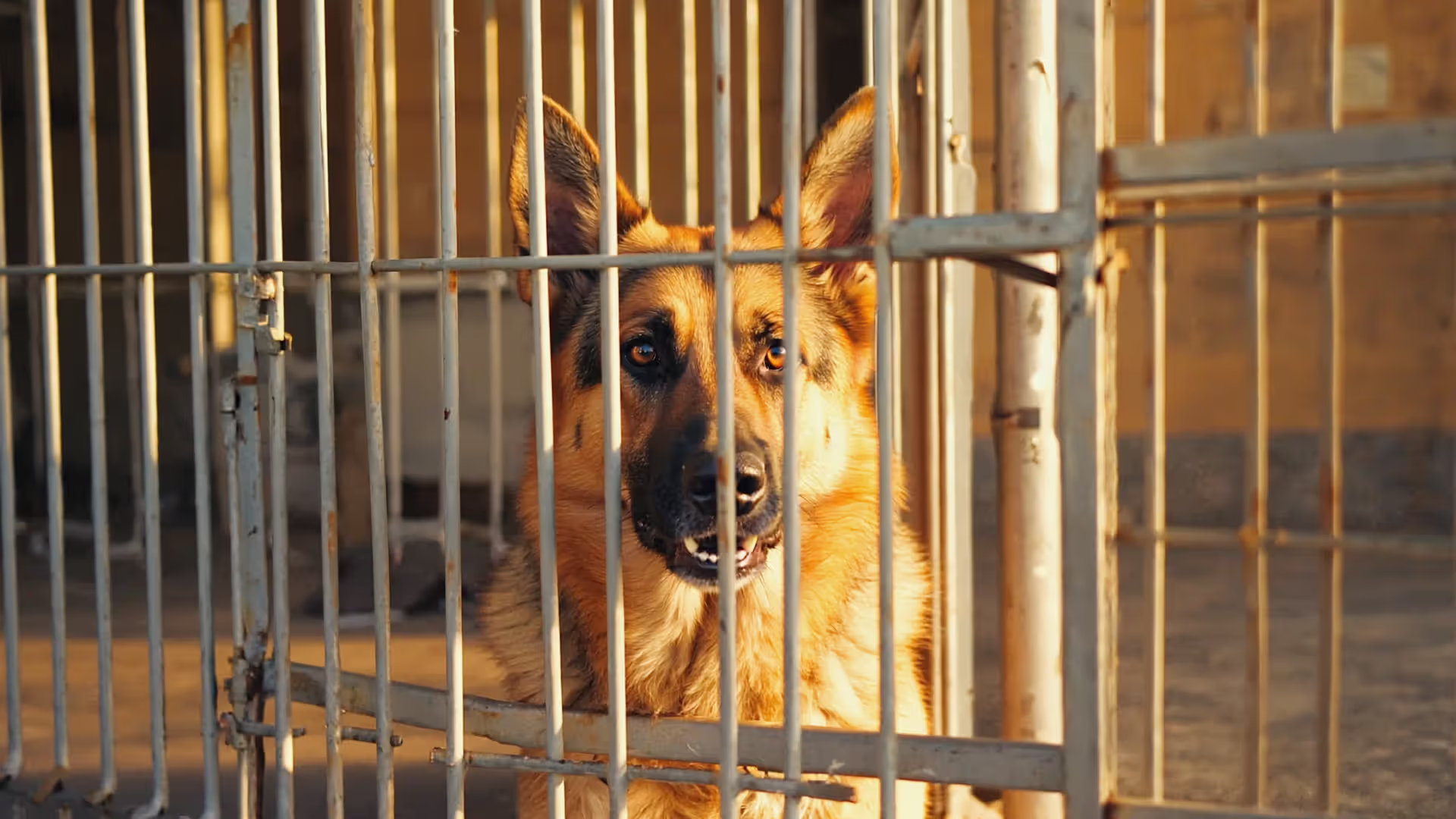
Watch for self-injury during panic. A client's German Shepherd broke two teeth trying to bite through a metal crate during a storm. Another dog jumped through a second-story window when fireworks started. Positive reinforcement doesn't touch this level of terror—you need medication to turn down the panic enough that the dog can begin learning the world isn't ending.
Author: Lucas Fairmont;
Source: alwaysonsalepetsupplies.com
Severity indicators that warrant medication
Your dog won't take treats during anxiety episodes? That's significant. Dogs are food-motivated creatures—when fear completely overrides their drive to eat high-value rewards like chicken or cheese, their nervous system has hijacked everything else.
Aggression that appears only during panic states needs professional help. A dog who's friendly 95% of the time but snaps when cornered during a thunderstorm isn't mean—they're terrified beyond rational thought.
Time matters too. Does your dog stay vigilant for three hours after the mail carrier leaves? Normal dogs reset within 10-20 minutes. Dogs with anxiety disorders can't downshift—their stress hormones stay elevated long after the threat disappears.
Physical symptoms count: chronic diarrhea triggered by minor changes, stress colitis every time you have houseguests, or a housetrained dog suddenly peeing inside when anxious. These signal system-wide nervous system problems.
Common anxiety triggers in dogs
Separation anxiety hits 20-40% of behavioral cases. These dogs don't destroy your couch out of spite—they're having genuine panic attacks within minutes of being alone. Vocalization, destruction, elimination—all stem from terror, not boredom.
Noise phobias tend to snowball. Your two-year-old dog might've been slightly concerned about fireworks. By age five, he's completely non-functional during storms, and now garbage trucks trigger the same response. The fear generalizes, often worsening annually without treatment.
Then there's generalized anxiety—dogs who never relax. Ever. They follow you to the bathroom, startle at the refrigerator ice maker, and seem perpetually on edge even though nothing specific is wrong. Their baseline anxiety runs so high that normal life feels overwhelming.
The greatest obstacle to discovery is not ignorance — it is the illusion of knowledge
— Daniel J. Boorstin
How Veterinarians Diagnose and Prescribe Dog Anxiety Medication
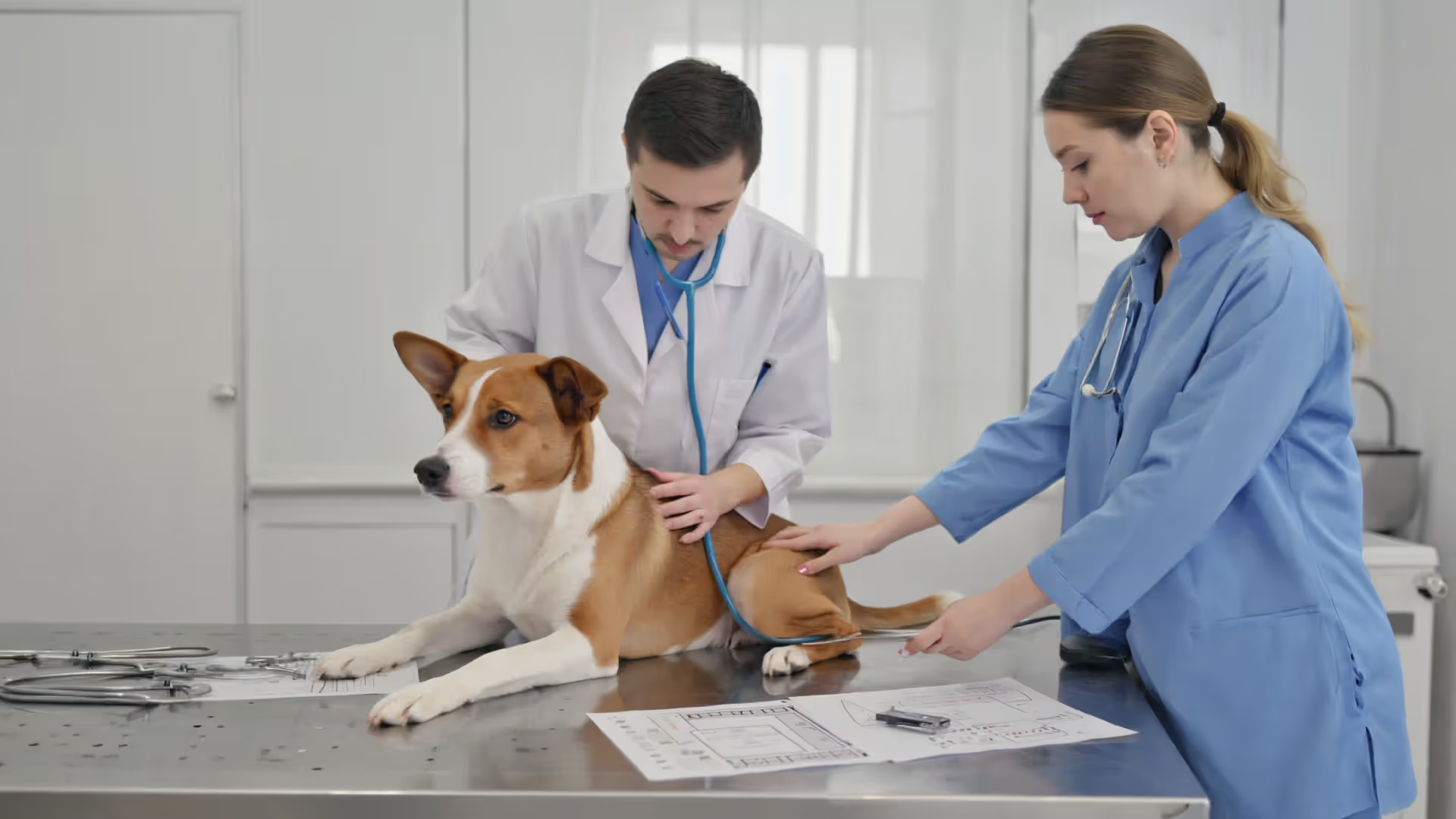
Your regular vet can prescribe these medications, though complicated cases benefit from a veterinary behaviorist. Either way, expect more than a quick chat—responsible vets don't hand out anxiety meds after five minutes of conversation.
The evaluation process
Step one: rule out medical problems. Thyroid issues, chronic pain, neurological disorders, and cognitive decline all look like anxiety. I've seen "separation anxiety" resolve completely after treating hip dysplasia—the dog wasn't anxious about being alone; he was scared he couldn't get up to use the bathroom or get water.
Blood work comes before starting most anxiety medications, especially for older dogs or those with existing health issues. Liver and kidney function matter because these organs process the drugs. Some medications require baseline labs, then rechecks at three and six months.
Author: Lucas Fairmont;
Source: alwaysonsalepetsupplies.com
Questions your vet will ask
Bring specifics, not generalities. "He's anxious" tells your vet nothing useful. "He pants and paces for 45 minutes before I leave, then barks continuously for the first hour based on my pet camera footage" gives them something actionable.
Be ready to answer: When did this behavior start? Has it gotten worse over time? What training methods have you tried? Does anything provide even slight relief? Walk through your dog's typical day—routine matters for anxiety cases. Has anything changed recently in your home? New baby? Different work schedule? Other pets?
Your dog's background helps too. Rescue history, age when acquired, previous living situations—all provide context for understanding current anxiety patterns.
Video helps more than you'd think. Most owners underestimate their dog's distress because they only see the aftermath, not the actual panic attack.
When medication is recommended vs. contraindicated
Vets typically suggest medication when anxiety prevents normal daily functioning, creates safety risks, or hasn't budged after 8-12 weeks of solid behavior work. Medication also makes sense when you need faster results—making a dog with severe storm phobia suffer through an entire spring thunderstorm season while slowly desensitizing seems cruel.
Certain conditions contraindicate specific medications: some heart problems, liver disease, epilepsy (depending on the drug), pregnancy, or interactions with other medications. Very young puppies under six months rarely get anxiety meds unless the situation is extreme—their brains are still developing, and training usually works.
Some vets hesitate around aggression cases, preferring specialist involvement first. Medication can reduce anxiety-driven aggression but might disinhibit other types, so getting the diagnosis right becomes critical.
Author: Lucas Fairmont;
Source: alwaysonsalepetsupplies.com
Prescription Anxiety Medications for Dogs: A Complete Breakdown
SSRIs (Fluoxetine, Sertraline)
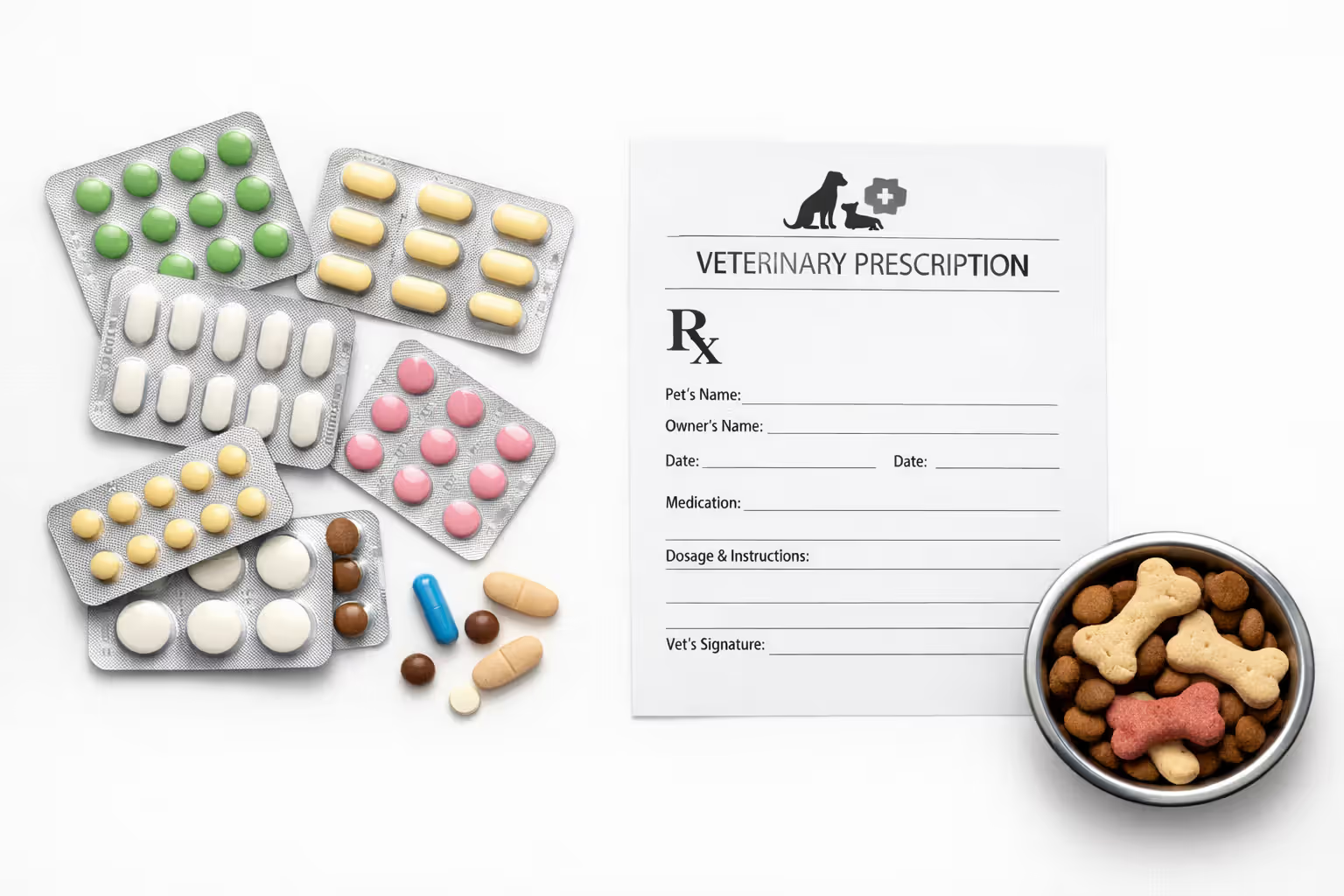
These medications increase serotonin availability in the brain, gradually dialing down baseline anxiety over several weeks. Fluoxetine (Prozac) has FDA approval for canine separation anxiety and gets prescribed more than any other dog anxiety medication.
Expect 4-6 weeks before seeing full results, sometimes eight. You're changing brain chemistry, not sedating the problem away. Fluoxetine handles generalized anxiety, separation anxiety, and compulsive behaviors like excessive licking or tail chasing.
The first two weeks often bring decreased appetite, mild sleepiness, and occasionally increased anxiety before improvement. About 10% of dogs get upset stomachs. Rarely, dogs become more agitated or restless—if that continues past three weeks, this medication isn't working for your dog.
Sertraline (Zoloft) provides an alternative when fluoxetine causes problems. It clears the body faster due to a shorter half-life, which matters if side effects appear. Some veterinary behaviorists prefer it for noise phobias combined with general anxiety.
Trazodone for Situational Anxiety
Trazodone works within 1-2 hours, making it perfect for predictable triggers. Vet visits, grooming, thunderstorms, fireworks, car trips—situations where you know stress is coming.
This serotonin antagonist and reuptake inhibitor provides mild sedation while reducing anxiety. Most dogs stay awake but calmer—they'll walk, eat, and interact, just without the panic.
Many vets prescribe trazodone alongside daily medications like fluoxetine. The SSRI manages baseline anxiety while trazodone handles acute situations. During storm season, you'd give trazodone when the forecast shows thunderstorms approaching.
Side effects include sedation (somewhat desirable), wobbliness if the dose runs too high, and occasional stomach upset. Always do a test dose before the actual stressful event—you need to confirm your dog tolerates it and find the right amount. Some dogs need 3mg/kg while others need 7mg/kg for adequate calming.
Benzodiazepines (Alprazolam, Diazepam)
Benzos work on GABA receptors, producing rapid anxiety relief and sedation within 30-60 minutes. They're powerful but problematic.
Tolerance develops with regular use—the same dose stops working as well. Physical dependence becomes possible, creating withdrawal symptoms if stopped abruptly. Most vets save benzodiazepines for occasional use: the dog terrified of car rides who needs emergency vet care, or severe storm phobia when trazodone hasn't provided enough relief.
Some dogs experience paradoxical excitement—getting more agitated instead of calmer. This happens more in certain breeds and individuals. Disinhibition can occur too, where a dog shows behaviors they'd normally suppress—sometimes including aggression.
Alprazolam lasts 4-6 hours while diazepam extends to 8-12 hours. Short procedures suit alprazolam. All-day events like July 4th might need diazepam.
Never mix benzodiazepines with alcohol-based medications or certain other drugs. Tell your vet about every supplement and medication your dog takes.
Tricyclic Antidepressants (Clomipramine)
Clomipramine (Clomicalm) has FDA approval for canine separation anxiety and affects both serotonin and norepinephrine systems. Results appear in 2-4 weeks, similar to SSRIs.
Some veterinary behaviorists favor clomipramine specifically for separation anxiety, finding it slightly more effective than fluoxetine for this particular problem. It also addresses compulsive disorders and generalized anxiety.
Side effects include dry mouth (you'll notice increased water drinking), constipation, urinary retention, and sedation. Cardiac effects are possible, requiring careful monitoring for dogs with heart conditions. Clomipramine interacts with more medications than SSRIs do, so thorough medication history review becomes essential.
Cost runs higher than generic fluoxetine, which matters for families on tight budgets planning long-term treatment.
Prescription Anxiety Medications Comparison
Medication Name
Drug Class
Primary Use Case
Time to Effect
Common Side Effects
Average Monthly Cost
Fluoxetine (Prozac)
SSRI
General anxiety, separation issues, compulsive behaviors
Drowsiness, possible increased excitement, builds tolerance
$15-35 (occasional use)
Diazepam (Valium)
Benzodiazepine
Acute fear responses, muscle relaxation
30-60 minutes
Drowsiness, liver concerns with chronic use
$10-25 (occasional use)
Clomipramine (Clomicalm)
Tricyclic antidepressant
Separation anxiety, compulsive patterns
2-4 weeks
Dry mouth, constipation, drowsiness
$40-80
Buspirone
Azapirone
General anxiety, fear-based reactions
2-4 weeks
Minimal; sometimes increased activity
$25-60
Costs reflect typical dosing for a 50-pound dog using generic manufacturers; brand names and larger dogs increase costs.
Natural and Over-the-Counter Anxiety Remedies for Dogs
Natural remedies occupy frustrating territory: some show genuine evidence of benefit, others rely on marketing hype. None match prescription medication effectiveness for moderate to severe anxiety, but they help mild cases and sometimes complement pharmaceutical treatment.
CBD oil considerations
CBD research in dogs remains limited though expanding. A 2019 Colorado State University study found CBD reduced anxiety-related behaviors, though effects were modest. Quality varies wildly—the CBD market lacks regulation, and products differ dramatically in actual CBD content and purity.
Look for third-party testing certificates (COAs) showing CBD content and confirming zero THC (toxic to dogs). Quality products run $0.50-2.00 per dose. Start around 0.25mg per pound twice daily, increasing gradually if needed.
Possible side effects include drowsiness, dry mouth, and lowered blood pressure at high doses. CBD interacts with many medications by affecting liver enzymes, so discuss with your vet before combining with prescription drugs.
L-theanine and calming supplements
L-theanine, an amino acid from green tea, produces mild anti-anxiety effects in dogs. Several veterinary-formulated supplements combine L-theanine with other ingredients like thiamine, colostrum, and magnolia/phellodendron extracts.
Products like Solliquin, Composure, and Zylkene have some research backing, though studies often come from manufacturers. They work best for mild anxiety—the dog slightly nervous during storms, not the one attempting to break through walls.
Give these 2-4 weeks of daily use before deciding if they're working. These supplements show excellent safety profiles with minimal side effects, making them reasonable first-line options before prescription medication.
Pheromone diffusers and anxiety wraps
Adaptil (dog appeasing pheromone) mimics the calming pheromone mother dogs produce for puppies. Diffusers, collars, and sprays deliver the synthetic version. Research demonstrates modest benefits for some anxiety types, particularly fear of new environments and noise phobias.
Individual dog responses vary significantly. Some owners see dramatic improvements; others notice zero difference. At $25-40 monthly for diffuser refills, it's worth a 4-6 week trial to gauge your dog's response.
Author: Lucas Fairmont;
Source: alwaysonsalepetsupplies.com
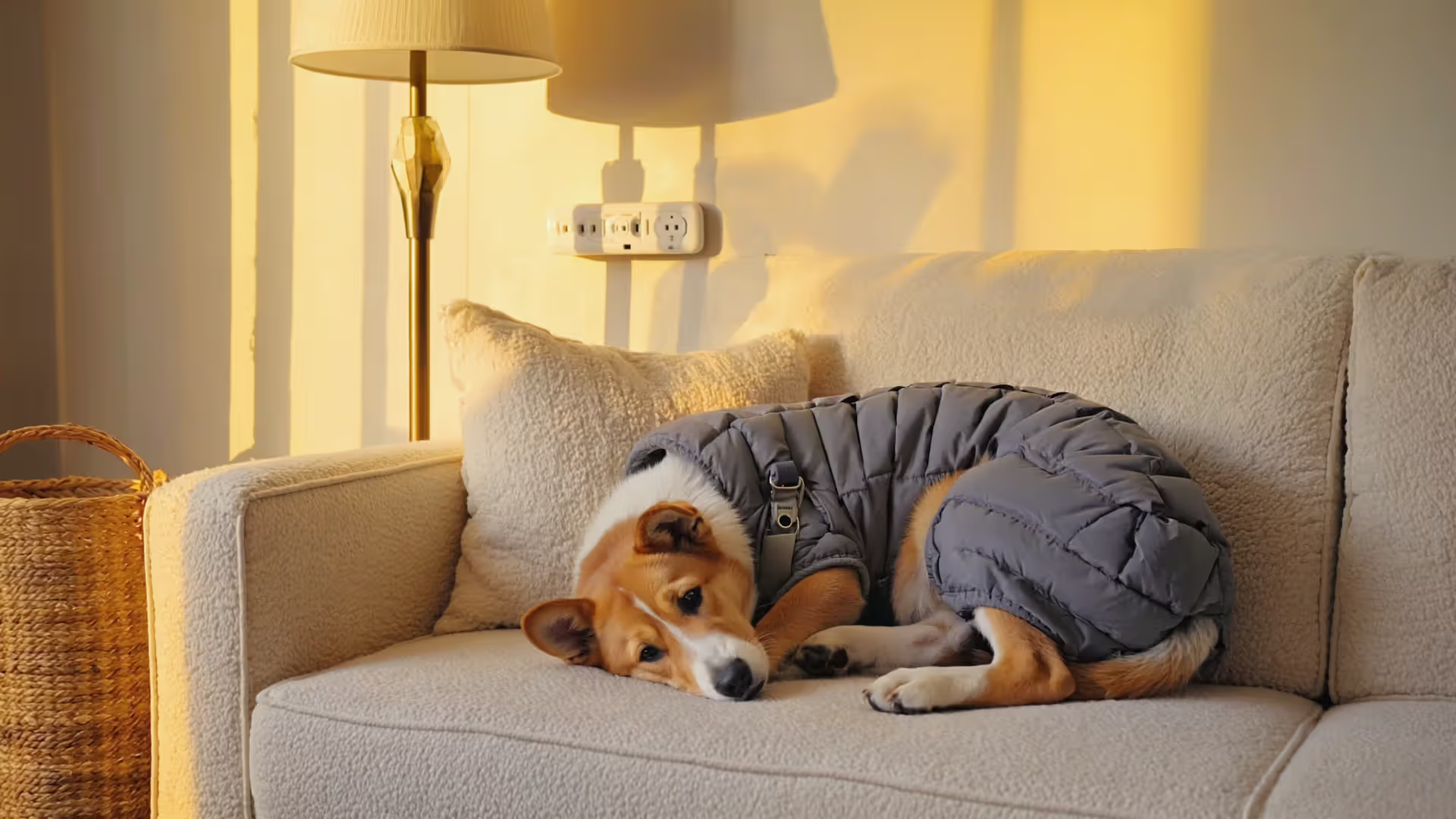
Anxiety wraps (Thundershirt, compression shirts) provide maintained gentle pressure, similar to swaddling babies. Roughly 40% of dogs show some anxiety behavior improvement while wearing them. They work best for noise phobias and travel anxiety. Main advantage: no side effects and you can use them indefinitely.
Effectiveness compared to prescription options
Natural remedies rarely resolve moderate to severe anxiety alone. A dog with genuine separation anxiety disorder won't improve adequately with CBD and pheromones. However, combining natural approaches with prescription medication sometimes permits lower drug doses or addresses lingering mild symptoms.
For mild anxiety—the dog somewhat nervous at the vet or a bit worried during storms—natural options deserve a first try. For dogs who panic, injure themselves, or can't function normally, prescription medication remains the evidence-based standard.
What to Expect: Timelines, Side Effects, and Dosage Adjustments
Starting anxiety medication demands patience and realistic expectations. You're not flipping a switch—you're gradually adjusting neurochemistry.
How long before medications take effect
Daily SSRIs and tricyclic antidepressants require 4-6 weeks minimum, sometimes 8-12 weeks for complete benefits. Small improvements might appear around week 2-3, but judge true effectiveness at 6-8 weeks. Keep a log—anxiety improvements can be subtle and gradual enough that you miss day-to-day changes, but comparing week 1 to week 6 shows clear progress.
Fast-acting medications (trazodone, benzodiazepines) kick in within 1-2 hours. Give trazodone 90 minutes before the triggering event for peak effectiveness.
Some dogs need dose adjustments. Starting conservatively minimizes side effects, but if you see minimal improvement after 6 weeks at the initial dose, your vet may increase it. Fluoxetine, for example, ranges from 0.5-2mg per pound daily depending on individual response.
Common side effects by medication type
Most side effects surface in the first 1-2 weeks and fade as the dog adjusts. Mild sleepiness and reduced appetite with SSRIs typically improve by week three. If your dog seems excessively sedated, refuses food for more than 48 hours, or shows concerning symptoms like vomiting or severe diarrhea, contact your vet immediately.
Behavioral changes need attention too. Increased agitation, restlessness, or anxiety that intensifies rather than improves after 2-3 weeks suggests the medication isn't right for your dog. Some dogs respond better to sertraline than fluoxetine, or vice versa—individual variation runs high.
With proper monitoring, long-term side effects remain uncommon. Annual bloodwork catches potential liver or kidney changes early. Weight gain affects some dogs on long-term SSRIs; monitor body condition and adjust food portions accordingly.
The art of medicine consists of amusing the patient while nature cures the disease
Typical tapering schedule: reduce the dose by 25% every 2-4 weeks. A dog taking 20mg fluoxetine daily would drop to 15mg for 2-4 weeks, then 10mg, then 5mg, then stop. Slower tapering (reducing every 4 weeks instead of 2) causes fewer issues.
Some dogs need medication indefinitely; others can discontinue after 6-12 months if underlying anxiety has improved through behavior modification. Work with your vet to determine the right timeline for your dog.
Cost factors and insurance coverage
Generic fluoxetine runs $15-40 monthly for most dogs. Trazodone used occasionally (twice weekly) costs $10-20 monthly. Clomipramine and some newer medications cost more, sometimes $60-100 monthly.
Many pet insurance policies cover prescription medications with veterinary diagnosis, though you'll pay upfront and submit for reimbursement. Coverage percentages vary by policy. Wellness plans typically exclude anxiety medications, but some comprehensive illness plans include them.
Compounding pharmacies can create custom dosages or flavored formulations, sometimes at lower cost for very small or very large dogs. Discuss options with your vet if cost creates barriers.
Combining Medication with Behavioral Training for Best Results
Medication alone doesn't cure anxiety—it creates mental space where learning becomes possible. The dog too panicked to take treats can't learn new coping strategies. Reduce the panic with medication, and training suddenly works.
Why medication alone isn't a cure
Anxiety medications reduce symptoms but don't teach new behaviors or change learned associations. Your dog still believes thunderstorms signal danger; the medication just dampens the panic response enough that they can begin learning storms aren't actually threatening.
Without behavior modification, you're managing symptoms rather than addressing root problems. Some dogs need lifelong medication, but many can eventually reduce doses or discontinue if you pair medication with systematic training.
Author: Lucas Fairmont;
Source: alwaysonsalepetsupplies.com
Counter-conditioning techniques
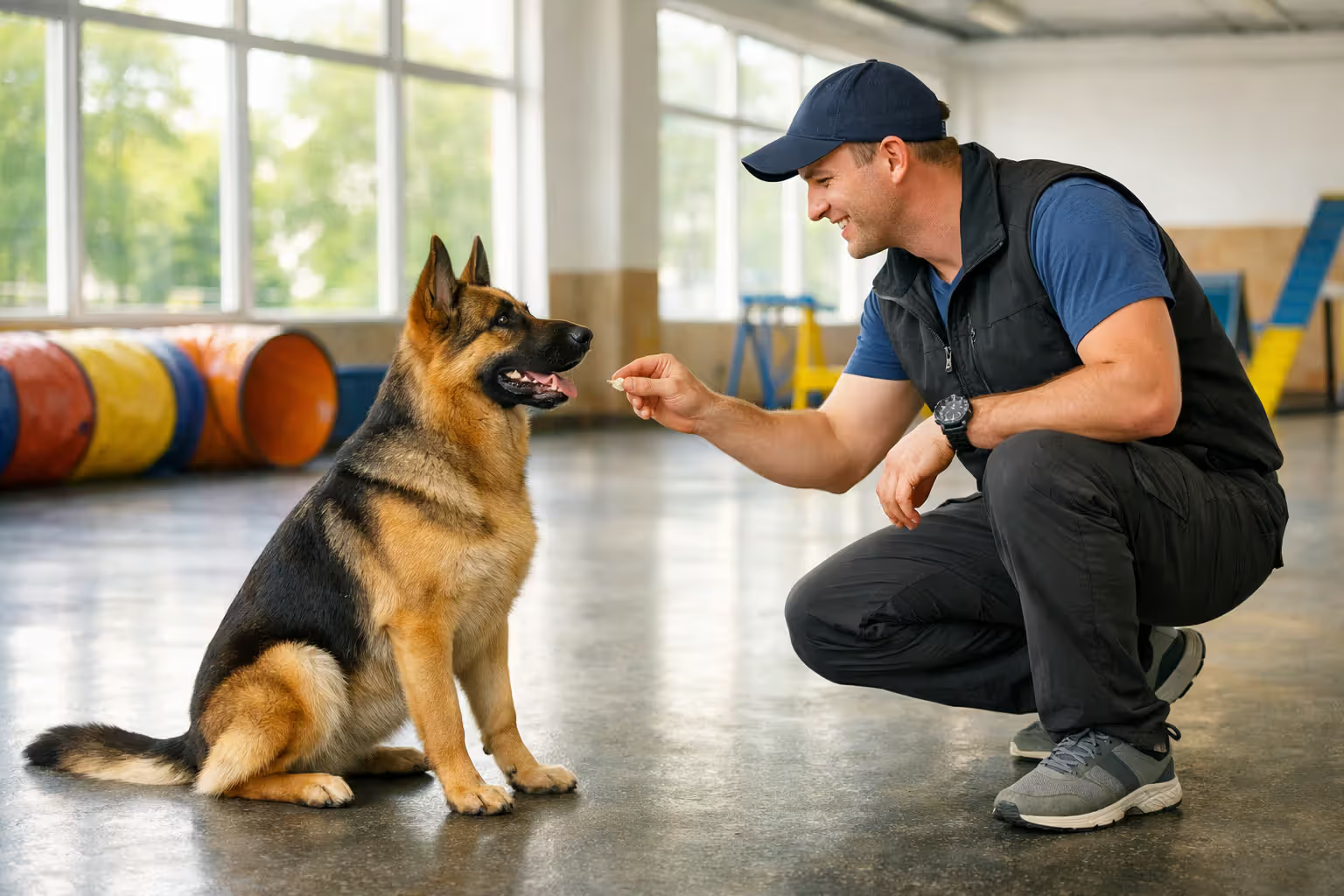
Counter-conditioning changes emotional responses by pairing the scary thing with something wonderful. For separation anxiety, you might put on shoes (pre-departure cue) and immediately give your dog a frozen Kong, then sit back down. Repeat until shoes predict treats, not abandonment.
Medication makes this work. The unmedicated anxious dog won't touch the Kong—they're too stressed. With medication lowering baseline anxiety, they can engage with the treat and begin forming new associations.
Desensitization involves gradual exposure to triggers at intensities low enough to avoid triggering fear. For noise phobias, you'd play storm sounds at barely audible volumes while playing with your dog, gradually increasing volume over weeks. Trazodone or daily medication keeps anxiety manageable enough that your dog can tolerate the process.
Working with veterinary behaviorists
Veterinary behaviorists complete veterinary school plus additional specialized residency training in behavior—think of them as psychiatrists for dogs. For complex cases, severe anxiety, or situations where initial treatment hasn't worked, their specialized knowledge becomes invaluable.
They can prescribe medication combinations, fine-tune protocols more precisely, and create comprehensive behavior modification plans. Find board-certified veterinary behaviorists through the American College of Veterinary Behaviorists (ACVB) website.
Certified applied animal behaviorists (CAAB) and veterinary technician specialists in behavior (VTS-Behavior) also provide expert behavior support, often working alongside your vet who handles prescriptions.
Long-term management strategies
Successful anxiety treatment often involves medication for 6-18 months while implementing behavior modification, then gradual medication reduction while watching for symptom return. Some dogs need medication indefinitely—and that's fine. You wouldn't criticize a diabetic dog for needing insulin; chronic anxiety sometimes requires ongoing pharmaceutical support.
Environmental management remains important throughout. If your dog has noise phobia, creating a safe room with sound dampening, white noise, and comfortable bedding provides ongoing support regardless of medication status.
Maintenance training matters too. Even after your dog improves, occasionally practice the skills they've learned. Dogs with former separation anxiety benefit from periodic short absences with special treats to maintain their confidence.
Author: Lucas Fairmont;
Source: alwaysonsalepetsupplies.com
FAQ: Dog Anxiety Medication Questions Answered
Can I give my dog human anxiety medication?
Never give your dog human medication without explicit veterinary instruction. While dogs receive many of the same drugs humans use (fluoxetine, trazodone, alprazolam), dosing differs significantly, and some human formulations contain inactive ingredients toxic to dogs. Xanax tablets for humans sometimes contain xylitol, a sweetener that kills dogs. Always use veterinary-prescribed medications at veterinary-specified doses.
How long will my dog need to stay on anxiety medication?
This varies dramatically by individual dog and anxiety type. Some dogs take medication for 6-12 months while undergoing behavior modification, then successfully taper off. Others need lifelong treatment because their anxiety stems from severe or neurological factors that won't change. Situational medications like trazodone might be needed only during specific events (storms, travel) indefinitely. Your vet will assess treatment response and discuss long-term plans around the 6-month mark.
What's the safest anxiety medication for senior dogs?
Trazodone and gabapentin (sometimes used for anxiety in older dogs) generally show favorable safety profiles in seniors. SSRIs like fluoxetine work well in older dogs with normal organ function, but require bloodwork monitoring. Benzodiazepines demand extra caution in senior dogs due to increased fall risk from sedation and wobbliness. Always discuss your senior dog's complete health picture with your vet—kidney disease, liver problems, or heart conditions heavily influence medication choice.
Are there withdrawal symptoms when stopping anxiety meds?
Yes, particularly with SSRIs, tricyclic antidepressants, and benzodiazepines. Withdrawal creates increased anxiety, restlessness, tremors, stomach upset, and behavioral changes. This explains why gradual tapering becomes essential—never stop these medications abruptly. Trazodone used occasionally doesn't cause dependence, but dogs on daily trazodone for extended periods should taper gradually too. Follow your vet's tapering schedule, and contact them if withdrawal symptoms appear.
How much does dog anxiety medication cost without insurance?
Generic fluoxetine runs $15-40 monthly for typical dogs. Sertraline costs slightly more at $20-50 monthly. Trazodone for occasional use (2-3 times weekly) runs $10-30 monthly. Clomipramine prices higher at $40-80 monthly. Benzodiazepines for occasional use cost $15-35 monthly. Compounded medications vary widely by pharmacy and formulation. These estimates assume generic versions for a medium-sized dog; brand names and larger dogs increase costs. Many vets offer price comparisons between pharmacies—ask before filling prescriptions.
Can anxiety medication change my dog's personality?
Appropriate anxiety medication should reduce anxiety without fundamentally altering your dog's personality. Your dog should remain playful, affectionate, and engaged—just calmer and less worried. If your dog becomes lethargic, loses interest in activities they usually enjoy, or seems emotionally "flat," the dose may run too high or the medication may not suit them. Some initial sedation during the first 1-2 weeks with SSRIs is normal and should resolve. Contact your vet if personality changes seem excessive or continue beyond the adjustment period.
Anxiety medication for dogs isn't weakness or laziness—it's legitimate medical treatment for a legitimate medical condition. You wouldn't expect a diabetic dog to heal through training alone. Dogs with anxiety disorders often need pharmaceutical support to function comfortably.
Your goal isn't turning your dog into a compliant zombie. It's reducing their suffering enough that they can learn, play, rest, and experience life without constant terror. Medication delivers best results as part of a comprehensive approach: accurate diagnosis, appropriate medication, systematic behavior modification, environmental management, and patience.
Start with an honest veterinary conversation. Bring videos of your dog's anxious behaviors, keep a log of triggers and responses, and be transparent about what you've already tried. Whether your dog needs daily medication, situational support, or natural alternatives depends on the severity and type of anxiety they're experiencing.
Thousands of dogs live happier, more comfortable lives because their owners recognized that sometimes love and training fall short—sometimes, brain chemistry needs help too.
Wondering why your dog humps people, other dogs, or random objects? You’re not alone. Discover the real triggers behind mounting behavior, find out when it’s completely normal, and learn 5 proven training methods that actually work to stop it for good
Discover why dogs eat poop, what health risks coprophagia carries, and 7 proven methods to stop this behavior fast. Vet-backed solutions that actually work — for puppies and adult dogs alike. Your clean, stress-free walks start right here
Discover why dogs eat grass, what it means for their health, and when to take action. Learn the science behind this common behavior, its link to vomiting, and how to keep your dog safe while grazing. Find out which signs are normal, which are red flags, and what vets recommend
Discover why dogs eat dirt — from boredom and nutritional gaps to pica and hidden illness. Understand the real health risks, spot the warning signs early, and apply 7 vet-approved methods to stop this behavior for good
The content on this website is provided for general informational and educational purposes only. It is intended to offer guidance on dog breeds, behavior, health, care, and lifestyle, and should not be considered a substitute for professional veterinary advice, diagnosis, or treatment.
All information published on this site is based on general knowledge, widely accepted research, and practical experience, but individual dogs may differ in behavior, health conditions, and needs. Results and outcomes may vary depending on the dog, environment, and circumstances.
The website is not responsible for any errors or omissions, or for actions taken based on the information provided. For specific concerns regarding your dog’s health or behavior, always consult a qualified veterinarian or professional dog specialist.